Discover our high-precision engineered solutions matching top-tier quality standards globally.
Modern industrial supply chains require a delicate balance between cost-efficiency, logistical responsiveness, and high-fidelity production. The lost wax casting (investment casting) industry has transformed from a labor-intensive foundry art to an automated, high-technology casting process capable of producing complex components with exceptional surface finishes and dimensional accuracy.
Engineering departments searching for "lost wax casting near me" are not merely looking for physical proximity. The intent underlying this search behavior encompasses several critical business needs:
By positioning our manufacturing operations to support clients globally, we bridge the gap between local design consulting and highly cost-competitive casting and machining capacities.
Understanding the engineering behind high-precision investment casting and CNC finishing.
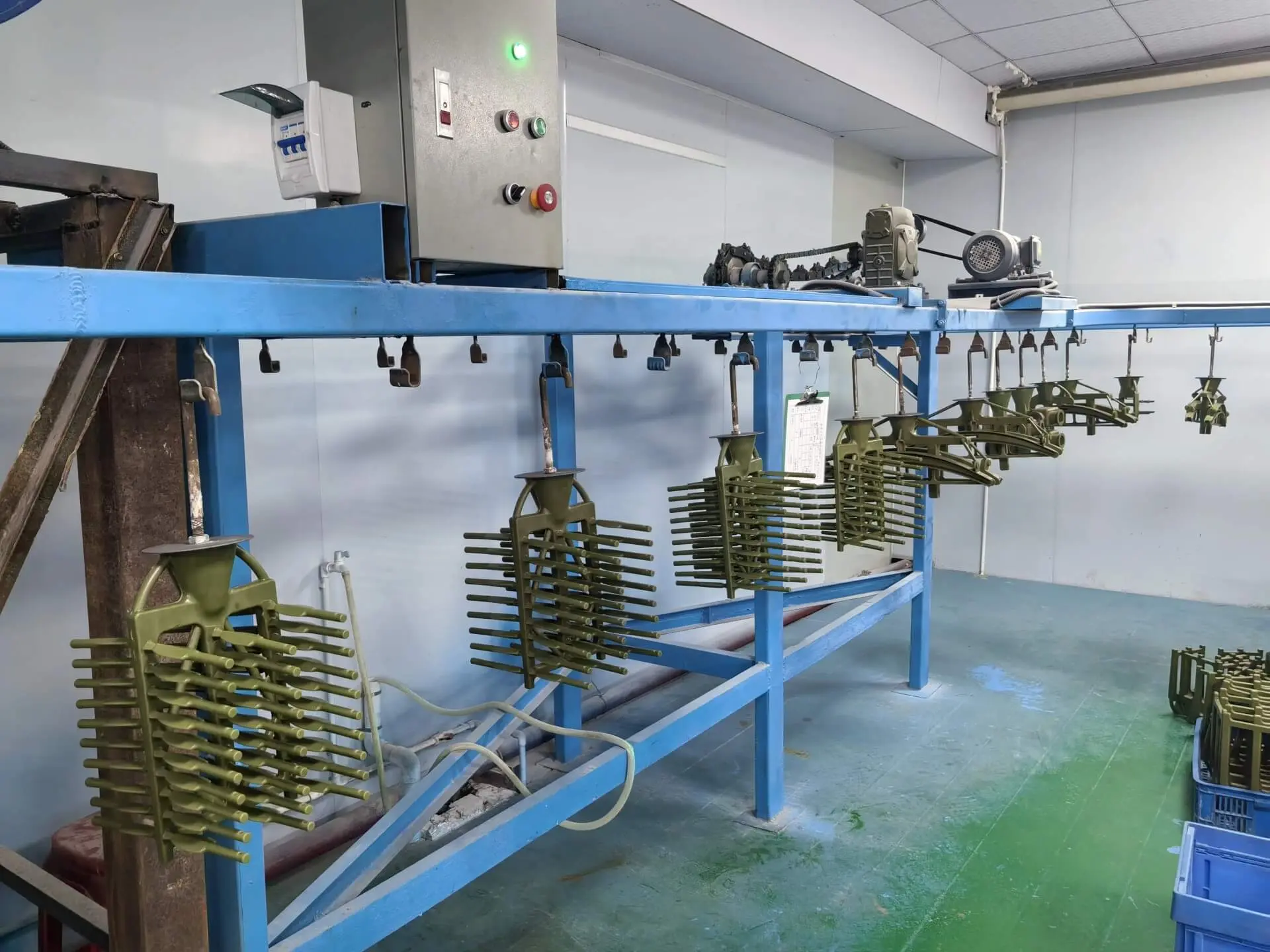
Liquid wax is injected into a precision-engineered die to create an exact replica of the desired component. These patterns are then assembled onto a central runner gate or "tree" to optimize liquid metal flow dynamics.
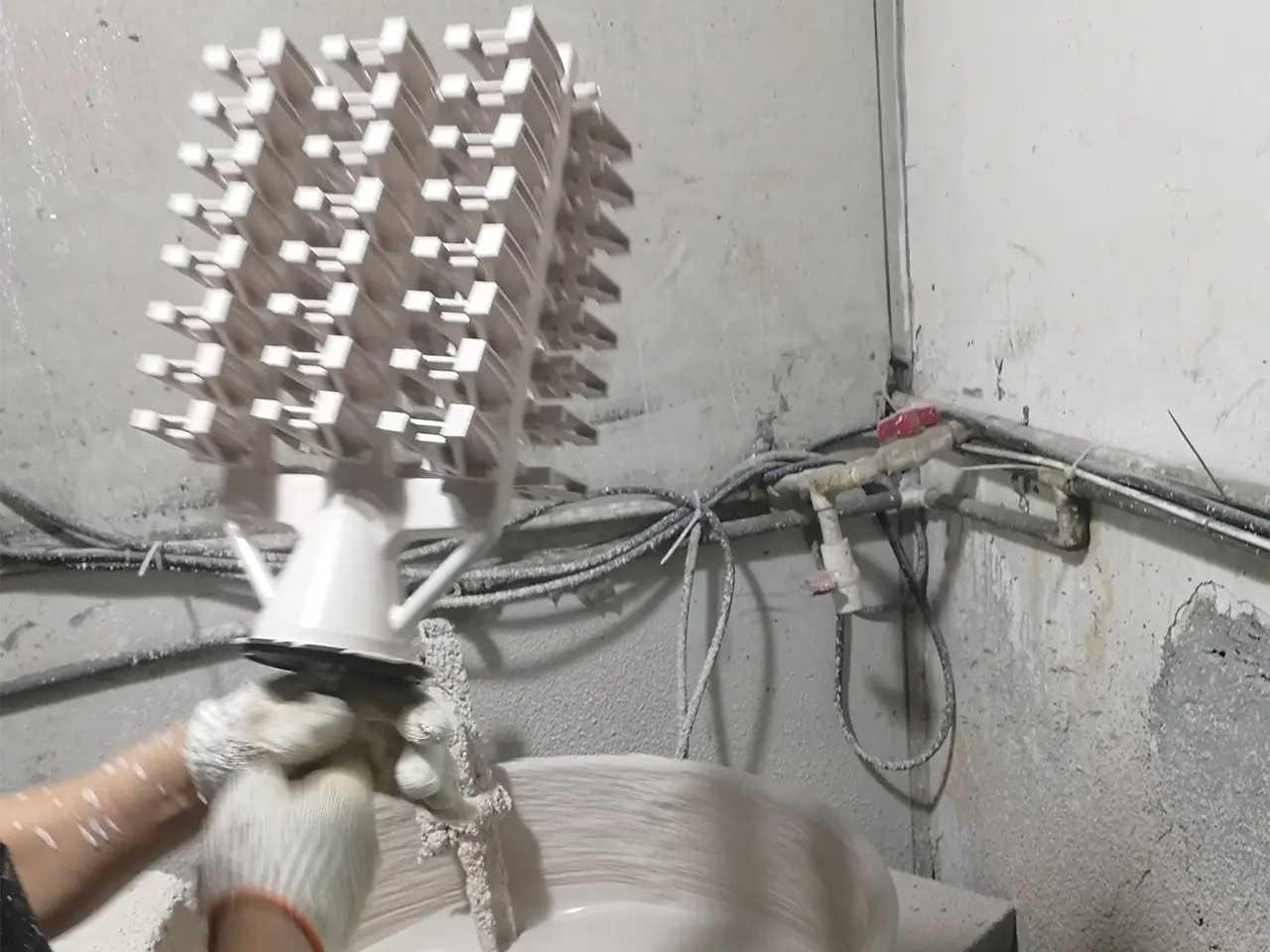
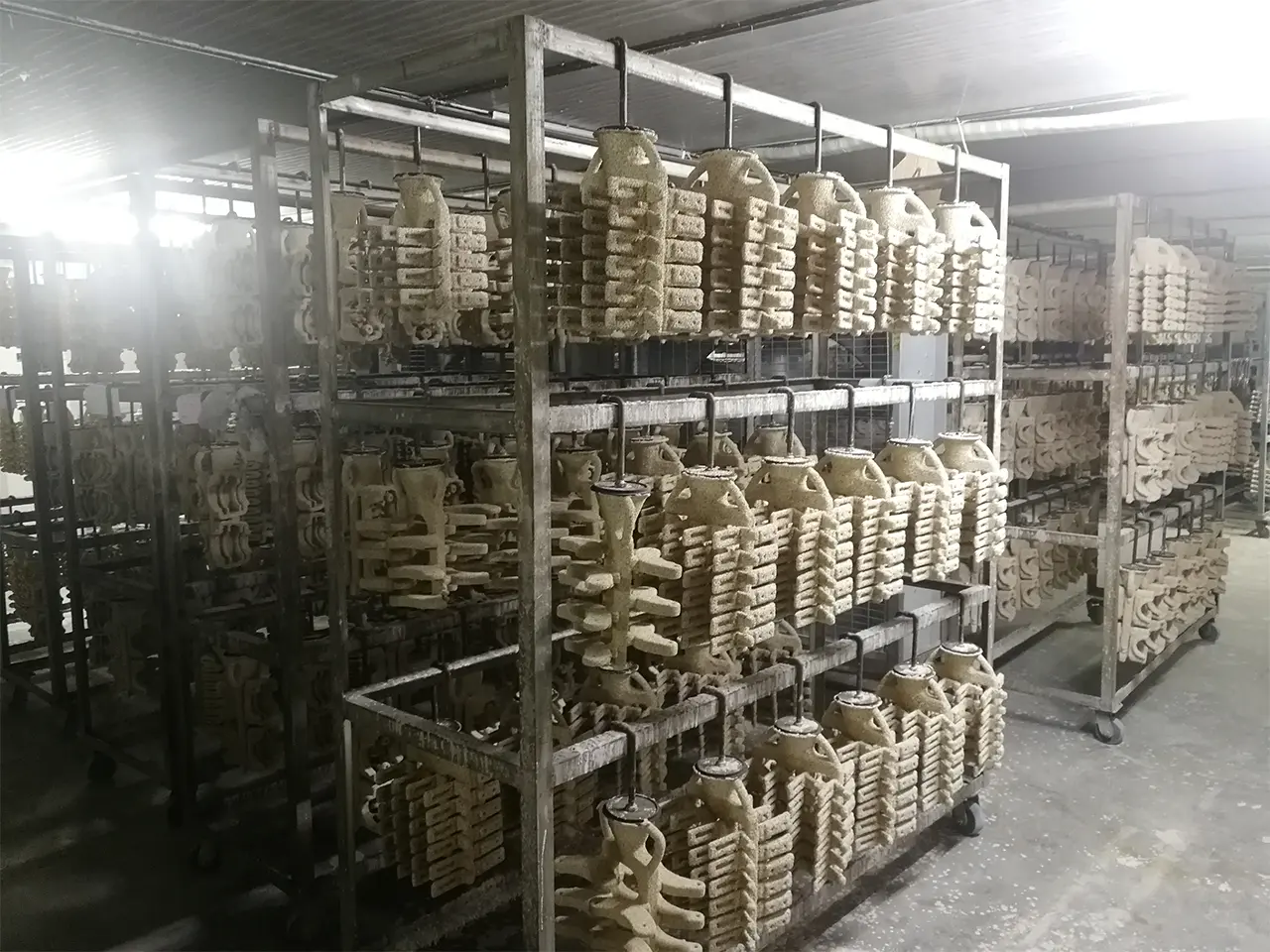
The wax assembly is repeatedly dipped into high-grade refractory slurries and stuccoed with silica sands. This creates a robust, thermal-shock resistant mold structure capable of holding tight casting tolerances.
Using a high-pressure steam autoclave, the wax is evacuated (hence "lost wax"). The hollow shell is then fired at high temperatures (up to 1000°C) to vitrify the ceramic binder and remove residual trace elements.
Molten metal (stainless steel, titanium, aluminum, or carbon steel) is poured into the preheated shell. Post-cooling, the ceramic shell is removed, and components undergo secondary CNC turning or milling to achieve finish-level tolerances.
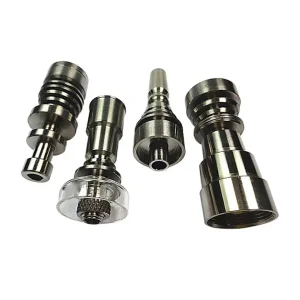
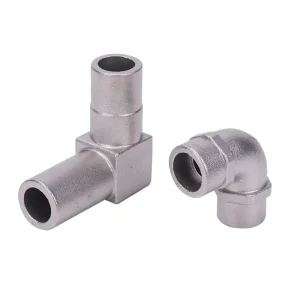
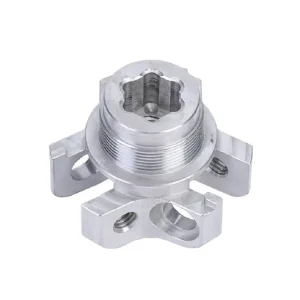
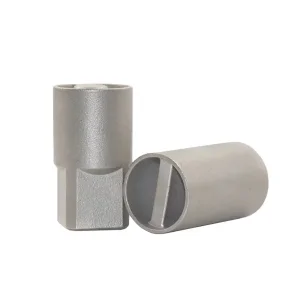
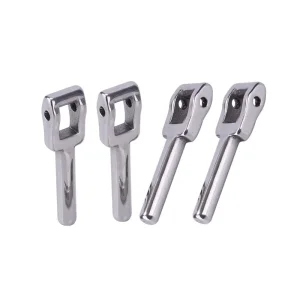
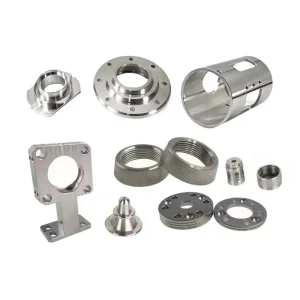
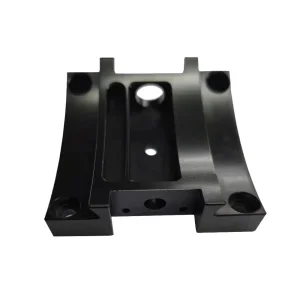
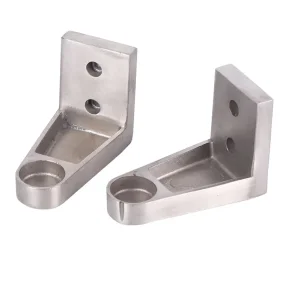
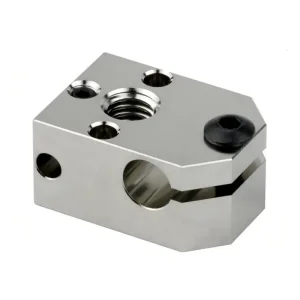
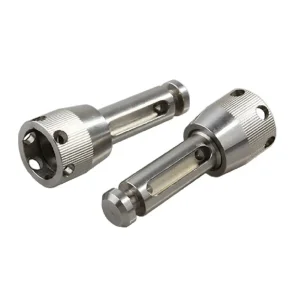
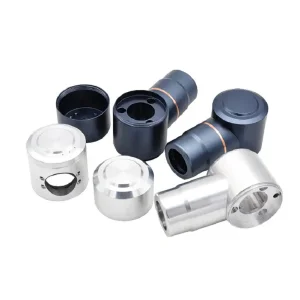
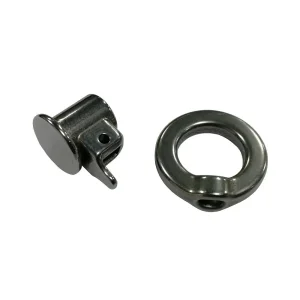
Dongguan SX Technology Co.,Ltd has very rich experience in precision casting, CNC machining and assembly. Our products are used in machinery, automobiles, marine, ships, equipment, valves and pumps, electronic appliances, packaging, watches, construction, chemical industry and other industries. The most commonly used materials for investment casting are stainless steel and carbon steel. And the most commonly used materials for CNC machining include titanium alloy, stainless steel, carbon steel, aluminum alloy, copper alloy, cemented carbide, etc.
We have advanced manufacturing equipment and technology and are able to respond quickly to your needs. Our integrated facility ensures seamless coordination between structural design, cast prototyping, scale production, and secondary high-precision CNC machining.
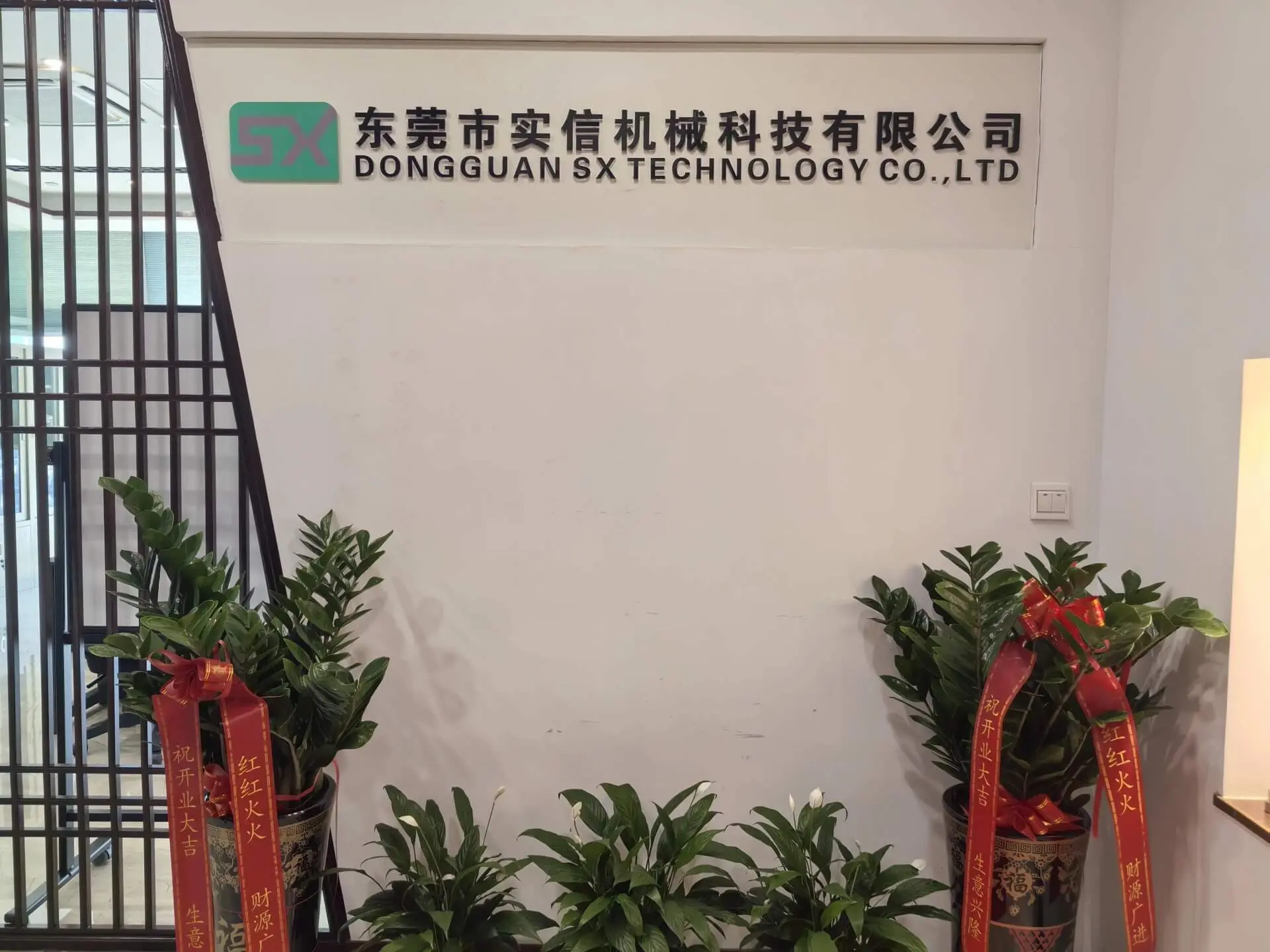
Take a look inside our state-of-the-art facility featuring advanced metallurgy and multi-axis CNC machines.
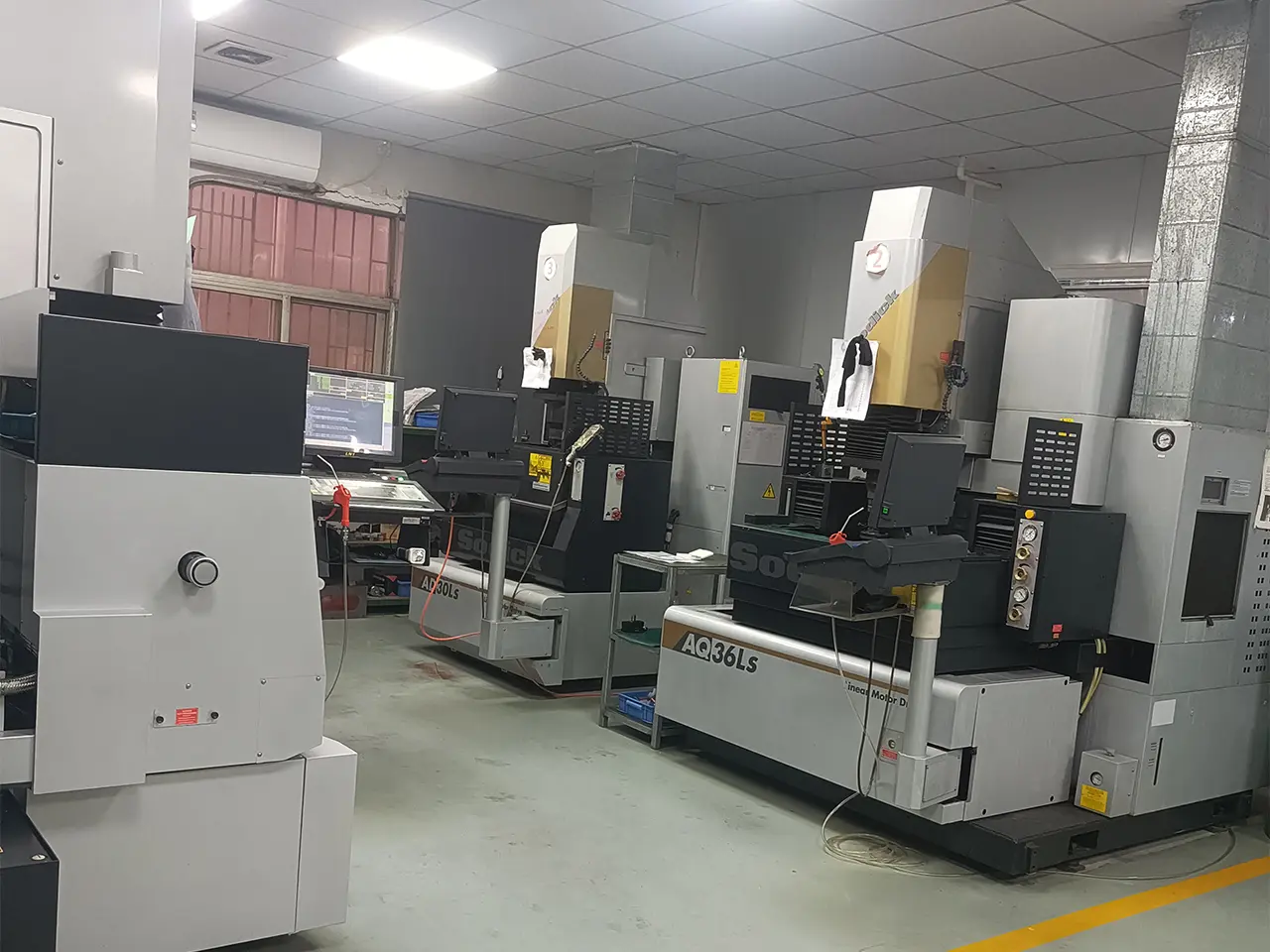
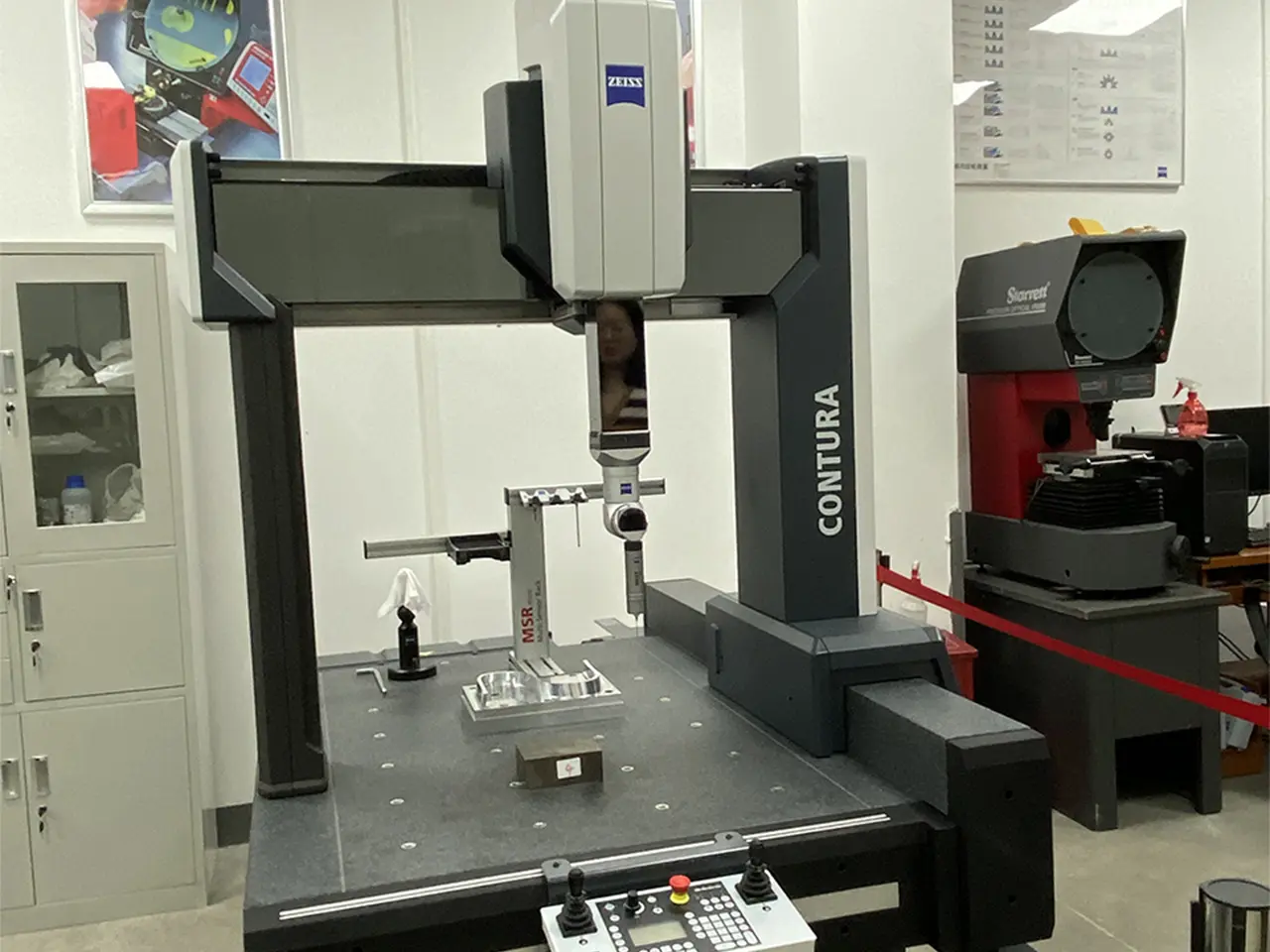
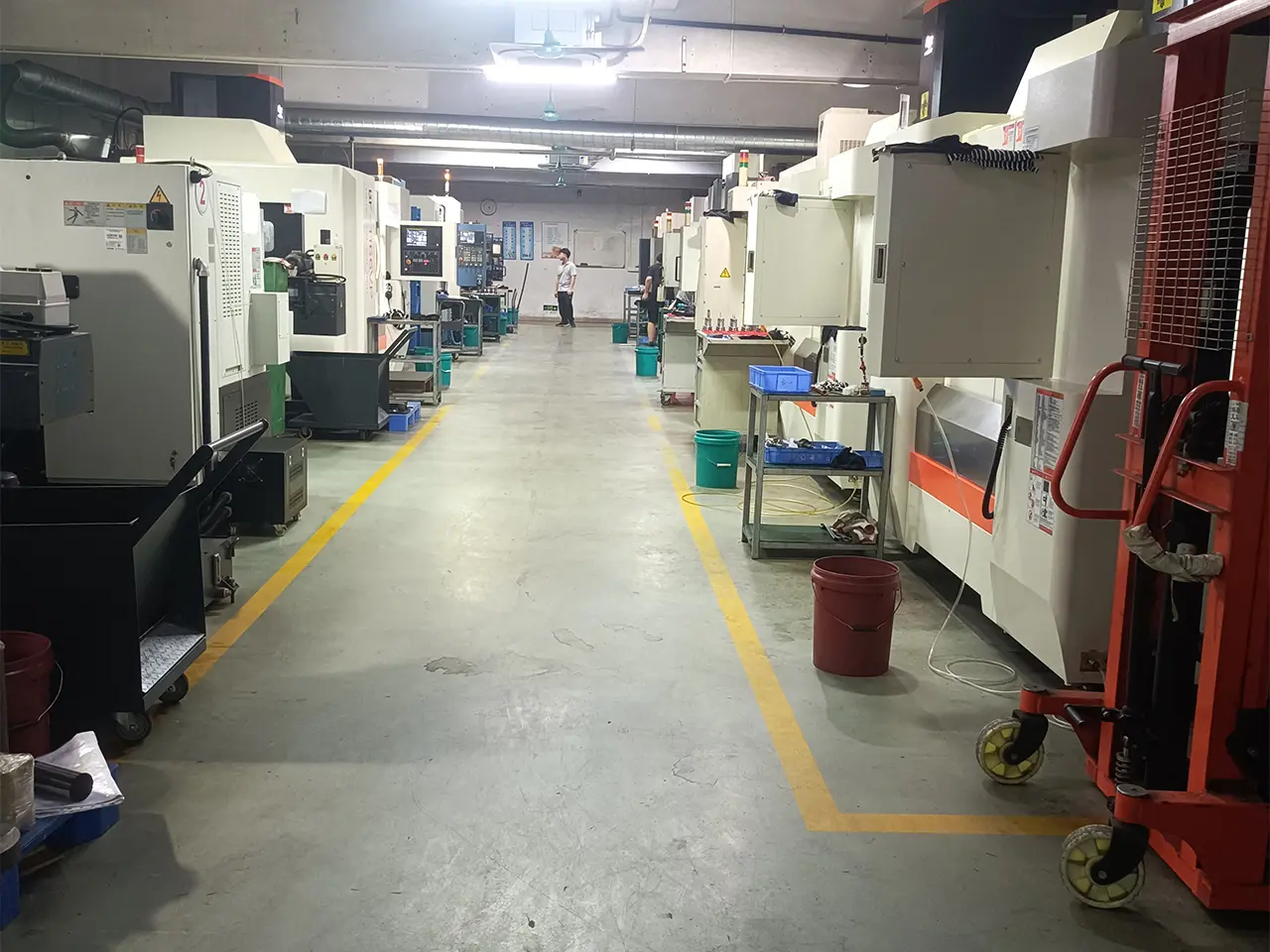
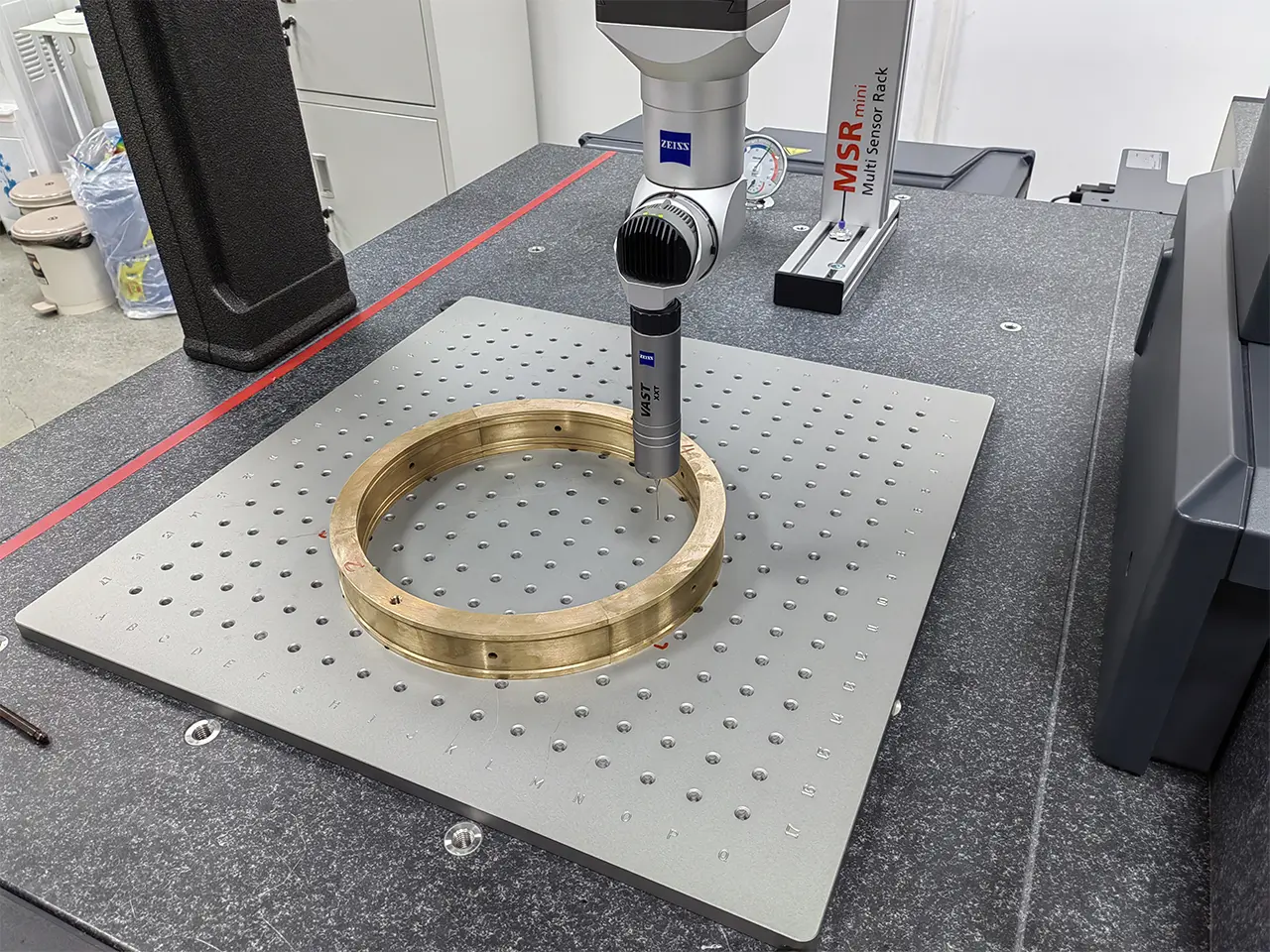
We have professional testing equipment and professional QC personnel, and we adhere to strict tolerances and quality standards for the products we produce. Due to our insistence on strict quality requirements, we have been praised by many customers.
Quality is the cornerstone of the manufacturing industry. We firmly believe that only by controlling quality well can we survive, develop, and get better and better. Therefore, we have been working in this industry unremittingly since 2014 and continue to Improve the company's team and improve the company's production capacity.
Our verification processes utilize Coordinate Measuring Machines (CMM), spectrometer chemical composition analyzers, ultrasonic non-destructive testing (NDT), and advanced surface finish profiling instruments to ensure zero-defect delivery.
Providing sector-specific metallurgy expertise and custom component engineering.
Corrosion-resistant components using CF8M (316 Stainless Steel) lost wax casting processes. Engineered to withstand high-salinity and chemically harsh offshore environments.
Precision-cast manifolds, titanium alloy suspension modifications, and lightweight aluminum powertrain mounts finished with 5-axis CNC machining.
Architectural hardware, high-end lock mechanisms, and complex structural components utilizing high-durability investment casting techniques.
Expert technical answers for engineers and procurement managers searching for casting and machining services.
Our investment casting processes strictly follow the ISO 8062 SF6 to SF8 dimensional tolerance standards. For critical components requiring tighter tolerances (down to ±0.01mm), we run secondary high-precision CNC machining on our multi-axis setups.
While local shops are great for quick trials, global hubs like Dongguan SX Technology offer unmatched scalability, reduced tooling fees, and integrated secondary processes like CNC turning, milling, and assembly in one single facility. This lowers overall procurement costs significantly.
Stainless steel (304, 316, 17-4 PH) and carbon steel are the most commonly cast metals due to their fluidity and mechanical properties. For titanium, aluminum, and cemented carbides, we deploy custom precision machining and specialized alloying techniques depending on stress requirements.
We perform chemical analysis on every heat batch using optical emission spectrometers. Mill test reports (MTRs) and structural testing datasets are provided to our clients as part of our standardized quality documentation packet.
Browse through our expanded inventory of precision engineering projects and client products.
 SX Machining