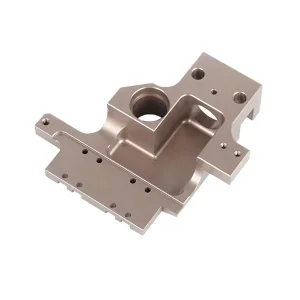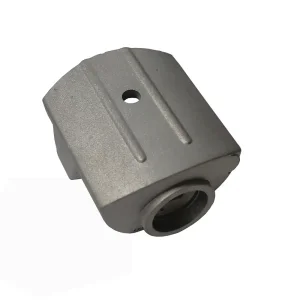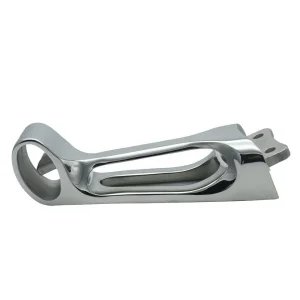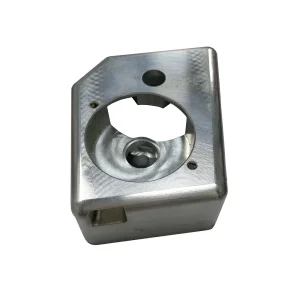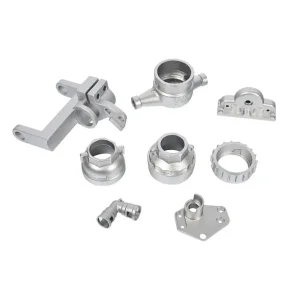
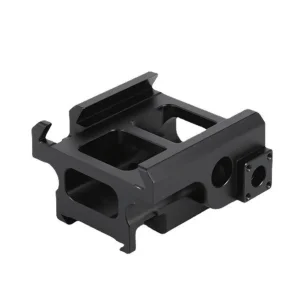
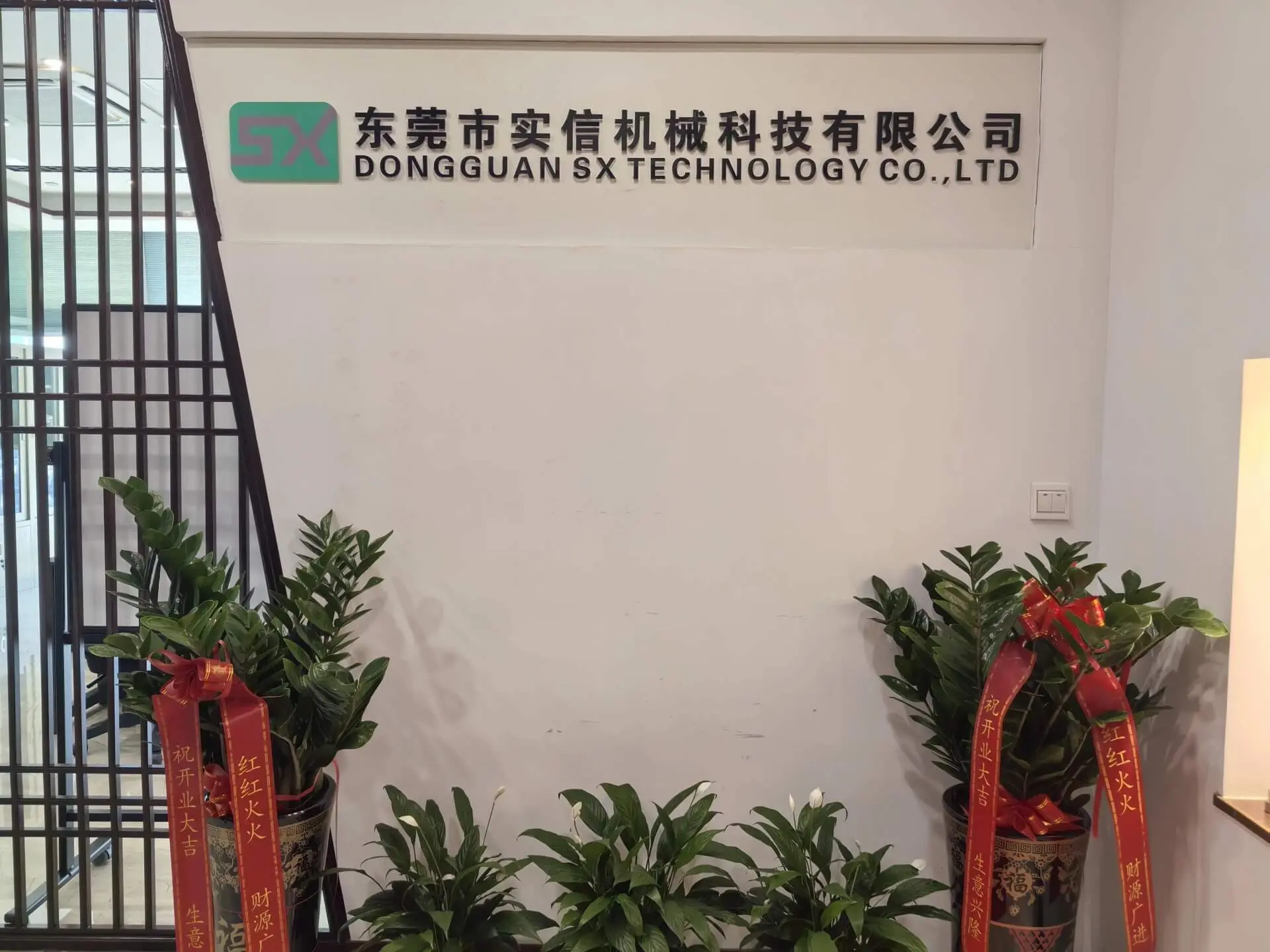
Founded with a dedication to engineering excellence, Dongguan SX Technology Co., Ltd. represents a decade of industrial experience in high-precision investment casting, non-standard CNC machining, and complex assembly solutions. We work at the intersection of metallurgy and modern technology, bridging the gap between raw raw materials and fully-engineered components tailored for demanding operating environments.
Our core capabilities involve handling specialized materials. For investment casting (commonly referred to as lost wax casting), we process extensive grades of stainless steel, carbon steel, and specialty alloys. For post-casting refining and standalone precision subtractive manufacturing, our CNC capabilities cover titanium alloy, stainless steel, carbon steel, aluminum alloy, copper alloy, and cemented carbide. From concept prototypes to full-scale container orders, we provide swift, responsive, and data-backed support.
The global foundry industry has transitioned from standardized structural alloys to high-performance superalloys. The request for corrosion resistance and elevated mechanical strength has driven modern casting services to optimize grain structures, refine gate systems, and implement vacuum induction melting technologies to reduce porosity and gas entrapments.
Modern engineering no longer views casting and machining as separate options. Industrial OEMs demand a unified casting-to-machining pipeline. Near-net-shape casting provides material conservation, while subsequent 5-axis CNC machining delivers functional interfaces with precise geometries and tight tolerances down to single-digit microns.
Global procurement teams must control logistics and material provenance risks. High-quality investment casting services support end-to-end trace documentation, including spectral analysis, metallurgical certificates, X-ray non-destructive testing reports, and automated coordinate-measuring machine (CMM) dimensional checks.
Traditional paraffin waxes are increasingly replaced by filled polymeric waxes that minimize linear shrinkage and thermal expansion. This ensures that the patterns utilized during shell building maintain exact dimensional representation of CAD files. The resulting ceramic shells exhibit uniform mechanical strength, resisting deformation during high-pressure autoclave dewaxing cycles.
Controlling the cooling rate is critical. Rapid cooling can cause internal cracking or excessive grain boundaries, while overly slow cooling can lead to coarse, weak microstructures. At Dongguan SX Technology Co., Ltd., we calculate thermal dynamics for each custom mold shape, engineering gating systems to regulate solidify directionality and minimize microporosity in stainless steel and titanium parts.
Dongguan SX Technology Co., Ltd. bridges high-performance metallurgy with application-specific demands, supplying components configured to meet international quality, environmental, and physical safety standards.
Saltwater environments demand pitting-resistant alloys. We cast and finish-machine Duplex 2205, Super Duplex, and Grade 316L stainless steel hardware. This guarantees marine valves, impellers, and structural joints remain passive and non-reactive under high-salinity conditions.
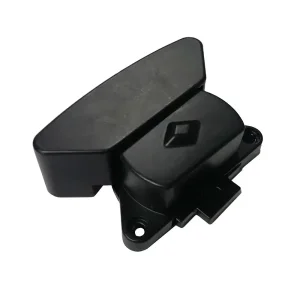
Modern telecommunication demands thin-walled enclosures with strict electromagnetic interference shielding and structural thermal dispersion. Our hybrid casting and precision CNC processes supply lightweight, complex housings with thin partitions and high geometric accuracy.
For high-reliability automotive systems, we cast engine manifolds, turbocharger scrolls, and suspension parts. Our casting design focuses on reducing overall component weight while preserving mechanical strength and high fatigue resistance.
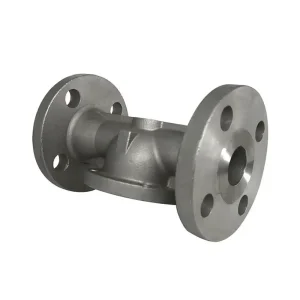
Flow control applications operate under high fluid pressure and cyclic loads. We utilize lost wax casting to manufacture non-standard pump casings, valve bodies, and connector manifolds, validating internal pressure boundaries using non-destructive testing methods.
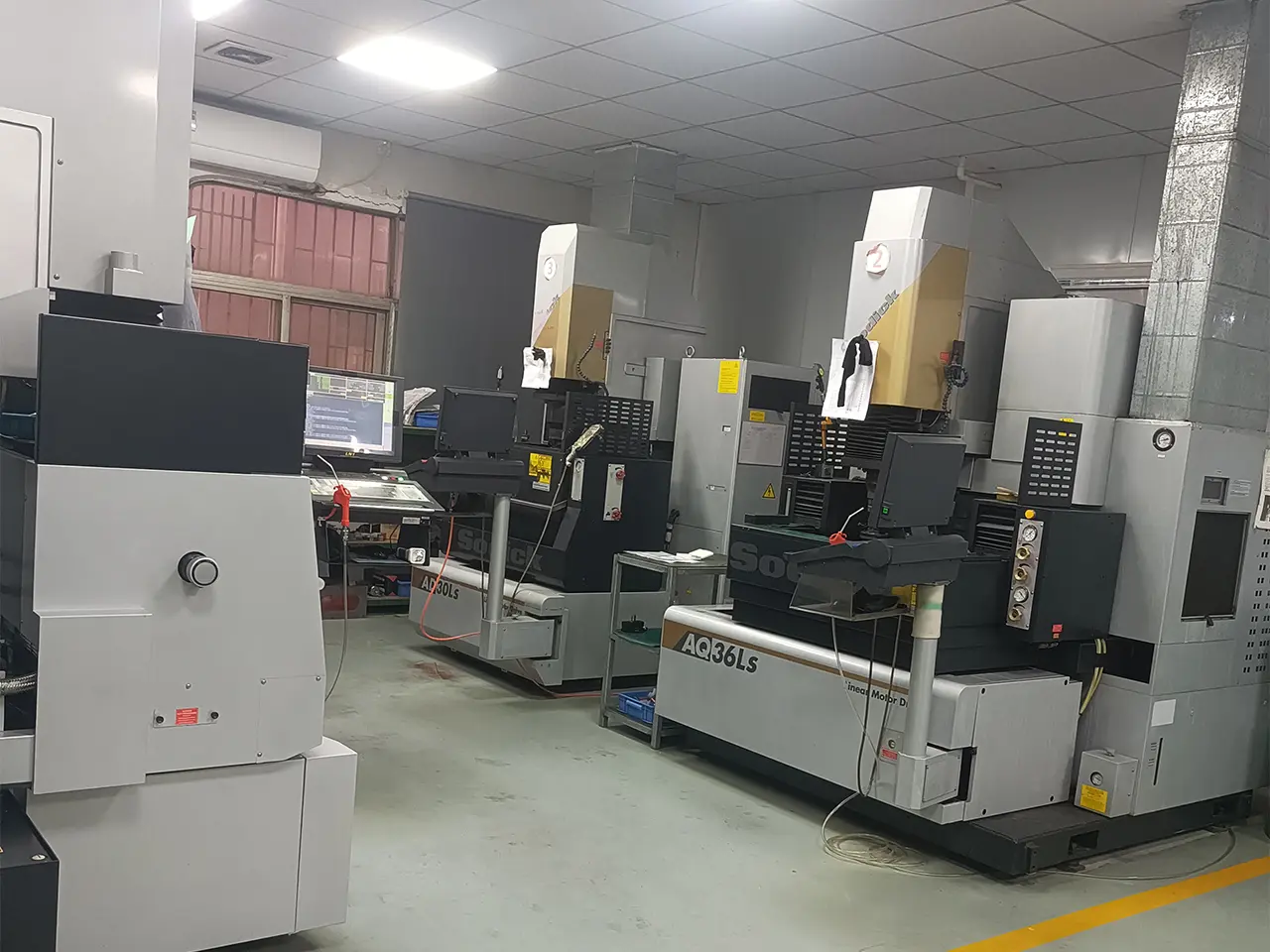
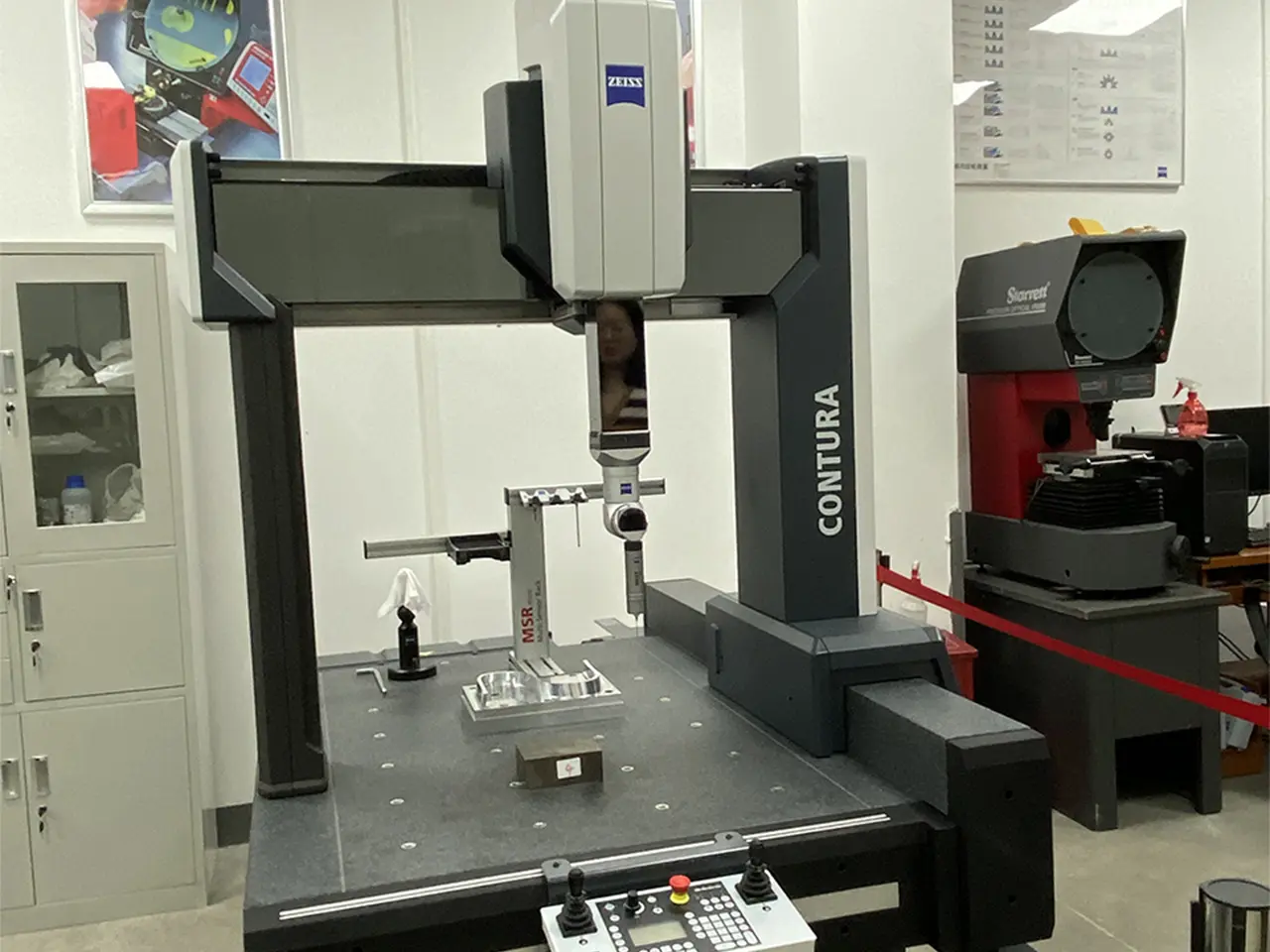
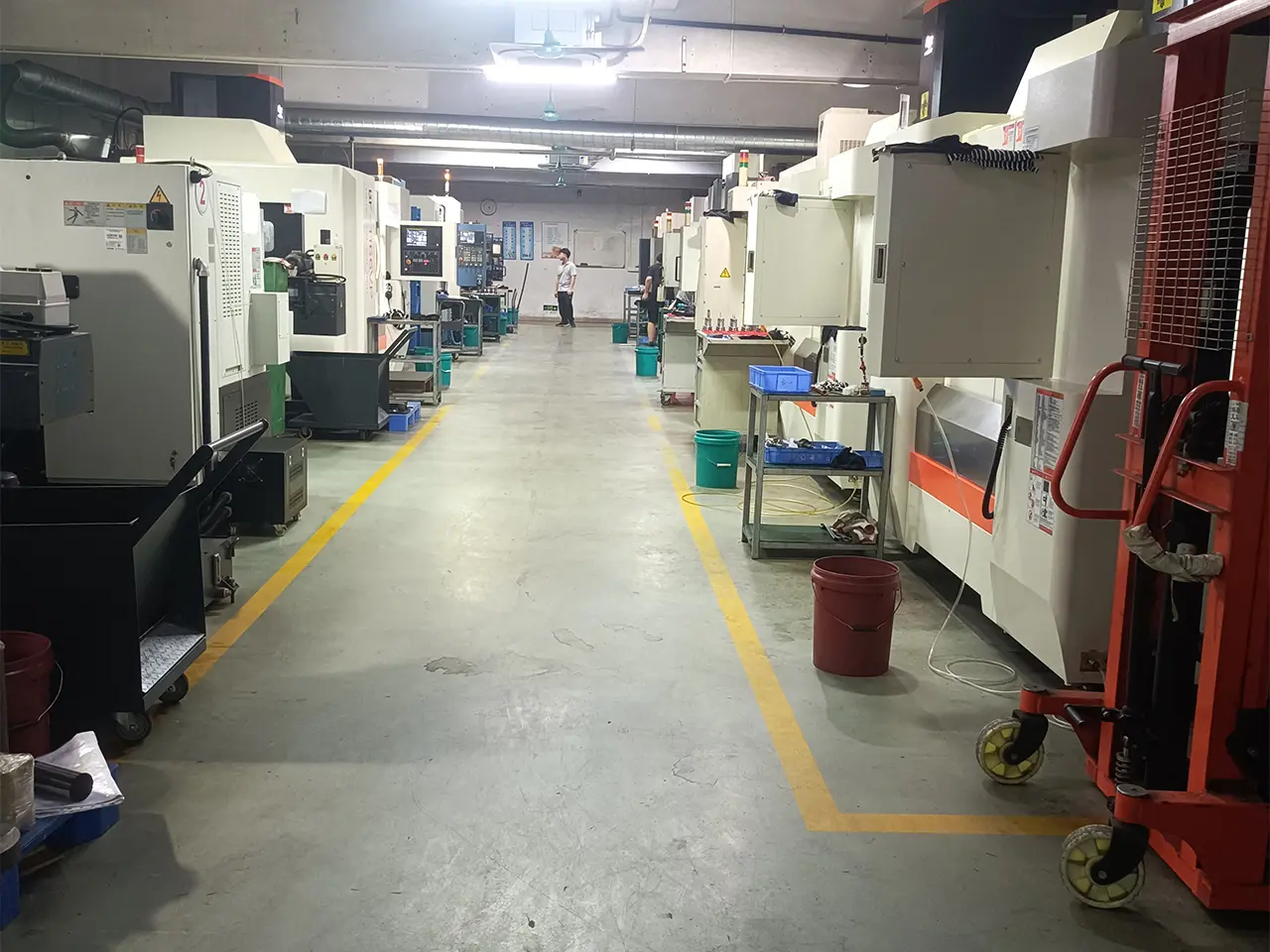
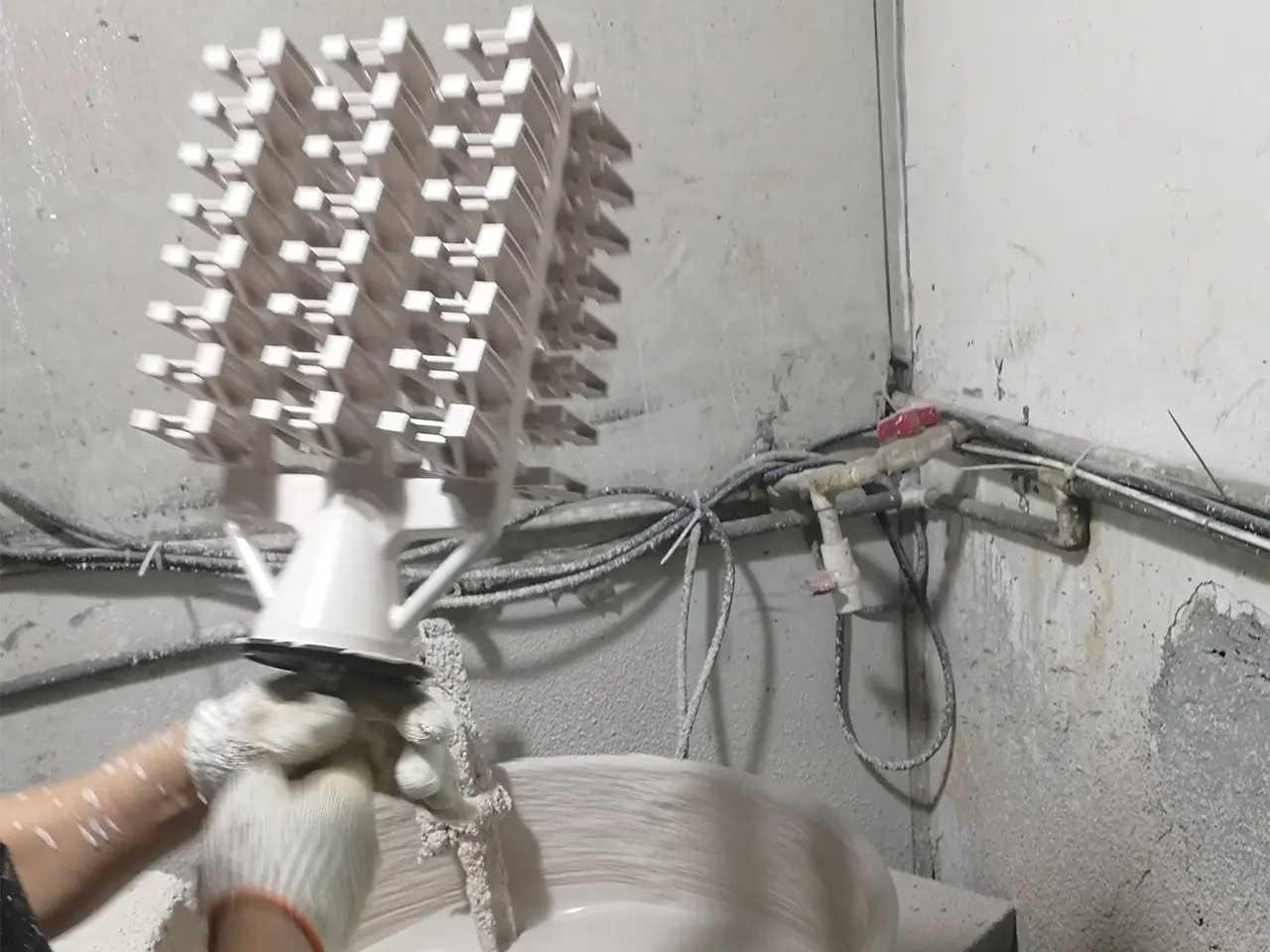
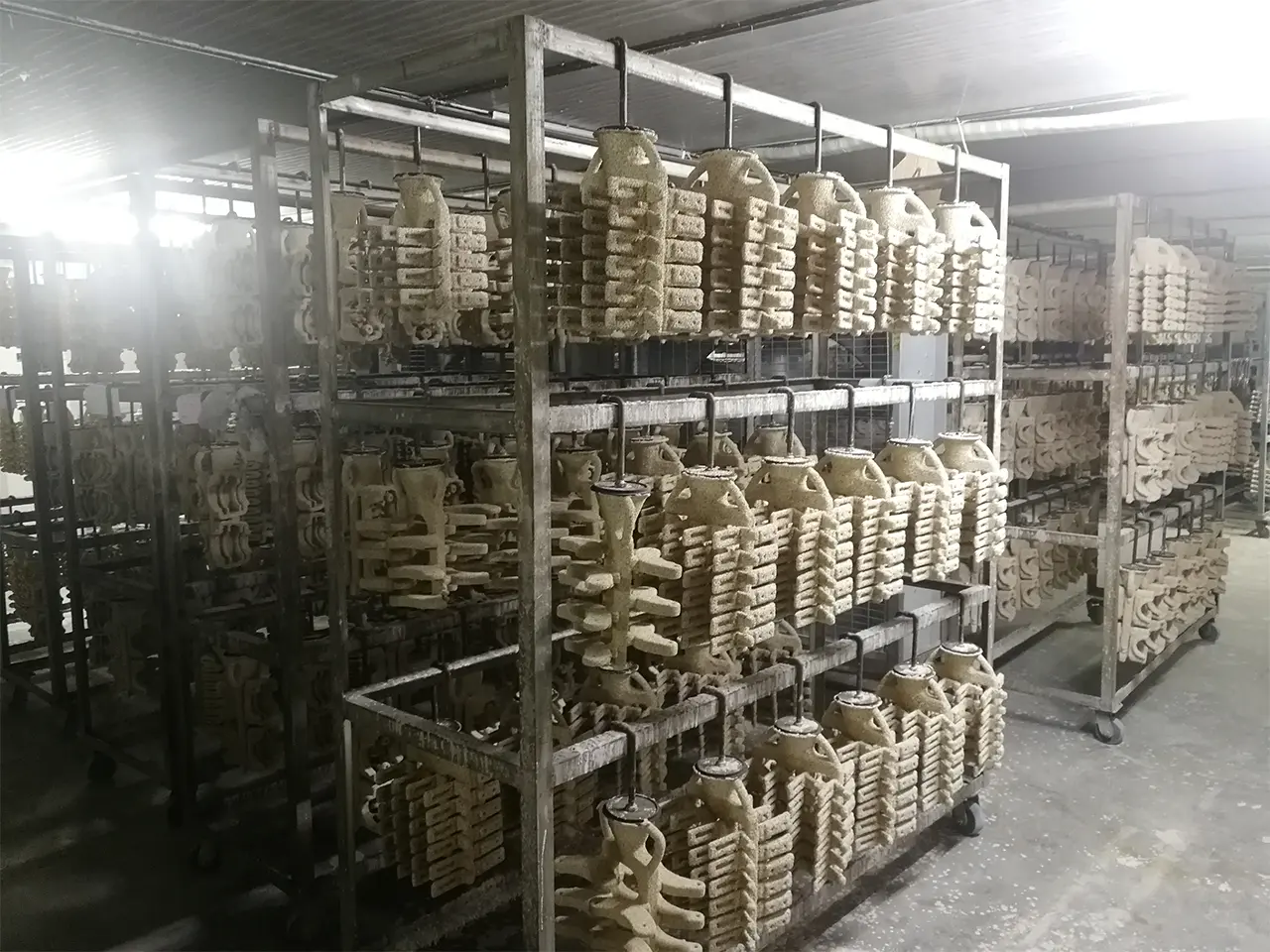
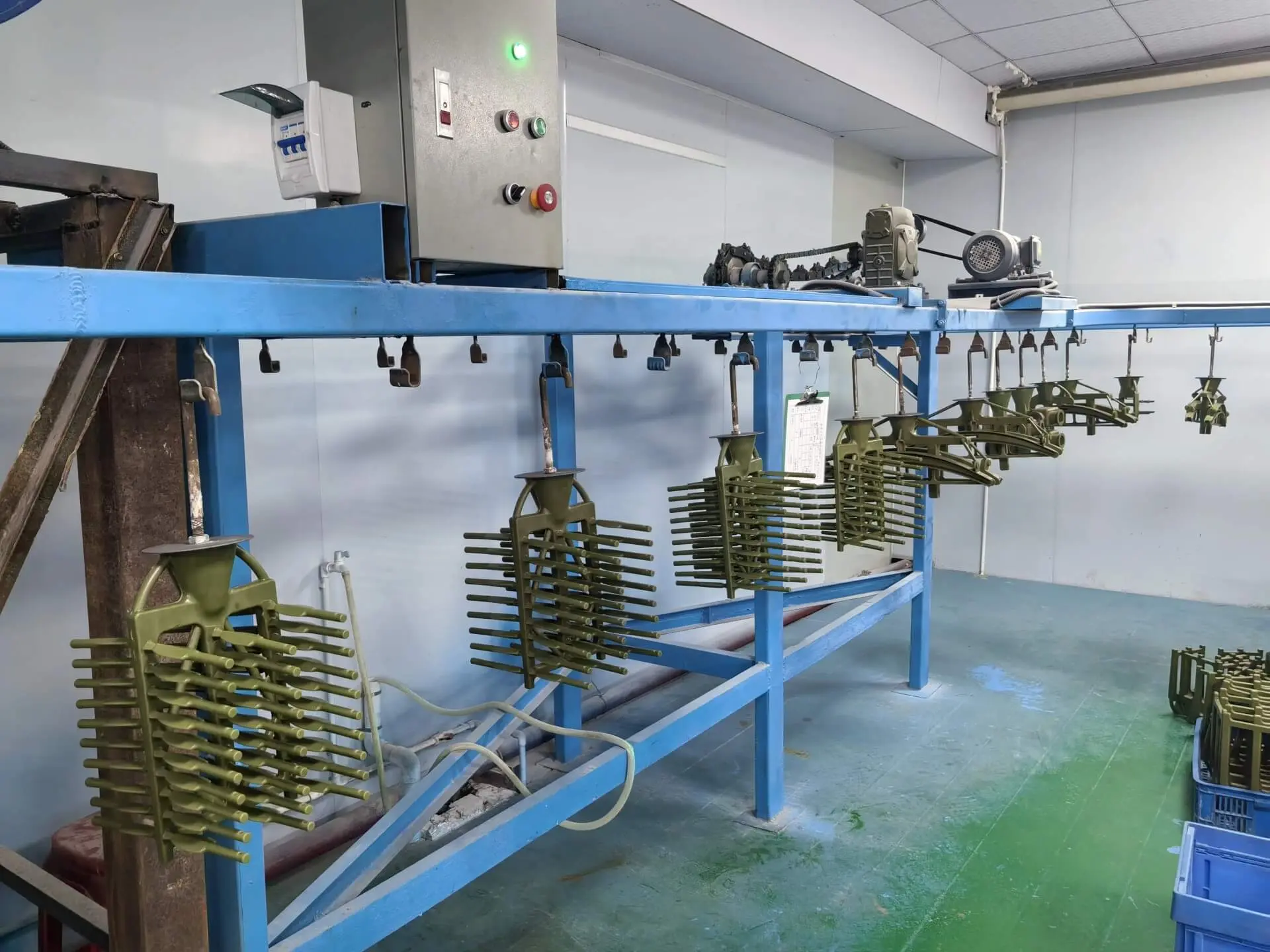
At Dongguan SX Technology Co., Ltd., quality is central to our survival and growth. From material entry to finished product delivery, our QC team executes multiple verification stages. We control chemical composition using spectrographic analysis and conduct mechanical testing for tensile strength, yield, elongation, and Charpy impact values.
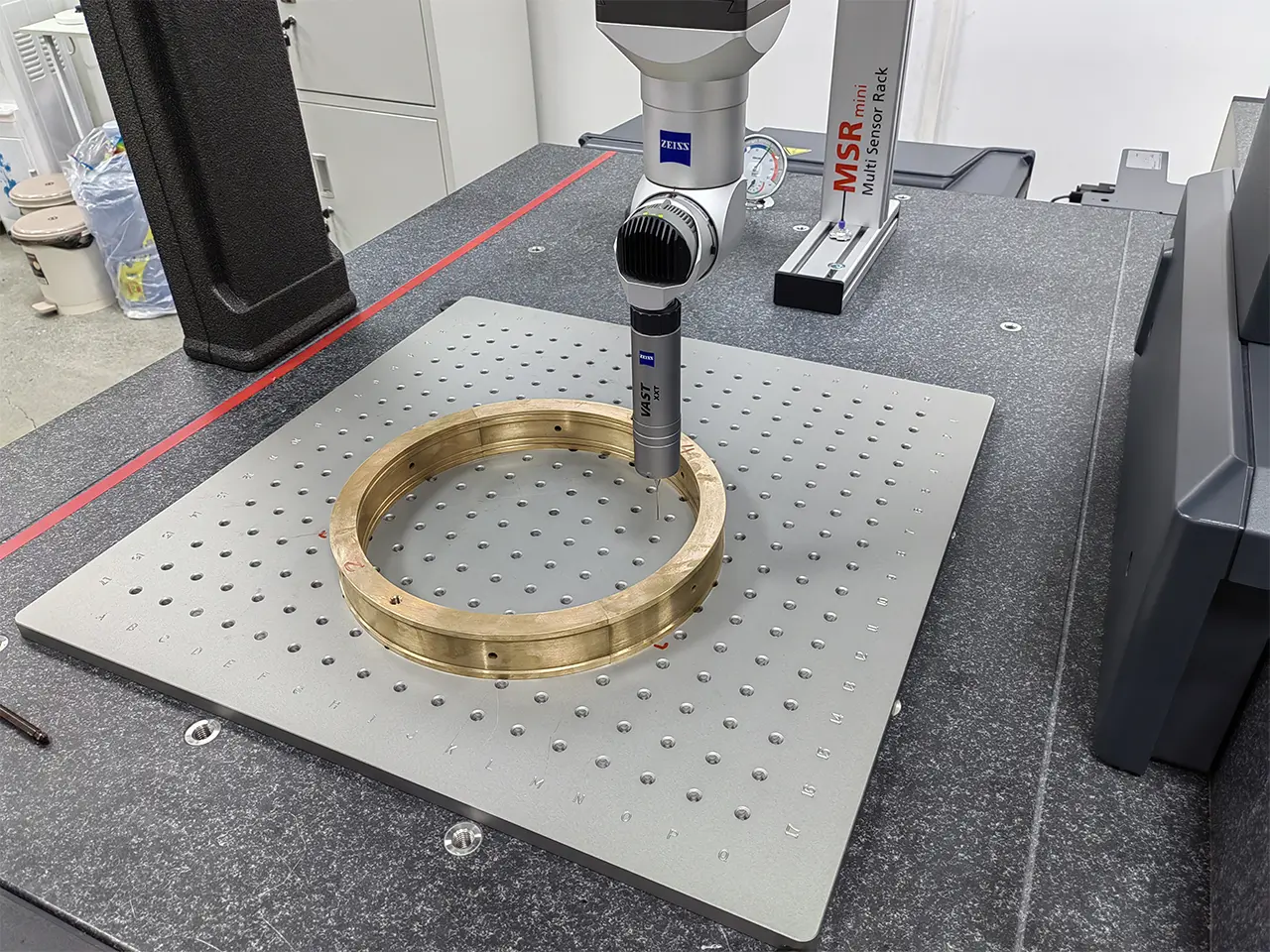
Dimensional compliance is validated using specialized metrology systems. We utilize Coordinate Measuring Machines (CMM), optical profile projectors, air gauges, and custom-designed go/no-go threads for thread and geometric tolerance monitoring. For safety-critical components, we provide non-destructive testing (NDT), including liquid penetrant inspection and magnetic particle testing, to confirm structural integrity.
To support low-volume product runs without high tooling costs, we are integrating SLA/DLP 3D wax printers. This allows engineers to generate cast patterns directly from digital CAD files within hours, avoiding conventional tooling cycles during the validation and design iteration stages.
Utilizing casting simulation software helps prevent solidification issues before pouring metal. We simulate melt velocities, thermal distribution, and air pressure inside the ceramic molds, allowing our engineers to adjust gate layouts and risers to limit shrinkage and porosity.
Industrial demand is shifting toward lightweight, wear-resistant materials. We are expanding our vacuum metallurgy processes to handle advanced titanium alloys and cobalt-chromium superalloys, offering parts that perform reliably under higher temperatures and structural stress.
We work to international material specifications, ensuring our cast stainless steel and titanium grades align with ASTM A351, DIN 17445, and JIS G5121. This matches the material properties of our parts with local engineering specifications in North America, Europe, and Asia.
We manage shipping configurations for FCA, FOB, CIF, and DDP shipments. Our logistics team handles customs paperwork, packaging protection, and tariff codes, supporting smooth ocean and air freight deliveries to your destination.
We maintain an engineering communication desk to help address structural modifications, tolerance issues, and material choices. Our team provides fast, technical feedback on design for manufacturability (DFM) inquiries.
 SX Machining