Explore our premium metal components manufactured under strict medical-grade parameters and industrial processes.
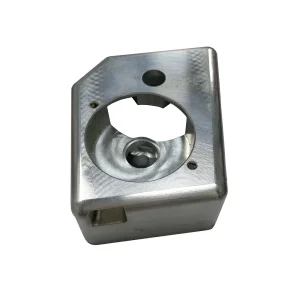
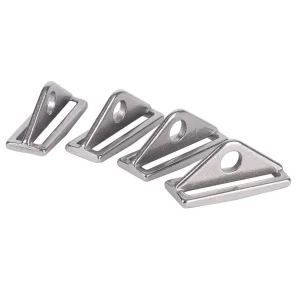
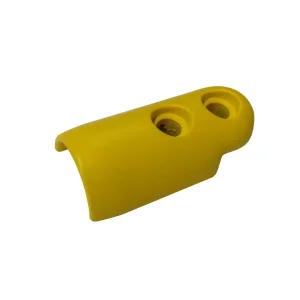
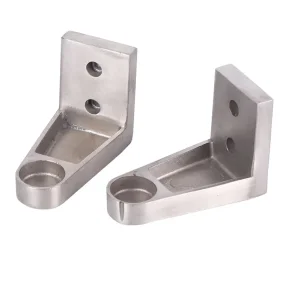
Redefining Precision in Global Surgical Instrumentation, Biocompatible Implants, and Diagnostic Equipment.
In the modern landscape of clinical healthcare and medical device contract manufacturing, precision is not a variable—it is an absolute baseline. Medical CNC (Computer Numerical Control) machining stands at the convergence of advanced material science and sub-micron fabrication engineering. As orthopedic implants, cardiovascular components, surgical instruments, and diagnostic arrays scale down in physical size while expanding in structural complexity, traditional fabrication techniques fall short. Modern healthcare demands high-repeatability, uncompromising micro-accuracy, and biocompatible material profiles that only high-end Swiss-type turning, 5-axis milling, and precision investment casting can render.
Currently, the global medical device sector faces a paradigm shift driven by minimally invasive surgery (MIS) and personalized patient-specific implants (PSIs). These trends require the implementation of advanced materials such as Titanium alloys (specifically Grade 5 / Ti-6Al-4V ELI), PEEK (Polyetheretherketone), surgical stainless steels (316L, 17-4 PH), and Cobalt-Chromium. High-speed, multi-axis CNC machining configurations allow manufacturers to secure dimensional tolerances down to ±0.002 mm, producing complex geometries, undercut features, and micro-holes that guarantee reliable mechanical mating and biological osseointegration.
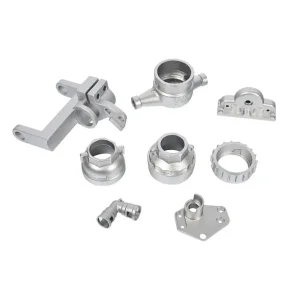
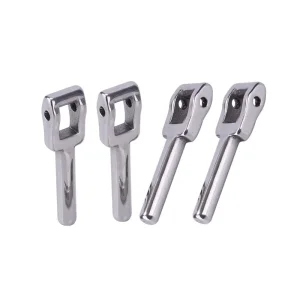
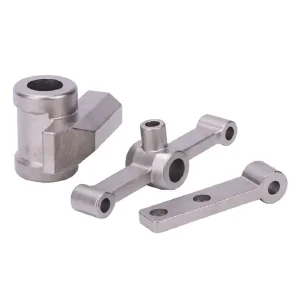
Dongguan SX Technology Co., Ltd. has accumulated very rich experience in precision casting, CNC machining, and complex assembly processes. Our structural products are deployed globally across high-reliability industries including medical systems, analytical machinery, automotive, marine engineering, flow-control valves, pumps, electrical instrumentation, and watchmaking.
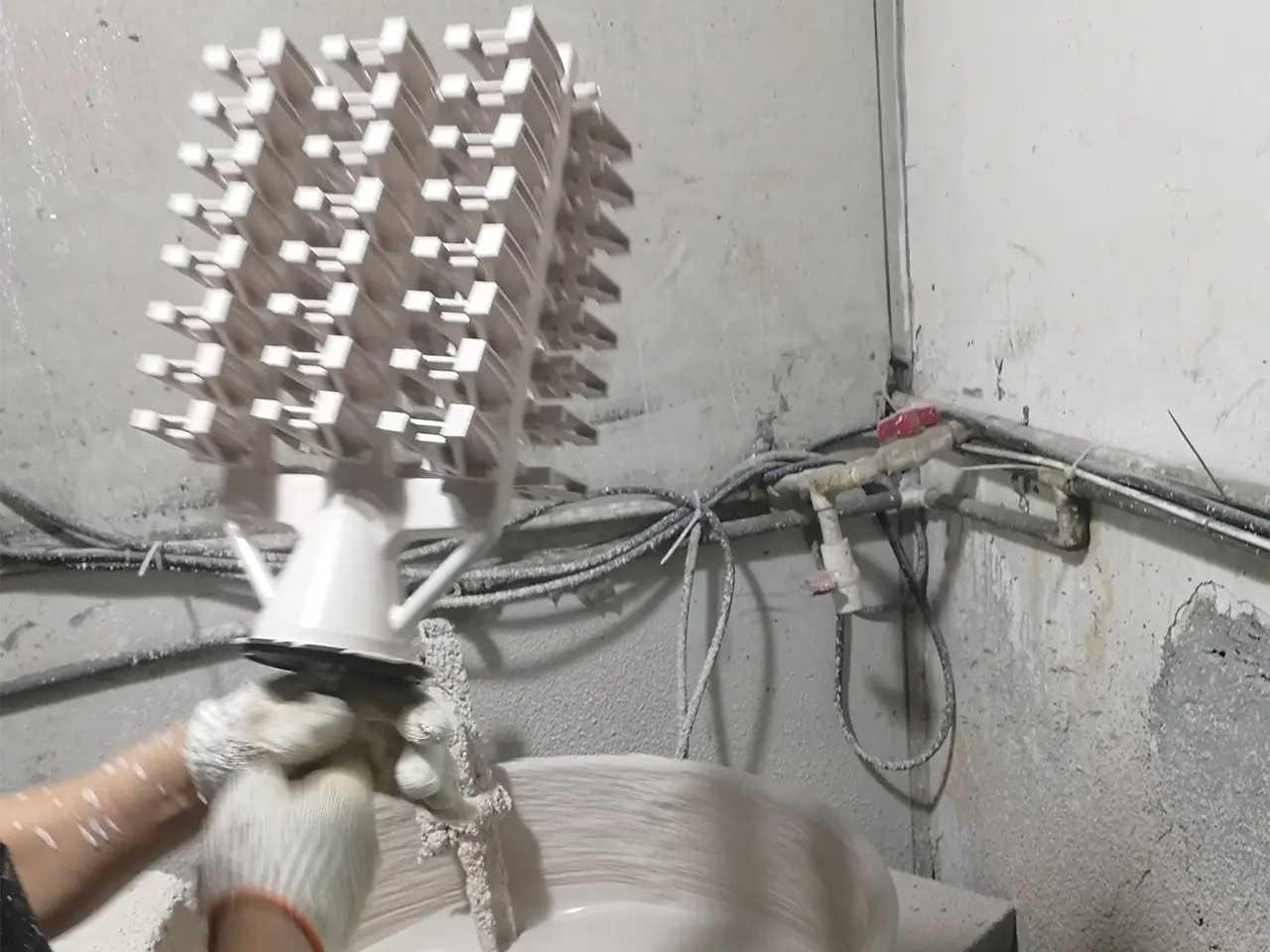
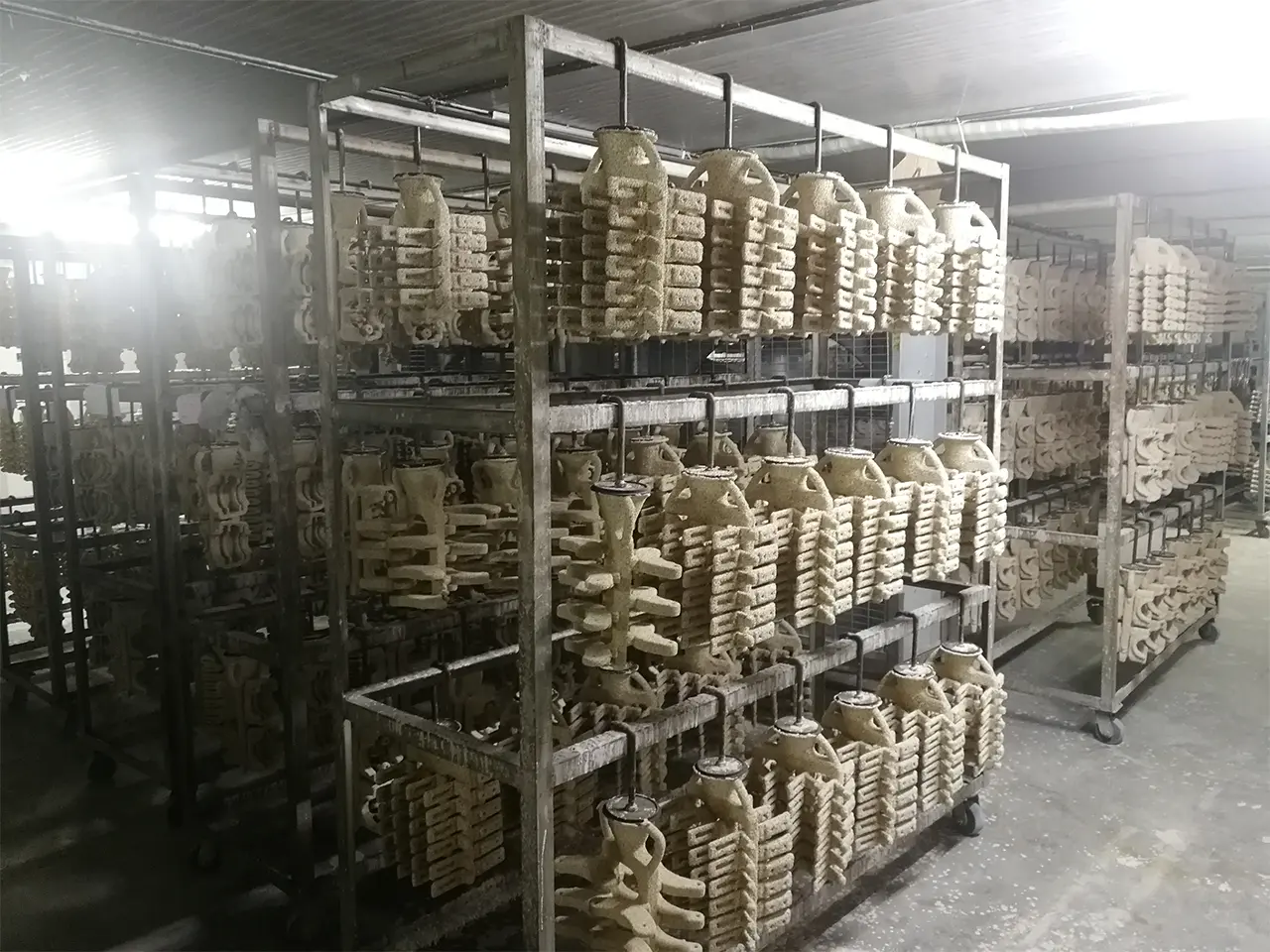
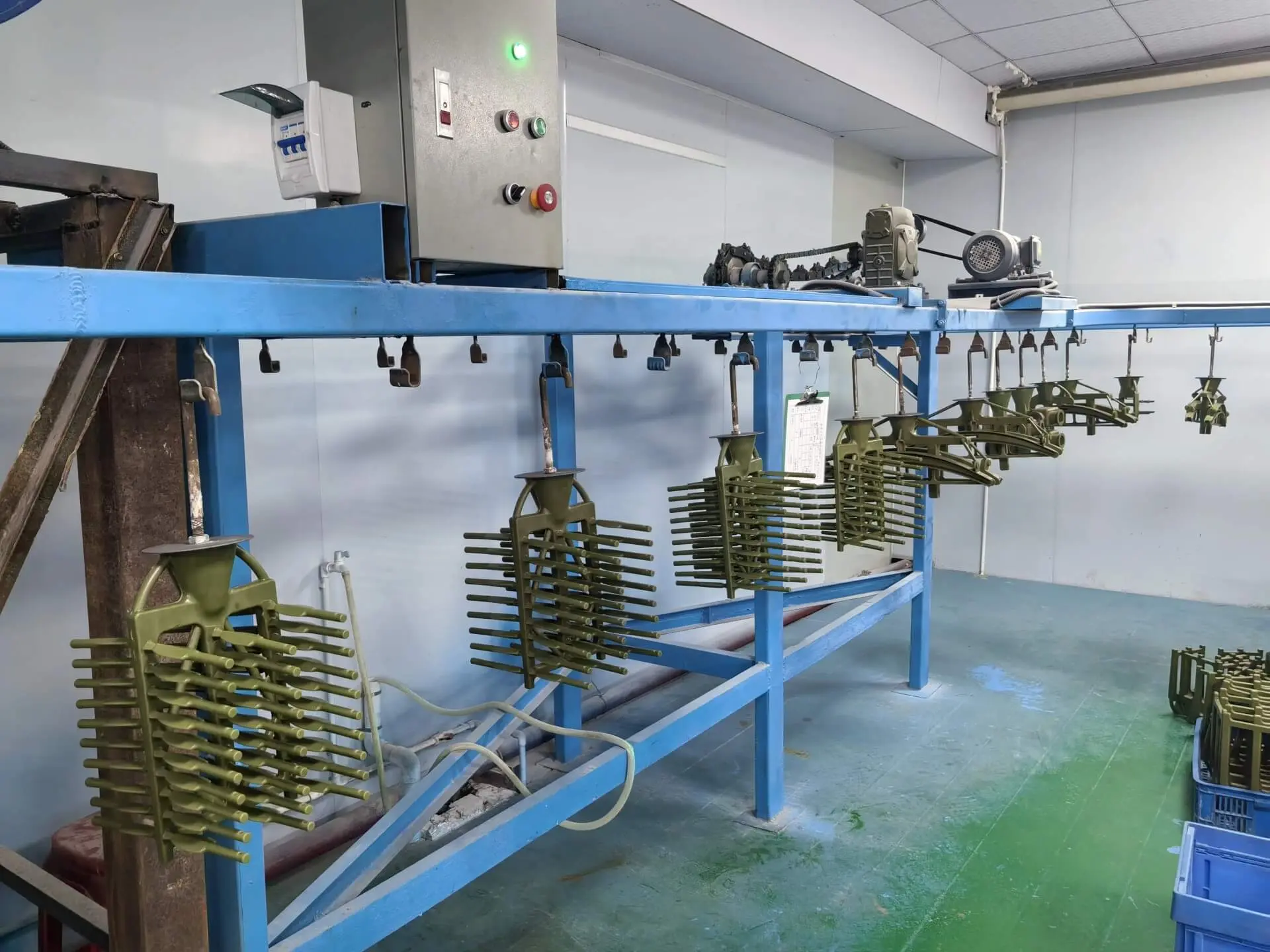
The most commonly used materials for our investment casting division include stainless steel and carbon steel. Meanwhile, our high-precision CNC machining division features state-of-the-art multi-axis milling and turning tools engineered to shape titanium alloys, premium stainless steel, carbon steel, lightweight aluminum alloys, copper alloys, and cemented carbides. Backed by advanced manufacturing installations, automated processing units, and robust engineering networks, we are structured to respond rapidly to challenging specifications.
Selecting the optimal biocompatible substrate and matching it to high-velocity machining paths.
Medical application classes specify distinct physical, chemical, and biological performance properties. Below is a structural technical assessment of materials commonly optimized through our multi-axis CNC divisions, ensuring high performance in contact with bodily fluids and soft tissues.
| Material Family | Common Medical Standard | Primary Clinical Applications | Key CNC Processing Challenge |
|---|---|---|---|
| Titanium Alloys | Ti-6Al-4V ELI (Grade 5 ASTM F136) | Orthopedic bone screws, dental roots, artificial joints, skull plates | Poor thermal conductivity requires high-pressure through-spindle coolant to prevent tool wear. |
| Surgical Stainless Steel | 316LVM (ASTM F138), 17-4 PH | Surgical scalpels, endoscopes, cardiovascular stents, bone drills | Work hardening tendencies require precise feed-rate control and rigid tooling setups. |
| Advanced Polymers | PEEK (Polyetheretherketone) Grade | Spinal cage implants, surgical trials, structural components for MRI scans | Thermal expansion characteristics; requires ultra-sharp diamond-like carbon (DLC) tooling. |
| Cobalt-Chrome Alloys | Co-Cr-Mo (ASTM F75) | Knee and hip joint replacements, dental crowns | Extreme hardness requires high-rigidity 5-axis machining stations and low surface roughness. |
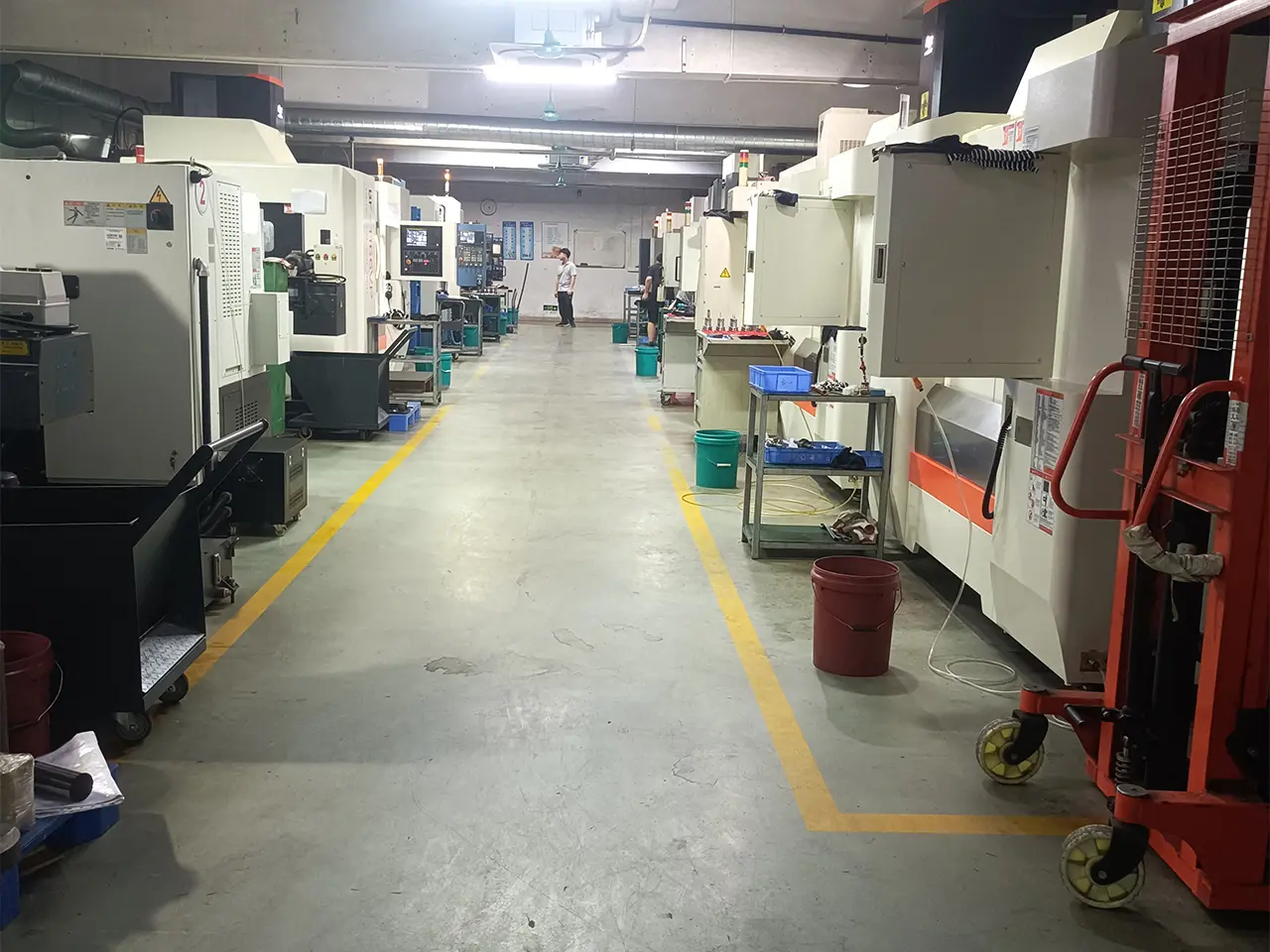
Advanced technical environments where complex multi-axis milling, Swiss-turning, and automated setups operate.
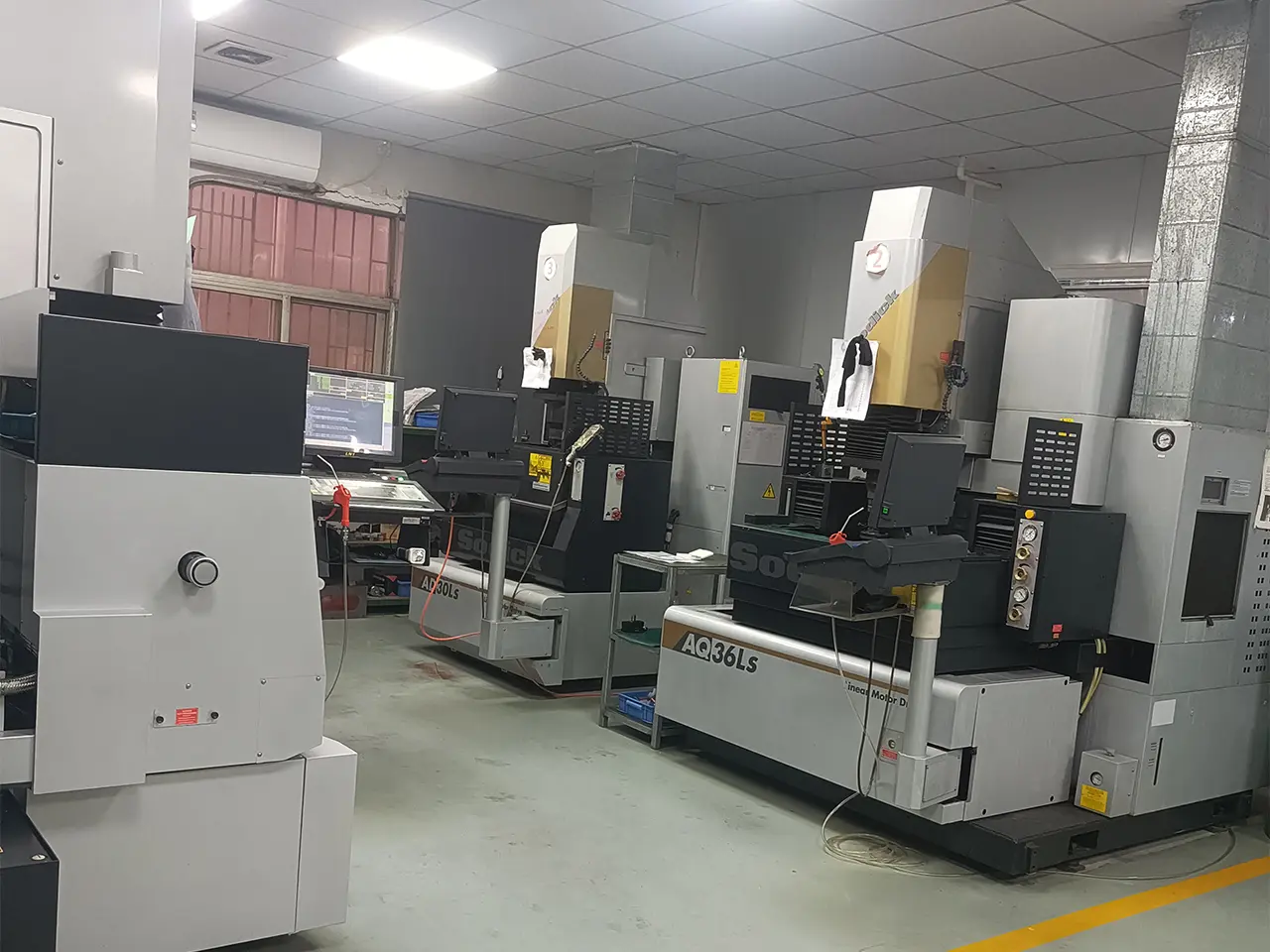
Optimized for long, slender medical pins, connectors, and complex threaded implants with minimal cycle times.
Enables single-setup machining of organic surface geometries, bone plates, and orthopedic tools.
In-house capabilities for electropolishing, passivation, and ultrasonic cleaning for biocompatible surfaces.
Continuous 24-hour machining capacity for high-volume contract runs with stable structural output.
Continuous checking of tool wear and alignment to guarantee repeat accuracy across long production runs.
Specialized deburring, thread rolling, and finishing processes tailored to clinical safety standards.
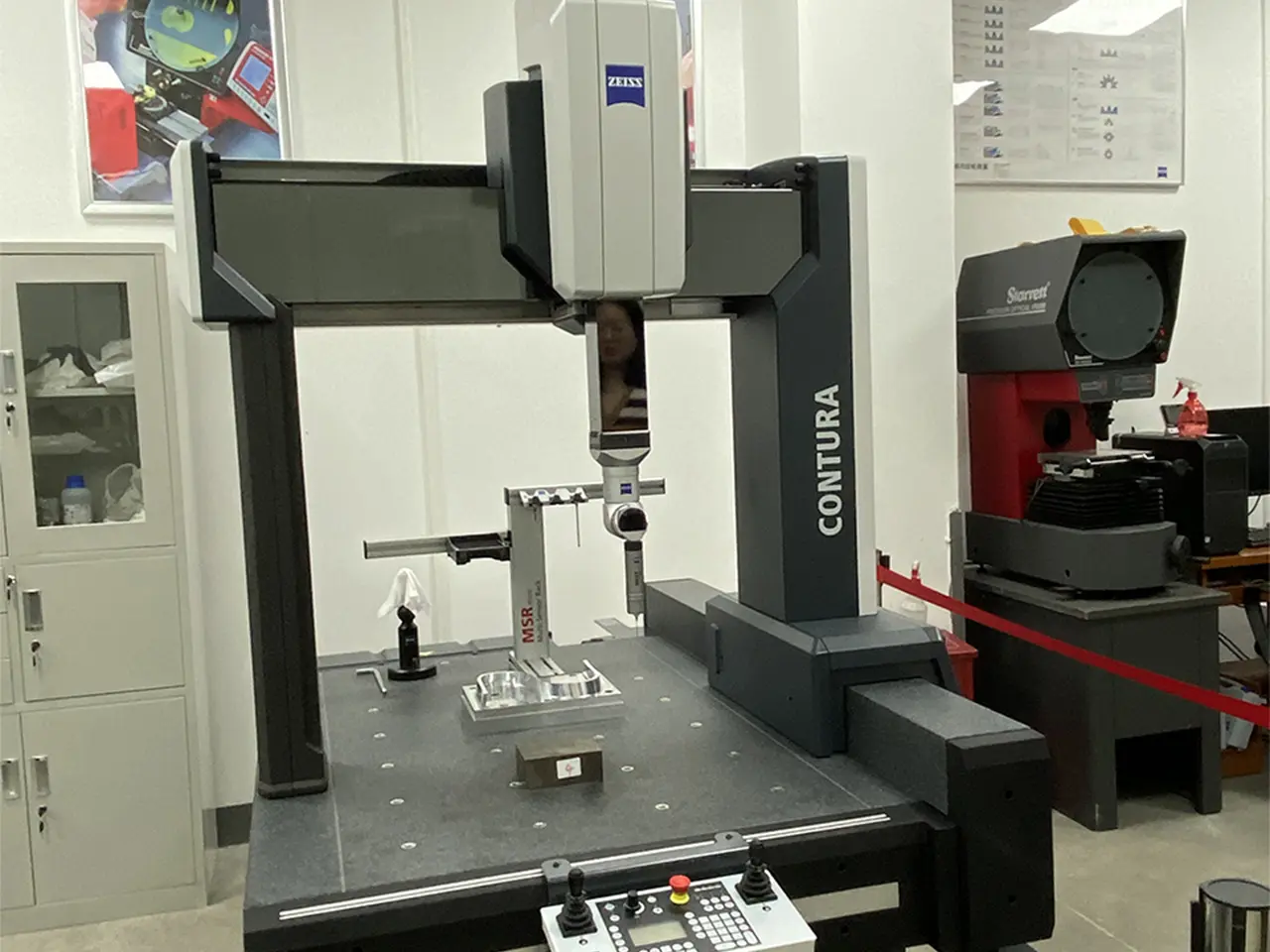
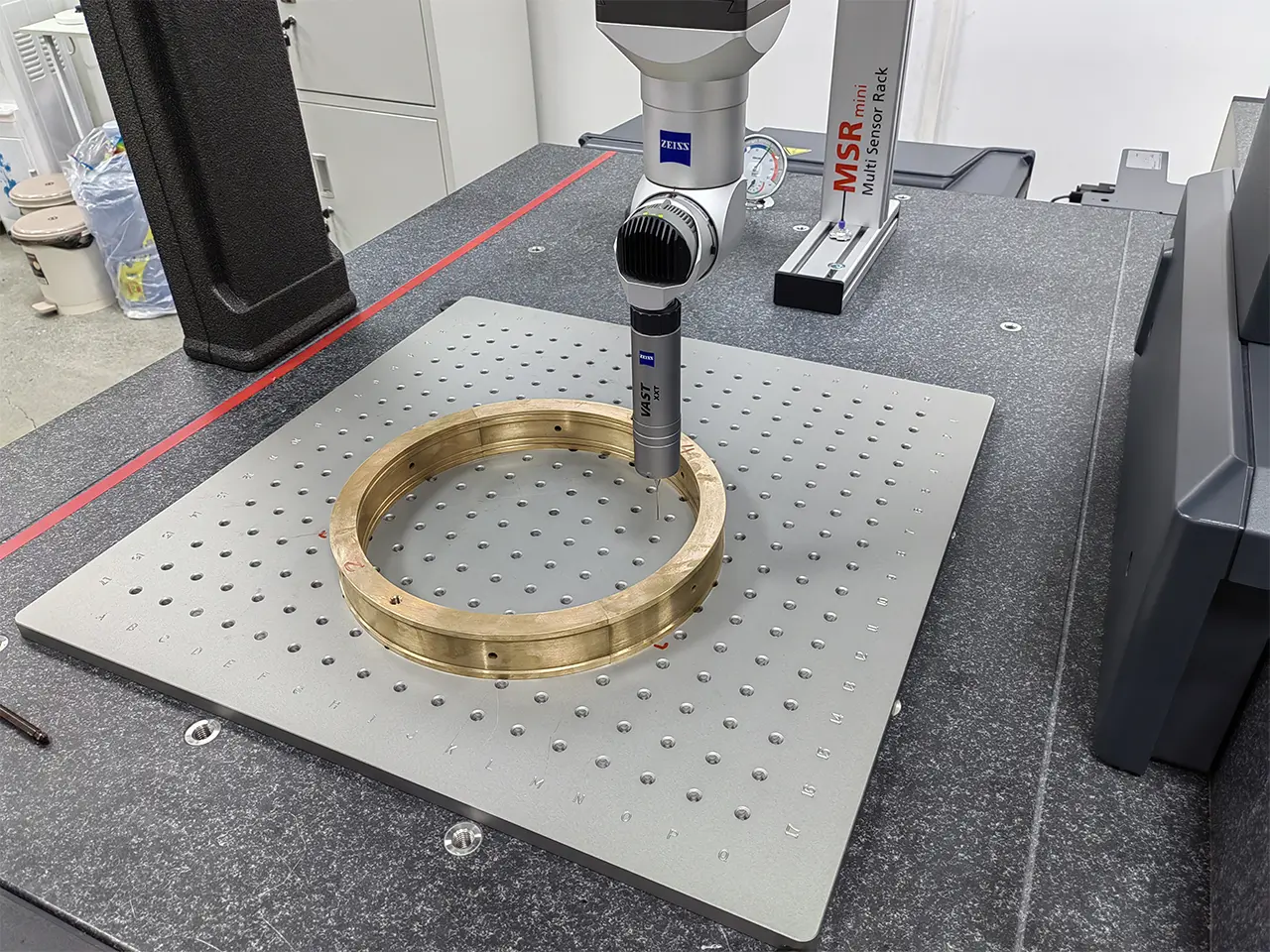
We operate professional metrology and testing equipment managed by experienced QC engineers. We maintain strict tolerances and quality standards for all manufactured parts. This focus on consistency has earned long-term partnerships with customers worldwide.
Quality is the cornerstone of the precision manufacturing industry. Only by maintaining rigorous control over raw material testing, processing variables, and final inspection can we ensure long-term, sustainable development. Operating continuously in this industry since 2014, we systematically improve our production capacities and quality assurance systems year-on-year.
Ensuring compliance with medical device standards, raw material documentation, and distribution networks.
All production schedules follow ISO 13485 quality systems. We maintain clean production steps, processing oil management, and clear batch tracking protocols to prevent component contamination.
We provide chemical cleaning and nitric or citric acid passivation to eliminate free iron from finished stainless steel and titanium surfaces, enhancing corrosion resistance in human tissue environments.
Every shipment is accompanied by detailed raw material test reports (MTR) showing chemical compositions, mechanical stress limits, and ultrasonic test compliance, securing complete safety assurance.
As medical procedures move toward robotic-assisted surgeries, the demands on tool precision increase. Our engineering group focuses on integrating CAD/CAM systems with multi-axis CNC machines to optimize part manufacturing programs. By reducing manual setups, we limit human error and improve consistency for complex, multi-sided components.
Furthermore, our technical roadmap includes micro-milling research using tooling with diameters down to 0.1 mm. This capability supports next-generation neural interface micro-pins, implantable sensors, and microfluidic diagnostic chips. By combining high-speed spindles (up to 40,000 RPM) with temperature-controlled enclosures, we address thermal instability to keep tolerances within tight target zones.
Technical answers to common questions about materials, standards, and clinical validation protocols.
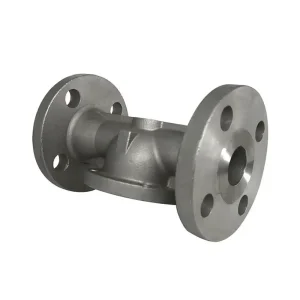
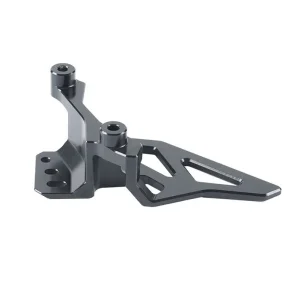
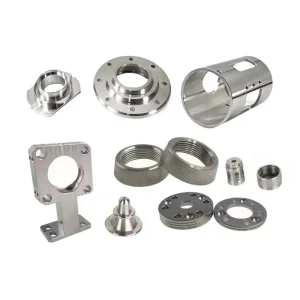
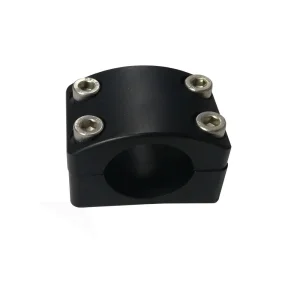
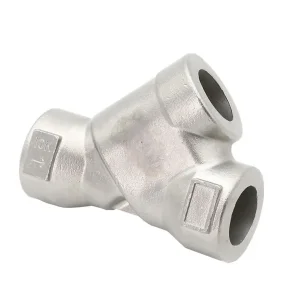
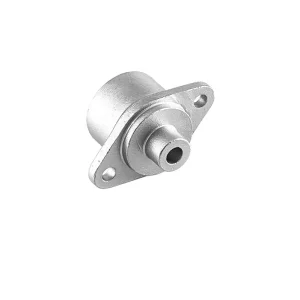
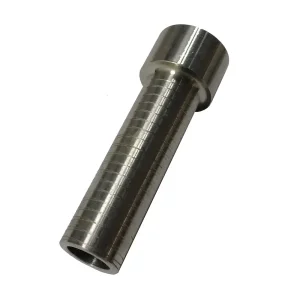
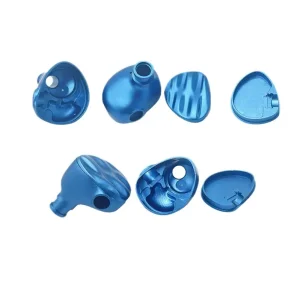
Browse our second selection of custom engineered products built for high durability and performance.
 SX Machining