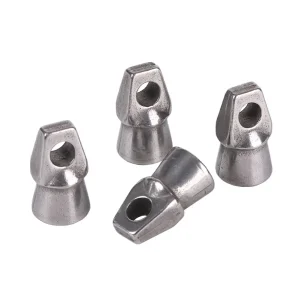
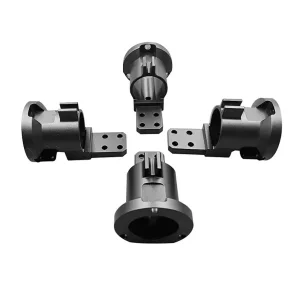
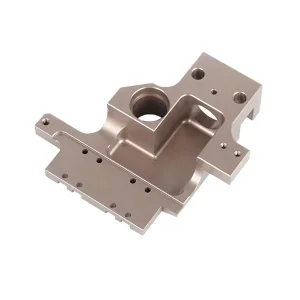
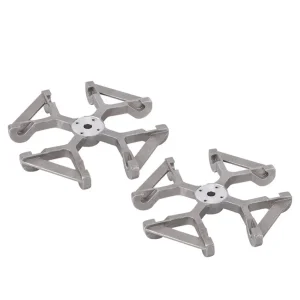
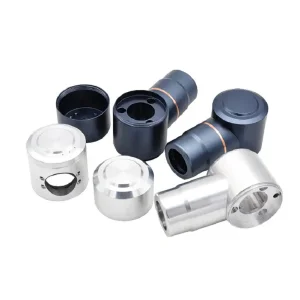
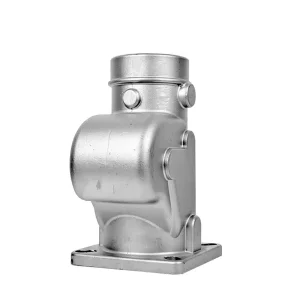
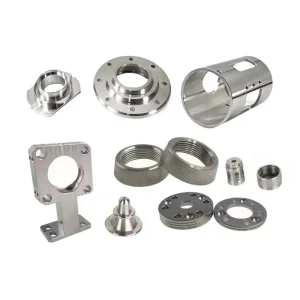
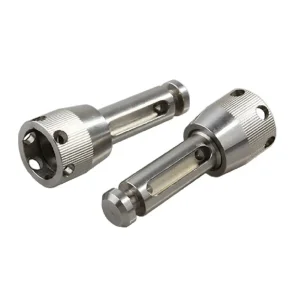
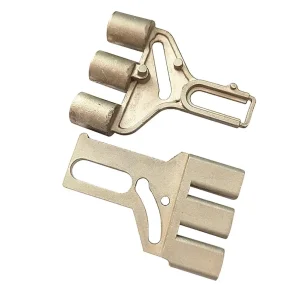
In high-stakes industrial manufacturing, Tornitura di Precisione Titanio (precision titanium turning) represents the pinnacle of material subtraction capabilities. Titanium, specifically Grade 5 (Ti-6Al-4V) and Grade 2, is highly sought after for its exceptional strength-to-weight ratio, biocompatibility, and extreme resistance to corrosion. However, these same physical properties make titanium exceptionally difficult to machine.
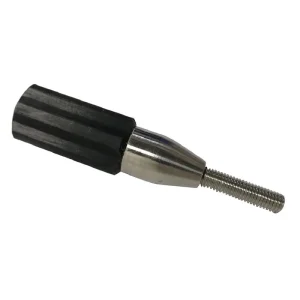
Unlike steel or aluminum, titanium does not dissipate heat efficiently during cutting. The high temperatures generated during the turning process concentrate on the tool's cutting edge, causing premature wear and thermal deformation if not managed correctly. Dongguan SX Technology Co.,Ltd has optimized the thermodynamics of titanium turning using sub-micron tolerances, specialized tool geometries, and tailored carbide/polycrystalline coatings.
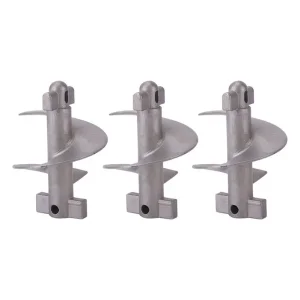
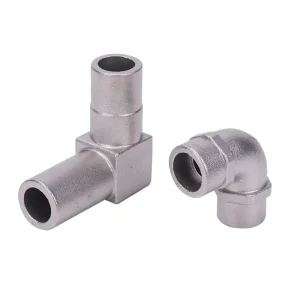
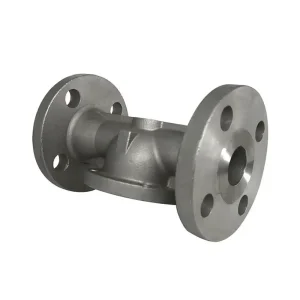
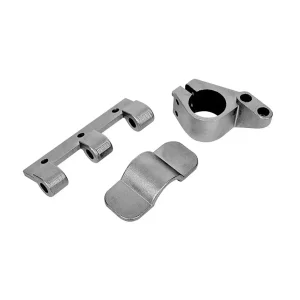
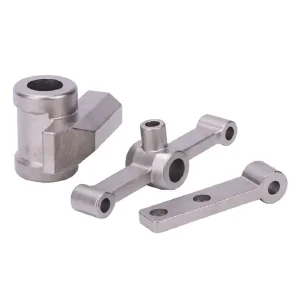
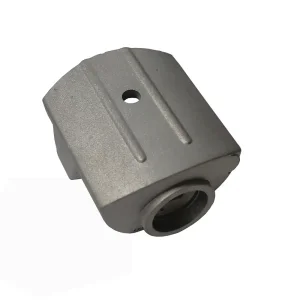
Dongguan SX Technology Co.,Ltd has very rich experience in precision casting, CNC machining, and assembly. Our products are used in machinery, automobiles, marine engineering, ships, specialized equipment, valves and pumps, electronic appliances, packaging, watches, construction, chemical industries, and other demanding fields.
The most commonly used materials for investment casting in our facility are stainless steel and carbon steel. Meanwhile, the most commonly used materials for high-precision CNC machining include titanium alloys, stainless steel, carbon steel, aluminum alloys, copper alloys, and cemented carbides.
Equipped with advanced manufacturing technology and state-of-the-art machinery, we are structurally prepared to respond quickly and reliably to your customized blueprints and specifications.
Because titanium has a thermal conductivity of only about 6.7 W/m·K (compared to ~150 W/m·K for aluminum), heat is transferred straight to the cutting edge. We utilize high-pressure coolant (up to 70 bar) directly directed at the shear zone to prevent tool deformation and maintain structural integrity.
Titanium work-hardens rapidly during cutting. To prevent the tool from cutting through an already hardened surface, we program constant feed rates and positive rake angles. This ensures the insert shears under the work-hardened zone on every pass.
Titanium's lower modulus of elasticity causes the workpiece to deflect away from the cutting tool under stress. We utilize robust toolholders, rigid fixtures, and short overhangs to counteract high thrust forces and ensure sub-micron concentricity.
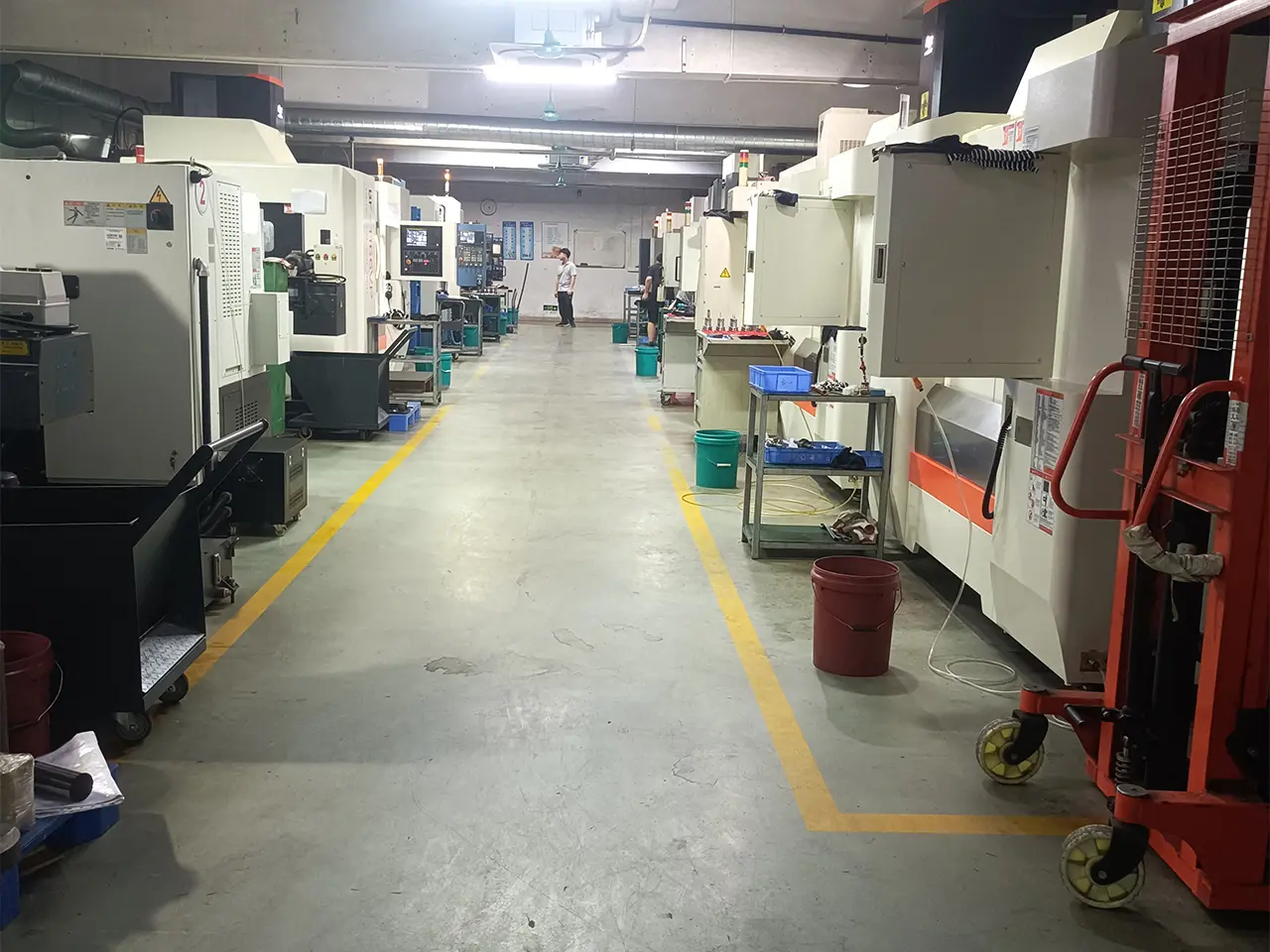
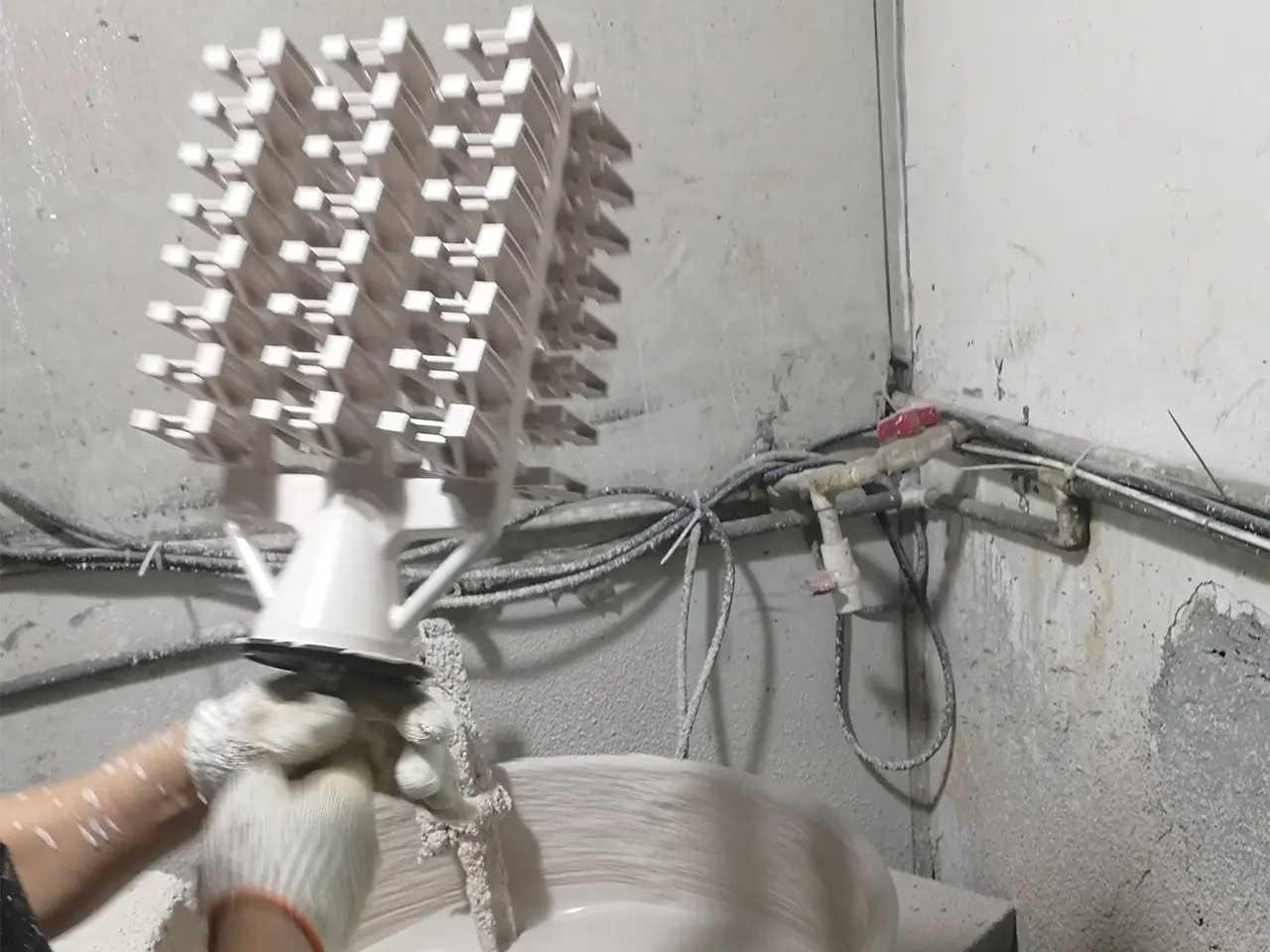
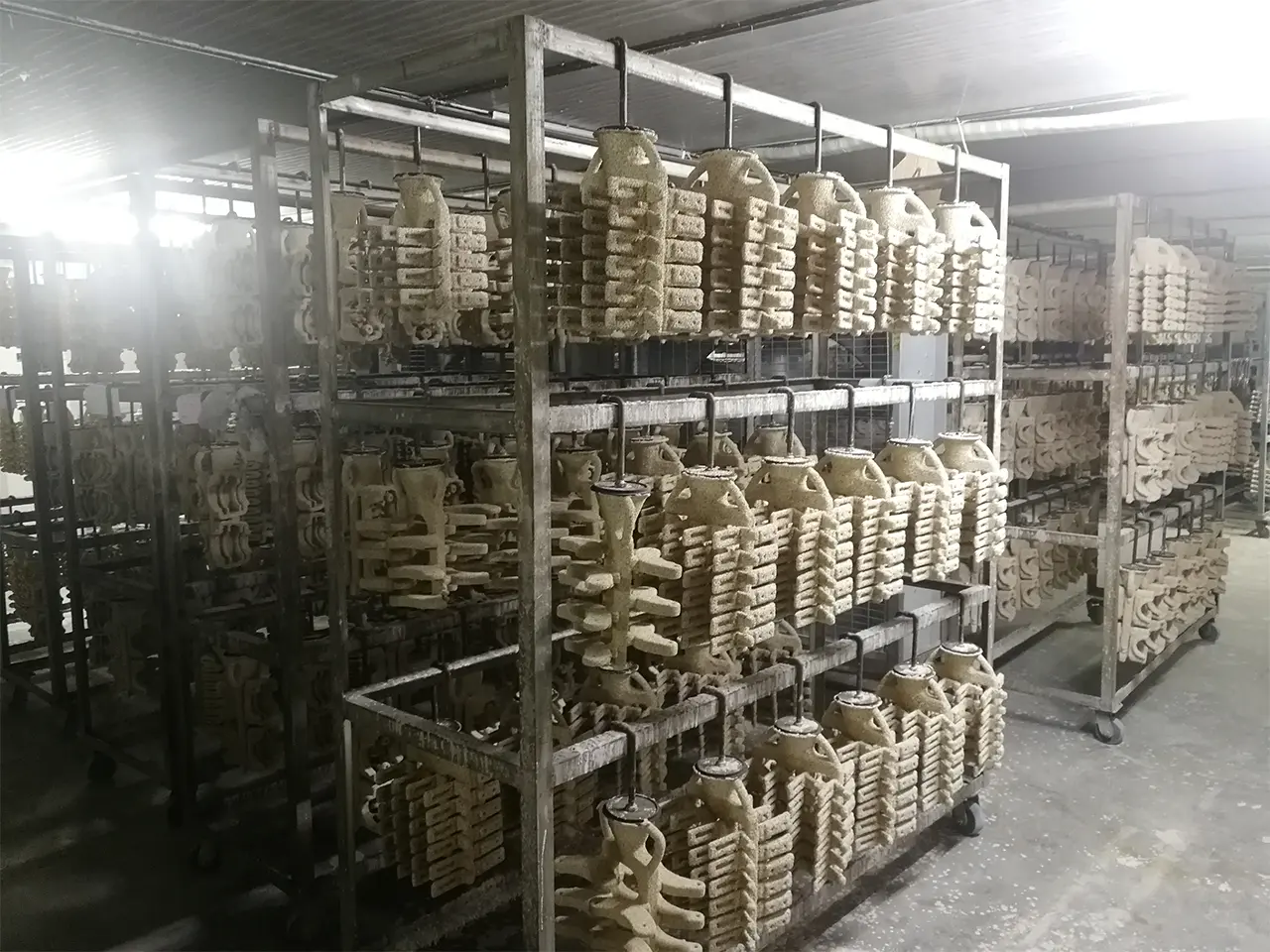
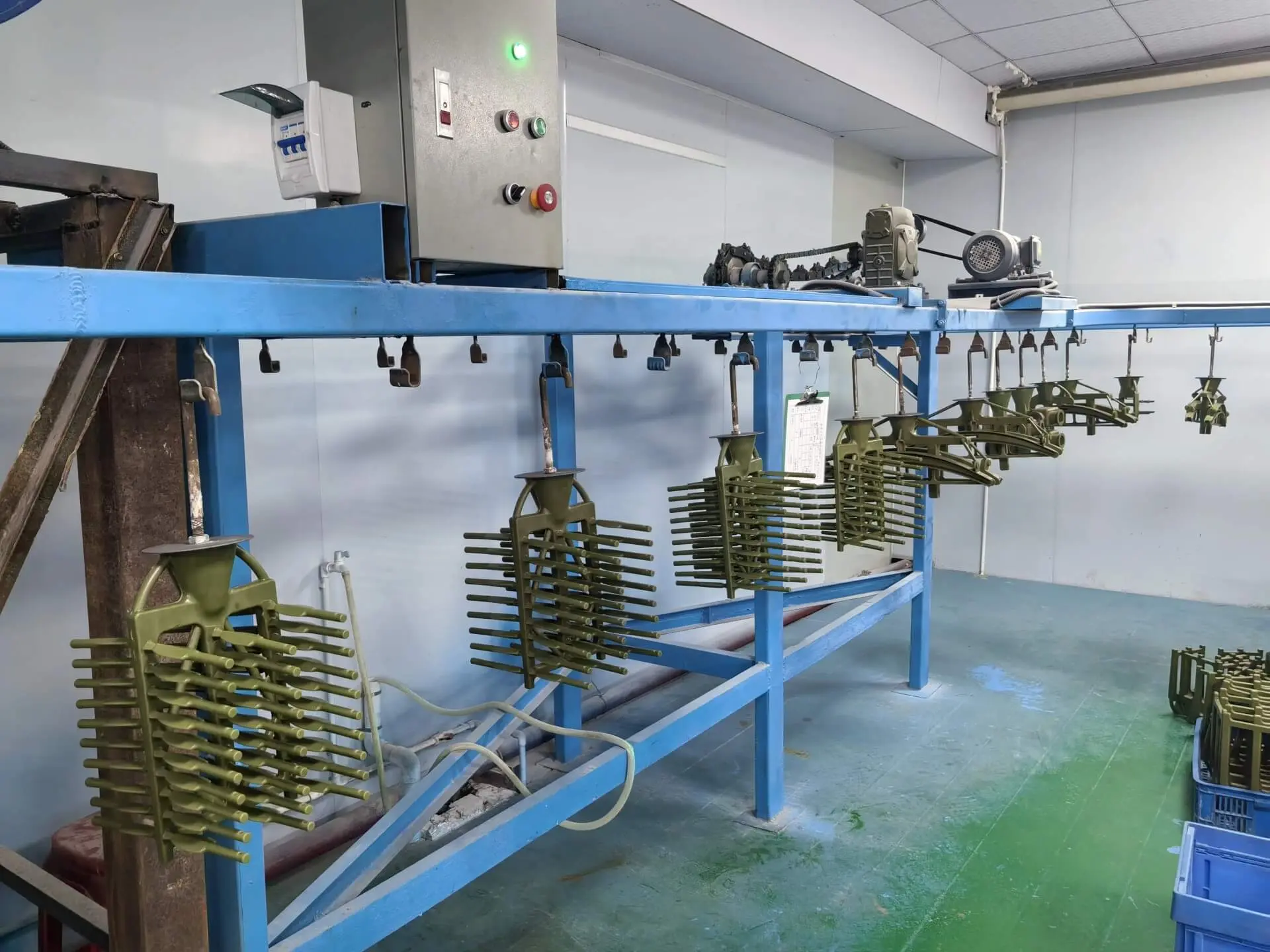
Dongguan is recognized as a global capital of advanced precision hardware. Proximity to material suppliers, surface finish specialists, heat treatment plants, and logistics networks allows Dongguan SX Technology Co.,Ltd to dramatically shorten lead times for titanium components.
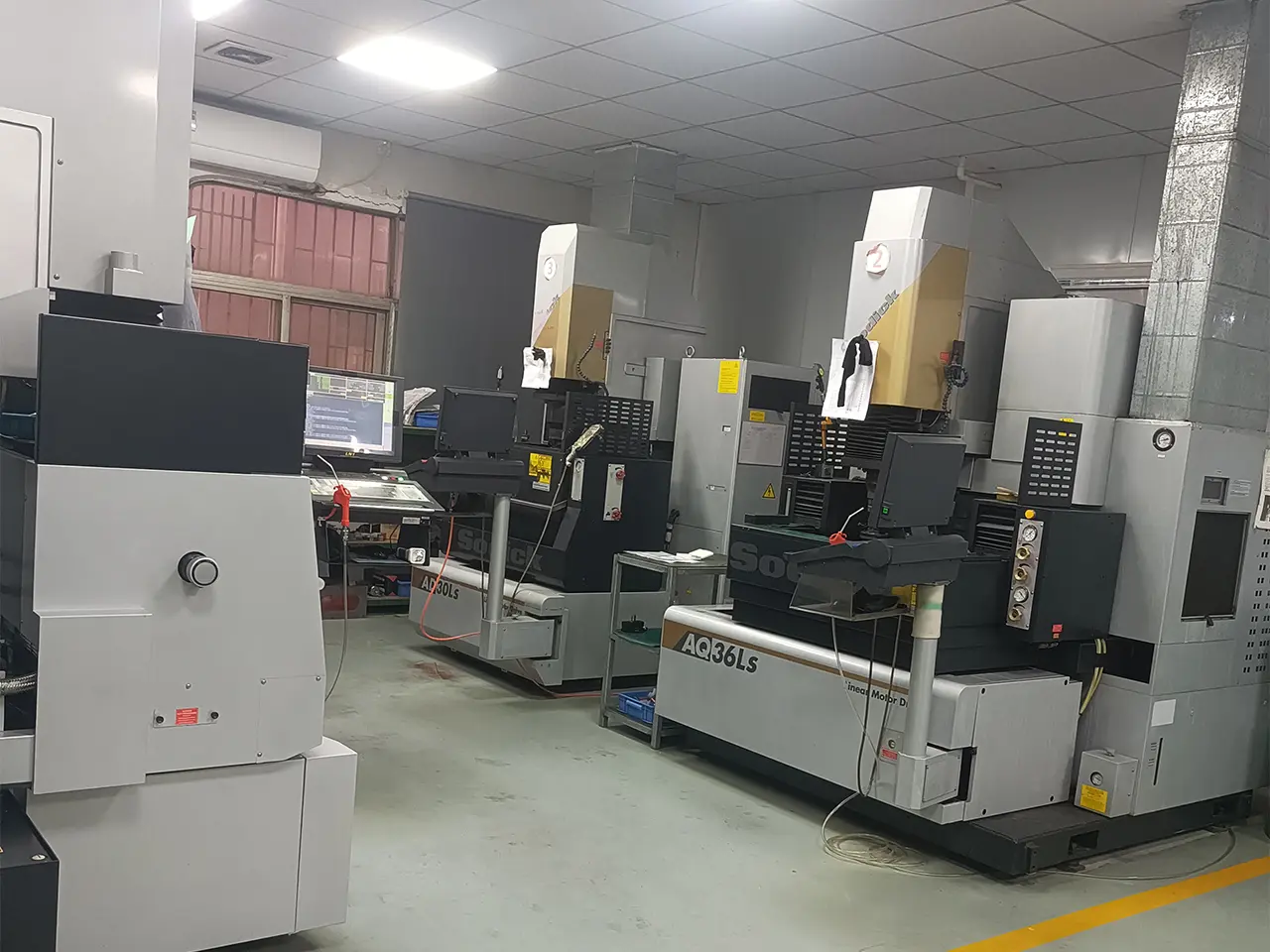
Our facility blends highly competitive raw material procurement with highly efficient multi-axis production centers. By executing casting, machining, and final QC in-house, we eliminate intermediate handling fees and ensure an optimized supply chain from design to shipment.
Our localized supply chain can scale production rapidly—whether you need prototyping runs of ten custom turned titanium parts or mass production of 100,000 units.
We have professional testing equipment and professional QC personnel, and we adhere to strict tolerances and quality standards for the products we produce. Due to our insistence on strict quality requirements, we have been praised by many customers worldwide.
Quality is the cornerstone of the manufacturing industry. We firmly believe that only by controlling quality well can we survive, develop, and get better and better. Therefore, we have been working in this industry unremittingly since 2014 and continue to improve the company's team and improve the company's production capacity.
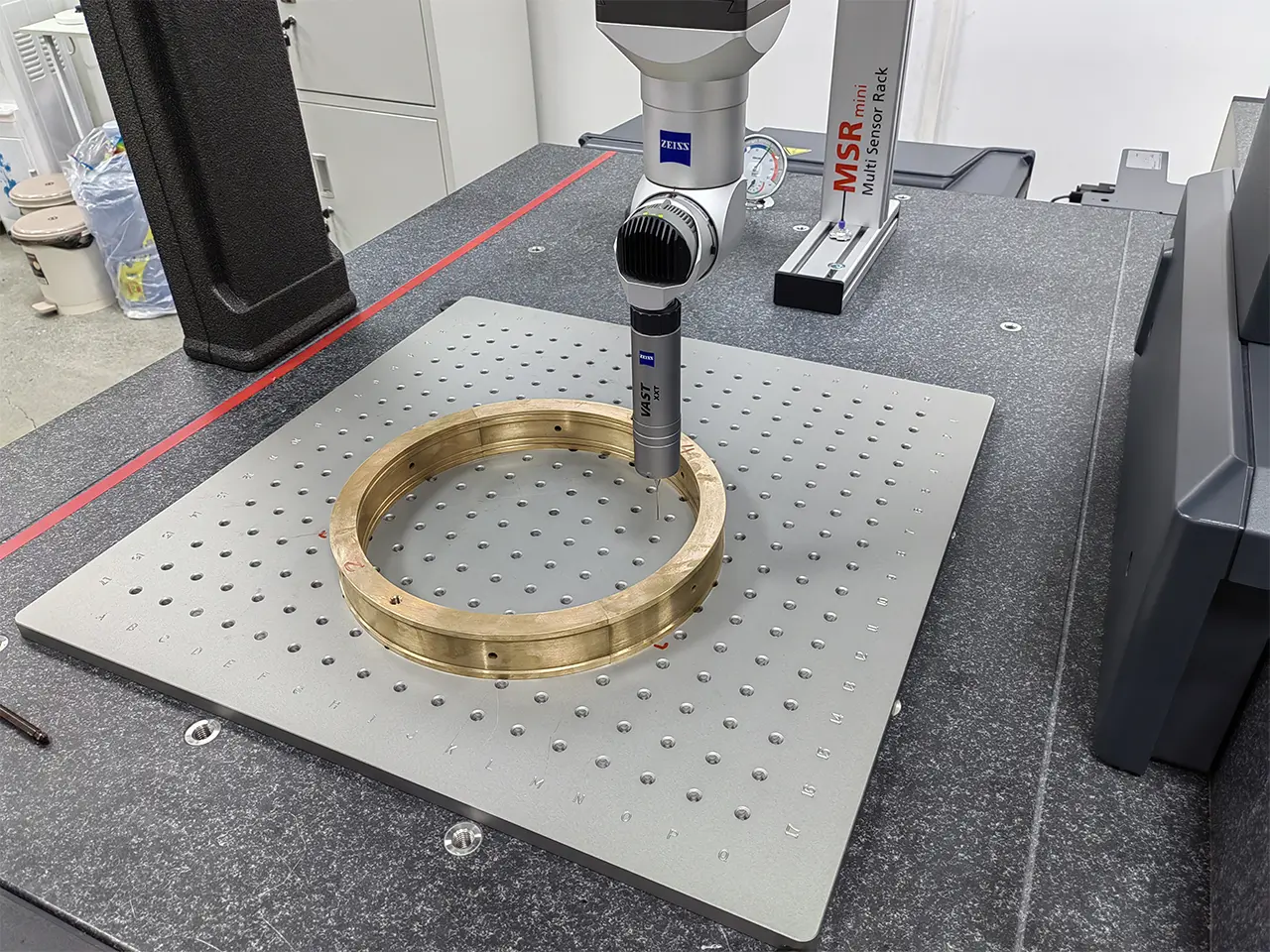
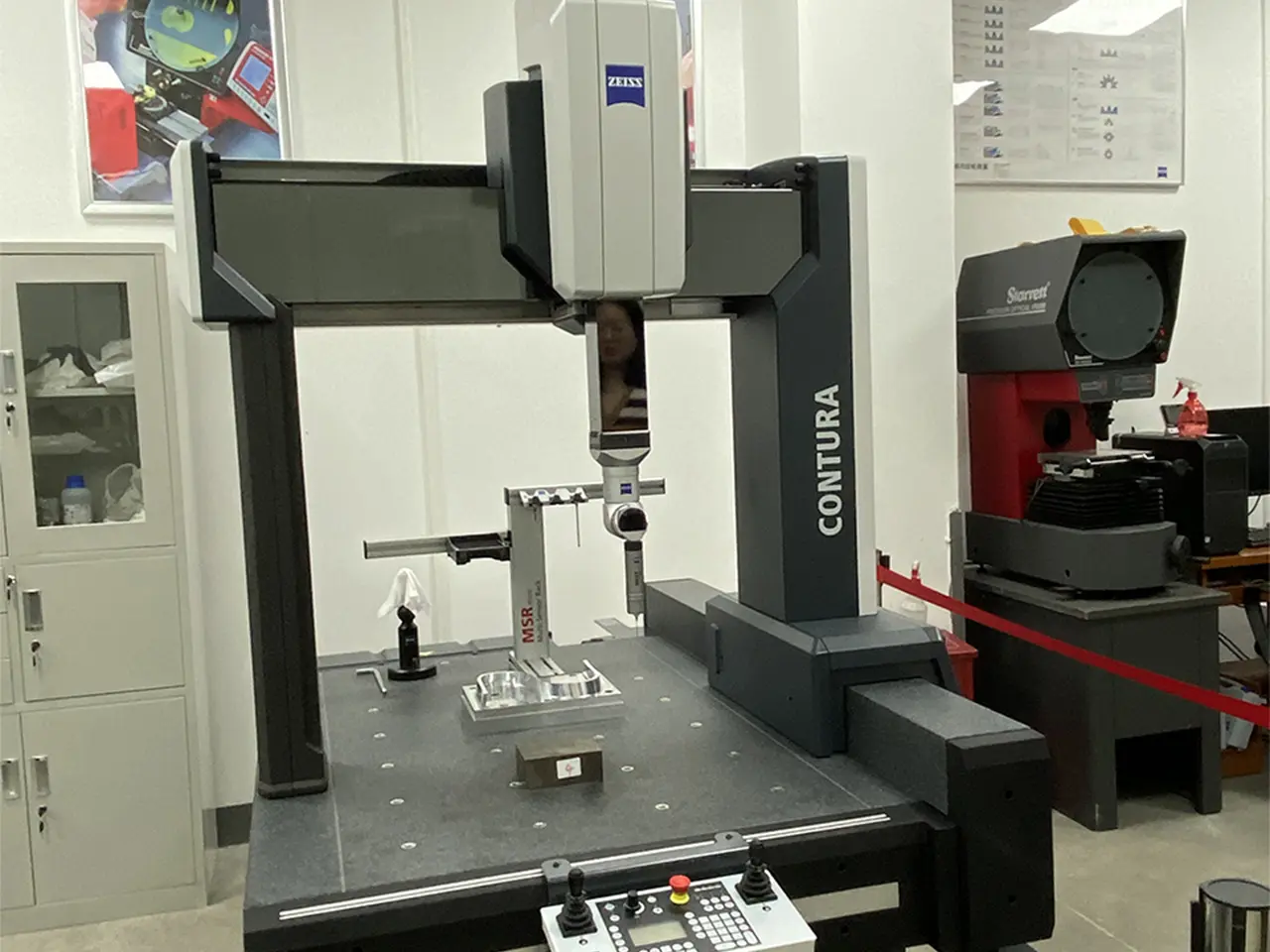
Our inspection workflow includes CMM (Coordinate Measuring Machines), optical comparators, digital surface roughness testers, thread gauges, and ultrasonic testing to identify internal flaws in metal castings and turned parts before they are packed for export.
Our manufacturing and processing units adhere to international quality management guidelines. Process repeatability is mathematically tracked using Statistical Process Control (SPC) software to monitor dimensional variance.
Every titanium alloy batch is backed by certified material test reports (MTRs) according to EN 10204 3.1. Chemical composition and mechanical testing validation are standard for every production run.
We guarantee compliance with REACH, RoHS, and CE directives, ensuring our titanium turned parts can be integrated into medical, automotive, and consumer goods without compliance friction.
The demand for Tornitura di precisione titanio is expanding outside traditional aerospace domains. With the rise of medical implants (hip replacements, dental screws) and green marine vessels, the demand for custom precision components has spiked. Industry sectors like chemical processing plants choose Grade 2 titanium for its absolute anti-corrosion properties against chlorides and acids.
Moreover, the automotive tuning industry increasingly relies on custom titanium parts to reduce weight without compromising strength. By transitioning to CNC Swiss-turning centers, we are now able to manufacture miniature medical components with complex multi-stage geometries in a single setup, drastically lowering production cycle times.
1. Biocompatibility: For osteointegrated implants and surgical instruments.
2. Offshore Performance: Resistance to seawater corrosion in deep-sea sensors and oil & gas control valves.
3. High-Speed Swiss turning: High throughput for miniature titanium bolts and precision connectors.
While stainless steel (like 316L) offers good corrosion resistance, titanium outperforms it in high-salinity marine environments. Titanium is completely immune to pitting, crevice corrosion, and microbiologically influenced corrosion. Additionally, titanium is approximately 40% lighter than stainless steel while maintaining equal or superior tensile strength.
We maintain moderate cutting speeds (typically 40 to 60 m/min for carbide tools) combined with high feed rates to prevent friction build-up. We also use high-pressure oil-water emulsion coolants to wash chips away immediately, reducing heat conduction back into the spindle and tool insert.
Yes, all raw materials are sourced from certified titanium mills. We supply full EN 10204 3.1 material test certificates (MTR) detailing chemical analysis, tensile testing, and raw batch traceability upon request.
Absolutely. As a complete custom casting and CNC machining factory, we can produce custom near-net-shape investment castings (using stainless steel, carbon steel, and other alloys) and then perform precision turning and milling to achieve tight dimensional tolerance requirements.
Typical lead times for custom titanium turned prototypes range between 7 to 10 working days. For bulk production runs, lead times generally range between 20 to 35 days depending on the structural complexity, quantity, and secondary operations.
Get direct access to our manufacturing engineers. We provide DFM (Design for Manufacturability) analysis and competitive quotations for your custom titanium turning and casting blueprints.
Contact Our Technical Team Now SX Machining