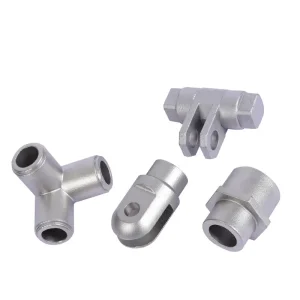
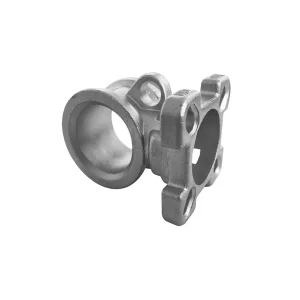
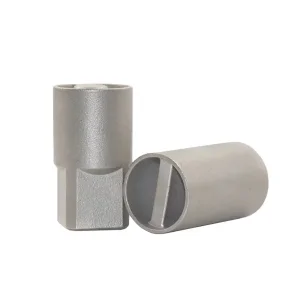
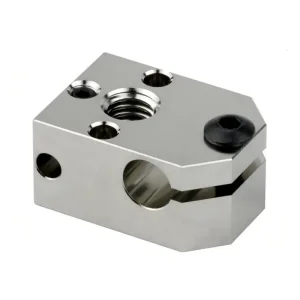
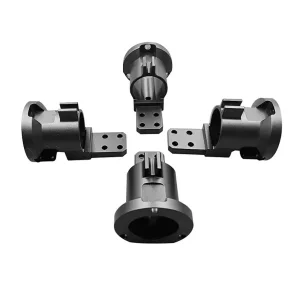
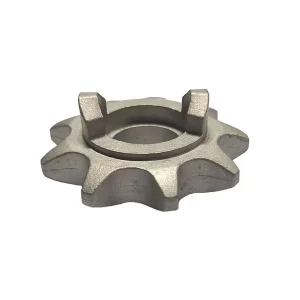
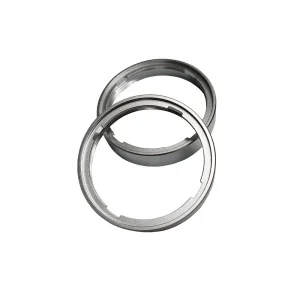
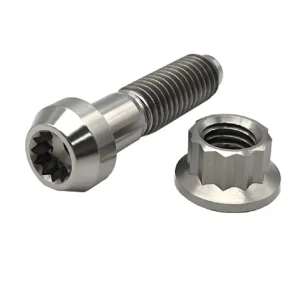
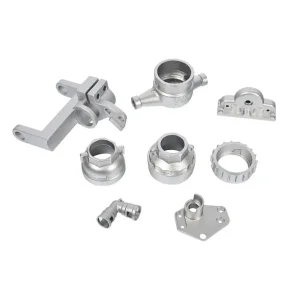
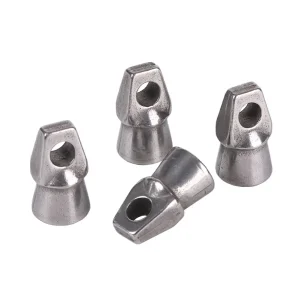
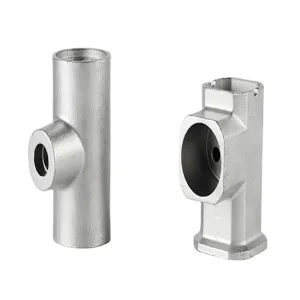
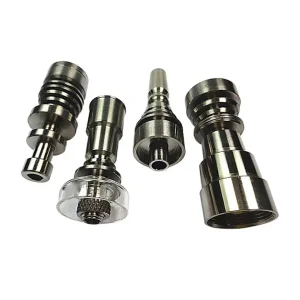
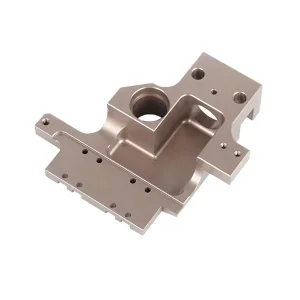
Explore our flagship line of OEM investment cast components and customized precision solutions engineered to withstand critical environments in industrial, marine, and commercial sectors.
Dongguan SX Technology Co.,Ltd holds extensive expertise in the domains of precision casting, high-tolerance CNC machining, and comprehensive structural assembly. Since our inception in 2014, we have established a resilient footprint, delivering high-performance components across automotive engineering, marine systems, industrial valves, pumps, electrical hardware, architectural construction, and chemical plant processes.
Our manufacturing footprint excels in working with high-grade materials: utilizing stainless steel and carbon steel for investment casting, and employing titanium alloys, stainless steel, carbon steel, aluminum, copper, and cemented carbides for advanced CNC subtractive machining. By deploying state-of-the-art tooling and automated processing lines, we provide B2B clients globally with an agile, high-precision supply chain designed for high stability and minimal failure rates.
The structural demand for high-strength, corrosion-resistant metallic structures continues to accelerate. As specialized exporters and manufacturers, we identify key micro and macro market trends transforming the investment casting landscape:
Modern aerospace and chemical engineering applications demand minimum post-casting scrap. High-fidelity silica sol investment casting enables extremely tight dimensional tolerances, drastically reducing subsequent multi-axis CNC milling passes.
Carbon footprint reductions and recycling-optimized production runs are now standard procurement requisites. Our foundries actively optimize molten metal yield, recover wax patterns, and prioritize energy-efficient induction furnaces.
Industrial specifications are shifting from general AISI 304 and 316 grades to Duplex (2205), Super Duplex, and custom heat-resistant titanium-stabilized alloys designed to withstand localized pitting and chloride-rich marine stress.
Procurement managers at automotive OEMs, maritime defense corporations, and fluid control suppliers face recurring issues when buying from casting exporters. Here is how our production pipeline resolves these friction points:
Challenge: Received casting batches do not match CAD models, causing failure during automated assembly lines.
Solution: We deploy coordinate measuring machines (CMM), optical spectrum analyzers, and 3D scanners to inspect key datum targets, ensuring tolerances conform with ISO 8062 and VDG P690 standards.
Challenge: Internal shrinkage, gas porosity, or non-metallic inclusions cause structural failure under high-pressure steam or marine loads.
Solution: Our foundry applies non-destructive testing (NDT), including X-ray radiographic inspection and liquid penetrant testing (LPI), backed by complete EN 10204 3.1 material certificates.
Challenge: Having to ship raw castings to a secondary machining supplier introduces delays, transport costs, and disputes over defect origins.
Solution: As a vertically integrated manufacturer, Dongguan SX Technology manages the process in-house: tool making, investment casting, precision CNC turning/milling, surface treatment, and final qualification.
Challenge: Exporters failing to comply with local environmental and chemical standards (RoHS, REACH) or custom declarations.
Solution: Complete tracking of alloy chemistry, compliance certifications, and robust custom brokerage support for streamlined global shipping.
Equipped with highly modern machinery, our shop floor bridges the gap between traditional metallurgical casting and modern computer-controlled manufacturing. Below is a closer look at our casting and machining facilities.
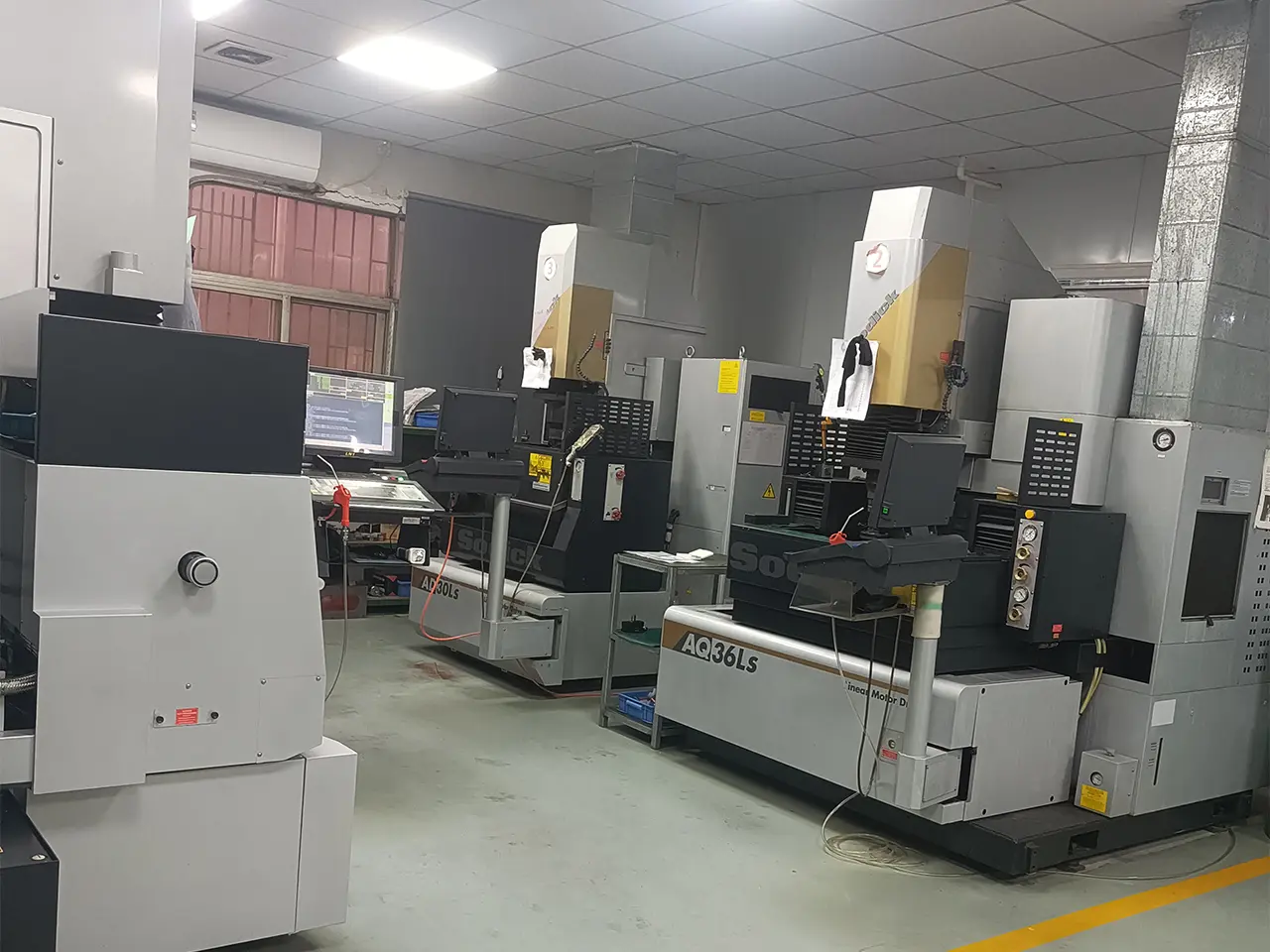
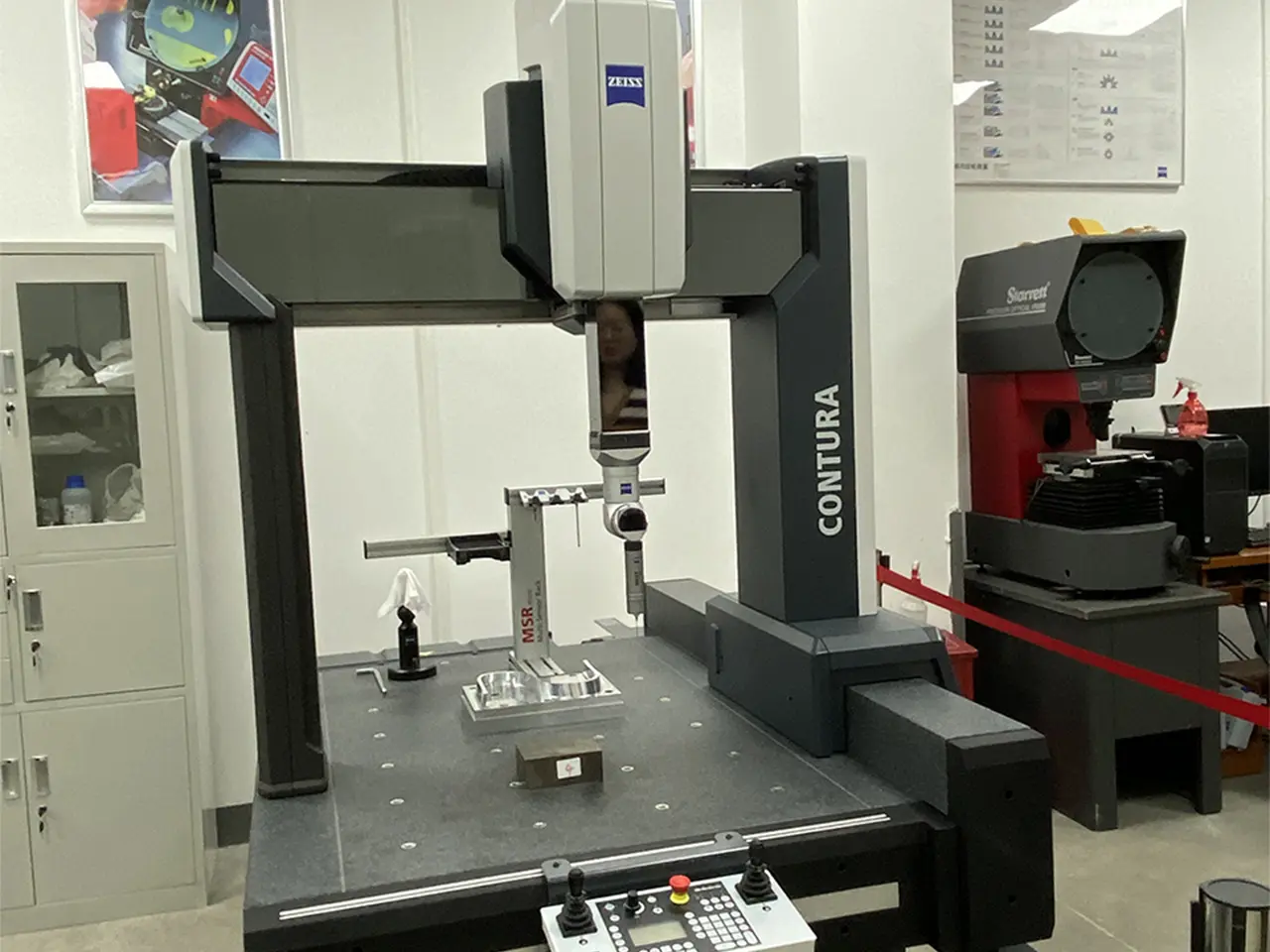
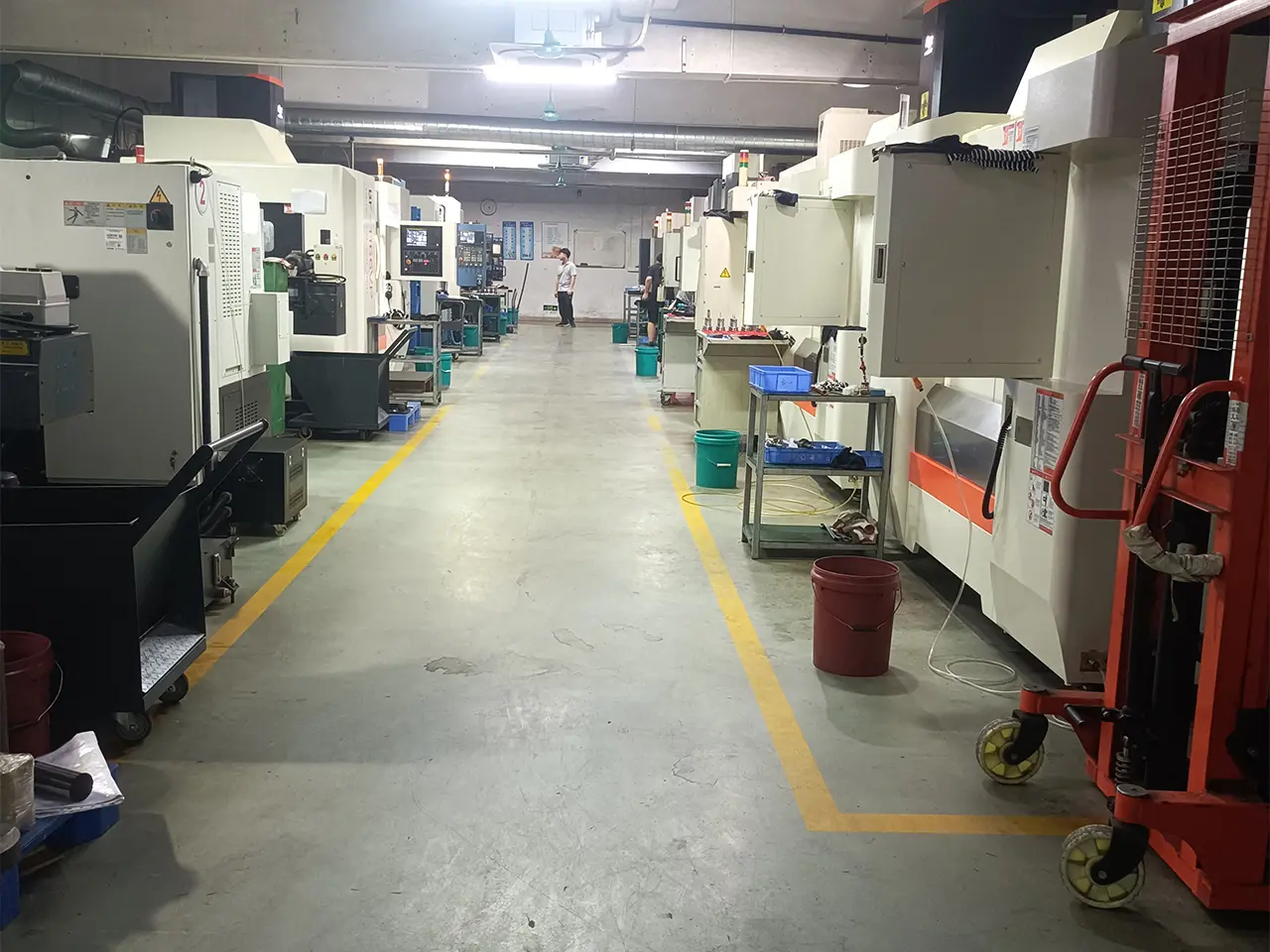
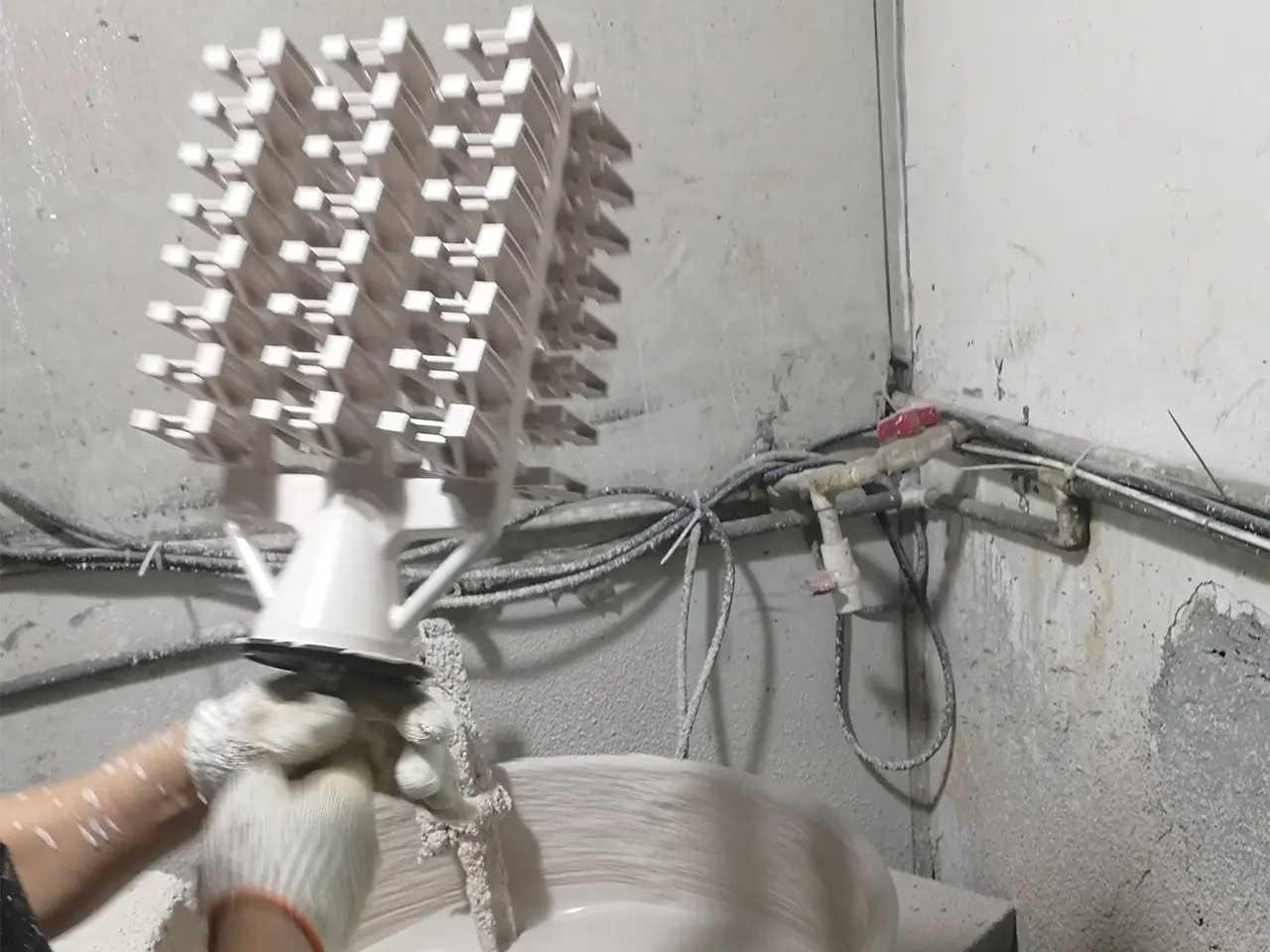
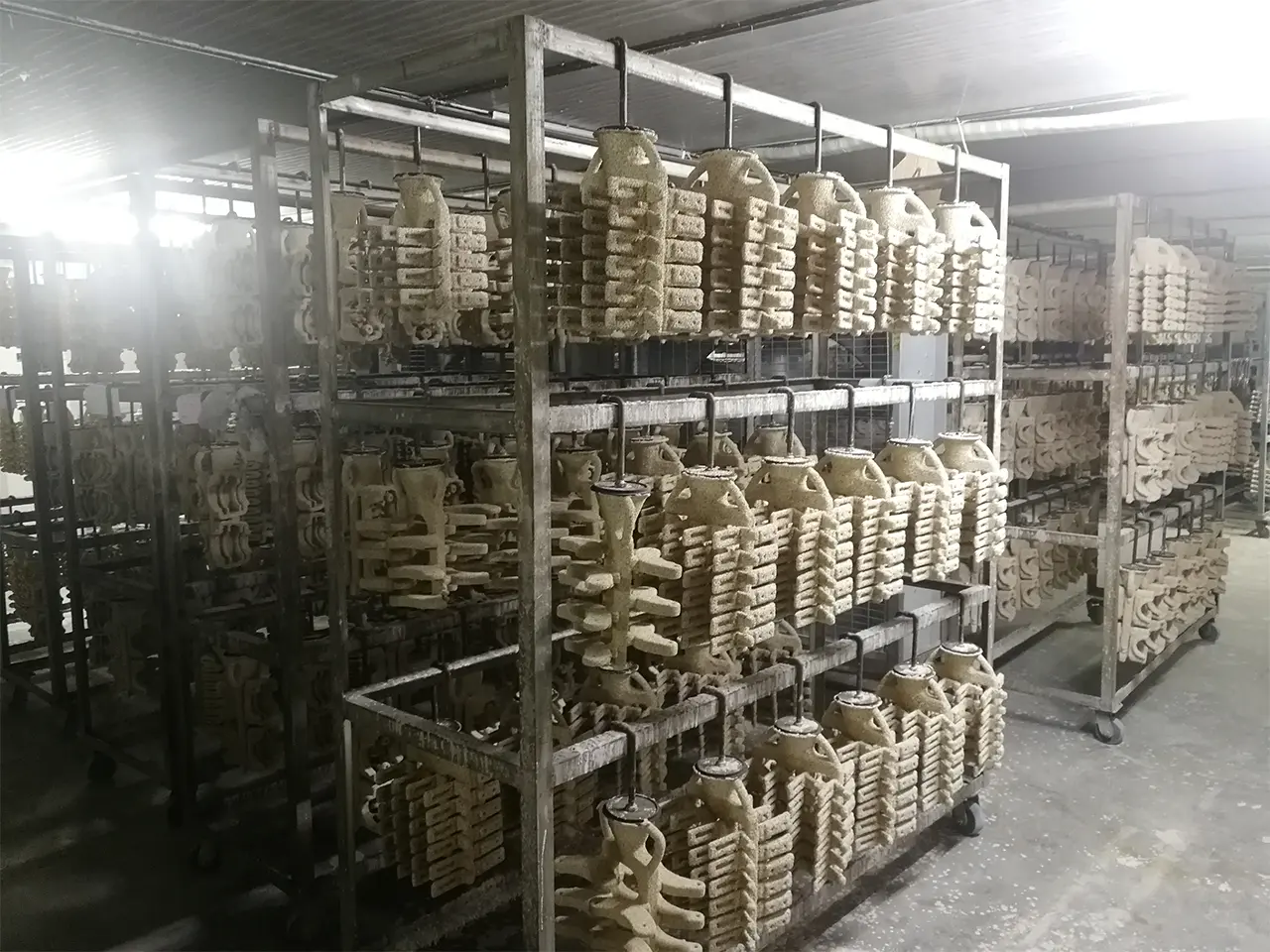
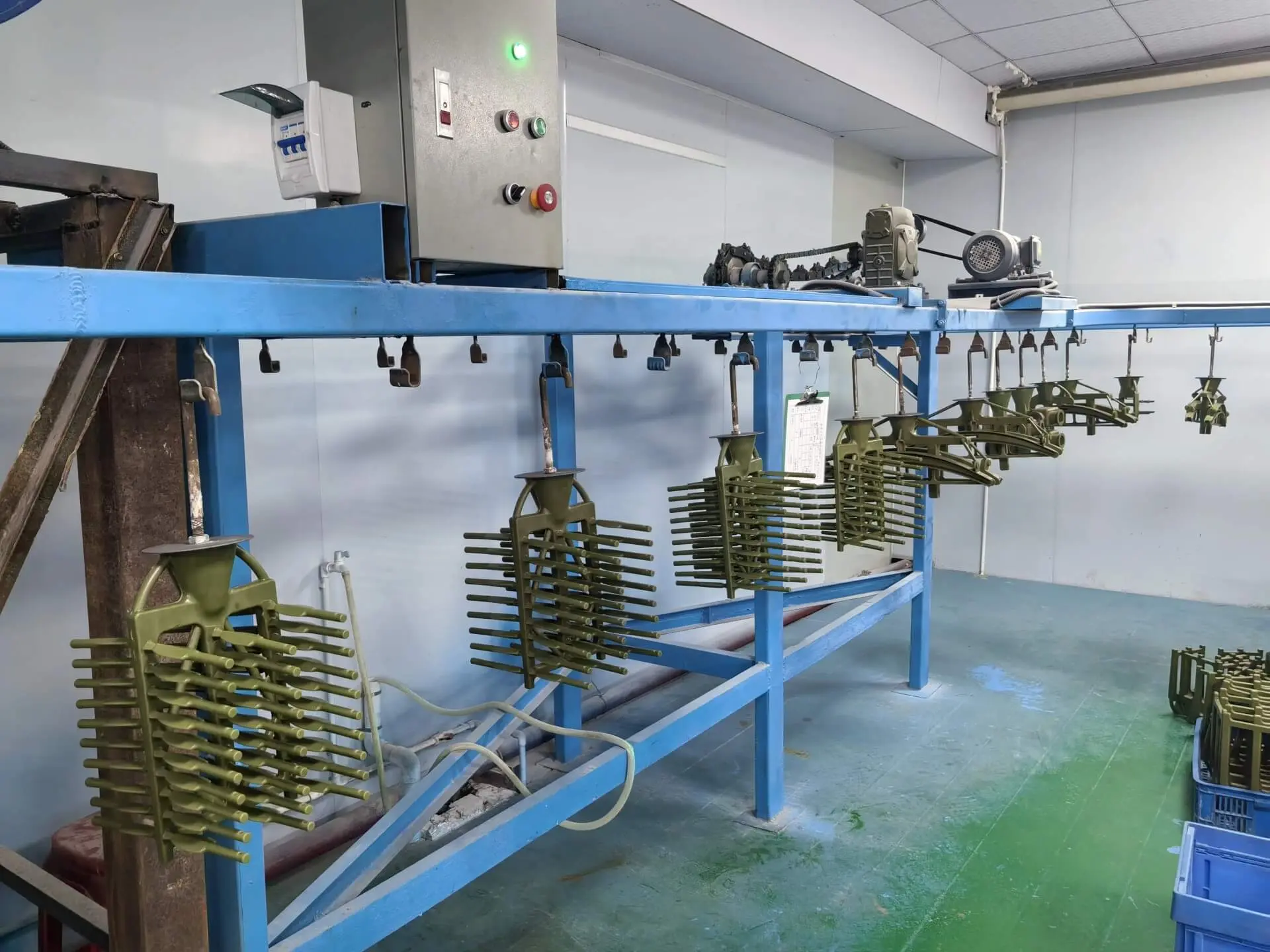
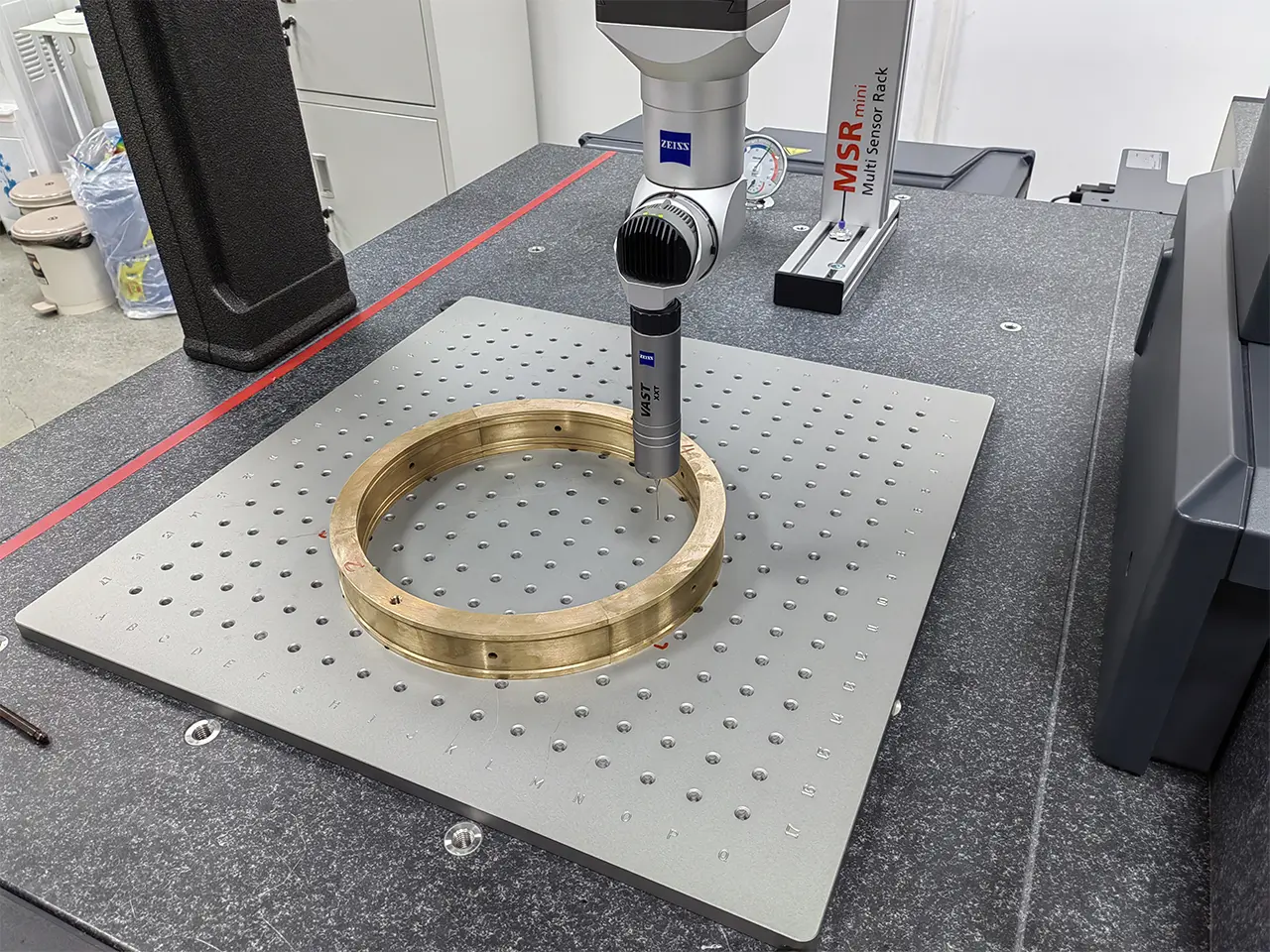
We maintain dedicated testing labs and certified QC inspectors. We adhere strictly to tolerances and international engineering parameters for every component we output. This unyielding commitment to quality control has established us as a trusted exporter across highly demanding markets.
We firmly believe that quality is the ultimate cornerstone of the manufacturing sector. It determines survival, business growth, and market expansion. Since 2014, we have continuousy worked to upgrade our technical team and augment our overall production capacity, ensuring every piece matches client blueprint configurations.
To secure a distinct competitive advantage and offer actionable information gain to our engineering buyers, we continuously update our technology roadmap to integrate emerging manufacturing technologies.
For rapid prototyping and low-volume production runs, we bypass high-cost tooling design using SLA and SLS 3D printers to print wax patterns directly. This shortens the lead time from design to physical part down to a few days.
We use advanced mold-flow simulation software to simulate solidification, heat transfer, and velocity during liquid metal pouring. This systematically eliminates cold shuts, gas traps, and shrinkage cavities before cutting metal mold blocks.
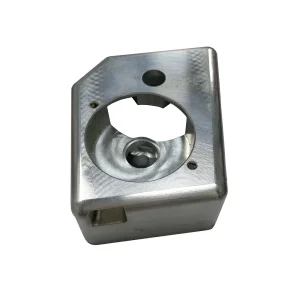
By integrating casting operations with high-precision 5-axis CNC machining, we execute complex geometries, undercuts, and mirror-like sealing finishes in a single setup, achieving tight positional tolerances.
We answer standard questions from procurement professionals, metallurgical engineers, and quality managers to streamline the sourcing pipeline.
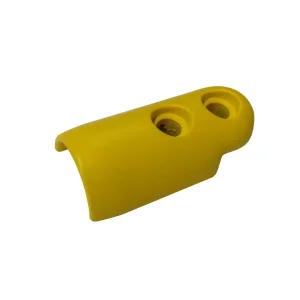
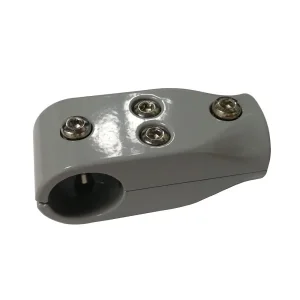
Review our secondary range of titanium machining, outdoor gear castings, and heavy transport bracket applications developed under our strict quality management system.
 SX Machining