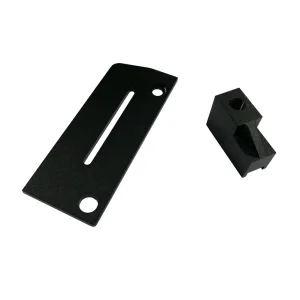
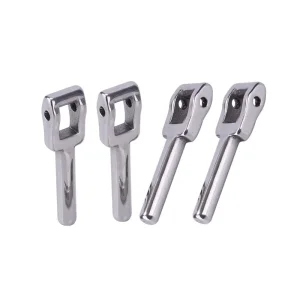
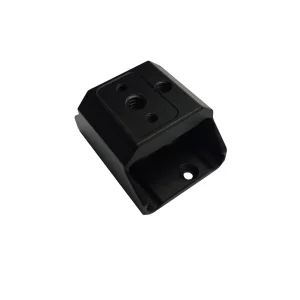
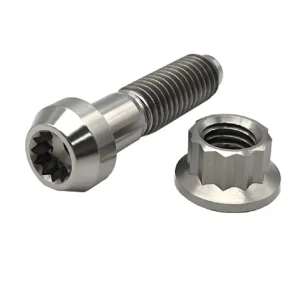
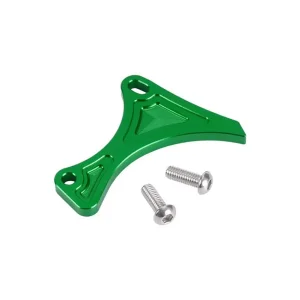
Explore our industrial range of high-performance castings and turning components certified for global distribution.
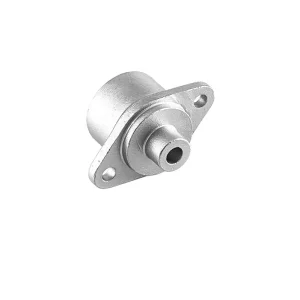
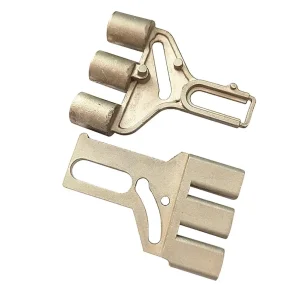
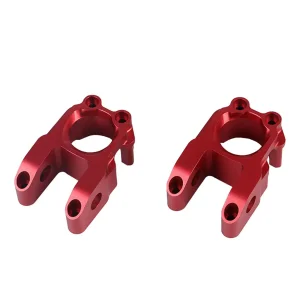
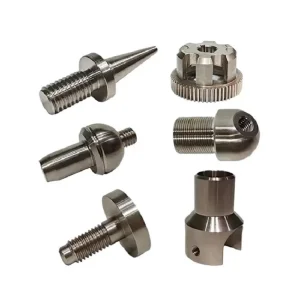
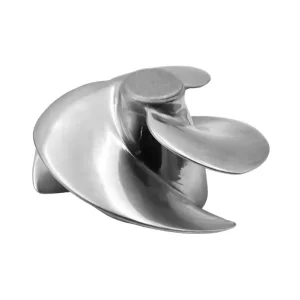
Industrial valve castings serve as the vital structural foundations for complex pipeline systems, pressure vessels, and control valves operating in hostile environments. In sectors such as petrochemical refining, liquified natural gas (LNG) transport, offshore oil production, and high-pressure steam generation, minor internal defects can result in catastrophic mechanical failure or fluid leakage. To prevent micro-porosity, grain boundaries degradation, and hot tearing, modern foundries utilize computational solidification simulation programs (such as MAGMAsoft or ProCAST). This modeling stage optimizes the placement of risers, gates, and runners to ensure uniform directional cooling and mitigate thermal contraction stresses.
The selection of materials dictates the longevity and corrosion resistance of the cast component. Carbon steels like ASTM A216 WCB/WCC are commonly designated for non-corrosive liquids and gases under standard industrial pressures. For cryogenic applications, low-alloy steels such as ASTM A352 LCB/LCC maintain high toughness at sub-zero limits. When processing corrosive media, stainless steel options (such as ASTM A351 CF8M/CF3M) and duplex stainless steels (like ASTM A890 4A/5A) are utilized to combat localized pitting and stress-corrosion cracking (SCC).
| Material Standard | Material Class | Common Applications | Mechanical/Chemical Feature |
|---|---|---|---|
| ASTM A216 WCB | Carbon Steel | General industrial steam, gas, and water lines | Excellent weldability, high tensile strength (≥485 MPa) |
| ASTM A351 CF8M | Austenitic Stainless Steel | Chemical processing, marine pumps, corrosive media | High Mo content (2-3%) for superior chloride pitting resistance |
| ASTM A890 4A (CD3MN) | Duplex Stainless Steel | Offshore platform systems, desalination plants | Yield strength double that of austenitic grades, high SCC resistance |
| Inconel 625 / Monel 400 | Nickel Superalloy | High-temperature acidic environments, deepsea wells | Maintains structure up to 980°C, outstanding acid resistance |
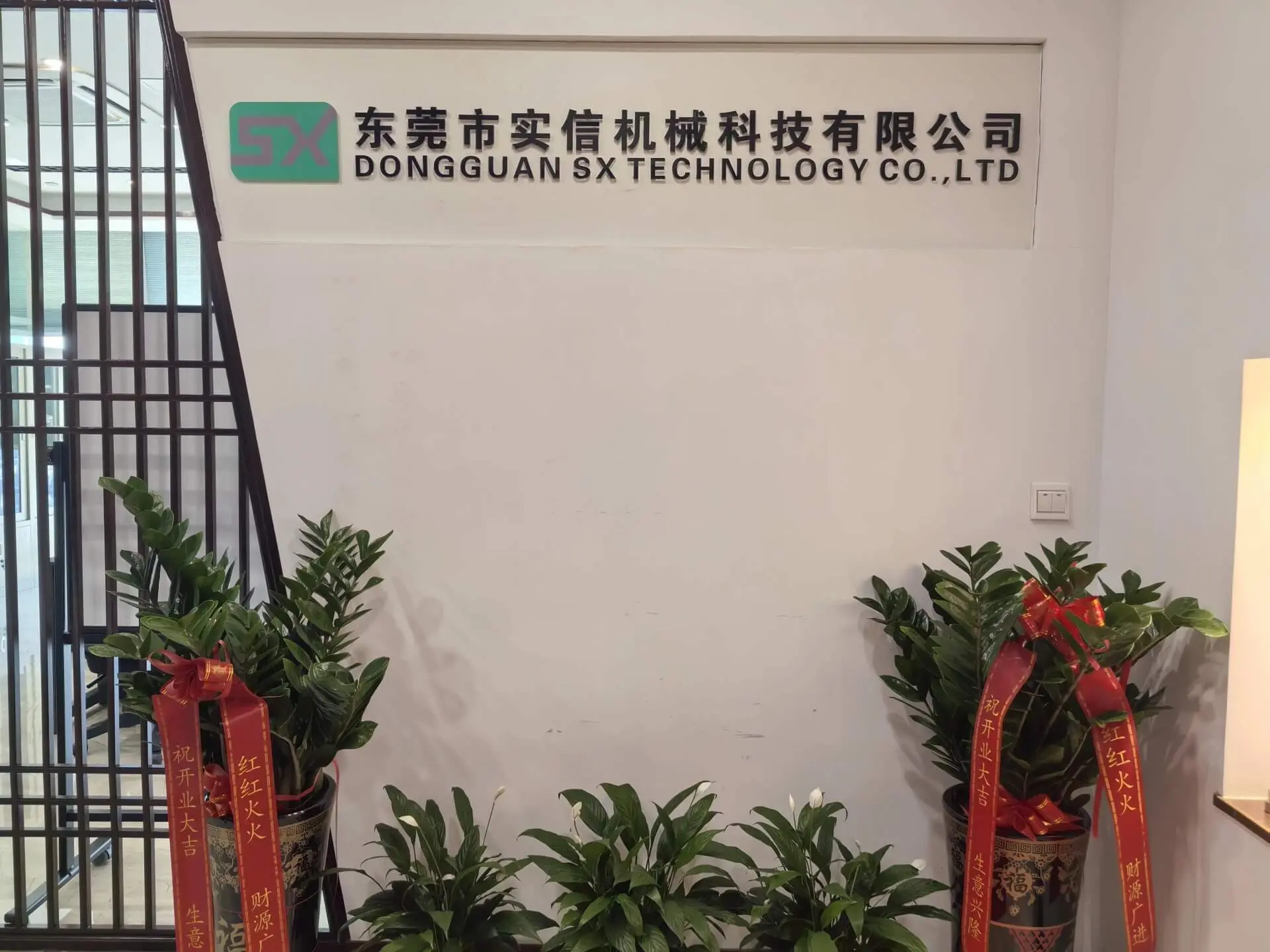
Dongguan SX Technology Co.,Ltd has very rich experience in precision casting, CNC machining and assembly. Our products are used in machinery, automobiles, marine, ships, equipment, valves and pumps, electronic appliances, packaging, watches, construction, chemical industry and other industries.
The most commonly used materials for investment casting are stainless steel and carbon steel. And the most commonly used materials for CNC machining include titanium alloy, stainless steel, carbon steel, aluminum alloy, copper alloy, cemented carbide, etc.
We have advanced manufacturing equipment and technology and are able to respond quickly to your needs. Since our founding in 2014, we have continuously improved our production workflows to guarantee global compatibility and high geometric precision.
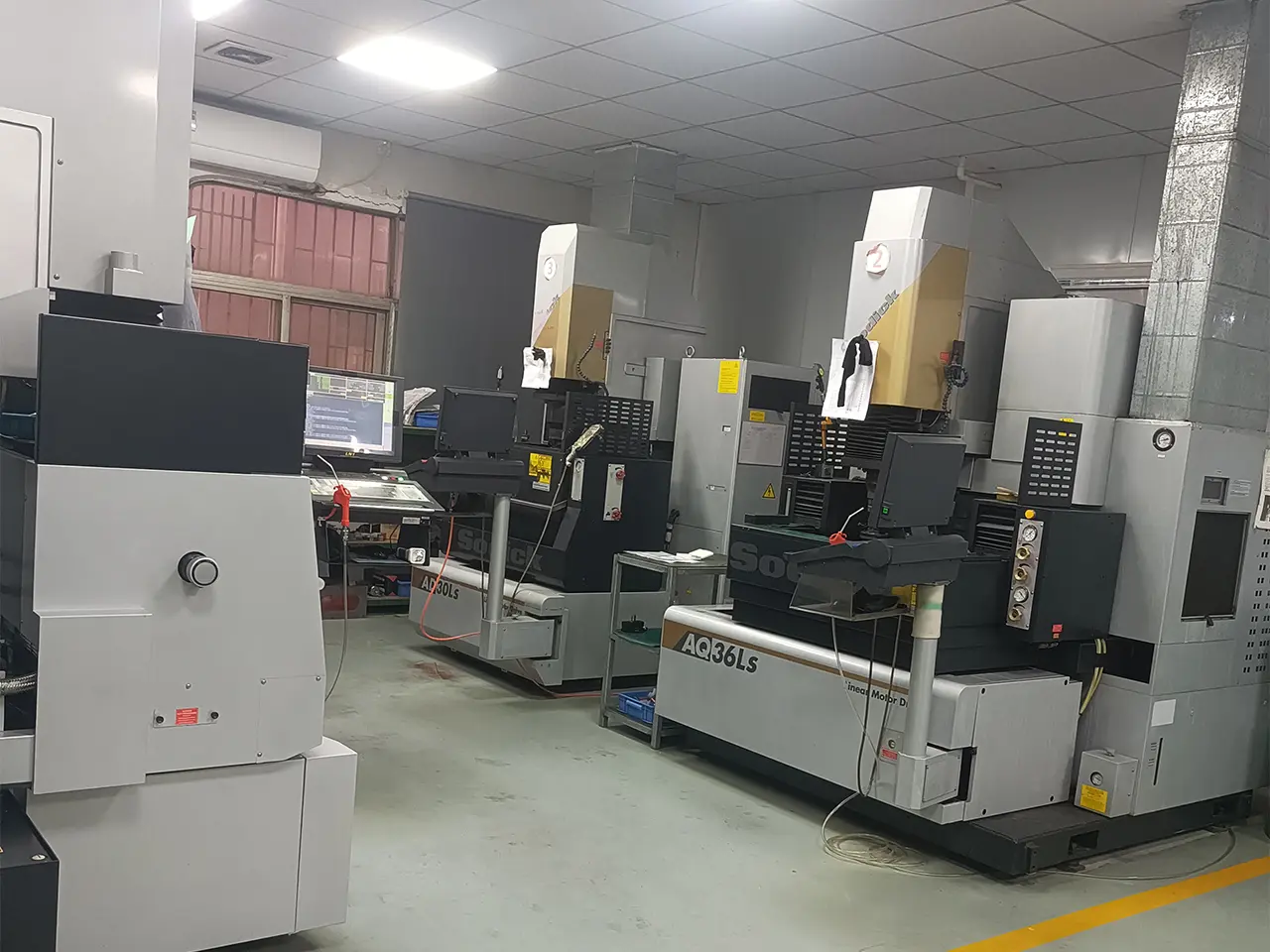
Our facility houses automated wax injectors, climate-controlled shell-building chambers, and multi-axis CNC machining centers.
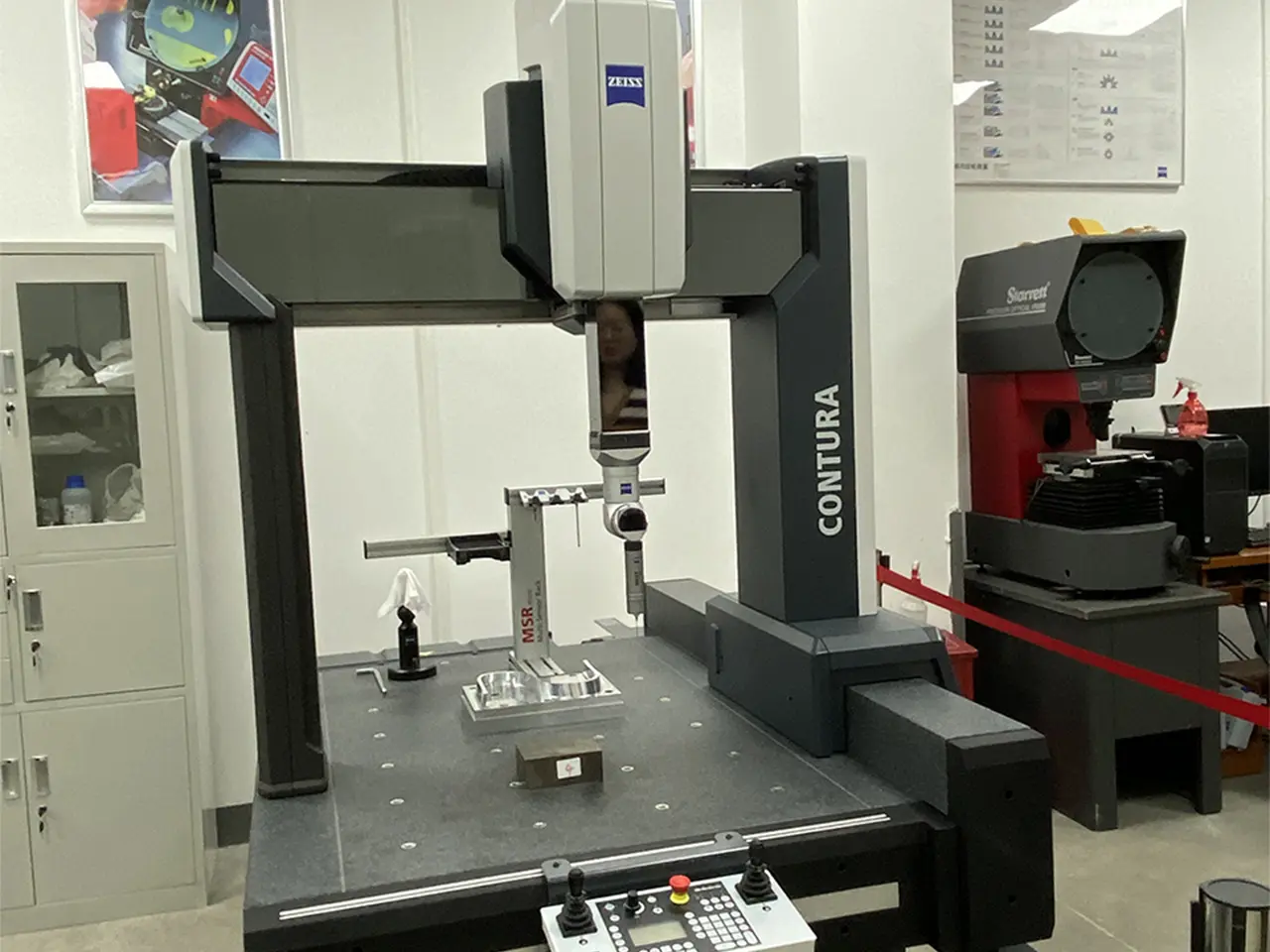
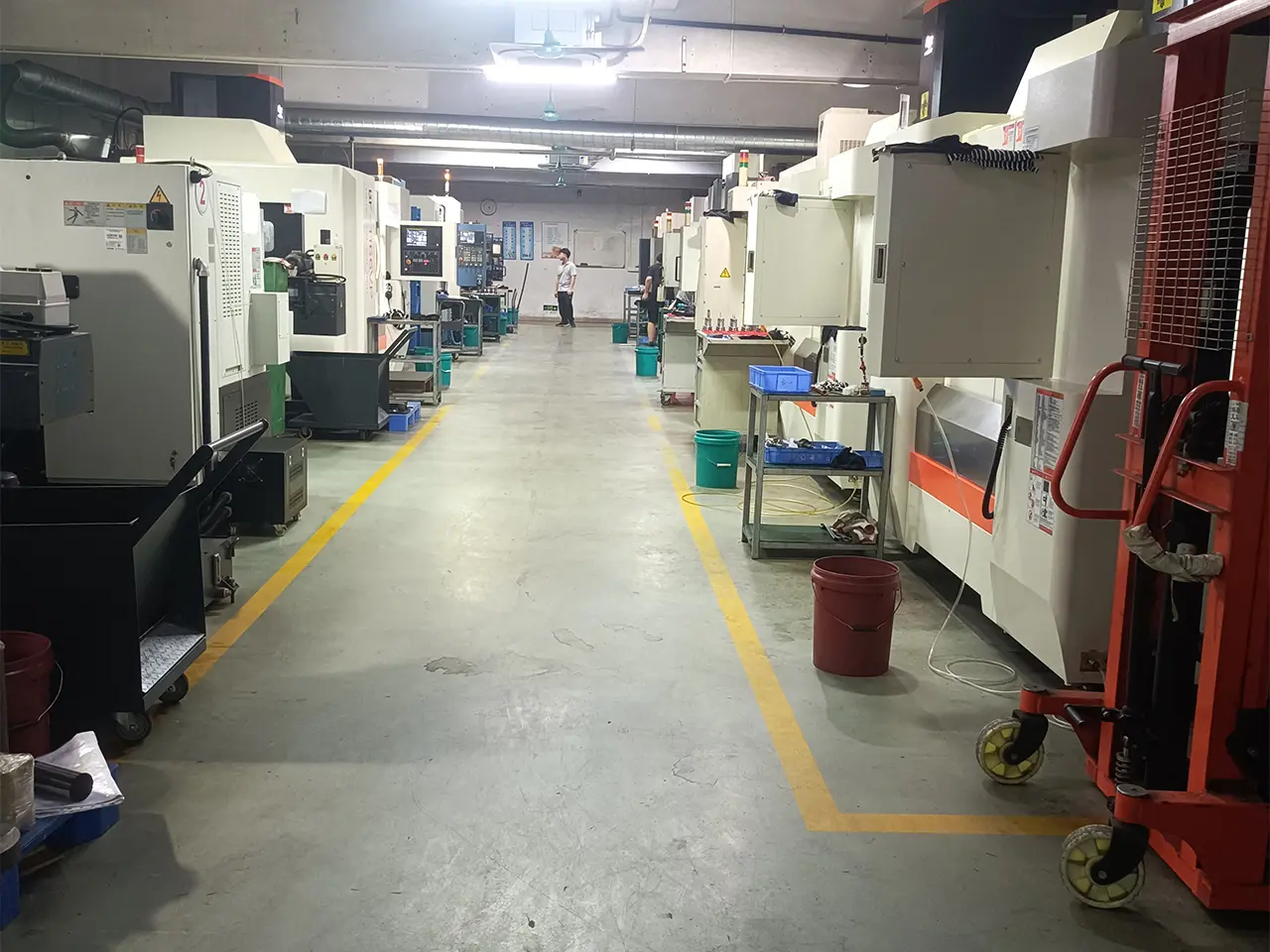
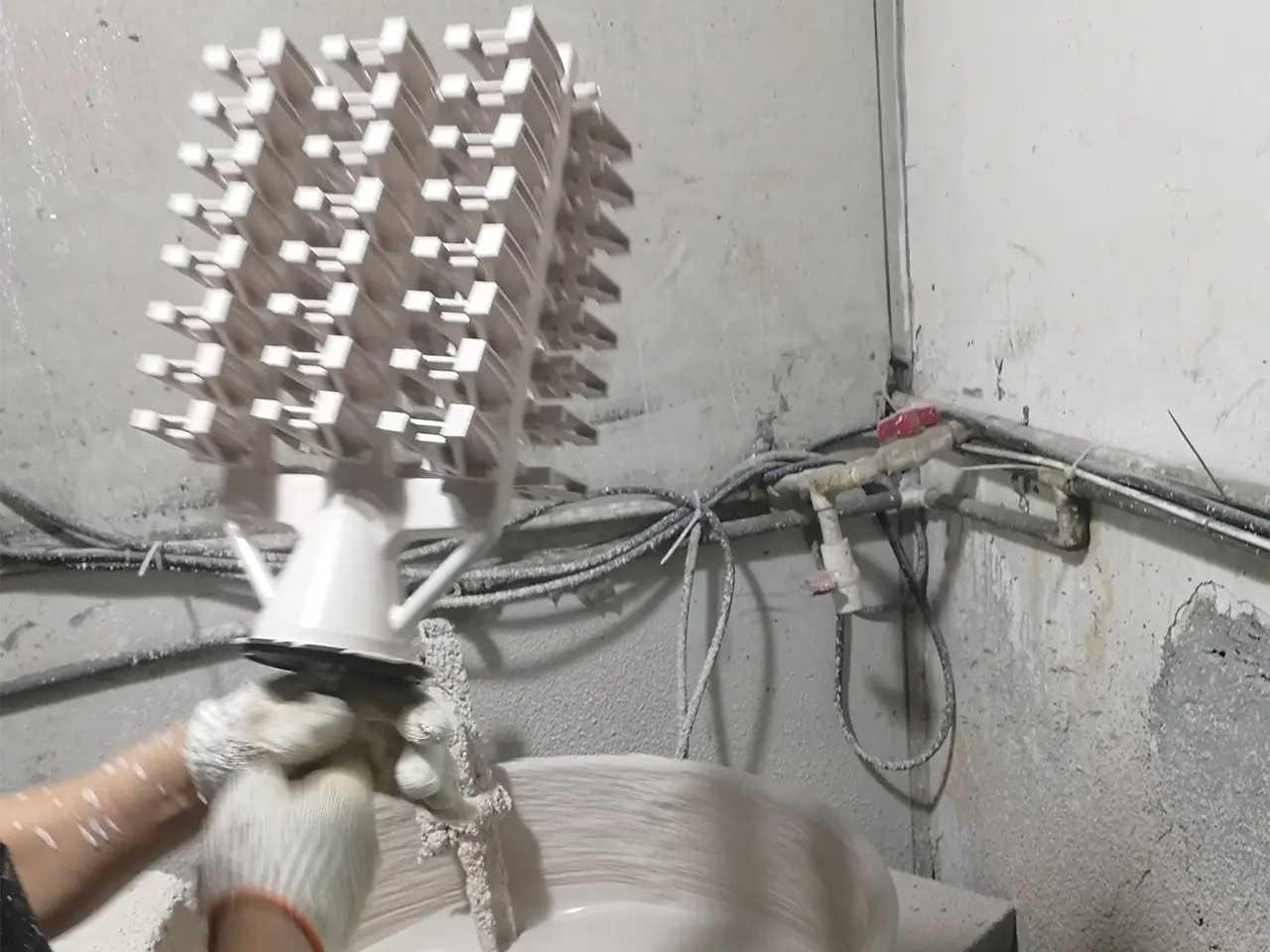
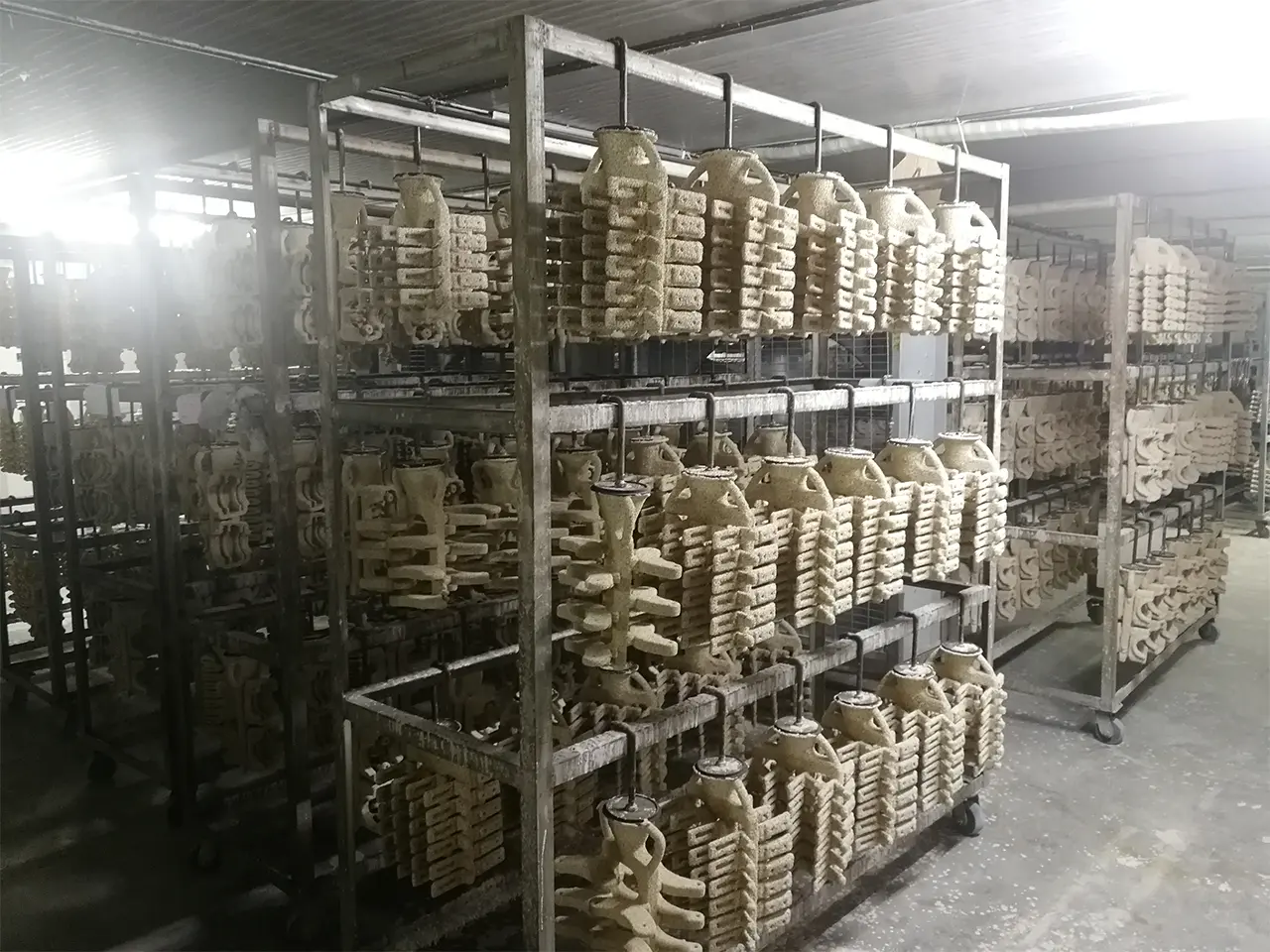
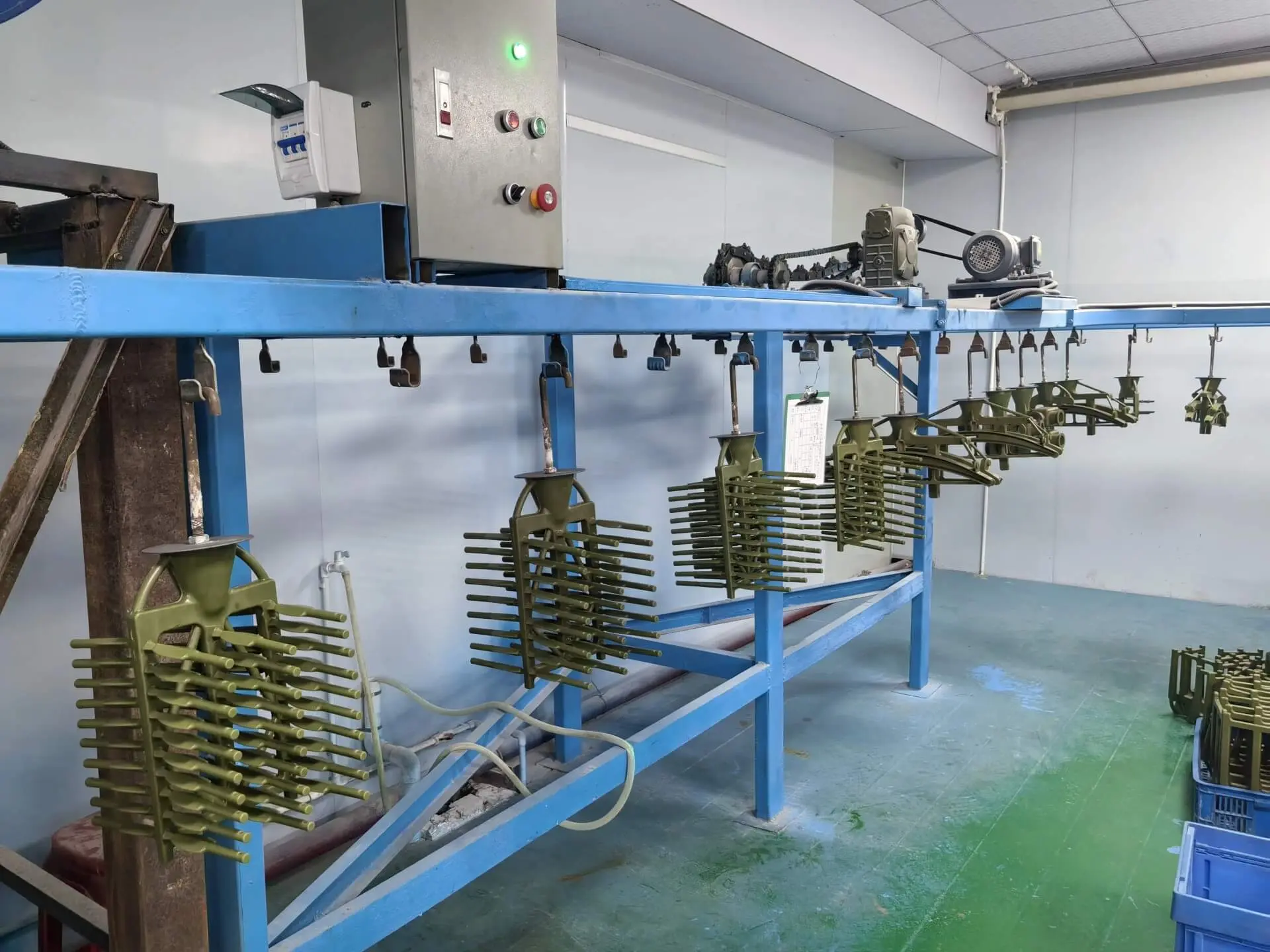
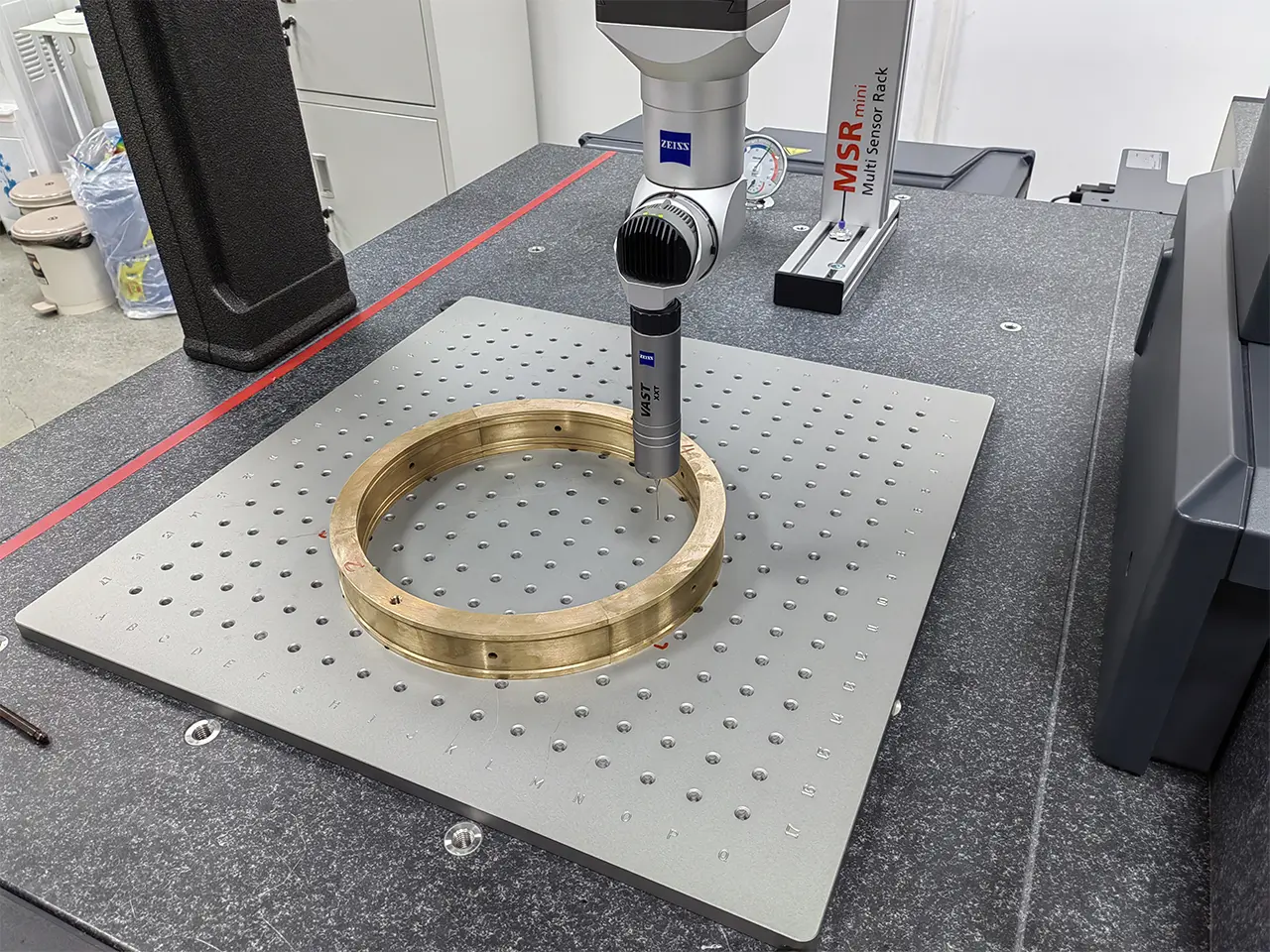
We have professional testing equipment and professional QC personnel, and we adhere to strict tolerances and quality standards for the products we produce. Due to our insistence on strict quality requirements, we have been praised by many customers.
Quality is the cornerstone of the manufacturing industry. We firmly believe that only by controlling quality well can we survive, develop, and get better and better. Therefore, we have been working in this industry unremittingly since 2014 and continue to improve the company's team and improve the company's production capacity.
Our dimensional testing processes include Coordinate Measuring Machines (CMM), optical projectors, digital calipers, and high-precision depth micrometers. Non-destructive testing (NDT) capabilities such as radiographic testing (RT) for interior porosity, liquid penetrant testing (PT) for surface micro-cracks, and magnetic particle testing (MT) for ferromagnetic structural anomalies ensure all valve bodies pass rigorous pressure boundary certifications prior to delivery.
The classic paradigm of outsourcing casting to low-cost foundries was historically offset by quality control risks, slow response times, and limited secondary processing capabilities. Dongguan SX Technology Co.,Ltd bridges this divide through a comprehensive Factory 4.0 setup. By combining precision investment casting (using silica sol binder systems) with a state-of-the-art CNC machining workshop, we handle both raw part solidification and high-tolerance post-machining under one roof.
This vertically integrated strategy eliminates transit times and potential quality disputes between independent foundries and machine shops. For instance, when casting carbon steel or titanium alloys, micro-shrinkage discovered during rough machining is immediately communicated to the casting engineers in our foundry department. Gate locations and pouring variables are updated in real-time, preventing batches of defective castings from reaching final inspection.
Furthermore, our production facility features modern multi-axis CNC machines capable of turning, milling, and wire EDM processing. Whether your project requires high-tolerance aerospace flanges, non-standard titanium fittings, or robust valve bodies, our system guarantees that dimensional drift is kept within micron levels.
Providing specialized solutions across extreme temperature ranges, high-pressure environments, and corrosive zones.
Seawater environments contain high levels of corrosive chlorides. We manufacture valve castings in duplex stainless steels, bronze, and titanium alloys. These parts resist biofouling, cavitation damage, and high hydrostatic pressures in offshore drilling platforms and vessel cooling systems.
Processing volatile hydro-carbons at extreme temperatures demands reliable materials. Our high-pressure gate, globe, and check valve bodies conform to API 6D and ASME B16.34 criteria. This ensures zero fugative emissions and stable operation under thermal shock.
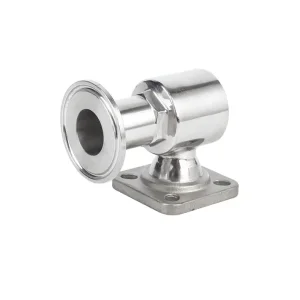
Hygiene, surface finish, and cleanliness are paramount in chemical synthesis and food processing. Utilizing ultra-low carbon stainless steels (CF3M) and precision electropolishing, we supply castings with clean flow paths that prevent contamination and batch carryover.
The casting industry is evolving beyond traditional mold pouring. Over the next decade, three major trends are set to reshape high-performance valve component manufacturing:
By using 3D-printed sand molds or direct polymer pattern printing for investment casting, we can manufacture complex geometries without traditional tooling. This shortens the development cycle for prototype valve castings from months to days. This technology makes it feasible to produce low-volume, highly complex custom designs for deepsea exploration or experimental chemical plants.
Traditional alloys use one major base element (like iron in steel or nickel in superalloys). Research into High-Entropy Alloys (HEAs) shows that combining multiple primary metallic elements yields outstanding yield strength, corrosion resistance, and structural stability at temperatures above 1000°C.
Integrating fiber-optic sensors or micro-transducers directly into the cast body allows for continuous monitoring of pressure, temperature, and structural wear. These smart castings enable predictive maintenance, warning operators of imminent housing failures before they occur in the field.
Procuring valve castings internationally requires navigating strict regulatory frameworks. Because valves contain internal pressures, failure can damage equipment and cause environmental concerns. A supplier must demonstrate compliance with recognized international standards:
At Dongguan SX Technology Co.,Ltd, our operations conform to ISO 9001:2015. We offer complete transparency on metal chemistry through material test reports (MTR) according to EN 10204 3.1. This ensures that every element, from raw pouring to CNC machining, matches your engineering specifications.
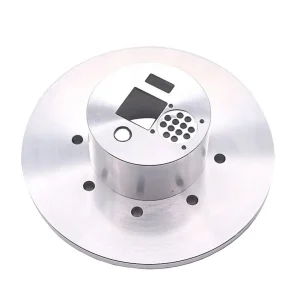
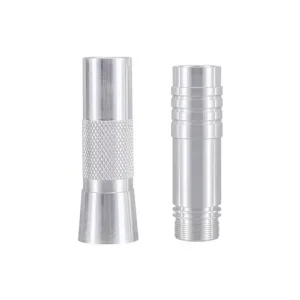
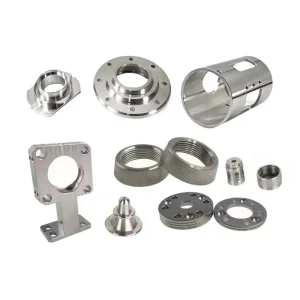
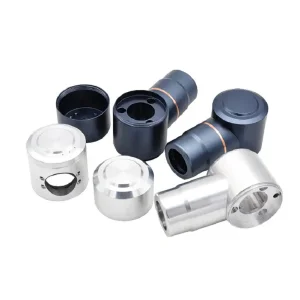
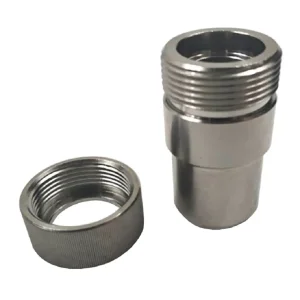
High-precision turning, milling, and composite solutions supporting tight tolerances across aerospace, medical, and electronic designs.
Clear, direct answers to common questions about casting chemistry, tolerances, and procurement options.
 SX Machining