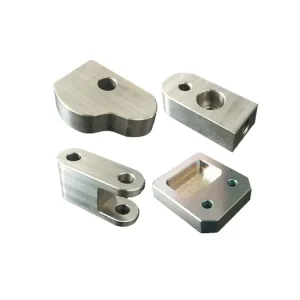
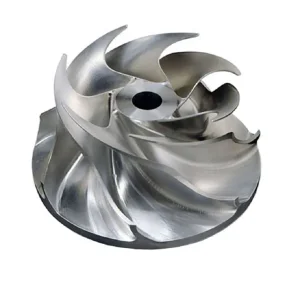
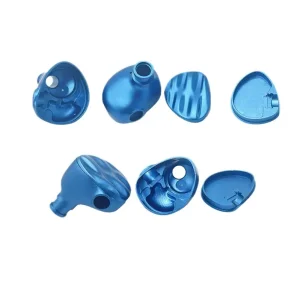
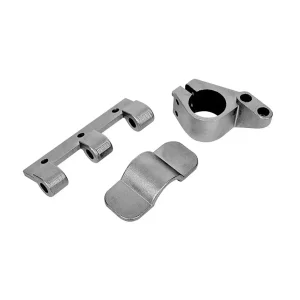
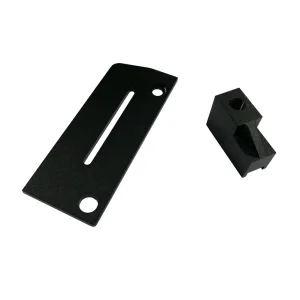
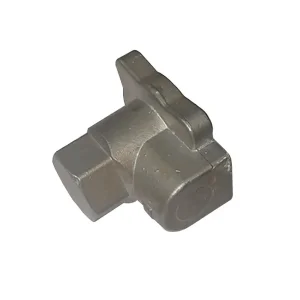
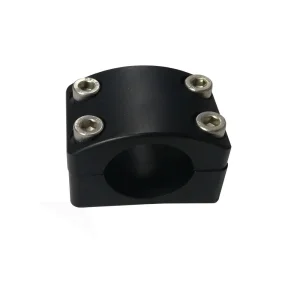
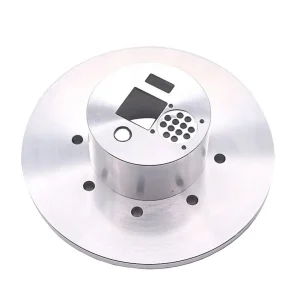
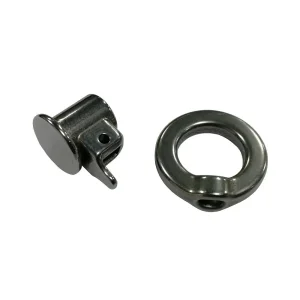
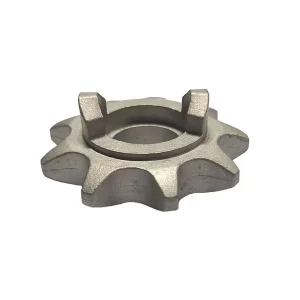
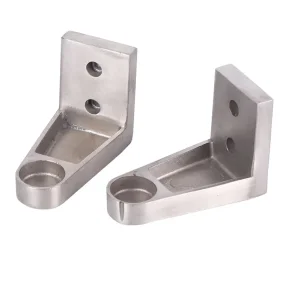
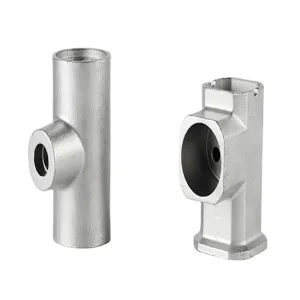
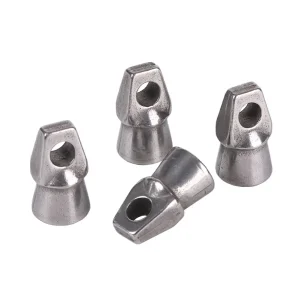
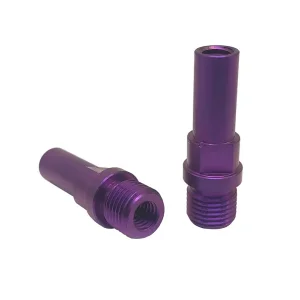
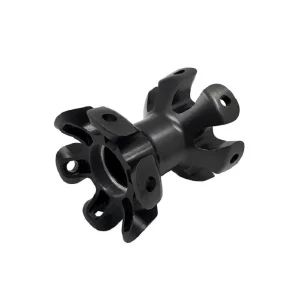
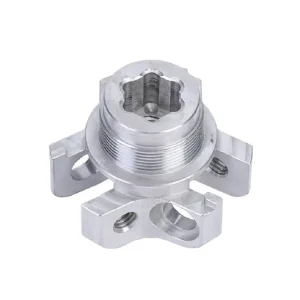
Explore our premium selection of custom components, engineered to meet the strictest industrial standards with zero-defect quality validation.
How modern simulation technologies and hybrid mold designs are shaping the future of high-precision metallic part replication.
Integrating finite element analysis (FEA) and mold-flow physics has changed the tool fabrication paradigm. Tool makers can simulate phase transitions, trace molten liquid pathways, and proactively isolate thermodynamic stress regions. This removes trial-and-error costs and cuts tooling commissioning intervals down significantly.
Additive manufacturing combined with investment tooling enables hybrid mold fabrication. Incorporating 3D-printed SLA/SLS polymer patterns allows manufacturers to implement complex internal cooling channels within the tool core, ensuring uniform wax pattern shrinkage and high dimensional accuracy.
High-volume automotive and consumer electronics projects rely on multi-cavity tool systems. Modern investment tooling focuses on modular inserts using premium steels like H13 and D2. This ensures simple maintenance, repeatable dimensions, and mold lifetimes exceeding one million injection cycles.
By establishing tooling design systems that match casting physics, top-tier factories can reduce scrap rates to less than 0.5%. Using advanced structural simulation guarantees that the final casting has minimal internal porosity, making it suitable for high-stress applications in aerospace turbines, subsea marine structures, and high-pressure chemical valves.
Procurement professionals evaluate suppliers based on material compatibility, dimensional precision, and total cost of ownership (TCO).
| Casting Method | Dimensional Tolerance (ISO 8062) | Surface Roughness (Ra) | Initial Tooling Cost | Ideal Production Volume |
|---|---|---|---|---|
| Lost Wax Investment Casting (Silica Sol) | CT4 - CT6 (Excellent Precision) | 3.2 – 6.3 μm (Very Smooth) | Moderate to High | Mid to High (100 - 100,000+ Units) |
| Lost Wax Investment Casting (Water Glass) | CT7 - CT9 (Moderate Precision) | 6.3 – 12.5 μm (Standard) | Low to Moderate | High Volume Industrial Parts |
| Traditional Sand Casting | CT10 - CT12 (Low Precision) | 12.5 – 25 μm (Rough) | Very Low | Low to Mid (Heavy Components) |
| Die Casting (Aluminum/Zinc) | CT3 - CT5 (High Precision) | 1.6 – 3.2 μm (Ultra Smooth) | Very High | Ultra High Volume (>50,000 Units) |
To manage supply chain volatility, international buyers are moving toward integrated, single-source manufacturers. Partnering with a manufacturer that handles both precision investment casting and secondary multi-axis CNC machining removes the transit risks, markups, and inspection disputes common when using separate casting and machining vendors.
Redefining Precision Engineering, CNC Machining, and Cast Components Since 2014
Dongguan SX Technology Co.,Ltd has very rich experience in precision casting, CNC machining and assembly. Our products are used in machinery, automobiles, marine, ships, equipment, valves and pumps, electronic appliances, packaging, watches, construction, chemical industry and other industries.
The most commonly used materials for investment casting are stainless steel and carbon steel. And the most commonly used materials for CNC machining include titanium alloy, stainless steel, carbon steel, aluminum alloy, copper alloy, cemented carbide, etc. We have advanced manufacturing equipment and technology and are able to respond quickly to your needs.
We work to adapt to our customers' needs, translating complex drawings into robust components. Our engineering support spans early-stage design optimization for manufacturability (DFM), alloy selection, tool design, rapid prototyping, and medium-to-large production runs.
Using automated processes and localized supplier networks to ensure consistent delivery, even during global market shifts.
Our facility in Dongguan, the global heart of precision manufacturing, integrates advanced technologies to transition from legacy foundry practices to a digital Factory 4.0 layout. This allows us to keep lead times short and minimize raw material waste.
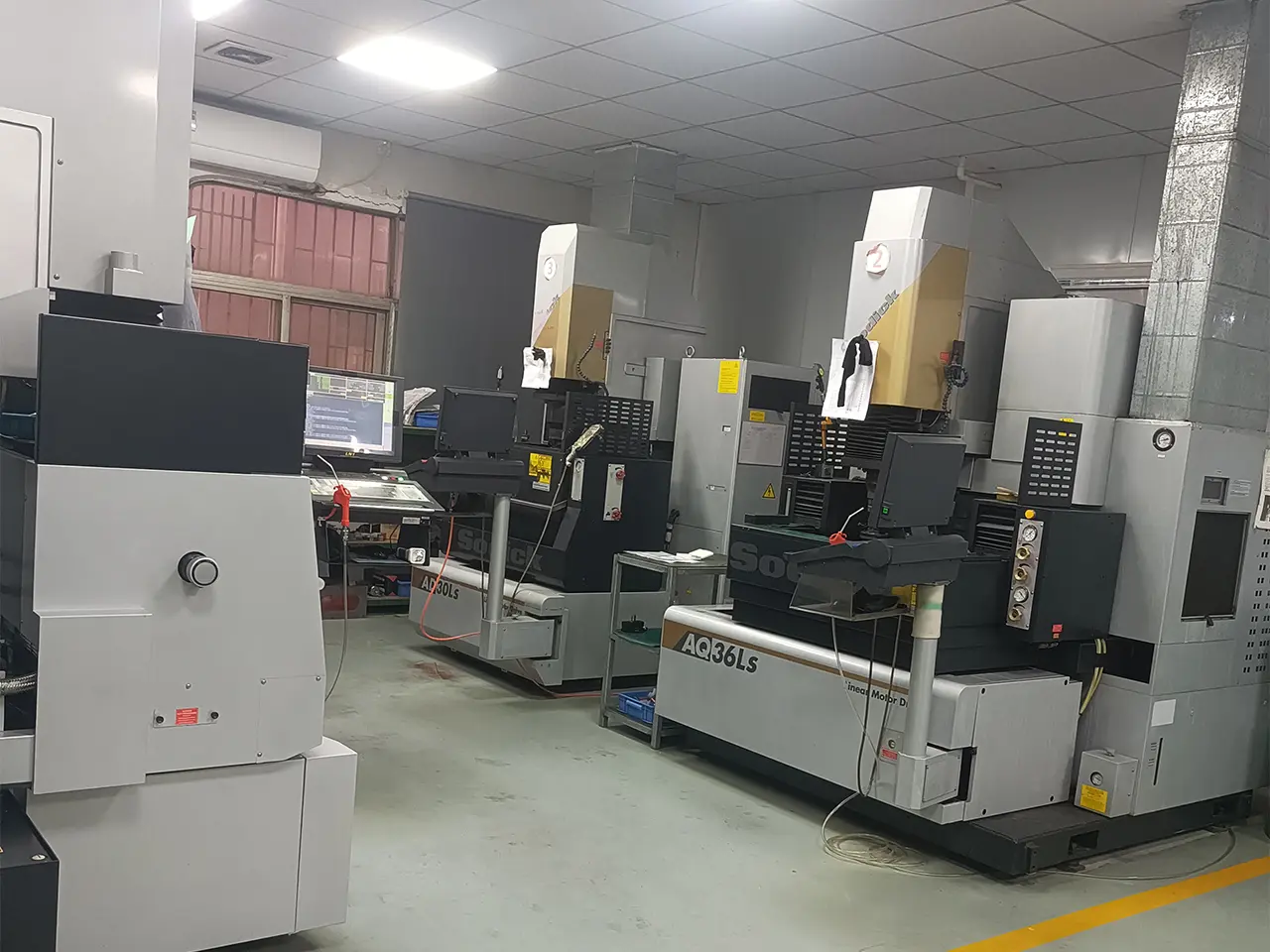
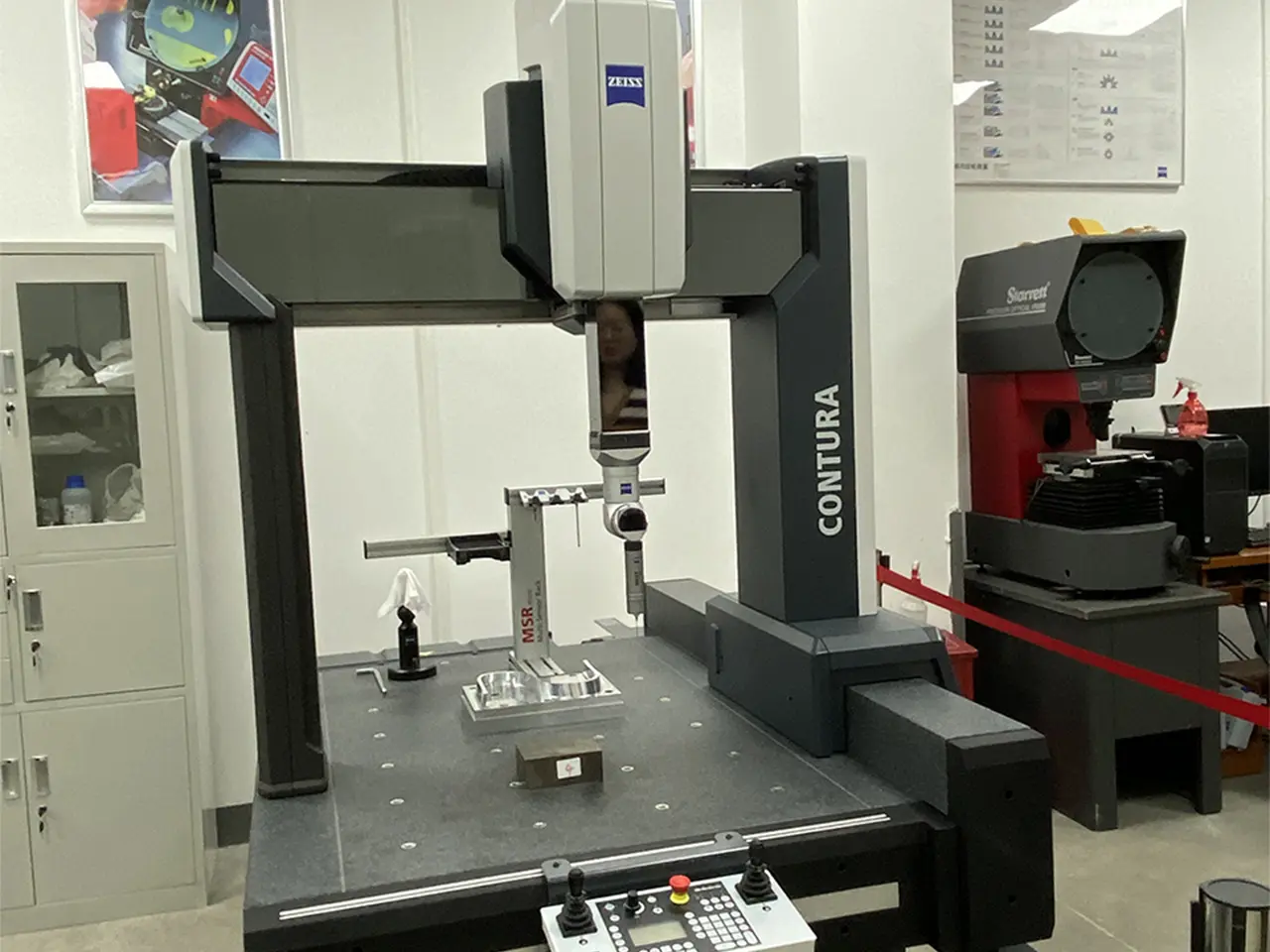
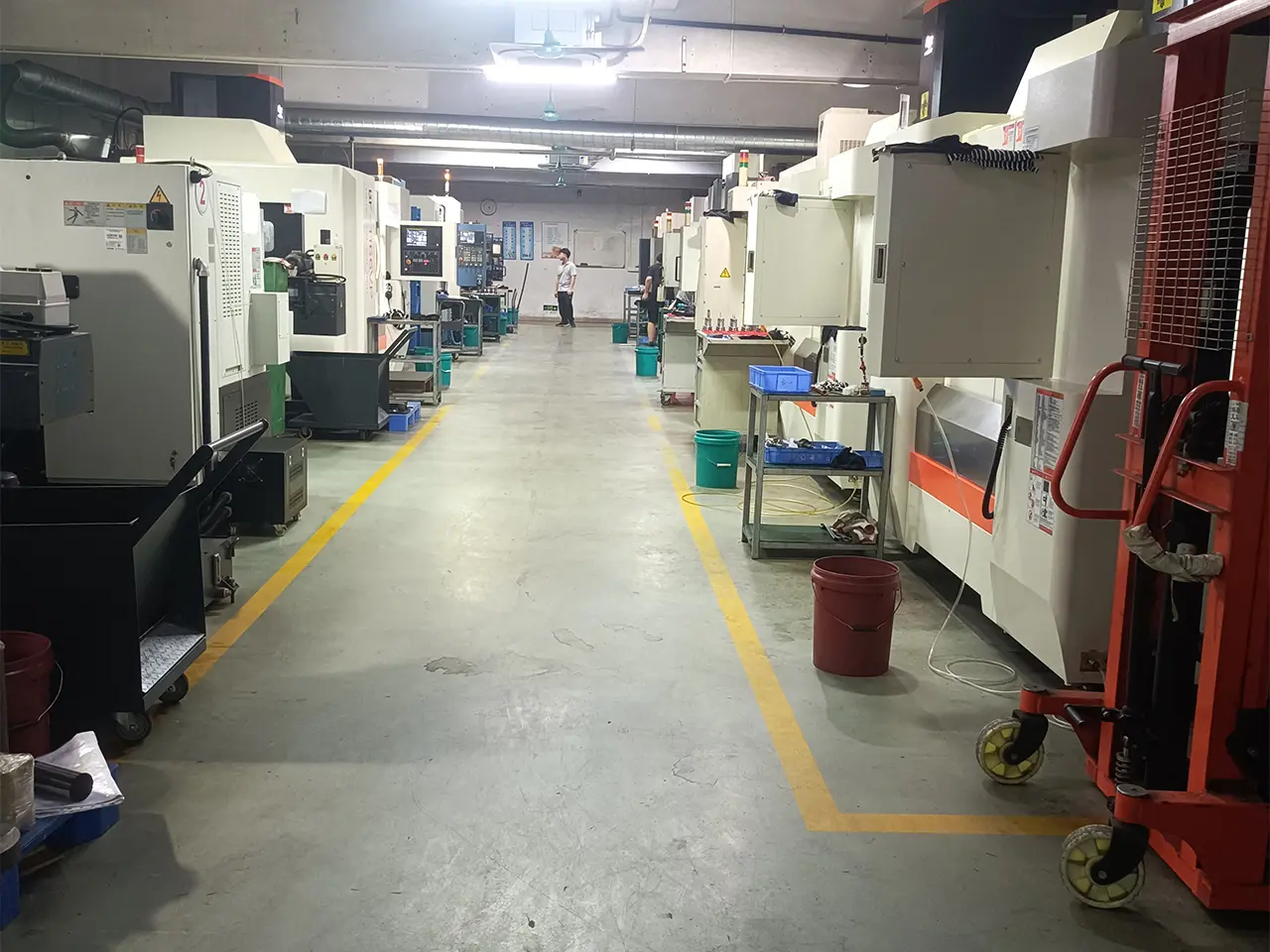
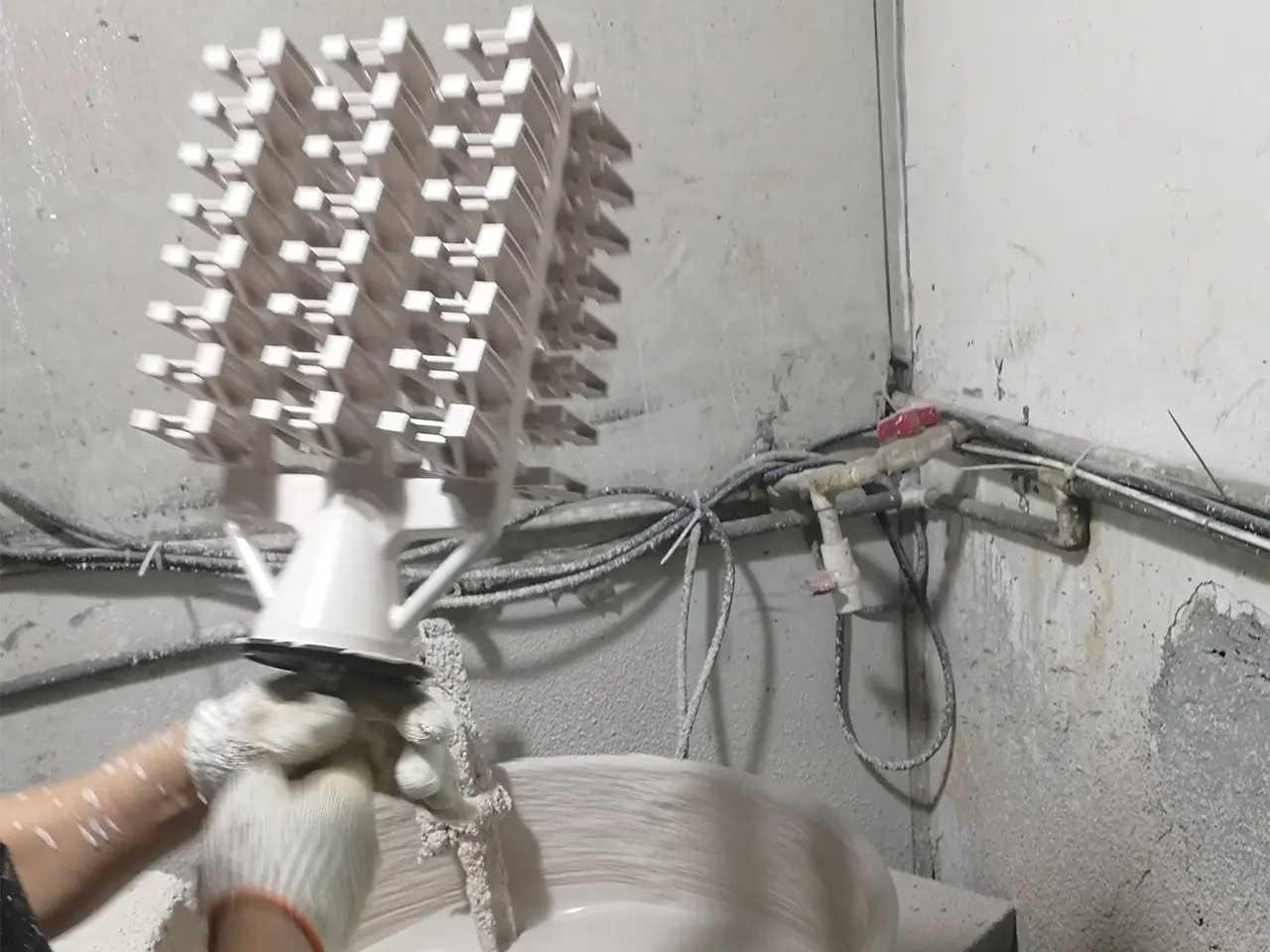
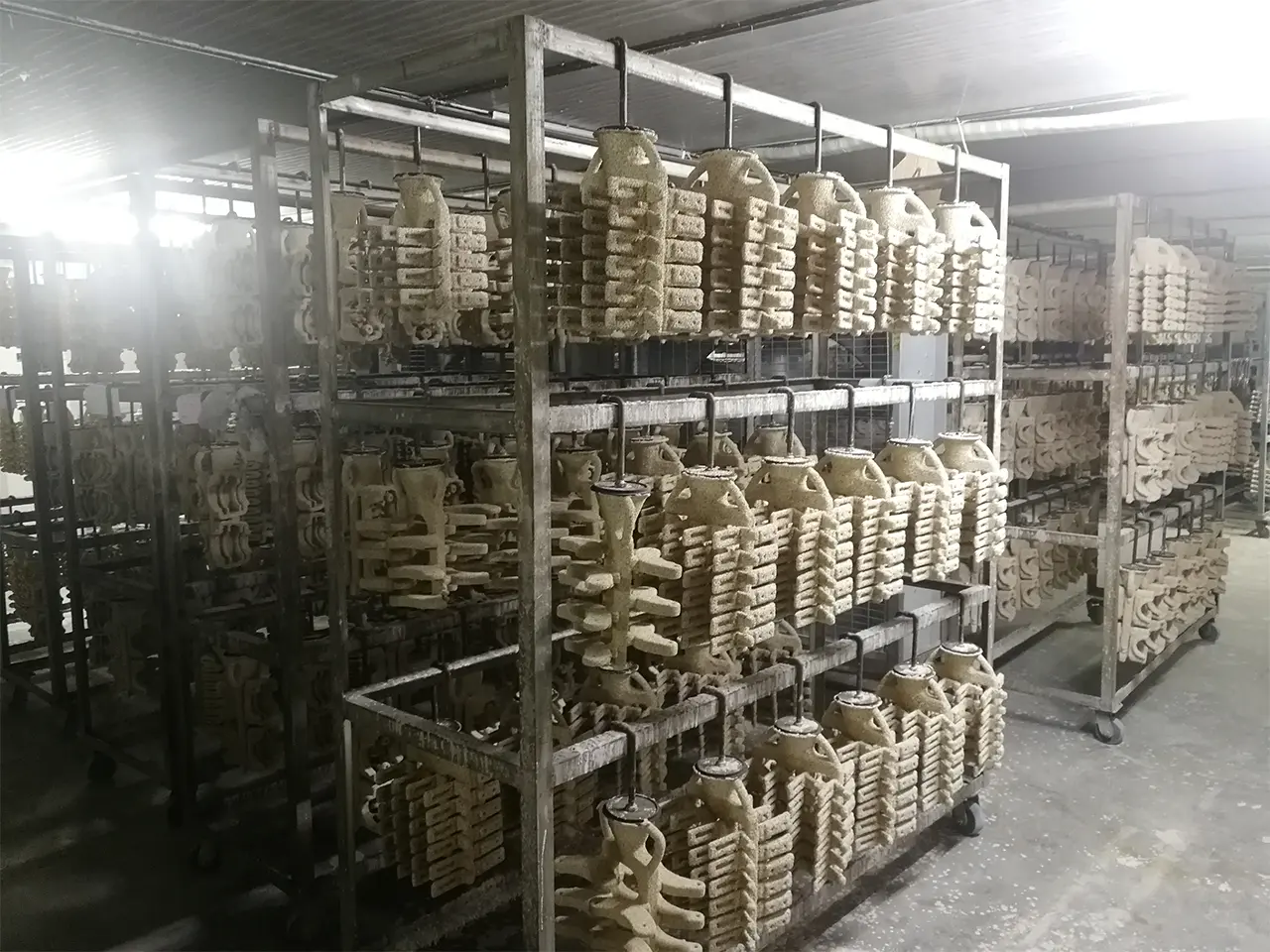
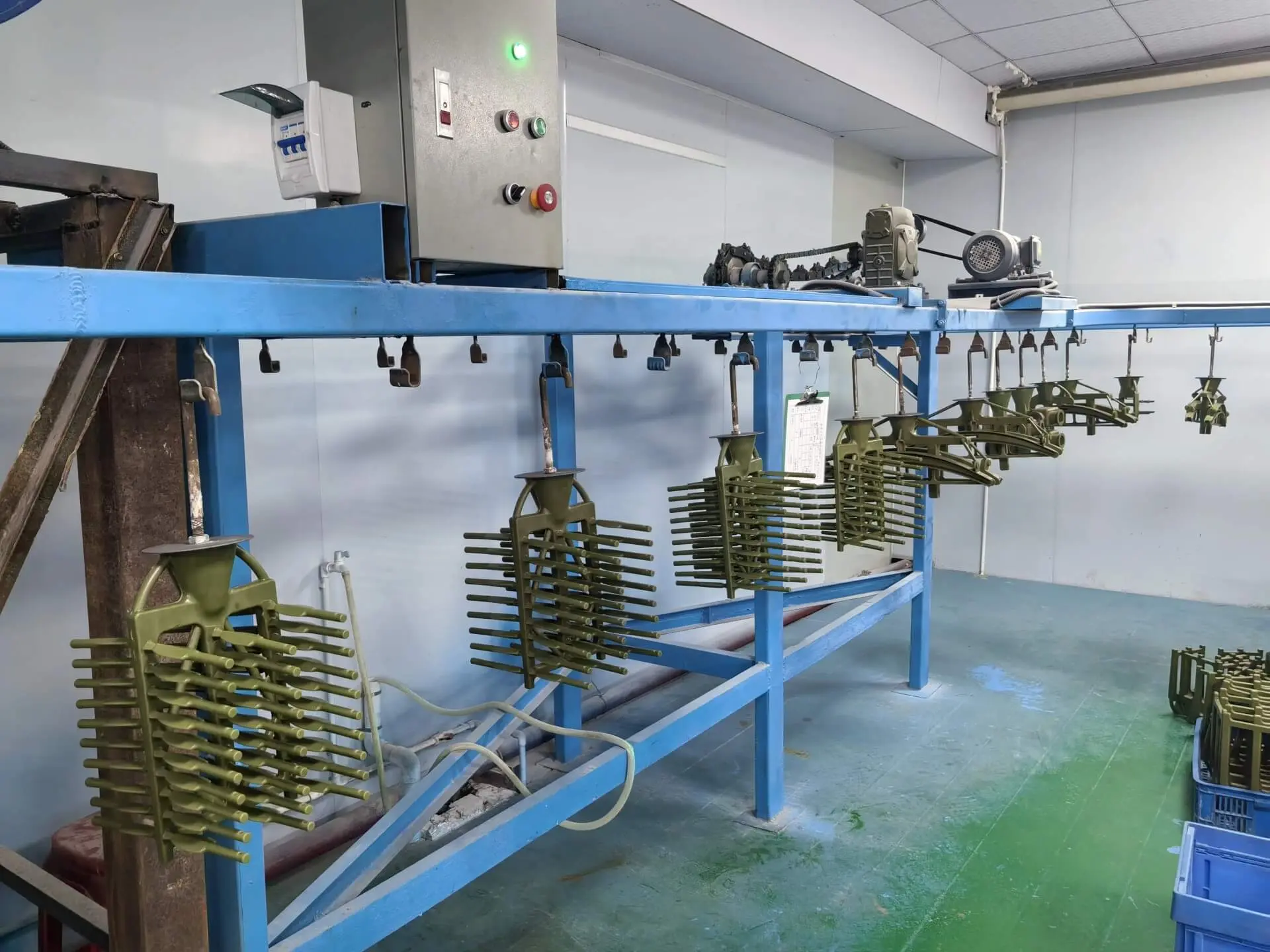
Adhering to Tight Tolerances and Strict International Standards
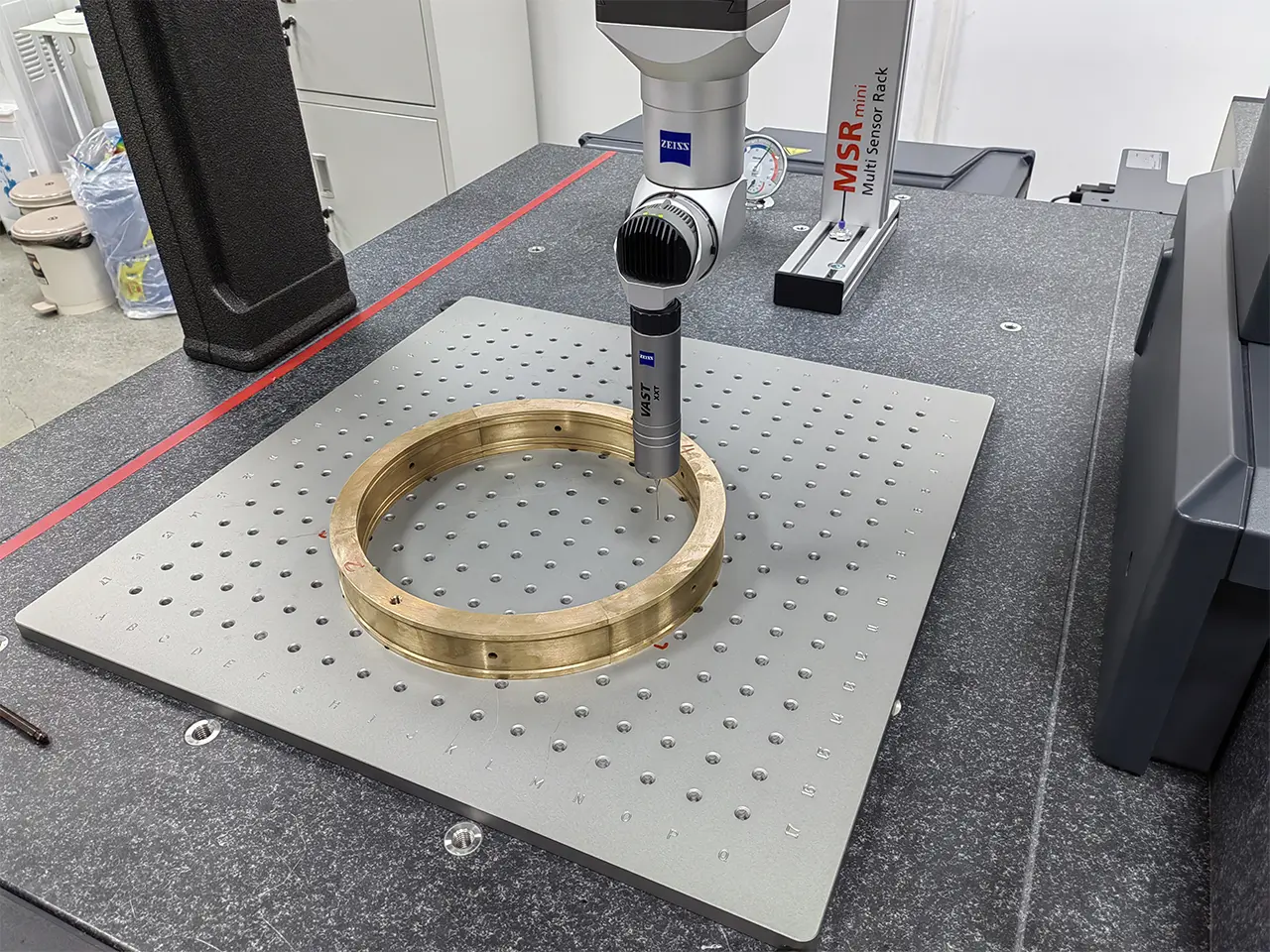
We have professional testing equipment and professional QC personnel, and we adhere to strict tolerances and quality standards for the products we produce. Due to our insistence on strict quality requirements, we have been praised by many customers.
Quality is the cornerstone of the manufacturing industry. We firmly believe that only by controlling quality well can we survive, develop, and get better and better. Therefore, we have been working in this industry unremittingly since 2014 and continue to improve the company's team and improve the company's production capacity.
To support this commitment, our quality laboratory is equipped with advanced testing systems, including:
A breakdown of our manufacturing capacity, quality milestones, and process limits.
Investment Casting Alloys: Stainless Steel grades (SUS304, SUS316, 17-4PH, duplex steels), Carbon Steel alloys (WCB, LCC), and specialized low-alloy steels.
CNC Post-Machining Materials: Titanium Alloys (Gr. 5 / Ti-6Al-4V), Stainless Steel, Carbon Steel, Aluminum Alloys (6061-T6, 7075-T6), Copper Alloys (Brass, Bronze), Cemented Carbides, and engineering plastics.
We deliver custom manufacturing solutions for demanding conditions across various key sectors.
Our custom stainless steel castings are designed to withstand seawater corrosion, providing the durability needed for marine propulsion impellers, structural brackets, and fluid control valves.
We manufacture dimensionally stable casting blanks that undergo secondary milling and drilling to ensure airtight seals and long-term durability in oil, gas, and chemical refineries.
We use titanium alloy CNC machining to produce components like mountain bike titanium alloy screws, balancing lightweight properties with high tensile strength for extreme sports applications.
Technical details regarding production tolerances, material standards, and tooling development cycles.
Browse the rest of our custom-engineered cast assemblies and high-tolerance milled components.
 SX Machining