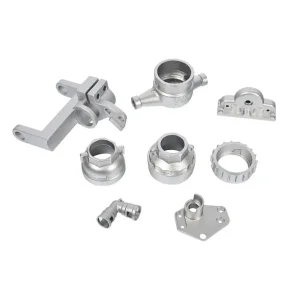
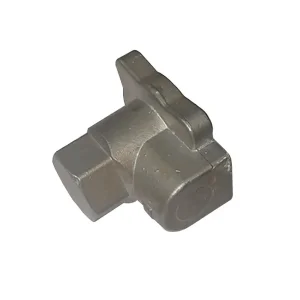
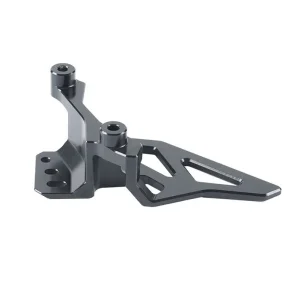
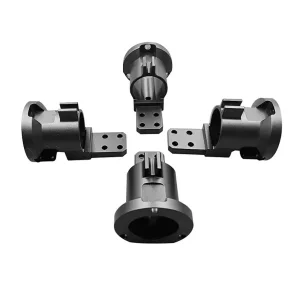
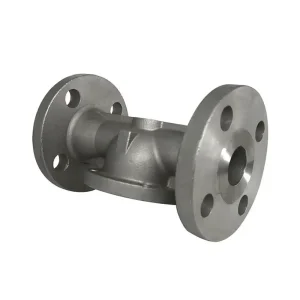
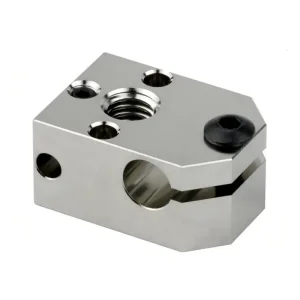
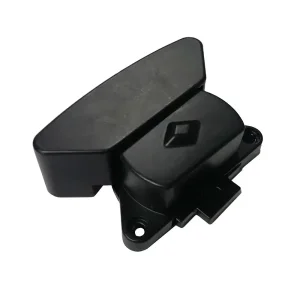
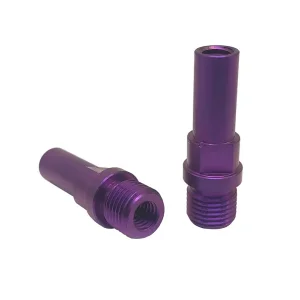
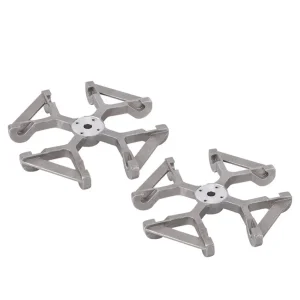
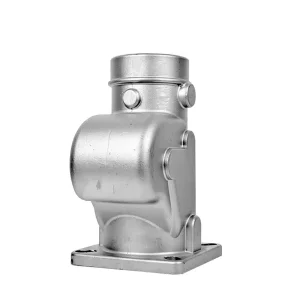
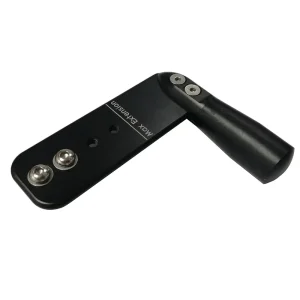
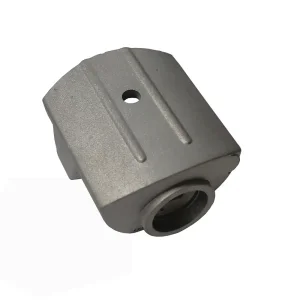
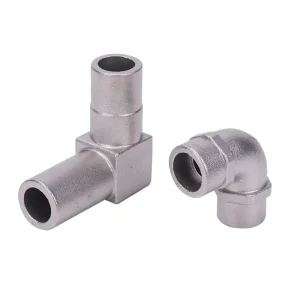
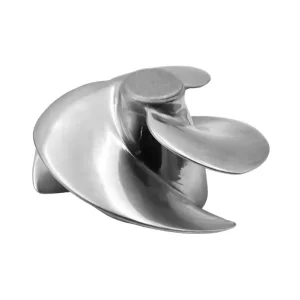
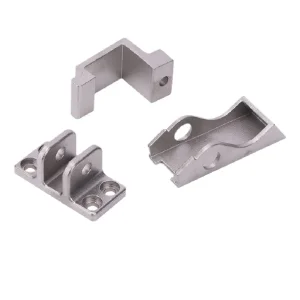
Explore our high-performance investment casting and custom CNC milled components engineered to satisfy rigorous aerospace, marine, automotive, and industrial standards.
Dongguan SX Technology Co.,Ltd has very rich experience in precision casting, CNC machining and assembly. Our engineered solutions are utilized globally in critical industries including machinery, automobiles, marine, ships, high-precision equipment, valves and pumps, electronic appliances, packaging, watches, construction, chemical processing, and more.
While the most commonly used materials for investment casting are stainless steel and carbon steel, our CNC machining capabilities cover a vast metallic spectrum. We work extensively with titanium alloy, stainless steel, carbon steel, aluminium alloy, copper alloy, cemented carbide, and specialized engineering plastics to produce components of unmatched geometric complexity.
A comprehensive examination of metallurgical characteristics, industrial processes, supply chain benefits, and engineering specifications.
Also known as investment casting, the lost wax method for aluminium alloys is highly regarded for its capability to yield near-net-shape components with complex internal geometries, thin-wall structures, and exceptional surface finishes. Unlike traditional sand casting, it utilizes a sacrificial wax pattern and a hard ceramic shell to form highly detailed molds, eliminating draft angle requirements and mold-parting lines.
Our casting processes involve precise melting control and vacuum-assisted pouring techniques to prevent gas porosity and oxide inclusions. To unlock the full mechanical performance of aluminium alloys like A356 or A380, we perform secondary T5 and T6 heat treatments (solution treatment plus artificial aging). This optimization results in microstructural uniformity, maximizing yield strength and elongation capabilities.
By coupling lost wax casting with high-speed 5-axis CNC machining, Dongguan SX Technology achieves dimensional tolerances down to ±0.005mm. The casting process itself maintains ISO 8062-3 DCTG 6 to DCTG 8 specifications, drastically reducing the volume of secondary machining required. This integration lowers overall cycle times, minimizes scrap rates, and reduces total production costs for global OEMs.
For global engineering entities, selecting the appropriate aluminum alloy is crucial. The primary alloys we cast include A356 (characterized by excellent castability, corrosion resistance, and high strength after T6 heat treatment, ideal for structural automotive parts) and A380 (delivering outstanding mechanical properties and thermal conductivity for complex electrical housings). We also work with AlSi7Mg and AlSi10Mg for specialized aerospace components.
Our technical capability extends to integrating stainless steel (304, 316, duplex steels) and carbon steel investment casting alongside our aluminum solutions, enabling us to serve as a single-source OEM factory for multi-material mechanical assemblies.
How Dongguan's industrial infrastructure guarantees high efficiency, regulatory compliance, and localized logistical integration for international enterprises.
Dongguan, China, stands as a premier global manufacturing capital. The regional concentration of raw material refineries, tooling workshops, heat-treatment facilities, and surface coating plants provides Dongguan SX Technology Co.,Ltd with unmatched agility. We can source certified aluminum alloys, fabricate complex injection molds, and execute post-processing coatings within a significantly shorter lead time compared to regional facilities in Europe or North America.
We offer comprehensive localized engineering and logistics support. Our team provides Design for Manufacturability (DFM) reports, CAD design feedback, and solidification simulation analyses before tooling creation. We fully align with global regulatory environments, ensuring compliance with RoHS and REACH regulations, and supplying EN 10204 3.1 Material Certificates. Our logistic channels cover DDP, CIF, and FOB shipping protocols, offering direct warehousing integrations to simplify procurement.
The global casting sector is experiencing a significant shift toward lightweight structural engineering, motivated by the expansion of electric vehicles (EVs), unmanned aerial vehicles (UAVs), and high-frequency communication electronics. These industries require high strength-to-weight ratios, complex internal cooling pathways, and EM/RF shielding performance.
Consequently, modern OEM lost wax aluminum casting has evolved. Our factory integrates CAD-driven 3D wax printing technologies to accelerate rapid prototyping phases, bypassing traditional tooling setups. We also incorporate robotic shell-building lines to improve consistency, and high-precision CNC machining centers to ensure the mechanical interfaces of cast components meet tight functional tolerances.
Witness our precision manufacturing operations, advanced machinery, and rigorous testing methodologies that maintain high quality standards.
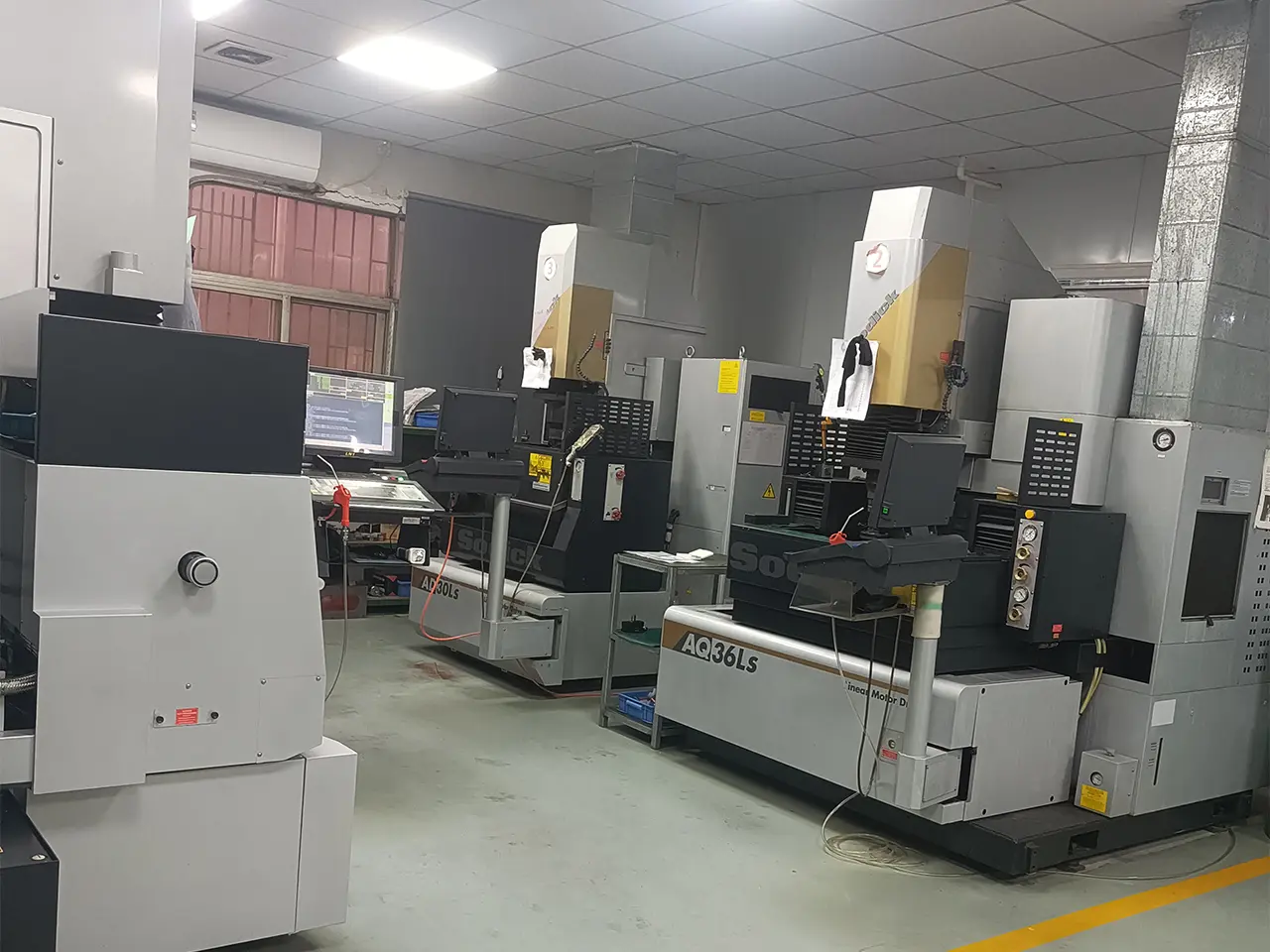
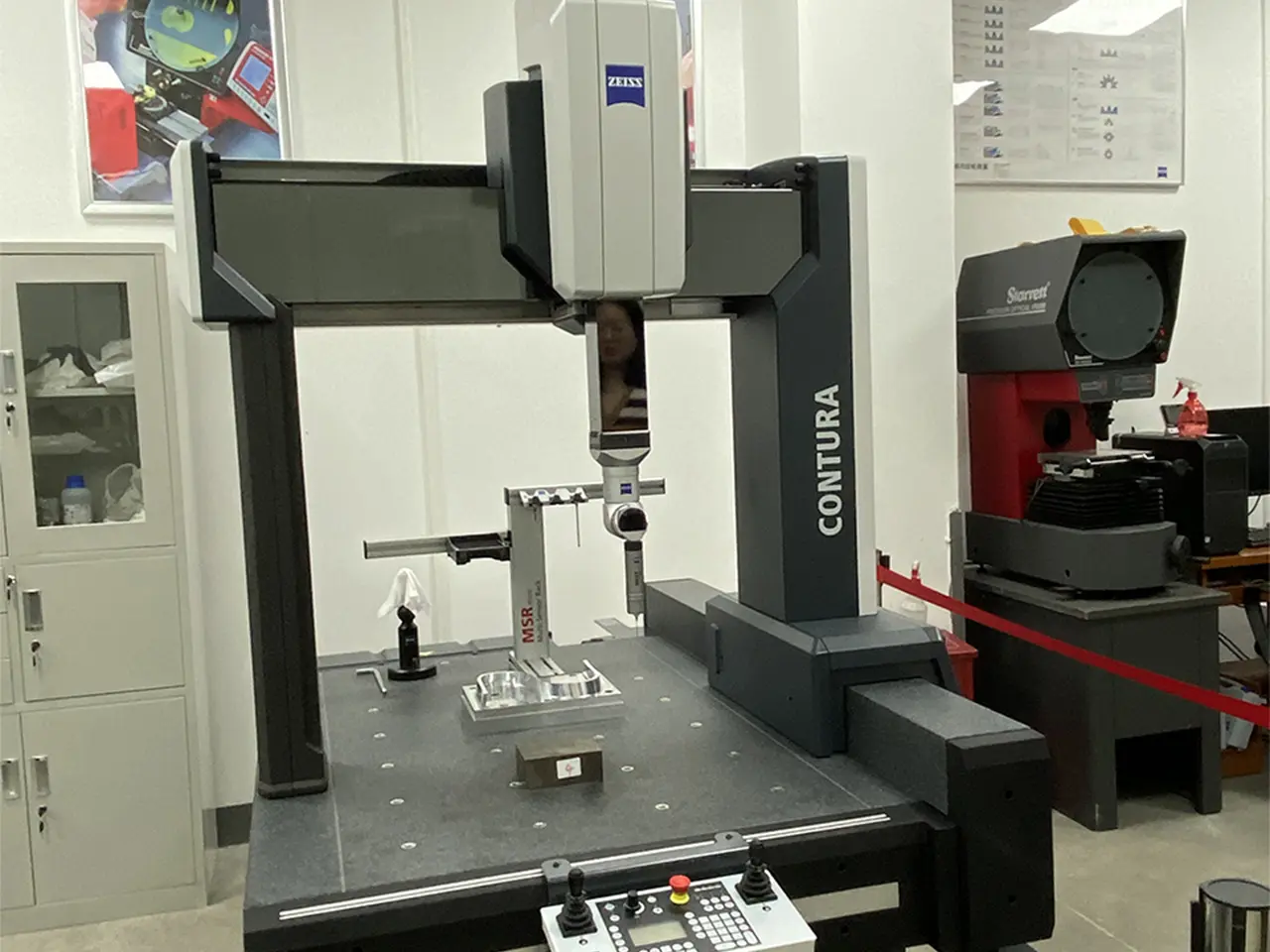
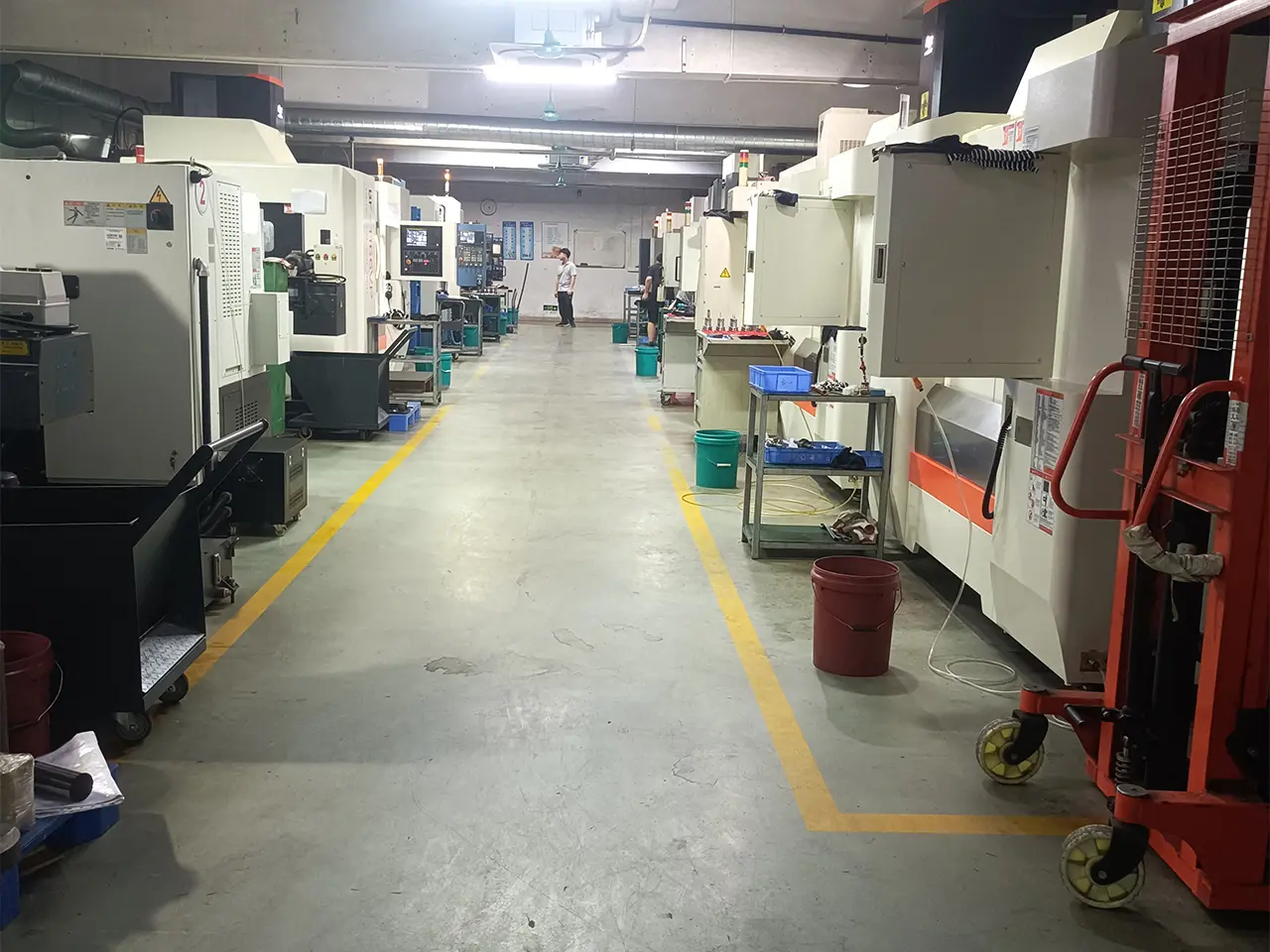
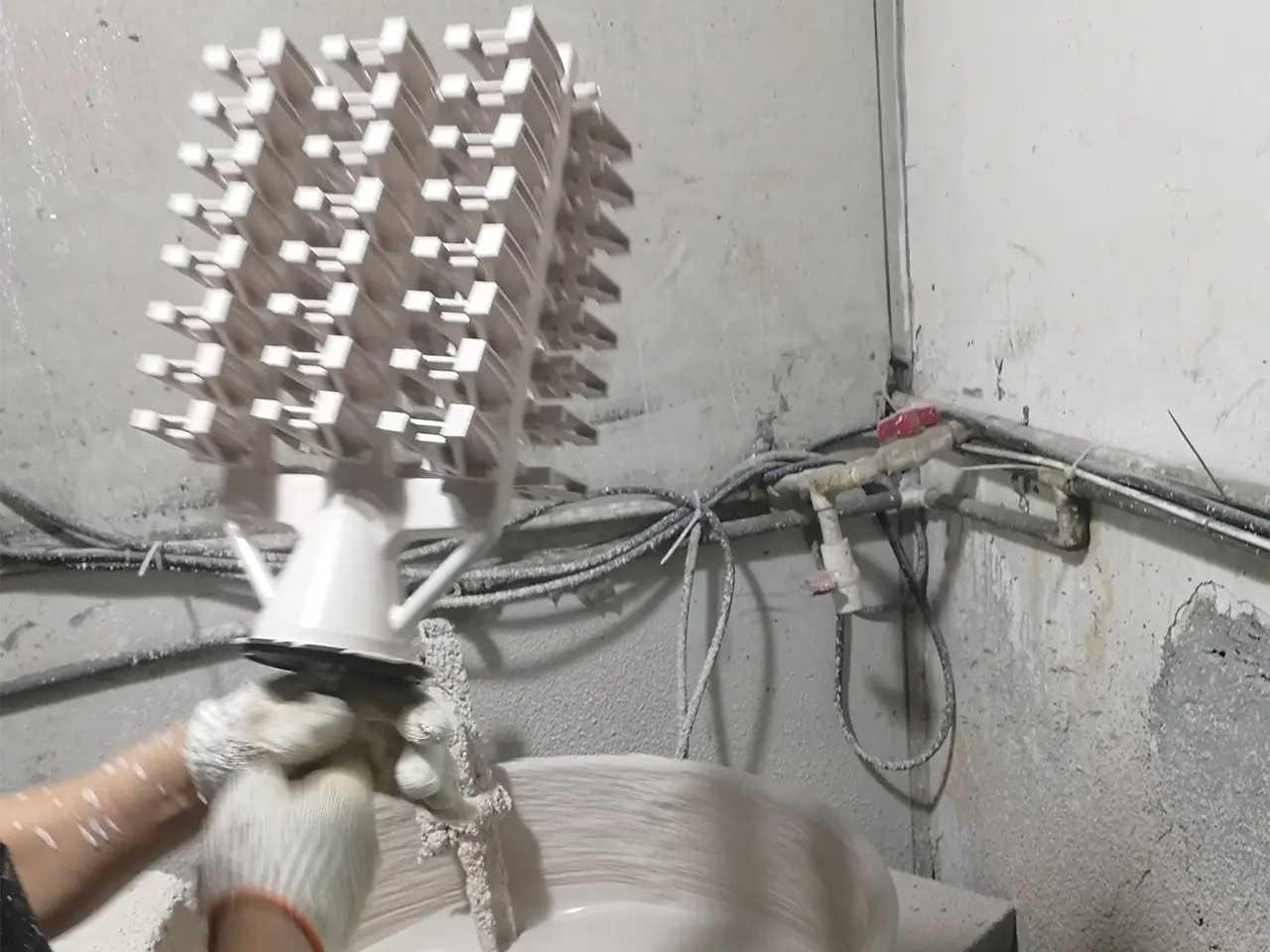
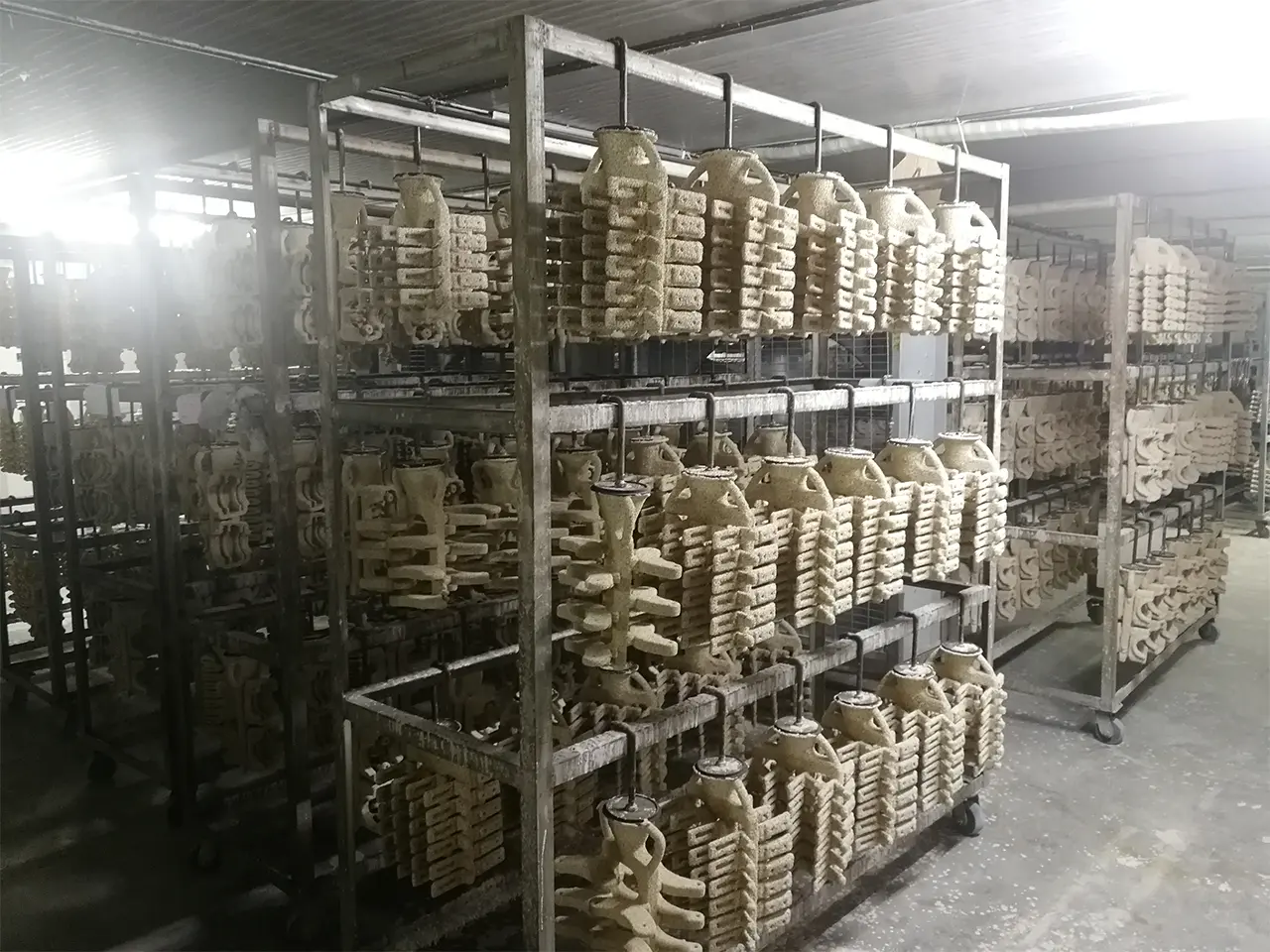
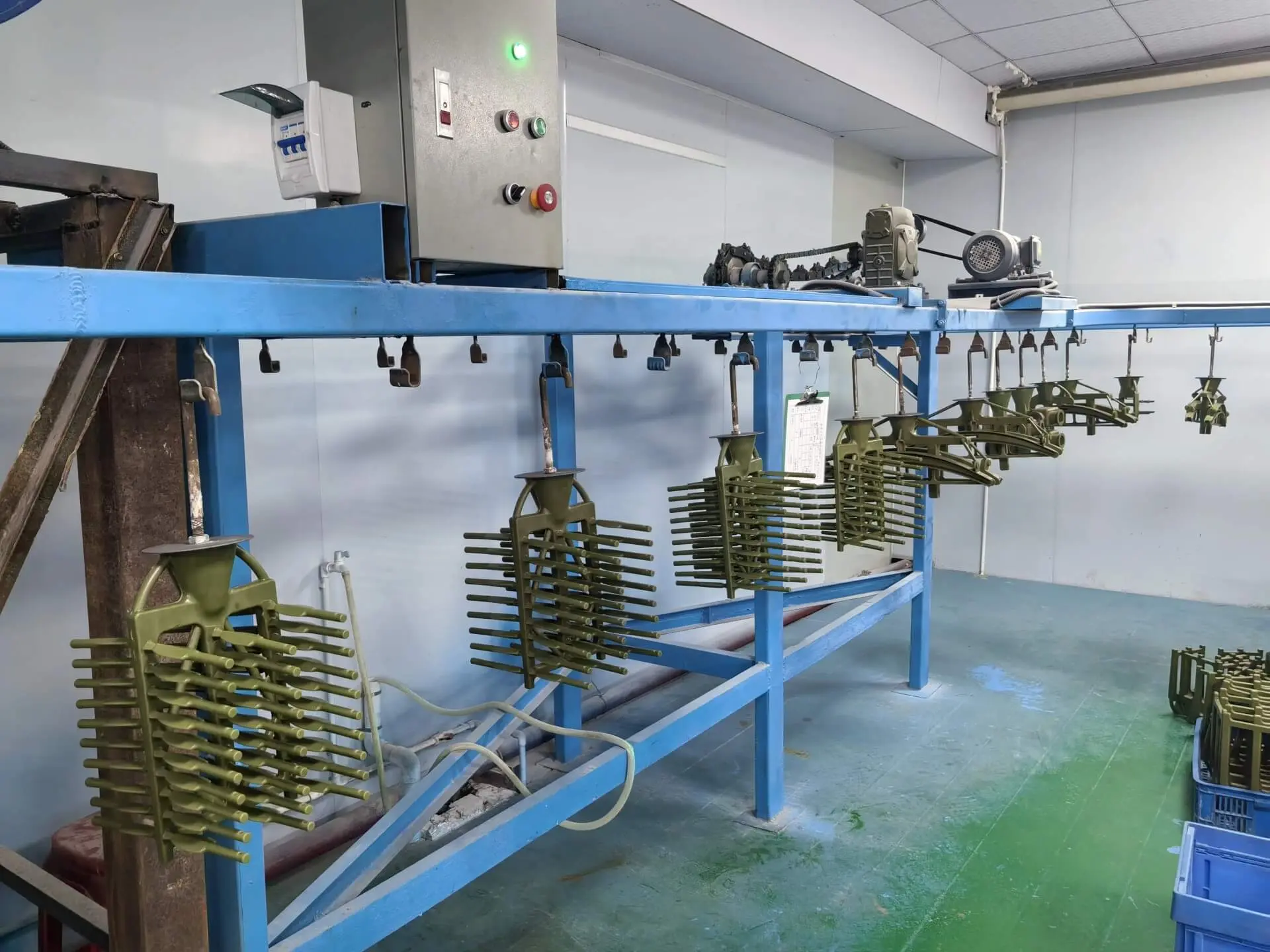
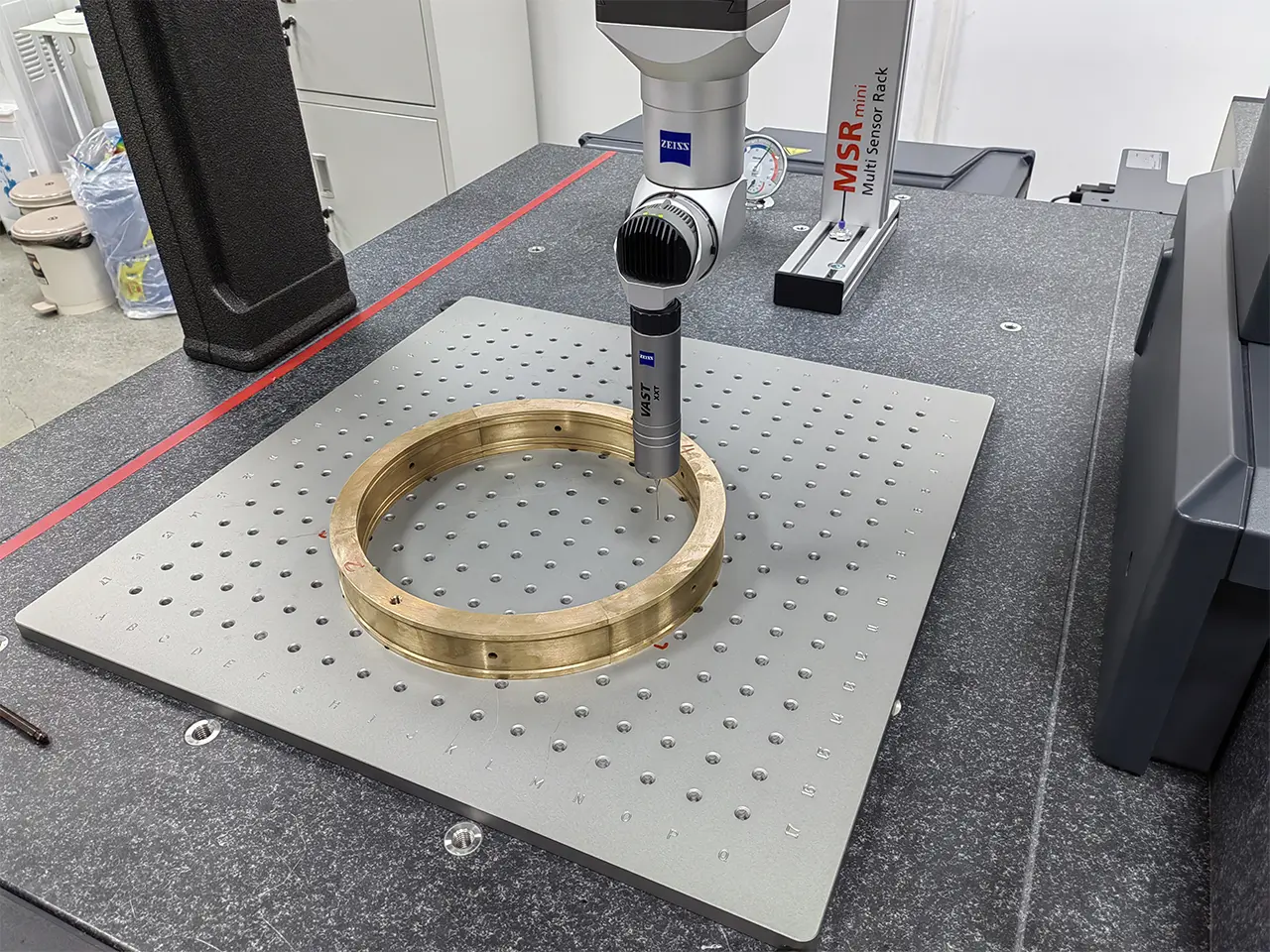
We maintain specialized testing equipment and a dedicated QC team, adhering to strict tolerances and quality standards. Our focus on quality has earned praise from our global client base.
Quality remains the foundation of our manufacturing approach. We believe that consistent quality control is essential for long-term growth and technical improvement. Accordingly, we have operated in this industry since 2014, continually developing our engineering team and expanding our production capabilities.
Our quality inspection workflow integrates coordinate measuring machines (CMM), optical spectrum analyzers, X-ray non-destructive testing for internal casting voids, hardness testers, and salt-spray corrosion analysis. Every production lot undergoes rigorous statistical process control (SPC) checks, ensuring that dimensional tolerances, alloy chemistry, and surface finishes strictly conform to our engineering drawings.
Discover how our customized lost wax aluminum castings perform across critical, high-reliability industries globally.
Our OEM aluminum investment castings are widely used in high-frequency radar components, 5G base station antenna structures, and thermal management enclosures. Aluminum’s native electromagnetic shielding capabilities and lightweight thermal transfer characteristics protect sensitive microelectronic arrays.
For electric vehicle powertrain arrays, we produce custom brackets, high-efficiency engine manifolds, battery housings, and structural connectors. By selecting our T6-treated A356 aluminum castings, automotive clients reduce component weight while maintaining high crashworthiness and impact resistance.
Marine environments require high corrosion resistance. In addition to our stainless steel investment castings, our silicon-rich aluminum casting alloys are treated with protective hard anodizing. This makes them suitable for deck fittings, fluid control valves, and engine mounting components exposed to saltwater spray.
Technical answers to common questions about lost wax aluminum casting, tooling design, and manufacturing capabilities.
Generally, we can achieve a minimum wall thickness of 1.5 mm to 2.0 mm (0.06" to 0.08") for aluminum investment casting, depending on the part geometry and structural complexity. In localized, small-scale structural areas, we can occasionally achieve 1.0 mm (0.04") using vacuum-assisted metal pouring systems.
Lost wax casting offers lower initial tooling costs, making it suitable for low-to-medium volume runs. It also supports complex geometries with internal undercuts using soluble cores. Since there is less gas entrapment during gravity or vacuum investment casting, the parts are heat-treatable (e.g., T6) and exhibit higher strength. HPDC is typically preferred for very high-volume production with simpler designs.
Our raw lost wax casting tolerance conforms to ISO 8062-3 DCTG 6 to 8. Typically, this yields ±0.15mm to ±0.3mm depending on part dimensions. For high-tolerance features (such as bearing seats and threaded holes), we integrate secondary CNC machining to achieve precision tolerances down to ±0.005mm.
A356.0 (or its equivalent AlSi7Mg0.3) combined with T6 heat treatment is the industry standard for high-stress applications. The solution and aging heat treatments change the silicon morphology, raising the tensile strength up to 290 MPa and yield strength up to 220 MPa, while offering high impact resistance and good fatigue properties.
We provide comprehensive documentation packages for international orders. This includes EN 10204 3.1 Material Certificates, SGS chemical analysis certificates, dimension inspection reports from our CMM systems, non-destructive testing (NDT) reports (X-ray or dye penetrant inspection), and certificates of compliance with RoHS and REACH standards.
For typical prototype runs using 3D-printed wax patterns, samples can be delivered within 2 to 3 weeks. Production tooling development usually takes 3 to 4 weeks, with initial production runs completed within 3 weeks following sample approval. Shipping timelines vary depending on whether sea, air, or express freight is requested.
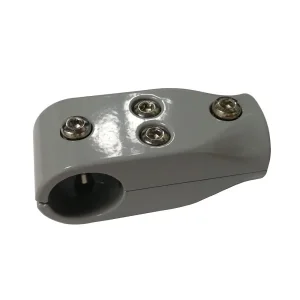
A full selection of our custom engineered mechanical parts, featuring robust carbon steel and stainless steel components.
 SX Machining