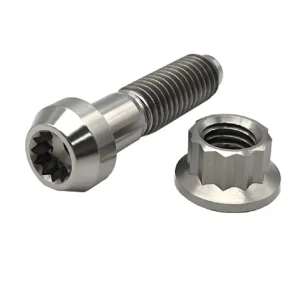
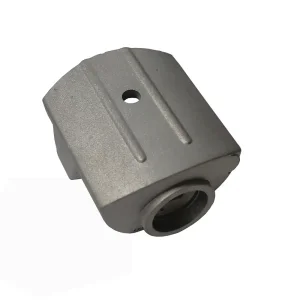
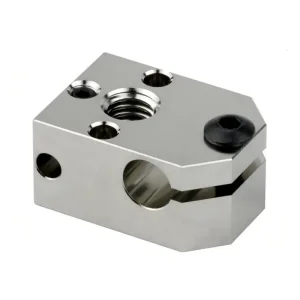
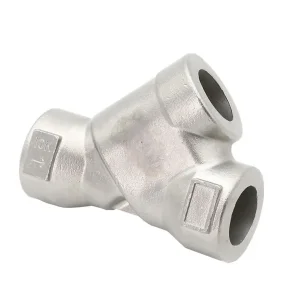
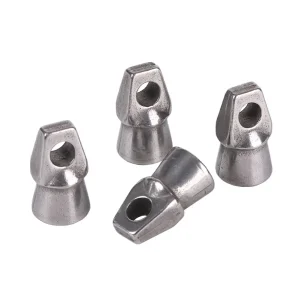
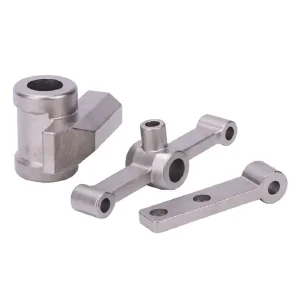
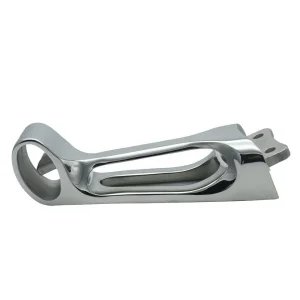
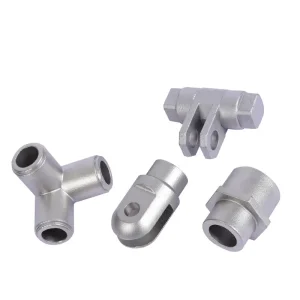
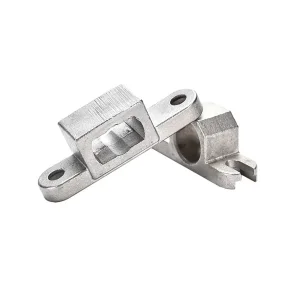
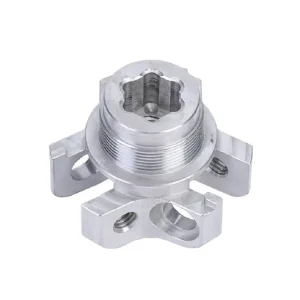
Explore our top custom manufactured components, designed with tight dimensional tolerance thresholds and advanced metallurgy.
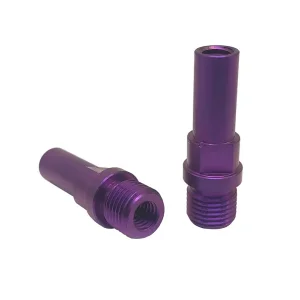
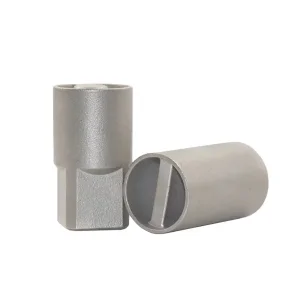
Insights into how modern manufacturing shifting boundaries requires next-generation supplier alignment.
The industrial landscape is undergoing a monumental paradigm shift. As hardware engineering pushes the limits of thermal resistance, structural integrity, and miniaturization, the demand for high-complexity OEM machined parts and precision investment casting has reached unprecedented levels. Modern subtractive manufacturing (CNC milling, multi-axis turning) is no longer a simple mechanical execution; it is a materials-science-driven discipline that bridges CAD designs with real-world physics.
Simultaneously, global procurement teams face a complex macroeconomic climate characterized by supply chain fragmentation, raw material volatility, and the need for shorter time-to-market. Choosing an OEM partner requires searching beyond standard catalog numbers. Engineering teams look for depth in DFM (Design for Manufacturability) analysis, a strict zero-defect quality mindset, and rapid adaptive scaling capabilities from initial prototyping to large-scale production.
Through advanced thermal control and strict geometric dimensioning and tolerancing (GD&T) principles, manufacturers like Shixin (SX Technology) are redefining structural limits. This ensures that every part deployed in corrosive marine environments, medical devices, or extreme high-temperature valves meets and exceeds regulatory expectations.
A deep dive into our manufacturing capability, material competency, and specialized processing services.
Dongguan SX Technology Co., Ltd has accumulated very rich experience in precision casting, CNC machining, and post-machining assembly. Since our establishment in 2014, we have steadily expanded our manufacturing footprint, building a robust ecosystem capable of meeting the demands of global Tier-1 buyers and highly regulated industrial fields.
Our engineered solutions are deployed across a diverse grid of high-performance sectors, including machinery, automobiles, marine, ships, special equipment, industrial valves and pumps, electronic appliances, packaging equipment, watches, structural construction, and the chemical processing industry. By integrating casting and machining vertically, we eliminate middle-man margins and streamline material tracking from start to finish.
A key strength of SX Technology is our extensive material coverage. The most commonly used materials for our investment casting (lost wax method) operations are stainless steel (such as Austenitic 304, 316, 316L, and Duplex steel) and carbon steel. In parallel, our CNC machining division processes demanding materials including Titanium alloys (Gr2, Gr5), Stainless Steel, Carbon Steel, Aluminum Alloy (6000 & 7000 series), Copper Alloys (Brass, Bronze), Cemented Carbide, and other engineering thermoplastics. With advanced manufacturing equipment, we respond quickly to changes in design parameters.
Handling everything from molten alloy poured in lost-wax systems to high-speed 5-axis subtractive milling, guaranteeing metallurgical purity.
In-house laboratories containing spectrometers, non-destructive testing capabilities, and coordinate measuring machines (CMM).
Physical manifestations of precision. Our workshop is equipped with high-rigidity CNC centers and custom casting units.
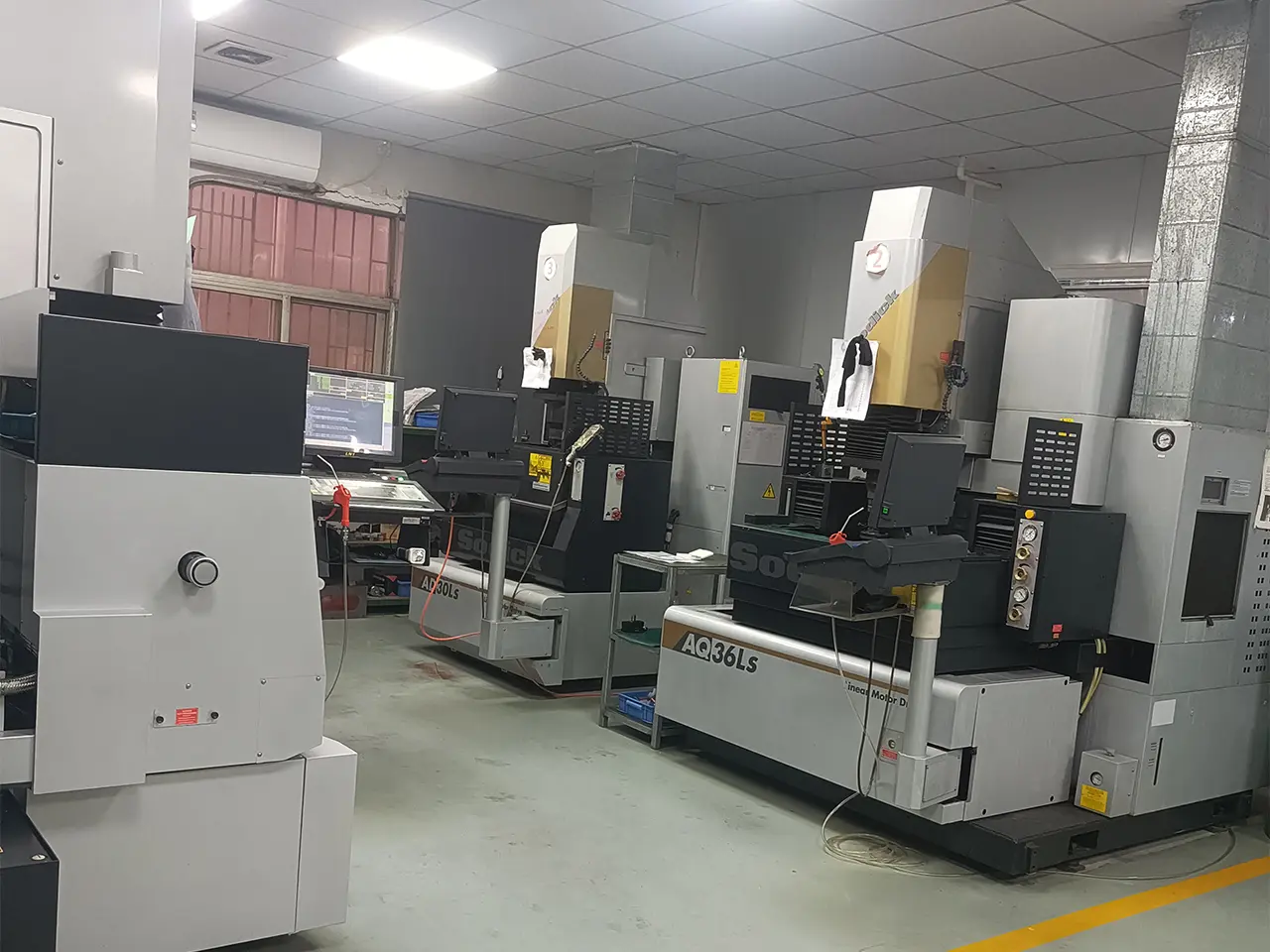
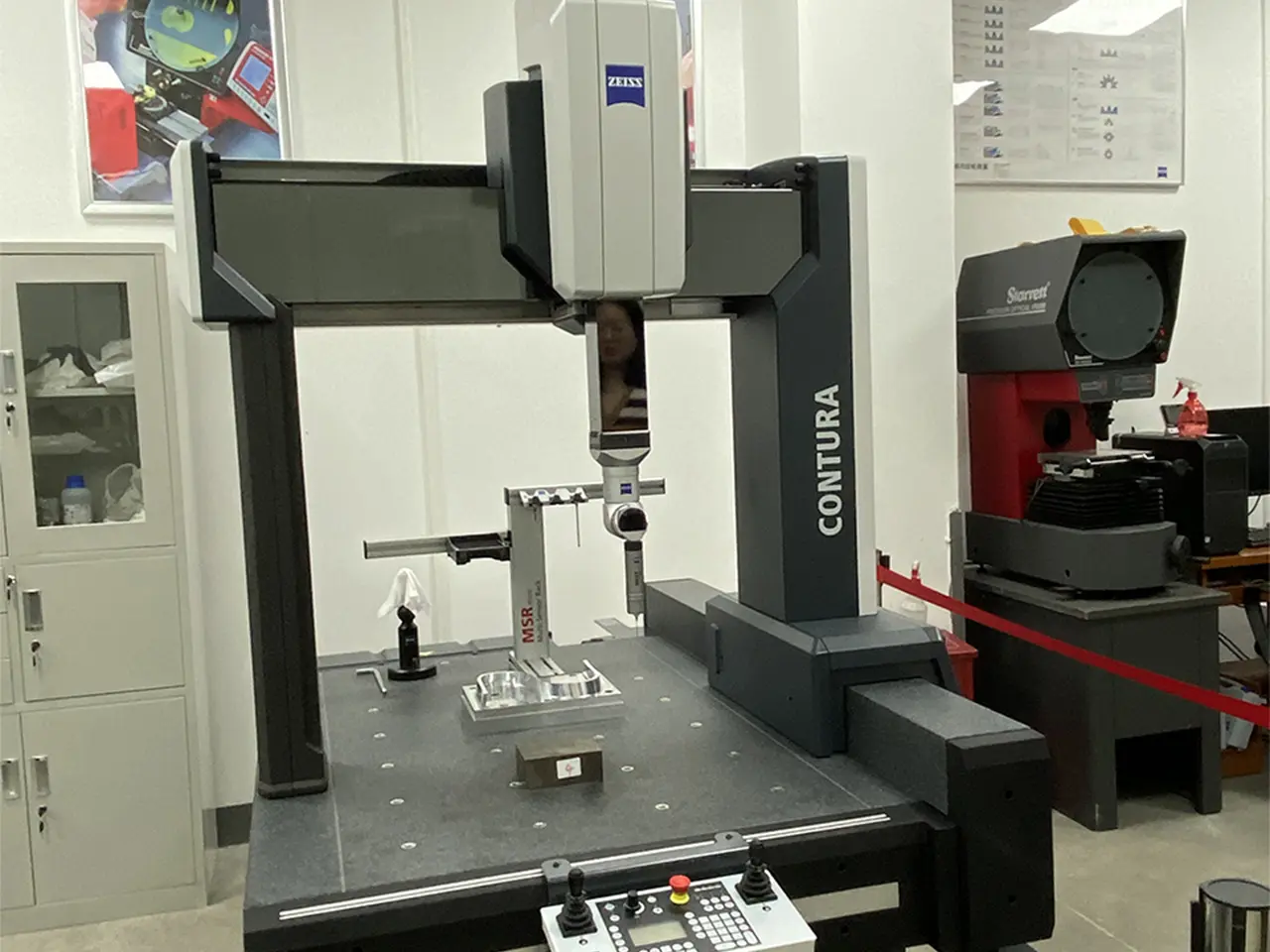
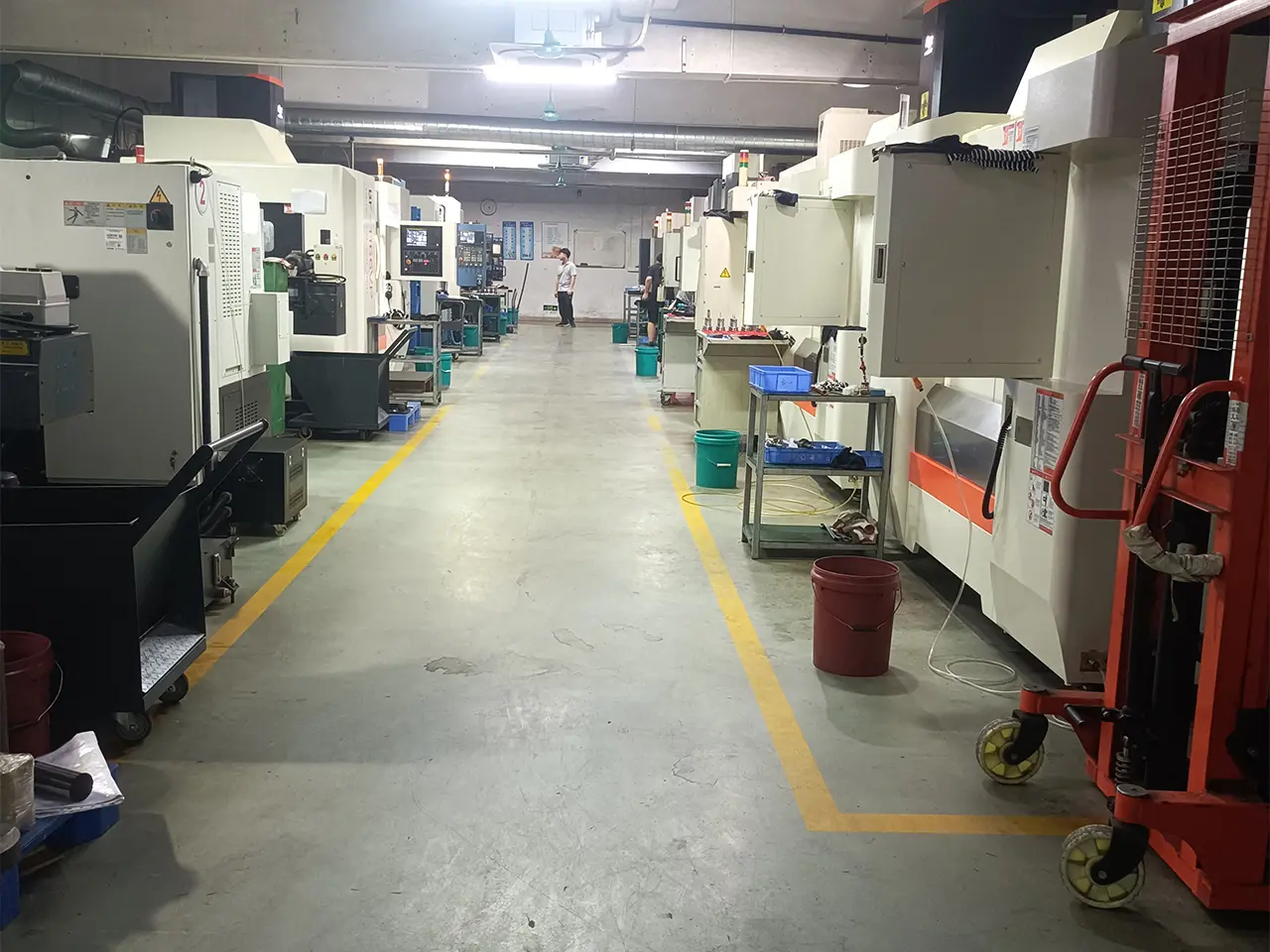
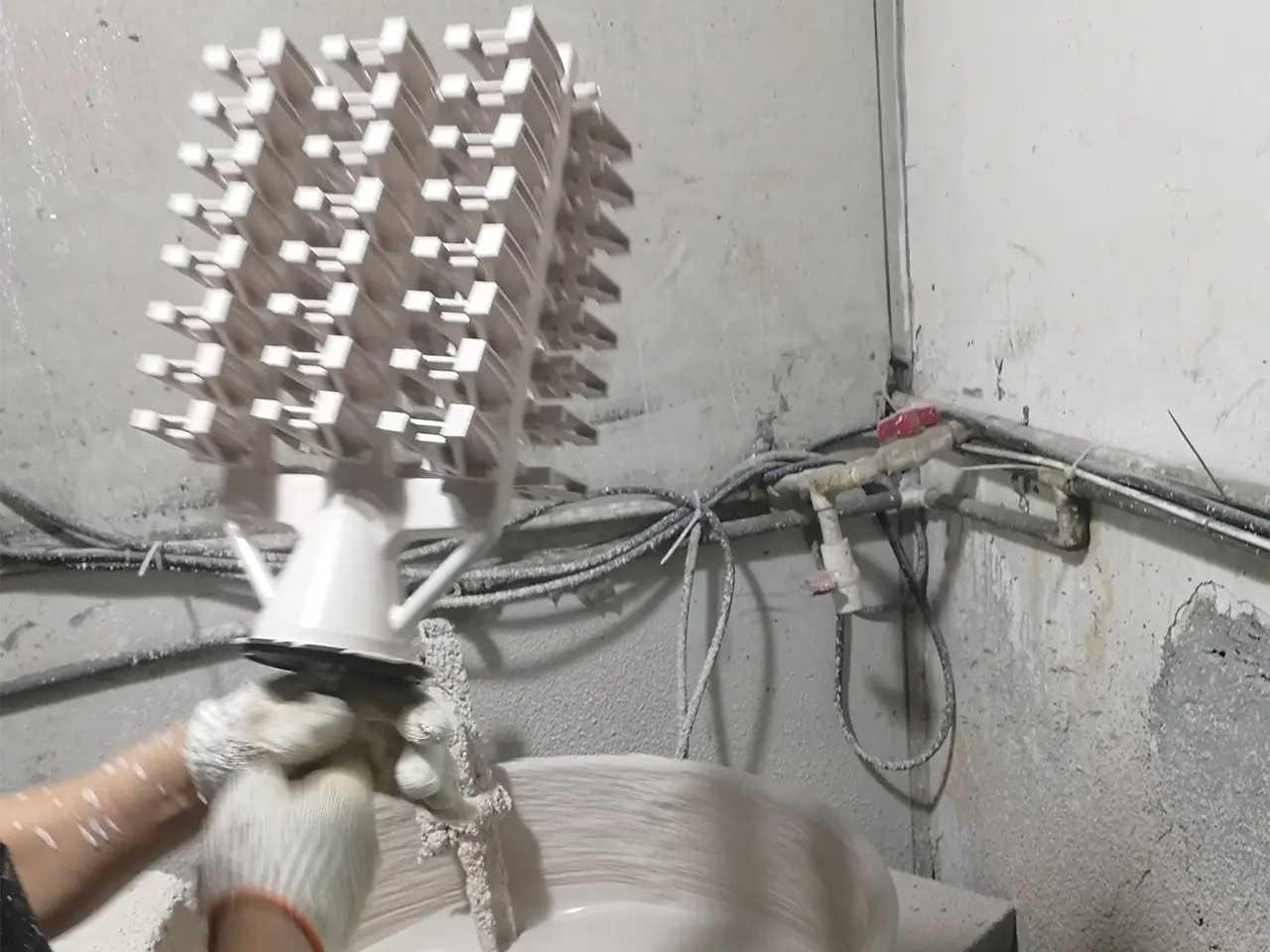
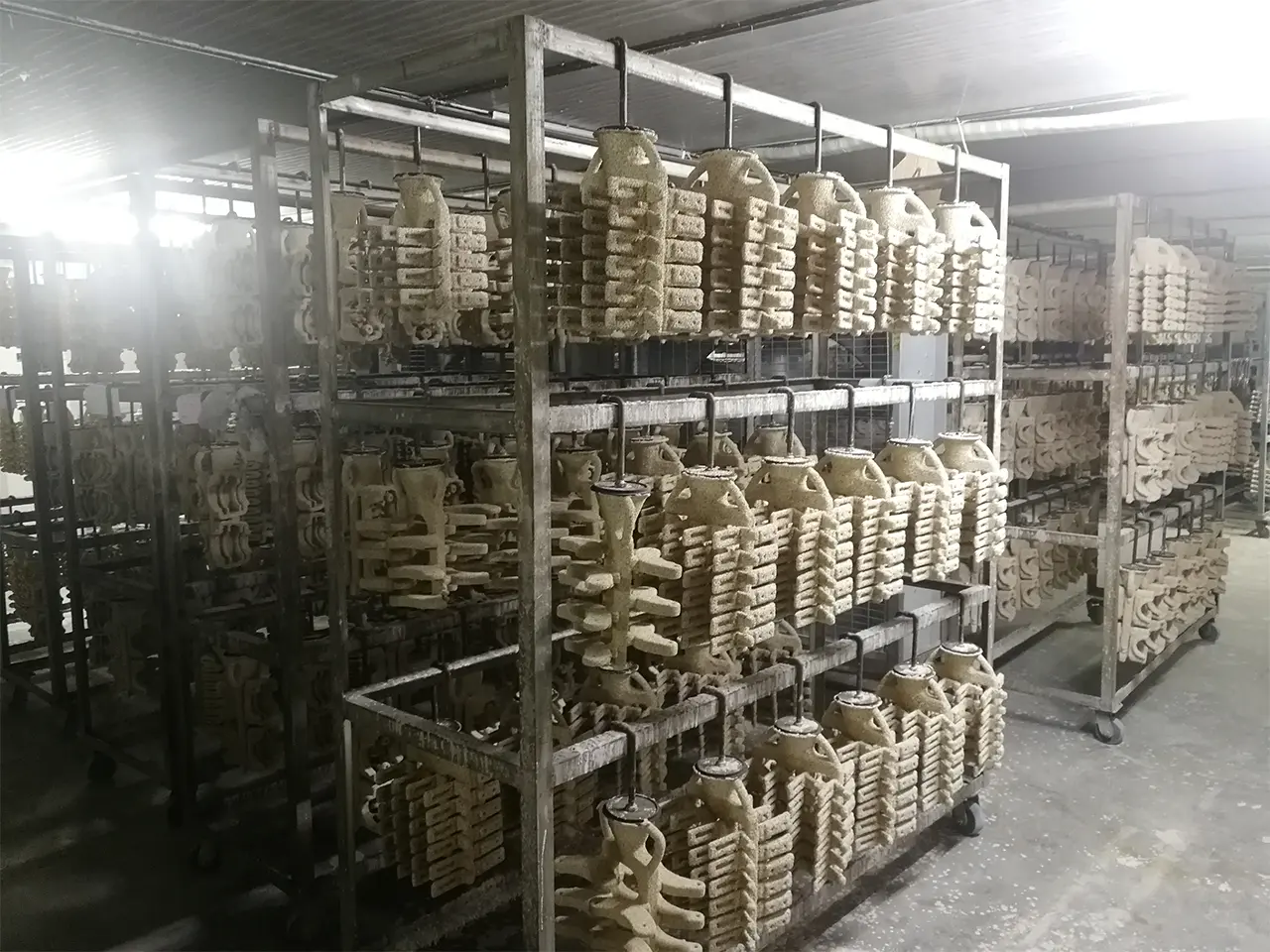
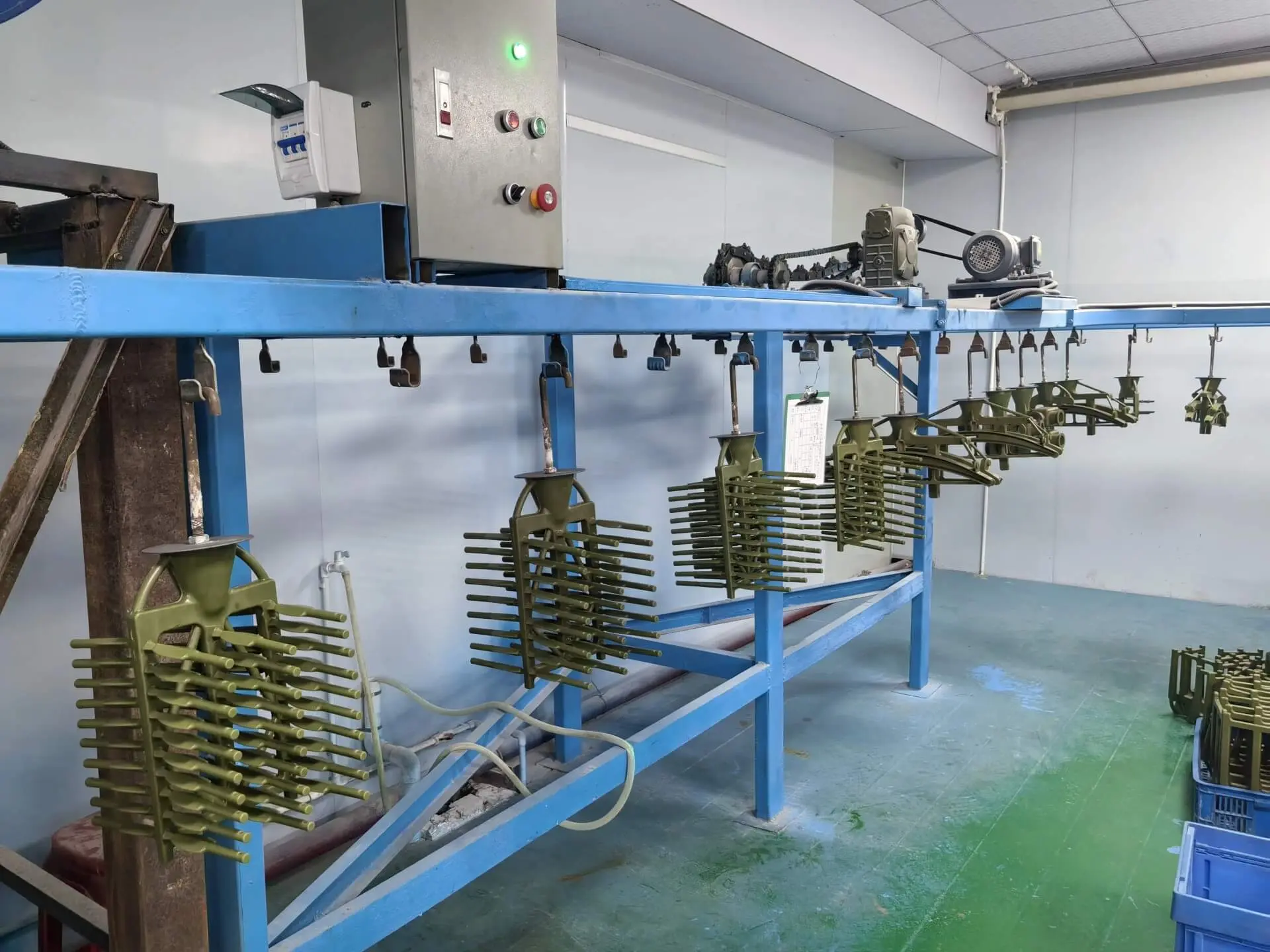
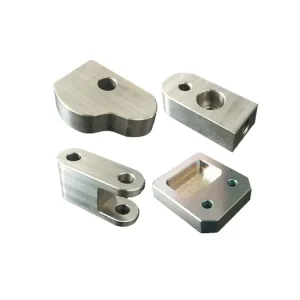
Every image above corresponds to our clean, high-efficiency machining cells. By operating multi-axis centers, we minimize setups, which directly prevents geometric accumulation errors. That translates to guaranteed dimensional consistency from the first to the 100,000th unit.
Why manufacturing in Dongguan leverages unique structural clusters, resulting in unmatched procurement value.
Situated in the heart of Dongguan, we access raw metal suppliers, custom tooling design houses, heat-treatment installations, and rapid surface coating services in under 2 hours. This minimizes logistical downtimes.
Using advanced software integration, our engineering team converts CAD data into actionable feedback. We identify potential sink marks in castings and vibration hazards in deep milling steps before starting tool production.
Our hybrid methodology combines high-productivity investment casting (providing low raw material waste and structural near-net shape) with ultra-precise CNC secondary machining. We provide the best cost per unit without sacrificing dimensional accuracy.
Underpinning our manufacturing operations with rigorous validation processes.
We have professional testing equipment and professional QC personnel, and we adhere to strict tolerances and quality standards for the products we produce. Due to our insistence on strict quality requirements, we have been praised by many customers. Our QA protocols cover every phase of production, ensuring that material compositions match global standards and components conform precisely to blueprint definitions.
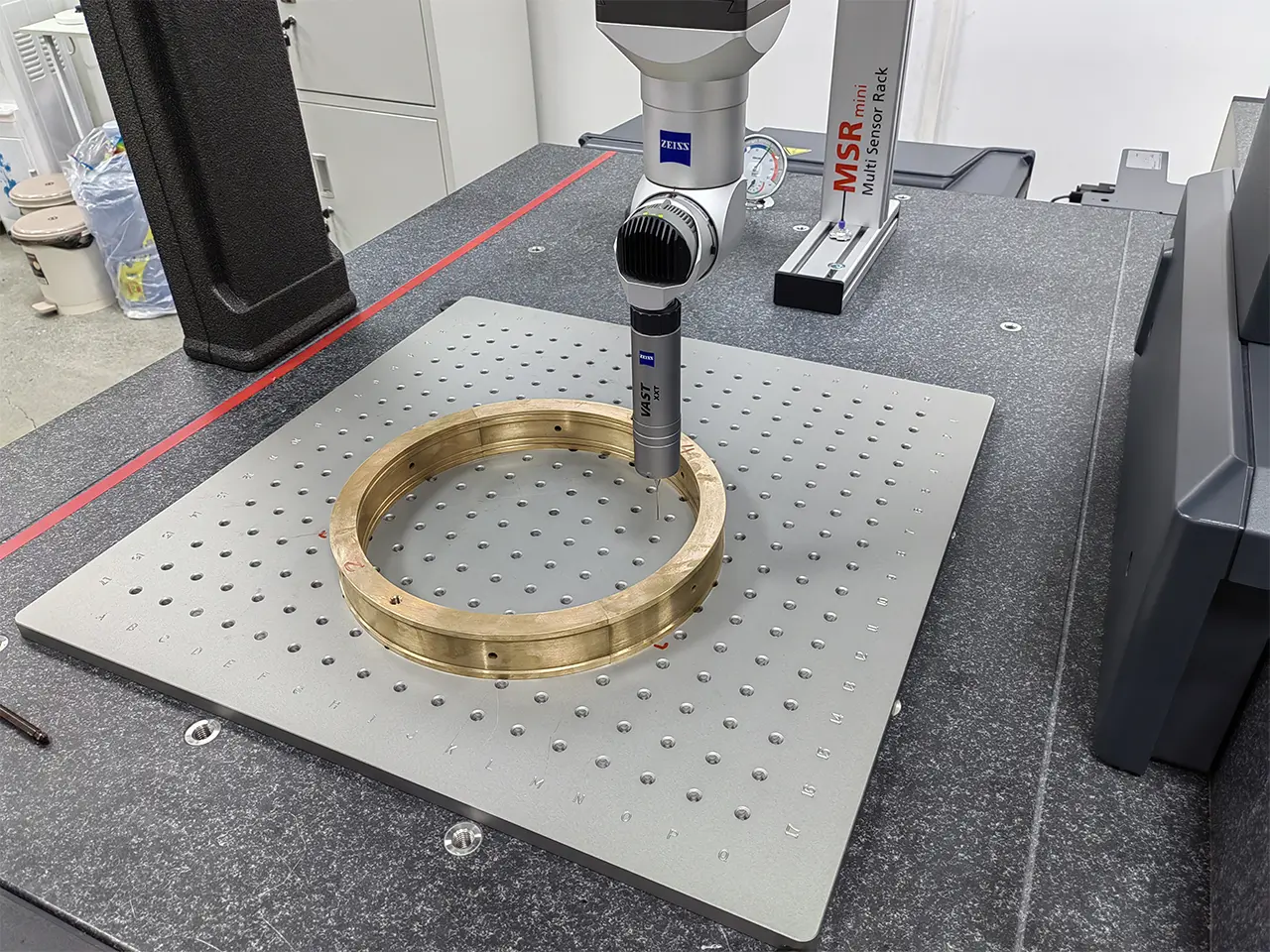
Quality is the cornerstone of the manufacturing industry. We firmly believe that only by controlling quality well can we survive, develop, and get better and better. Therefore, we have been working in this industry unremittingly since 2014 and continue to improve the company's team and improve the company's production capacity. Our facility utilizes advanced metrology systems, including coordinate measuring machines (CMM), spectroscopic chemical analysers, and ultrasonic and digital X-ray non-destructive testing tools to ensure internal structural soundness in castings.
Spectrographic verification of incoming alloy ingots to certify chemical configuration.
Real-time checks on CNC machines to verify dimensional stability during runtime.
Automated 3D inspection matching final machined profiles with 3D CAD files.
Final quality report generation including surface roughness measurements and packaging approval.
How our customized parts perform under extreme conditions in critical industrial applications.
By precision machining high-grade Titanium alloy (Gr5), we deliver critical mountain bike modifications, sports equipment, and drone assemblies that offer high strength-to-weight ratios and structural integrity under cyclic fatigue.
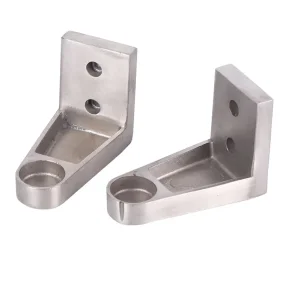
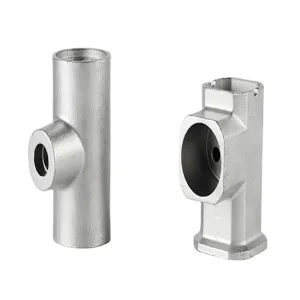
Utilizing high-chromium and molybdenum stainless steel investment castings, we create pump impellers, valve bodies, and marine hardware resistant to aggressive pitting, crevice corrosion, and high cavitation stresses.
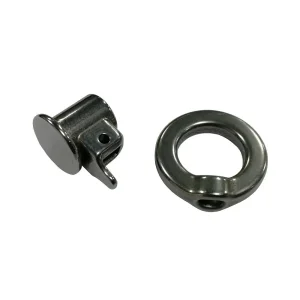
Our delicate lost wax castings and micro-CNC components meet the aesthetic and structural requirements of high-end home consumer devices, smart locking mechanisms, and electronics enclosures.
Technical answers to critical questions commonly raised by global procurement and design engineers.
On high-precision CNC milling and turning centers, we routinely hold linear tolerances of ±0.005mm (0.0002 inches) and geometric tolerances (circularity, concentricity, flatness) down to ±0.01mm, depending on material properties and geometry. For raw investment castings, we conform to standard linear tolerances within ISO 8062-3 DCTG class 6-8, which are subsequently refined via precision machining.
Every single batch of raw metal, whether titanium alloy, stainless steel, or aluminum, undergoes in-house OES (Optical Emission Spectrometry) testing prior to melting or machining. We match our results against international standards (ASTM, DIN, JIS) and supply raw material mill test reports (MTR) along with component shipments.
For highly corrosive applications, we strongly recommend investment castings using Duplex Stainless Steel (like 2205) or Austenitic Stainless Steel (such as CF8M/316 or CF3M/316L). These materials have high pitting resistance equivalent numbers (PREN). Post-casting passivation or electropolishing is recommended to optimize resistance.
Depending on the design complexity, tooling-free CNC prototypes are typically finished in 7 to 10 working days. For investment castings requiring tooling mold design, prototype development takes approximately 21 to 30 days (which includes tooling, wax injection pattern development, pouring, and finishing). Subsequent production lead times scale according to total batch size.
Yes. Every incoming request for quotation (RFQ) is reviewed by our engineering department. We evaluate drafting angles for cast parts, potential stress accumulation zones, and tool access clearance on multi-axis CNC machines to suggest design improvements that reduce production costs and prevent material fatigue.
We provide a complete range of post-treatments in-house or via qualified local partners. These processes include sandblasting, bead blasting, mirror polishing, chemical passivating, hard anodizing (for aluminum), phosphating, electroplating, PVD vacuum plating, and nitriding or case hardening for critical structural surfaces.
Discover our specialized casting solutions designed for high-stress and corrosive environments.
 SX Machining