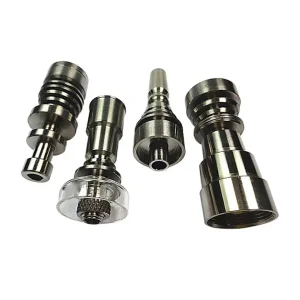
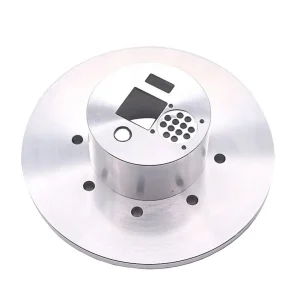
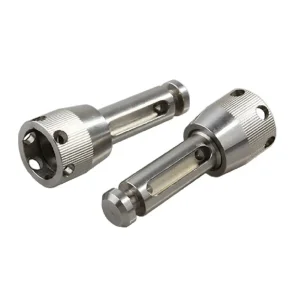
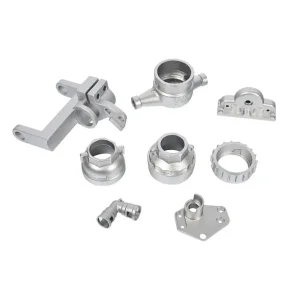
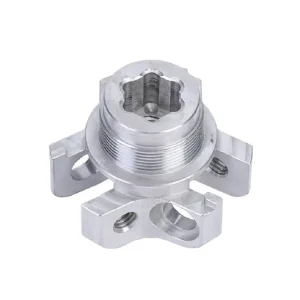
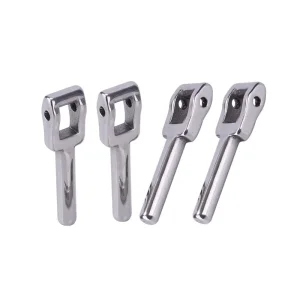
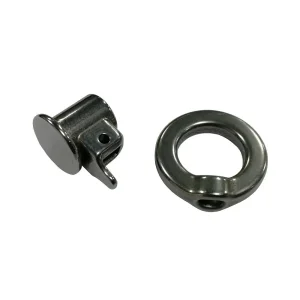
In the critical field of healthcare manufacturing, where patient safety and device longevity are non-negotiable, Dongguan SX Technology Co., Ltd. (Shixin) stands as a premier contract manufacturer.
Founded in 2014, our facilities have amassed extensive experience in ultra-precision casting, CNC multi-axis machining, and sub-assembly. We design and deliver custom componentry that satisfies the most rigid performance characteristics of surgical instrumentation, implants, diagnostic devices, and robotic-assisted surgical mechanisms.
Our manufacturing footprint is optimized to scale from rapid prototyping to high-volume manufacturing. By leveraging state-of-the-art 5-axis CNC machining, complex Swiss turn-mill centers, and precision lost-wax casting, we provide medical OEMs with a fully integrated supply chain partner capable of handling challenging metallurgies, including medical-grade titanium, custom stainless steel, and performance superalloys.
The global market for medical instrument machining is undergoing rapid technological and geopolitical shifts. As clinical institutions transition toward minimally invasive surgeries (MIS) and robotic platforms, the demand for smaller, more complex, and highly durable mechanical components has surged. The global medical device outsourcing market, valued in the hundreds of billions, relies heavily on high-precision machining centers in Asia, Europe, and North America to reconcile high production volumes with uncompromising regulatory compliance.
Today's regulatory bodies—including the US FDA, European Union MDR, and China NMPA—demand comprehensive verification protocols. This paradigm shift requires machining partners to go beyond simple fabrication. Manufacturers must provide a robust trail of documentation, showing material source traceability, cleanroom compatibility, and validation protocols (IQ/OQ/PQ) to safeguard clinical deployment. Dongguan SX Technology bridges this gap, operating as a localized manufacturing anchor in the Guangdong-Hong Kong-Macao Greater Bay Area, serving key healthcare clusters across North America, Europe, and Asia-Pacific.
Medical devices demand highly bio-inert and fatigue-resistant substrates. We possess localized tooling expertise and optimized processing parameters to cut, mill, and cast advanced alloys with zero degradation of mechanical properties.
Extensively utilized for orthopedic implants, dental fixtures, and bone screws. Grade 23 (ELI) offers exceptional biocompatibility, high strength-to-weight ratios, and remarkable corrosion resistance within human tissue environments.
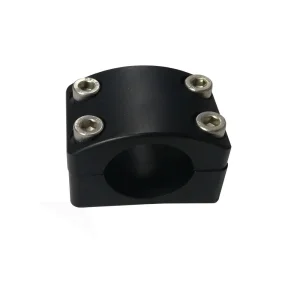
Perfect for custom surgical clamps, retractors, drill guides, and endoscope housings. These alloys are optimized to withstand repeated autoclave sterilization cycles and high mechanical loads without failure.
In addition to metals like aluminum and brass, we process medical-grade PEEK, PTFE, and cemented carbides for complex diagnostic fixtures, insulating components, and high-wear robotic surgical joints.
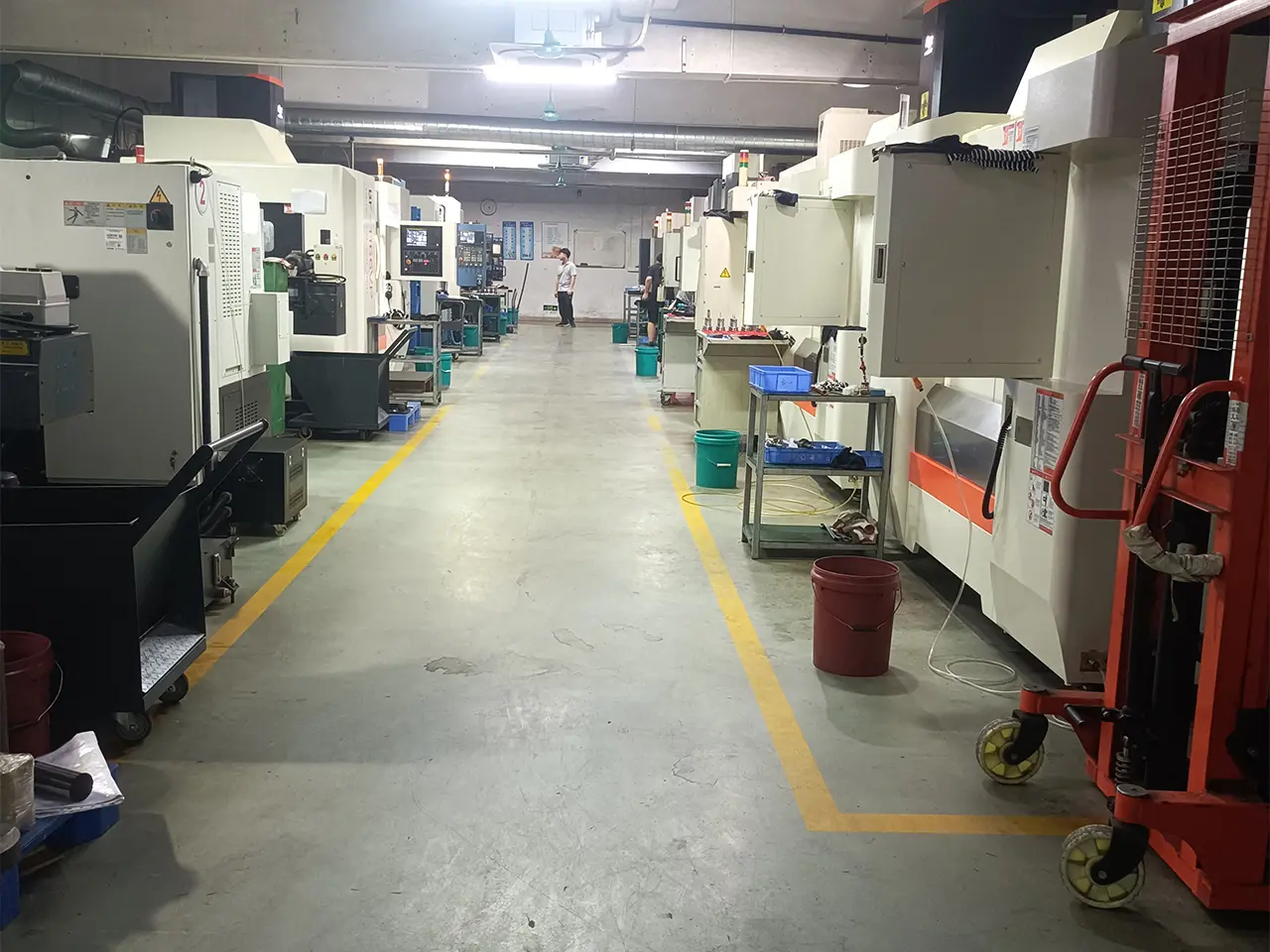
Our advanced production facilities utilize multi-axis CNC machines and casting lines to guarantee repeatability and component integrity across every production batch.
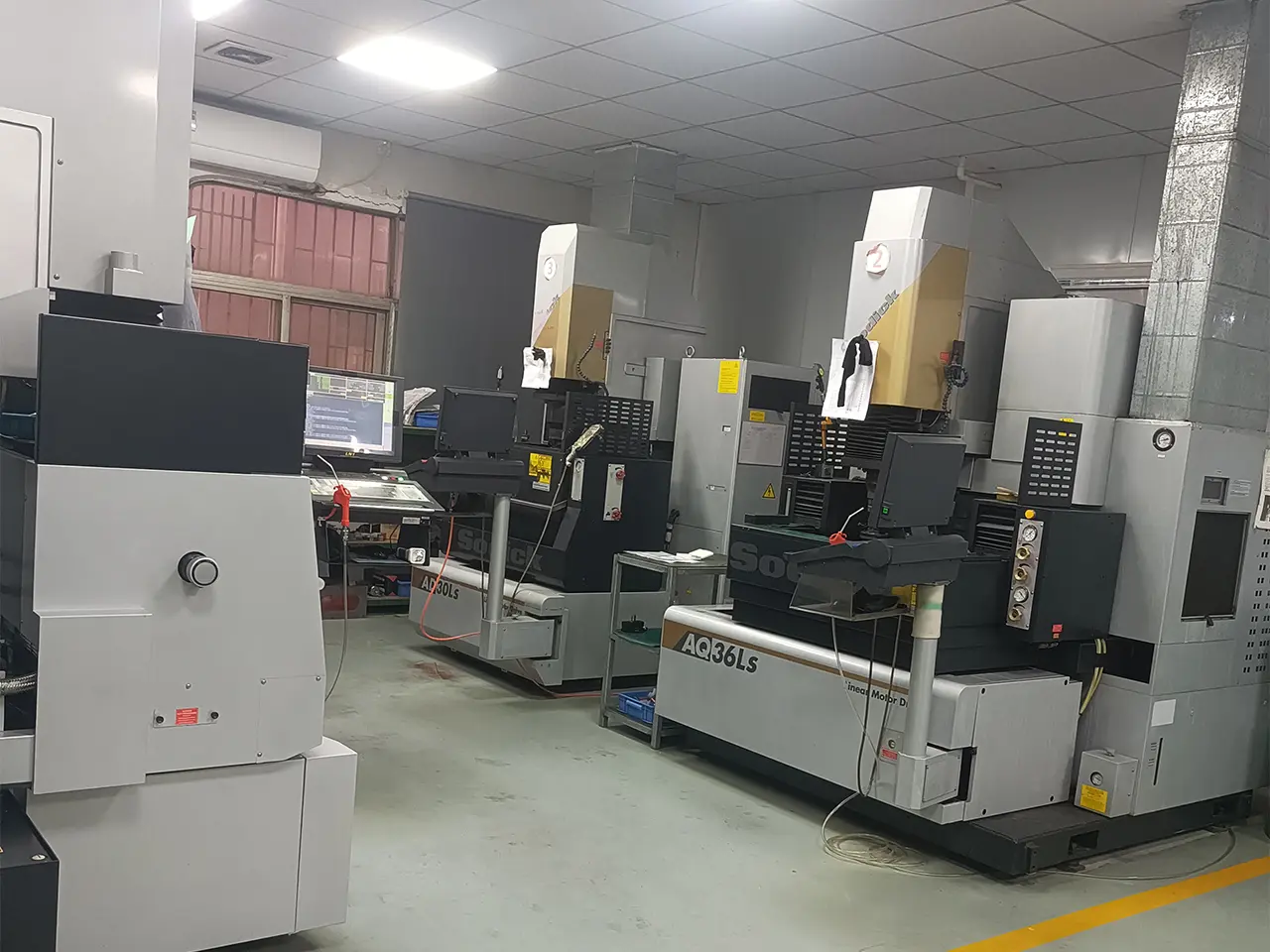
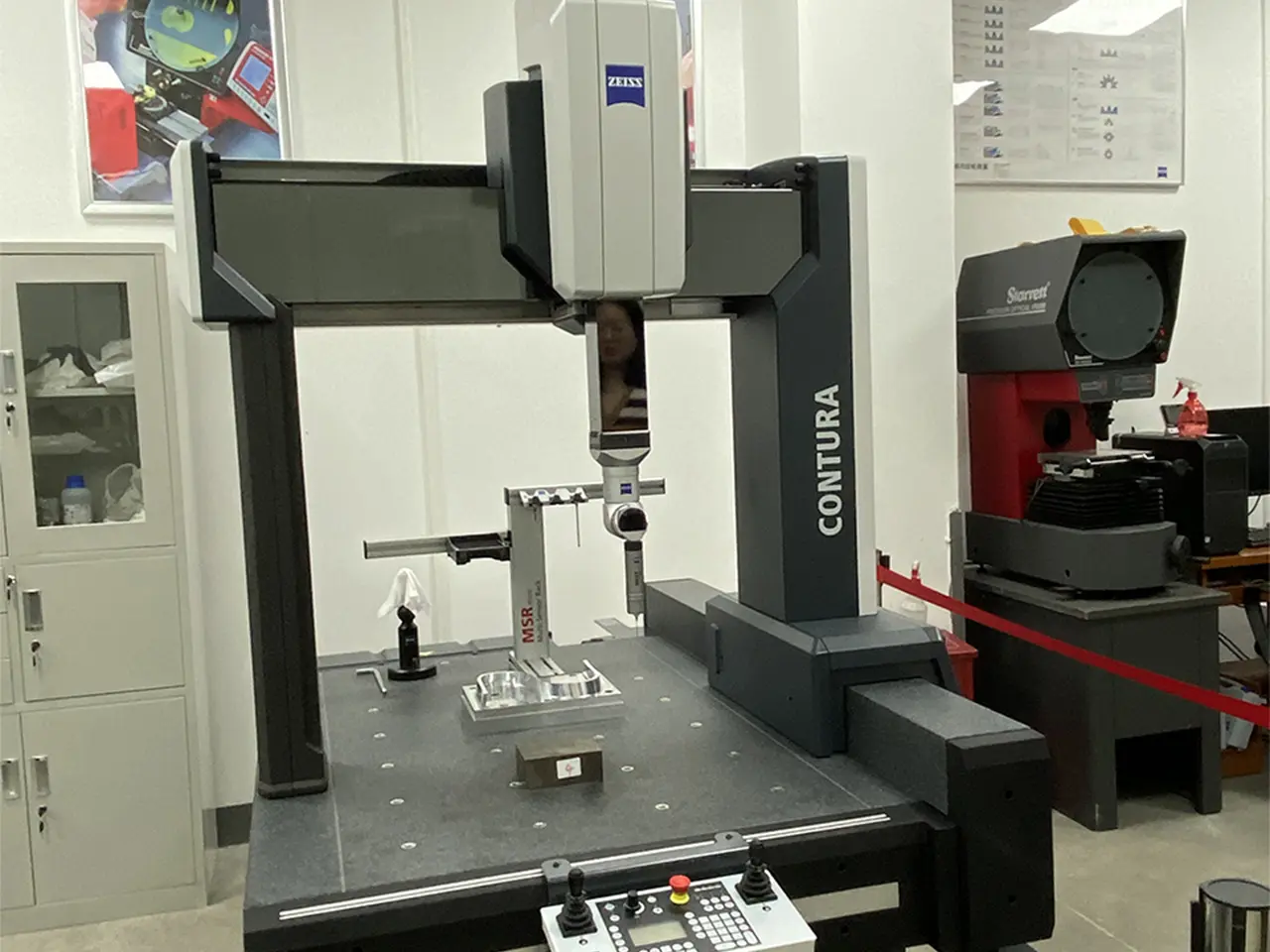
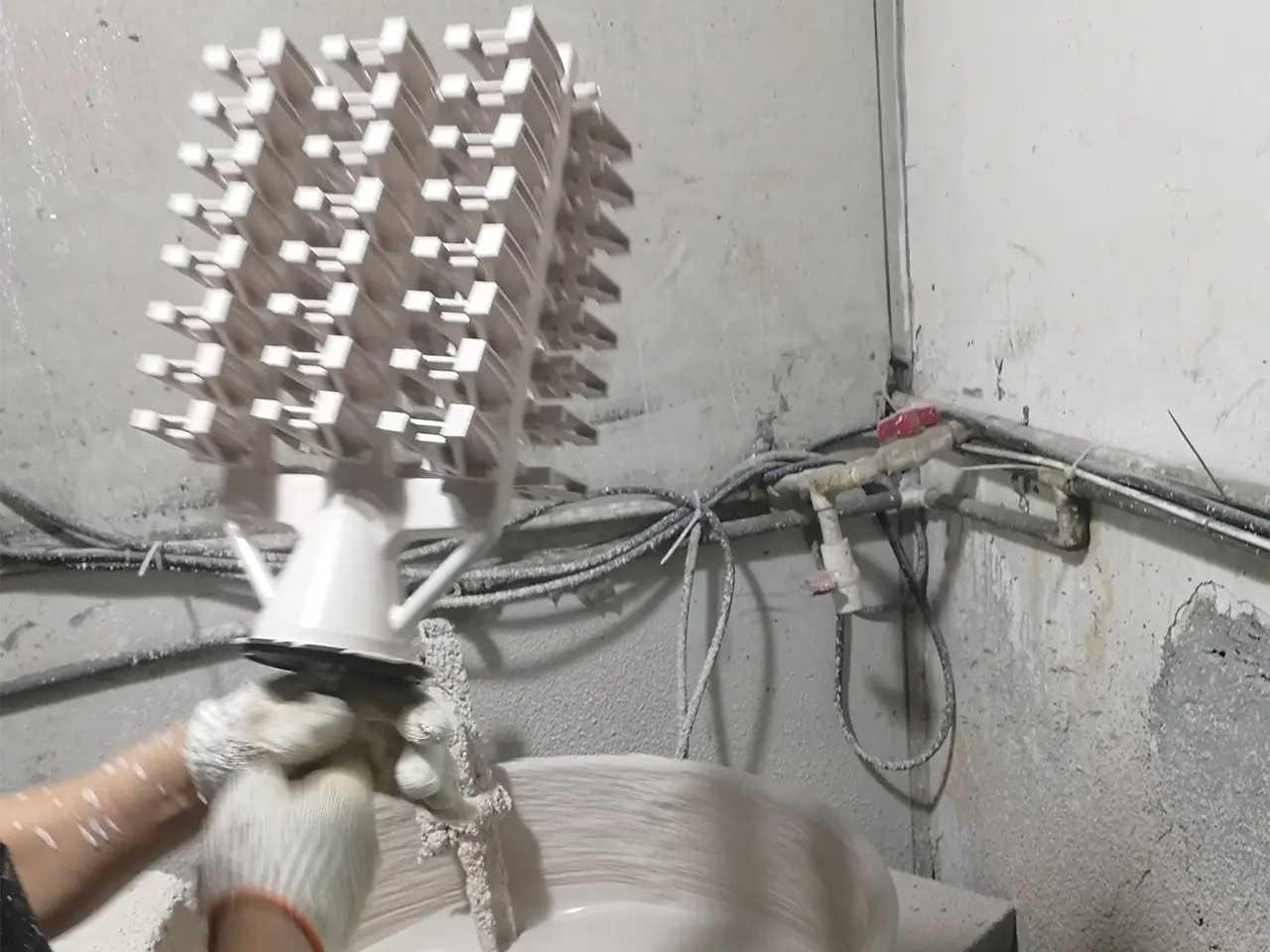
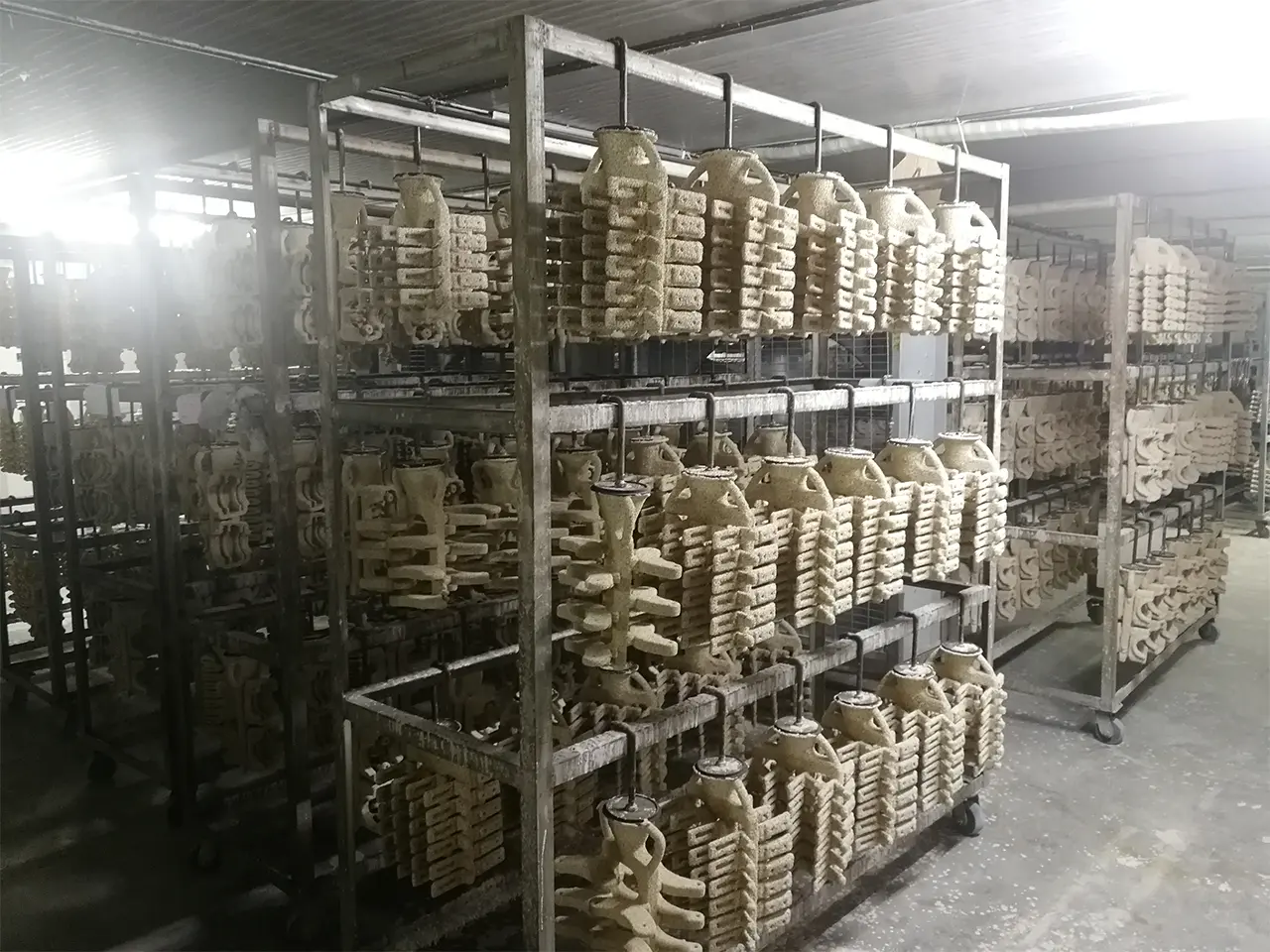
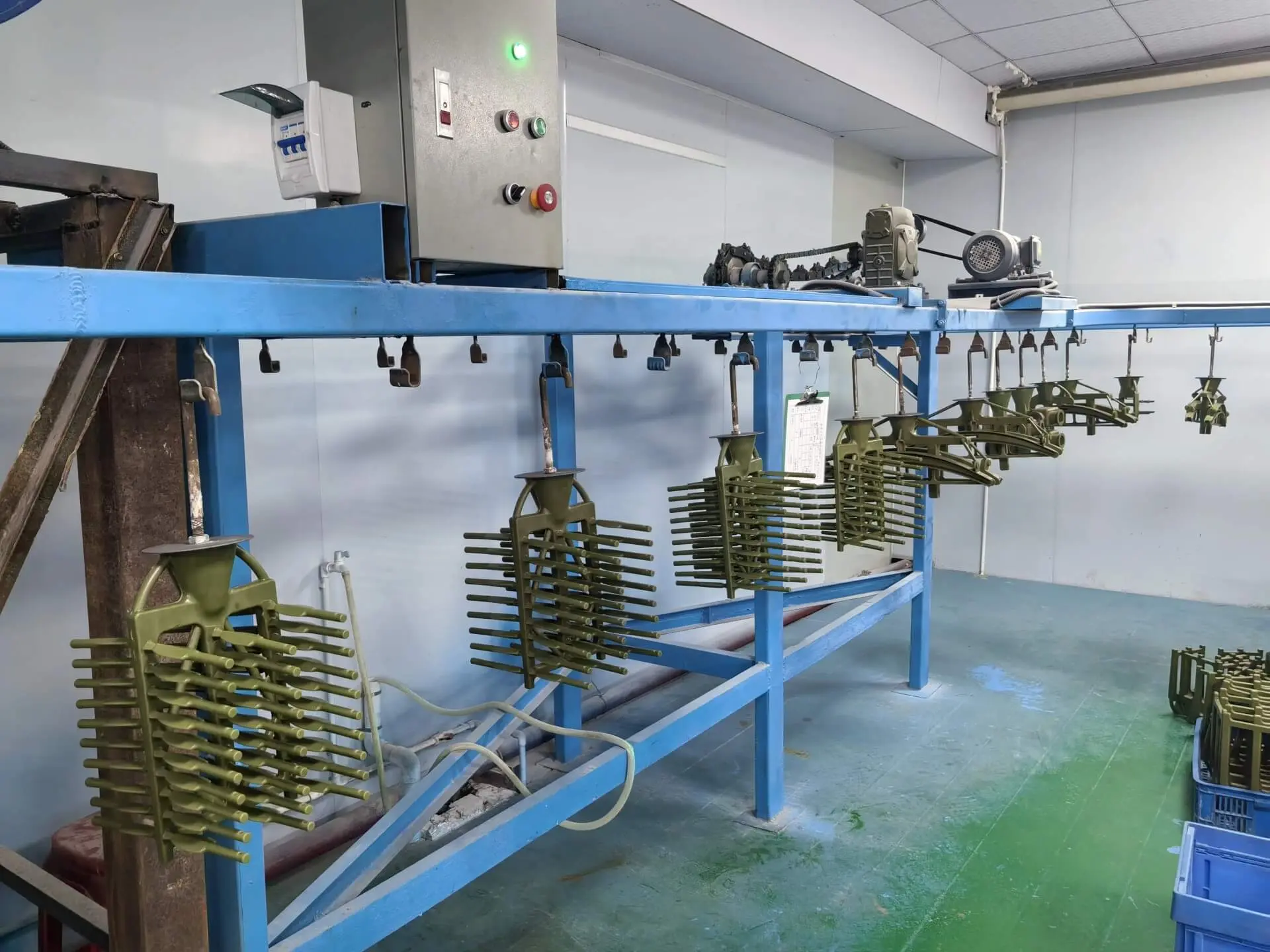
In medical machining, dimensional deviations can compromise surgical outcomes. Since 2014, Shixin has prioritized the systematic implementation of strict tolerance checks, geometrical dimensioning and tolerancing (GD&T), and material composition verifications.
We employ highly trained Quality Control personnel and utilize state-of-the-art metrology instruments, including Coordinate Measuring Machines (CMM), optical comparators, laser scanners, and digital roughness testers. These tools allow us to inspect and record crucial specifications, ensuring every shipped component aligns with target customer drawings.
Through rigorous process validation (comprising IQ for installation, OQ for operation, and PQ for performance), we guarantee that our CNC milling, Swiss turning, and casting procedures are stable, repeatable, and traceably documented from the raw ingot to the final packaged assembly.
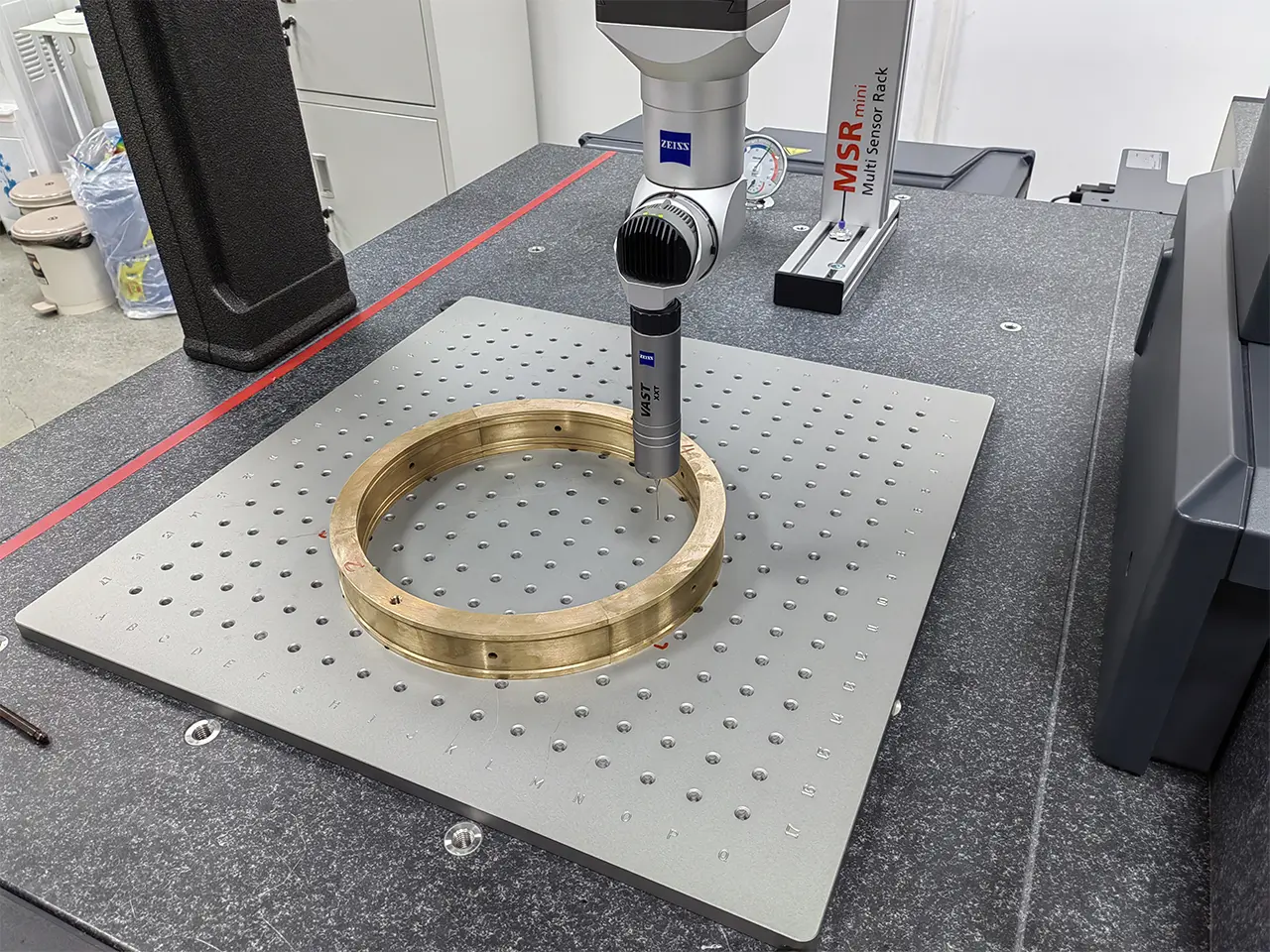
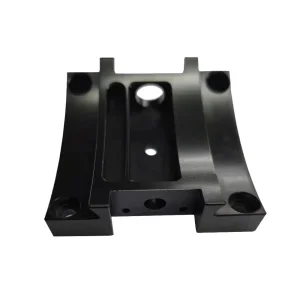
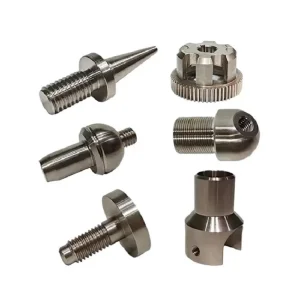
Our multi-axis CNC systems machine highly complex bone plates, implants, and joint replacements in a single setup, minimizing repositioning errors and maximizing geometric precision.
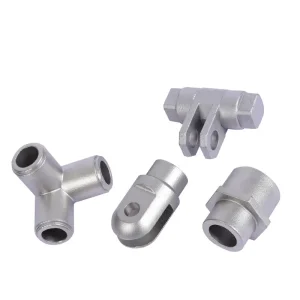
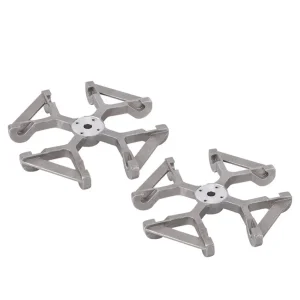
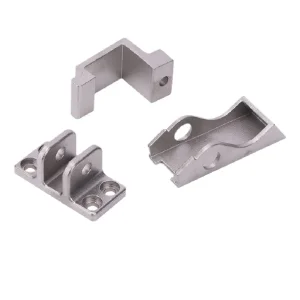
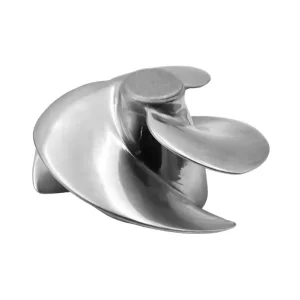
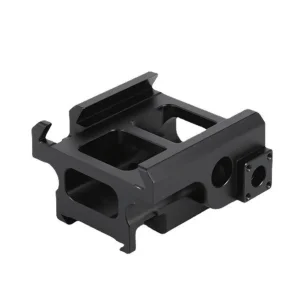
Utilizing advanced lost-wax investment casting, we produce near-net shapes of complex components. This method reduces raw material waste and subsequent machining time, making it ideal for surgical brackets and housings.
We perform nitric/citric acid passivation, electropolishing, and anodizing to remove trace iron contaminants, improve corrosion resistance, and create a bio-compatible exterior shell on medical metals.
While our core focus centers on medical instrumentation, our manufacturing infrastructure is highly cross-compatible. This flexibility allows us to serve multiple high-integrity sectors with precision engineering, including:
To keep pace with the evolution of smart medical implants and surgical toolkits, our engineering team continuously updates our processing methods. We integrate tool-path simulation software and CAD/CAM modeling to optimize cycle times, avoid tooling collisions, and identify design-for-manufacturability (DFM) improvements before manufacturing begins.
By combining CNC milling with investment casting, we provide medical OEMs with a balanced path to product maturity: fast, flexible CNC machining for clinical trial prototypes, followed by investment casting to scale up production while keeping costs in check.
Our longevity in the precision manufacturing sector stems from a commitment to customer support, technical transparency, and consistent product quality. By controlling every stage of production—from alloy selection and mold design to final inspection and documentation—we ensure that each medical instrument component is safe, reliable, and built to specification.
Our quality management systems are designed around strict manufacturing standards. We perform rigorous testing on all medical instrument components, including dimensional inspections via CMM, surface roughness tests, and material composition analysis. Additionally, we provide documentation for IQ/OQ/PQ validation processes to ensure product traceability and consistency.
For bone contact or permanent implants, Titanium Alloys like Ti-6Al-4V ELI (Grade 23) are preferred due to their biocompatibility and high strength. For reusable surgical instruments like clamps, retractors, and forceps, Stainless Steel grades (such as 316L and 17-4 PH) are ideal, as they can withstand repeated sterilization cycles without corroding.
Yes. Our multi-axis CNC milling and Swiss turning centers are set up for rapid prototyping, allowing us to fabricate and iterate complex designs quickly. For larger production runs, we leverage our investment casting facility to produce near-net-shape blanks, which are then finished using CNC machines to optimize production speed and reduce costs.
Depending on part geometry and setup, our multi-axis CNC machines can achieve dimensional tolerances as tight as ±3 μm. We use precise tooling offsets and real-time tool wear monitoring to maintain consistency across entire production batches.
Yes. We offer a full suite of surface treatments, including citric and nitric acid passivation (conforming to ASTM standards), electropolishing, and type II/III anodizing. These treatments remove free iron from machined surfaces, improving corrosion resistance and biocompatibility.
We source all raw metals and alloys from certified mills. Every batch of titanium, stainless steel, or aluminum is accompanied by Mill Test Certificates (MTC) detailing its chemical composition and physical properties, ensuring complete material traceability from start to finish.
While we specialize in medical-grade machining, we also serve industries requiring high precision and durability, including marine engineering, chemical processing, automotive systems, valve and pump manufacturing, aerospace, and high-end electronics.
You can submit your 2D and 3D CAD models (in STEP, IGES, or DWG format) along with your material and surface finishing specifications through our contact page. Our engineering team will review your drawings and provide a detailed quote and DFM analysis within 24 to 48 hours.
 SX Machining