Explore our engineering capabilities across stainless steel, custom titanium, CNC machining, and specialized metal alloy configurations designed for global industrial deployment.
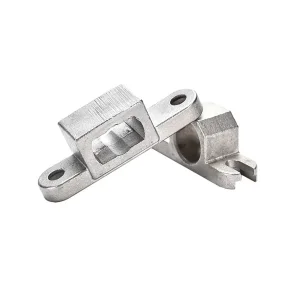
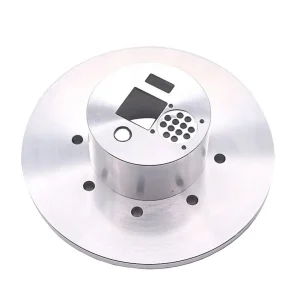
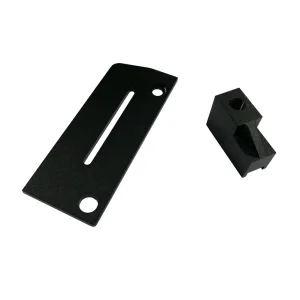
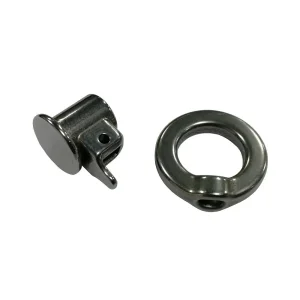
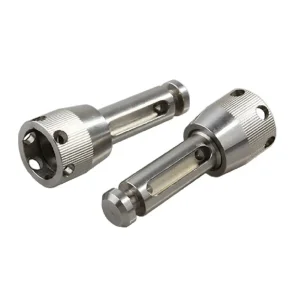
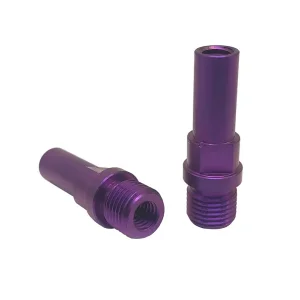
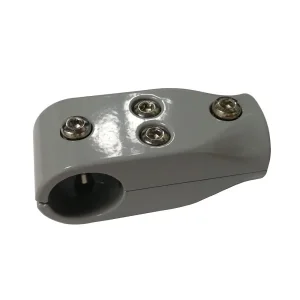
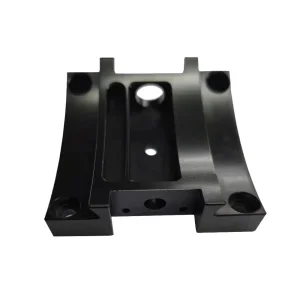
Dongguan SX Technology Co.,Ltd has built a reputation over the past decade as a leading provider of high-precision lost-wax investment casting, CNC turning/milling, and complex mechanical sub-assembly solutions. Our manufacturing ecosystem integrates high-capacity electric induction furnaces, automated slurry preparation systems, and high-performance CNC machining centers.
By combining traditional metallurgy with modern digital control technologies, we serve as a comprehensive partner for industries requiring critical structural reliability, such as marine transport, process machinery, automotive systems, valve and pump manufacturing, packaging hardware, and premium consumer goods.
Uncovering the macroeconomic drivers, raw material trends, and system integration strategies for high-performance copper-based castings.
As mechanical assemblies are subjected to increasingly harsh chemical, dynamic, and thermal operating environments, structural engineers are turning to specialized copper and bronze alloys. Unlike ferrous metals, bronze offers unique combinations of tribological properties, high thermal conductivity, corrosion resistance (especially in marine and high-salinity conditions), and anti-galling performance.
According to recent global foundry market surveys, the demand for precision bronze investment casting is shifting from simple architectural hardware to extremely high-tolerance engineering components. Modern aerospace systems, offshore wind arrays, deep-sea oil extraction equipment, and municipal water purification infrastructures require complex internal geometries that cannot be manufactured through traditional sand casting or die casting. Dongguan SX Technology Co.,Ltd bridges this global demand by providing precision lost-wax casting alongside highly controlled thermal and chemical post-processing.
Selecting the ideal bronze alloy is critical to ensuring the lifetime durability of custom casting components. Standard bronzes are far from uniform; the mechanical profile is heavily dependent on specific elements such as aluminum, tin, silicon, manganese, and lead. Below is a comparative breakdown of the principal bronze alloys utilized within our production lines to meet diverse industrial demands:
| Alloy Classification | Common Designations | Chemical Highlights | Primary Application Environment | Mechanical Properties |
|---|---|---|---|---|
| Aluminum Bronze | C95400, C95800, CuAl10Fe5Ni5 | Al (8.5-11.5%), Fe (3-5%), Ni (1.5-5.5%) | Marine thrusters, high-load wear plates, acid-handling pumps | Exceptional tensile strength (>500 MPa), high wear and cavitation resistance |
| Tin Bronze (Phosphor Bronze) | C90700, C51000, CuSn10 | Sn (9-11.2%), P (0.05-1.2%) | Heavy-duty worm gears, bushings, high-stress bearings | Low friction coefficient, superior fatigue limits, excellent wear properties |
| Silicon Bronze | C87500, C87300, CuSi3Zn | Si (3-5%), Zn (up to 5%) | Fluid control valves, complex hydraulic fittings, artistic sculpture | High fluid castability, excellent corrosion resistance, high weldability |
| Manganese Bronze | C86300, C86200, CuZn25Al5Mn4Fe3 | Mn (2-5%), Al (3-7%), Fe (2-4%), Zn (bal.) | Heavy-duty structural components, bracket clamps, bridge bearings | Ultra-high strength (up to 750 MPa tensile), robust impact tolerance |
Our facility employs state-of-the-art optical emission spectrometers (OES) to analyze the chemical profile of every heat of metal prior to pouring. This guarantees that all custom components align exactly with European standards (EN 1982), American standards (ASTM B505 / B148), or Japanese Industrial Standards (JIS H5120).
A showcase of the production floors, casting systems, and mechanical workspaces that drive Dongguan SX Technology's precision output.
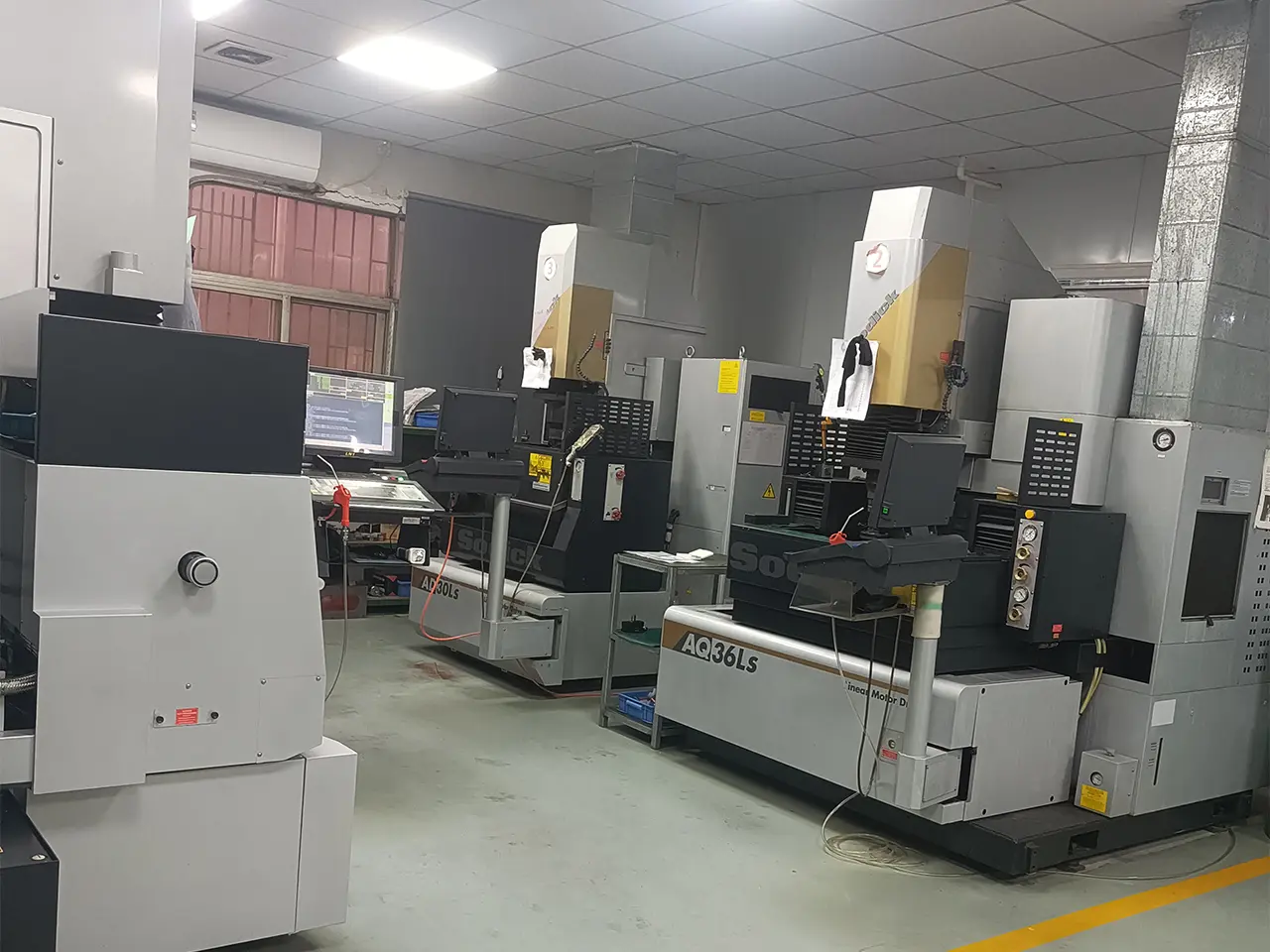
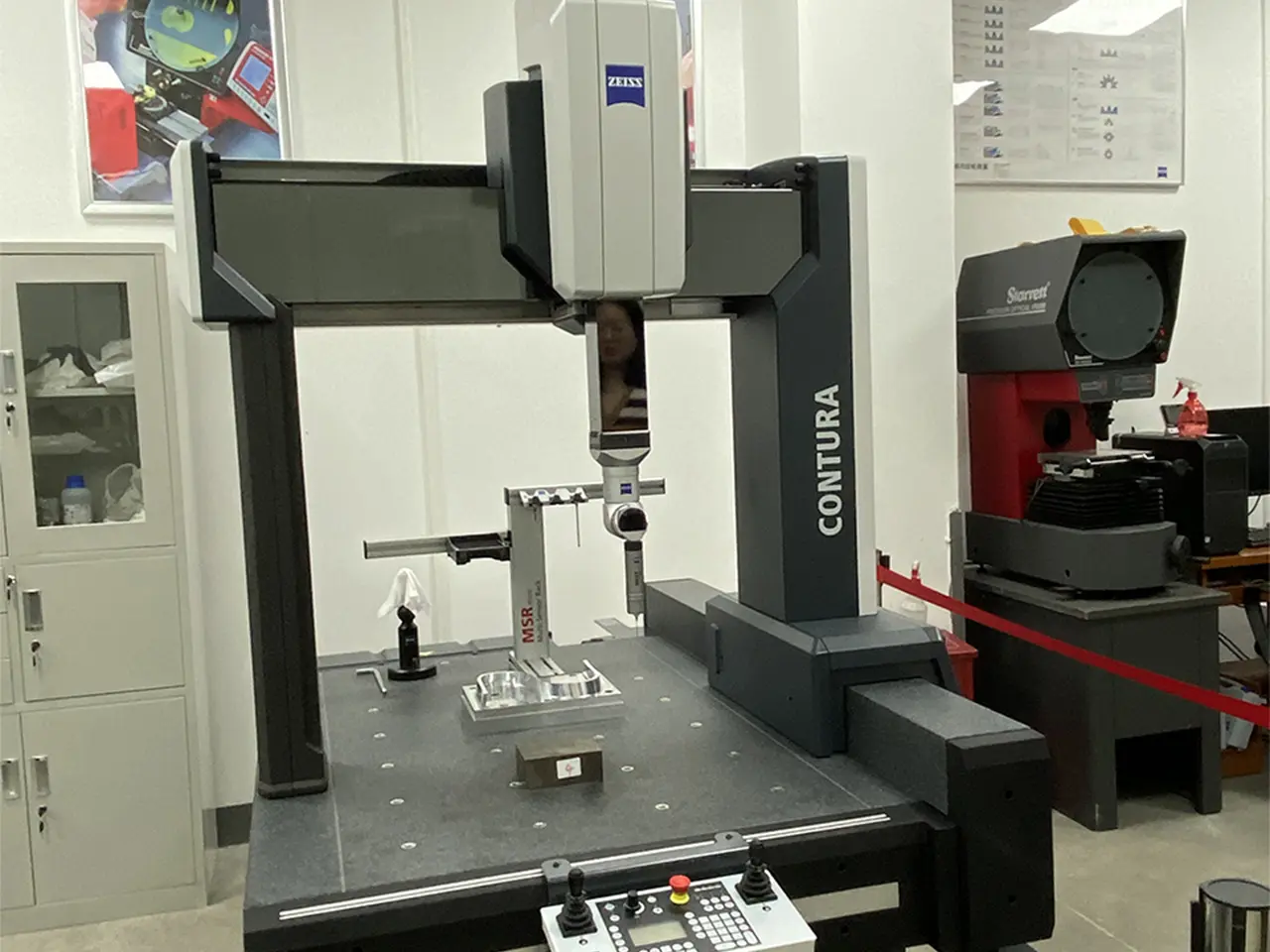
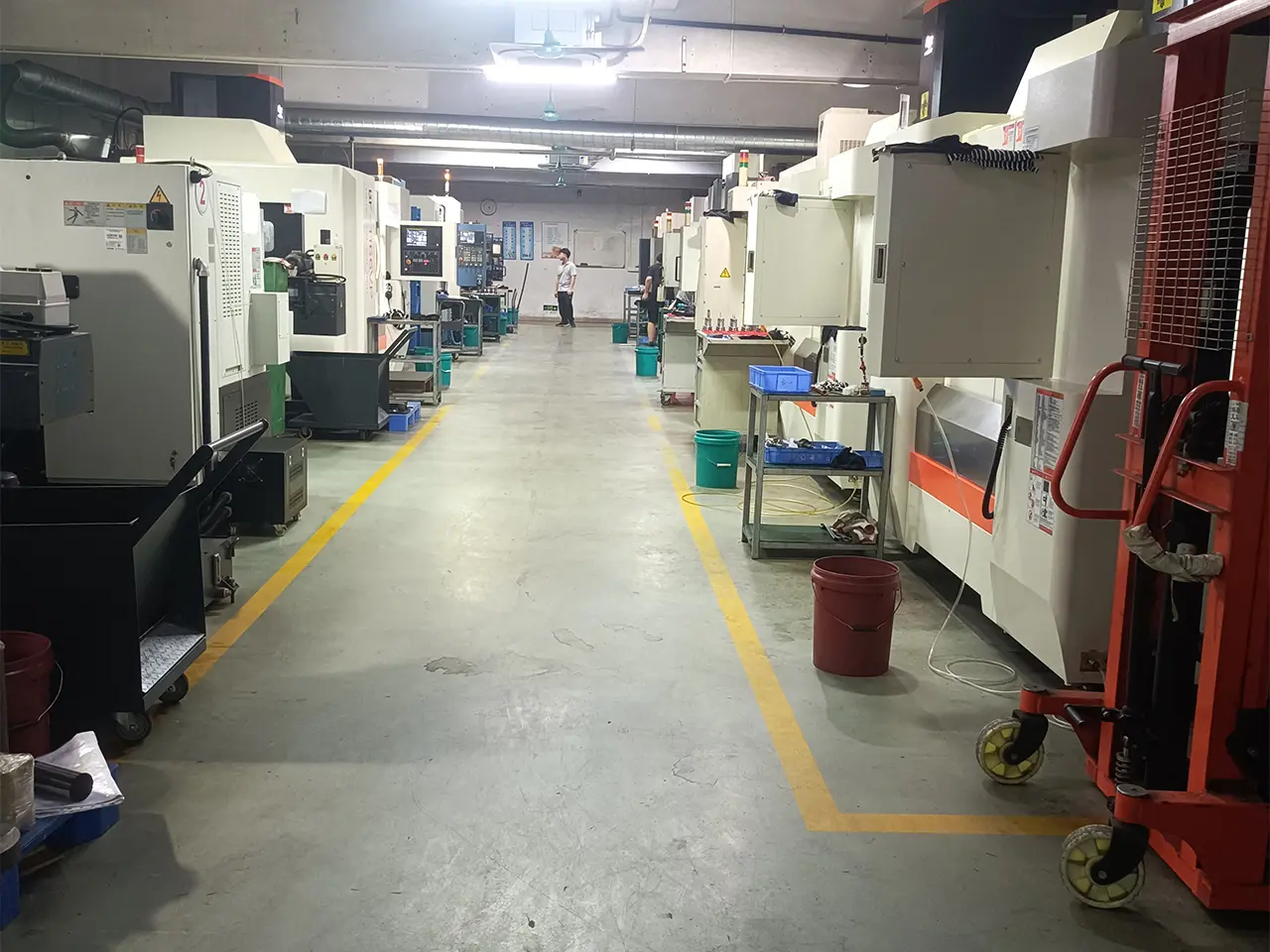
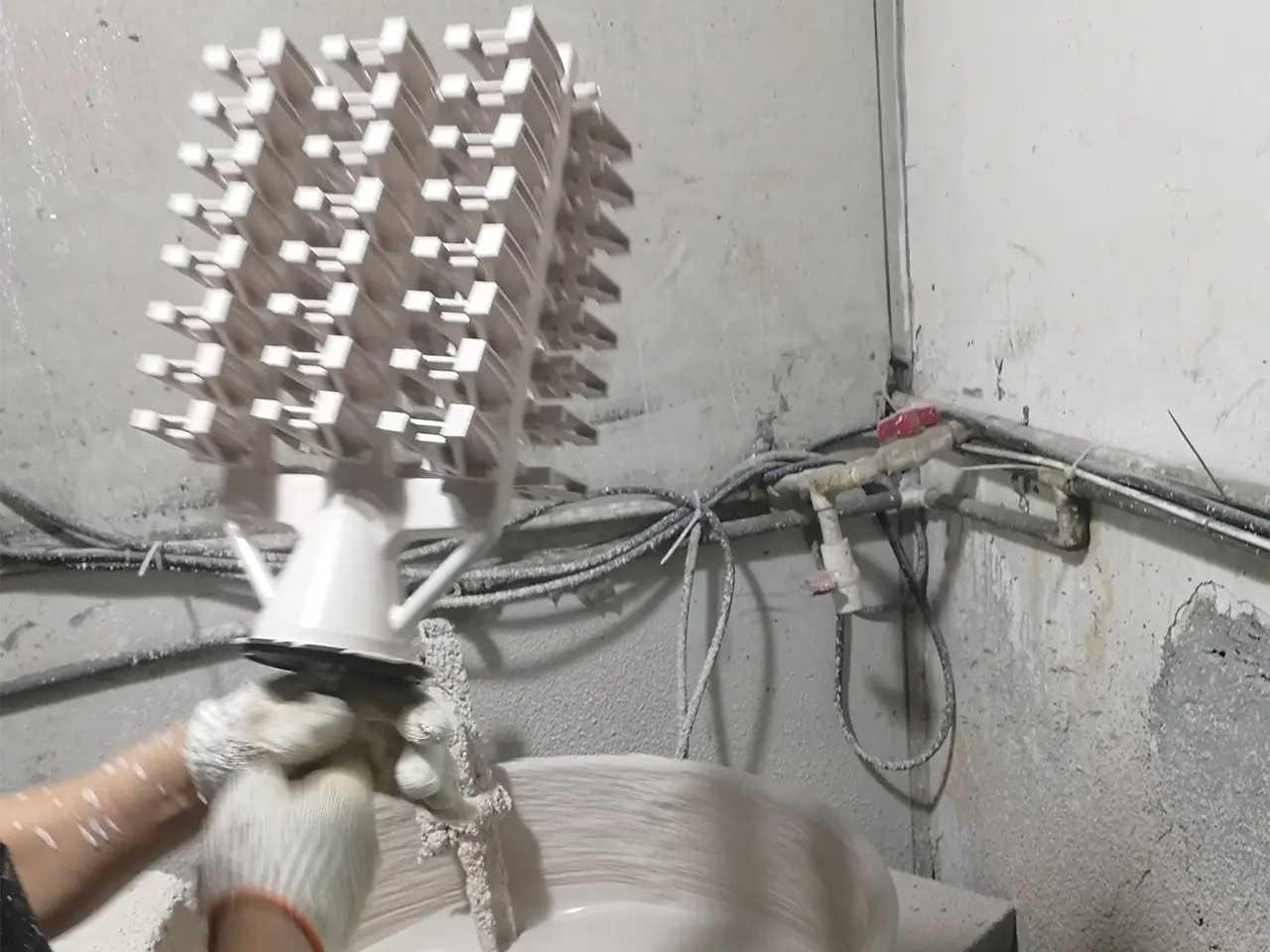
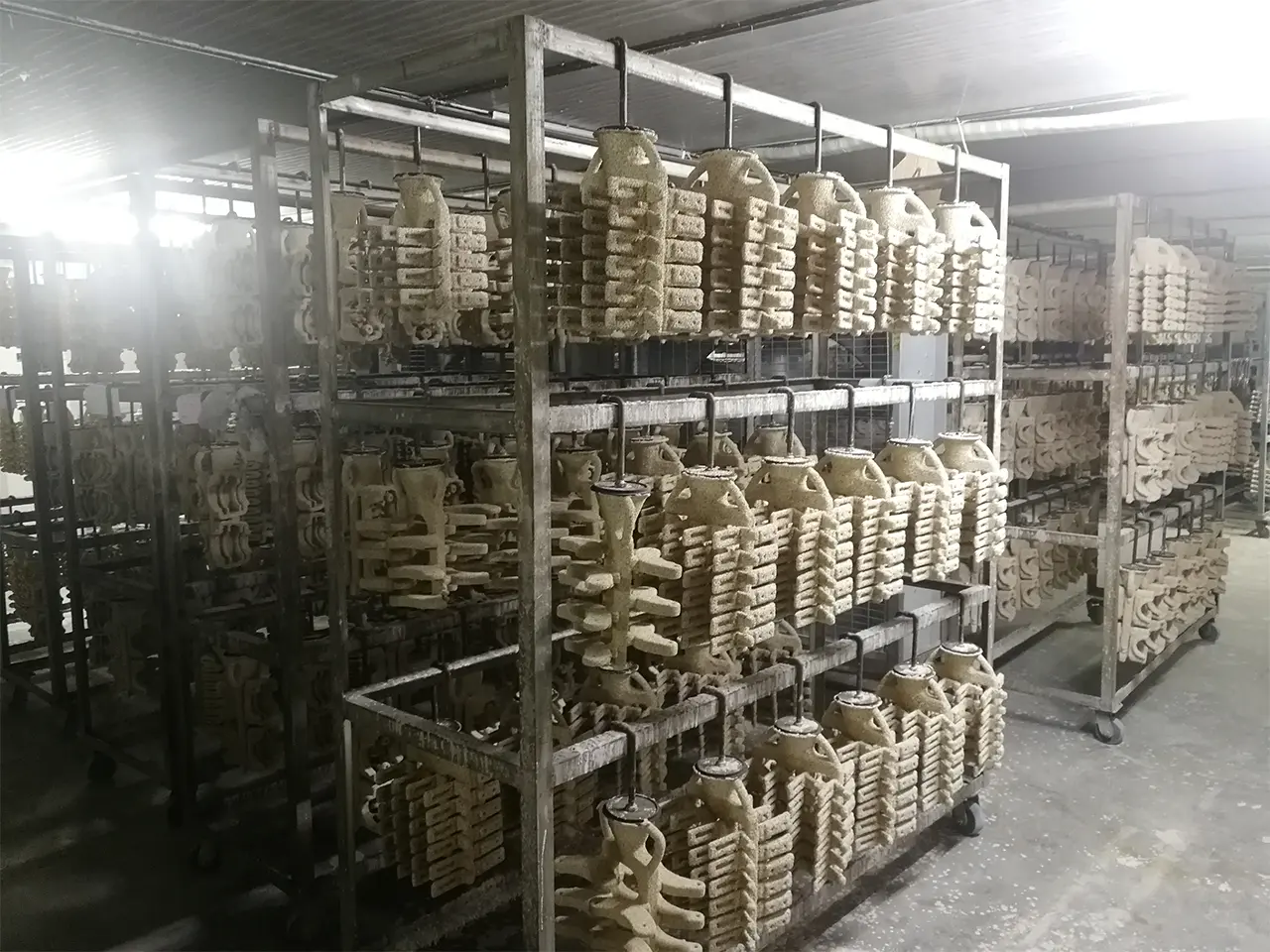
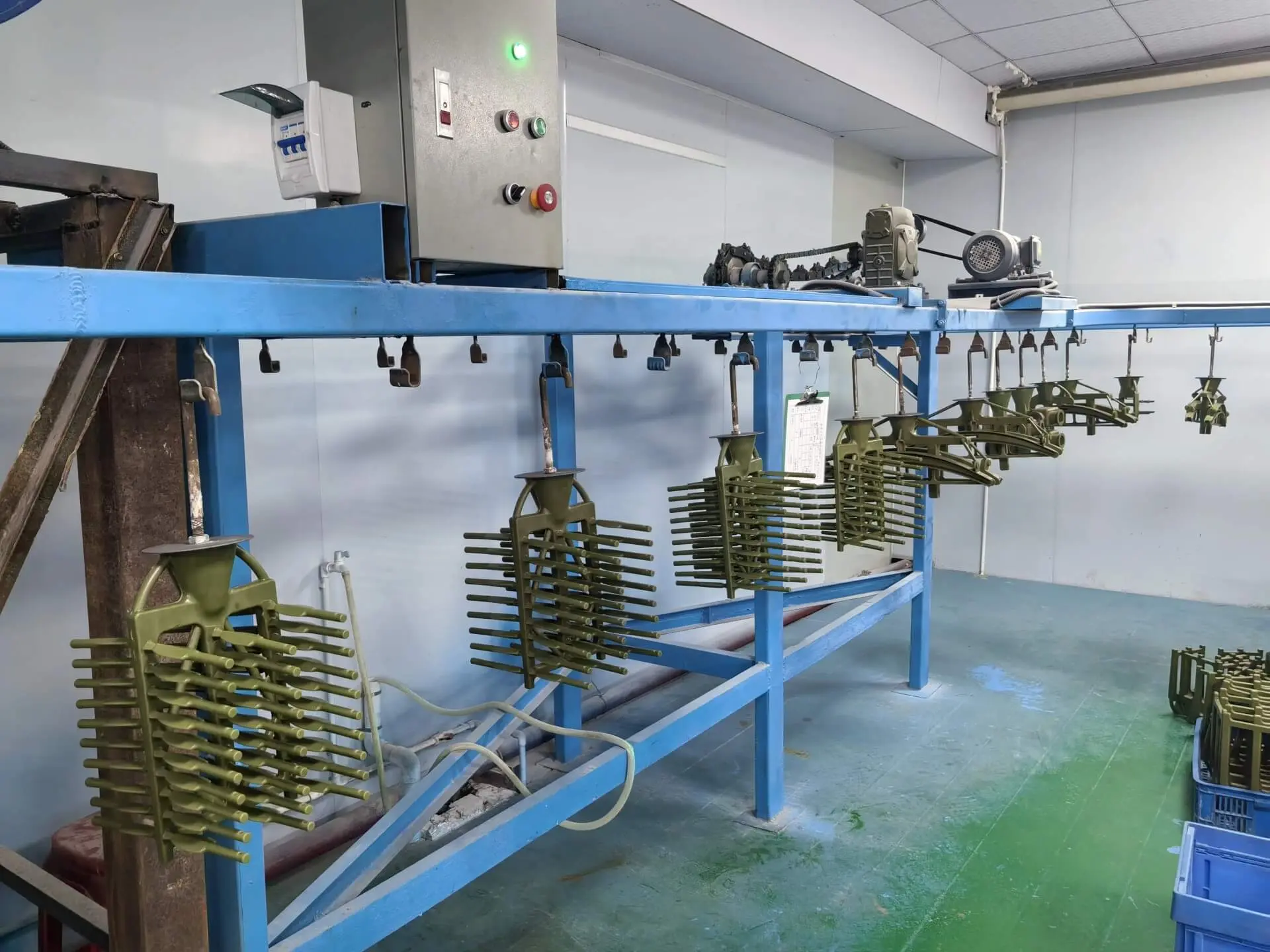
We have professional testing equipment and professional QC personnel, and we adhere to strict tolerances and quality standards for the products we produce. Due to our insistence on strict quality requirements, we have been praised by many customers.
Quality is the cornerstone of the manufacturing industry. We firmly believe that only by controlling quality well can we survive, develop, and get better and better. Therefore, we have been working in this industry unremittingly since 2014 and continue to improve the company's team and improve the company's production capacity.
Our dimensional testing laboratory is equipped with high-accuracy coordinate measuring machines (CMM), industrial spectrometers for material validation, ultrasonic wall-thickness testers, and non-destructive testing (NDT) capabilities including liquid dye penetrant testing (PT) and magnetic particle inspection (MPI). This guarantees that internal shrinkage cavity defects, surface fissures, or microscopic porosity are detected and eliminated prior to shipping.
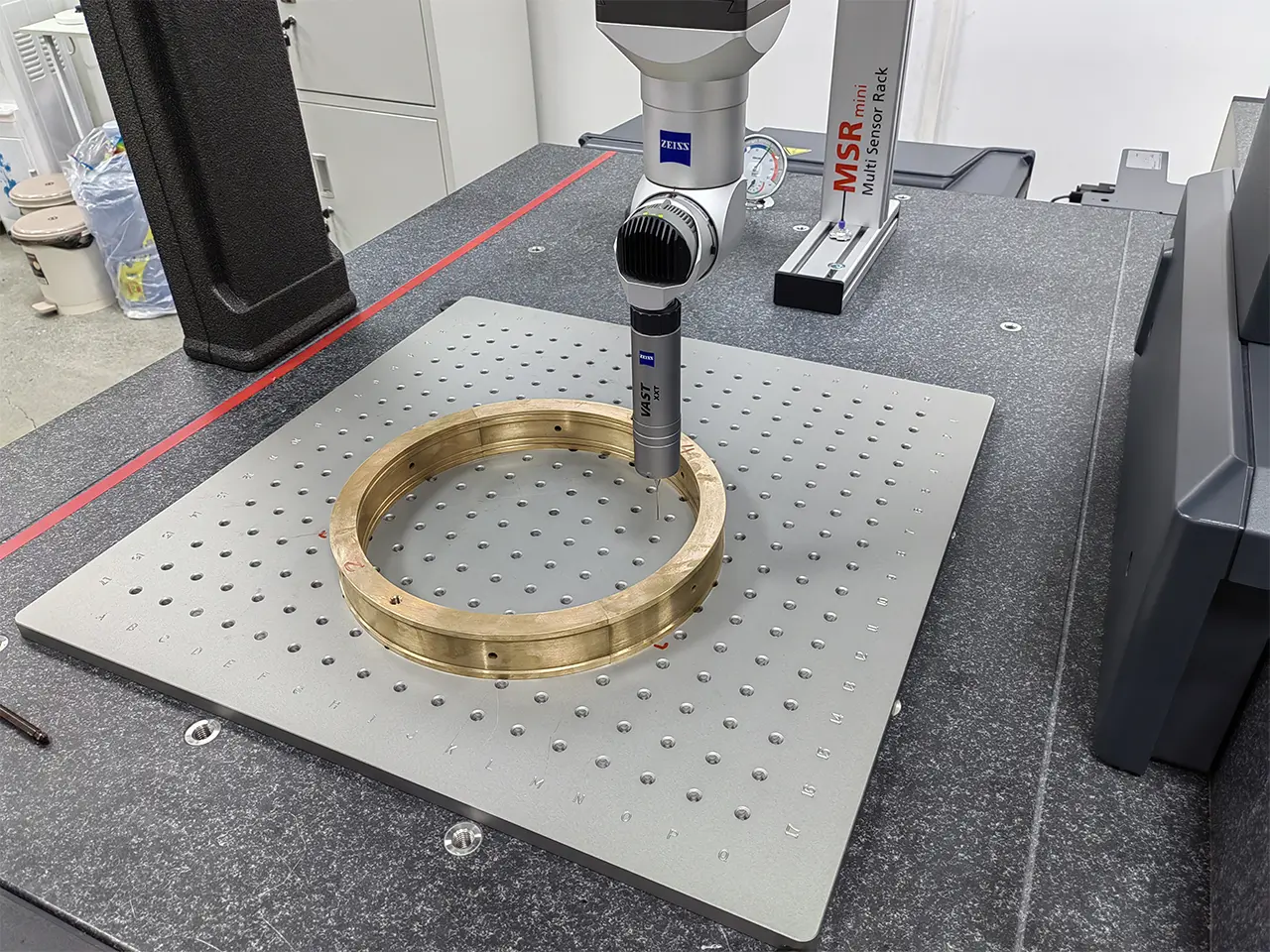
A closer look at our technological workflow, tooling optimization, and post-casting CNC machining protocols.
Using solid modeling software, we design highly accurate injection tooling made from premium-grade tool steel. Dynamic simulation software predicts cooling contraction rates and potential air entrapment points. Wax patterns are then injected under precise temperature and pressure controls, guaranteeing repeatable dimensions.
Wax assemblies are repetitively dipped in high-grade silica slurries and coated with refractory stucco. Over several cycles, a rigid ceramic shell is built. The green shell is autoclaved under superheated steam to remove the wax structure cleanly, leaving a precise cavity matrix.
Ceramic shells are pre-heated to minimize thermal shock before molten bronze is gravity poured. Once solid, the ceramic shell is mechanically removed. The cast bronze component is then shot-blasted and transferred to our CNC multi-axis milling/turning shop to finalize dimensional critical tolerances down to +/- 0.005mm.
Engineering departments in North America, Western Europe, and Japan operate under tight localized regulatory and safety compliance rules. We align our manufacturing processes to meet RoHS (Restriction of Hazardous Substances) and REACH directives. This is particularly vital for fluid-handling components in municipal water applications, where lead-free compliance (such as the United States Safe Drinking Water Act / California Prop 65) restricts the use of traditional leaded bronzes. We offer specialized lead-free silicon brass and bismuth-bronze formulations that comply directly with international regulations.
Additionally, our logistical supply chain team handles customs clearing documentation, sea/air cargo booking, and localized hub warehousing to support Just-in-Time (JIT) and Kanban assembly systems for our manufacturing customers globally.
As industrial sectors move toward Industry 4.0 paradigms, Dongguan SX Technology Co.,Ltd is actively integrating advanced manufacturing methodologies:
Detailed engineering answers to the most common questions regarding bronze investment casting tooling, tolerances, and material performance.
In our standard lost-wax process, casting-only tolerances comply with international standards like ISO 8062-3 DCTG6 to DCTG8. This translates to approximately ±0.15mm for dimensions up to 25mm. For surfaces requiring precision alignment, bearing seats, or threaded sections, our secondary multi-axis CNC machining stations achieve tolerances down to ±0.005mm.
Copper-base alloys are highly susceptible to gas absorption (hydrogen and oxygen) during melting. We control this by utilizing electric induction melting systems, maintaining strict slag-protection covers, and executing chemical degasification processes (using phosphor-copper tablets or nitrogen purging) prior to pouring. Mold gating systems are custom engineered via filling-simulation software to ensure directional solidification.
For submerged marine conditions, Nickel-Aluminum Bronze (specifically ASTM B148 C95800) is the industry benchmark. The addition of nickel and iron refines the grain boundary structures and creates a thin, self-healing protective copper oxide/aluminum oxide film on the component surface, offering excellent resistance against chloride pitting, high-velocity impingement corrosion, and marine bio-fouling.
Typically, initial mold-flow simulations, CAD design, and aluminum/steel wax injection tooling manufacturing require 20 to 25 days. Once the tooling is approved, we supply initial prototype casting samples (with full dimensional report layout and spectrometer material certification) within 7 to 10 days for customer evaluation and verification.
Explore more specialized precision casting and custom CNC solutions developed for communication electronics, medical engineering, and smart home ecosystems.
 SX Machining