Within high-performance manufacturing, the demand for precision is absolute. Component failure in aerospace actuators, marine valves, or automotive powertrains is not an option. Sub-micron dimensional accuracy, optimized toolpaths, and precise surface roughness profiles are key parameters defining modern metalworking.
As a leading supplier of OEM CNC lathe parts, we focus on the physics of chip formation, thermal expansion compensation, and multi-axis turning techniques. Whether working with challenging superalloys like Titanium Grade 5 (Ti-6Al-4V), corrosion-resistant austenitic stainless steel, or lightweight aluminum, maintaining part dimensions under dynamic stress requires deep mechanical expertise.
This whitepaper details the parameters that procurement teams and hardware engineers must verify when selecting an OEM manufacturing partner. It bridges the gap between raw metallurgy and functional mechanics, outlining how to optimize production for scalability, reliability, and cost efficiency.
Dongguan SX Technology Co.,Ltd offers deep expertise in precision investment casting, CNC machining, and full component assembly. We serve demanding sectors including machinery, automotive, marine, shipping, equipment, valves and pumps, electronic appliances, packaging, watchmaking, construction, and chemical processing.
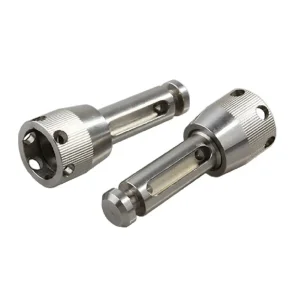
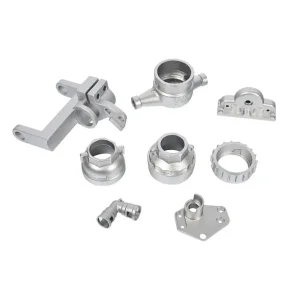
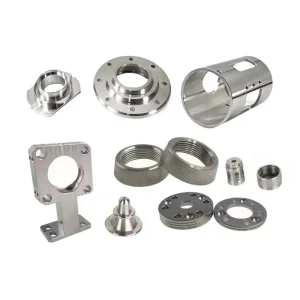
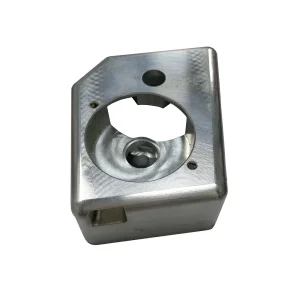
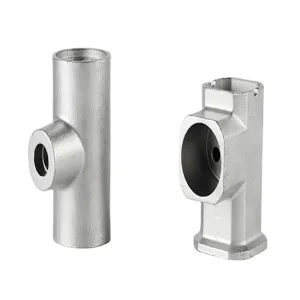
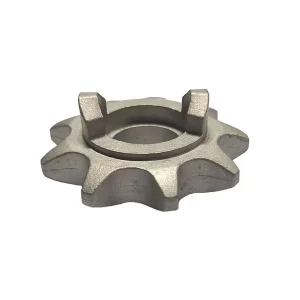
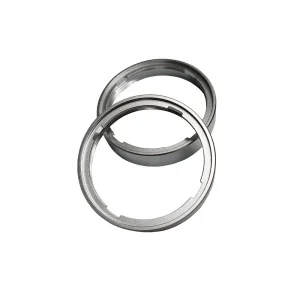
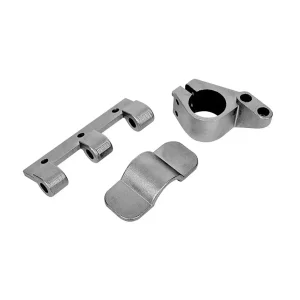
Our casting operations work with high-grade stainless steel and carbon steel, converting raw ingots into complex geometries. Our advanced CNC machining division turns and mills complex alloys, including titanium, stainless steel, carbon steel, aluminum, copper, and cemented carbide.
Equipped with modern manufacturing machinery, we provide rapid responses to custom prototypes and high-volume production requests alike. Our facility integrates machining and casting to provide turnkey solutions that simplify global supply chains.
Global supply chains depend on strategic hubs that combine raw material access, skilled engineering, and cost efficiency. The Pearl River Delta, specifically Dongguan, is a key center for precision manufacturing. Dongguan SX Technology leverages this regional infrastructure to provide clear advantages:
We source raw materials, tooling, and surface treatments locally. Specialized processes like hard anodizing, passivation, electropolishing, and PVD coating are completed quickly, reducing overall production cycles.
Our tooling partners provide custom solid-carbide cutters and indexable inserts designed for tough metals like titanium and duplex stainless steel, ensuring clean cuts and stable dimensions.
Automated multi-tasking CNC lathes reduce direct labor costs, while our experienced engineers optimize manufacturing setups, delivering high precision at competitive pricing.
Precision turned components perform critical roles in complex systems. We customize our manufacturing processes to meet the distinct engineering standards of different industry verticals:
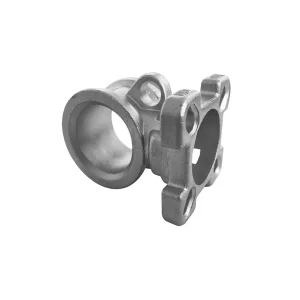
High-salinity marine environments demand components that resist corrosion. We combine lost-wax stainless steel casting with precise CNC turning to manufacture impellers, propeller hubs, and robust structural armrest brackets that withstand harsh conditions.
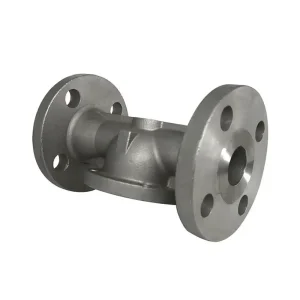
High-pressure fluid lines require precise fits to prevent leakage. We cast and finish-machine valve bodies, seats, and stems, ensuring tight dimensional tolerances and smooth mating surfaces.
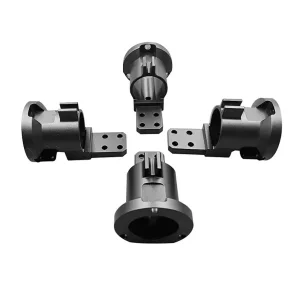
Modern automation relies on low-inertia parts. Machined aluminum and titanium shafts, gears, and structural joints provide the necessary strength-to-weight ratio for rapid, precise movement in automated systems.
Operating since 2014, we continuously update our production facilities to maintain high standards of quality and efficiency. We utilize multi-axis turning centers, CNC milling machines, and dedicated investment casting lines to handle diverse production requirements.
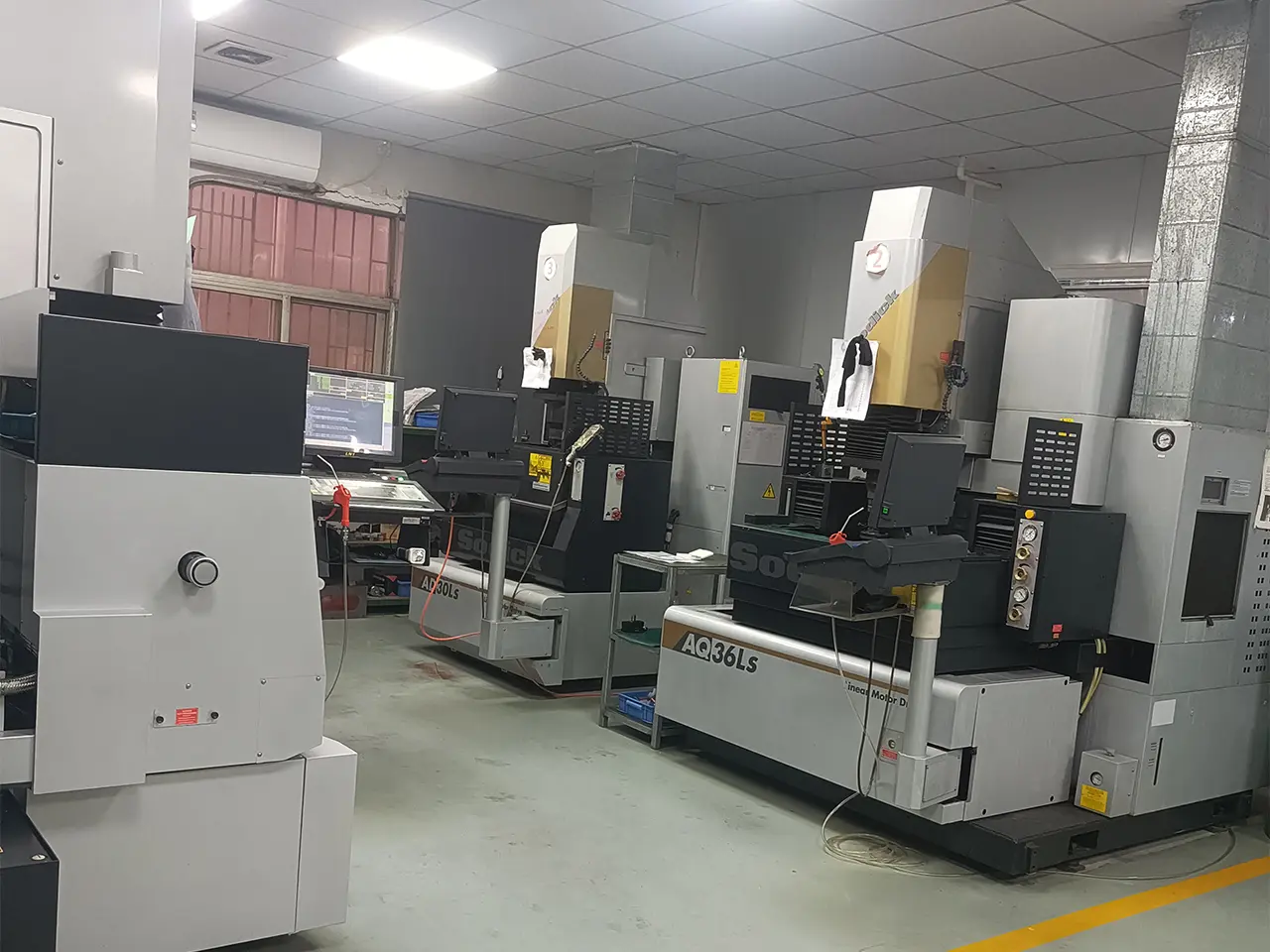
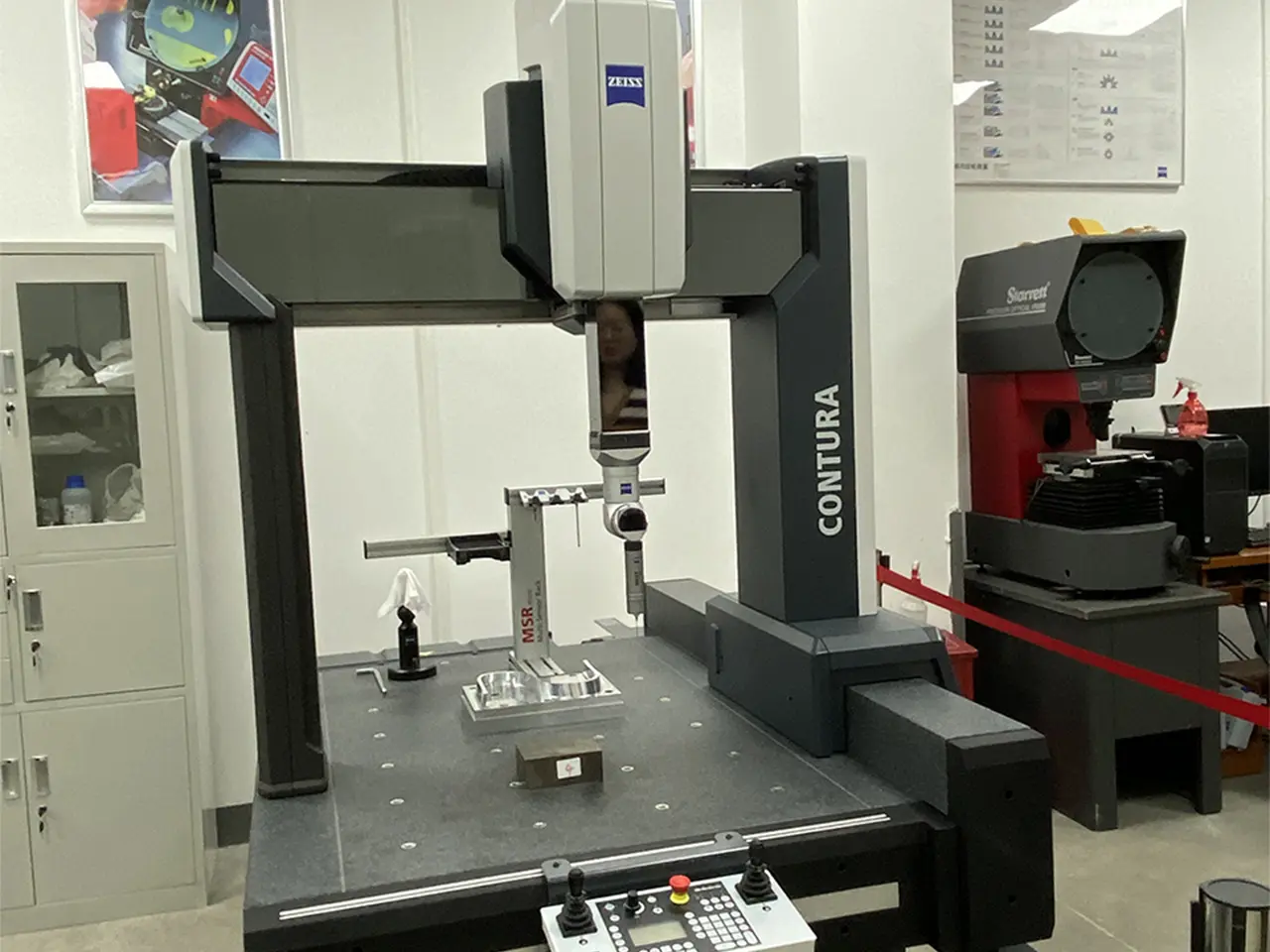
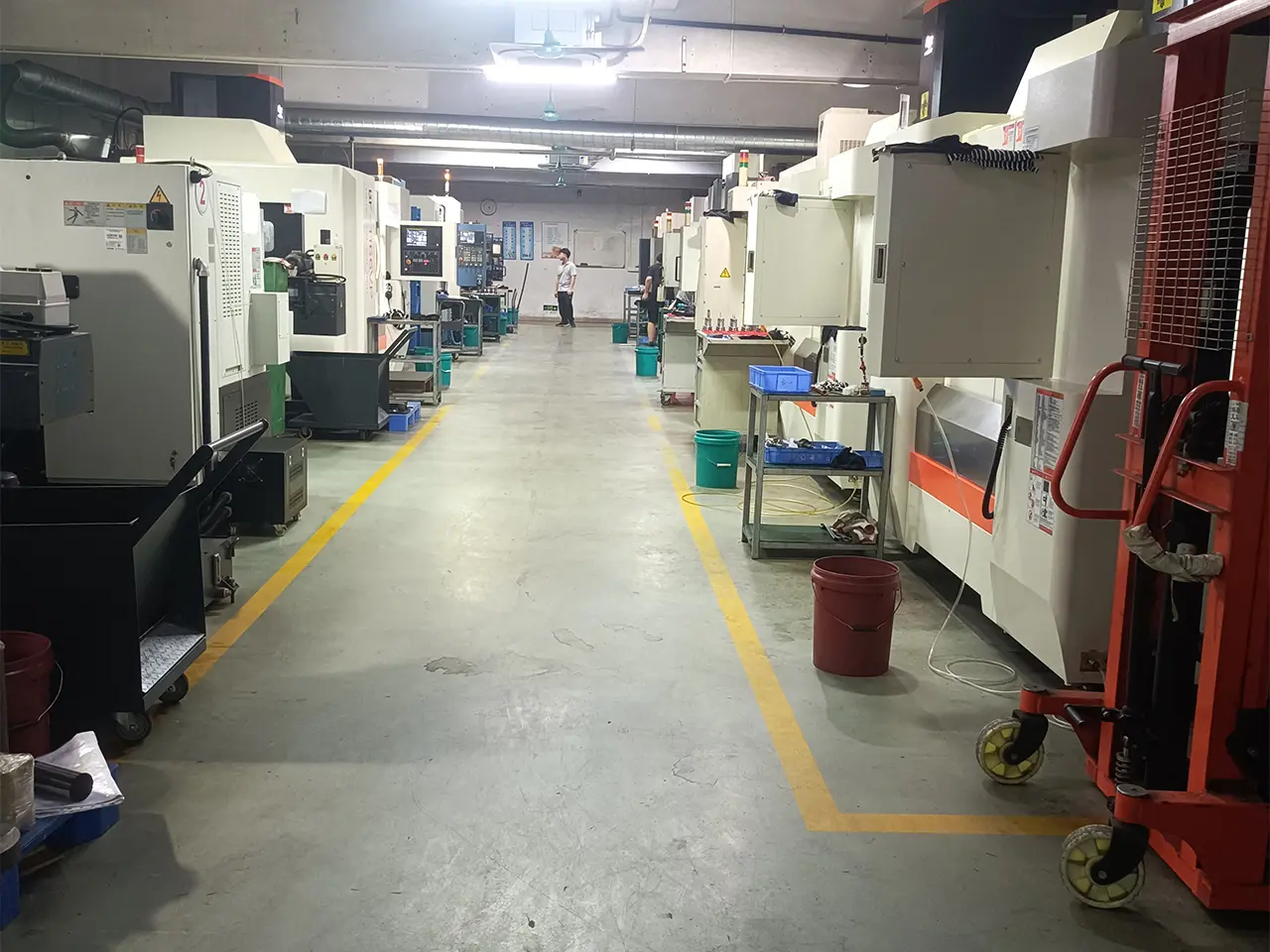
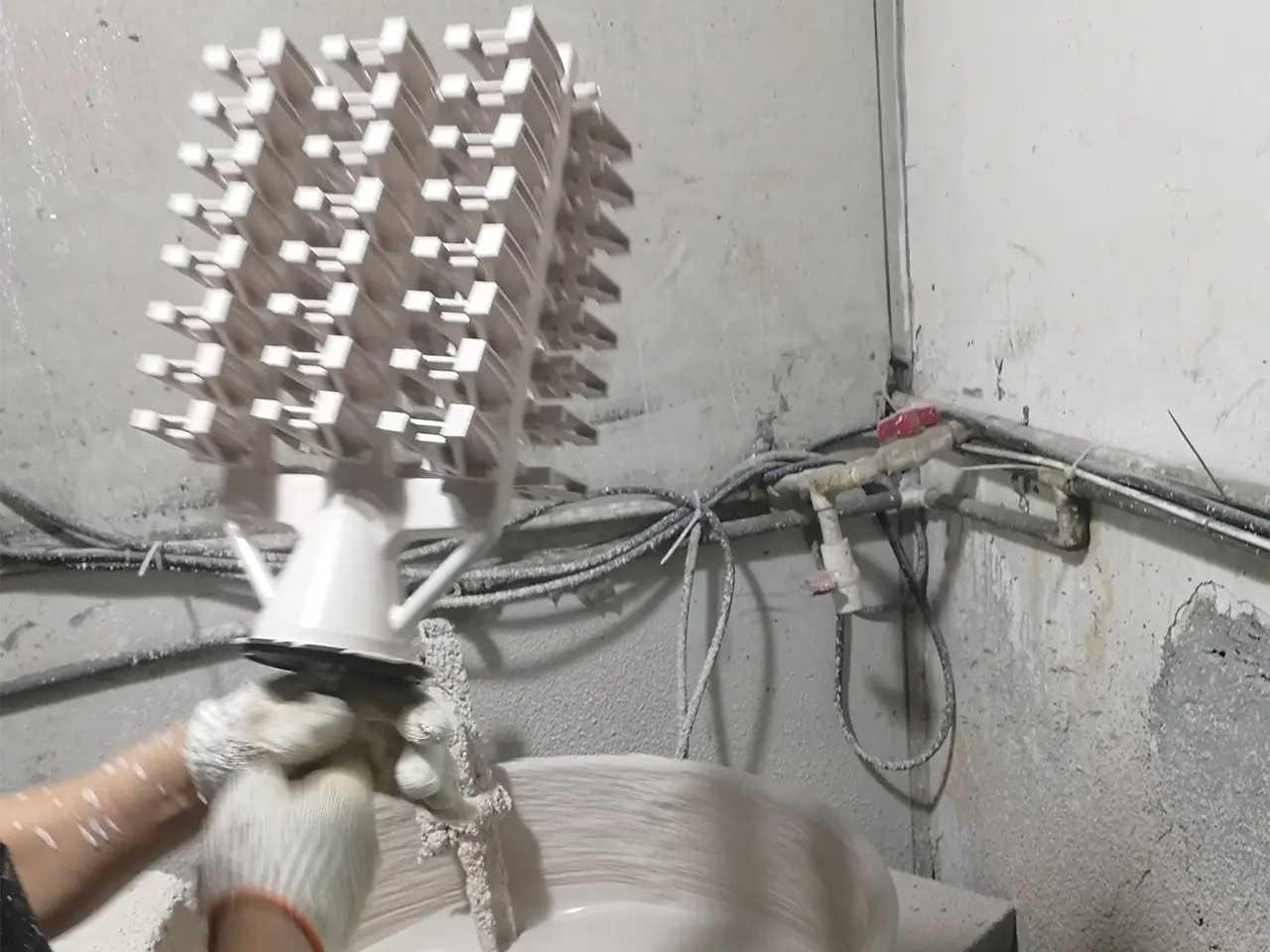
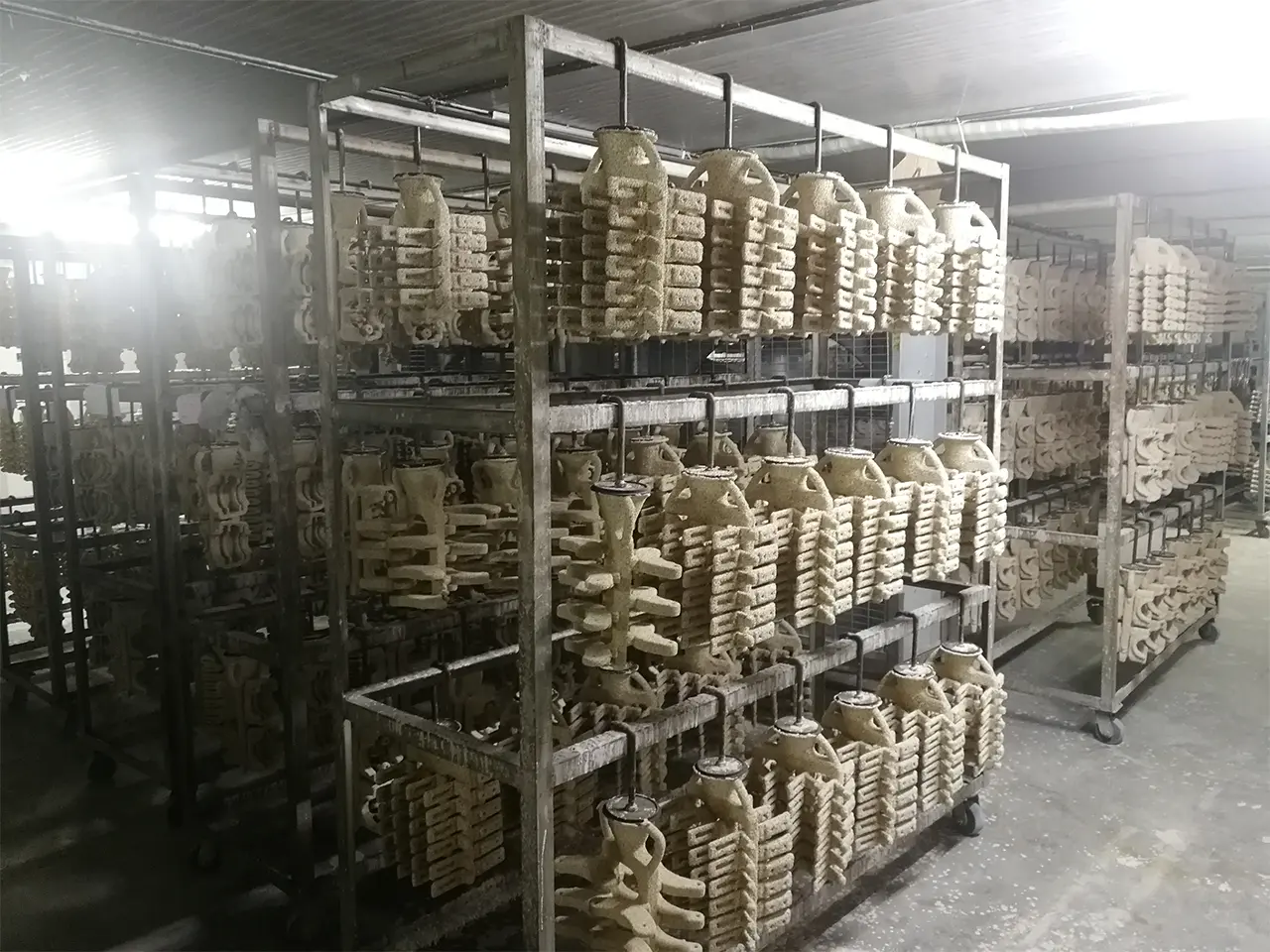
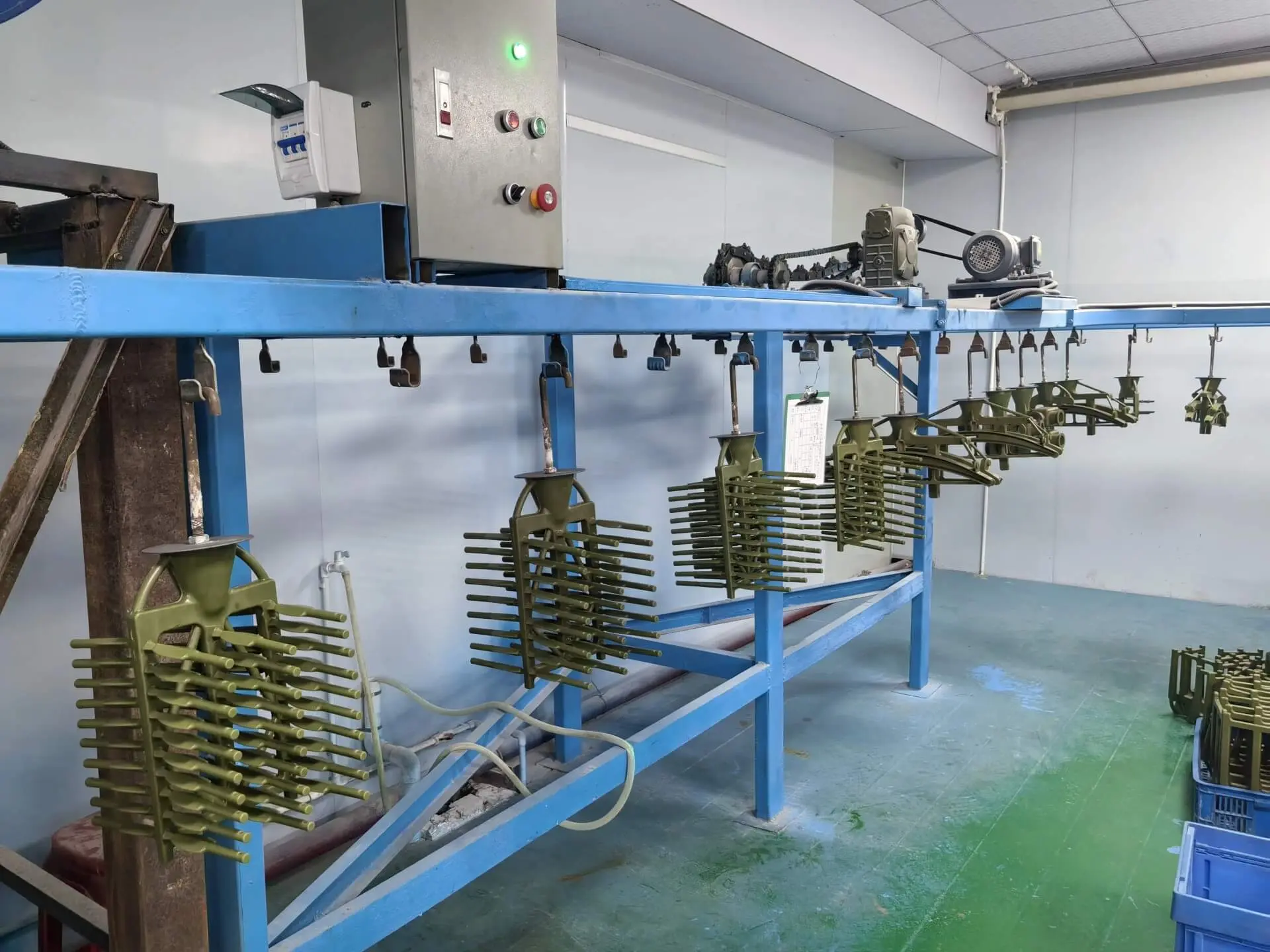
Quality is the baseline of manufacturing. We employ professional inspectors and use calibrated metrology instruments to verify every batch. We adhere to tight tolerances and strict quality standards to ensure consistency across production runs.
Our quality assurance program focuses on long-term consistency. By maintaining rigorous inspection standards, we have built stable relationships with global clients since 2014, continuously upgrading our team's skills and our facility's hardware.
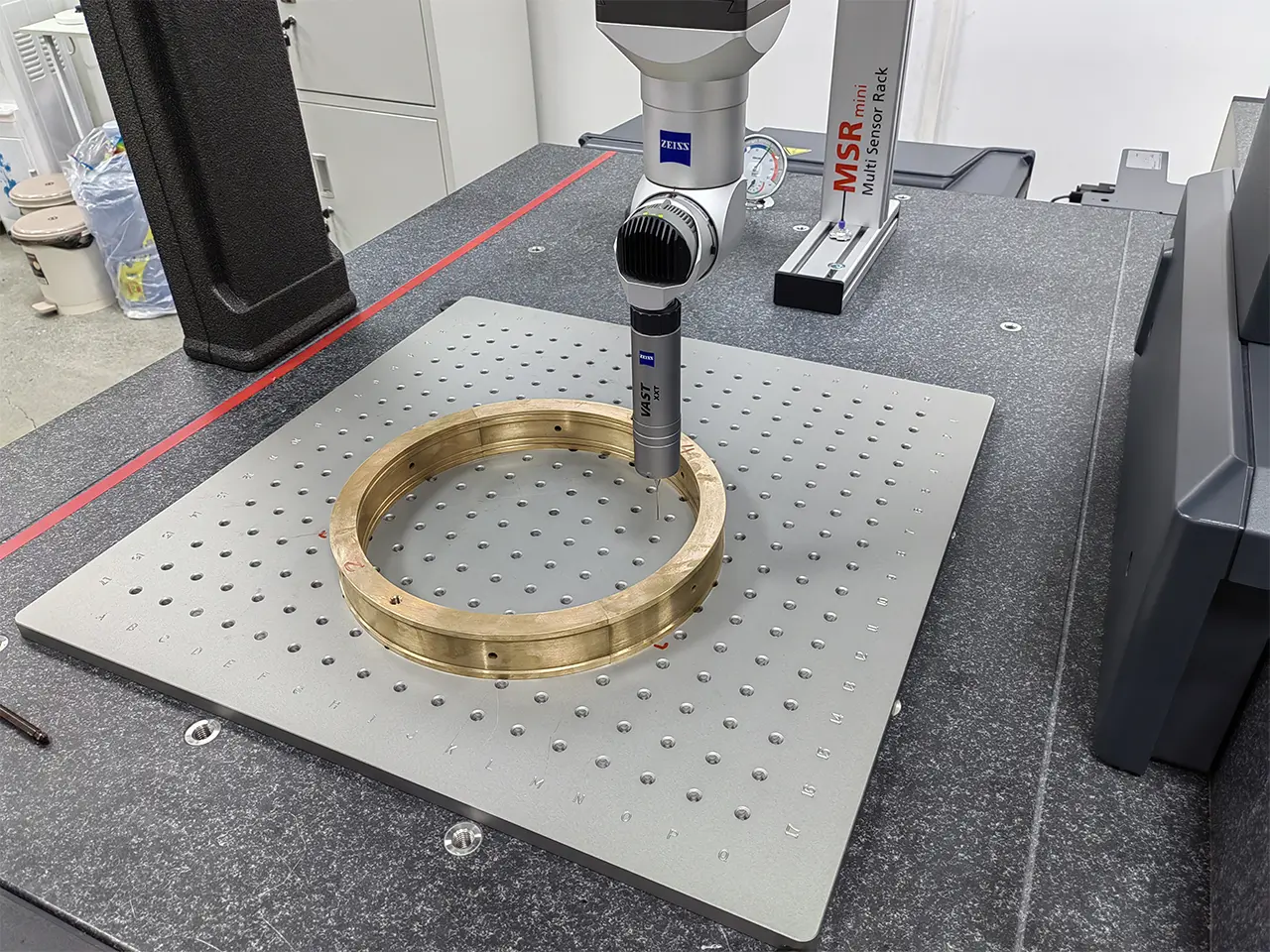
The manufacturing landscape continues to evolve with technological progress. To maintain competitiveness, modern machine shops are integrating new technologies into their production lines:
Real-time machine monitoring uses acoustic and vibration sensors to track cutter wear. This allows operators to change inserts before failure, preventing scrap and preserving clean finishes.
Combining additive manufacturing, precision casting, and multi-axis CNC finishing allows us to create components with complex internal cavities and highly accurate mating surfaces.
Energy-efficient coolant reclamation systems, waste-metal chip recycling, and optimized toolpaths reduce raw material waste and lower the environmental footprint of production.
Our CNC turning centers consistently achieve linear tolerances as tight as ±0.005 mm, depending on material properties and part geometry. For precision bores and bearing journals, we utilize specialized finishing setups to control circularity and concentricity within extremely narrow windows, ensuring accurate fit and performance.
We perform chemical composition verification on incoming raw materials and casting batches. We use optical emission spectrometers (OES) to check key alloying elements in titanium, stainless steel, and carbon steel. Mill test reports (MTR) and material certification sheets are available for every production run to ensure full traceability.
Handling both processes within a single facility streamlines production. We design castings with optimized machining allowances, reducing tool wear and chip volume during the turning phase. This integrated approach shortens lead times, minimizes transit damage between different facilities, and ensures clear accountability for final dimensions.
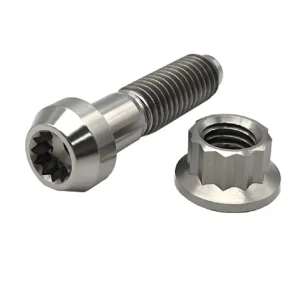
Titanium has low thermal conductivity and tends to gall under high cutting friction. We address this by using high-pressure, water-miscible coolants targeted directly at the cutting zone to carry away heat. We also select solid-carbide tools with specialized coatings (like AlTiN) and run at calculated feed rates and surface speeds to avoid work hardening.
Using optimized tool geometries and fine-feed finishing passes, we regularly achieve surface finishes as low as Ra 0.8 μm (32 micro-inches) on standard materials. For critical seal surfaces or bearing runs, we can secondary grind or burnish components to achieve Ra 0.4 μm (16 micro-inches) or better, depending on the material's hardness.
 SX Machining