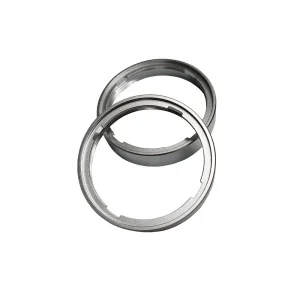
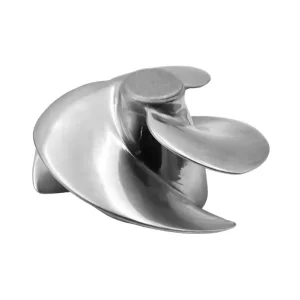
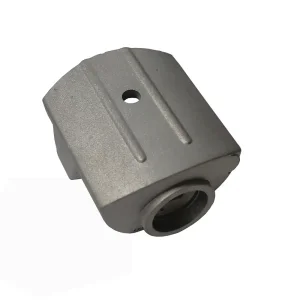
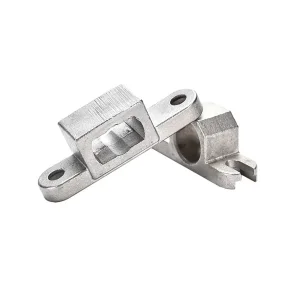
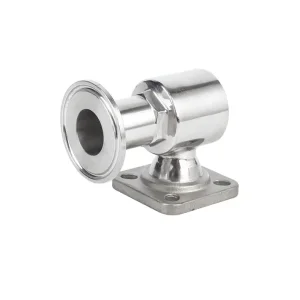
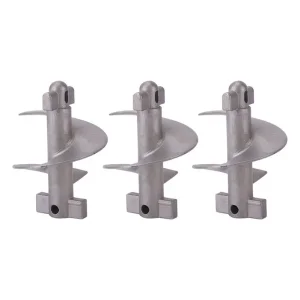
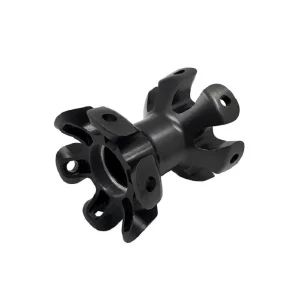
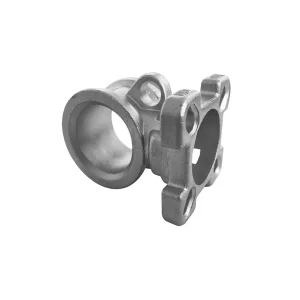
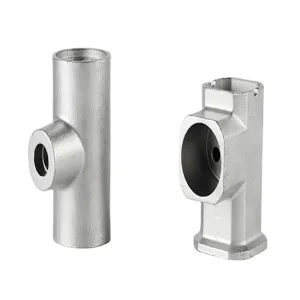
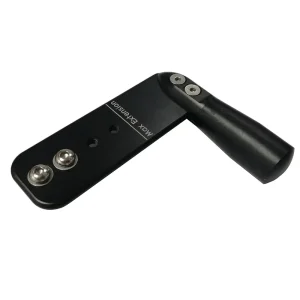
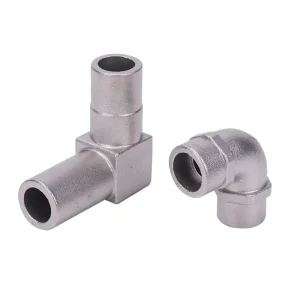
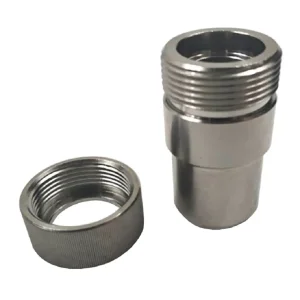
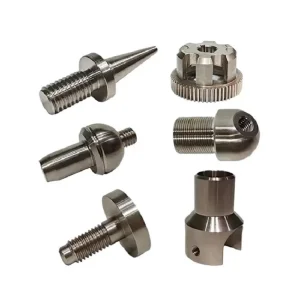
Explore our primary collection of high-specification OEM castings and precision-machined elements optimized for industrial longevity.
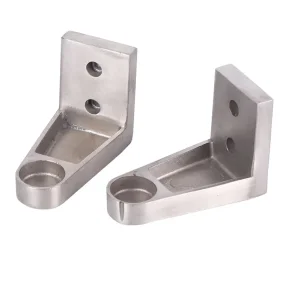
The global metal casting industry is undergoing a significant transformation. Driven by advancements in aerospace engineering, automotive electrification, and high-reliability marine systems, there is an unprecedented demand for high-integrity components that combine complex configurations with superior metallurgical characteristics. Traditional manufacturing methods often fall short when addressing intricate, multi-dimensional structures. This is where precision investment casting (lost wax process) and high-tolerance CNC machining step in as crucial technologies.
By shifting to advanced shape casting, OEMs can eliminate secondary welding and fabrication, which are typical fail-points under high-stress conditions. In the current global supply chain landscape, sourcing reliable, engineering-focused partners who understand both metallurgy and post-cast surface finishes is paramount to minimizing procurement risk and maintaining structural integrity.
About Us & Our In-House Capabilities
Dongguan SX Technology Co.,Ltd has very rich experience in precision casting, CNC machining and assembly. Our products are used in machinery, automobiles, marine, ships, equipment, valves and pumps, electronic appliances, packaging, watches, construction, chemical industry and other industries. The most commonly used materials for investment casting are stainless steel and carbon steel. And the most commonly used materials for CNC machining include titanium alloy, stainless steel, carbon steel, aluminum alloy, copper alloy, cemented carbide, etc.
We have advanced manufacturing equipment and technology and are able to respond quickly to your needs. Our integrated approach guarantees that you do not need to coordinate between multiple suppliers for casting and final high-precision milling, reducing administrative complexity and potential stack-up tolerance issues.
| Material Category | Common Grades Supplied | Key Performance Indicators | Target Localized Scenarios |
|---|---|---|---|
| Stainless Steel | SS304, SS316, 17-4 PH, Duplex 2205 | Exceptional pitting corrosion resistance, durability under thermal cycling. | Marine engineering, valves & pumps, chemical processing systems, smart home hardware. |
| Titanium Alloy | Ti-6Al-4V (Grade 5), Grade 2 | Unrivaled strength-to-weight ratio, biocompatibility, temperature threshold. | Medical implants, precision aerospace linkages, high-end consumer electronics. |
| Carbon Steel | WCB, LCB, A105, 1045 | High yield strength, excellent wear resistance, cost-efficient scaling. | Heavy industrial machinery, structural building elements, automotive chassis components. |
| Aluminum & Copper Alloys | AL6061-T6, AL7075, Brass, Bronze | High thermal/electrical conductivity, ease of machining, anti-spark properties. | Heat sinks, electronic device housings, marine bushings, architectural fittings. |
How our Dongguan facility delivers structural, cost, and time efficiency advantages.
Utilizing high-speed SLA 3D printed patterns for lost wax casting allows us to execute physical validation runs within days, bypassing high upfront mold-making costs for initial verification phases.
Eliminate geometric error stack-up. Our casting components are transferred directly to our in-house Multi-Axis CNC milling and turning centers to hold critical tolerances down to ±0.005mm.
Situated in Dongguan, the global core of precision engineering, we enjoy immediate access to premium alloying materials, advanced thermal heat treatments, and specialized anodizers.
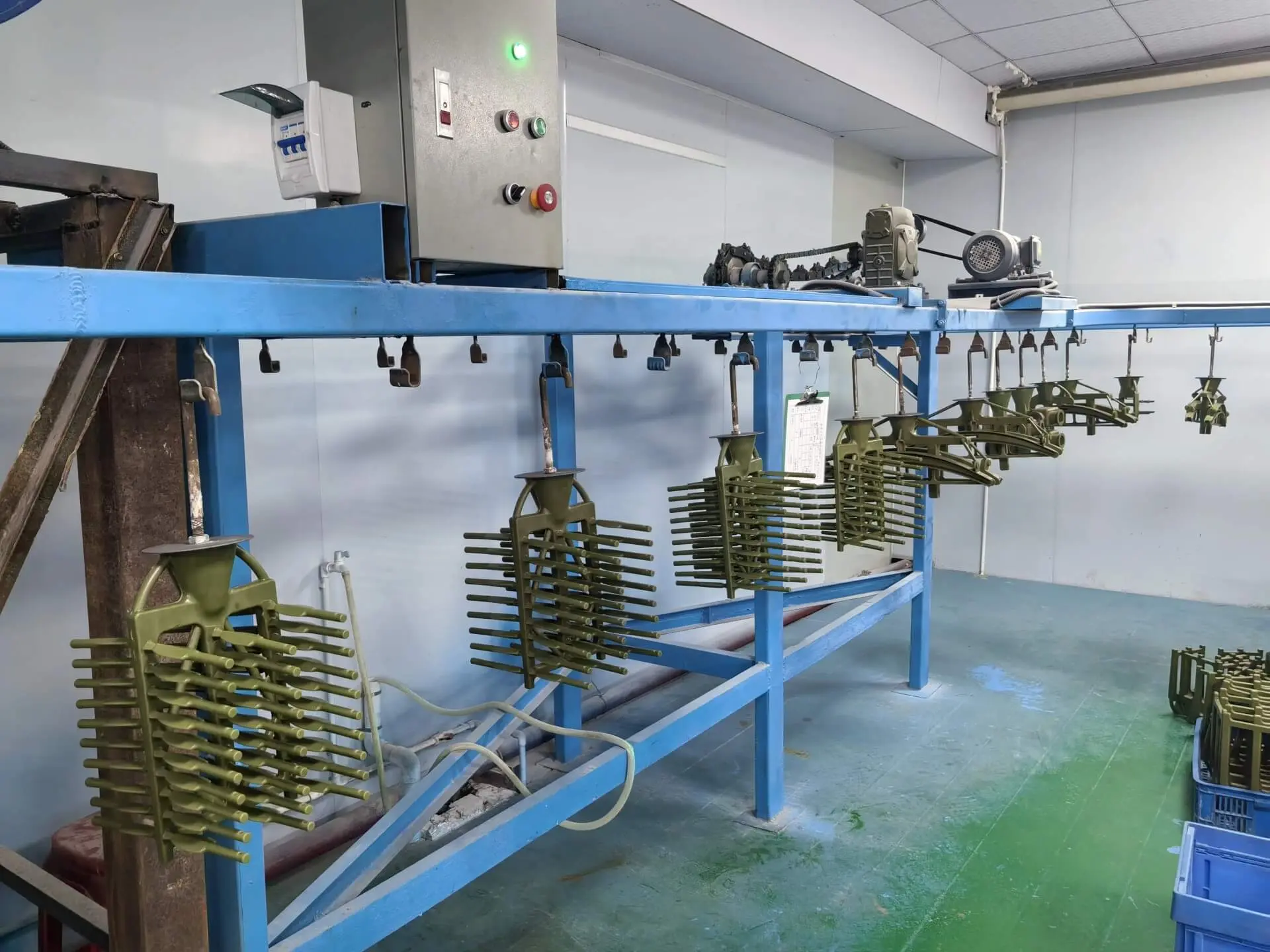
Witness our clean-room molding facilities, high-performance CNC milling cells, and secondary surface finishing departments.
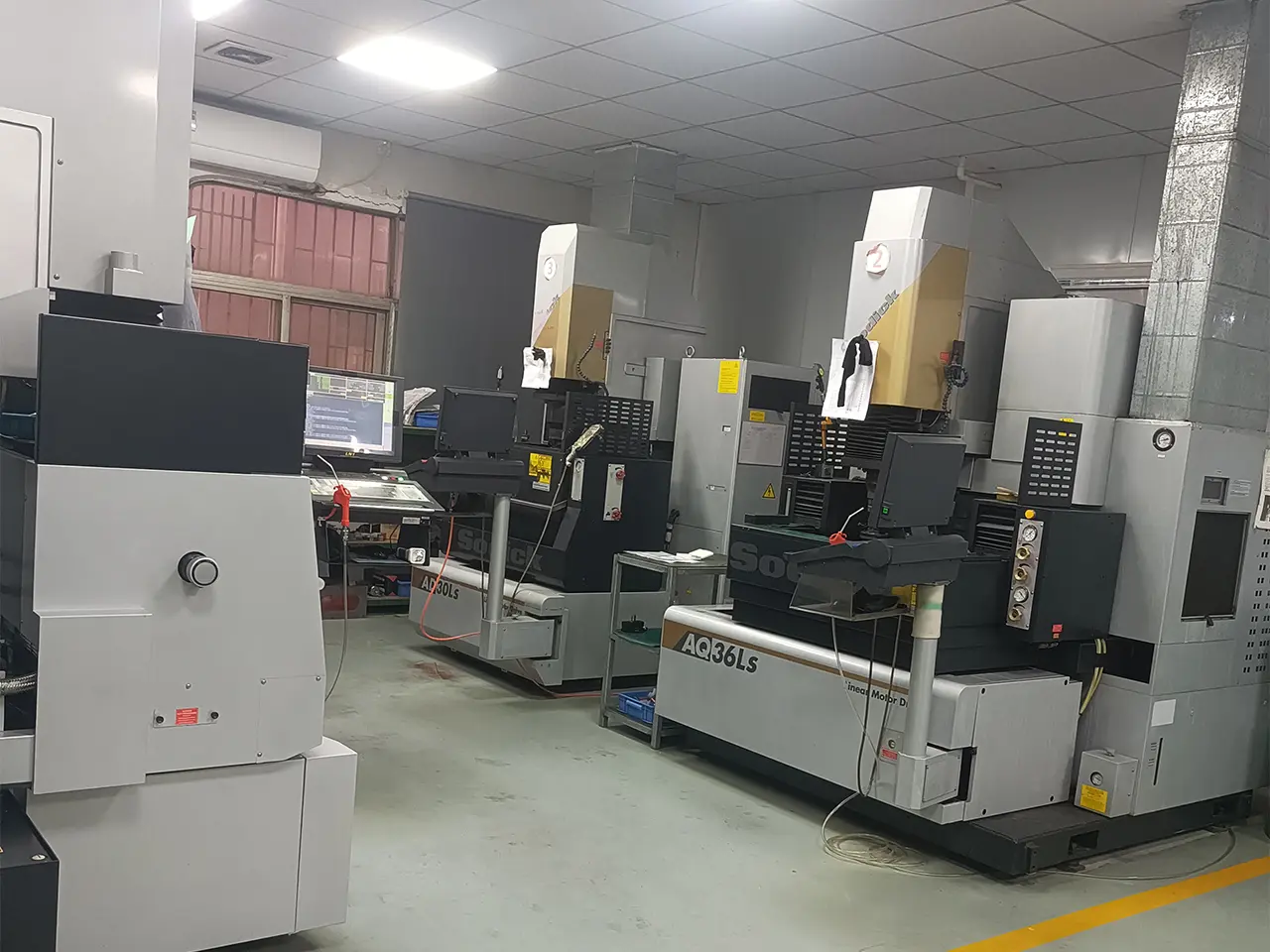
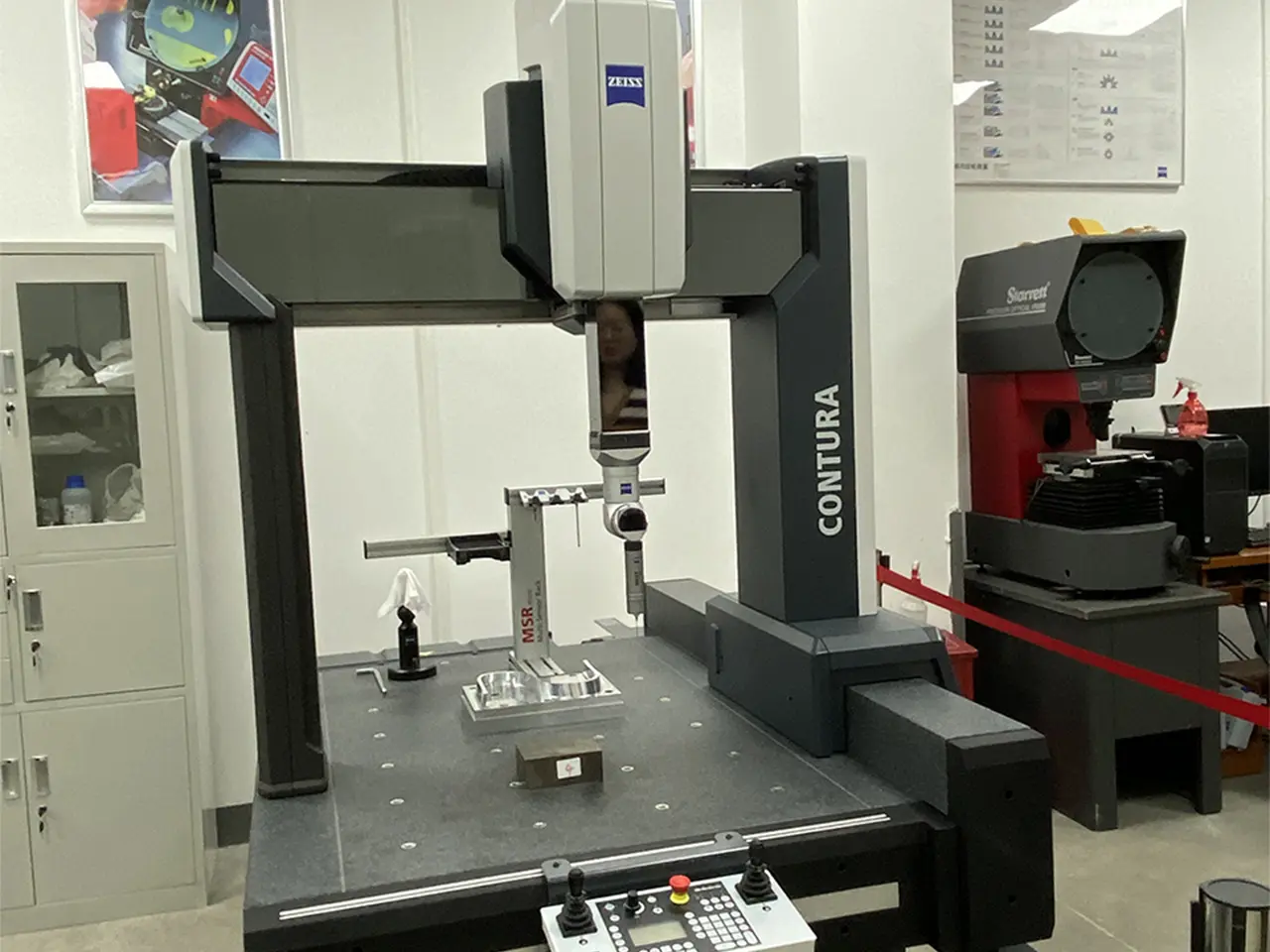
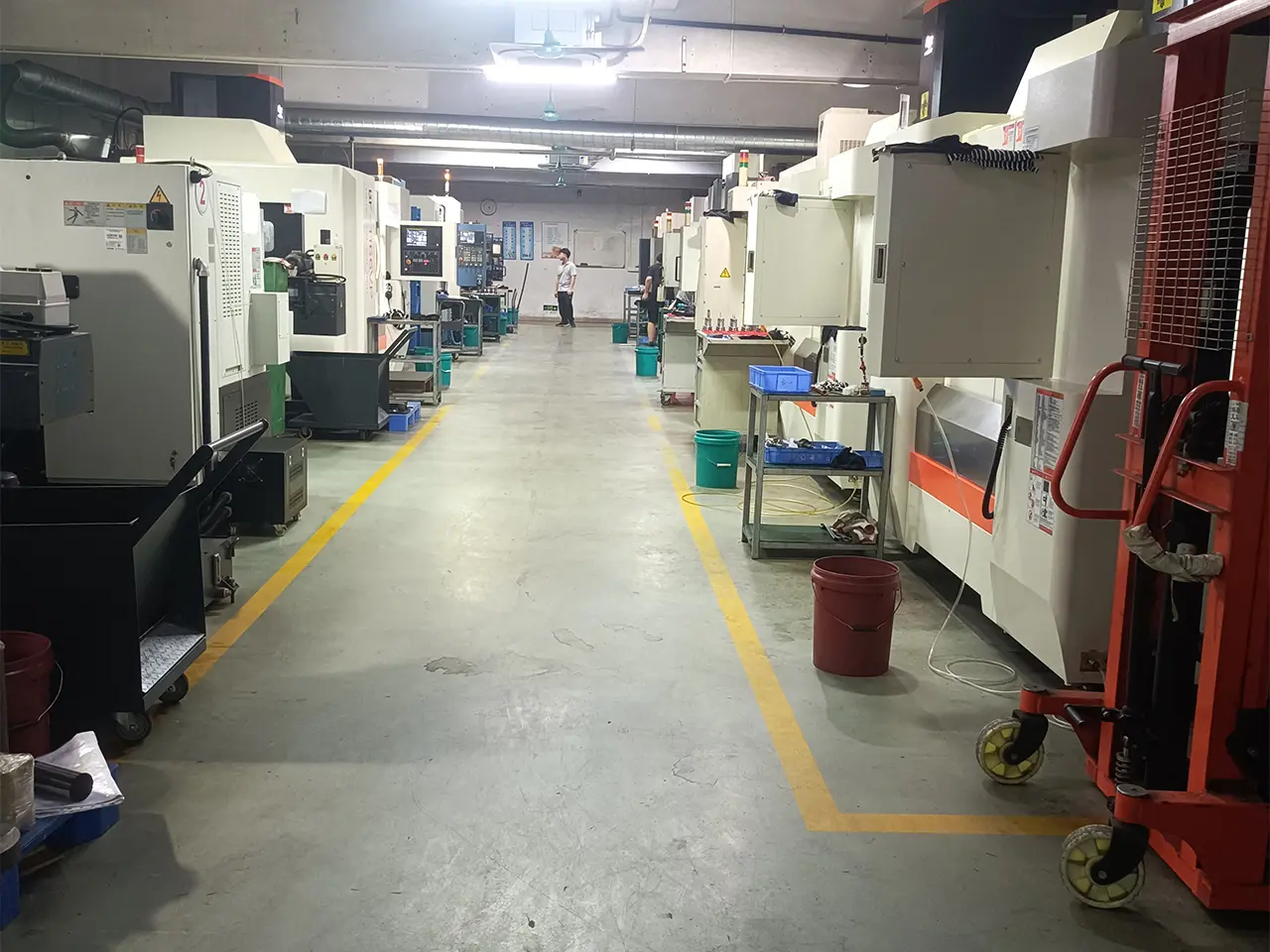
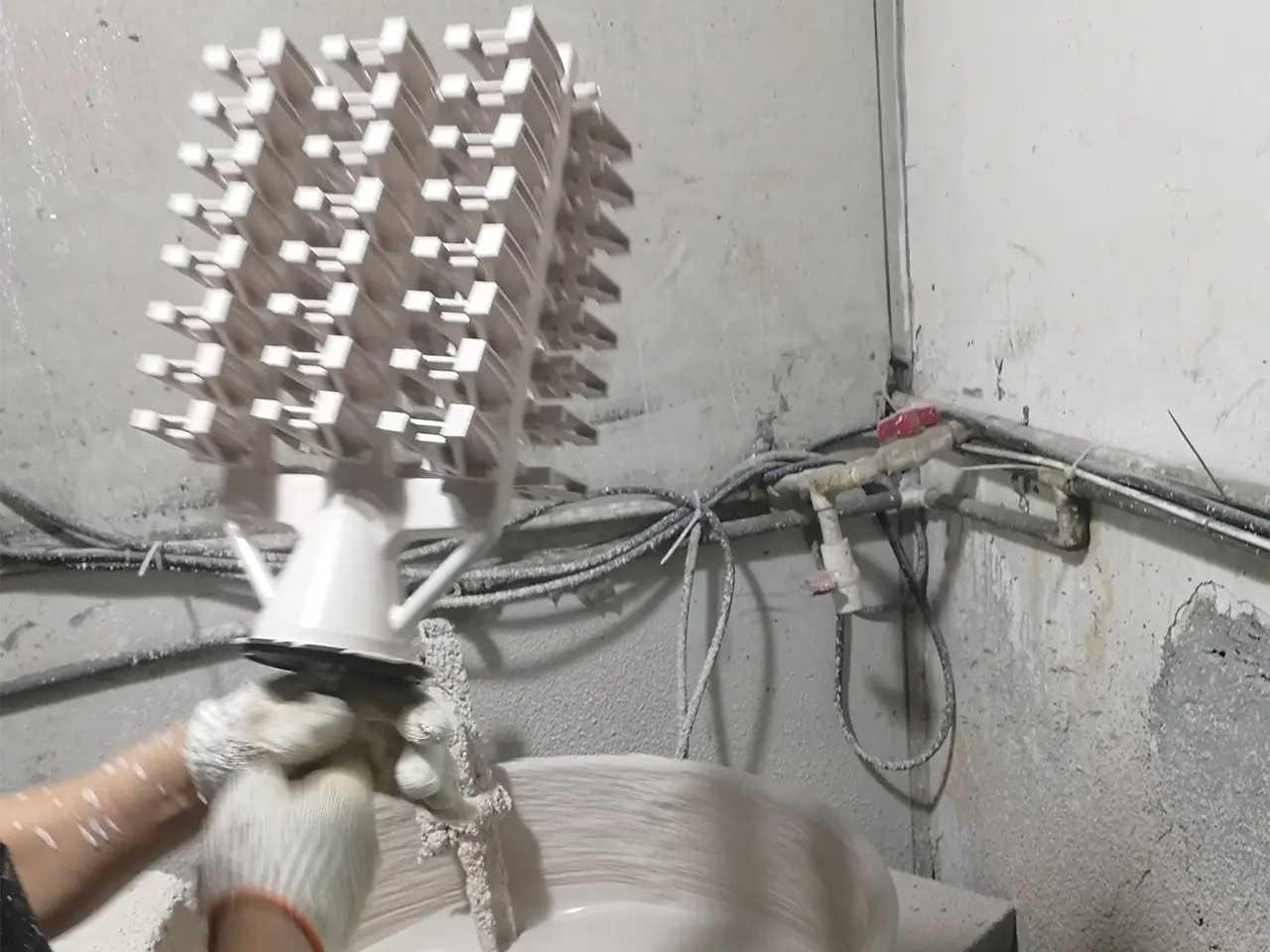
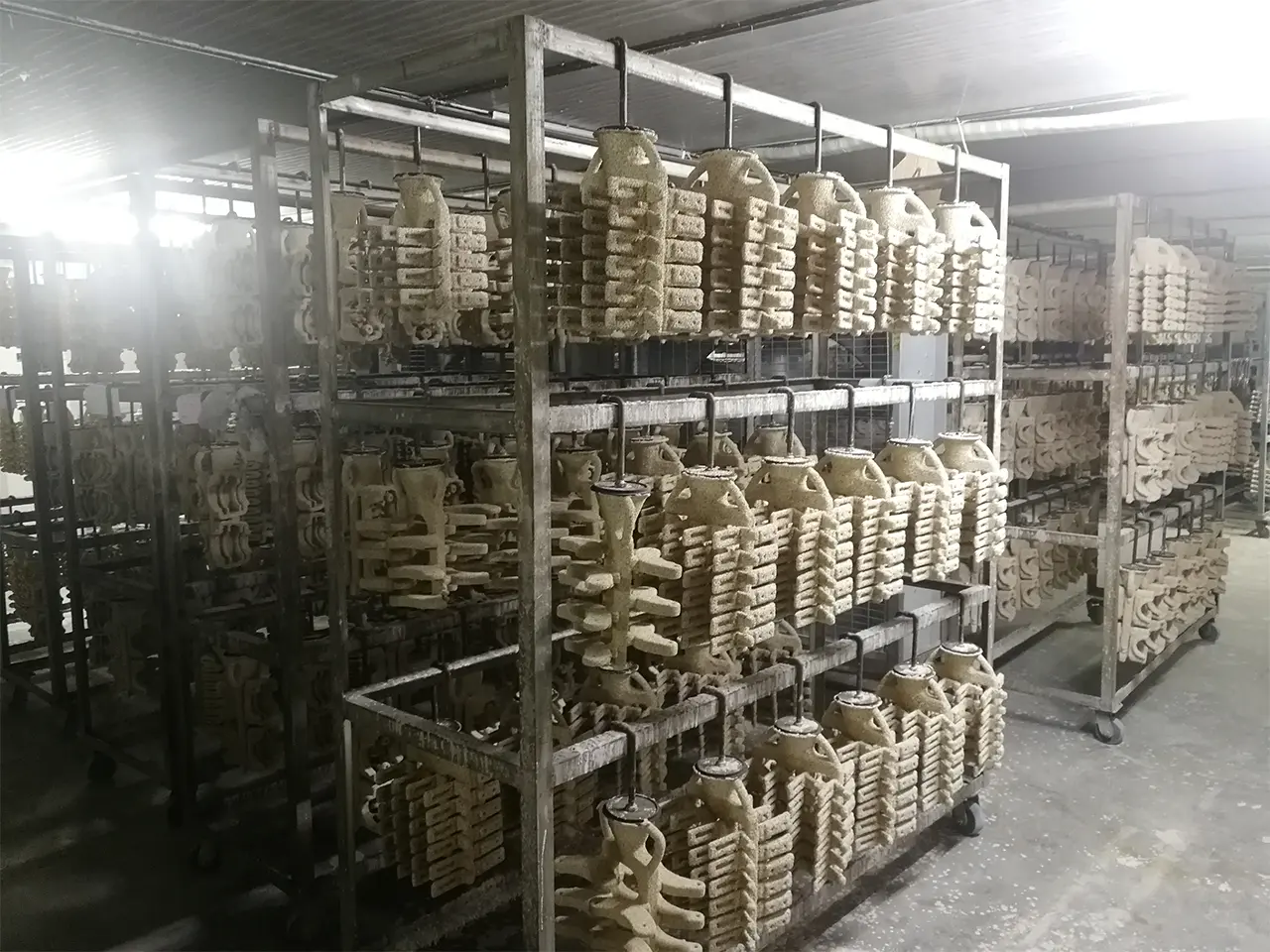
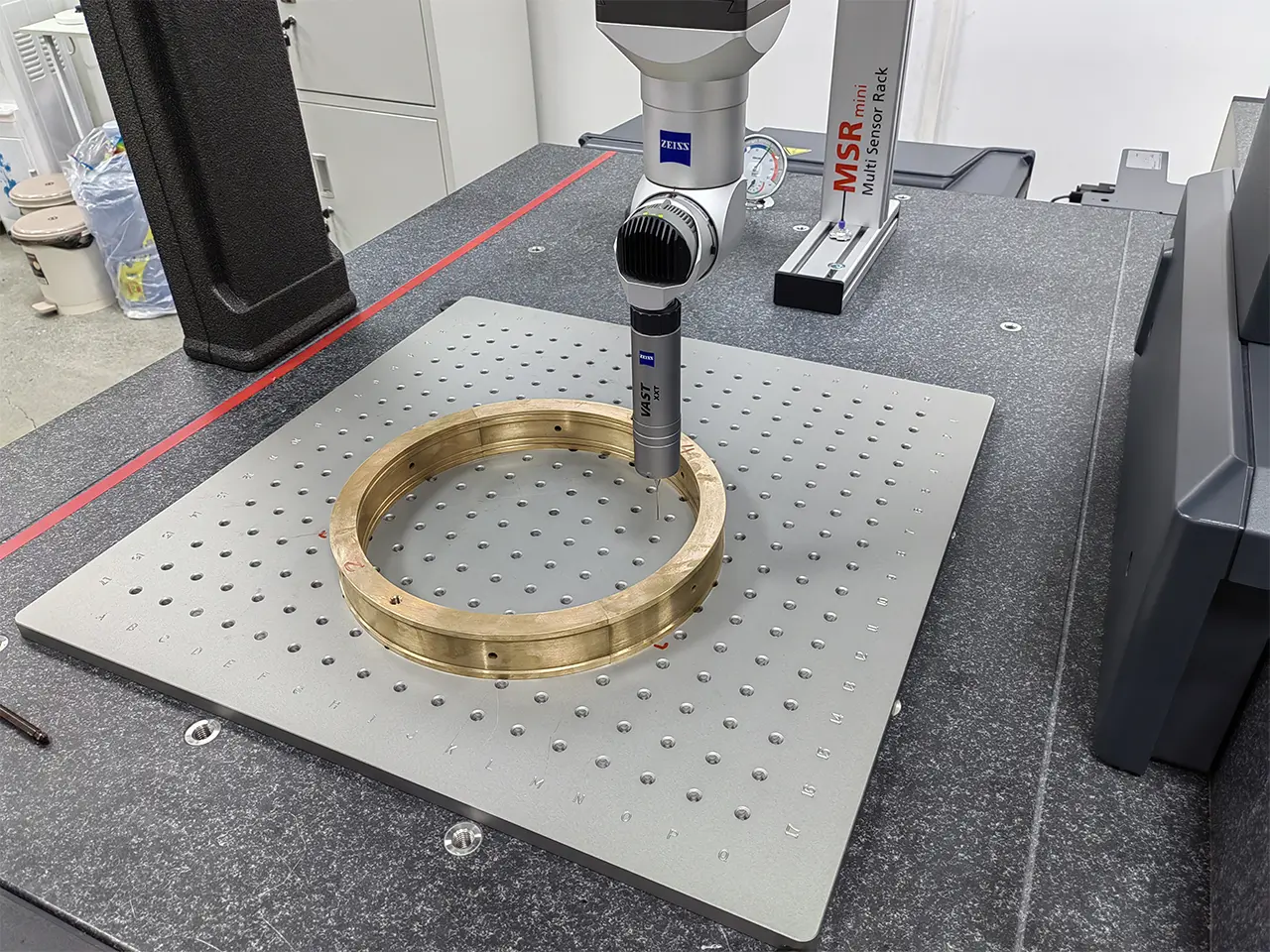
We have professional testing equipment and professional QC personnel, and we adhere to strict tolerances and quality standards for the products we produce. Due to our insistence on strict quality requirements, we have been praised by many customers.
Quality is the cornerstone of the manufacturing industry. We firmly believe that only by controlling quality well can we survive, develop, and get better and better. Therefore, we have been working in this industry unremittingly since 2014 and continue to improve the company's team and improve the company's production capacity.
To verify the mechanical integrity of our cast structural shapes, we utilize Coordinate Measuring Machines (CMM), optical spectrum analyzers for real-time melt chemistry checking, non-destructive dye-penetrant inspections, and high-capacity tensile tests. Our testing regimen ensures that zero-defect structural casting shapes are shipped out for marine, aerospace, and medical applications.
Sourcing agents, engineers, and product developers face evolving design criteria that mandate smart casting suppliers.
OEM designers now utilize generative design software to create lightweight structures that are impossible to machine directly. By combining investment casting with rapid 3D printing of wax models, we cast highly complex organic geometries, delivering component weight reductions up to 40% without compromising physical stress parameters.
Global procurement teams now require suppliers to account for carbon footprint metrics. Modern casting processes utilize clean electric induction furnaces and implement slag recycling protocols to improve metal yield efficiency, thereby helping multinational OEMs achieve their Scope 3 sustainability objectives.
Relying on separate foundries and machining facilities is a common source of dimensional deviations and logistics delays. A single integrated manufacturer like Dongguan SX Technology manages the complete process, ensuring that the casting design accounts for optimal machining clamping interfaces and precise datum layouts.
For applications such as pressure vessels, medical equipment, and marine thrusters, internal porosity can be catastrophic. The demand for NDT inspection, including X-ray scanning, ultrasonic testing, and spectroscopic alloy verification, has become a standard requirement for custom cast parts.
Expert technical answers to common engineering and procurement queries regarding custom casting processes.
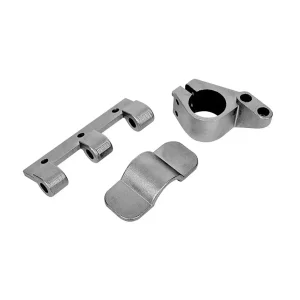
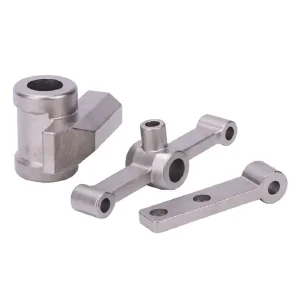
Browse our selection of customized industrial casting fittings, high-precision valves, and aerospace-grade titanium assemblies.
 SX Machining