Engineered components designed for harsh offshore dynamics, sanitary chemical processes, and high-performance structural systems.
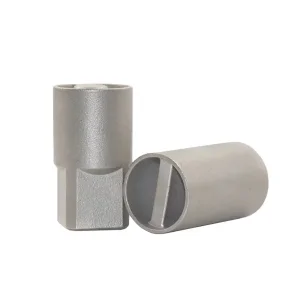
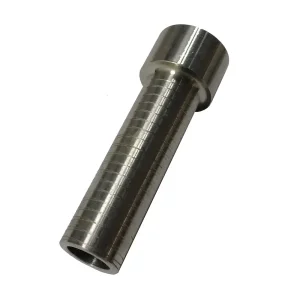
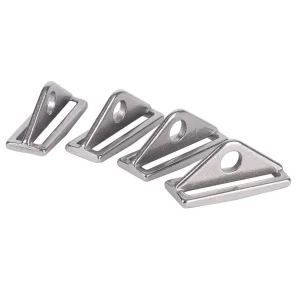
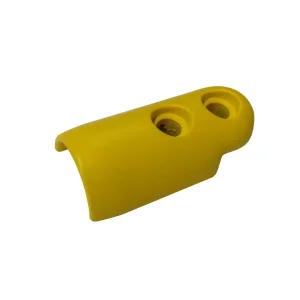
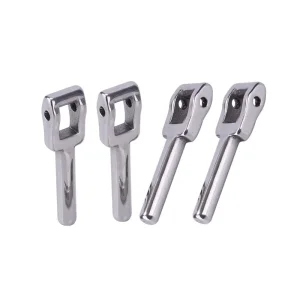
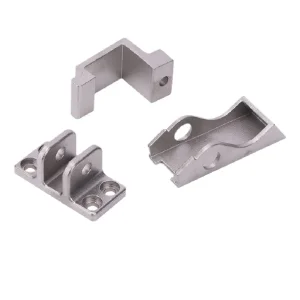
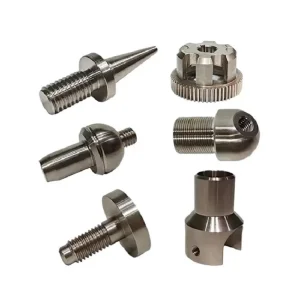
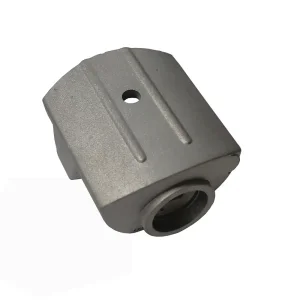
Modern industrial operations require high mechanical integrity. In harsh environments like offshore offshore facilities, chemical process plants, and high-load transport systems, standard components fail due to fatigue, pitting corrosion, and mechanical stress. The solution lies in customized metallurgy and manufacturing processes, specifically Silica Sol investment casting and ultra-high precision 5-axis CNC machining.
By using premium alloys—such as Duplex Stainless Steel (UNS S31803), Titanium Grade 5 (Ti-6Al-4V), and corrosion-resistant austenitic steels (ASTM A351 CF8M)—we bridge the gap between design complexity and real-world durability. China's casting ecosystem offers distinct advantages by combining advanced robotics, material supply chains, and strict adherence to international standards (including ASTM, EN, JIS, and ISO).
Our solutions provide engineers with parts optimized to prevent structural failure, reduce operational downtime, and ensure compliance in highly regulated markets.
We ensure zero internal porosity and precise grain structure alignment through computerized mold filling and thermal simulation models before pouring metal.
Our hybrid processes combine Silica Sol casting with secondary CNC finishing, holding tolerances as tight as ±0.005mm for critical sealing surfaces.
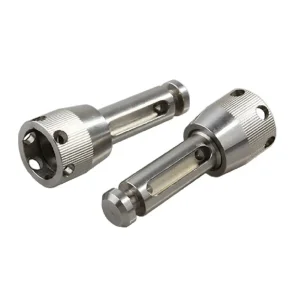
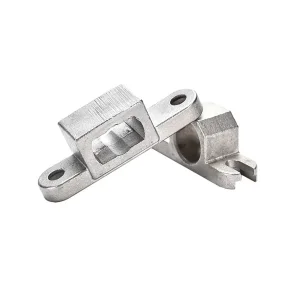
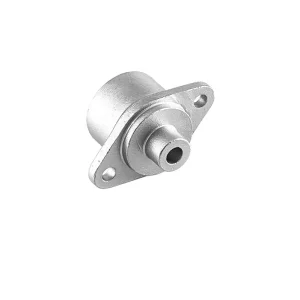
Dongguan SX Technology Co.,Ltd has very rich experience in precision casting, CNC machining and assembly. Our products are used in machinery, automobiles, marine, ships, equipment, valves and pumps, electronic appliances, packaging, watches, construction, chemical industry and other industries. The most commonly used materials for investment casting are stainless steel and carbon steel. And the most commonly used materials for CNC machining include titanium alloy, stainless steel, carbon steel, aluminum alloy, copper alloy, cemented carbide, etc.
We have advanced manufacturing equipment and technology and are able to respond quickly to your needs. By combining automated wax patterns with high-precision post-processing, we handle high-mix, low-volume orders alongside mass production runs, ensuring fast delivery without compromising metallurgical quality.
A look inside our manufacturing processes, including wax injection, slurry coating, dewaxing furnaces, melting systems, and multi-axis CNC mills.
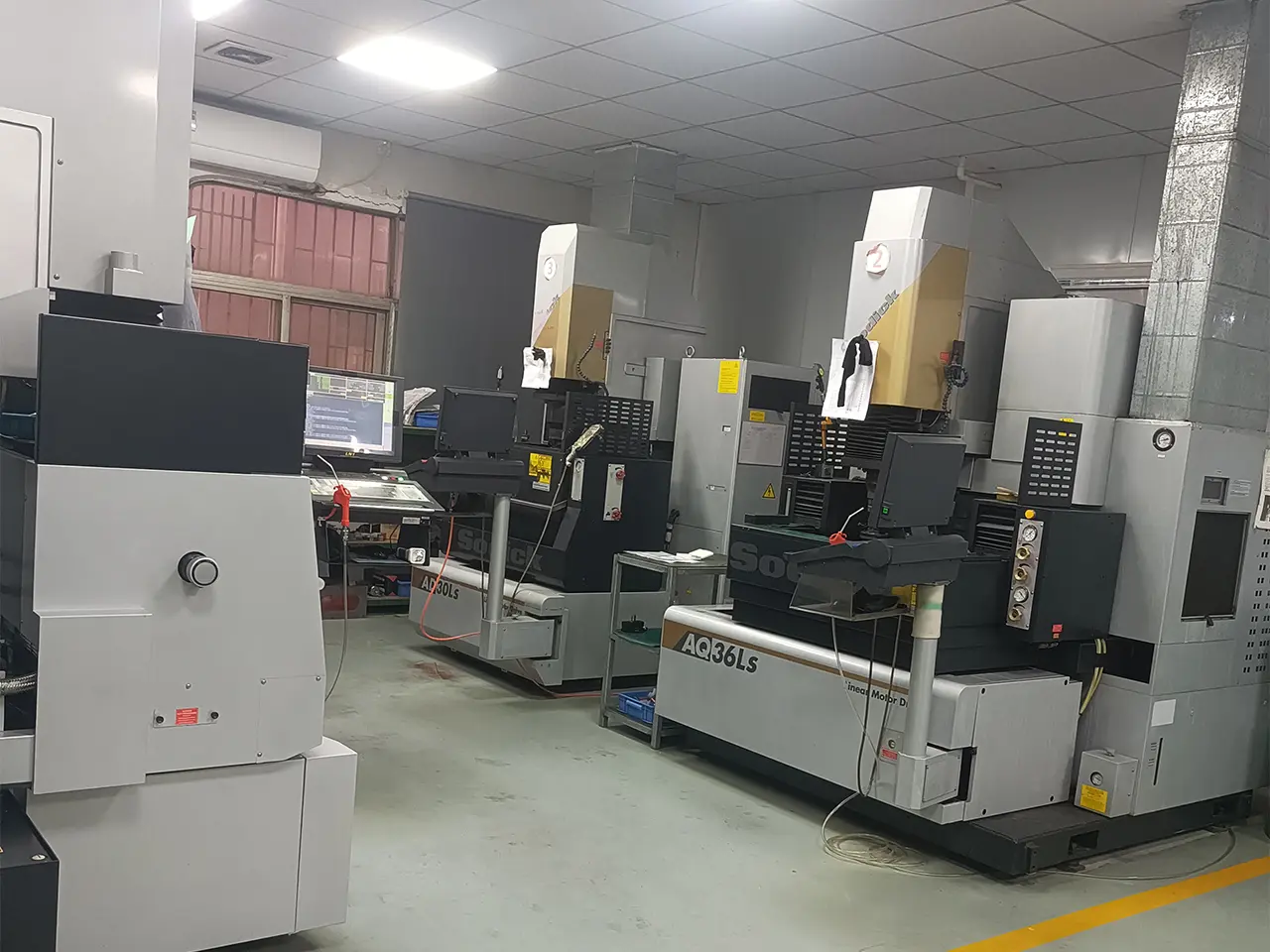
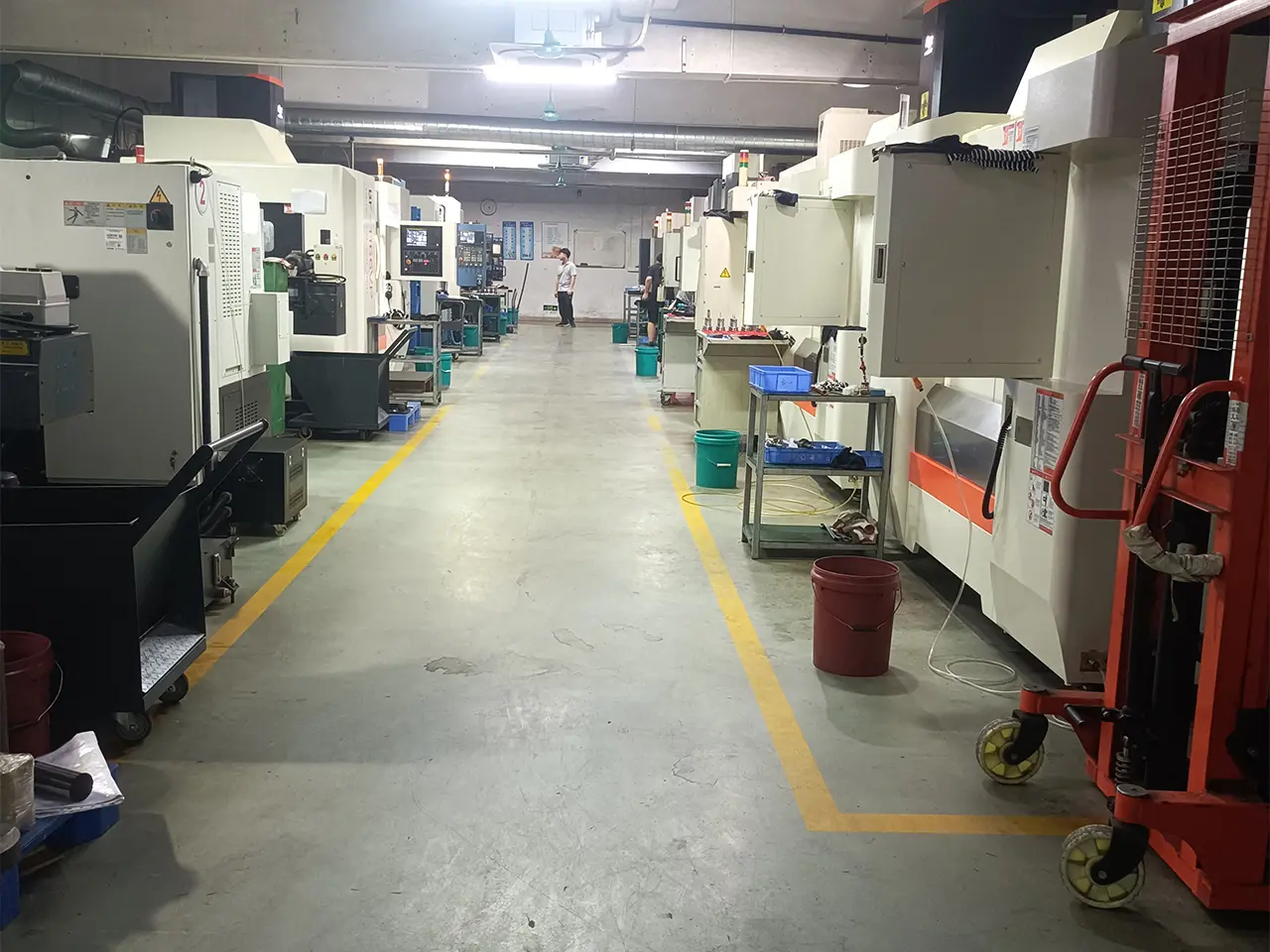
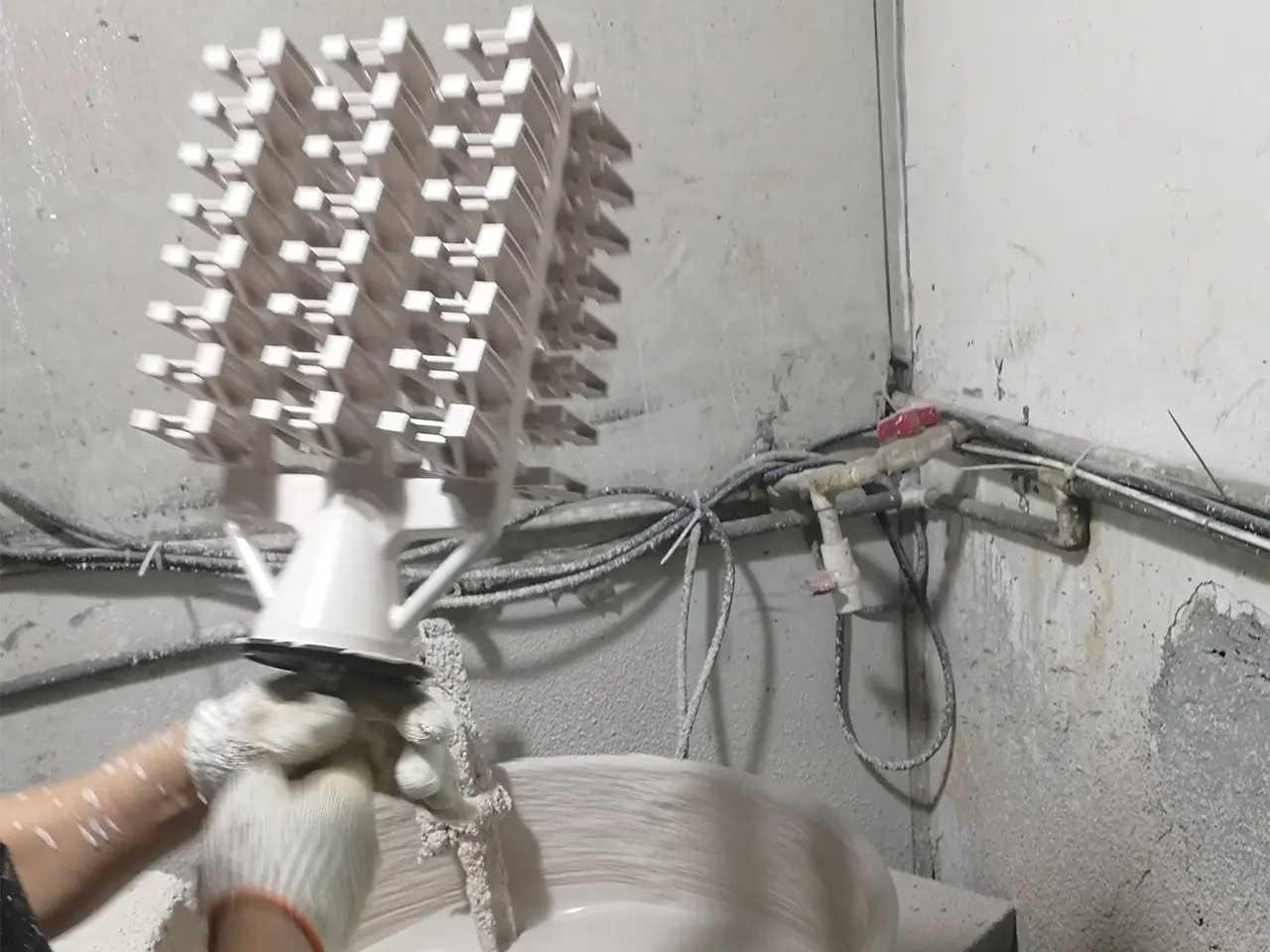
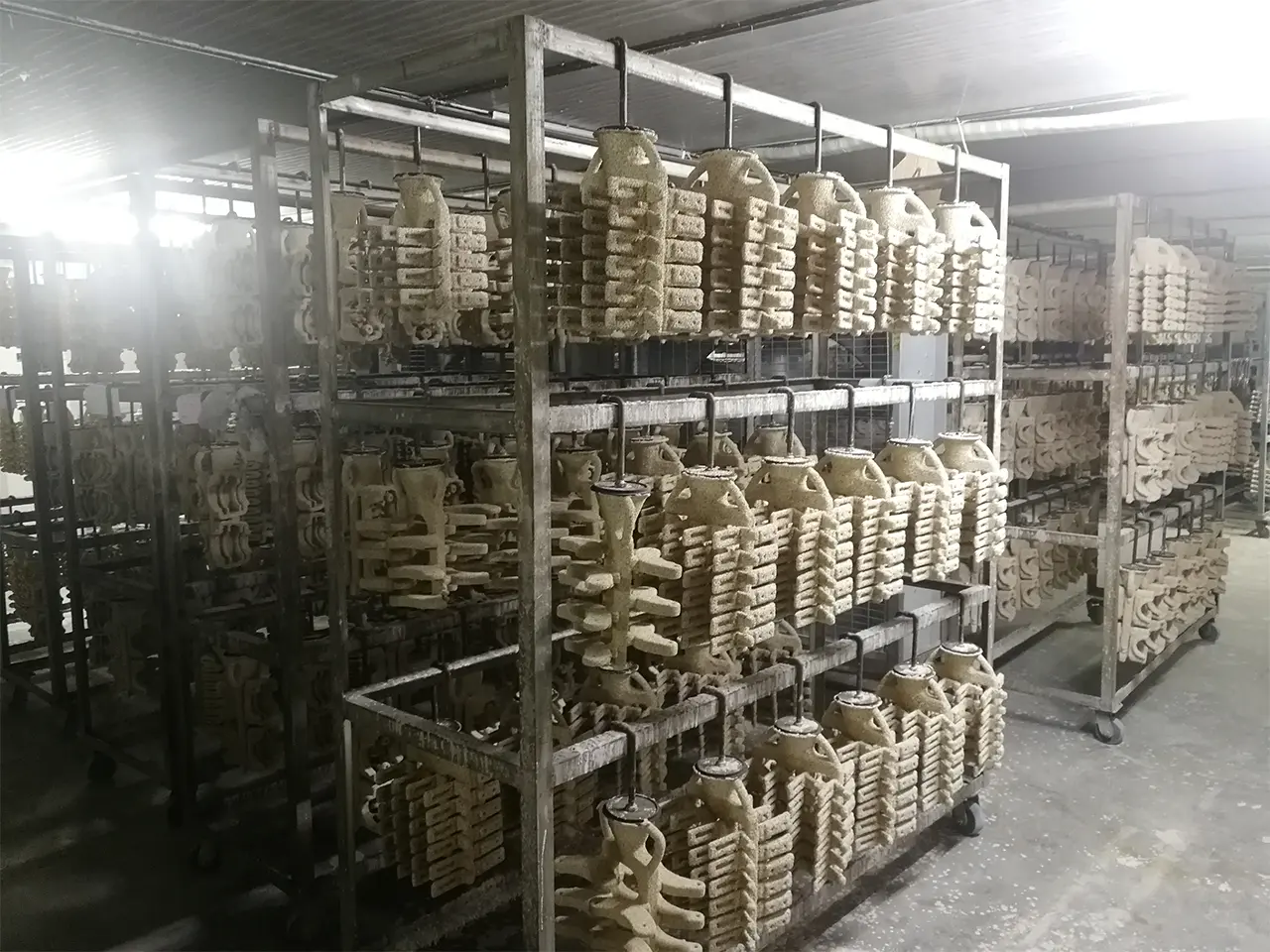
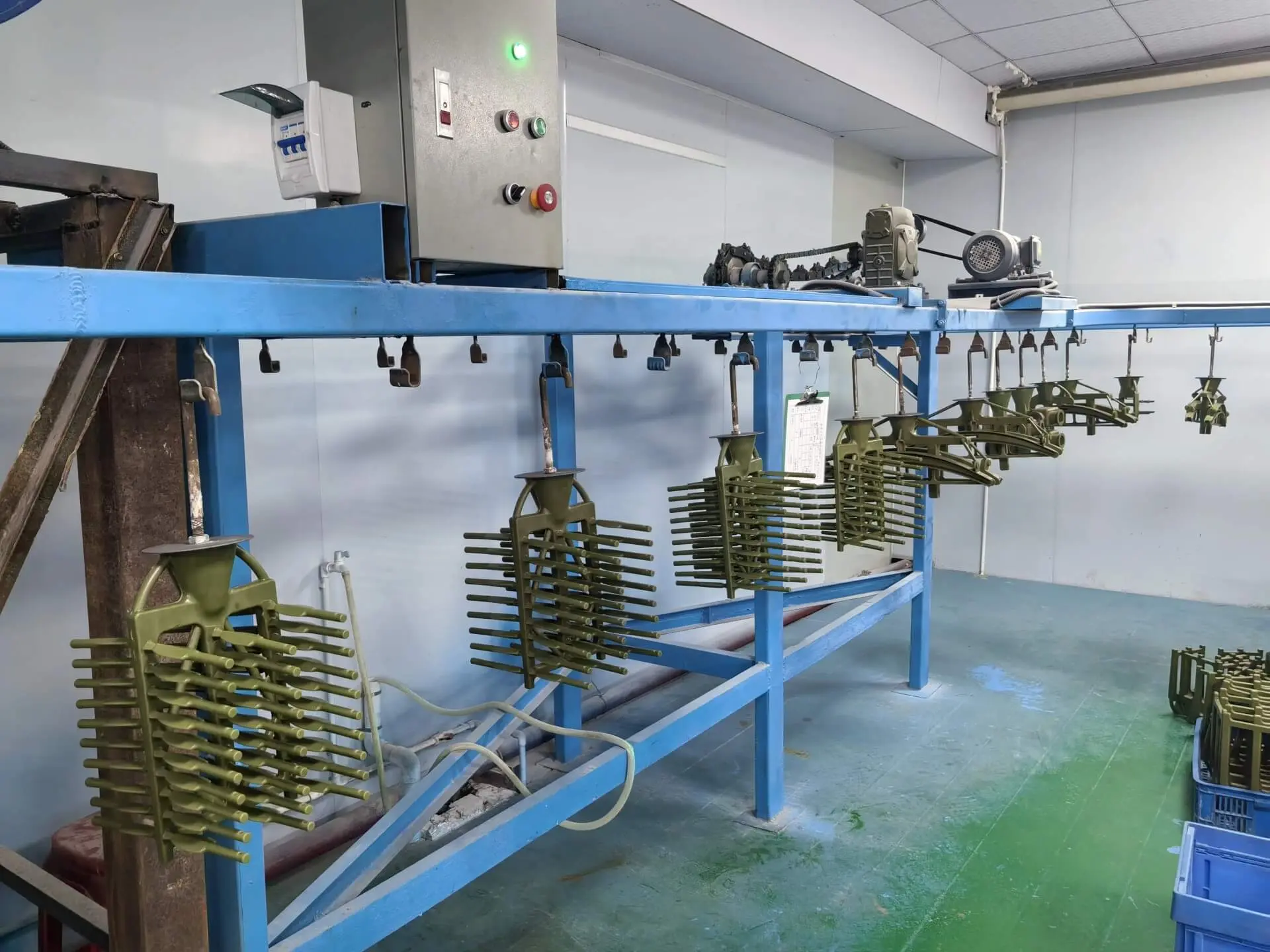
How we integrate new tech to transition from traditional casting to digital foundry manufacturing.
Integrating SLA/DLP 3D printers to produce tool-less wax patterns. This reduces prototyping time from weeks to days for custom pump impellers and structural marine brackets.
Using finite element analysis (FEA) software to predict thermal shrinkage and metal flow behavior. This prevents gas entrapment and shrinkage cavities in complex, thin-walled cast parts.
Implementing closed-loop feedback systems in CNC machining. Automated probes measure parts in real-time, adjusting offsets dynamically to compensate for tool wear.
Adopting closed-loop wax recovery and zero-emission electric induction melting systems. This reduces our carbon footprint while optimizing energy use during melting.
Why manufacturing in Dongguan offers logistical and material advantages for modern global projects.
Dongguan is a major global manufacturing hub. This location provides us with access to raw materials, rapid tooling shops, surface treatment facilities, and major container ports in Shenzhen and Guangzhou. By housing engineering, mold design, casting, machining, heat treatment, and surface finishing within a 30km radius, we avoid typical supply chain delays.
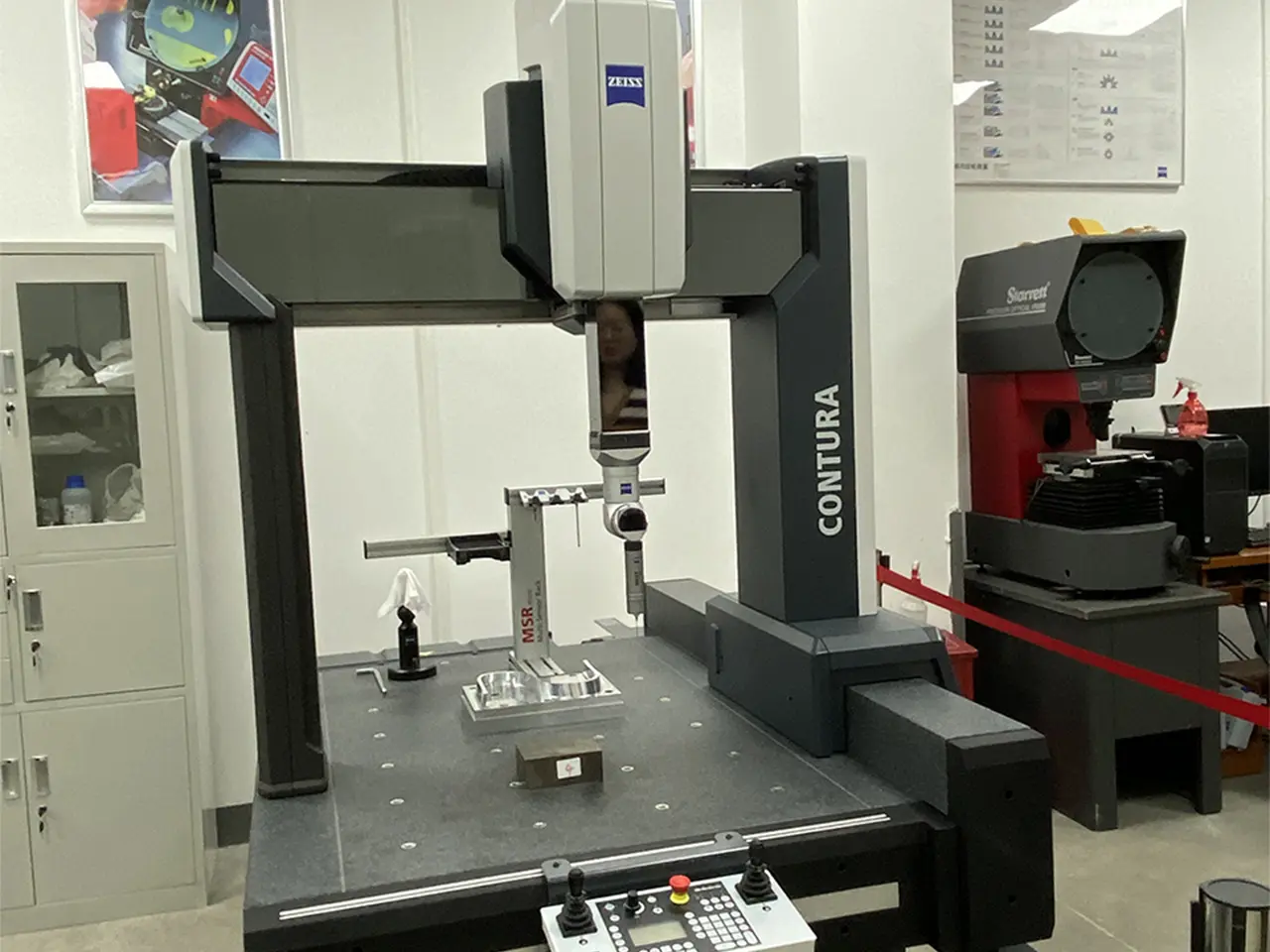
We have professional testing equipment and professional QC personnel, and we adhere to strict tolerances and quality standards for the products we produce. Due to our insistence on strict quality requirements, we have been praised by many customers.
Quality is the cornerstone of the manufacturing industry. We firmly believe that only by controlling quality well can we survive, develop, and get better and better. Therefore, we have been working in this industry unremittingly since 2014 and continue to improve the company's team and improve the company's production capacity.
Our quality verification processes include: Spectrographic Chemical Analysis for composition verification, CMM Dimensional Auditing, X-Ray and Ultrasonic Non-Destructive Testing (NDT) for subsurface integrity, and Salt Spray Testing to verify marine-grade corrosion resistance.
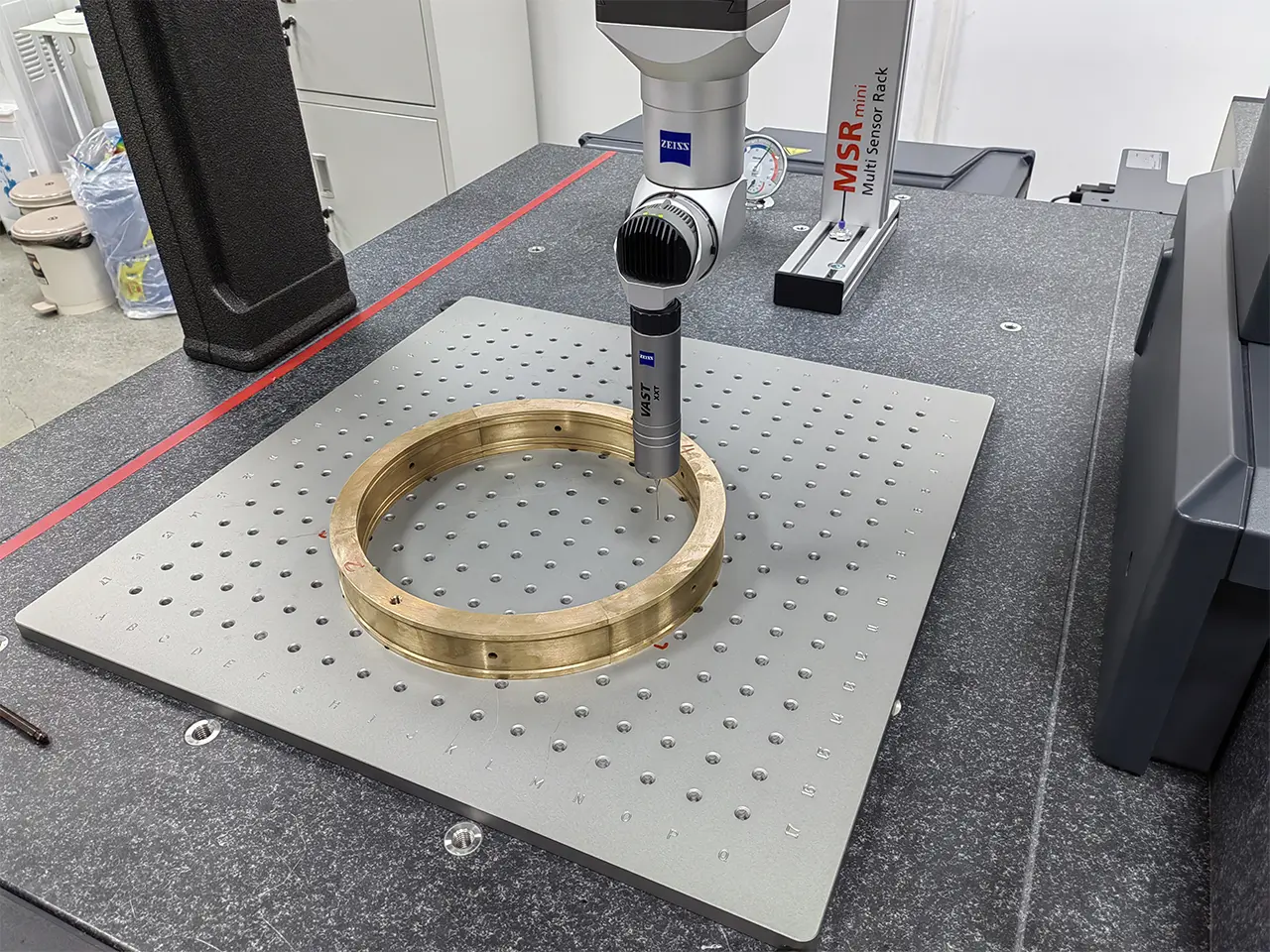
How our components perform in demanding real-world industrial environments.
Offshore environments expose metals to high chloride levels. We cast our marine hardware using molybdenum-stabilized 316L and Duplex stainless steel. This prevents crevice corrosion and pitting on deck cleats, armrest brackets, anchor rollers, and valve components.
High temperatures and acidic media can degrade lower-grade castings. Our pump housings and impellers are vacuum-cast to ensure zero internal voids. This maintains smooth flow paths and structural integrity under high pressure and abrasive slurries.
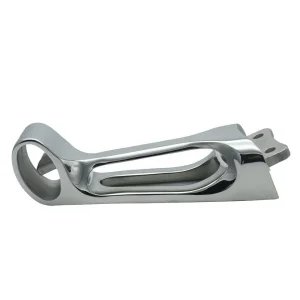
Public transit and heavy transport components must withstand continuous cyclic loading. Our structural casting brackets, such as coach armrest supports and steering mounts, undergo heat treatment to optimize tensile and yield strength, ensuring safety over millions of cycles.
Managing international trade regulations, customs, and material traceability for global logistics.
Exporting custom castings requires complete documentation. We provide Mill Test Reports (MTRs) conforming to EN 10204 3.1, showing chemical analysis and mechanical testing results. Our parts also comply with RoHS, REACH, and Dodd-Frank conflict mineral rules, making integration into US and European supply chains straightforward.
Our logistics team manages customs classification and handles duties under codes like HTS 7325.99. This helps avoid shipping delays at entry ports. Whether using DAP by air for prototypes or FOB/CIF by sea for production quantities, we ensure all components arrive packaged in rust-preventative VCI wrap and reinforced crates.
Technical explanations regarding materials, tooling options, post-treatments, and quality standards.
Engineered components designed for harsh marine dynamics, chemical processing, and structural systems.
 SX Machining