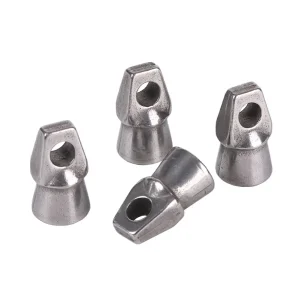
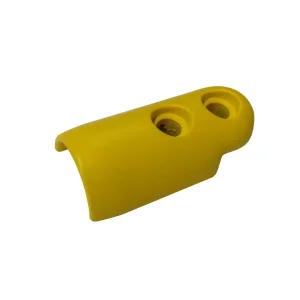
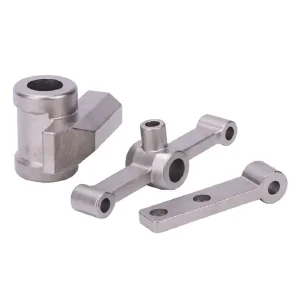
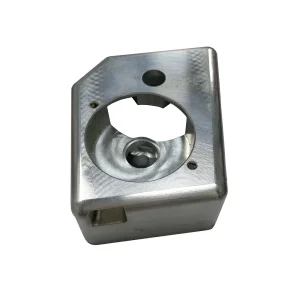
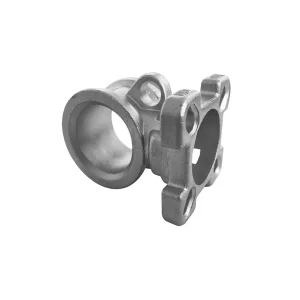
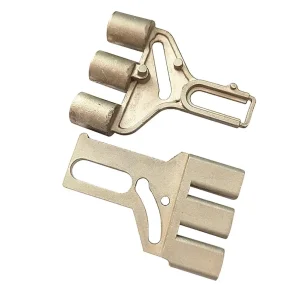
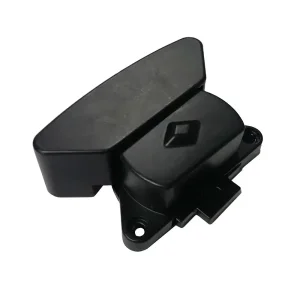
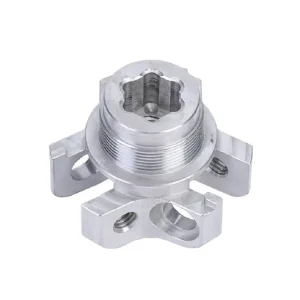
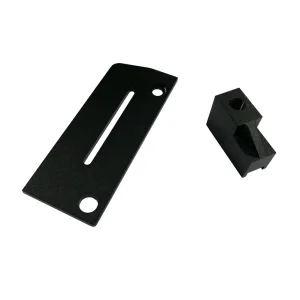
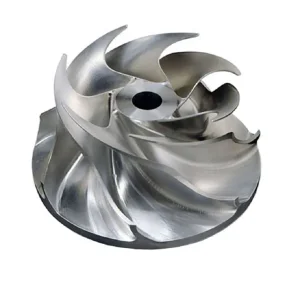
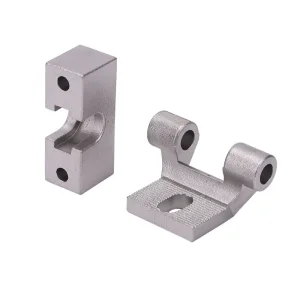
Custom CNC Machined & High-Tolerance Cast Products
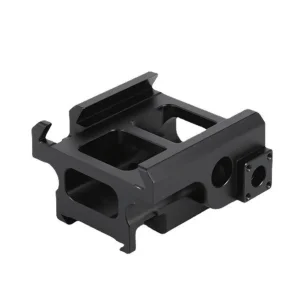
Copper Tungsten (W-Cu) pseudomorphic alloys are composite materials engineered to synergize the high-temperature wear and arc resistance of tungsten with the exceptional electrical and thermal conductivity of copper. Unlike traditional alloys, copper and tungsten are mutually insoluble, meaning they cannot form atomic solid solutions. Instead, they are processed utilizing advanced powder metallurgy techniques, primarily liquid phase sintering and vacuum infiltration.
This unique microstructure results in a pseudo-alloy with superior mechanical properties: low thermal expansion coefficient (CTE), remarkable resistance to spark erosion (for EDM applications), and outstanding thermal dissipation capacity. Achieving tight dimensional tolerances on these composite alloys requires precise control over feed rates, tool geometry, and cooling media, as the dual-phase matrix combines hard, brittle tungsten particles with soft, ductile copper phases.
Why Modern Industries Rely on Advanced Machined Copper Tungsten Alloys
Used in high-temperature throat inserts, nozzle linings, and aerospace thermal management assemblies where resistance to plasma jetting and gas erosion is paramount.
Ideal for electrical discharge machining (EDM) electrodes and high-voltage circuit breakers due to high wear resistance and thermal dissipation under intense arc conditions.
Serves as vital heat sinks and sub-mounts for high-power laser diodes, transceivers, and radar arrays requiring matched thermal expansion coefficients with Silicon/GaAs.
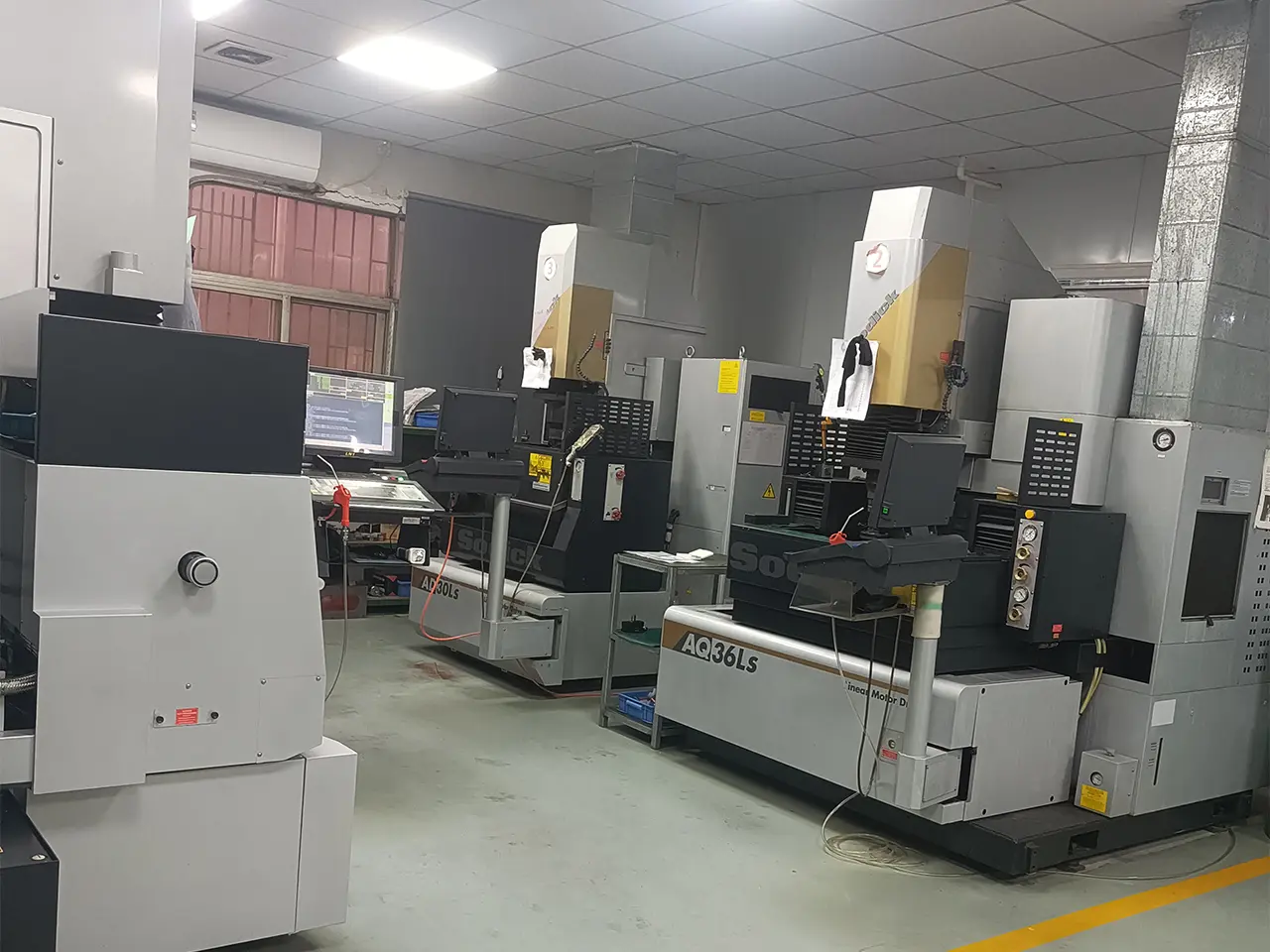
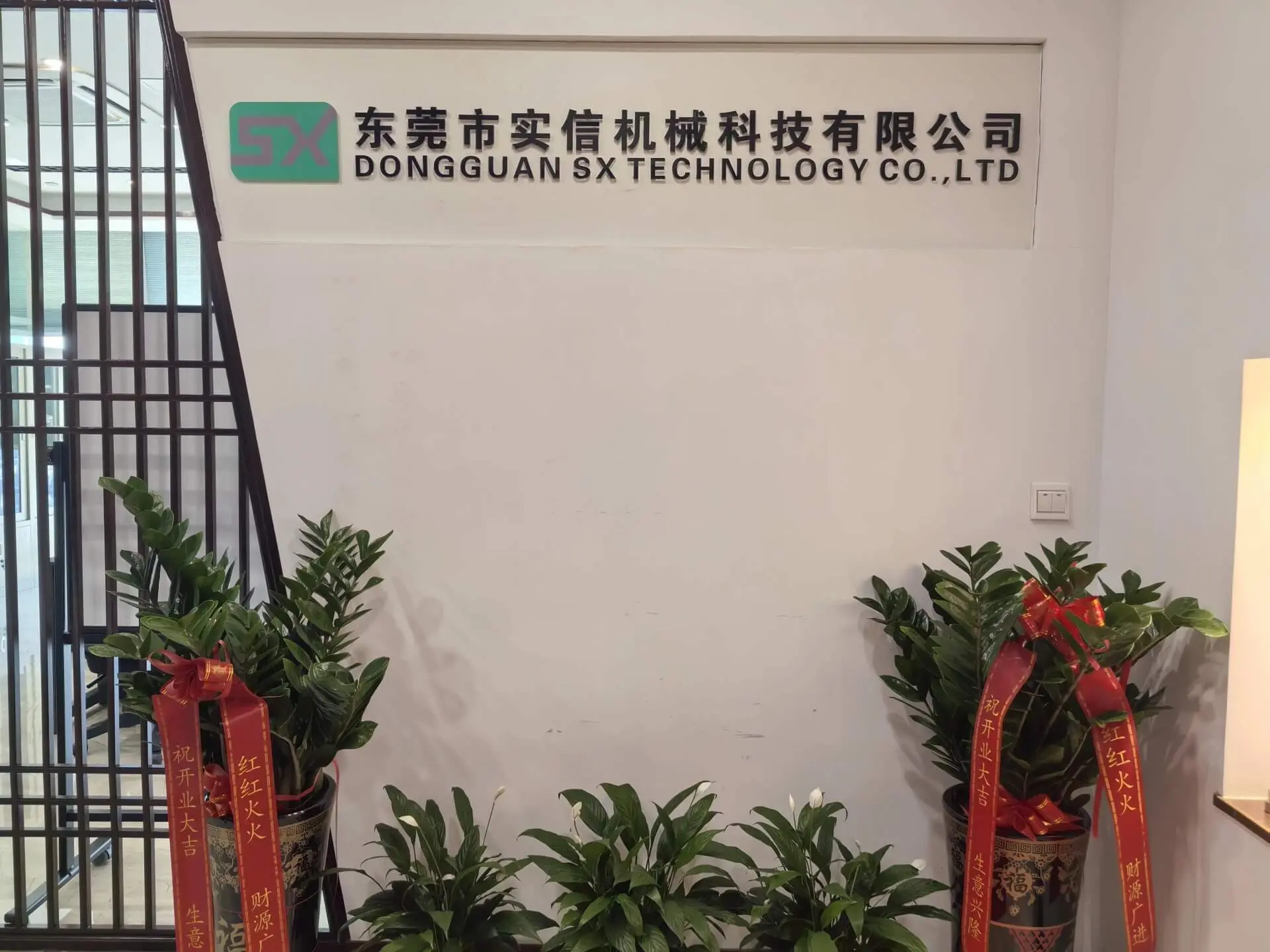
Established in 2014, Dongguan SX Technology Co.,Ltd has built a global reputation for excellence in precision investment casting, multi-axis CNC machining, and complex component assembly. Operating with advanced CAD/CAM modeling interfaces and automated precision machines, we consistently deliver high-performance metal components to demanding sectors worldwide.
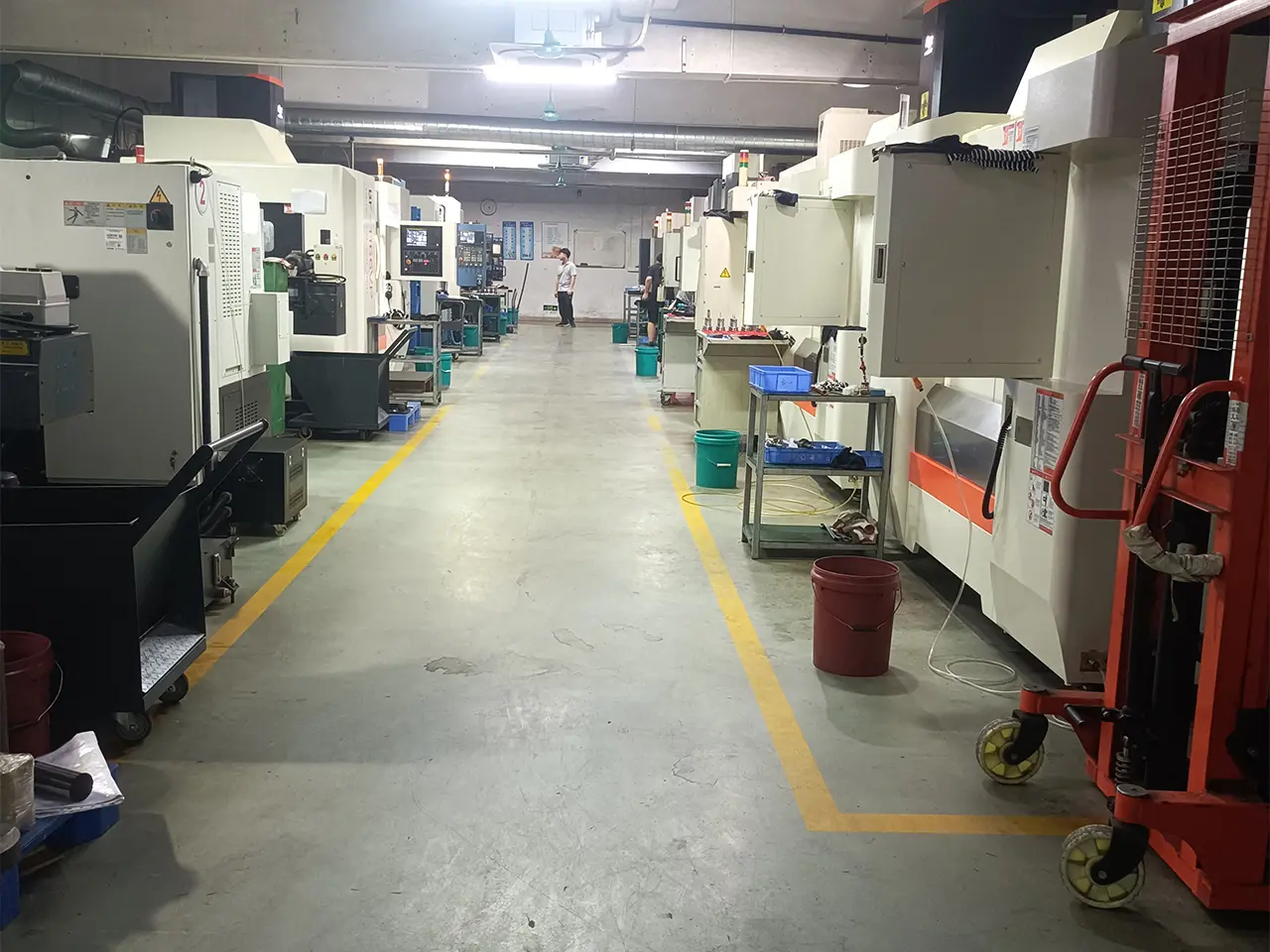
Our core metallurgical capabilities extend across a broad spectrum of engineered materials, including stainless steel, carbon steel, titanium alloys, aluminum alloys, and specialized refractory materials like copper-tungsten composites. Our modern facility integrates vertical machining centers, precision lathes, and multi-axis milling infrastructure optimized to mitigate tooling wear and guarantee tight dimensional tolerances down to the micron level.
Bridging Metallurgical Material Innovation with Real-World Performance
In high-voltage sub-stations and grid-switching nodes, contacts are subjected to heavy arcing temperatures exceeding 3000°C during fault conditions. We supply W70/Cu30 and W80/Cu20 contact tips engineered to withstand high thermal shock, reduce contact pitting, and secure continuous operation without oxidation failures.
As integrated circuits operate at higher frequencies, testing modules face rapid thermal fluctuations. Machined W-Cu test pins, probe components, and thermal spreaders protect the delicate silicon matrices by absorbing heat at matched rates, suppressing spatial deformations and signal skewing.
Quality is the cornerstone of the manufacturing industry. We firmly believe that only by controlling quality well can we survive, develop, and get better and better. Therefore, we have been working in this industry unremittingly since 2014 and continue to improve the company's team and improve the company's production capacity.
Our dedicated QC staff operates in temperature-controlled calibration labs, executing strict inspections throughout the production cycle. Our metrology facility is equipped with automated Coordinate Measuring Machines (CMM), optical comparators, spectroscopic material analyzers, and ultra-precise digital micrometers. By monitoring grain morphology, infiltration density, and surface roughness, we guarantee that every batch of Copper Tungsten machined parts conforms to client-defined blueprint tolerances.
The Next Era of Refractory Metal Machining & Advanced Alloys
Developing ultra-fine, homogeneous grain distributions to minimize micro-chipping during ultra-high-speed milling operations and improve finished surface roughness (Ra < 0.4μm).
Combining laser powder bed fusion (LPBF) with subsequent liquid copper infiltration processes to generate complex internal cooling channels within tungsten bodies.
Adopting advanced diamond and PCD cutting tools with custom chip-breaker profiles designed specifically to address the high abrasive characteristics of tungsten skeletons.
Implementing efficient hydrometallurgical recycling pipelines to recover raw tungsten and copper elements from machine chips, supporting circular economy and compliance.
Reliable Shipments, Direct Technical Consultancy, and Material Certifications
Every shipment is accompanied by complete Mill Test Reports (MTR), certificate of conformity, and comprehensive chemical composition reports detailing tungsten-to-copper ratios.
Our raw materials and manufacturing operations comply strictly with international environmental restrictions, including EU RoHS and REACH declarations, securing hassle-free imports.
We work with leading international freight forwarders, utilizing air, express, and sea lanes to provide reliable door-to-door deliveries to North America, Europe, and APAC regions.
Expert Metallurgical Insights into Machining Copper Tungsten Alloys
Engineered Components with Advanced Dimensional Integrity
 SX Machining