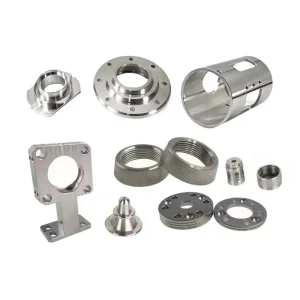
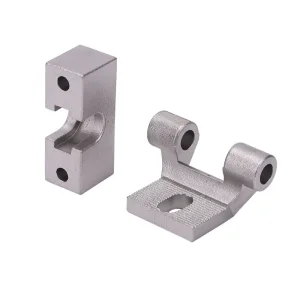
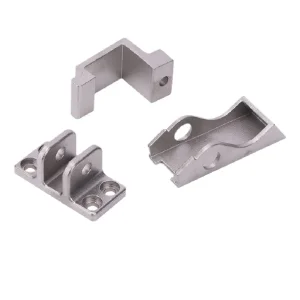
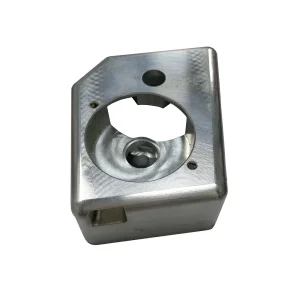
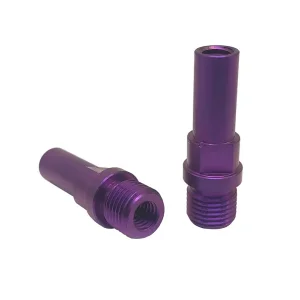
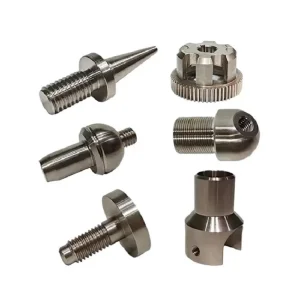
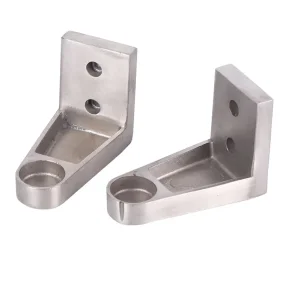
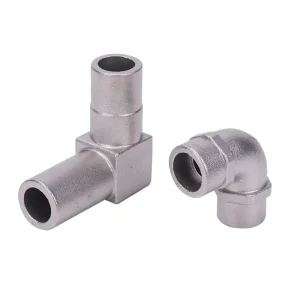
Explore our foundational range of CNC turned components, structural brackets, and investment casting accessories engineered for high-stress applications.
Analyzing how surgical innovation, regulatory frameworks, and advanced metallurgy drive the next generation of MedTech manufacturing.
As minimally invasive surgeries (MIS) become the global standard, demand has surged for components featuring dimensions under 1mm with tolerances limited to ±3 microns. This requires Swiss-style turning and multiaxis micro-milling platforms operating under rigorous environmental controls.
Beyond traditional 316L Stainless Steel, modern implants and surgical devices implement biocompatible superalloys, including Titanium Grade 5 (Ti-6Al-4V ELI), Nitinol, PEEK, and Cobalt-Chromium. High-speed machining of these alloys demands specialized tooling geometry and real-time thermal monitoring.
Regulatory bodies such as the US FDA and European MDR demand complete digital records for medical devices. Component suppliers must verify material lots, provide full CNC toolpath records, implement Unique Device Identification (UDI) marking, and deliver transparent inspection metrics.
For medical device Original Equipment Manufacturers (OEMs), product reliability directly impacts human lives. Dongguan SX Technology Co.,Ltd maintains high manufacturing parameters. We align our precision machining workflow with the principles of ISO 13485:2016 quality systems to guarantee comprehensive accountability from raw ingot to sterilizable package.
Our quality management division provides documentation supporting global product registration pipelines, including:
How localized industrial synergy translates to accelerated prototyping, cost control, and reliable mass manufacturing.
Situated in Dongguan, the manufacturing hub of the Pearl River Delta, our facility leverages an integrated precision engineering infrastructure. Raw material suppliers, specialty tooling providers, custom heat treatment vendors, and surface finish specialists are located within a 50-kilometer radius. This proximity drastically reduces manufacturing cycles and minimizes logistics risks compared to fragmented western supply configurations.
Furthermore, China's vast domestic metal logistics network offers access to certified alloys at reduced lead times. This allows us to source materials like Medical Grade 316L, 17-4 PH, and implant-grade Titanium without delay, enabling swift responses to unexpected design iterations.
Our infrastructure supports the complete lifecycle of product development. In the design stage, we utilize high-precision CNC mills to deliver functional metal prototypes in short timelines. As designs stabilize, our casting division transition components into precision investment casting to achieve optimal economy of scale.
This hybrid production methodology permits OEMs to maintain a single supplier from initial R&D through to commercialization, avoiding the friction of transferring knowledge between prototype shops and mass production foundries.
Established Year
Machining Tolerance
Material Traceability
Engineering Support
A comparison of materials and processes utilized to achieve the strict mechanical properties required for surgical and clinical environments.
| Material Category | Common Alloys Used | Manufacturing Process | Ideal Medical Applications | Key Properties |
|---|---|---|---|---|
| Titanium Alloys | Ti-6Al-4V ELI (Grade 5), Grade 2 | 5-Axis CNC Milling, Swiss-type Turning | Orthopedic Implants, Bone Screws, Spinal Cages | Excellent biocompatibility, high strength-to-weight ratio, osteointegration. |
| Stainless Steels | 316L, 17-4 PH, 420, 440C | CNC Machining, Investment Casting | Surgical Scalpels, Forceps, Endoscopic Instruments | High corrosion resistance, sterilization compatibility, high hardness post-heat-treat. |
| Cobalt-Chrome | Co-Cr-Mo (ASTM F75) | Precision Casting, Grinding | Joint Replacements, Dental Implants | Extreme wear resistance, high fatigue strength, biocompatible under articulation. |
| Aluminum Alloys | 6061-T6, 7075-T6 | High-Speed CNC Milling | Medical Device Enclosures, Diagnostic Chassis | Lightweight, thermal conductivity, responsive to protective anodizing. |
| Engineered Plastics | PEEK, PTFE, Delrin | Precision Plastic Machining | Pacemaker Parts, Trial Implants, Fluidic Manifolds | Radiolucency, chemical inertness, low friction coefficients. |
Dongguan SX Technology Co.,Ltd operates high-precision production machinery and testing apparatus. View our facility layout and operational environments.
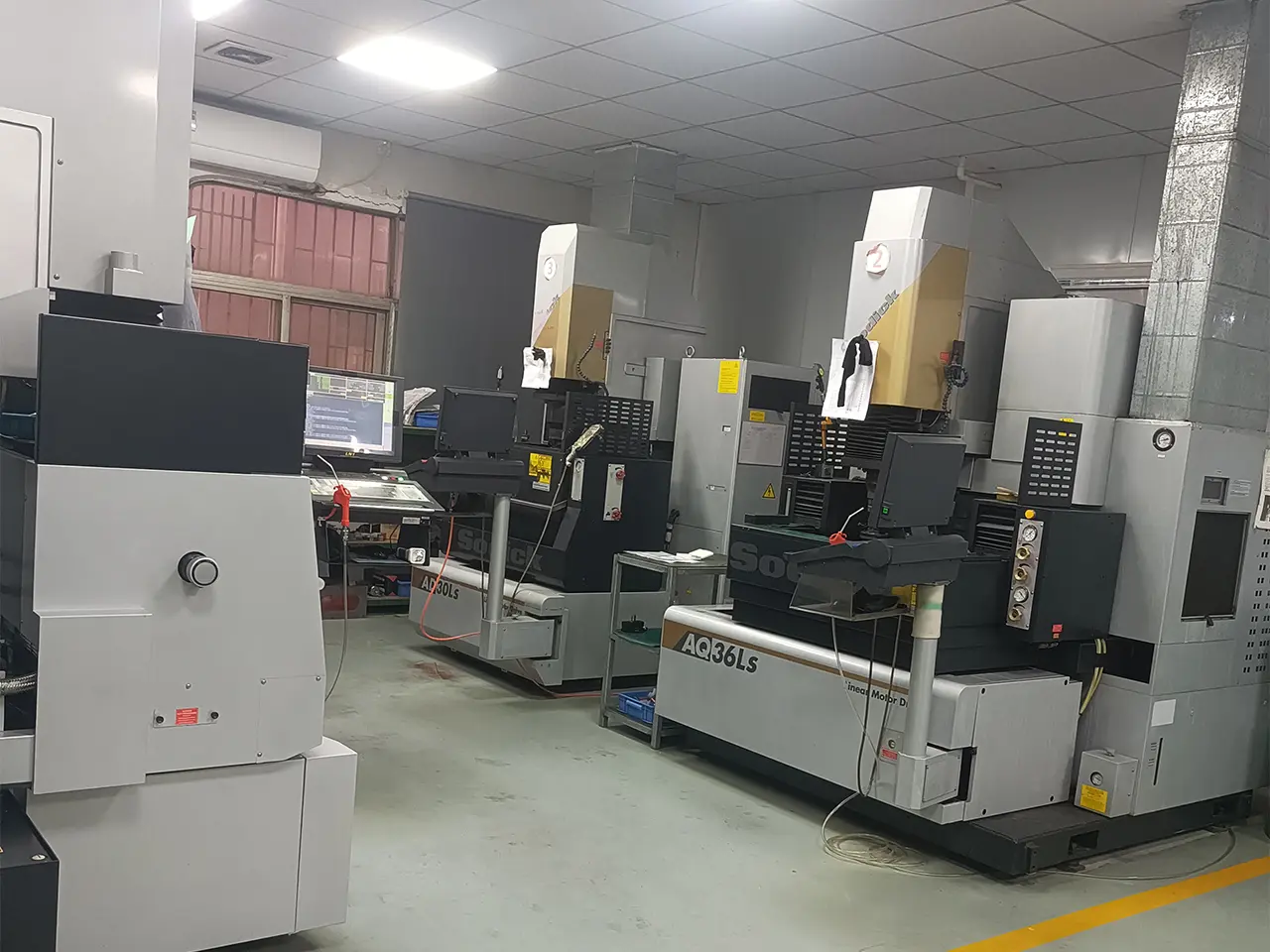
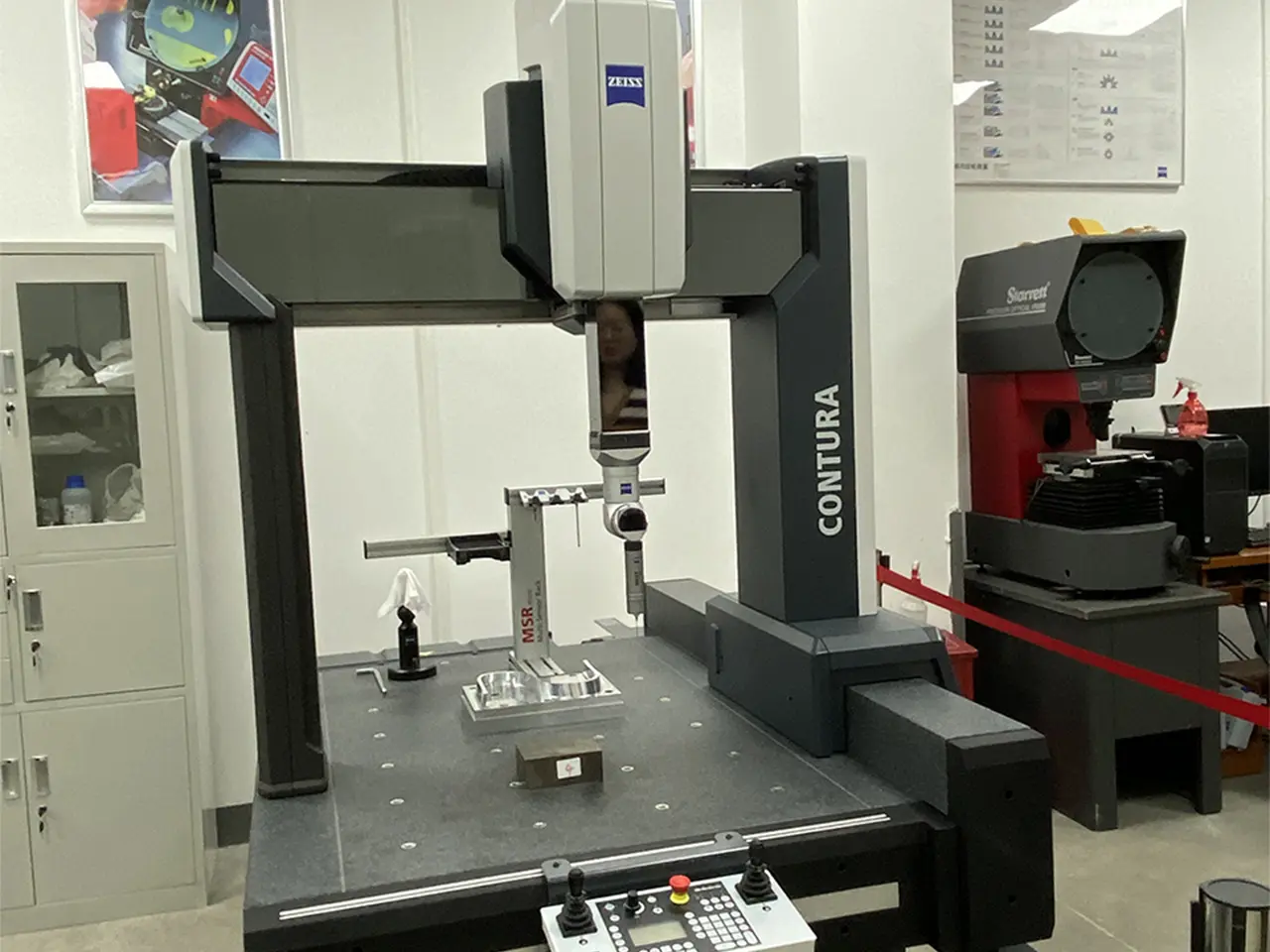
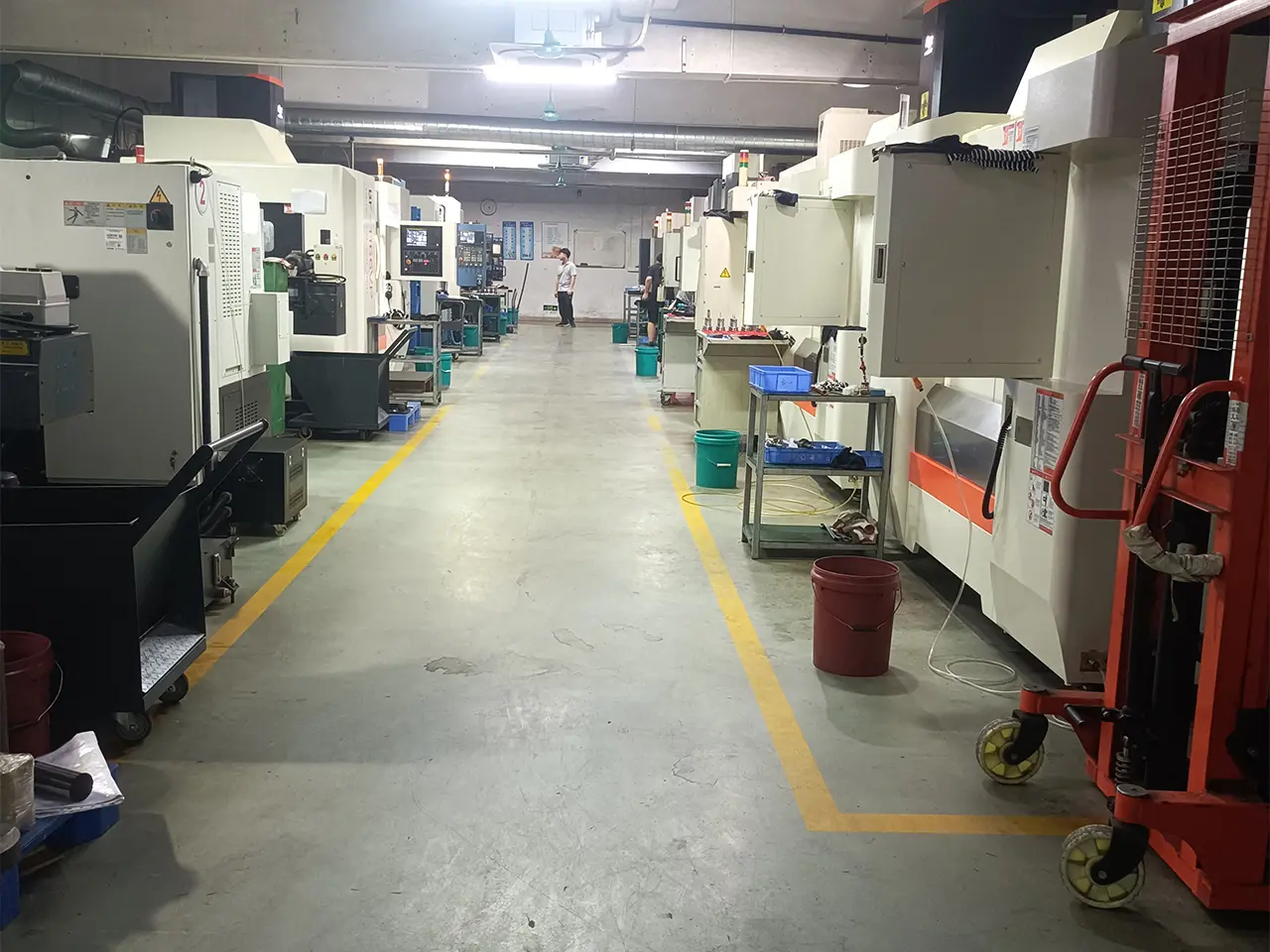
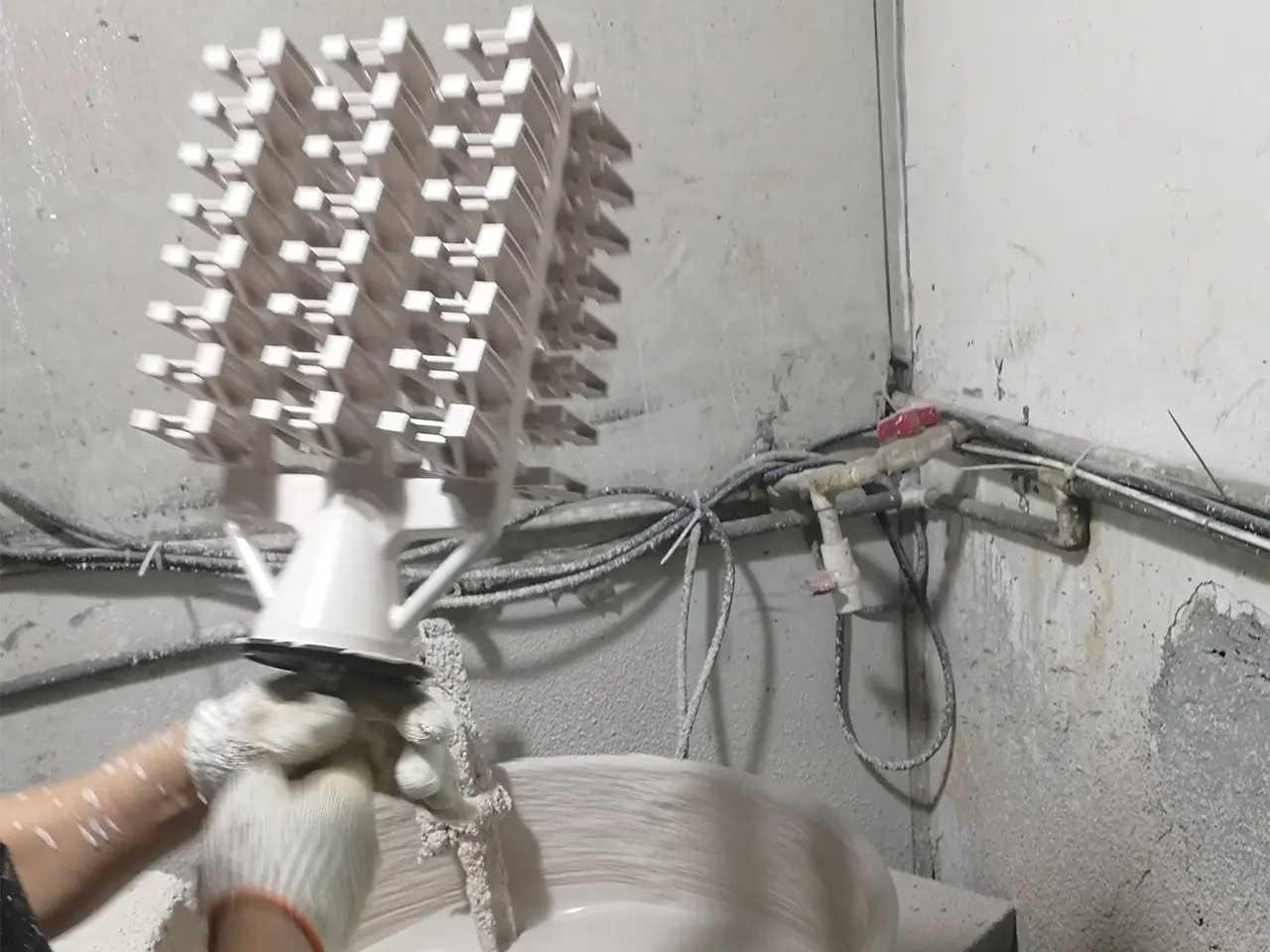
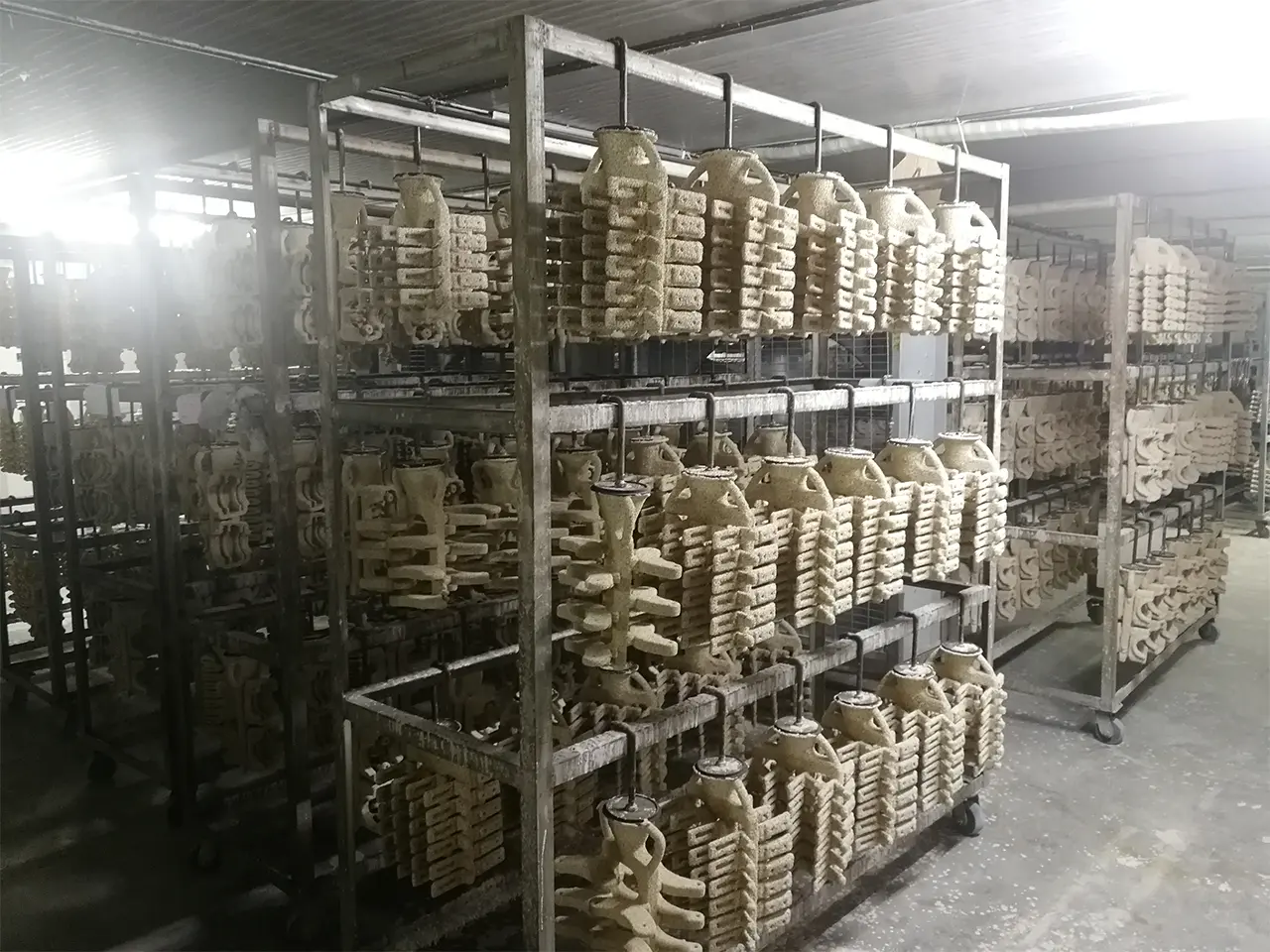
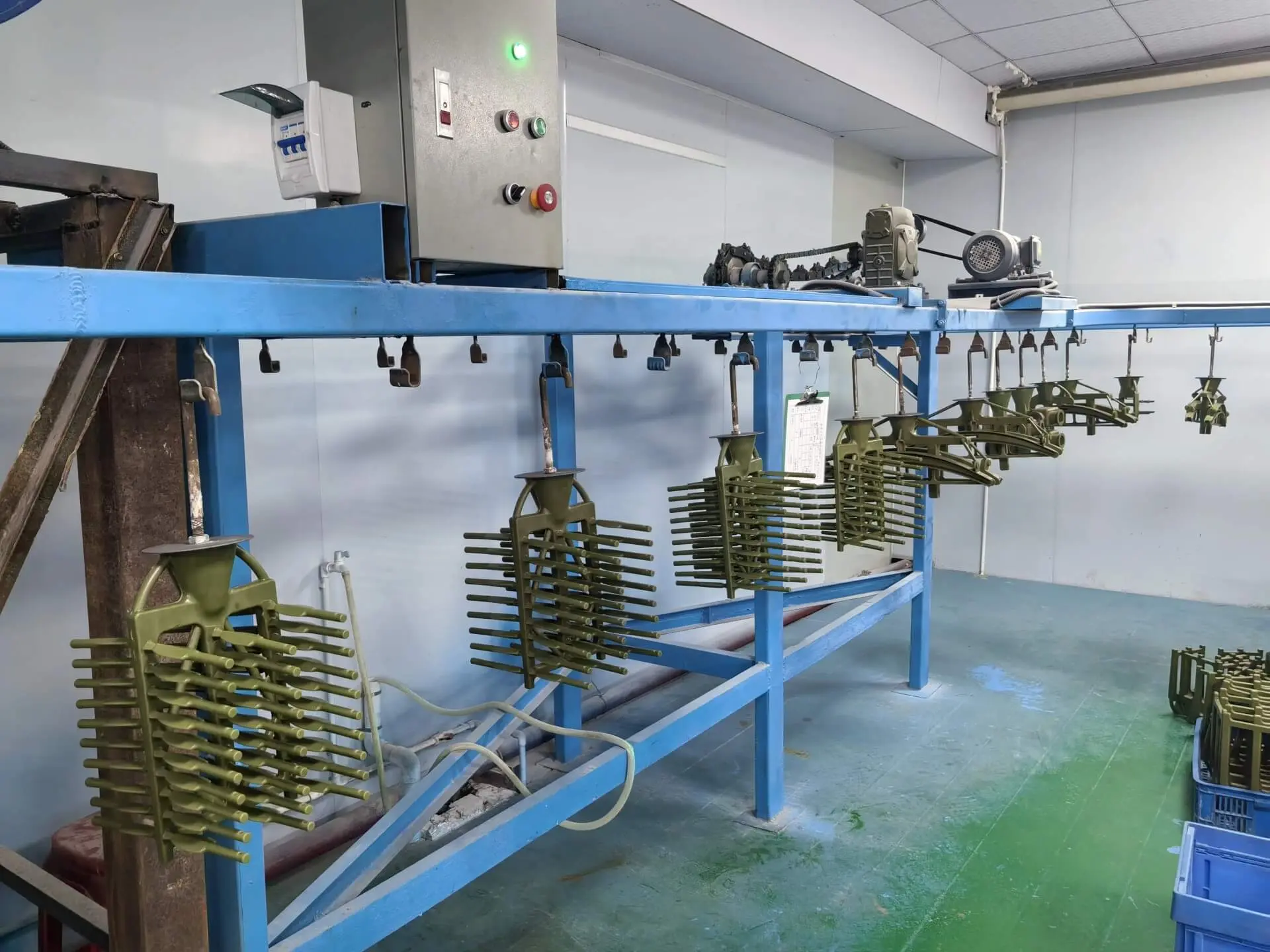
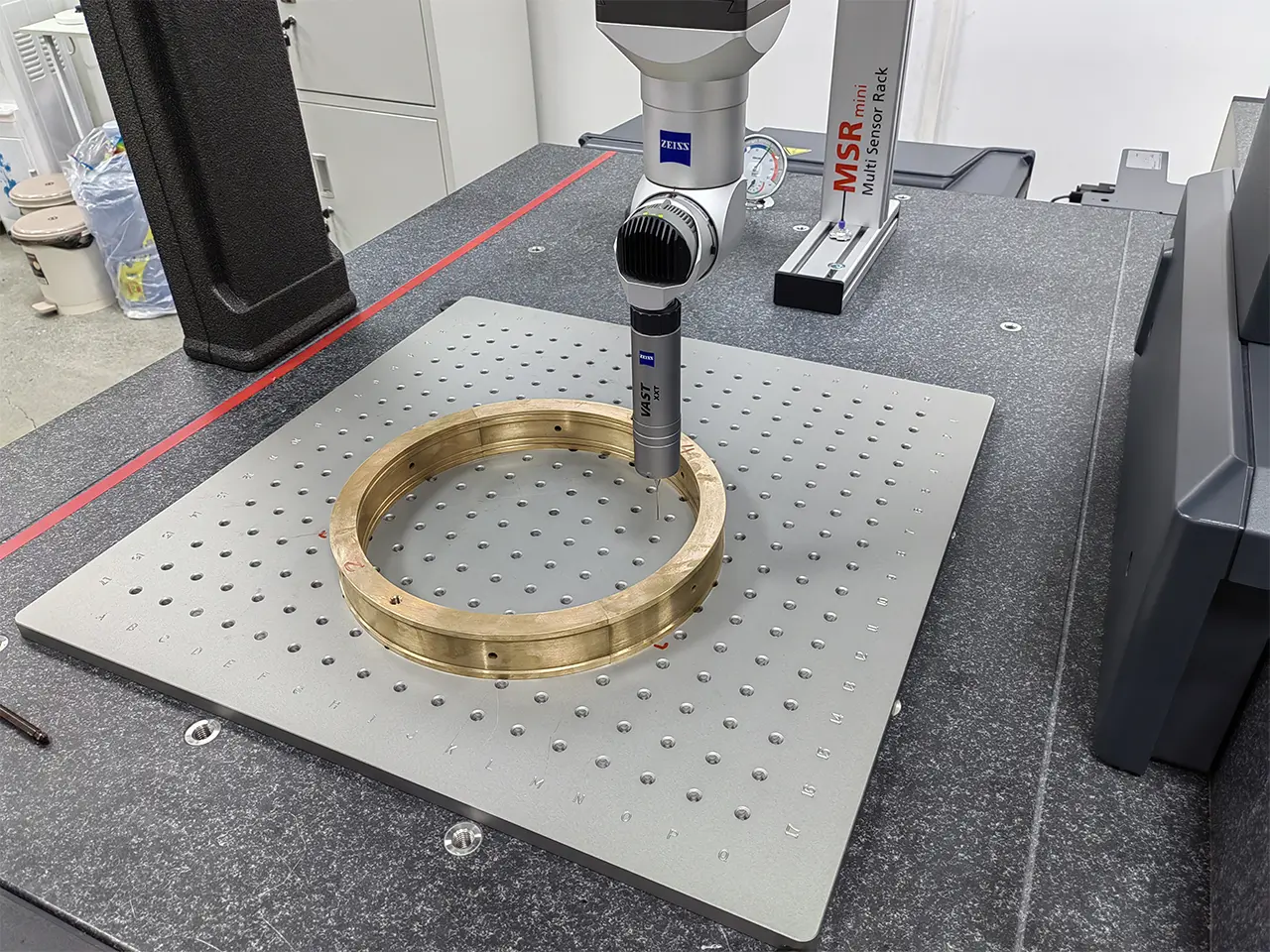
Quality is the cornerstone of the medical manufacturing sector. We firmly believe that only by controlling quality can we survive, develop, and build enduring international partnerships. Therefore, we have been working in this industry since 2014, continually optimizing our production workflows and expanding our inspection capabilities.
Our quality assurance department utilizes modern metrology platforms, including Coordinate Measuring Machines (CMM), optical vision comparators, surface roughness profile meters, and ultrasonic flaw detectors, ensuring every critical parameter meets client specifications before leaving our facility.
Our custom-machined parts are deployed in high-reliability clinical settings around the globe.
We manufacture custom handles, hinges, retractors, and cutting guides in 17-4 PH and 420 stainless steel. These items are designed to survive repeated autoclave cycles without material degradation.
Utilizing high-precision Swiss lathes, we produce bone anchors, cortical screws, and dental abutments from medical titanium, holding sub-five-micron dimensional tolerances and Ra 0.4 surface finishes.
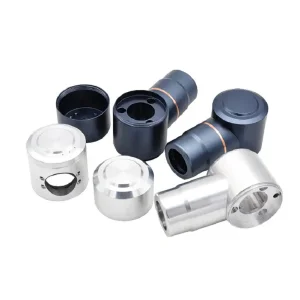
We supply precision aluminum internal mounts, optical housings, and microfluidic distribution blocks. These structural sub-assemblies form the foundation of high-performance laboratory diagnostic machines.
Essential answers to the core compliance, metallurgical, and logistics inquiries raised by international medical OEMs.
Although we are a direct component manufacturer, we construct our manufacturing pipelines to comply with ISO 13485:2016 quality systems. We supply complete raw material mill certifications, validation documentation (IQ/OQ/PQ), and structured dimensional reports. This allows our global OEM clients to compile compliant Device Master Records (DMR) for submissions to regulatory authorities.
Using Swiss-type turning centers and multi-axis CNC machining, we hold mechanical tolerances as tight as ±0.003 mm (3 microns). This level of precision is critical for threaded dental abutments, implant screws, and complex joints on articulating surgical instruments.
We machine implantable metals like Titanium Alloys (Grade 5 / Ti-6Al-4V ELI) and Cobalt-Chromium. For reusable surgical hand tools and diagnostics, we utilize 316L, 17-4 PH, and 420 Stainless Steel, alongside medical plastics like PEEK, Delrin, and PTFE.
All inbound raw metals are physically segregated and cataloged with unique lot numbers linked directly to the mill's certification. To prevent cross-contamination, we use dedicated cutting tools, specialized lubricants, and specific cleaning tanks when switching from general industrial run-times to medical component processing.
Yes. We run a dual-capability facility. We utilize investment casting (primarily for carbon steel, stainless steel, and structural alloy housings) and high-speed multi-axis CNC machining for titanium, brass, and aluminum components. This integrated capability allows us to offer the ideal production process for every stage of your product cycle.
We provide a wide array of in-house and audited partner services, including ultrasonic cleaning, electropolishing, citric or nitric acid passivation, medical anodizing, bead blasting, chemical conversion coatings, and laser engraving for UDI marking.
IP protection is central to our customer relations. We utilize strict operational security protocols, signing comprehensive Non-Disclosure Agreements (NDAs) with our clients. Project files are hosted on secure, access-controlled internal networks, and physical drawings are restricted only to authorized personnel inside our workshops.
CNC-machined prototypes are typically delivered in 5 to 10 working days, depending on geometry complexity. Mass production runs of machined parts generally require 20 to 30 days. For components that utilize precision investment casting, mold construction and initial casting trials range from 4 to 6 weeks.
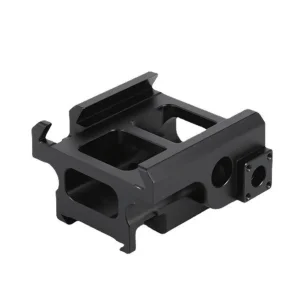
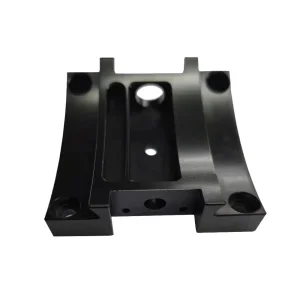
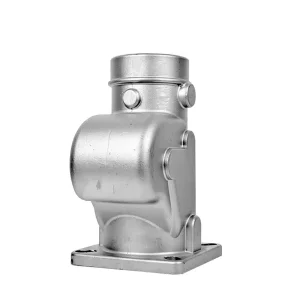
Explore our specialized range of CNC milled aluminum parts, structural alloy fittings, and smart home casting elements.
 SX Machining