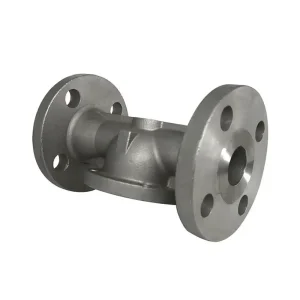
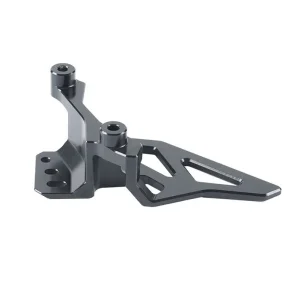
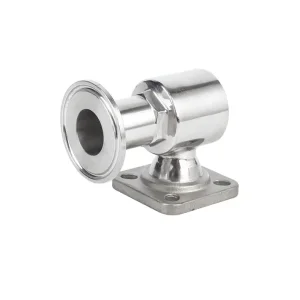
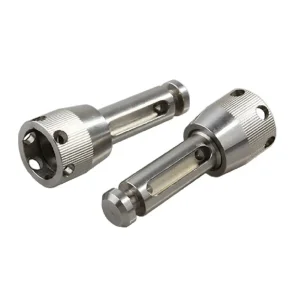
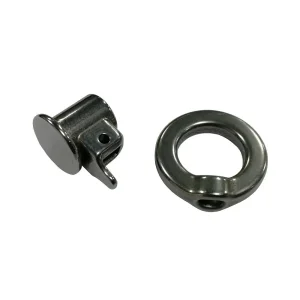
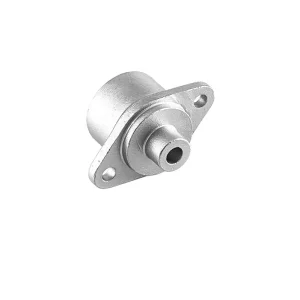
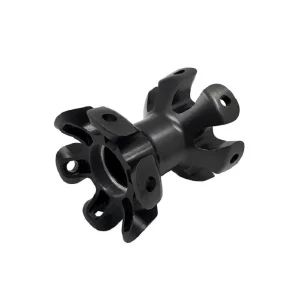
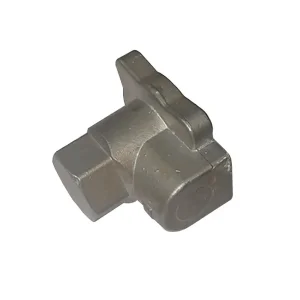
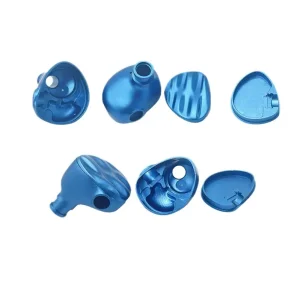
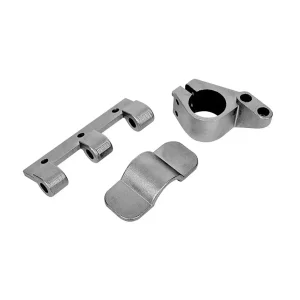
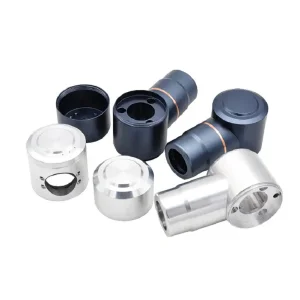
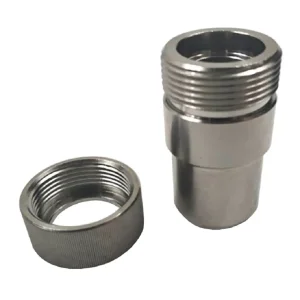
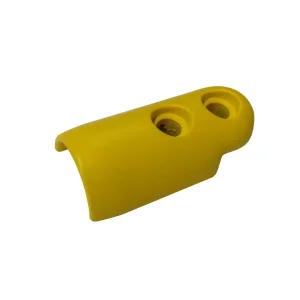
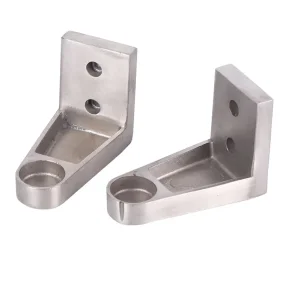
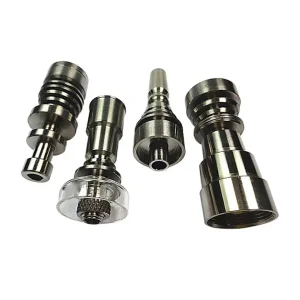
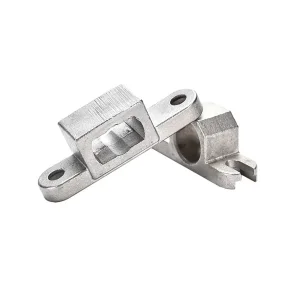
Comprehensive custom manufacturing capability utilizing multi-axis CNC processes and investment casting technologies.
The manufacturing architecture of medical devices has entered a hyper-precise era. Component design limits are continuously pushed toward nanometer-scale tolerances. In the global medical supply chain, sourcing from a dedicated China medical parts machining factory is no longer just about cost-efficiency—it represents a strategic alignment with advanced engineering, comprehensive quality risk management, and scalable metallurgical infrastructure. As medical electronics, surgical robotics, and orthotics undergo micro-miniaturization, precision machining is the foundation of patient safety and functional performance.
Globally, medical-grade machining relies on strict compliance framework parameters like FDA and ISO 13485 regulations. High-performance materials such as titanium alloys (Grade 5, Ti-6Al-4V ELI), biomedical stainless steel (316LVM, 17-4 PH), PEEK, and cobalt-chrome alloys require advanced cutting dynamics, toolpath compensation, and thermal management during the manufacturing process. Dongguan SX Technology Co.,Ltd has designed its CNC division and investment casting plant to meet these rigorous medical standards.
Pioneering high-precision casting, multi-axis CNC machining, and complex mechanical assembly since 2014.
Dongguan SX Technology Co.,Ltd brings extensive engineering depth to precision casting, CNC machining, and electro-mechanical assembly. Our components are widely utilized across complex industrial segments including machinery, automotive systems, marine structures, shipping equipment, high-pressure valves, pumps, consumer electronics, watches, structural construction, and the chemical sector. Our capabilities range from initial raw casting to complex finish-machining, offering clients a single, accountable source for components.
Year Established
Machining Tolerance
Countries Served
QC Monitored Process
For investment casting, our primary materials of focus are high-performance stainless steel and carbon steel. In parallel, our CNC machining center leverages a wide array of raw stock to support customized component creation. This includes biocompatible titanium alloys, hardened stainless steels, carbon steel, lightweight aluminum alloys, copper-based alloys, and cemented carbides. By integrating advanced production equipment with precise tool geometries, we adapt to the design demands of global medical device developers and Tier-1 industrial buyers.
How we solve the complex manufacturing challenges of modern medical instruments and implantable assemblies.
Precision turning and milling of Titanium alloy (Ti-6Al-4V ELI) bone screws, trauma plates, and joint implants with complex surface profiles and biocompatible requirements.
Miniature micro-machined pinions, joints, and scissor components in stainless steel (316L, 17-4PH) ensuring high tensile strength, sterilization durability, and smooth movement profiles.
Cast and precision-machined aluminum structures, sensor housings, and chassis components featuring electromagnetic shielding (EMI) and strict geometric dimensioning & tolerancing (GD&T).
Equipped with high-performance CNC centers, turning mills, and advanced investment casting facilities.
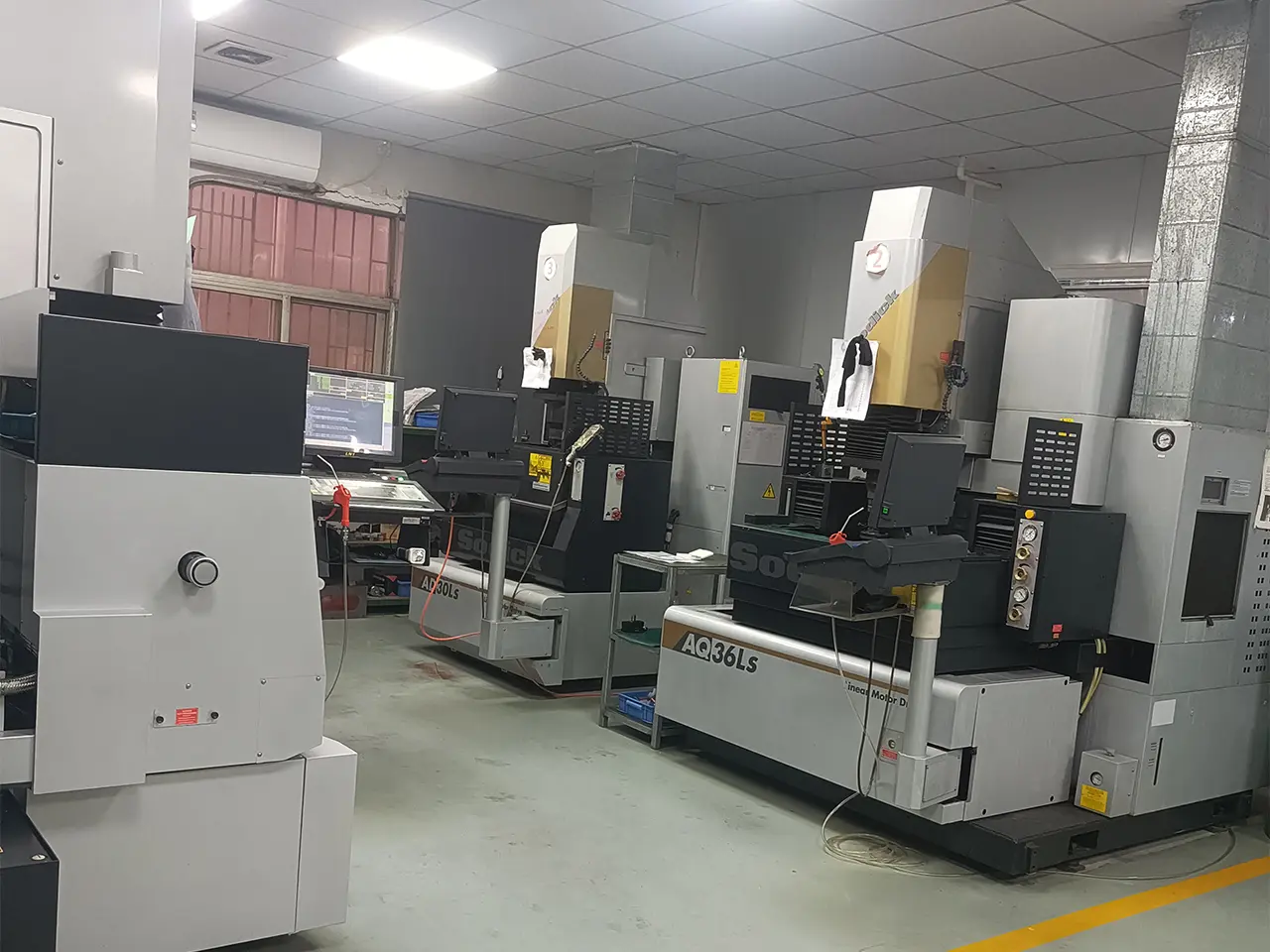
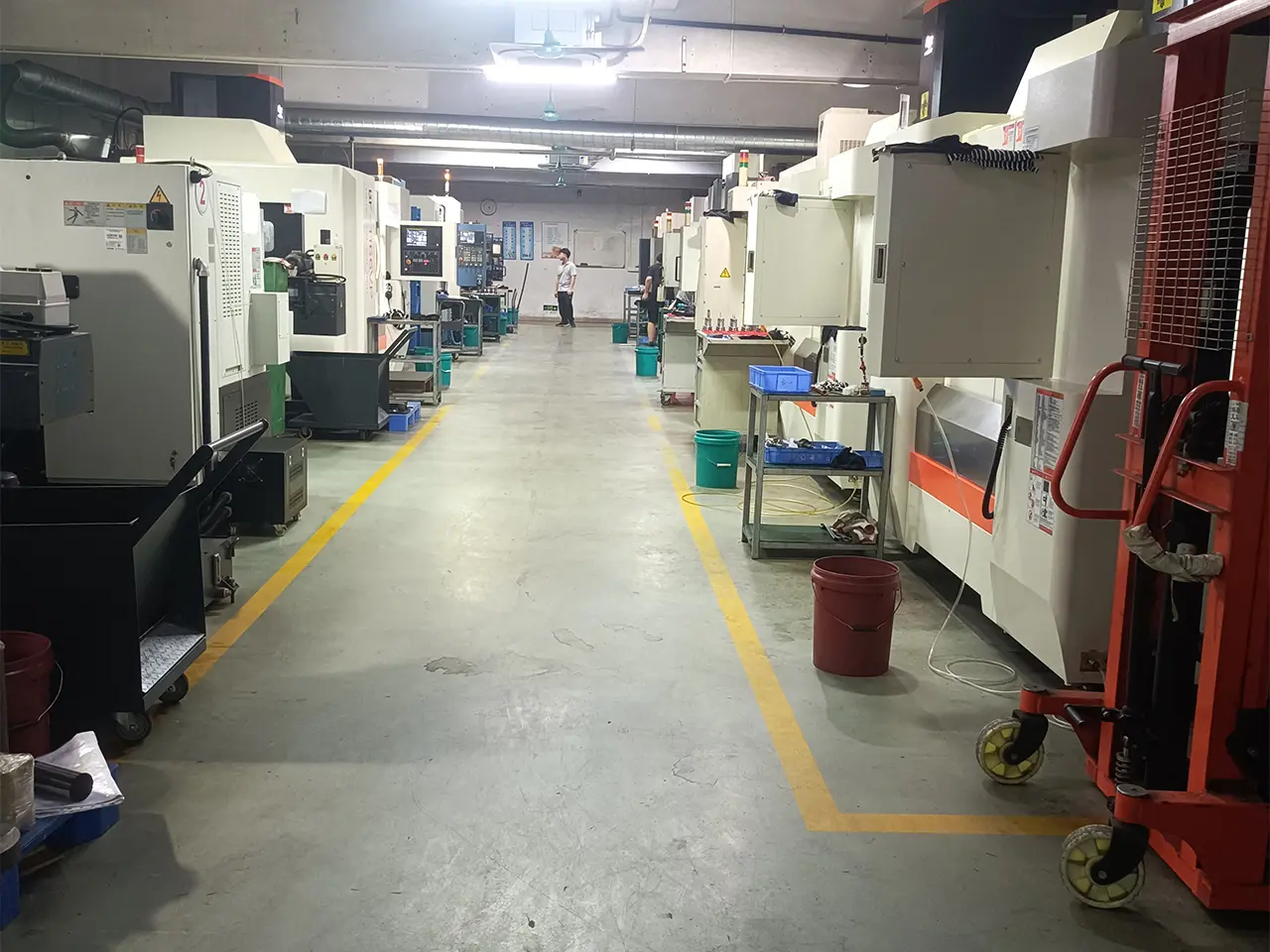
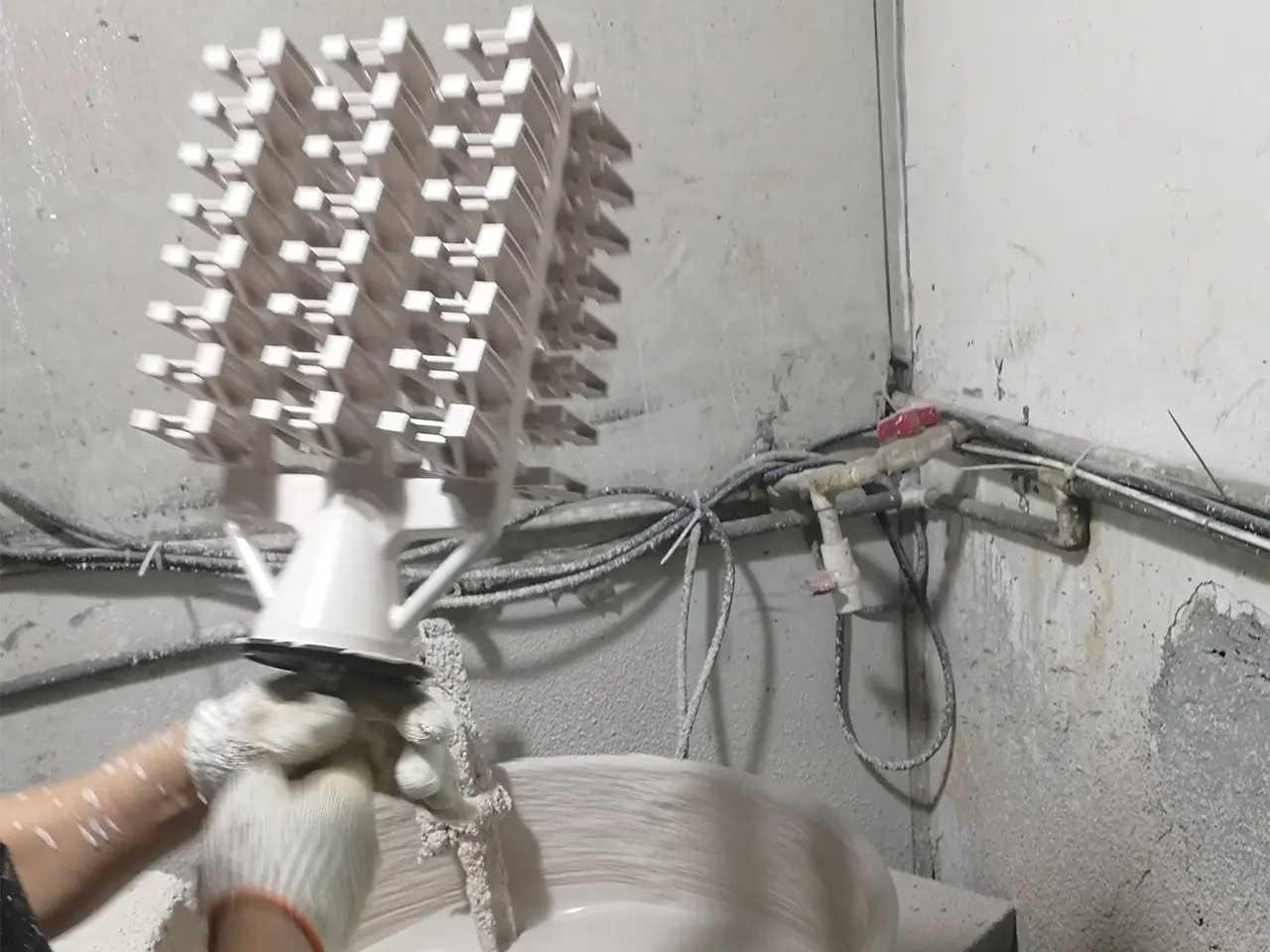
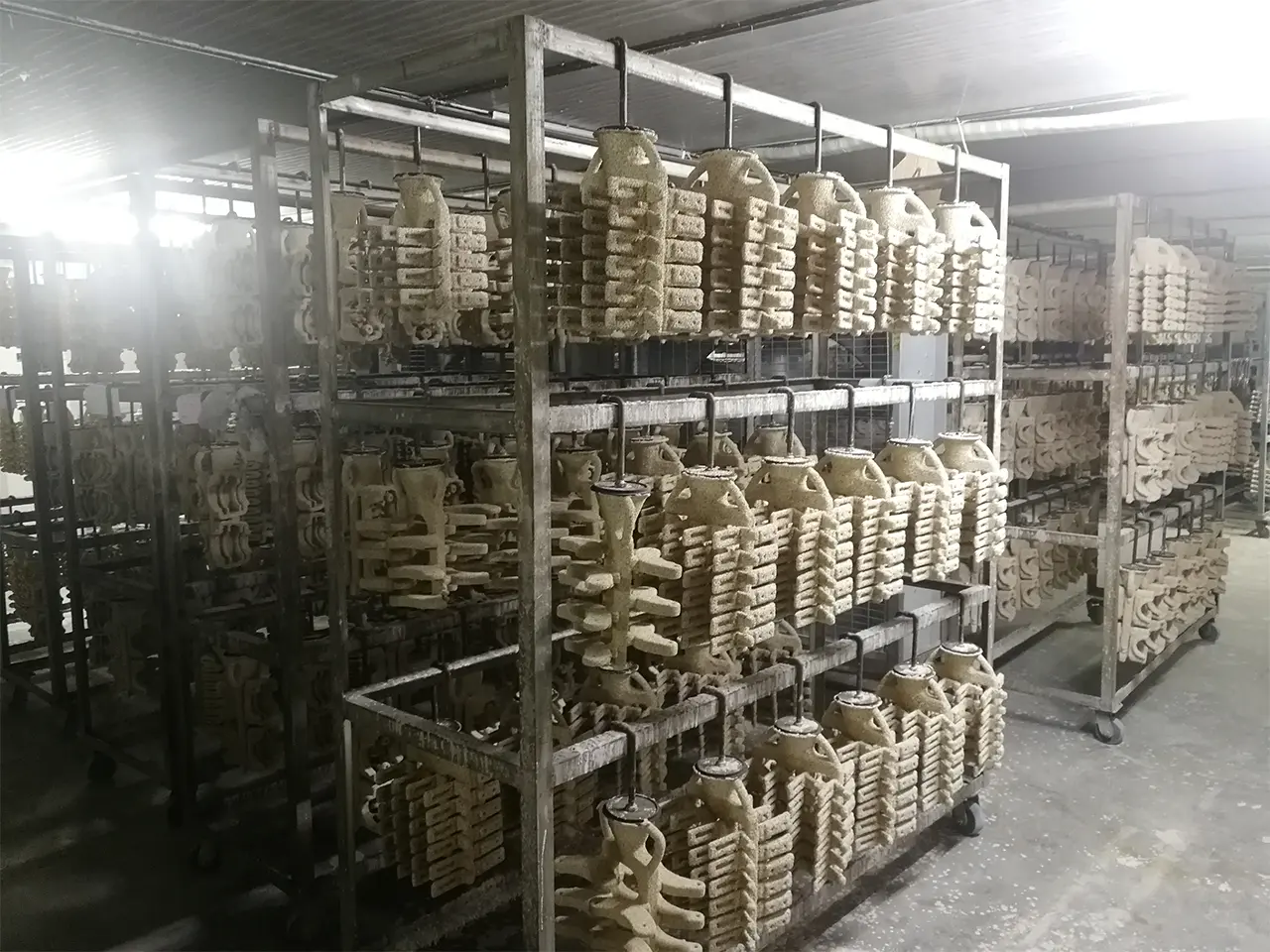
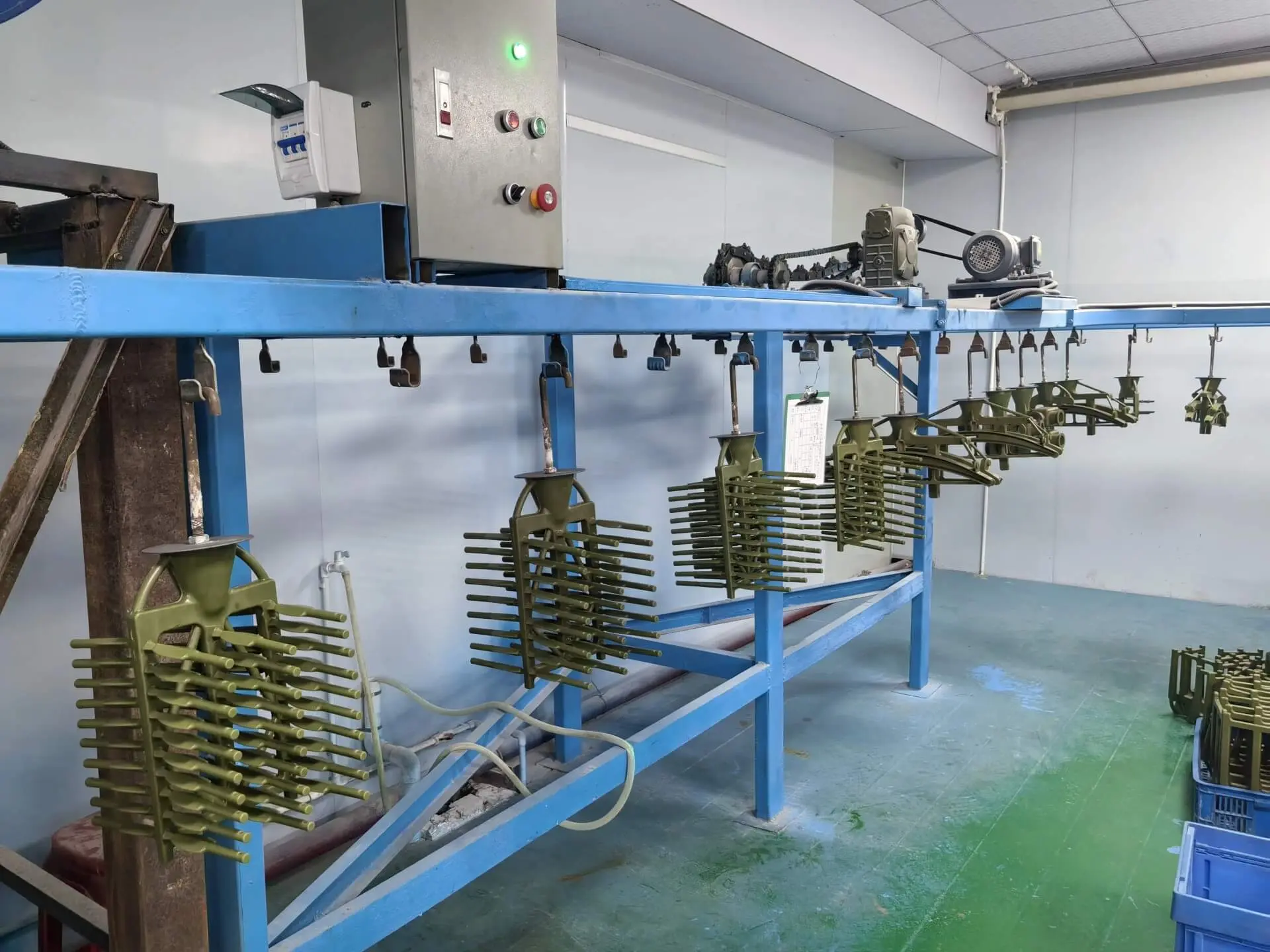
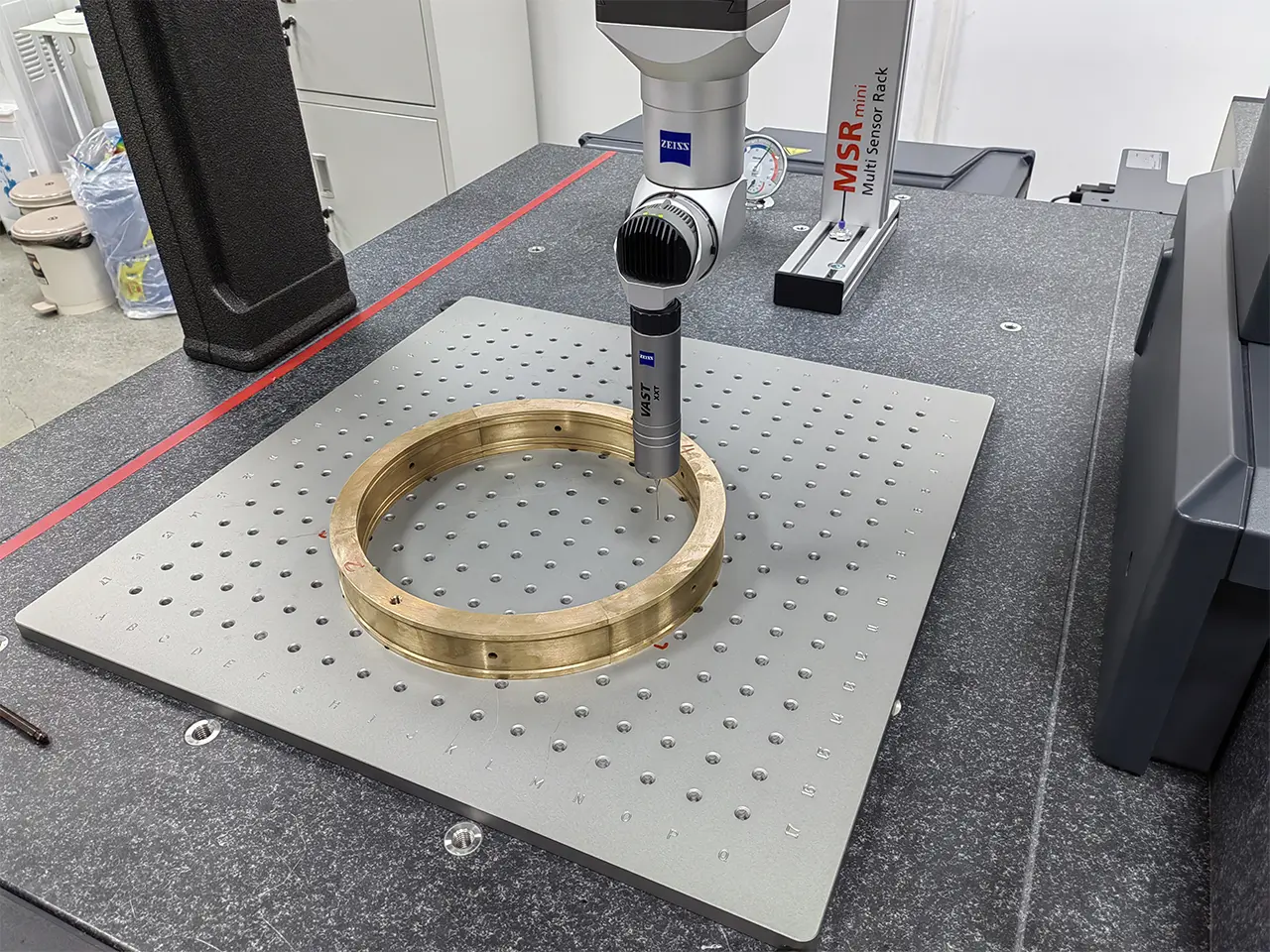
Quality is the cornerstone of the manufacturing industry. We firmly believe that only by controlling quality well can we survive, develop, and continue to grow. Therefore, we have been working in this industry unremittingly since 2014, expanding our team and upgrading our production capacity.
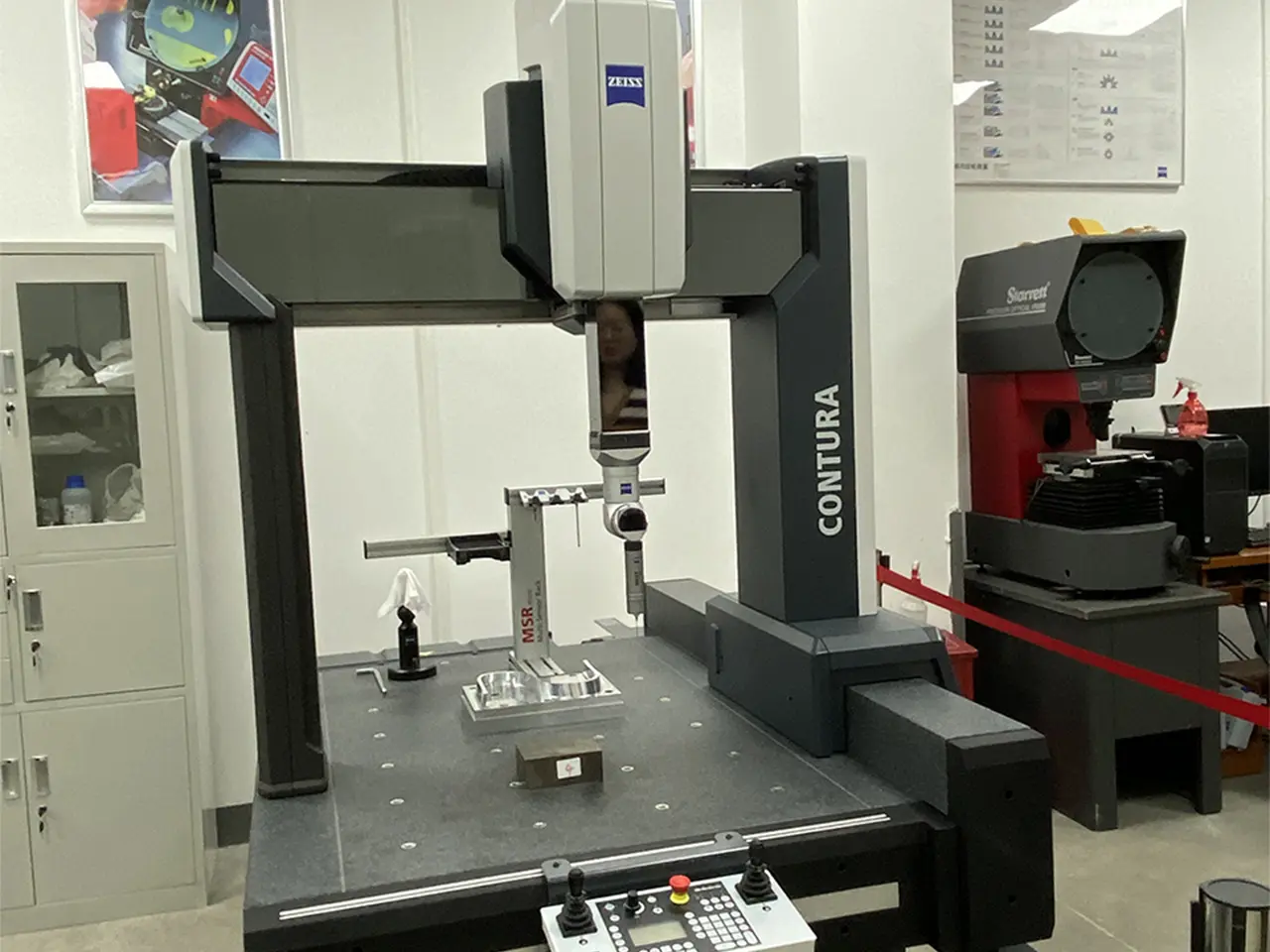
At Dongguan SX Technology Co.,Ltd, we use specialized testing equipment and employ trained QC inspectors. We adhere to strict tolerances and quality standards for all of our products. Due to our insistence on strict quality requirements, we have established long-term relationships with customers worldwide.
Our quality assurance workflows include Coordinate Measuring Machines (CMM), Optical Comparators, Spectrometers for alloy composition verification, and digital surface roughness testers to ensure all medical instruments meet critical roughness averages (Ra).
Adapting to the future of healthcare through advanced manufacturing systems.
Transitioning complex medical implants to single-setup CNC mill-turn machines to minimize clamping errors and ensure geometric accuracy across complex shapes.
Optimizing post-machining chemical processing, including ultrasonic cleaning, acid passivation, and anodizing, to ensure parts meet biocompatibility guidelines.
Combining investment casting precision with high-speed CNC finishing to create lightweight, high-density structures for surgical and diagnostic systems.
Common questions from medical engineering and procurement teams.
Our facility achieves tight tolerances down to ±0.005 mm on precision CNC milling and turning machinery. For investment casting components, we follow linear tolerances based on international standards (such as ISO 8062), followed by CNC finishing to meet precise requirements.
We work with medical-grade titanium (Grades 5, ELI), surgical stainless steels (316L, 17-4 PH, 420), lightweight aluminum alloys (6061-T6, 7075-T6), and engineering plastics. We also process carbon steels, copper alloys, and cemented carbides for structural tools.
Yes. Our engineering department works with clients to analyze component designs, optimization opportunities, and casting-to-machining processes to reduce raw material waste and shorten cycle times.
We provide full dimensional measurement reports, material mill certificates, heat treatment logs, and surface roughness documentation based on customer specifications.
Supporting critical components for electronics, automotive, marine, and industrial machinery.
 SX Machining