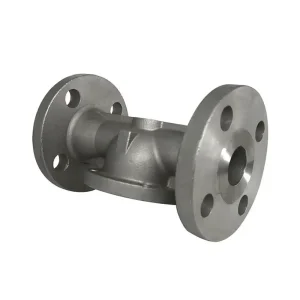
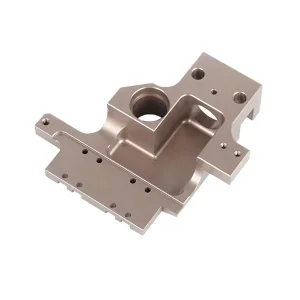
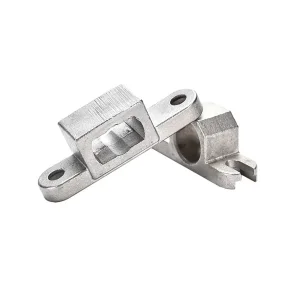
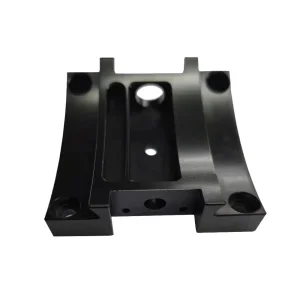
Top-Tier Metal and High-Performance Machining Capabilities
Decoding Regulatory Demands, Material Evolution, and Geopolitical Optimization
Modern healthcare systems and diagnostic instrument developers demand unprecedented levels of performance, structural reliability, and bio-compatibility. The design space of clinical instrumentation is undergoing a profound paradigm shift: substituting heavy, corrosive-prone metallic elements with advanced engineering polymers while seamlessly combining them with ultra-precise titanium and stainless steel core structural elements.
Global Procurement Officers representing medical device OEMs face a complex matrix of supply chain hazards, regulatory validations (FDA, MDR), and manufacturing tolerances. Achieving compliance requires partnering with certified production facilities capable of combining high-purity medical plastics fabrication with advanced metal casting and multi-axis CNC milling. China's industrial clusters—particularly in manufacturing centers like Dongguan—have evolved from simple job shops into technologically advanced systems that offer full validation protocols, precision toolpaths, and integrated assembly services.
Physical Properties, Sterilization Resilience, and Selection Criteria
The table below provides a comparative analysis of primary medical-grade polymers and the biocompatible metals processed by Dongguan SX Technology Co.,Ltd., highlighting critical mechanical properties, sterilization tolerance, and typical clinical applications.
| Material Class | Common Trade Names | Tensile Strength (MPa) | Max Service Temp (°C) | Autoclave & chemical resistance | Primary Medical Applications |
|---|---|---|---|---|---|
| PEEK (Polyetheretherketone) | Ketron, Victrex | 90 - 100 | 250 | Excellent (Repeated Cycles) | Spinal cages, surgical handles, orthopedic trial implants |
| PTFE (Polytetrafluoroethylene) | Teflon | 20 - 35 | 260 | Excellent (Highly Inert) | Catheter guides, bushings, diagnostic seals |
| PPSU (Polyphenylsulfone) | Radel | 70 - 80 | 180 | Outstanding (1000+ Cycles) | Surgical instrument trays, endoscope handles |
| Titanium Alloy (Gr. 5 / Ti-6Al-4V) | Medical Ti | 860 - 900 | 400 | Absolute | Bone fixation screws, orthopedic joints, structural components |
| Stainless Steel (316L / 1.4404) | Surgical Steel | 480 - 580 | 300 | High | Surgical instruments, valve manifolds, fluidic bodies |
Machining medical-grade engineering plastics requires understanding polymer crystallography and thermal behavior. Unlike metals, which conduct heat away via chips, polymers are poor conductors of heat and possess high thermal expansion coefficients. If toolpaths and cooling channels are improperly configured, localized heating can alter the material's molecular structure, compromising biocompatibility and dimensional stability.
Solving Complex Fluidics, Structural Interfaces, and Assembly Tribology
Microfluidic manifolds machined from transparent acrylic (PMMA) or chemical-resistant PTFE. We utilize ultra-precise spindle speeds up to 24,000 RPM to execute micro-channels without burrs or stress concentrations, preventing fluidic drag.
PEEK and PPSU trial implants mimic the elasticity and shape of final metal implants. Utilizing multi-axis CNC milling, we translate CAD files into smooth contours to facilitate precise surgeon feedback during trialing.
Combining precision-cast stainless steel or titanium structural bodies with low-friction plastic bushings (UHMWPE/PTFE) to produce durable, low-wear assemblies for surgical robotics.
Our long-term manufacturing technical roadmap targets the intersection of additive manufacturing and precision subtractive processes. While 3D printing of polymers has advanced, CNC machining remains the benchmark for dimensional consistency, structural density, and surface roughness (Ra < 0.4μm). We implement advanced annealing procedures post-roughing to relieve internal stresses before taking final, high-speed finish cuts. This workflow eliminates geometric distortion after the component leaves the fixture.
About Us & Industrial Footprint since 2014
With decades of collective experience, Dongguan SX Technology Co.,Ltd has developed rich capabilities in precision casting, CNC machining, and complex mechanical assembly.
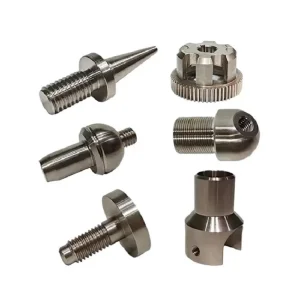
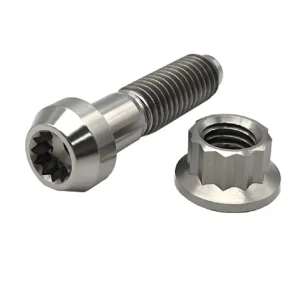
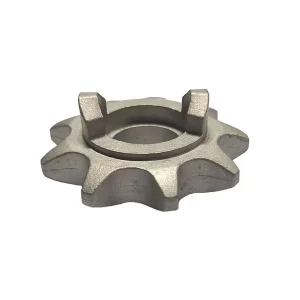
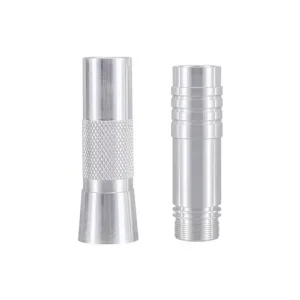
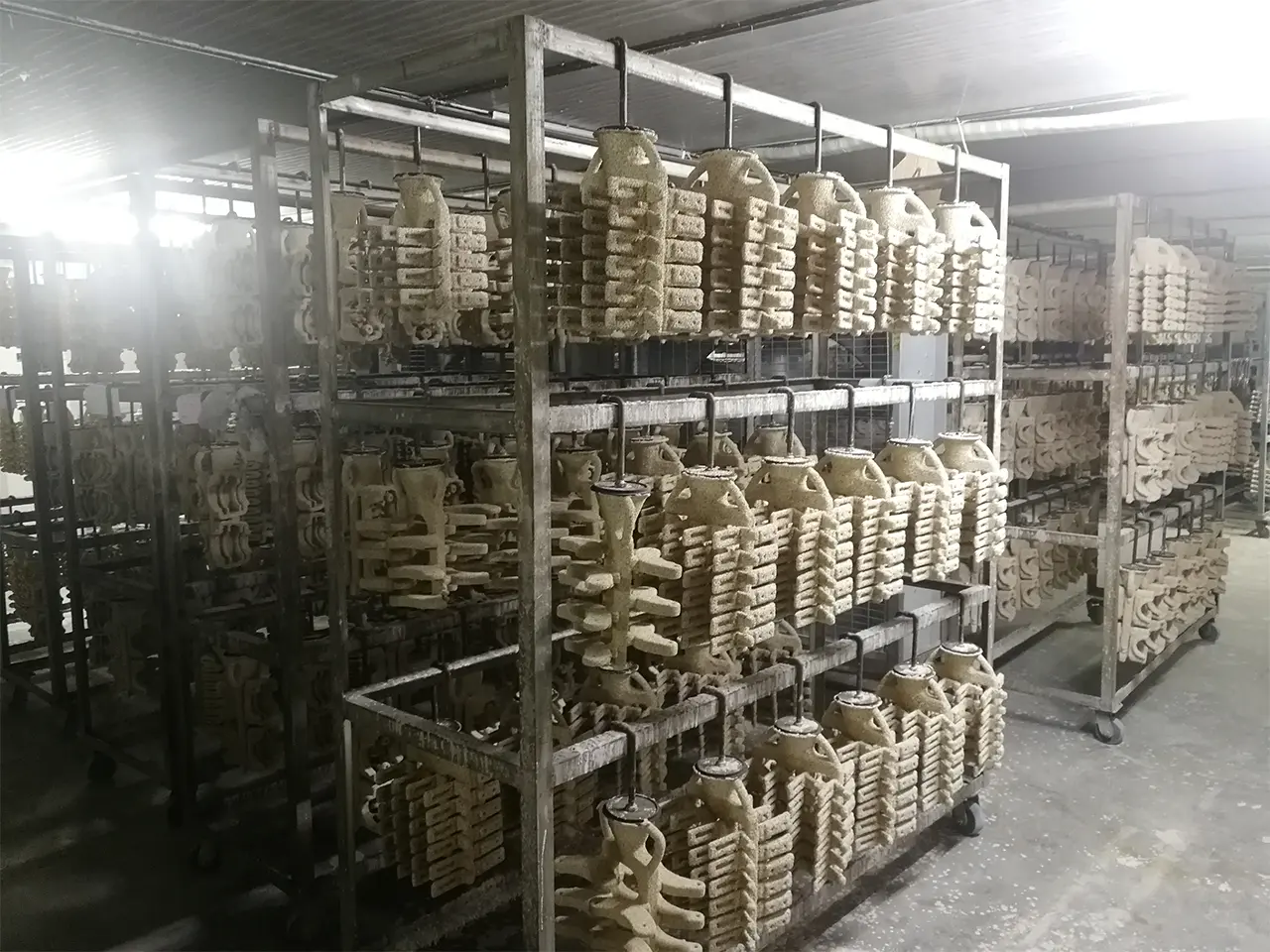
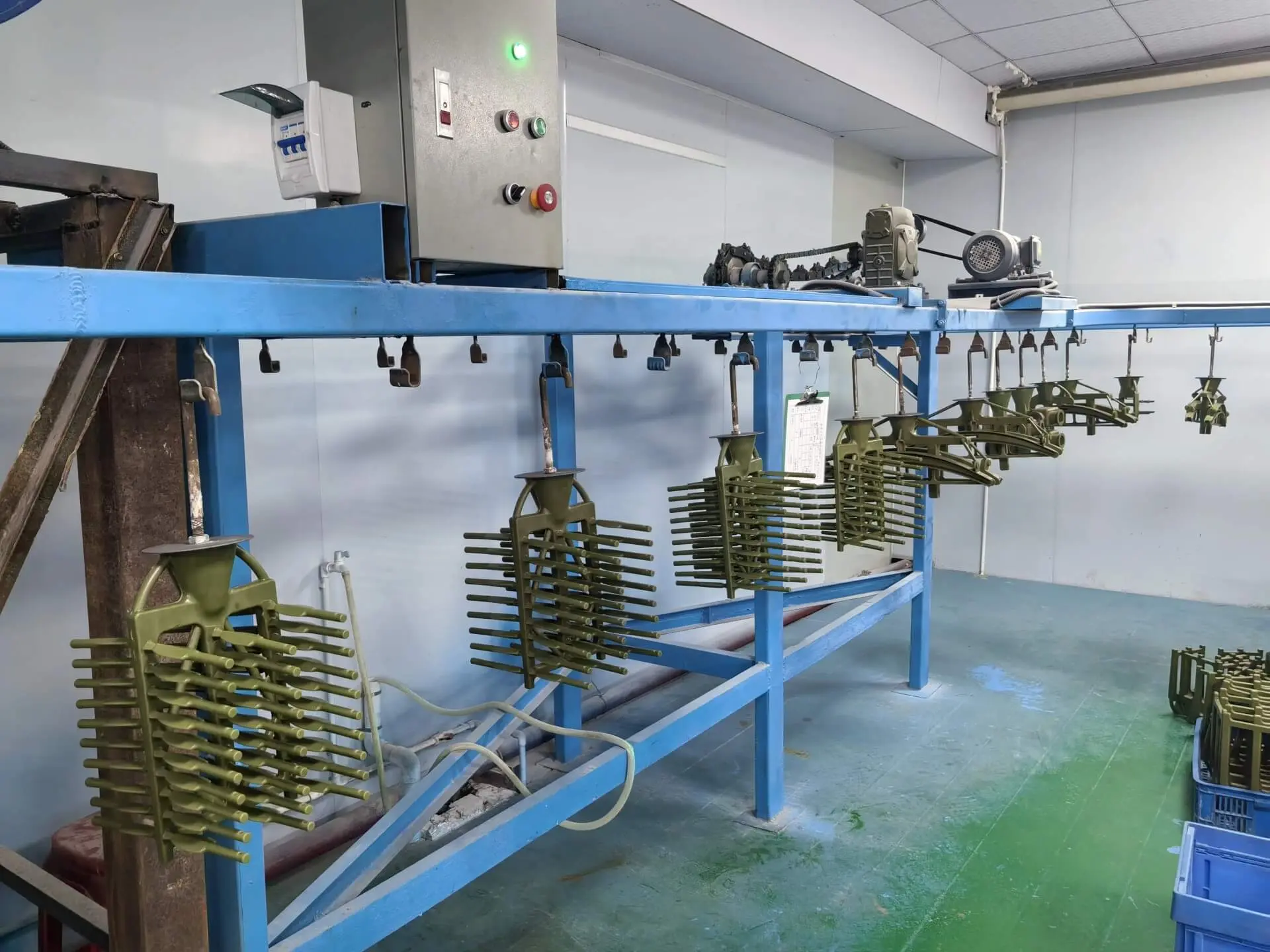
Our products serve demanding markets worldwide, including medical devices, clinical machinery, automobiles, marine engineering, ships, specialized pumps, industrial valves, electronic appliances, and horological components. The most commonly used materials for our investment casting division are stainless steel and carbon steel. Our CNC machining division processes titanium alloy, stainless steel, carbon steel, aluminum alloy, copper alloy, cemented carbide, and high-performance engineering plastics.
Since our founding in 2014, we have continuously upgraded our facility in Dongguan with advanced five-axis machining centers, Swiss-type CNC lathes, and vertical milling machinery. This equipment enables us to respond quickly to complex engineering specifications.
Striving for Zero-Defect Manufacturing in Medical-Grade Materials
Quality is the cornerstone of the manufacturing industry. We firmly believe that only by controlling quality well can we survive, develop, and continue to scale. Therefore, we have been working in this industry unremittingly since 2014, continually improving our team's competencies and expanding our clean-air production capacity.
We maintain professional testing equipment and dedicated QC personnel. We adhere to strict tolerances and quality standards for all parts produced. For medical plastic applications where dimensional verification is critical, we utilize Coordinate Measuring Machines (CMM), optical comparators, and surface profilometers to verify critical dimensions without causing deformation to delicate polymer profiles.
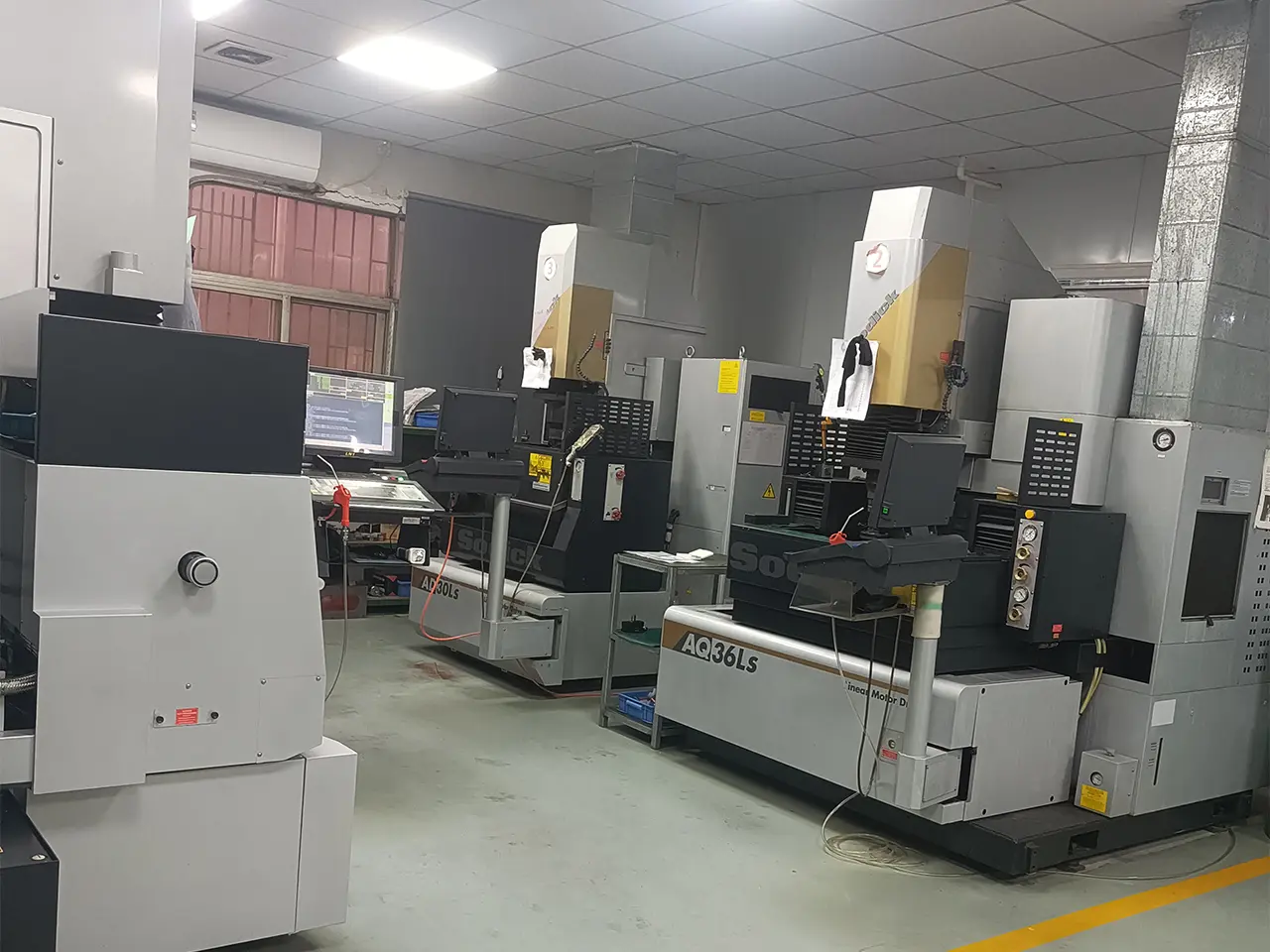
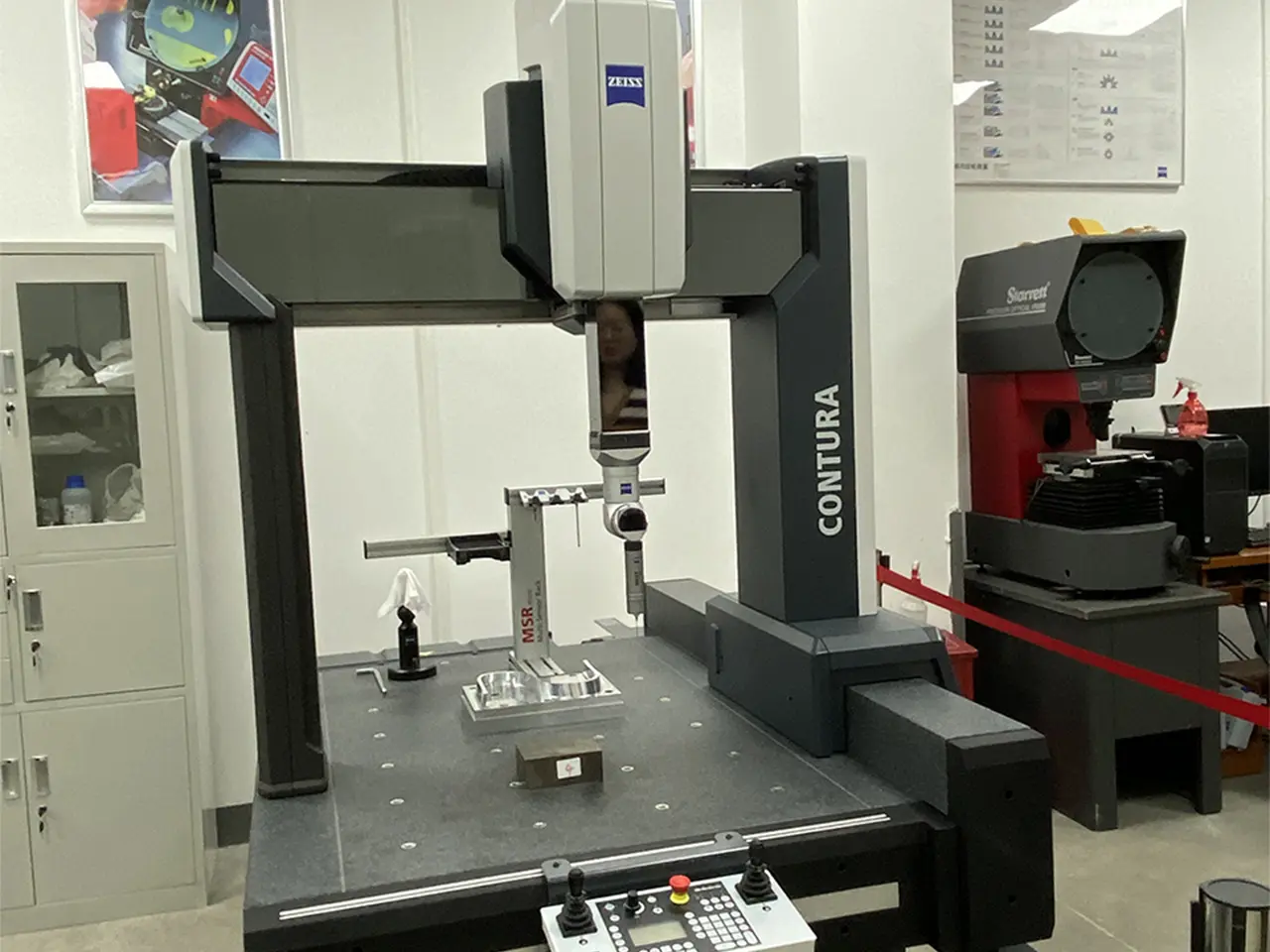
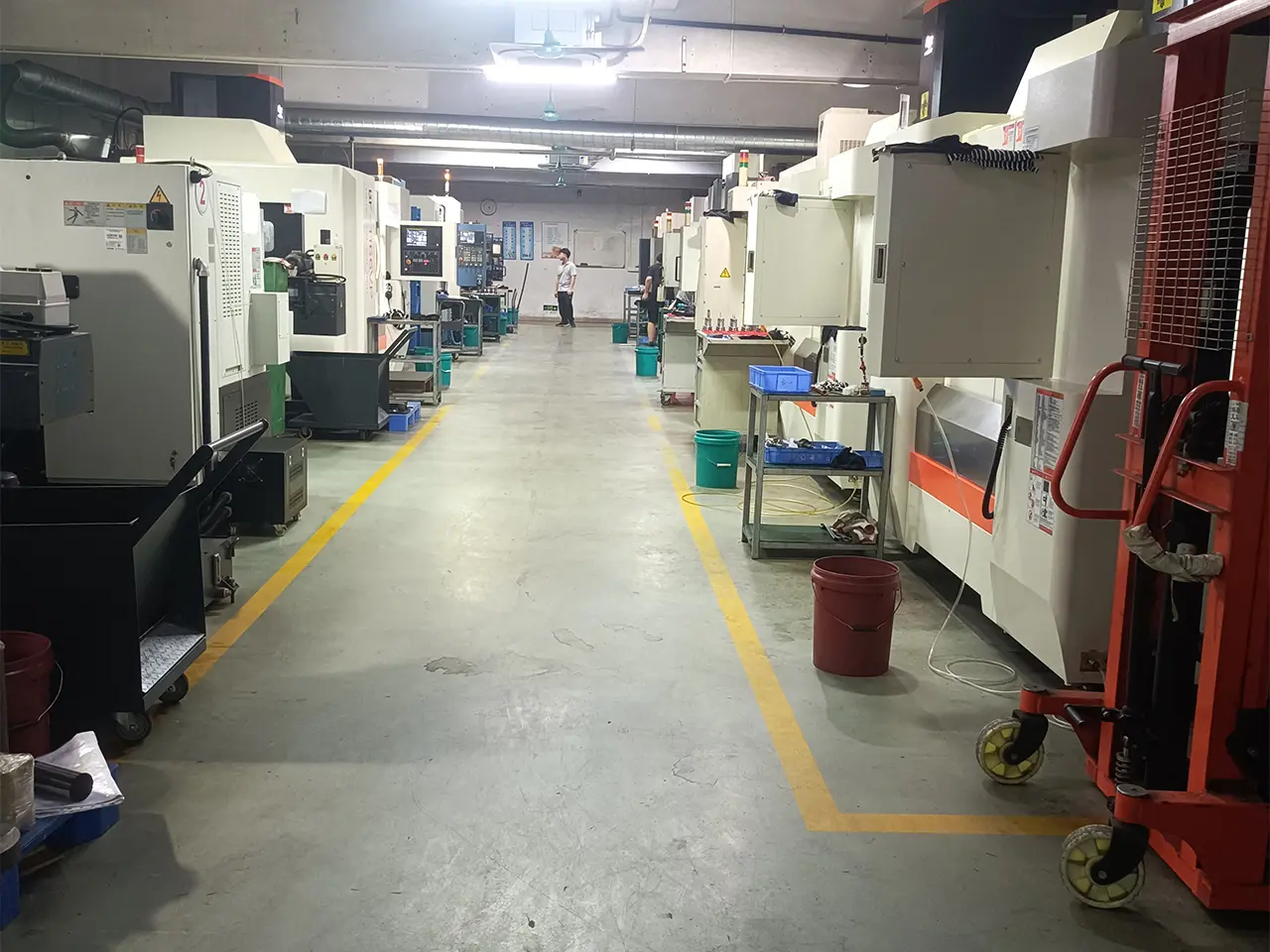

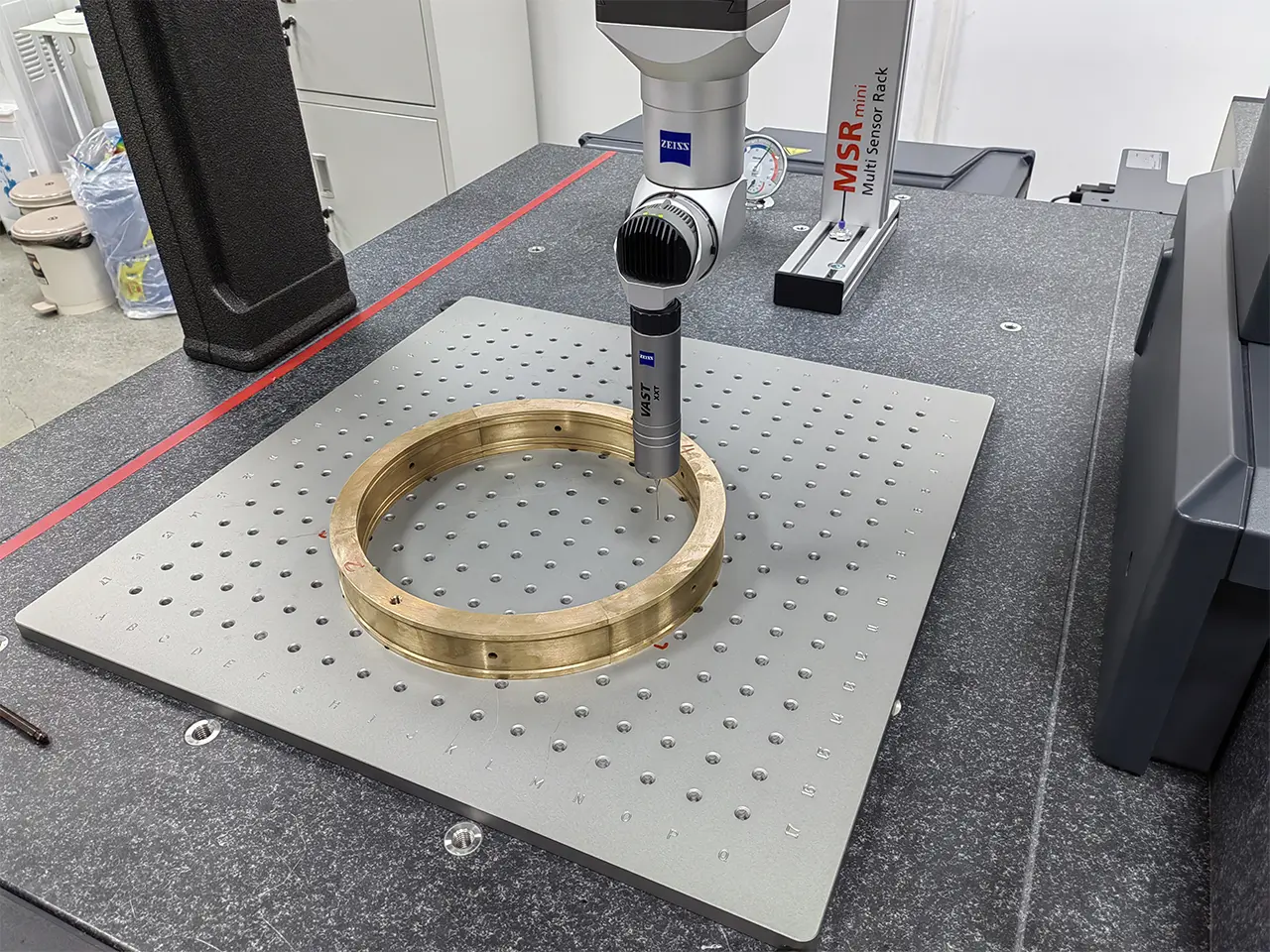 as our standard, we ensure that every batch of titanium, stainless steel, and specialty plastic components meets structural and geometric tolerances.
Managing Risk, Material Traceability, and Global Supply Lines
Global medical device OEMs require local engineering representation, global material traceability, and regulatory compliance. Our facilities maintain strict material separation protocols to prevent cross-contamination between industrial metals (like carbon steels) and biomedical-grade polymers or alloys (such as Titanium Grade 5 and surgical stainless steel).
Our international localization support framework provides comprehensive engineering documentation, including material test reports (MTR), certificate of conformance (CoC), and raw polymer compliance certificates (USP Class VI, FDA CFR 21 177.2415). Additionally, we coordinate with domestic and international testing bodies to verify biocompatibility standards, enabling our partners to submit their medical device applications (such as FDA 510k filings and CE markings) with confidence.
Furthermore, our proximity to Hong Kong's logistics hub facilitates streamlined air freight, custom clearances, and secure supply lines, minimizing shipping lead times for crucial R&D prototyping phases and volume production runs.
Expert Engineering Insights on Medical Plastics & Casting Processes
Engineered Performance Alloys for Demanding Clinical Applications
 SX Machining