Explore our elite engineering portfolio featuring complex structural parts machined to high precision, serving aerospace, medical, automotive, and marine environments.
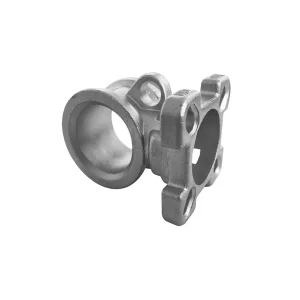
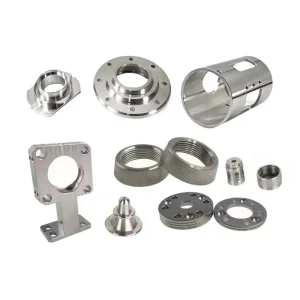
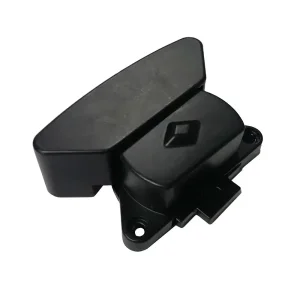
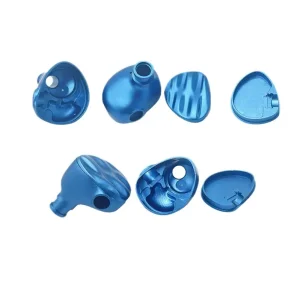
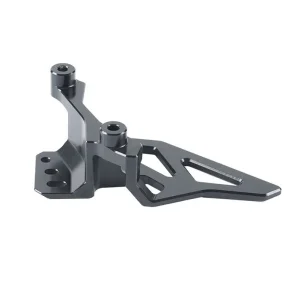
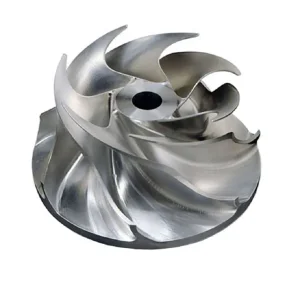
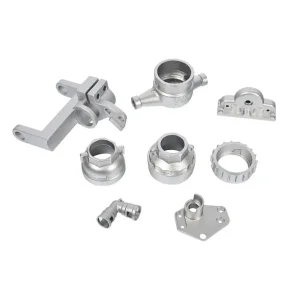
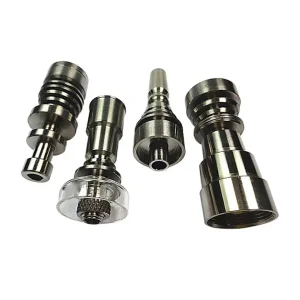
Dongguan SX Technology Co.,Ltd has very rich experience in precision casting, CNC machining and assembly.
Our comprehensive production framework is meticulously structured to deliver outstanding reliability. We supply components used in machinery, automobiles, marine, ships, equipment, valves and pumps, electronic appliances, packaging, watches, construction, chemical industry and other key fields. Our engineering division processes high-integrity alloys with advanced methodologies. The most commonly used materials for investment casting are stainless steel and carbon steel. And the most commonly used materials for CNC machining include titanium alloy, stainless steel, carbon steel, aluminum alloy, copper alloy, cemented carbide, and specialized engineering materials.
Since our inception, we have established advanced manufacturing equipment and technology, enabling us to respond quickly to your complex manufacturing needs with outstanding engineering accuracy.
Examining structural transformations across worldwide casting markets, alloy science innovations, and purchasing optimization strategies.
The manufacturing sector is undergoing a massive shift towards resource conservation and minimizing material waste. Near-net-shape manufacturing processes, particularly lost-wax investment casting, represent the cutting-edge of this transformation. By producing components that closely match final dimensions, businesses drastically reduce the need for raw material removal during post-casting. Consequently, this minimizes CNC cycle times, reduces mechanical wear on tools, and lowers power usage. Modern buyers target precision casting services to shorten production cycles and minimize processing costs, making investment casting the preferred choice for complex geometries.
"Optimizing casting geometries at the design stage can reduce raw material weight by up to 35% while increasing structural integrity through optimized fluid flow simulation."
Today's supply chain strategies require evaluating more than just upfront unit costs. Top manufacturing companies base their purchasing strategies on Total Cost of Ownership (TCO), which factors in quality validation, transportation times, tariff risks, and administrative costs. Partnering with a comprehensive provider who manages design feedback, casting, multi-axis CNC machining, and quality assurance under one roof minimizes communication errors and accelerates time-to-market. The goal is to build strong partnerships with vertically integrated manufacturing centers in China capable of managing the entire value chain seamlessly.
Bridging traditional casting processes with state-of-the-art automation and advanced digital tracking.
By simulating casting solidification using finite element methods (FEM) before mold manufacturing, we predict and eliminate potential defects like porosity, cold shuts, and hot tears.
Integrating automatic casting processes directly with 3-axis, 4-axis, and high-performance 5-axis CNC machining centers ensures consistent, tight tolerances across high-volume production runs.
Every production run undergoes complete material identification verification. From raw alloy melt batches to mechanical stress testing, our records are fully tracked to verify total compliance.
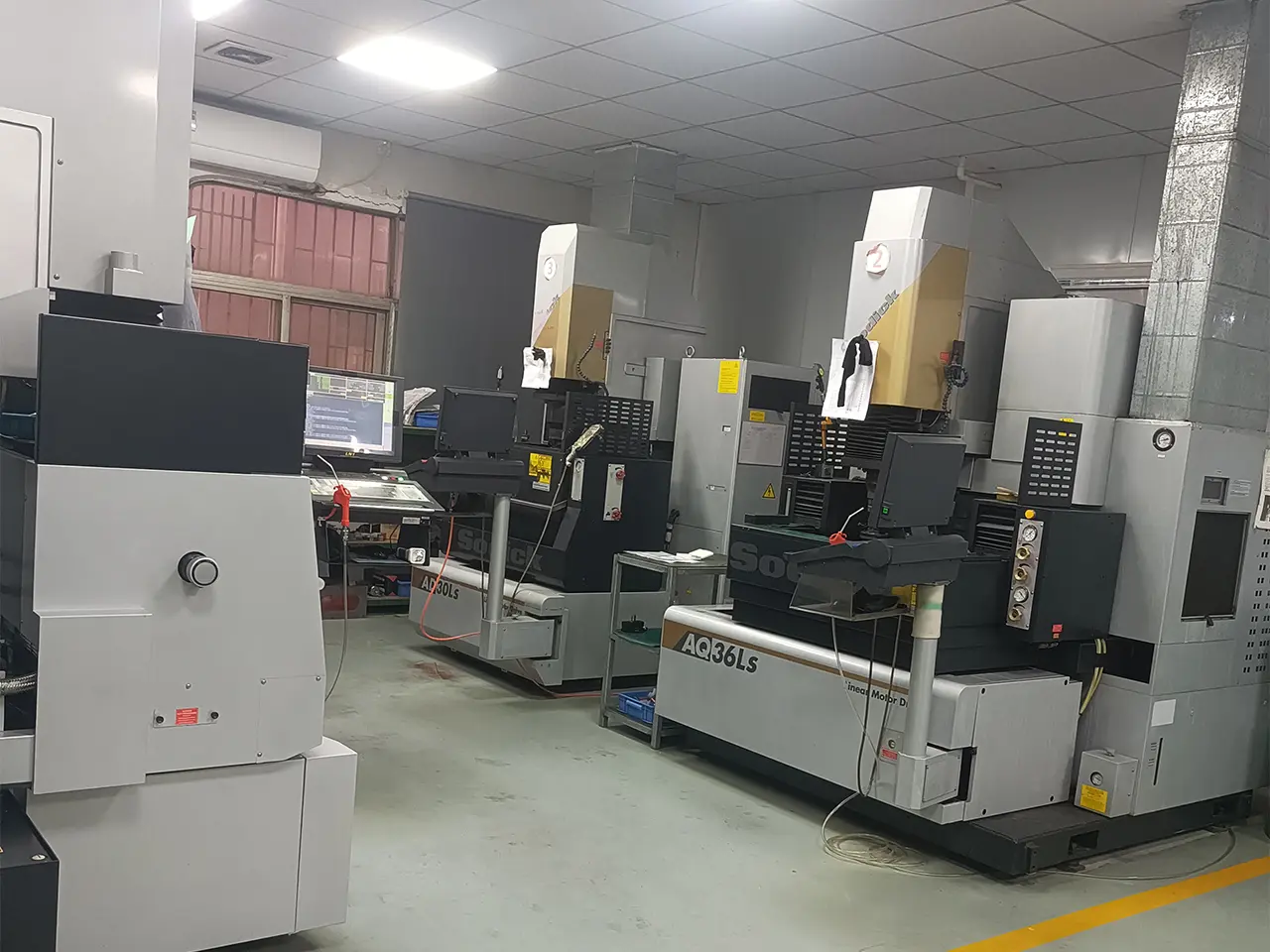
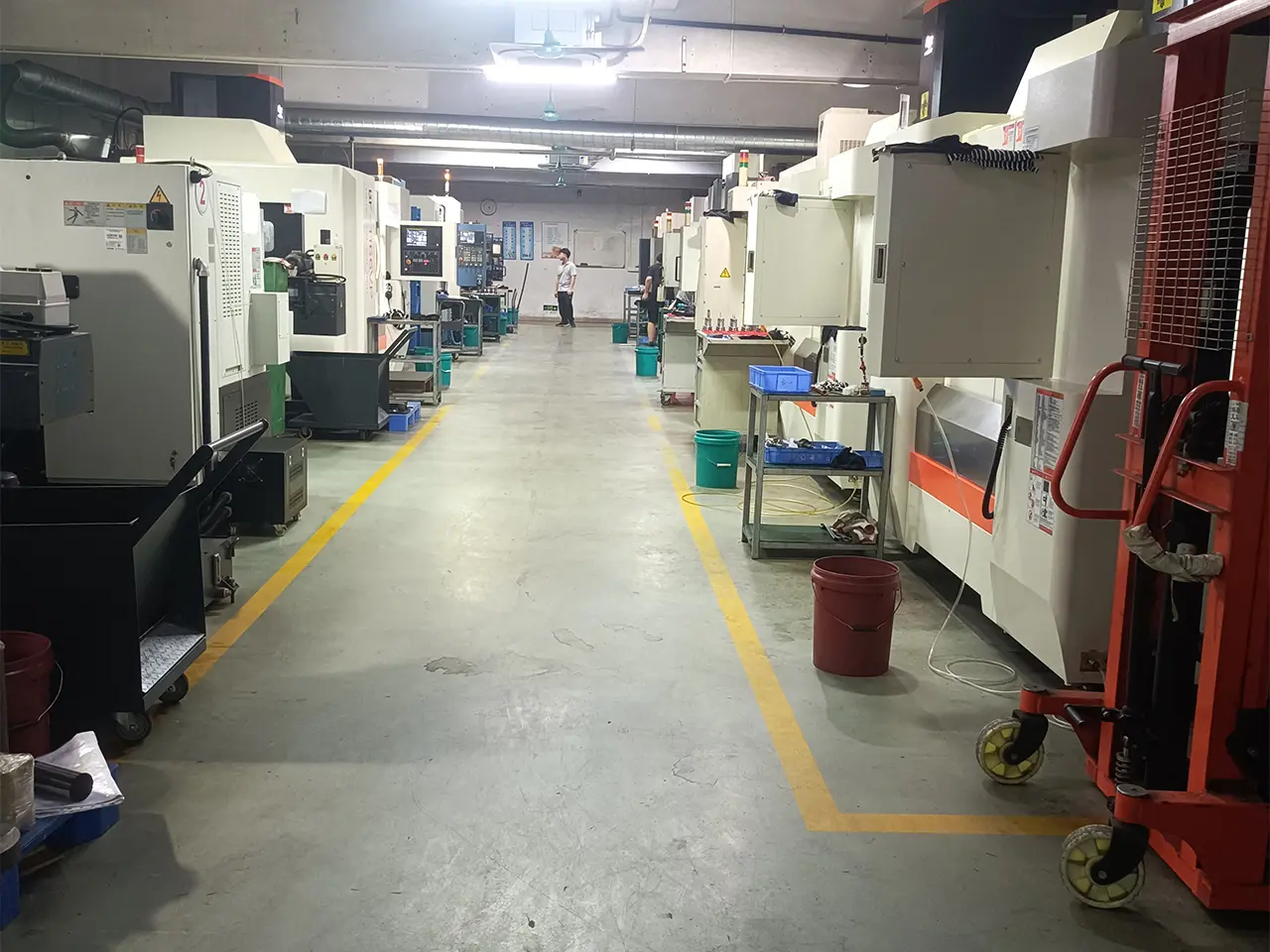
An inside look at our state-of-the-art production floor, where advanced casting lines and precision machining technologies operate in harmony.
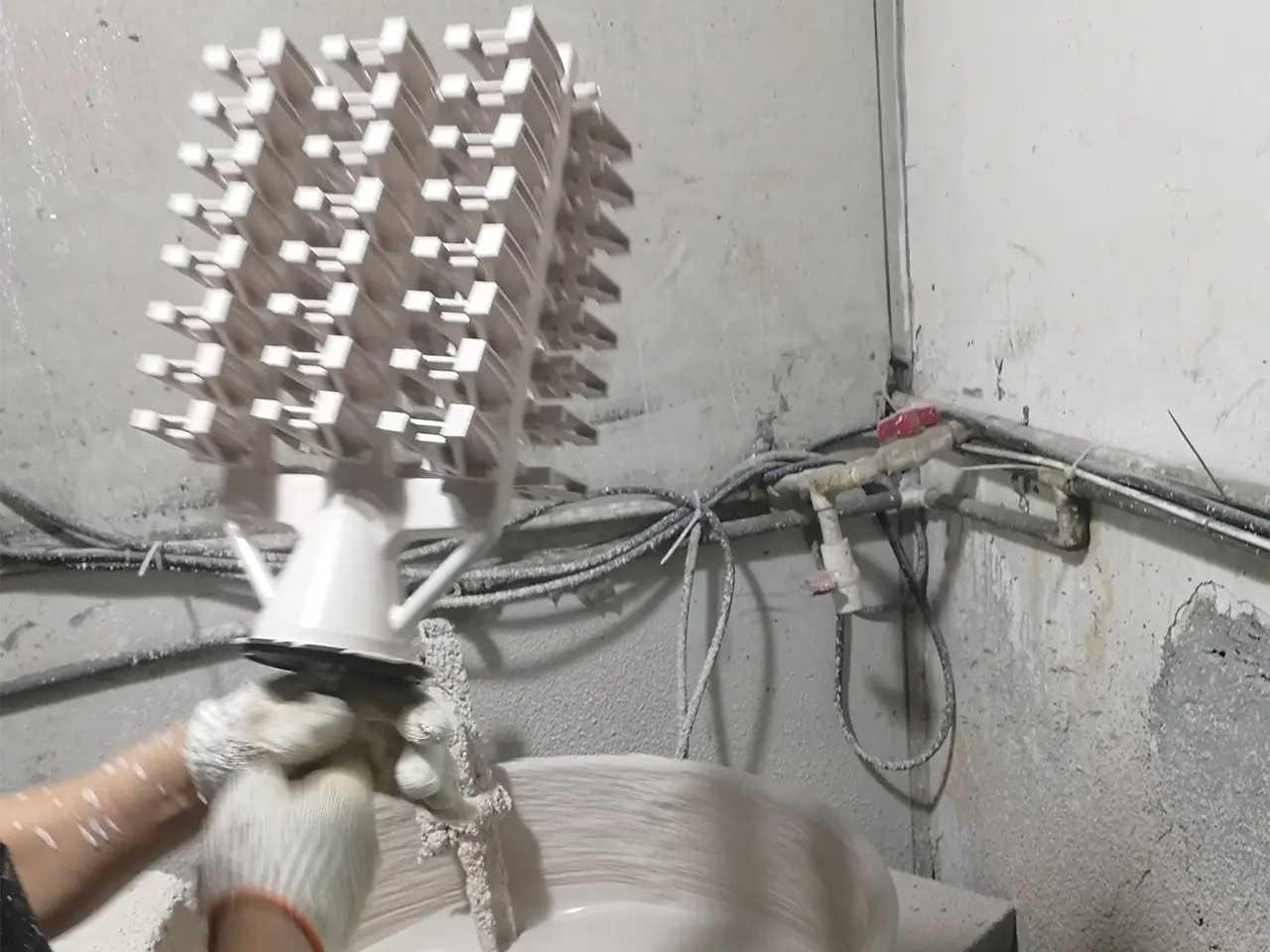
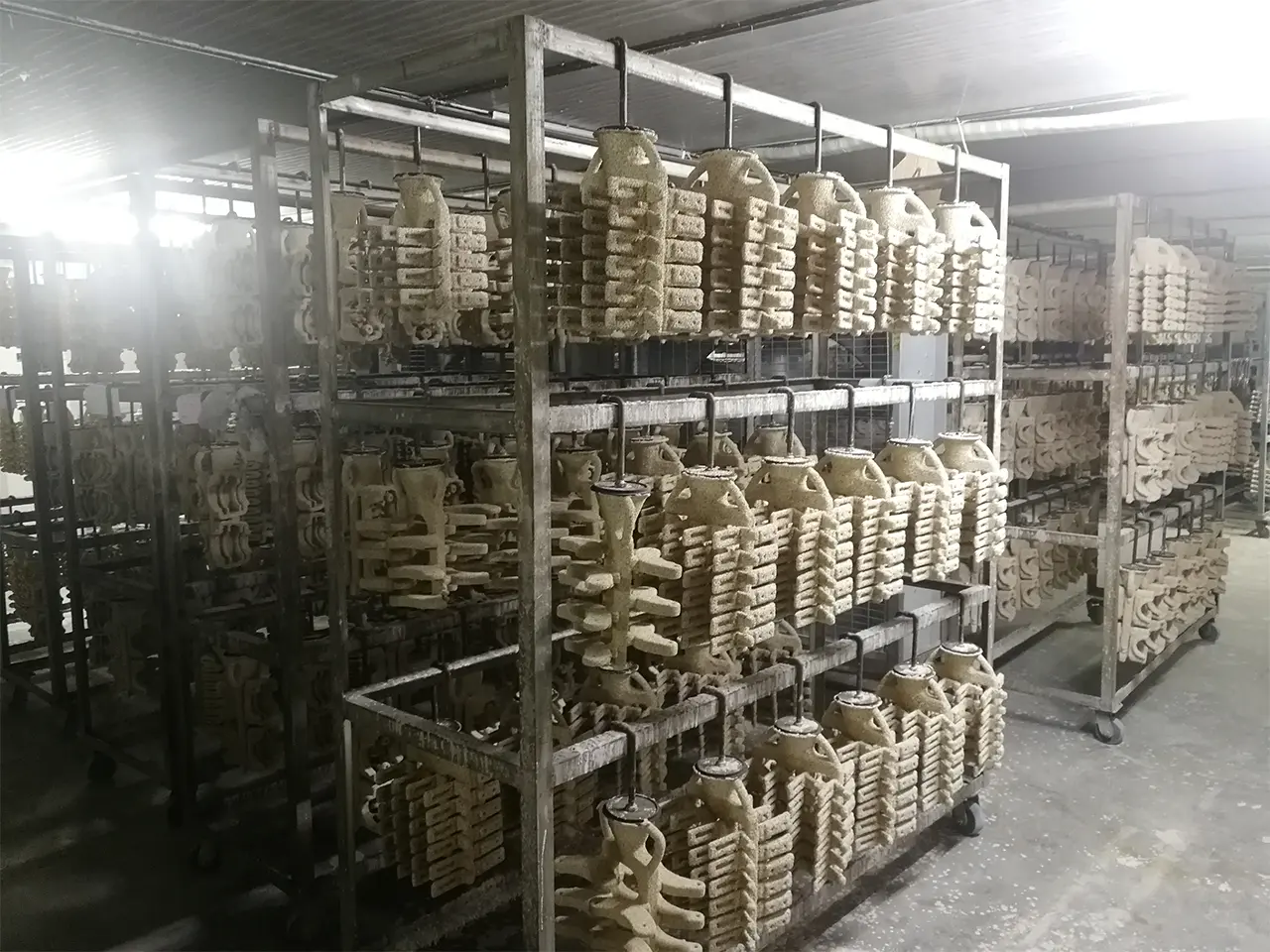
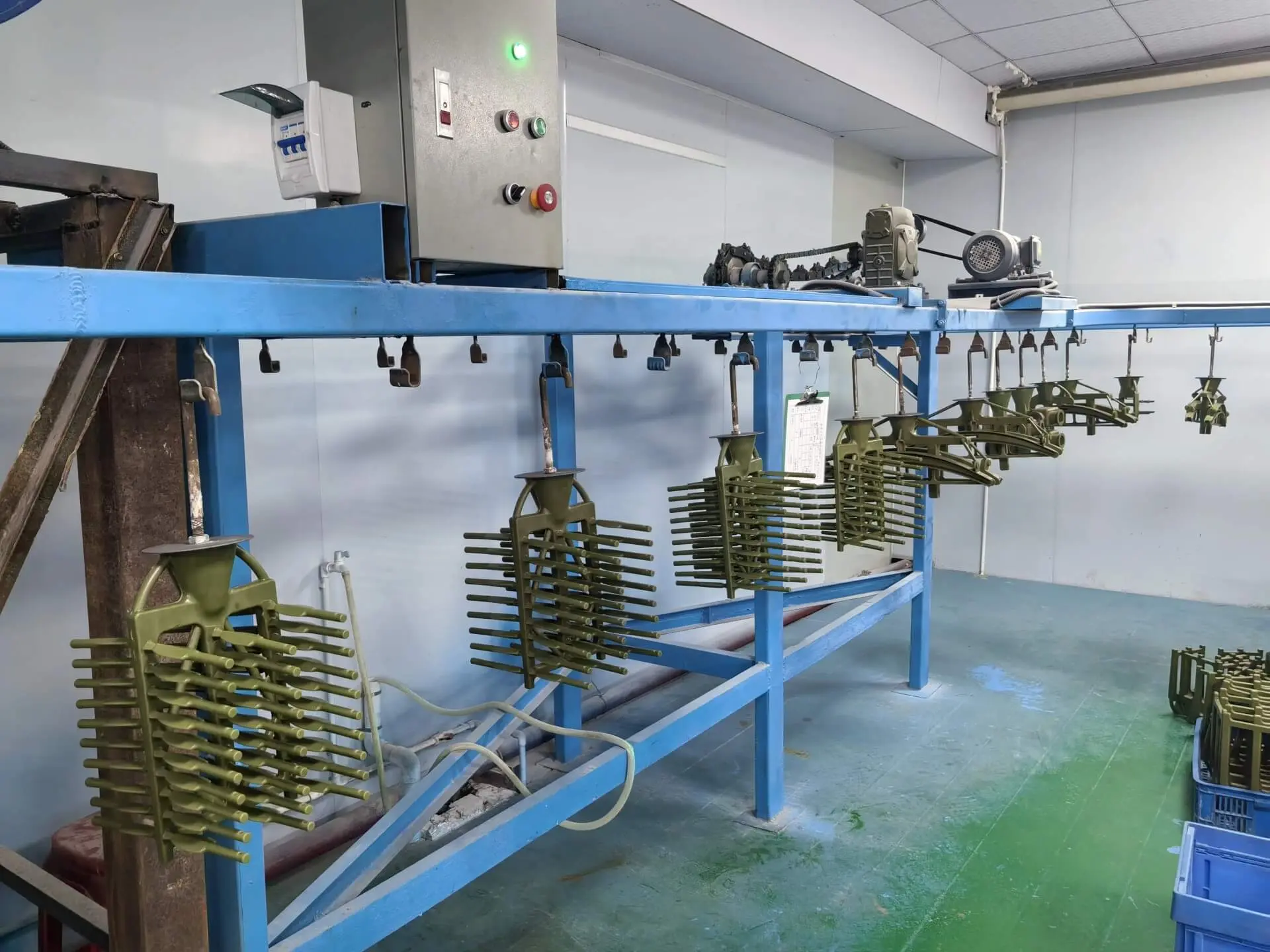
Compare the typical chemical properties and mechanical performance metrics of our primary production alloys.
| Material Category | Common Standard Alloys | Tensile Strength (MPa) | Yield Strength (MPa) | Key Applications |
|---|---|---|---|---|
| Stainless Steel | AISI 304, 316, 316L, 17-4 PH | 485 - 850 | 170 - 550 | Marine fittings, chemical valves, medical parts |
| Carbon Steel | WCB, WCC, 1020, 1045 | 415 - 585 | 205 - 310 | Agricultural machinery, heavy construction fixtures |
| Titanium Alloy | Grade 5 (Ti-6Al-4V), Grade 2 | 880 - 950 | 800 - 830 | Aerospace structural elements, medical implants |
| Aluminium Alloy | A356, 6061-T6, 7075-T6 | 220 - 570 | 160 - 500 | Automotive brackets, cycling structural hubs |
| Copper / Bronze | C83600, Aluminium Bronze | 250 - 650 | 110 - 300 | Pumps impellers, marine bearings, heat exchangers |
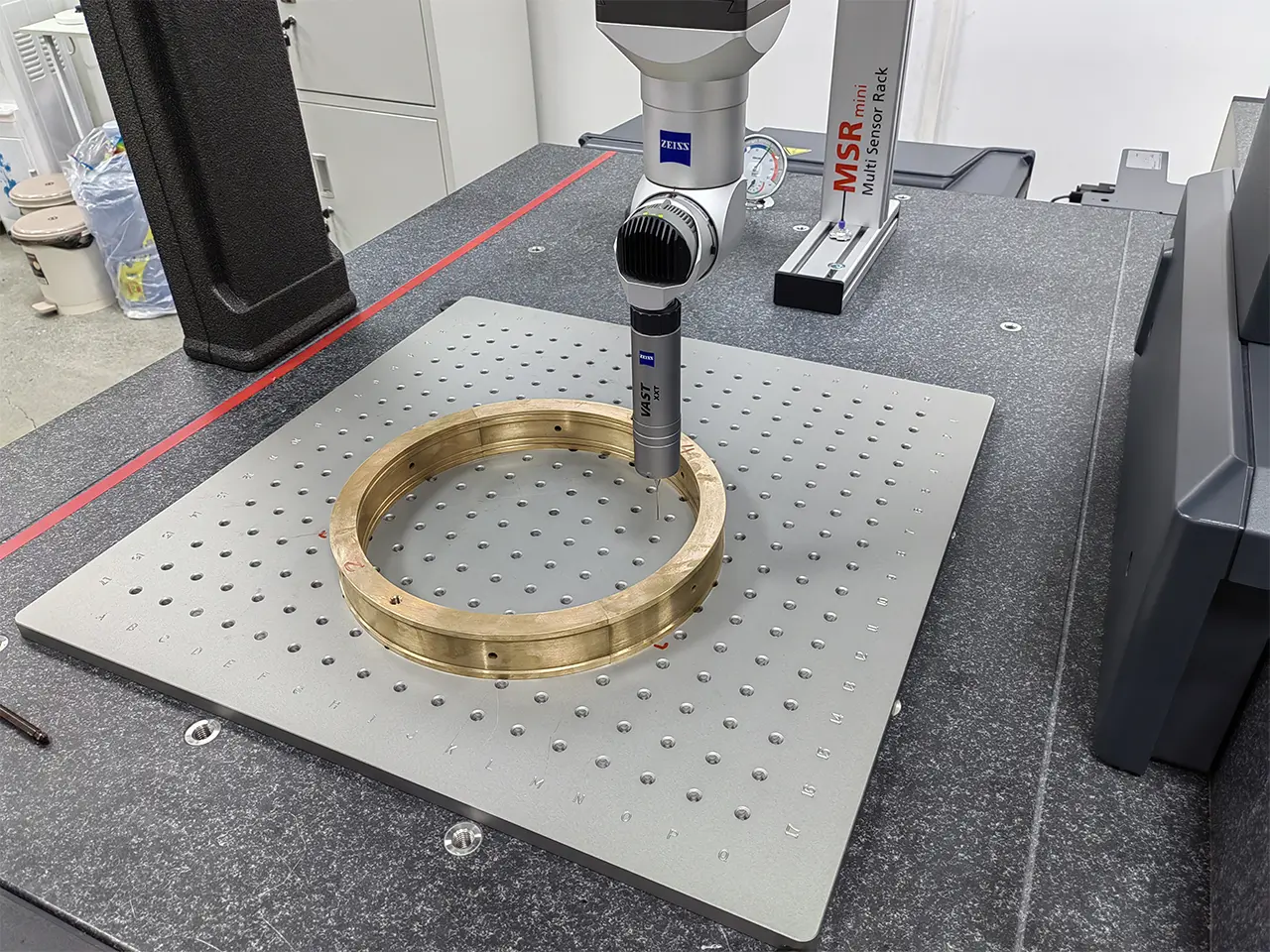
Quality is the cornerstone of the manufacturing industry. We firmly believe that only by controlling quality well can we survive, develop, and get better and better.
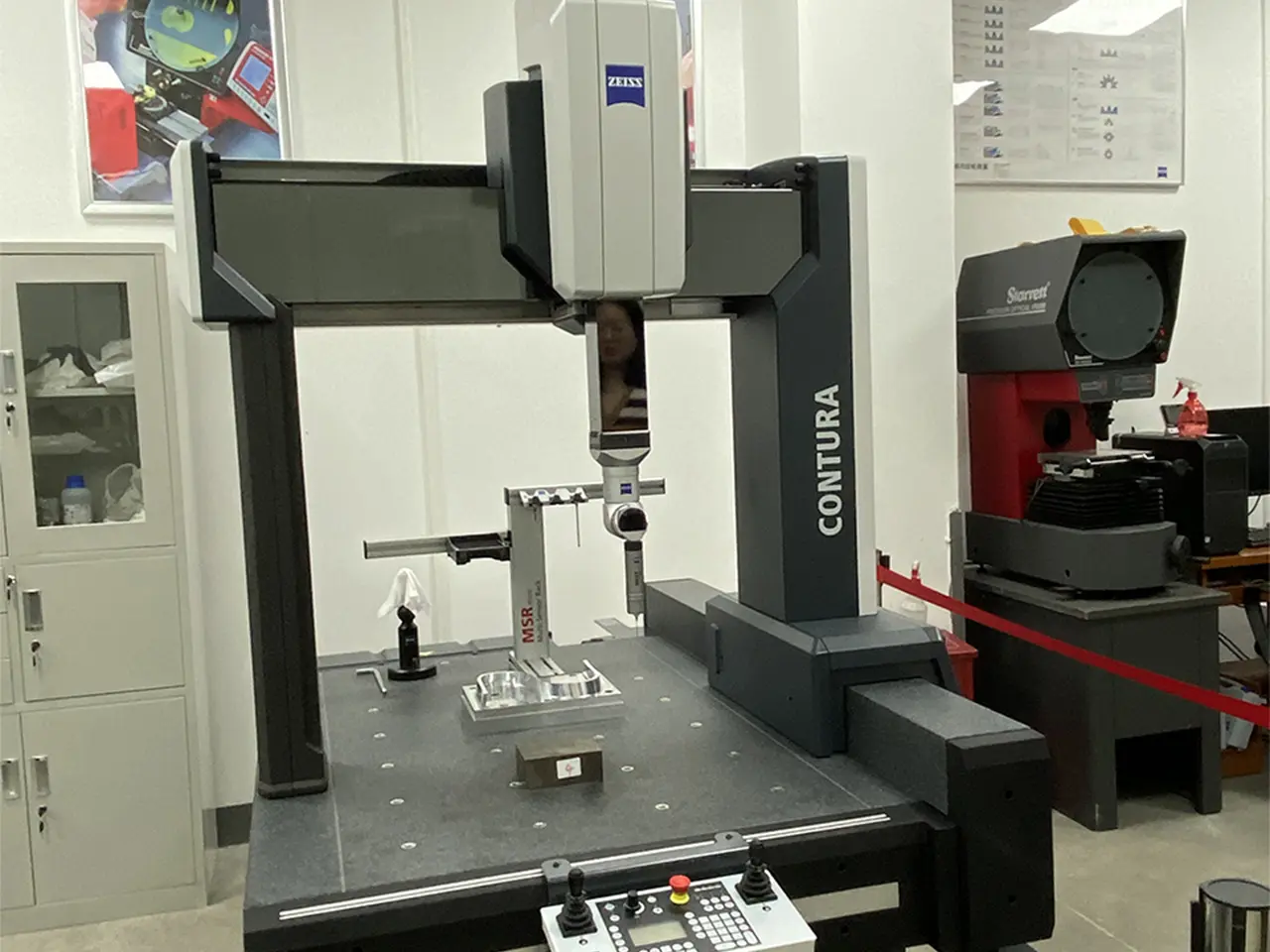
We maintain professional testing equipment and dedicated QC personnel, adhering to strict tolerances and quality standards for every part we manufacture. Our focus on quality has earned us praise from global clients across demanding industries.
By continuously upgrading our facilities since 2014, we have enhanced our production capacity and expanded our quality team. We inspect every batch using advanced validation methods:
How our casting and precision machining components operate in demanding real-world industrial environments.
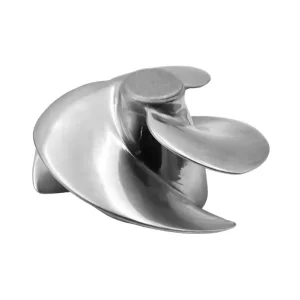
Our corrosion-resistant stainless steel 316 and duplex components are engineered to withstand harsh offshore environments. From anchor brackets to custom propellers, we ensure long-lasting performance in salt-water environments.
We design high-pressure valve bodies, gates, flanges, and impeller castings to prevent micro-leakage and maintain smooth internal flow, meeting the strict requirements of chemical processing plants.
We machine biocompatible titanium alloys to extremely tight tolerances, supplying components for orthopaedic implants and medical instruments that require flawless surfaces and reliable strength.
From engine and turbocharger parts to chassis brackets, our lightweight aluminium and high-strength steel castings help global automotive manufacturers improve fuel efficiency and reliability.
Using advanced 5-axis CNC machining, we cut solid alloy blocks into complex impeller blades, providing the precision dynamics needed for high-speed fluid and gas systems.
We produce heavy-duty carbon steel castings designed to withstand high friction, impacts, and heavy loads in rough agricultural environments, ensuring minimal equipment downtime.
Technical answers to common questions about our casting methods, tolerances, materials, and production capacities.
For investment castings, we achieve linear tolerances matching ISO 8062-3 DCTG6 to DCTG8 standards. For post-casting CNC machining, our multi-axis setups regularly hold tolerances within ±0.005 mm, depending on the material and part design.
We recommend austenitic stainless steel (such as 316 or 316L) or duplex stainless steel (e.g., 2205) because their chromium-nickel-molybdenum compositions provide excellent resistance to pitting and crevice corrosion in marine environments.
We perform chemical analysis on every heat using optical emission spectrometers. Depending on project specifications, we also conduct non-destructive testing (NDT), CMM inspections, tensile tests, and hydrostatic pressure testing on valve parts.
Yes. We use rapid tooling or 3D-printed wax patterns for fast prototyping, allowing clients to test designs before investing in tooling. Once approved, we scale production using multi-cavity tool sets to handle large runs efficiently.
Our surface finishing capabilities include shot blasting, sandblasting, electro-polishing, passivating, powder coating, zinc plating, anodizing, and custom precision machining finishes based on technical requirements.
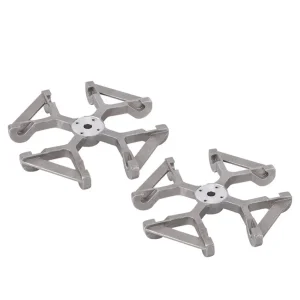
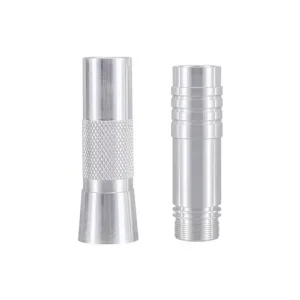
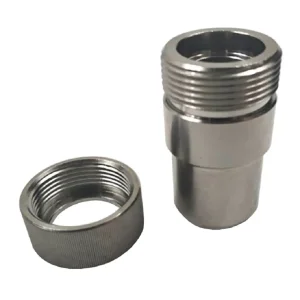
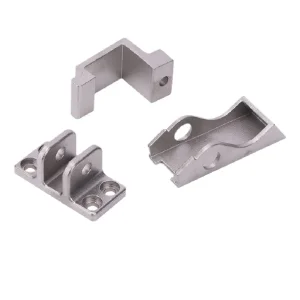
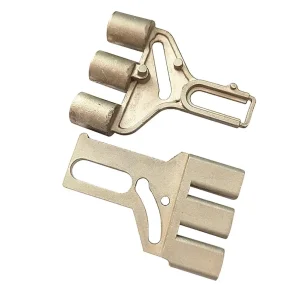
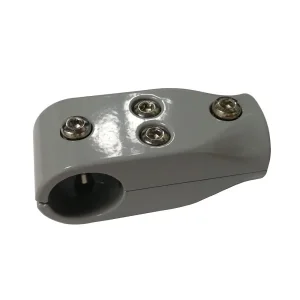
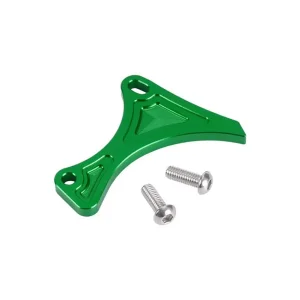
Browse additional precision components designed to meet strict dimensional requirements across various industrial sectors.
 SX Machining