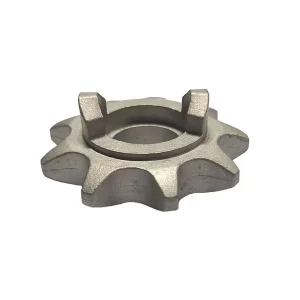
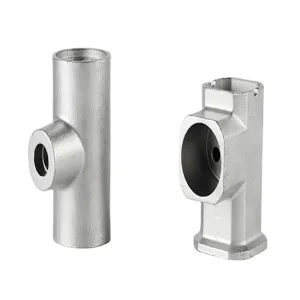
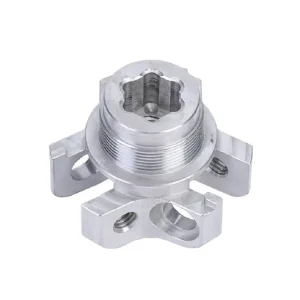
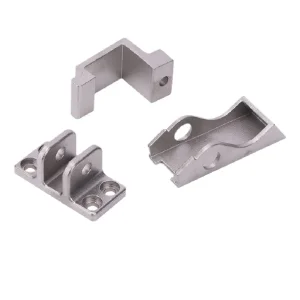
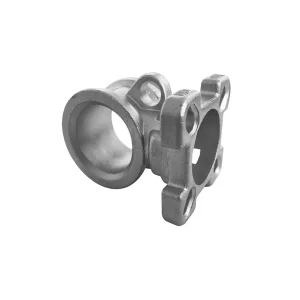
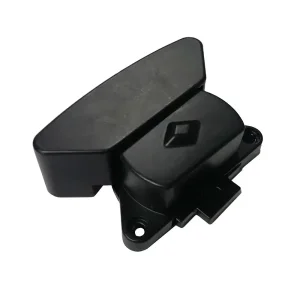
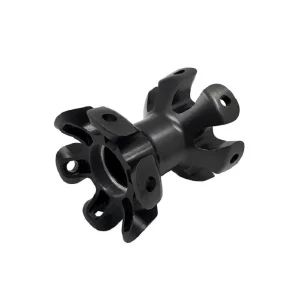
In the contemporary industrial ecosystem, global procurement departments face the multifaceted challenge of balancing structural component integrity with unit cost optimization. High-integrity metal castings serve as the structural backbone of critical industries, including automotive transmission systems, fluid handling infrastructure, petrochemical plants, aerospace assemblies, and telecommunications networks. As global companies seek resilience in their supply chains, partnering with elite China OEM metal casting manufacturers and factories has evolved beyond simple wage-differential arbitrage. It has become a strategic move to leverage massive engineering scale, deep metallurgical supply chains, and highly integrated precision machining systems.
A key procurement metric today is "Total Cost of Ownership" (TCO), which accounts for material scrap rates, dimensional variation defects, secondary finishing operations, and logistics lead times. Modern OEM factories must offer more than just raw foundry output; they must provide finished, ready-for-assembly (RFA) components. This capability requires combining investment casting processes (lost wax casting) with multi-axis CNC milling, precision CNC turning, advanced heat treatment regimes, and rigorous metrological verification. Companies that bridge this gap reduce supply chain nodes from multiple entities to a single partner, minimizing quality-drift risks.
"Procurement teams in Europe and North America are transitioning from fragmented supply models to integrated OEM partners. A single vendor with casting, machining, and validation capabilities under one roof reduces validation bottlenecks by up to 35%."
Furthermore, ESG (Environmental, Social, and Governance) compliance and localized regulatory standards (such as REACH, RoHS, and local industrial certifications) require modern Chinese foundries to maintain transparent documentation. This ensures material traceability through spectral analysis and non-destructive testing (NDT), establishing reliability right from the start of production.
The choice of material determines a component's fatigue life, corrosion resistance, and thermal performance. Top-tier OEM casting factories work with a wide range of ferrous and non-ferrous alloys. Each material has specific mechanical properties tailored to different applications:
| Material Class | Common Alloys Utilized | Mechanical Properties | Primary Application Fields |
|---|---|---|---|
| Stainless Steel | CF8M (316), CF8 (304), 17-4 PH, Duplex Stainless | Exceptional corrosion resistance, high tensile strength, excellent pitting resistance. | Valves, pump impellers, marine brackets, chemical plants, medical devices. |
| Carbon & Low Alloy Steel | WCB, LCC, 8620, 4140, 1020, 1045 | High toughness, excellent wear resistance when surface hardened, cost-effective structural integrity. | Heavy machinery parts, automotive gear assemblies, construction structural mounts. |
| Aluminum Alloys | A356, A380, ADC12, AlSi10Mg | Excellent strength-to-weight ratio, high thermal conductivity, rapid processing capabilities. | Communication electronics housings, smart home components, automotive engine brackets. |
| Titanium & Cobalt Alloys | Ti-6Al-4V, Hastelloy, Inconel, Stellite | Extreme temperature capability, high strength-to-weight ratios, extreme chemical stability. | Aerospace impellers, turbochargers, specialty chemical valves, high-stress marine items. |
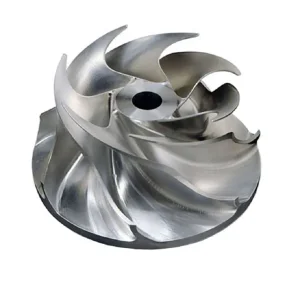
This process provides excellent surface finishes (Ra 3.2 to 6.3) and precise dimensional control (ISO 8062-3 DCTG 4-6). It is ideal for thin-walled parts with complex inner passageways, such as pump impellers and control valves.
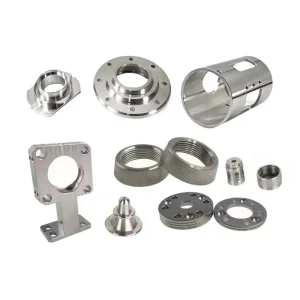
We use 3, 4, and 5-axis CNC machining centers to transition components from cast tolerances to micron-level requirements. This eliminates the need for multiple setups, ensuring optimal concentricity and alignment.
We provide full assembly services, including seal installations, thread-locking, and surface treatments like passivation, powder coating, anodizing, electro-polishing, and zinc-plating.
Dongguan SX Technology Co.,Ltd (Shixin) has built a strong reputation in precision casting, CNC machining, and complex engineering assembly. Our product range serves critical global industries, including machinery manufacturing, automotive engineering, marine systems, commercial ships, process equipment, valves, pumps, electrical appliances, consumer packaging, high-end watches, construction, and chemical processing.
To meet diverse mechanical specifications, our investment casting division specializes in stainless steel and carbon steel. In parallel, our CNC machining division processes demanding materials such as titanium alloys, stainless steel, carbon steel, aluminum alloys, copper alloys, and cemented carbides.
With our advanced manufacturing equipment, engineering expertise, and agile workflows, we respond quickly to dynamic project requirements. This helps our clients transition rapidly from prototyping to full-scale production.
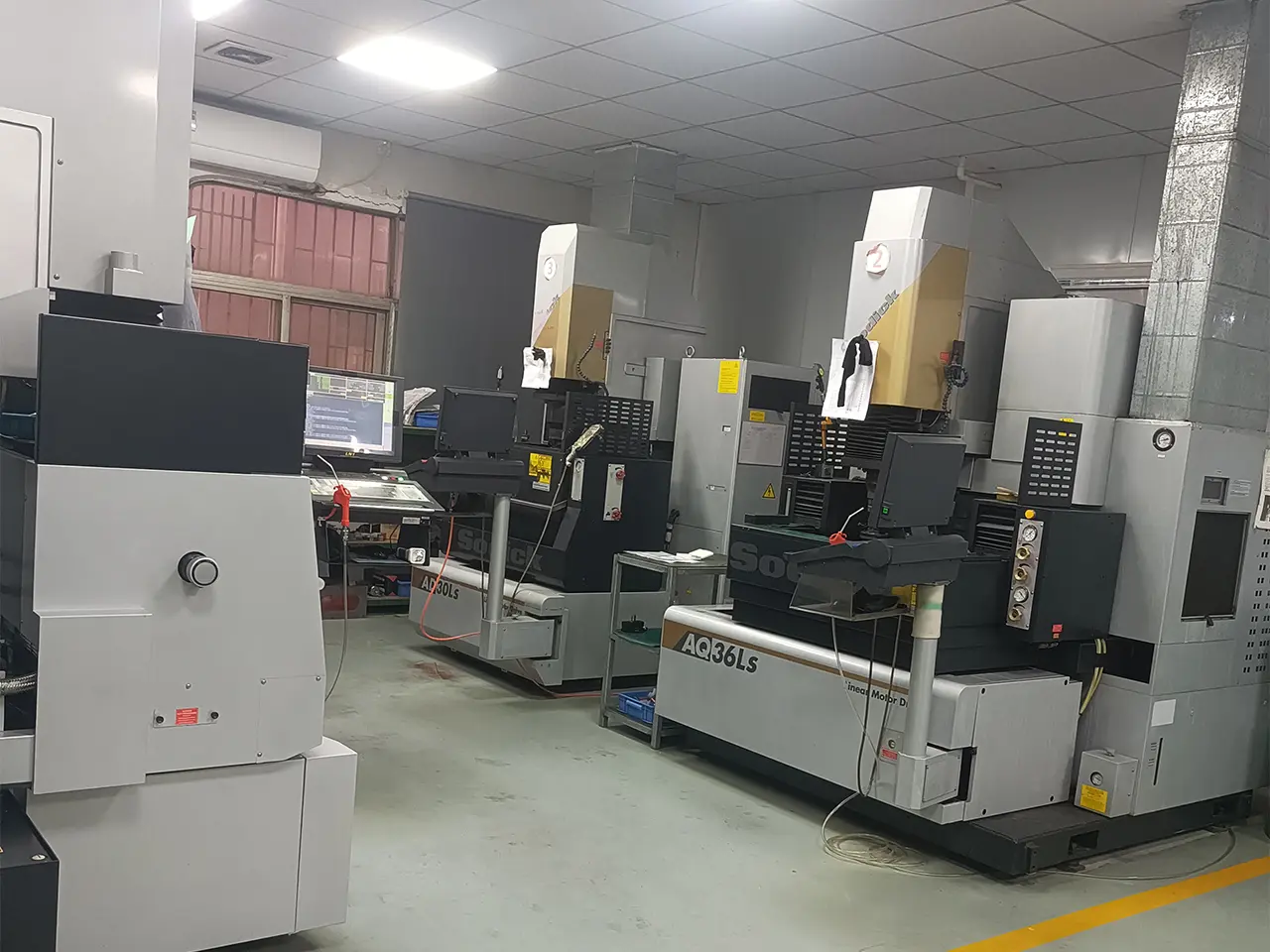
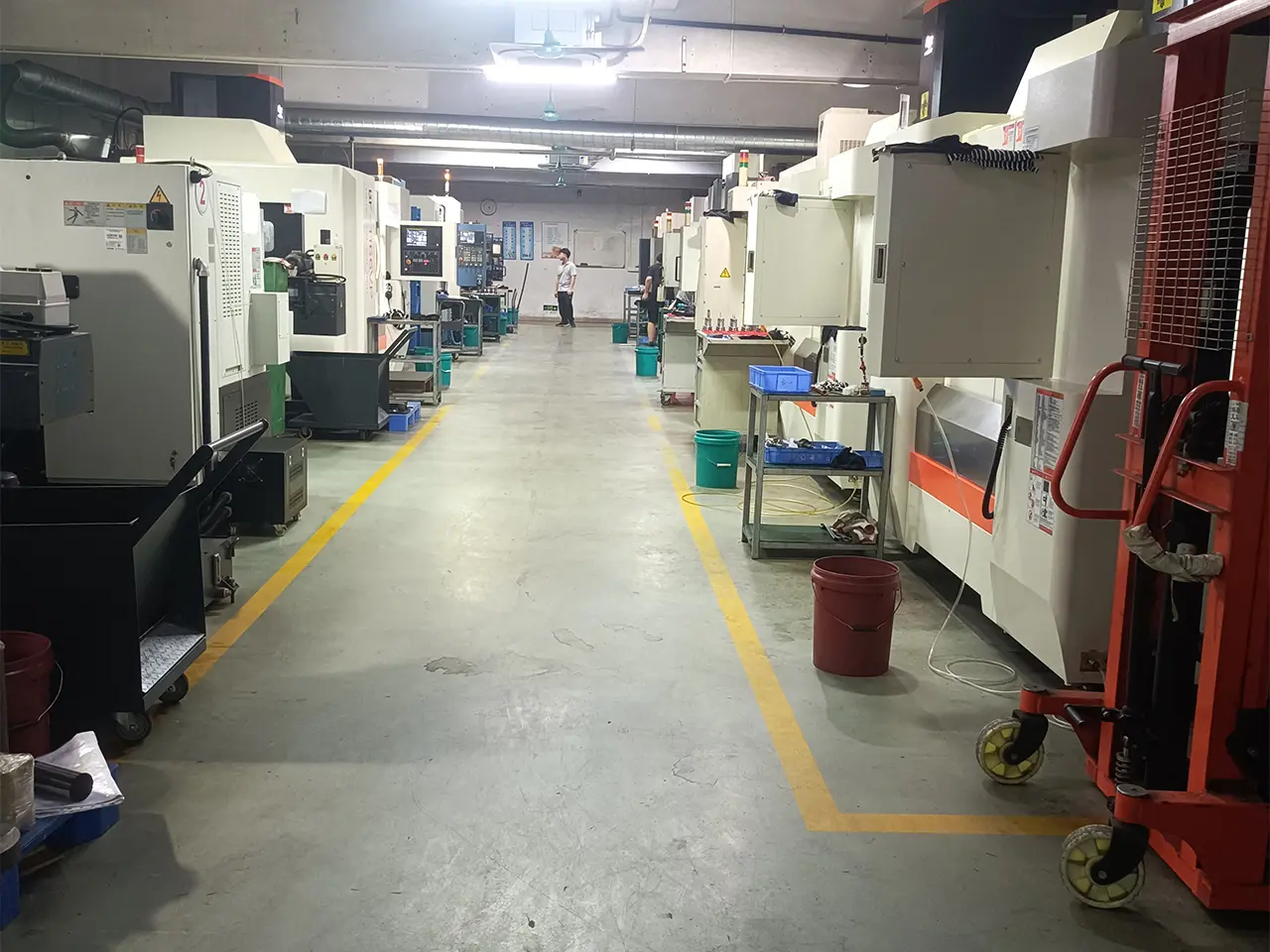
Our production floor uses structured manufacturing workflows and advanced equipment. By maintaining clean workspaces, strict safety protocols, and calibrated machinery, we support high yield rates and consistent part dimensions across long production runs.
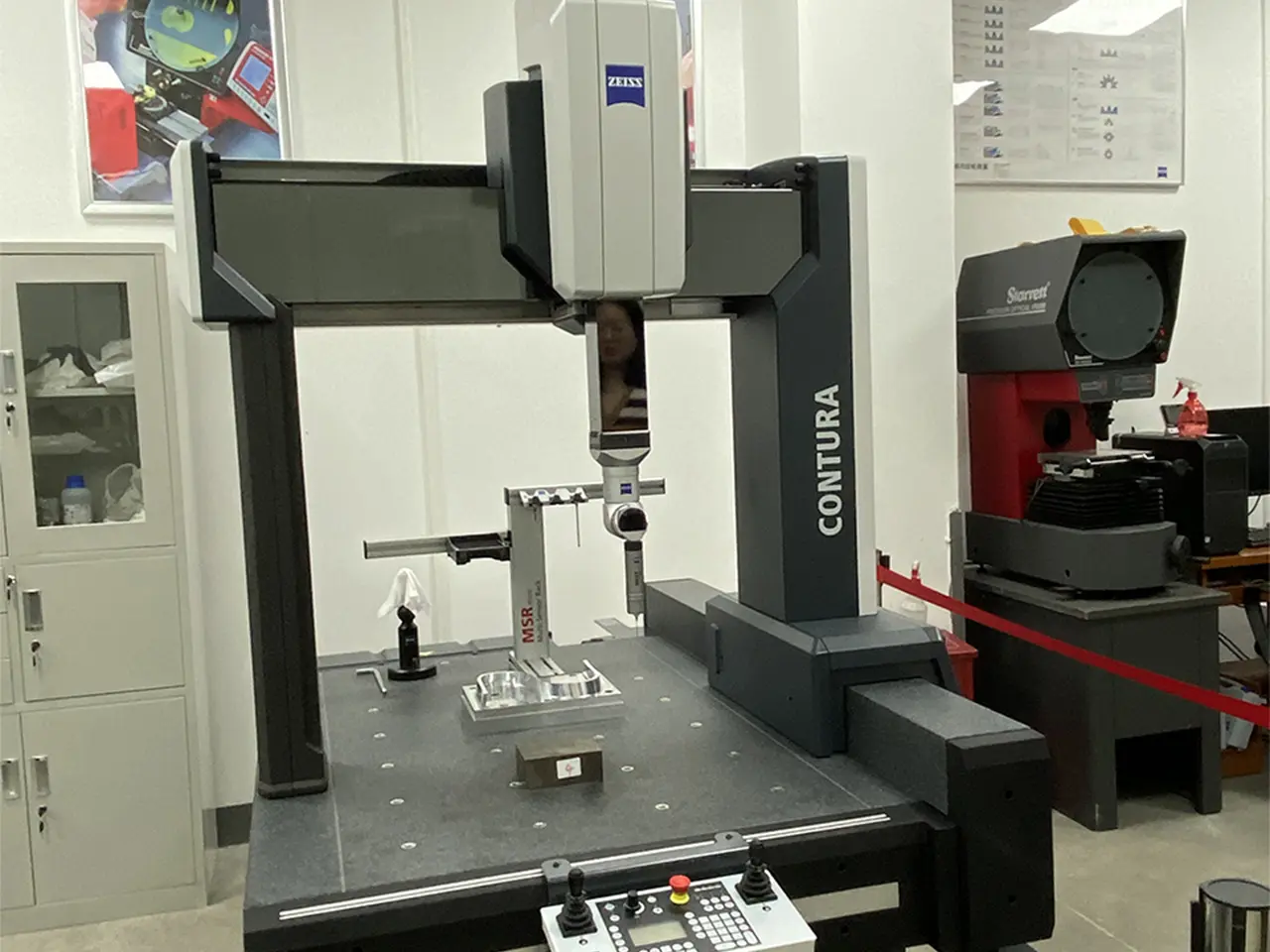
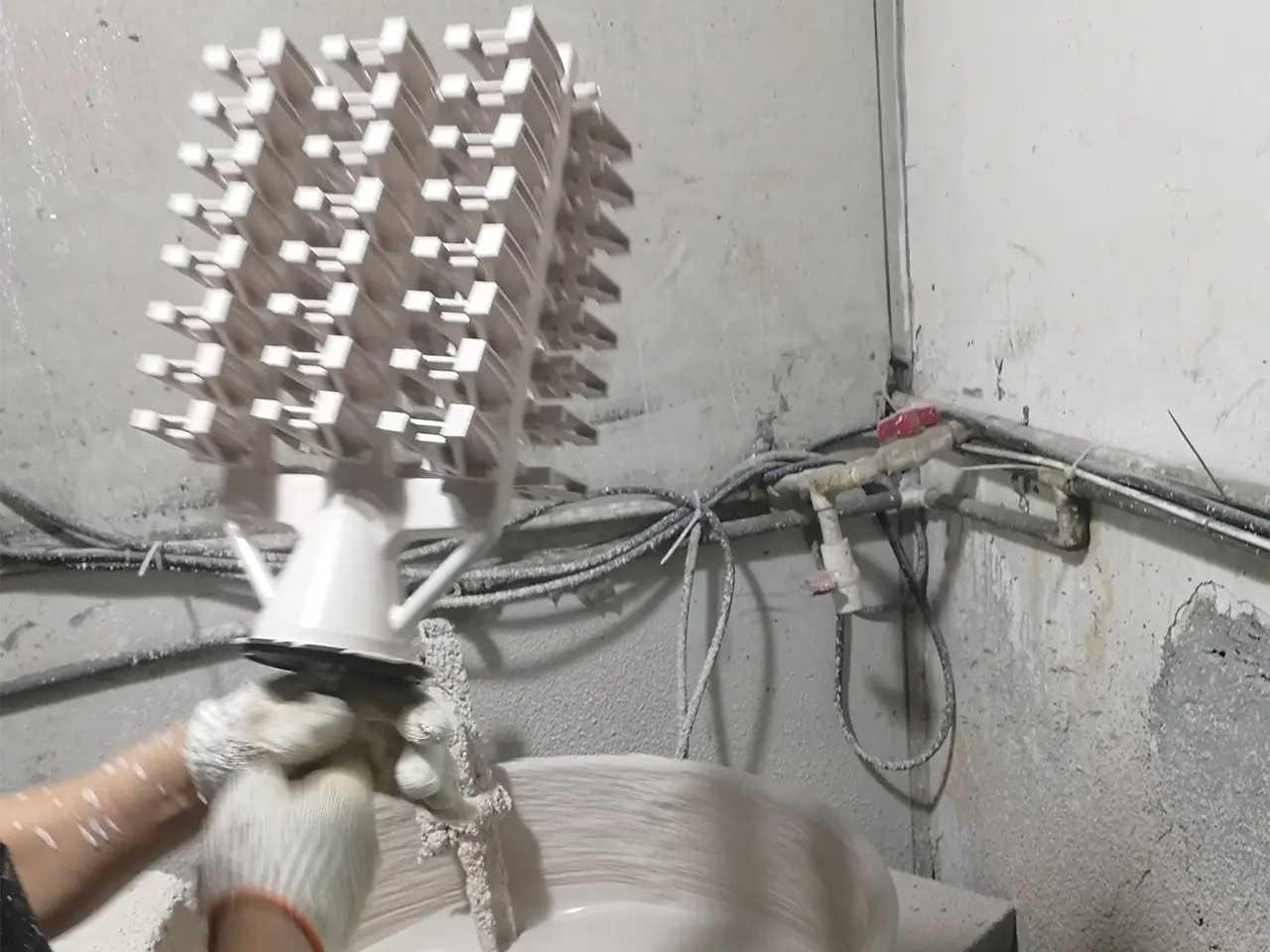
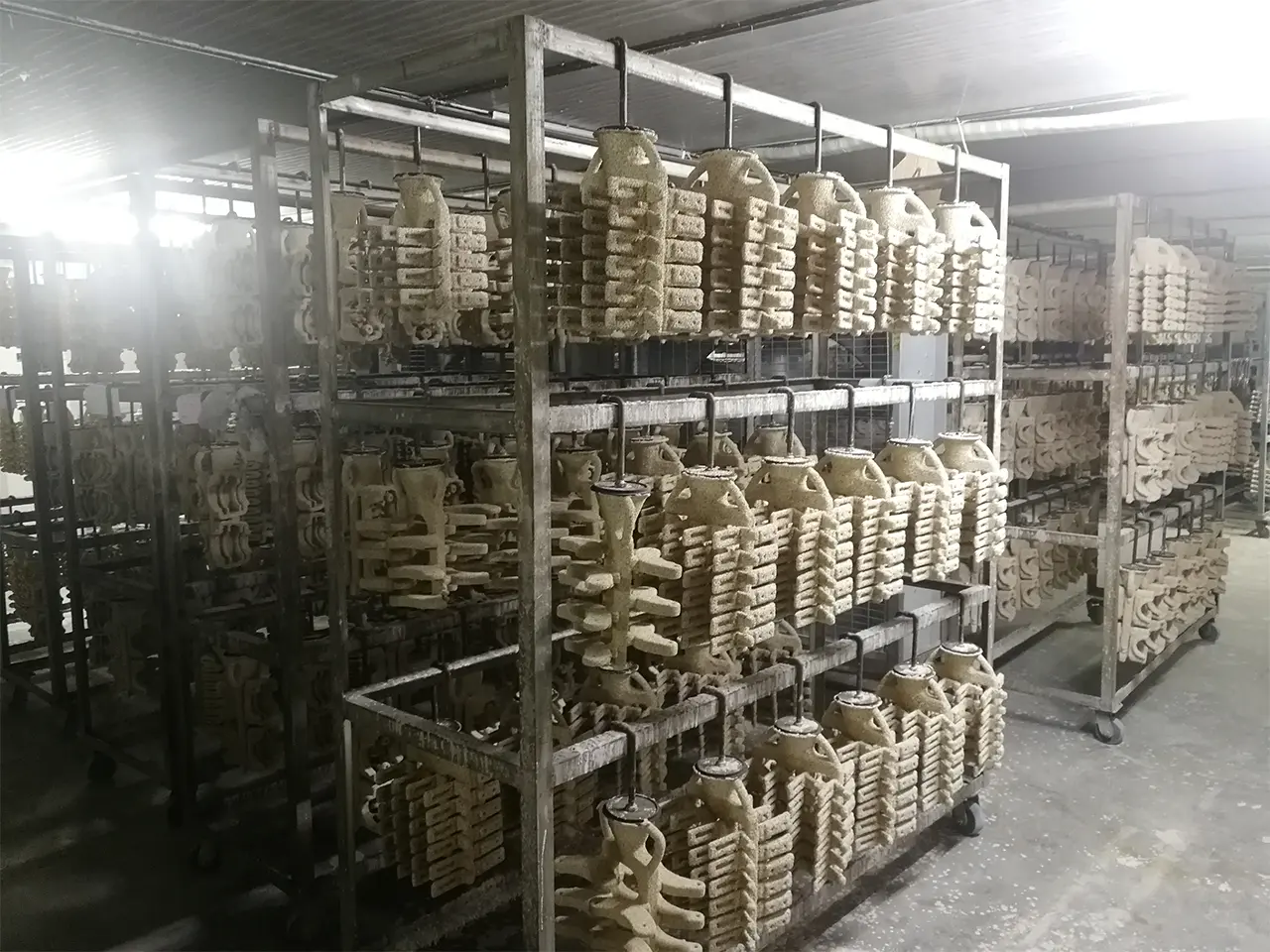
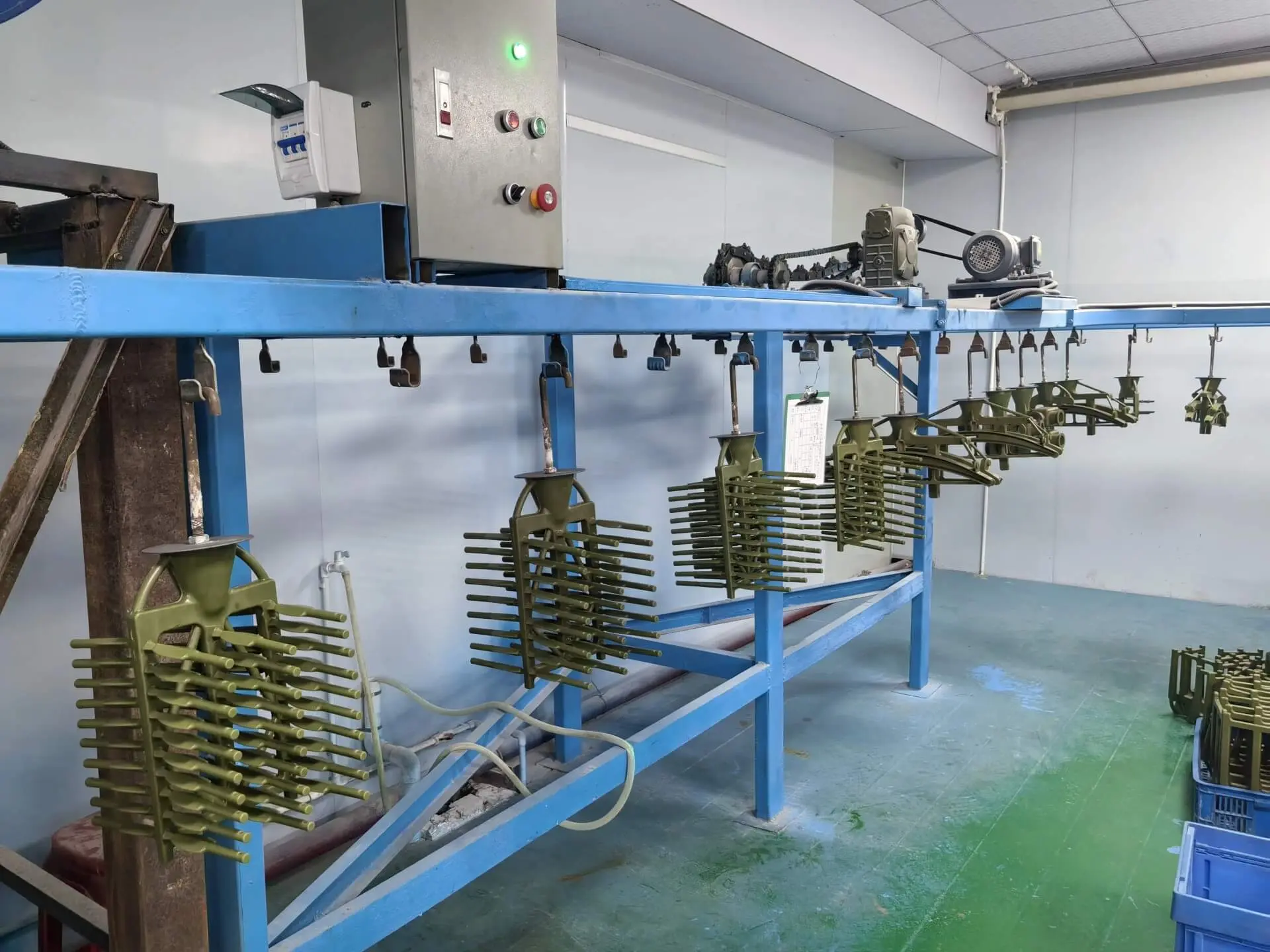
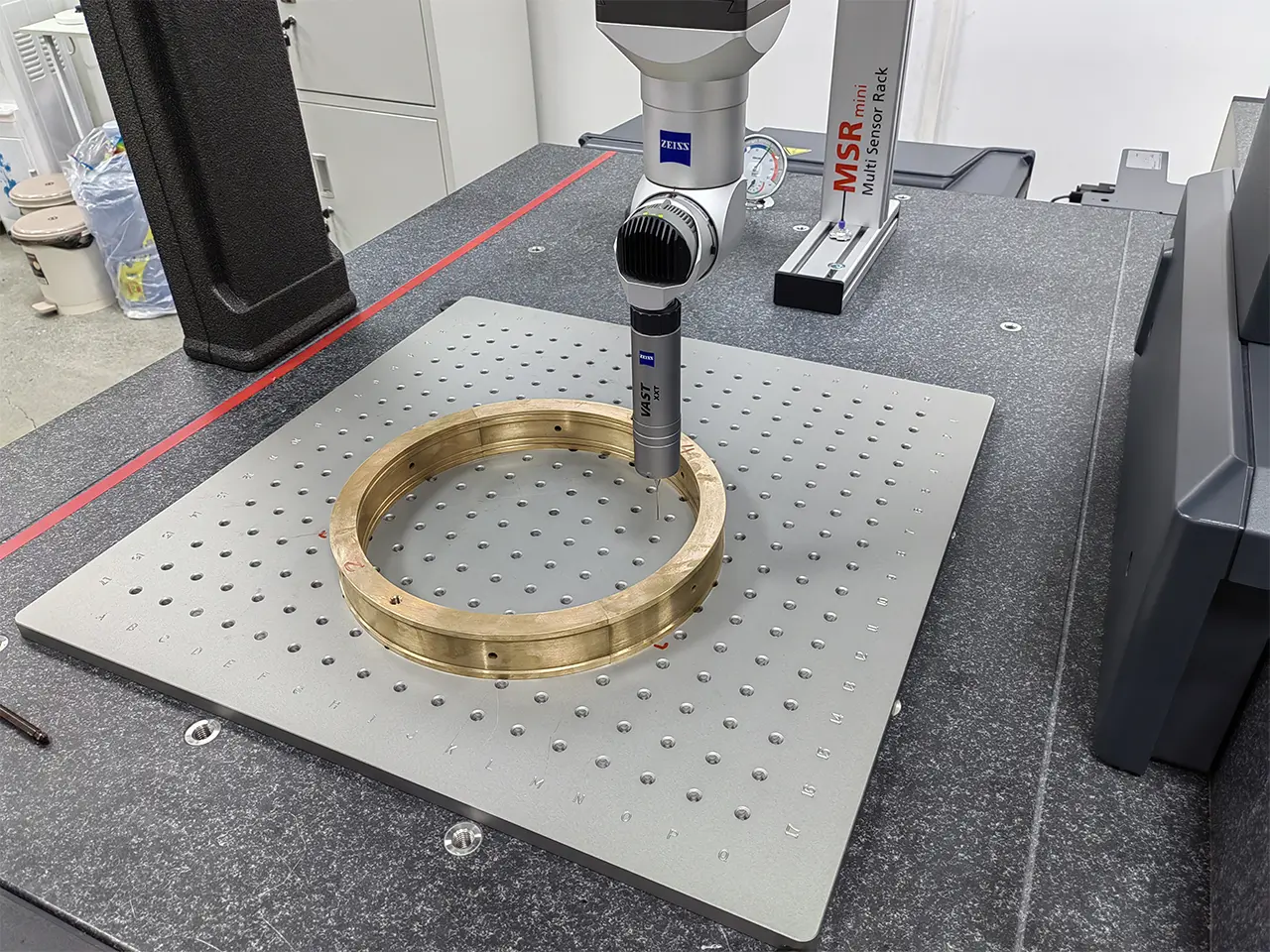
Quality is the foundation of the manufacturing industry. We believe that robust quality control is essential for long-term survival, growth, and continuous improvement. We have focused on this principle since 2014, working to build our engineering teams and upgrade our production capabilities.
Our metrology laboratory features professional testing equipment managed by certified QC technicians. We adhere to tight tolerances and strict quality standards, which has earned praise from our global customer base.
Our quality verification processes include:
The metal casting industry is shifting toward smart manufacturing, lightweighting, and lower environmental impact. Key developments shaping the future of OEM manufacturing include:
1. Direct-to-Pattern 3D Sand Printing: Integrating 3D-printed sand molds and wax patterns simplifies tool creation, making it faster and more cost-effective to produce prototypes and complex geometries.
2. Advanced Solidification Simulation: Using finite element analysis (FEA) to simulate metal flow and thermal cooling helps engineers optimize gates and risers, preventing shrinkage defects before tools are built.
3. Advanced Lightweighting: High-vacuum die casting and thin-walled investment casting allow manufacturers to replace heavy iron parts with lighter aluminum or titanium components without sacrificing structural strength.
4. Decarbonization and Energy Efficiency: Modern foundries are adopting electric induction melting systems, heat-recovery layouts, and sand-reclamation technologies to meet carbon-reduction goals while keeping costs competitive.
 SX Machining