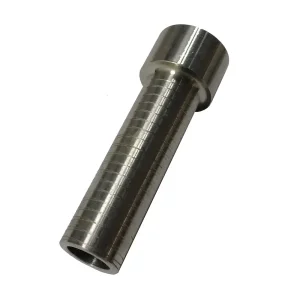
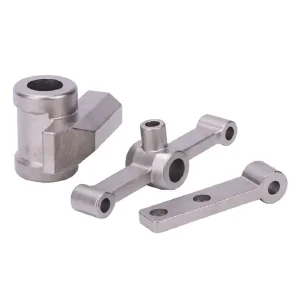
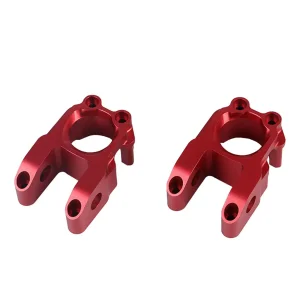
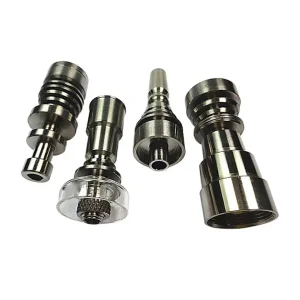
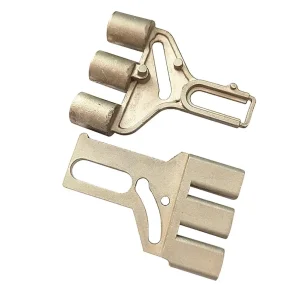
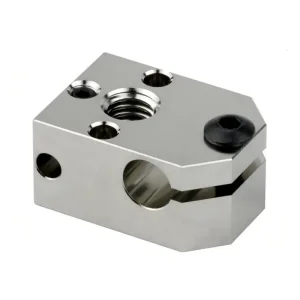
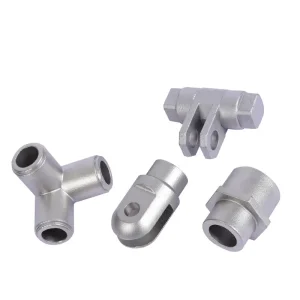
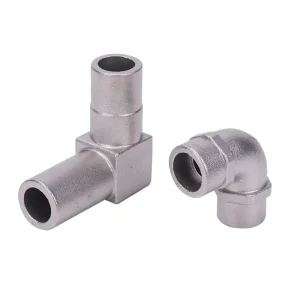
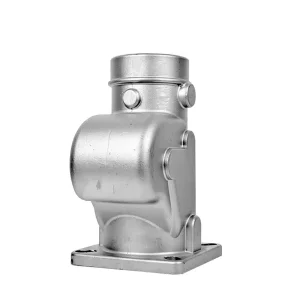
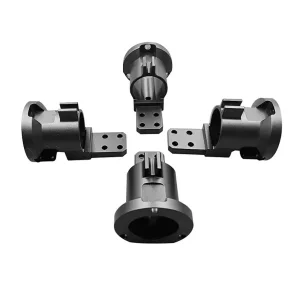
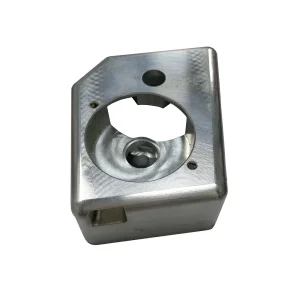
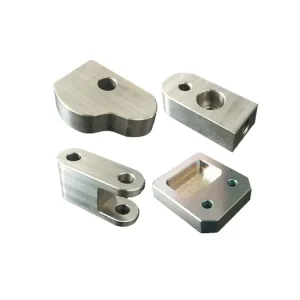
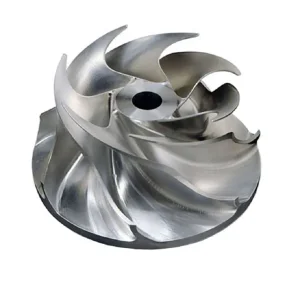
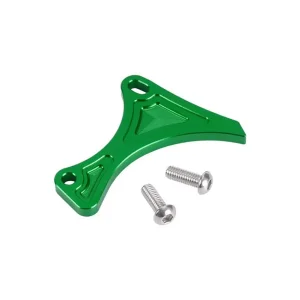
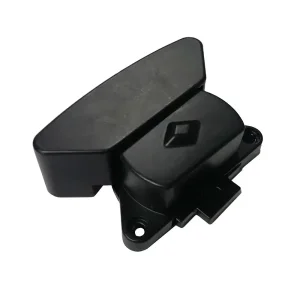
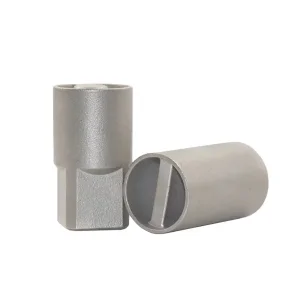
Premium OEM non-standard custom solutions designed to meet rigorous industrial tolerances and specifications.
In the modern manufacturing landscape, custom engineered plastics have progressed from simple cosmetic covers to load-bearing, chemical-resistant, and high-temperature structural components. While injection molding remains ideal for high-volume, low-complexity parts, precision CNC plastic machining represents the gold standard for high-accuracy applications, complex geometries, and low-to-medium volume production runs.
Unlike metals, polymers possess unique physical dynamics such as higher thermal expansion rates, elastic memory, and lower structural rigidity. Successfully routing, milling, and turning plastics requires customized cutting tools, optimized feed rates, and sophisticated heat dissipation strategies. Dongguan SX Technology Co.,Ltd leverages over a decade of expertise in polymer chemistry and subtractive machining technology to deliver parts that hold dimensional stability under extreme operating pressures.
"Precision machining of plastics is not simply metal cutting done at higher speeds. It is an intricate process of managing thermal deflection, tooling geometries, and raw material stresses to prevent warping and internal micro-cracking."
A comprehensive analysis of high-performance polymer options, mapping their technical attributes to specialized operational environments.
| Material Class | Common Materials | Primary Industrial Advantages | Typical Applications |
|---|---|---|---|
| High-Performance Polymers | PEEK (Polyetheretherketone) | Extreme temperature limit (250°C+), exceptional chemical resistance, high structural strength. | Semiconductor processing, medical implants, aerospace electrical connectors. |
| Engineering Thermoplastics | POM (Delrin/Acetal) | Low moisture absorption, superb dimensional stability, low coefficient of friction. | Precision gears, bushings, sliding tracks, electrical insulation components. |
| Fluoropolymers | PTFE (Teflon) | Chemically inert, outstanding insulation, self-lubricating, high heat resistance. | Chemical pump diaphragms, lab valves, high-frequency coax insulators. |
| Amorphous Polymers | Polycarbonate (PC) / PMMA | Optical clarity, high impact strength, high rigidity, low thermal conductivity. | Fluid manifolds, machine viewing guards, optical lens housings. |
| Structural Plastics | Nylon (PA6/PA66) | High mechanical strength, excellent wear resistance, sound dampening properties. | Bearing shells, rollers, structural pulleys, conveyor guide rails. |
Established as a specialized manufacturer, Dongguan SX Technology Co.,Ltd holds extensive expertise in precision casting, CNC machining, and complex assembly solutions. Our engineered solutions are utilized globally across key industries including machinery, automotive, marine, shipping, valve and pump assemblies, electronics, packaging, high-end watches, construction, and chemical processing.
While we stand out in precision plastic machining, our facility is fully equipped to process a vast spectrum of advanced metals. The most commonly used materials for our investment casting division include stainless steel and carbon steel. Meanwhile, our high-precision CNC machining division processes titanium alloy, stainless steel, carbon steel, aluminum alloy, copper alloy, cemented carbide, and specialized engineering plastics. We house advanced manufacturing equipment and proprietary tool-path design software to guarantee rapid response and consistent quality for high-demand global supply chains.
Why Tier-1 global OEMs choose Dongguan manufacturing hubs to scale complex polymer components.
Dongguan serves as the global capital of advanced precision hardware. Raw material extruders, tool makers, tooling engineers, and logistics networks operate in close proximity, accelerating iterations and mitigating lead-time blockages.
We feature multi-axis CNC machines, modern wire EDM, and auto-lathes. Our setup allows us to complete complex machining processes in a single step, minimizing component re-fixturing errors.
Lower overheads combined with tooling longevity enable us to scale prototypes into volume production seamlessly, saving up to 45% in manufacturing costs compared to regional Western machine shops.
A closer look inside our Shixin production workshop, cleanrooms, and machining cells.
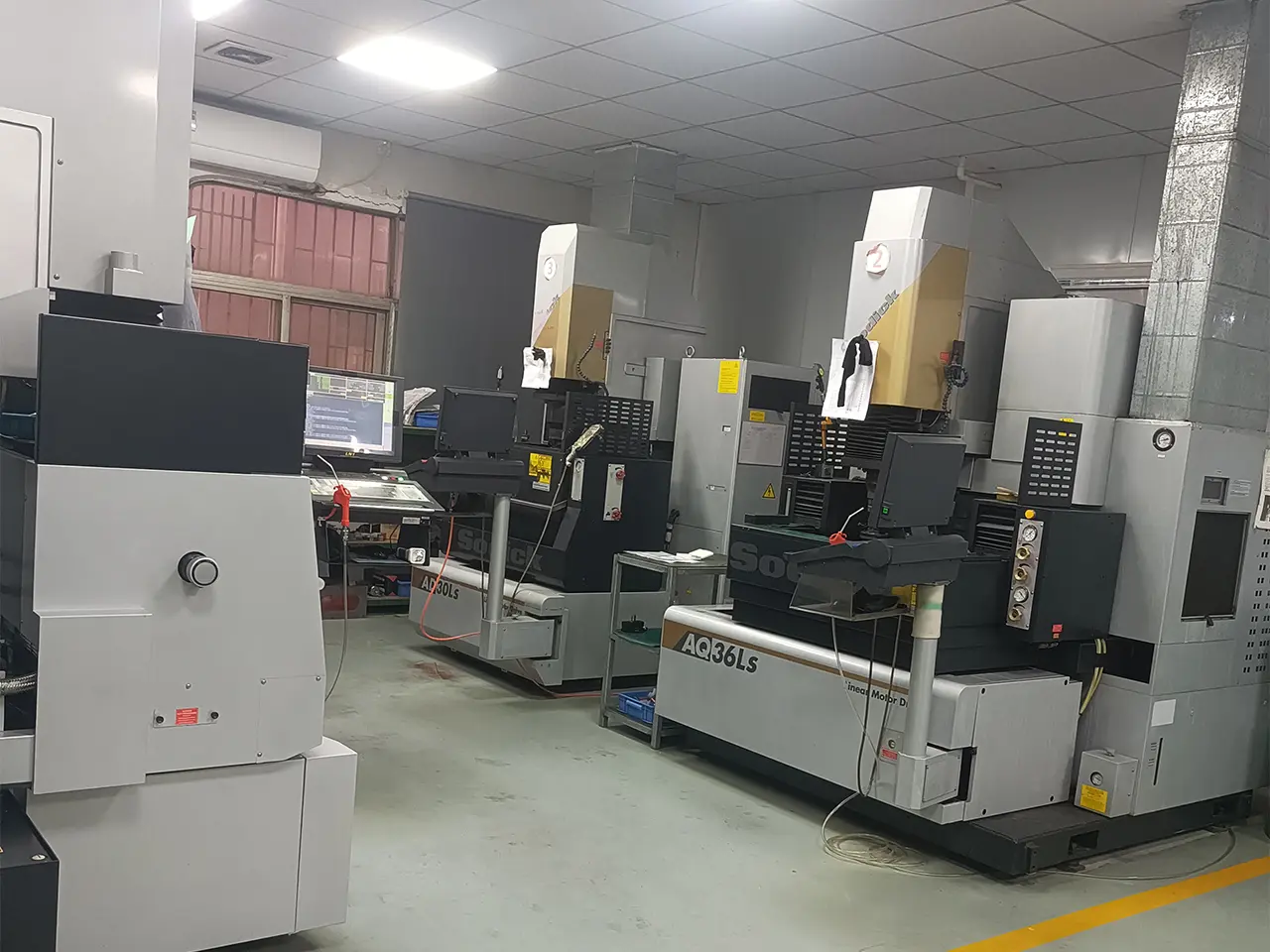
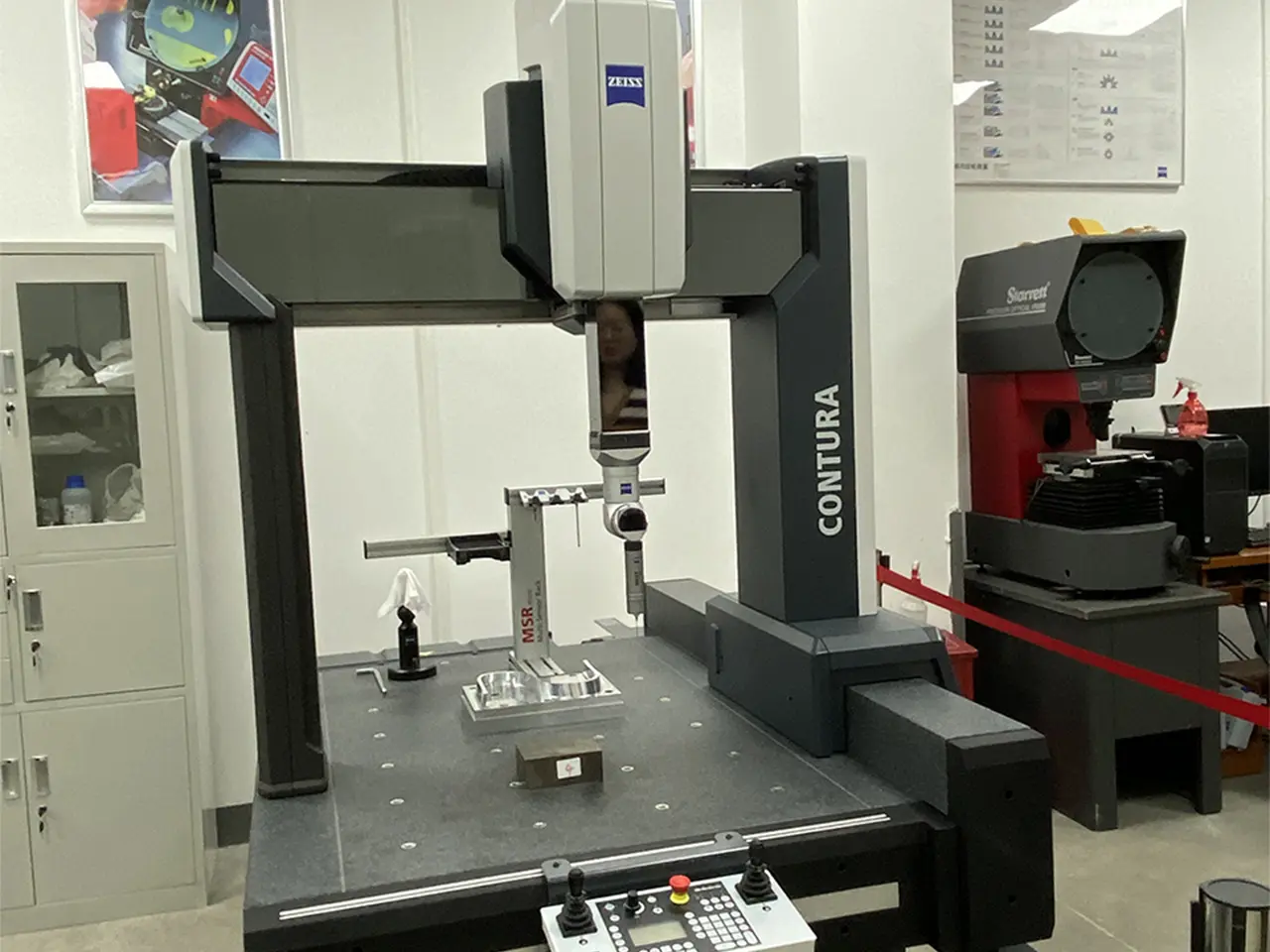
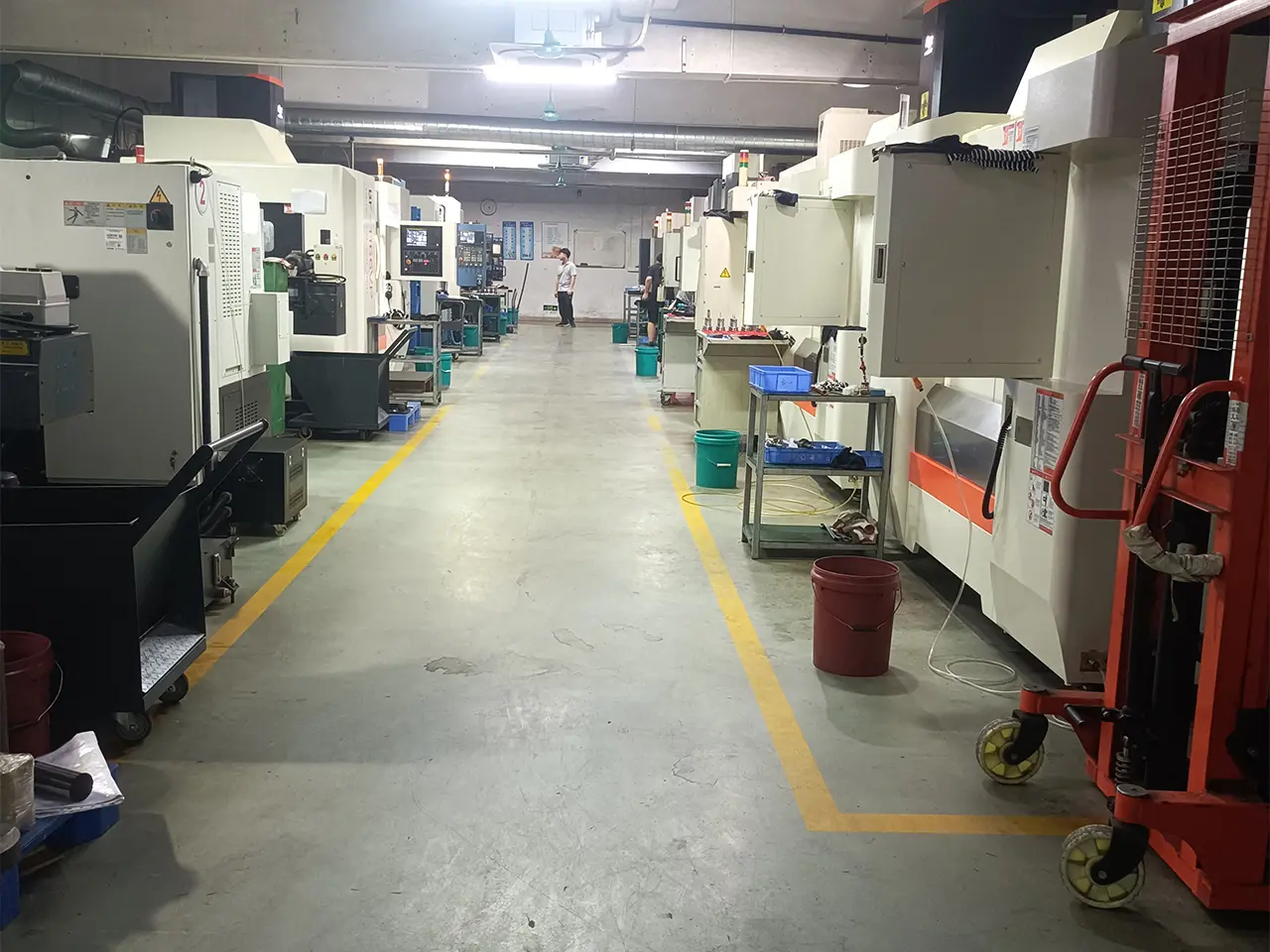
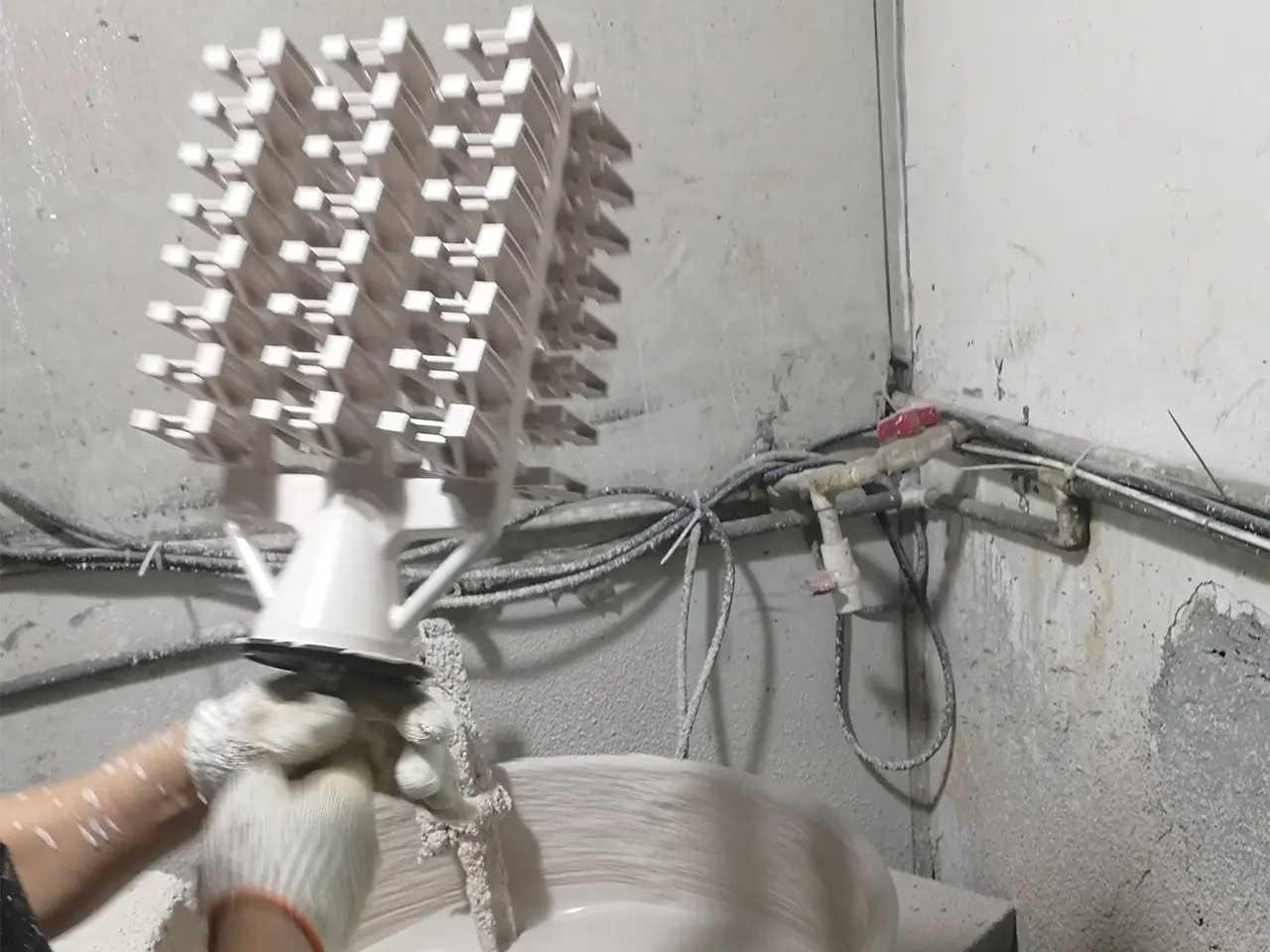
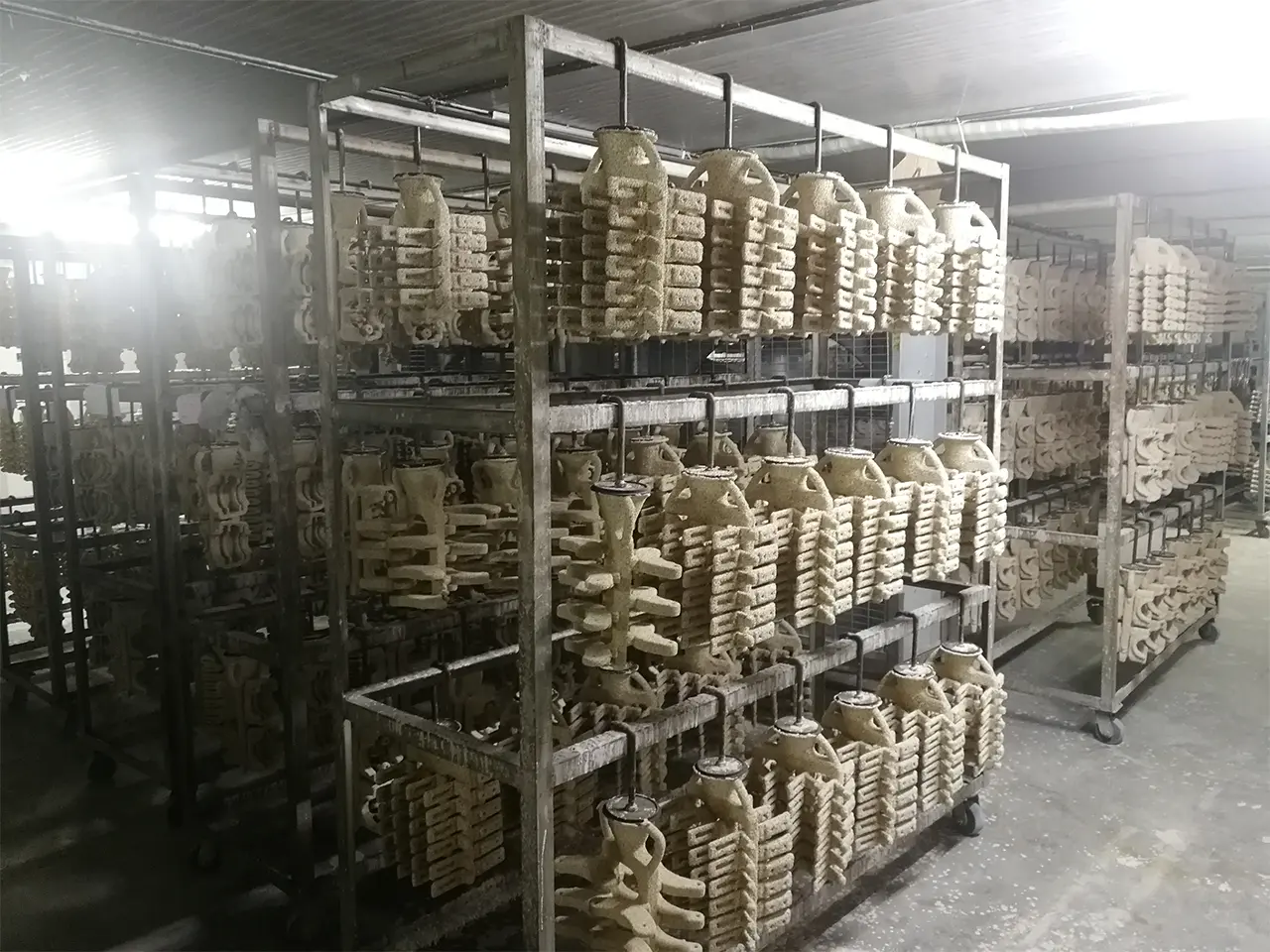
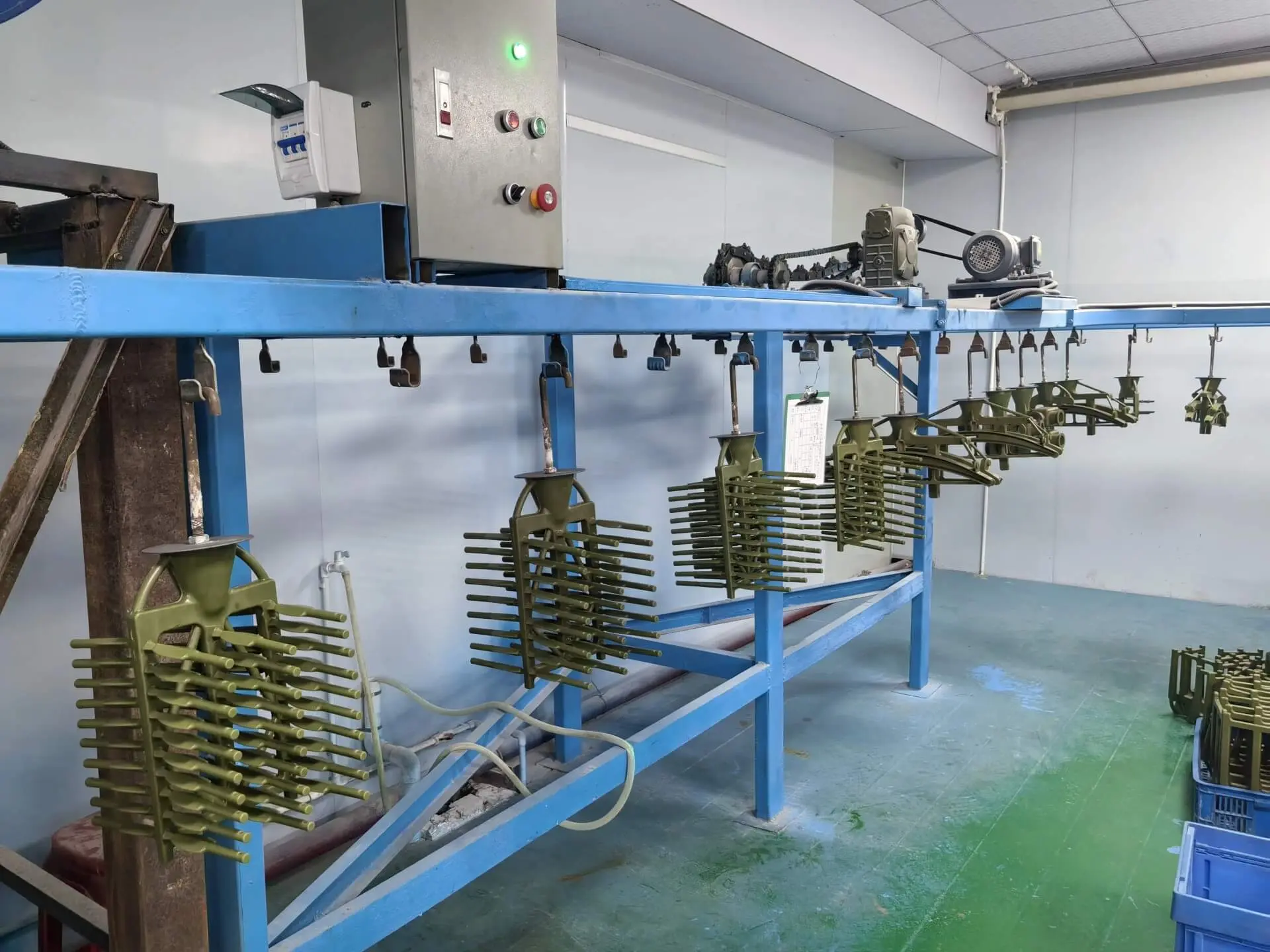
At Dongguan SX Technology Co.,Ltd, quality is the cornerstone of the manufacturing industry. We firmly believe that only by controlling quality well can we survive, develop, and get better and better. Therefore, we have been working in this industry unremittingly since 2014, consistently upgrading our QC capabilities, optimizing our metrology labs, and refining our inspection methodologies.
Because polymer materials are highly sensitive to thermal gradients, our metrology labs are strictly climate-controlled to 20°C (68°F) and 50% relative humidity. We utilize Coordinate Measuring Machines (CMM), optical projectors, surface roughness gauges, and digital pin gauges to ensure that custom components align with critical tolerances. Every batch is supplied with material certificates, RoHS compliance letters, and raw measurement records.
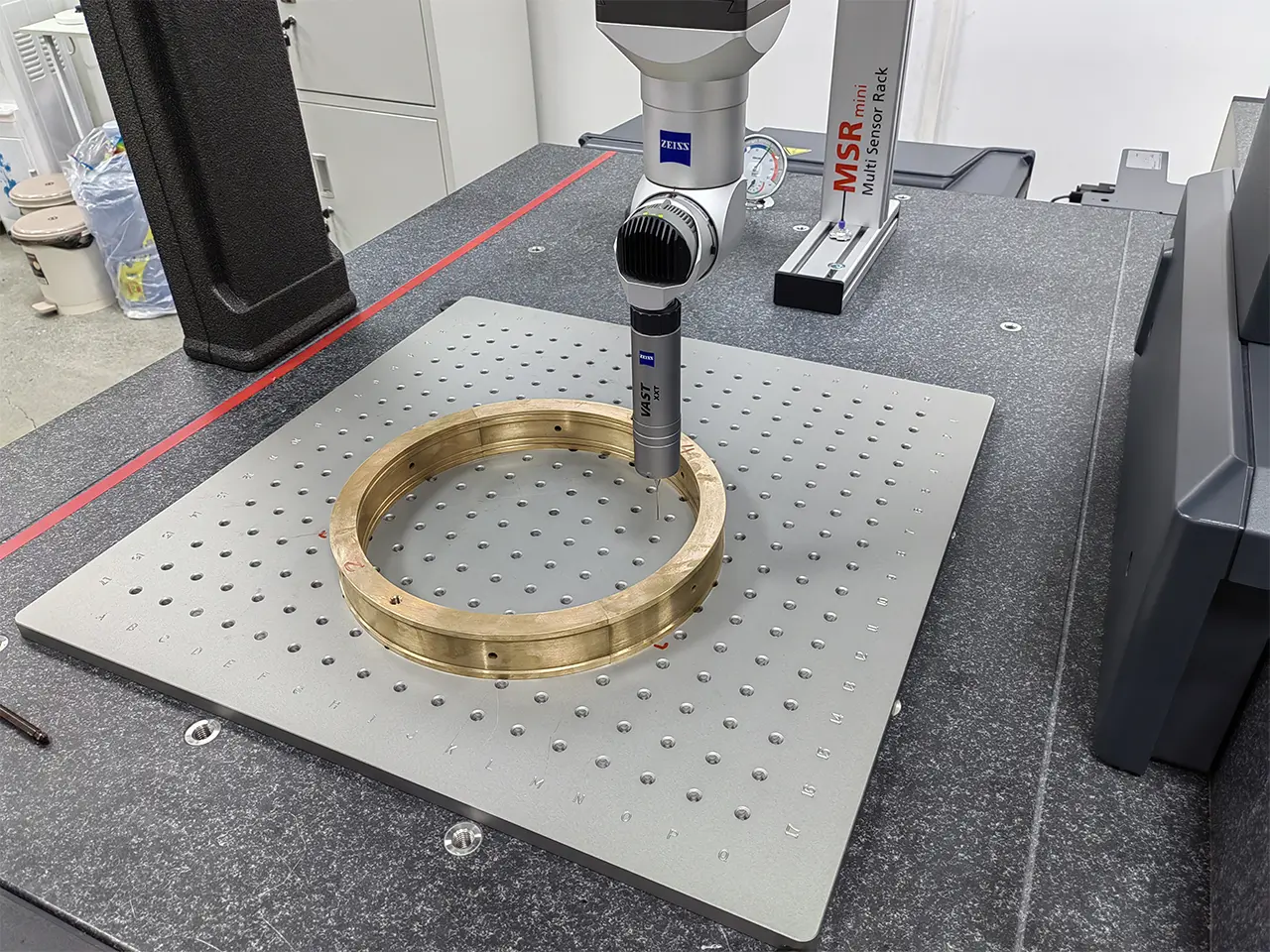
Aligning global logistics with localized quality engineering to streamline cross-border parts sourcing.
We take the complexity out of customs. Through reliable partners, we provide Delivered Duty Paid (DDP) logistics, managing all customs clearance, port taxes, and domestic shipping right to your receiving bay.
We source raw engineering plastic stock exclusively from verified global compounders (like Quadrant, Dupont, Ensinger). We perform internal ultrasonic material integrity checks to rule out internal porosity or voids prior to machining.
We safeguard your proprietary designs. We operate with strict internal data security protocols, ensuring CAD/STEP data is restricted only to active manufacturing cells. NDA protections are standard for all client interactions.
Discover where our high-performance machined parts deliver value across advanced industries.
Engineered plastics like USP Class VI PEEK, PTFE, and Radel (PPSU) are widely used for surgical guides, analytical diagnostic arrays, and fluidic manifolds. They stand up to repeated autoclave sterilization without degradation.
For chemical-vapor deposition (CVD) and wet processing chambers, plastics like PVDF, Teflon, and Ultem prevent metallic contamination. They are cleanroom-machined to ensure zero outgassing under high-vacuum conditions.
Metals can corrode in saltwater or chemical environments. Machined Delrin, POM, and UHMW-PE are excellent for subsea enclosures, flow meters, and chemical pump casings, ensuring long-term resistance to corrosion.
Detailed engineering answers to the most common queries raised by procurement managers and design engineers.
Machining plastics presents two primary challenges: thermal expansion and elastic memory. Plastics expand up to ten times faster than steel, which can lead to friction-related dimensional deviation if feeds are too slow. Additionally, plastics tend to flex away from cutting tools (spring-back), requiring specialized tools and relief angles to maintain flat surfaces and accurate geometries.
To prevent warping, we use pre-annealed plastic stock to release internal extrusion stresses. When machining deep geometries, we carry out roughing operations, followed by a secondary annealing step, and finally complete the finish cuts. This relief cycle prevents dimensional changes after the part is removed from the CNC workholding.
For dry, high-wear sliding applications, POM (Acetal/Delrin), Nylon (PA66), or UHMW-PE are typical choices. For applications involving high heat and loads, PEEK modified with carbon fiber, PTFE, and graphite provides excellent self-lubrication and structural longevity.
Yes. We machine optical-grade Acrylic (PMMA) and Polycarbonate (PC). After CNC milling, we apply secondary vapor polishing, flame polishing, or micro-grit diamond buffing to restore transparency and remove all cutter marks.
We typically maintain tolerances of ±0.05 mm (±0.002 inches) for standard engineering plastics. For high-stability materials like PEEK or POM, and depending on the part geometry, we can hold tight tolerances down to ±0.01 mm (±0.0004 inches) in our climate-controlled production cleanrooms.
It depends on the application. For components that contact bodily fluids, we often dry-machine using clean air blast cooling to avoid oil or additive absorption. If coolant is necessary, we use USP Class VI-approved, water-soluble solutions and perform cleanroom washing before packaging.
Injection molding requires significant upfront tooling investment, making it best for high-volume, thin-walled parts. CNC machining is ideal for low-to-medium volumes, parts requiring variable designs, thick cross-sections, and very tight tolerances that injection molding cannot achieve.
Yes. Every shipment comes with complete traceability records, including raw material certifications, mill sheets, and dimensional measurement reports. We can also provide chemical compliance documentation upon request.
Premium OEM non-standard custom solutions designed to meet rigorous industrial tolerances and specifications.
 SX Machining