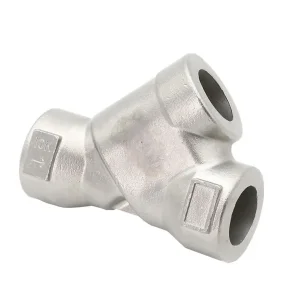
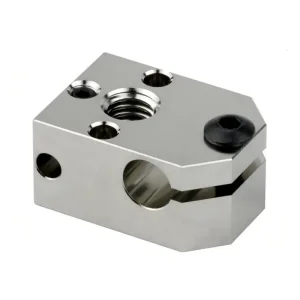
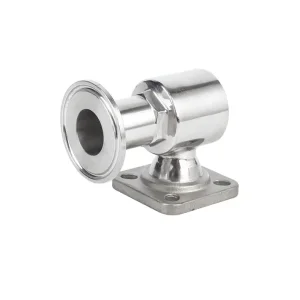
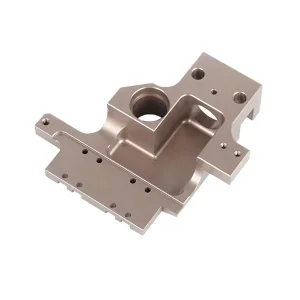
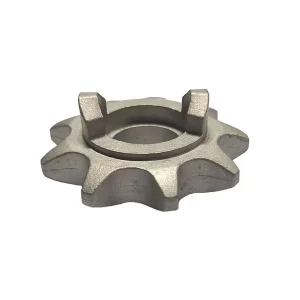
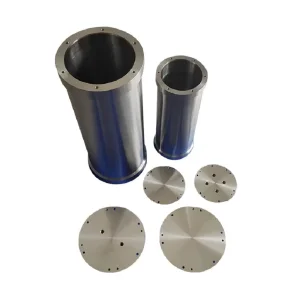
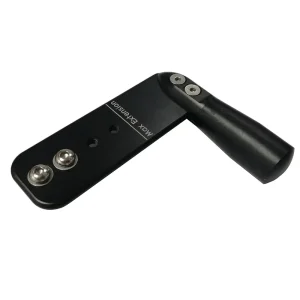
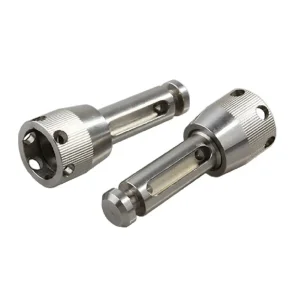
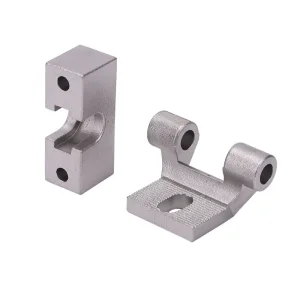
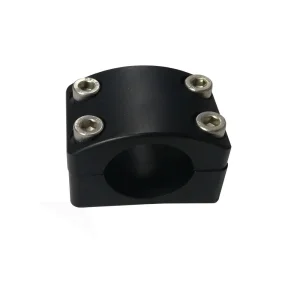
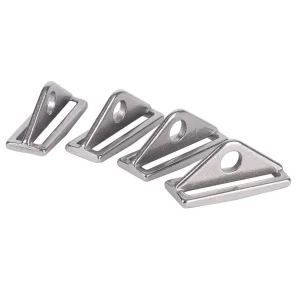
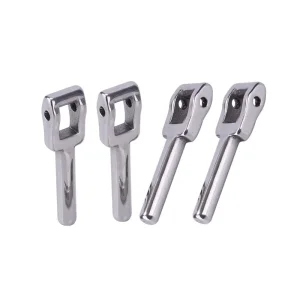
Explore our core custom stainless steel, titanium, and aluminum structural solutions manufactured to extreme tolerances.
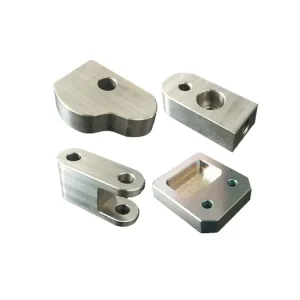
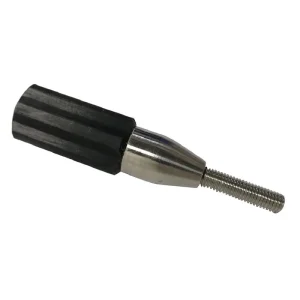
Founded in Dongguan, the global heart of advanced manufacturing, Dongguan SX Technology Co.,Ltd has built a formidable reputation as an industry-leading OEM/ODM manufacturer specializing in high-precision investment casting, multi-axis CNC machining, and comprehensive structural assembly. Over the past decade, we have successfully bridged the gap between raw metallurgical science and high-tolerance design engineering.
Our multidisciplinary manufacturing capabilities allow us to process a vast spectrum of advanced engineering materials. For investment casting (lost wax processes), we primarily construct components from high-grade stainless steel and carbon steel. In parallel, our specialized CNC machining workflows process titanium alloys, copper, aluminum alloys, and cemented carbides to tolerances as close as ±0.005mm.
Delivering critical structural integrity and high weight-to-strength ratios to world-class sectors.
We cast and machine light alloy chassis parts, motor housings, and cooling plate heat exchangers. By reducing component mass without compromising tensile safety, we help global EV makers maximize battery range.
Surgical robotics, MRI structural backbones, and orthotic systems require lightweight components with zero surface defects. Our precision cast-machined components meet stringent bio-compatibility structures.
Minimizing payload demands structural excellence. We produce thin-walled avionics housings and internal structural brackets from advanced aerospace-grade A356 aluminum, achieving maximum strength at lowest volume.
Saltwater environments destroy low-grade metals. Utilizing corrosion-resistant aluminum alloys combined with offshore-certified anodized coatings, our housings withstand deep-sea pressures up to 6000 meters.
Our stainless steel and aluminum casting techniques produce internal impellers, pump bodies, and high-pressure valves with dense, pore-free grain structures that prevent leaking under pressure.
We supply massive thermal-management heat dissipation components with intricate fin arrangements, designed to withstand outdoor weathering and prevent transmitter thermal failures.
Selecting the optimal material chemistry and casting processes for specialized thermal and mechanical properties.
Choosing the correct production path depends directly on your required tolerance, geometry complexity, and volume. Our engineering department works closely with your CAD teams to optimize designs for manufacturability (DFM).
When engineering aluminum castings, structural failures stem from poor draft angles, uneven wall thicknesses, and micro-porosity. We mitigate these risks prior to tooling through computer-aided solidification simulation.
| Alloy (ANSI/ASTM) | Tensile Strength (MPa) | Yield Strength (MPa) | Elongation (%) | Best Application Area | Corrosion Resistance |
|---|---|---|---|---|---|
| A356.0 (T6) | 290 MPa | 220 MPa | 8% | Aircraft frames, EV motor casings, pump housings | Excellent |
| A380.0 | 310 MPa | 160 MPa | 3.5% | Electronic brackets, engine parts, brackets | Good |
| AlSi10Mg | 340 MPa | 260 MPa | 6% | Complex thin-walled structures, additive hybrids | Very High |
| ADC12 | 300 MPa | 150 MPa | 2.5% | Automotive transmission covers, power tools | Moderate |
Equipped with industry-leading CNC machining centers and advanced casting inspection systems.
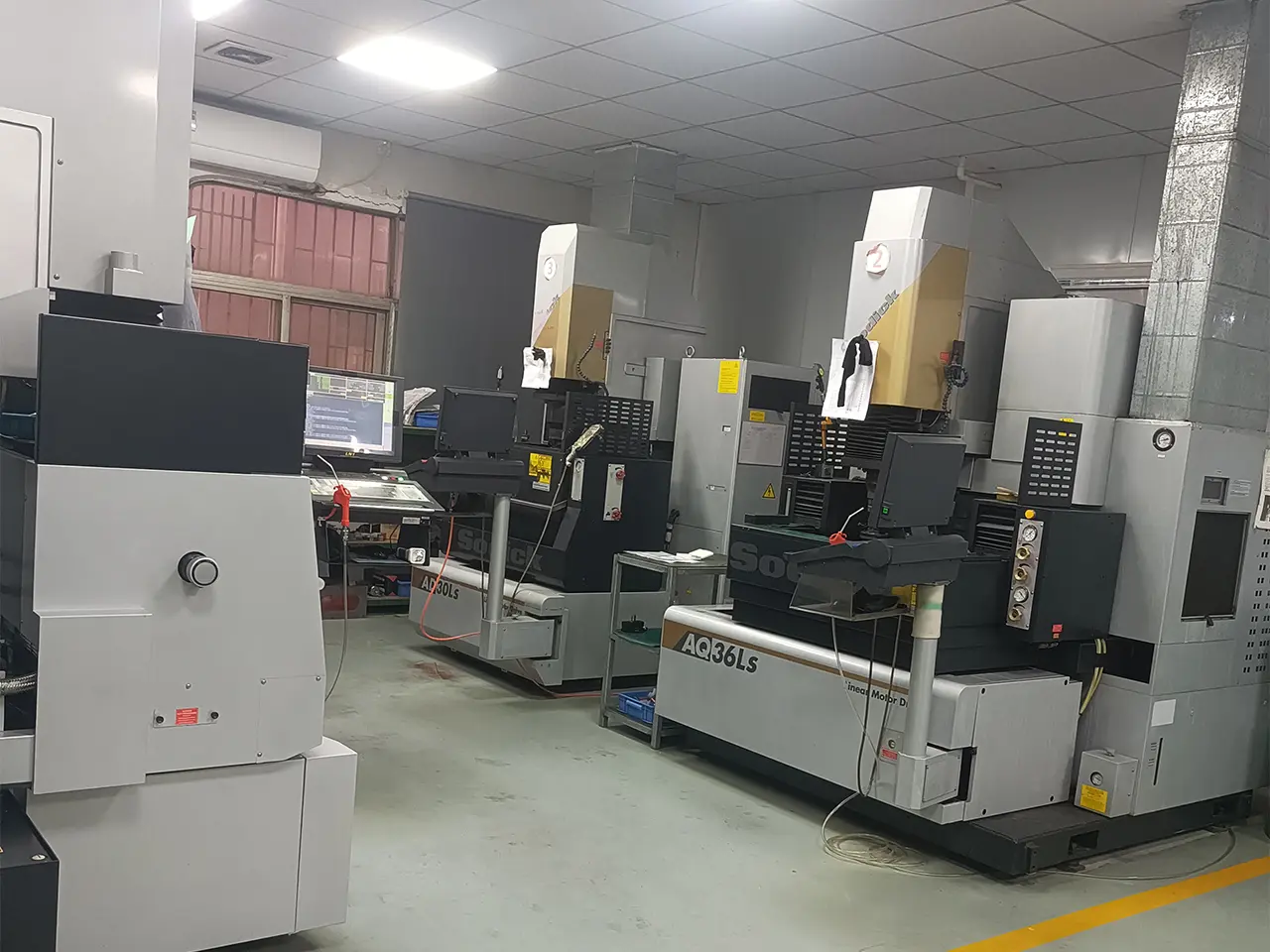
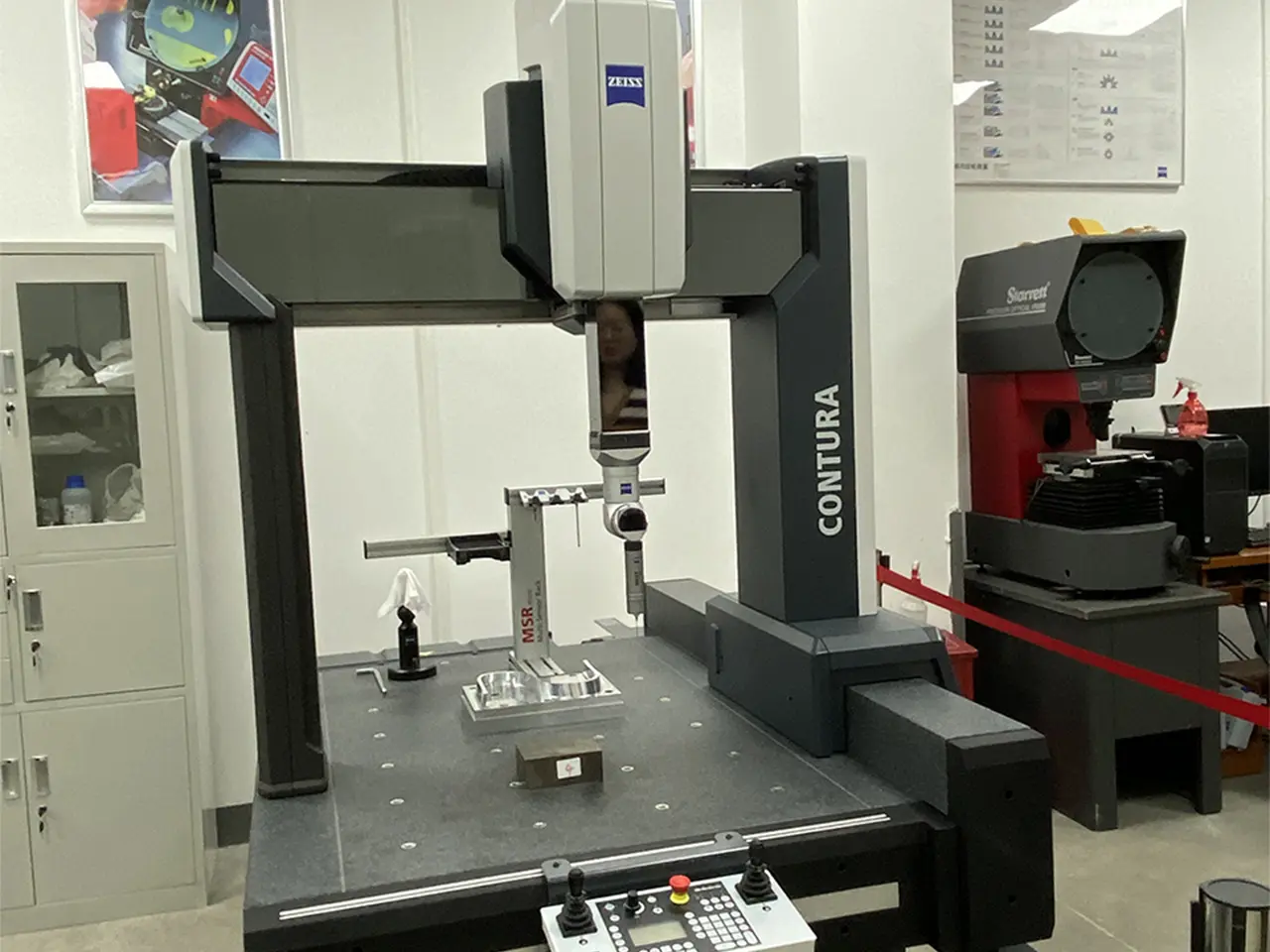
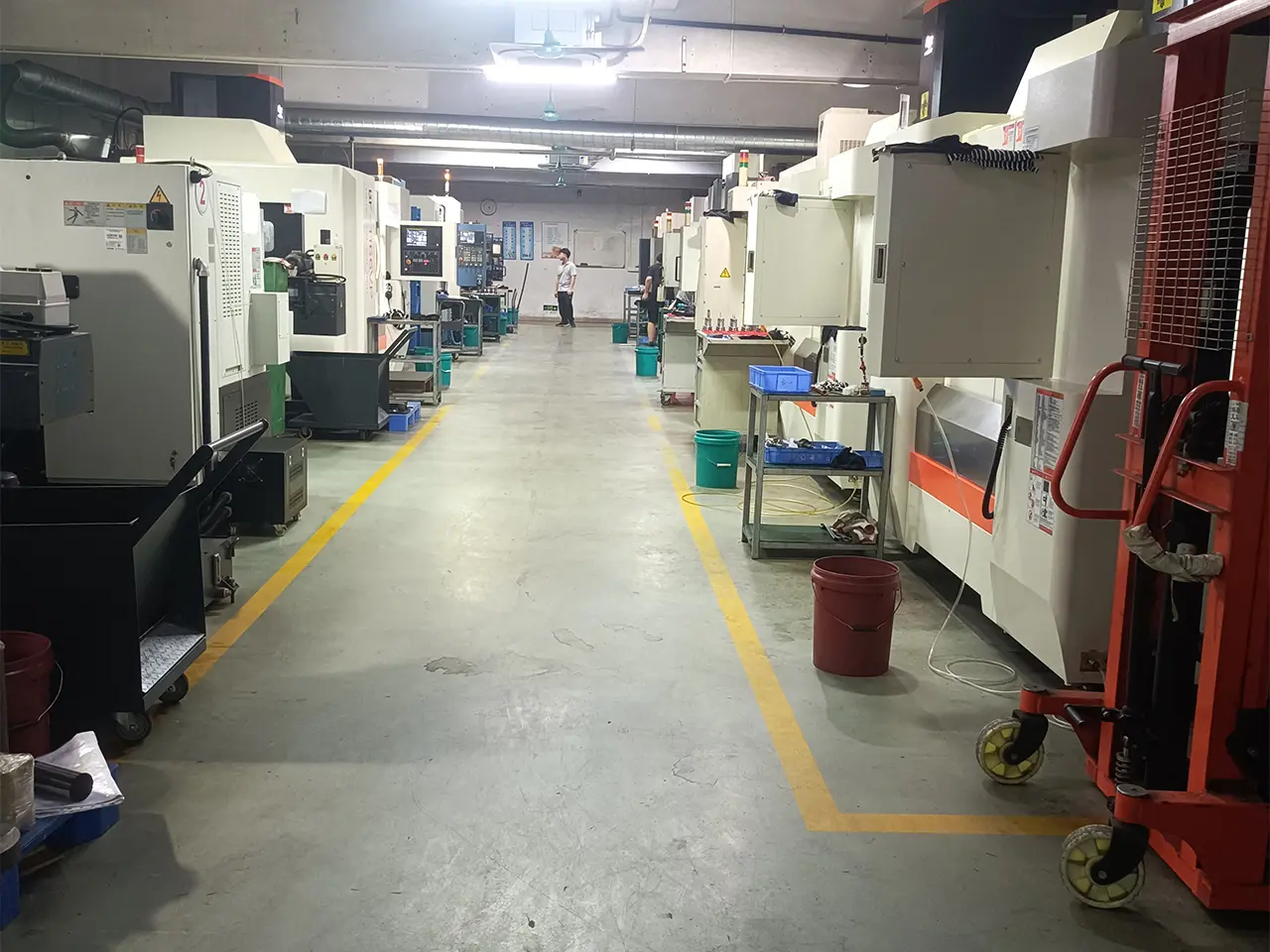
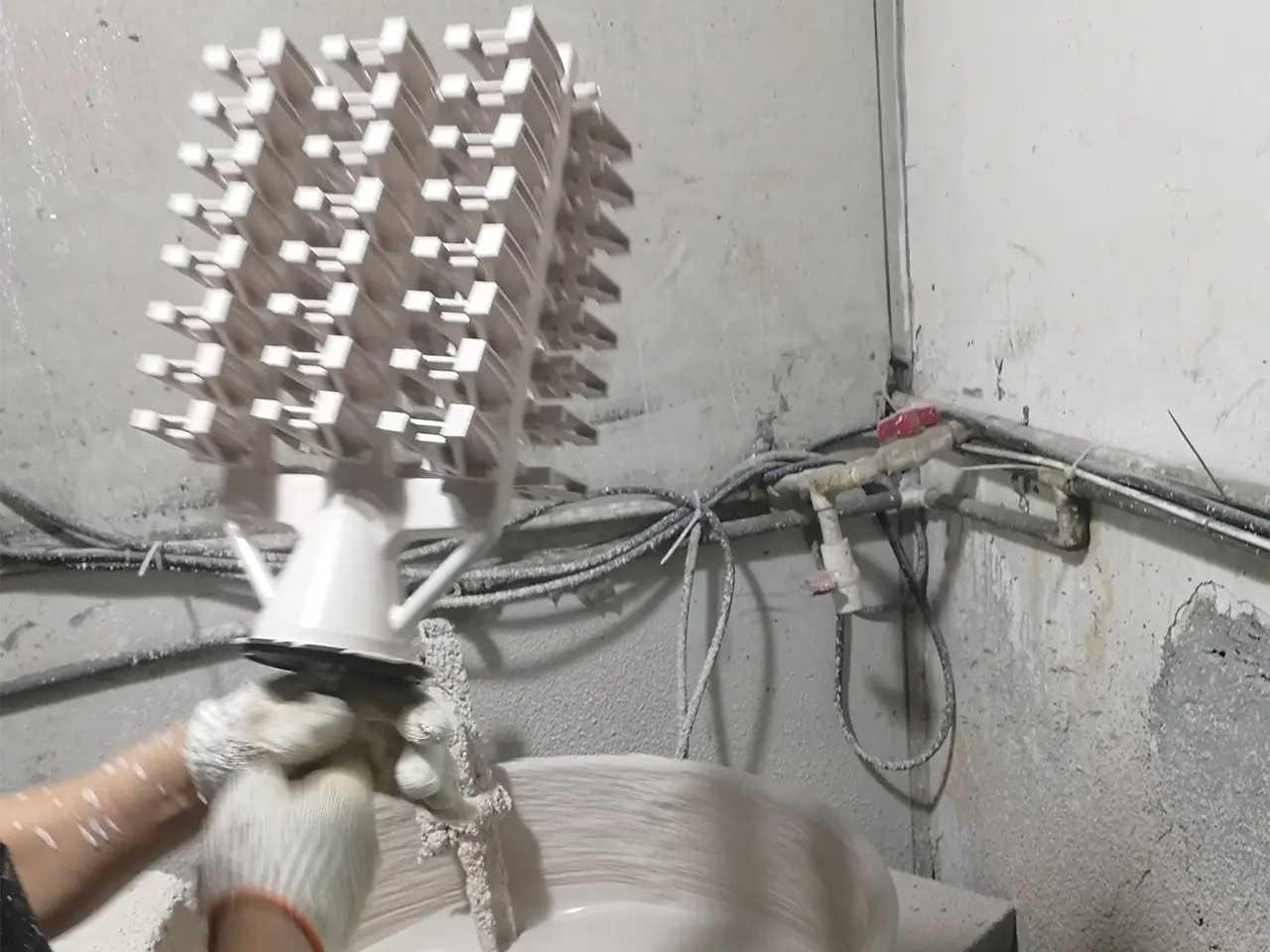
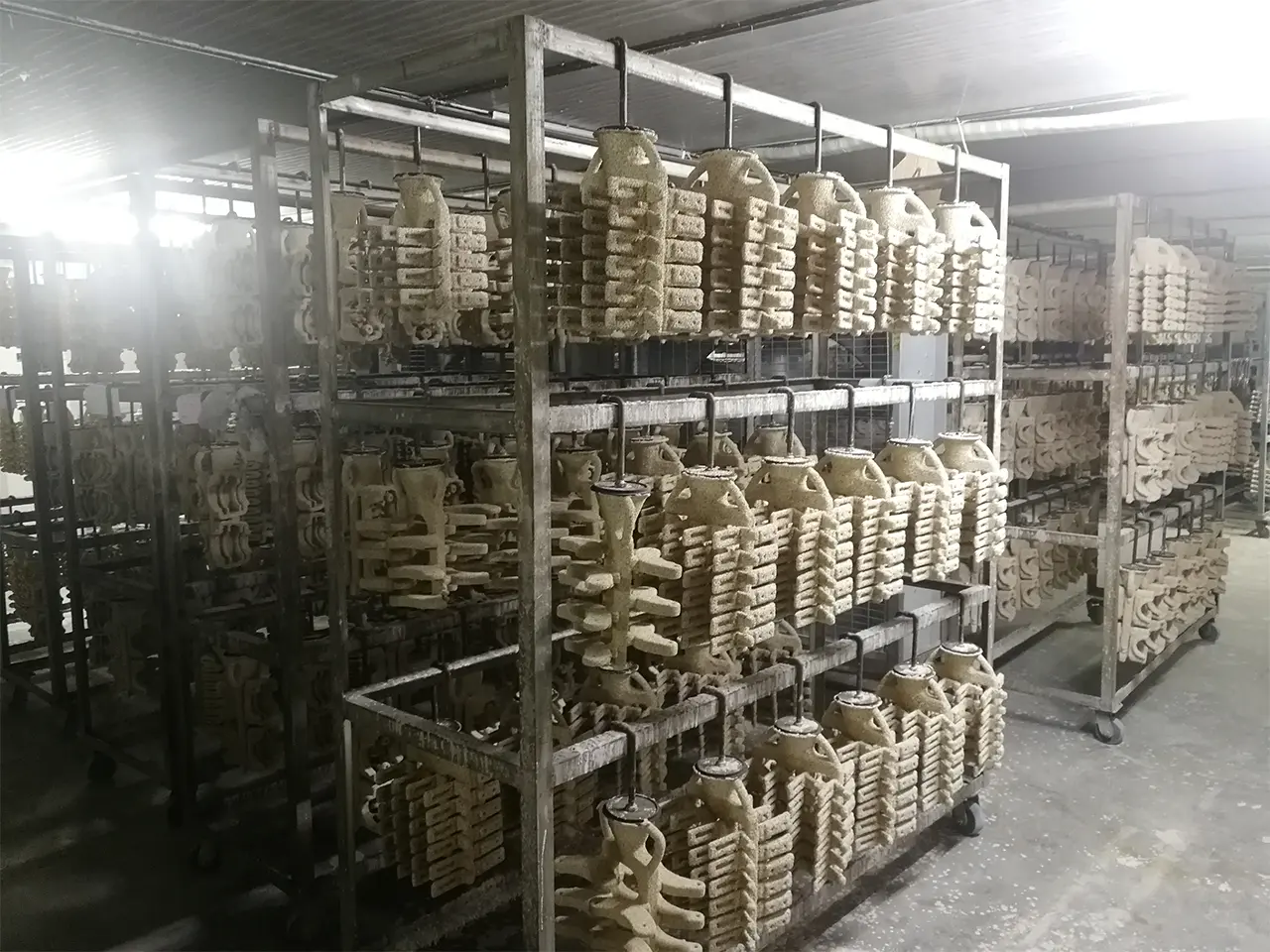
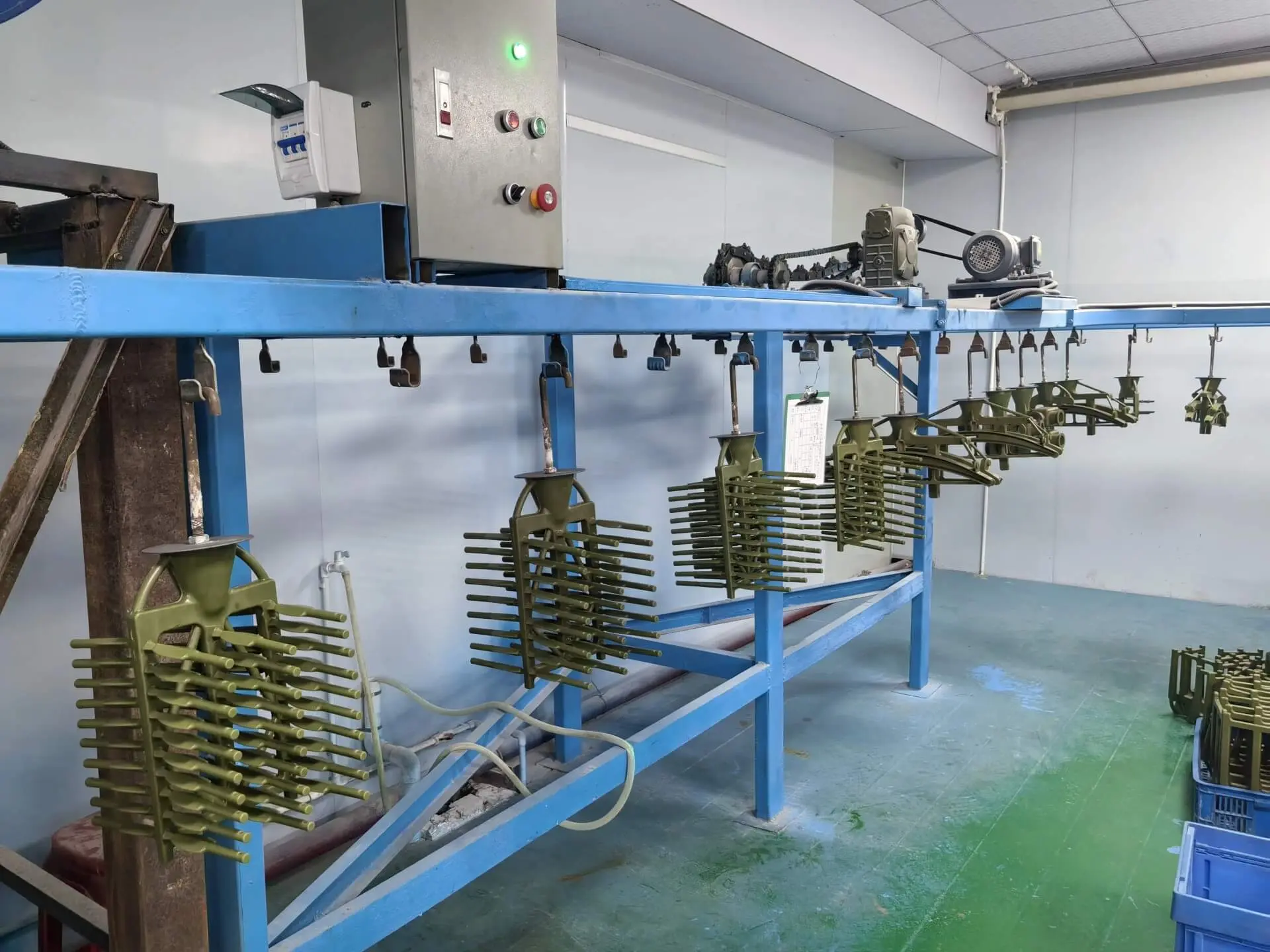
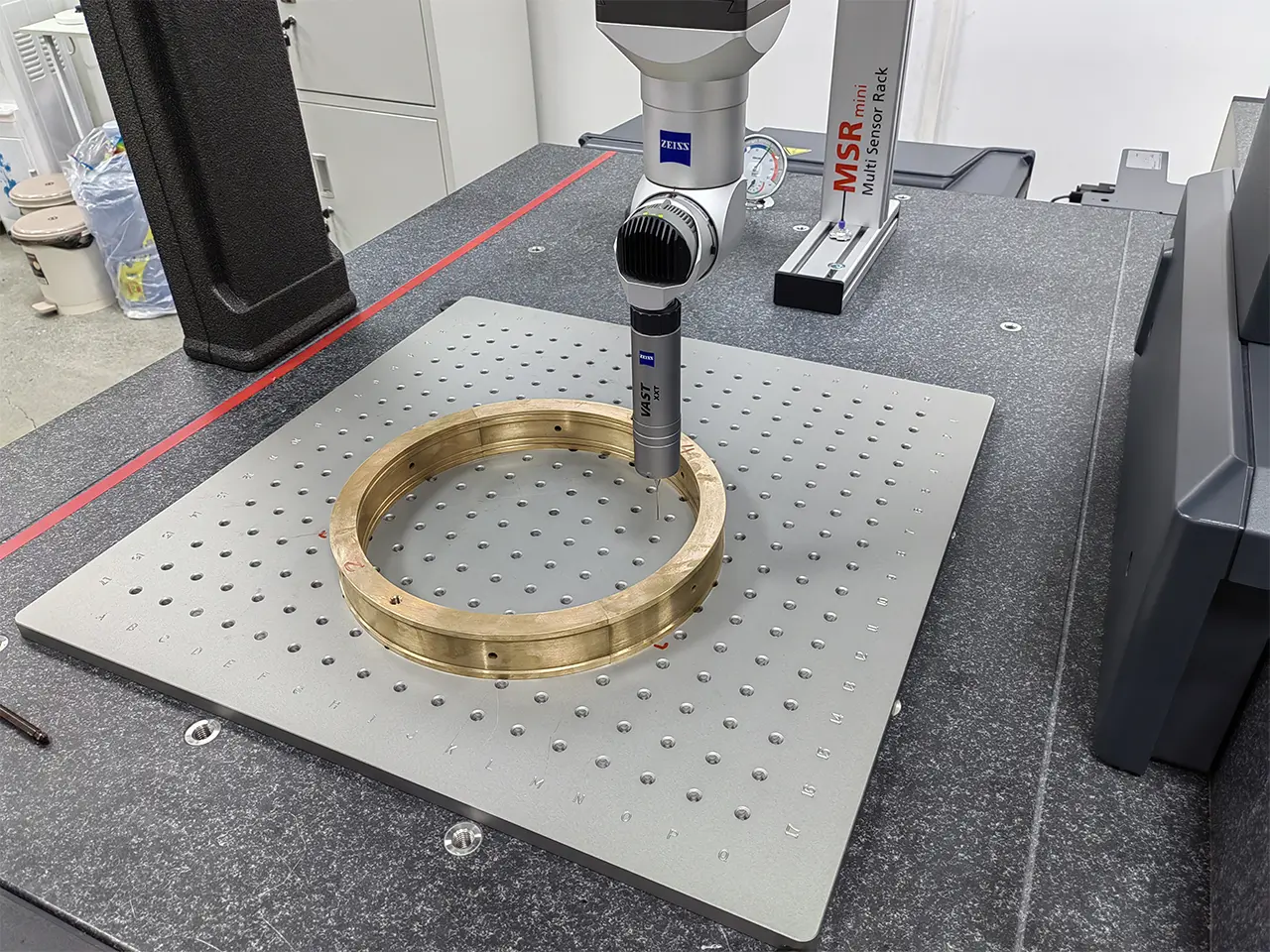
Quality is the cornerstone of the precision manufacturing industry. We firmly believe that only by executing rigorous, data-proven quality control can we survive, develop, and deliver value to our international partners. For this reason, since our founding in 2014, we have invested heavily in testing facilities and certified personnel.
Our quality assurance workflow runs throughout the manufacturing process, from raw material validation to final post-machining checkouts. Our facility is equipped with state-of-the-art CMMs (Coordinate Measuring Machines), optical spectrum analyzers for chemical verification, digital X-ray inspection for internal porosity detection, and ultrasonic testing equipment.
Every casting batch leaves our factory with full trace records including material certificates, dimensional inspection records, and surface roughness documentation.
Providing seamless engineering collaboration, standard conversion, and localized customs logistics.
We map Chinese national GB standards to international options (ASTM/AISI, DIN/EN, JIS) to ensure exact equivalents in performance.
Our metals and surface plating processes comply with strict European and American environmental limits on heavy metals.
We coordinate global shipping terms (FOB, CIF, DDP, DAP) and work with local warehouses to guarantee on-time delivery.
Our English-speaking engineering team offers rapid response times, addressing structural feedback and processing design changes efficiently.
Shaping the future of aluminum manufacturing through green processes and smart automation.
The modern manufacturing economy demands lower carbon footprints. Dongguan SX Technology is committed to using primary aluminum alloys smelted with clean hydro-power and integrating clean, recycled secondary alloys for non-critical structural components. This reduces embodied energy consumption by up to 60%, aiding our OEM clients in meeting their corporate ESG metrics.
By coupling CAD design databases with advanced solidification software, we simulate thermal dissipation rates, molten alloy velocity, and solidification times. Our engineering system predicts shrinkage zones and gas trap areas before metal hits a physical mold. This dynamic approach minimizes trial-and-error prototyping, accelerates delivery times, and keeps waste to a minimum.
Expert technical answers to common manufacturing and global sourcing questions.
For custom aluminum mold tooling (die casting or gravity casting), the tooling lead time is usually 25 to 35 business days, including design analysis and mock mold trials. Once the pre-production sample is approved by the client, bulk casting and secondary CNC machining are completed in 15 to 25 business days, depending on the order volume.
We use vacuum-assisted casting chambers and optimize gate designs via flow simulation. For parts with critical internal density (such as hydraulic valves and deep-sea instruments), we subject 100% of the batch to non-destructive testing (NDT), including X-ray radiographical scans and helium leakage detection tests.
For thermal heat dissipation components and cooling plates, we recommend A356.0 or AlSi10Mg. These alloys possess excellent thermal conductivity (ranging between 150-180 W/m·K) and display very low coefficient of thermal expansion, ensuring long-term dimensional stability during high thermal cycling.
Yes. Although casting alone holds general linear tolerances (typically ISO 8062-CT6 to CT8), we integrate post-casting CNC machining. Our high-precision 4 and 5-axis CNC machining centers routinely handle critical mating features, O-ring grooves, and thread specifications down to ±0.005 mm.
To resist galvanic corrosion and saltwater oxidation, we offer type II and III anodization (hard coat anodizing), chemical conversion coatings (chromate conversion), epoxy powder coatings, and electroless nickel plating. All processes are verified by standard salt spray testing (up to 1000 hours without red rust).
Every casting batch is supported by full traceability documentation. We conduct melt chemistry verification using OES (Optical Emission Spectrometry) analyzers. Hardness tests, tensile tests, and metallographic structure evaluations are regularly run and documented, producing clear reports ready for audit inspections.
Explore our outdoor, titanium, medical-grade, and non-standard custom hardware processing systems.
 SX Machining