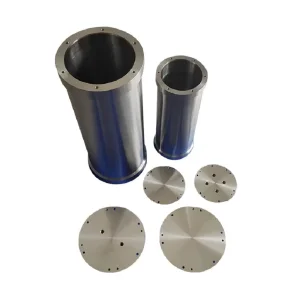
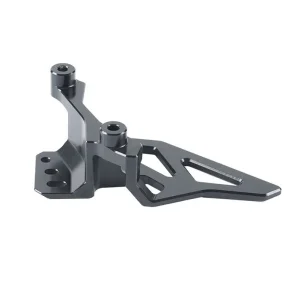
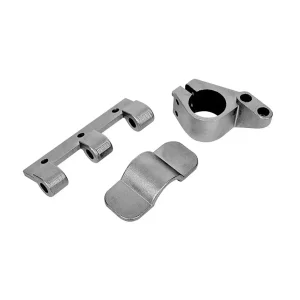
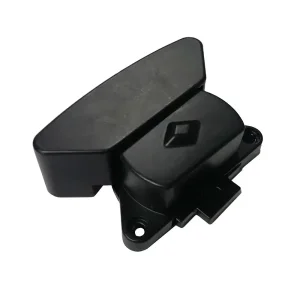
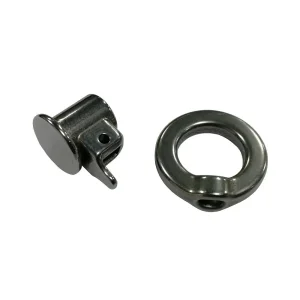
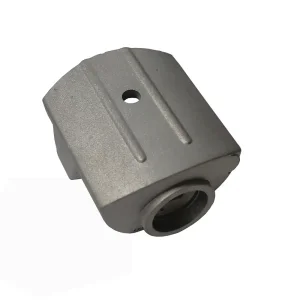
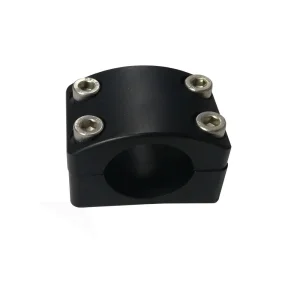
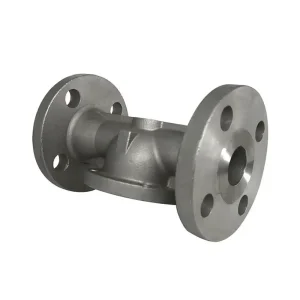
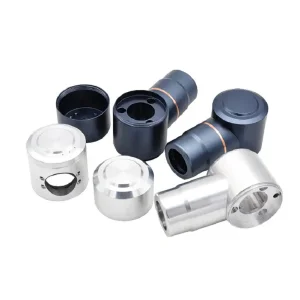
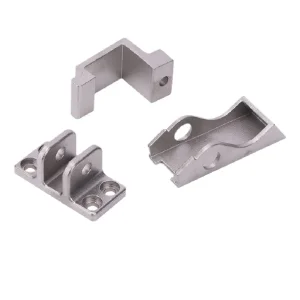
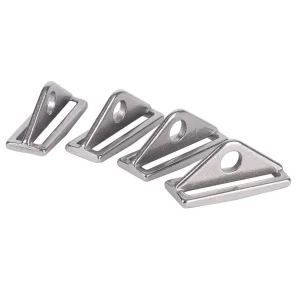
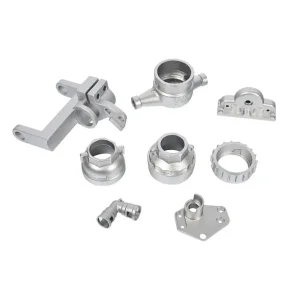
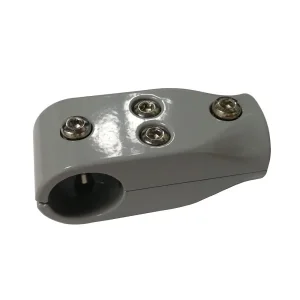
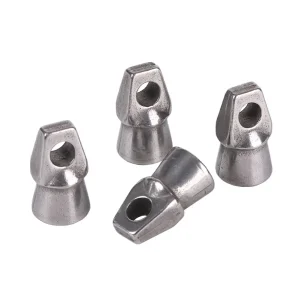
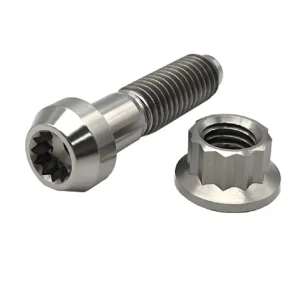
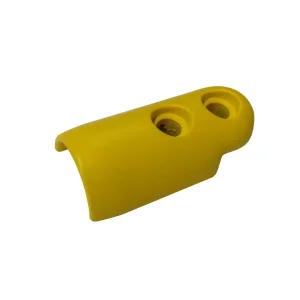
Discover our custom industrial-grade components, meticulously fabricated through investment casting and state-of-the-art multi-axis CNC machining.
The technological evolution of investment casting in modern global markets.
In the contemporary industrial ecosystem, precision casting (often referred to as investment casting or lost-wax casting) has solidified its position as a cornerstone manufacturing technology. By enabling the fabrication of complex, near-net-shape components with exceptional surface finish and strict dimensional tolerances, precision casting reduces the necessity for extensive post-machining operations. The global market value for investment castings continues to rise, driven by intense integration demands in aerospace, medical technology, automotive engineering, deep-sea exploration, and heavy fluid-control systems.
For OEM engineers and procurement managers in Western markets, sourcing from Chinese manufacturers is no longer merely a cost-reduction strategy. Instead, it has transitioned into a search for highly capable engineering partners. Leading foundries must demonstrate deep knowledge of metallurgy, precise control over heat treatment cycles, and integrated processing capabilities (combining casting and CNC machining under one roof) to satisfy stringent standards such as ISO 9001:2015, AS9100, and PED 2014/68/EU.
Dongguan SX Technology Co., Ltd. possesses exceptionally rich engineering expertise in precision casting, custom CNC machining, and complex mechanical assembly. Our finished parts are utilized in a variety of challenging environments across major sectors, including industrial machinery, automotive manufacturing, marine systems, deep-sea vessels, chemical equipment, valves and pumps, electronic appliances, packaging equipment, high-end watches, and construction engineering.
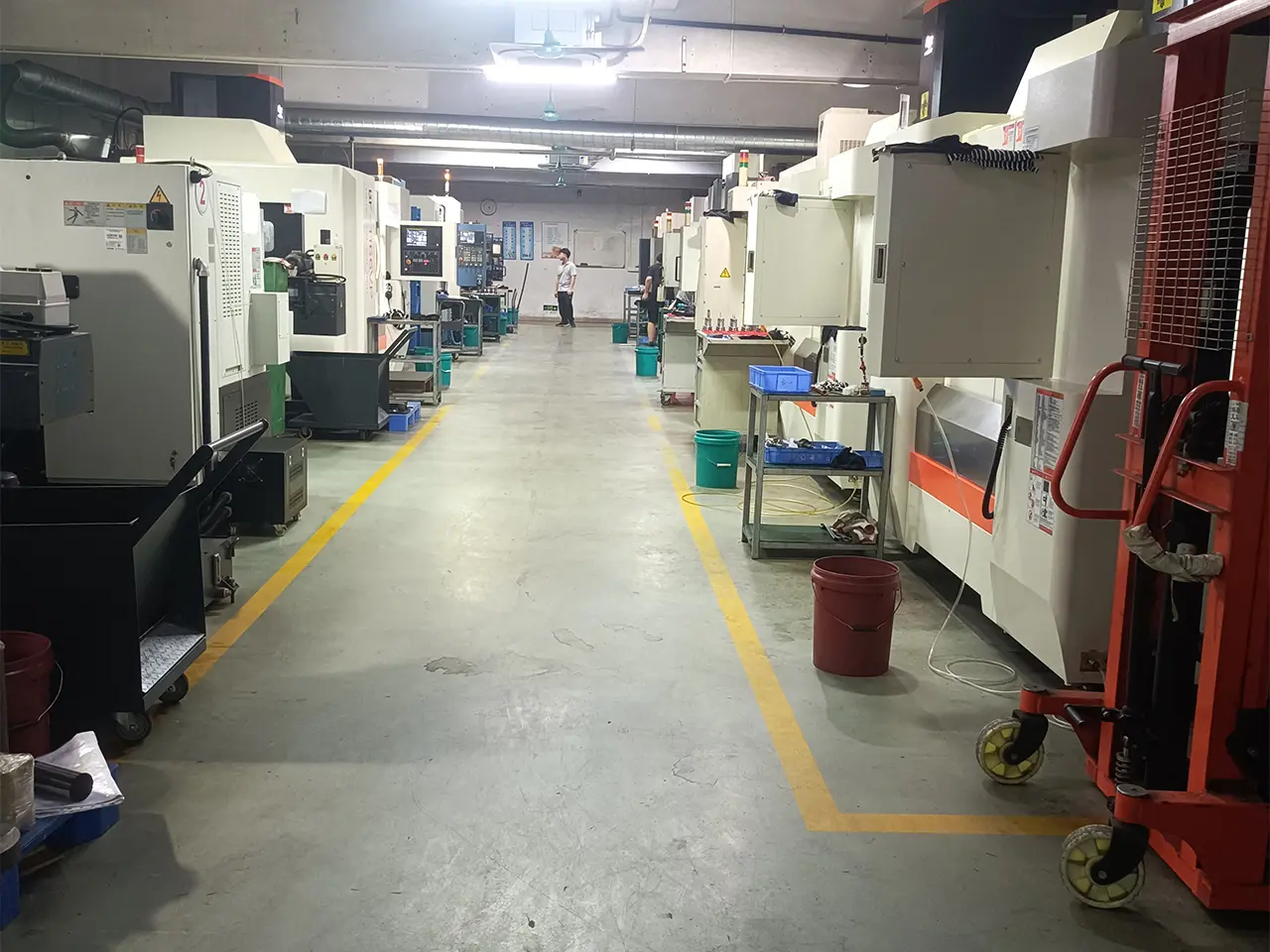
For our investment casting operations, we primarily process stainless steel (e.g., Duplex 2205, 316L, 304) and carbon steel. To support high-precision requirements, our advanced CNC machining center works with highly durable metals such as titanium alloys (Grade 5/Ti-6Al-4V), stainless steel, carbon steel, aluminum alloys, copper alloys, and cemented carbide.
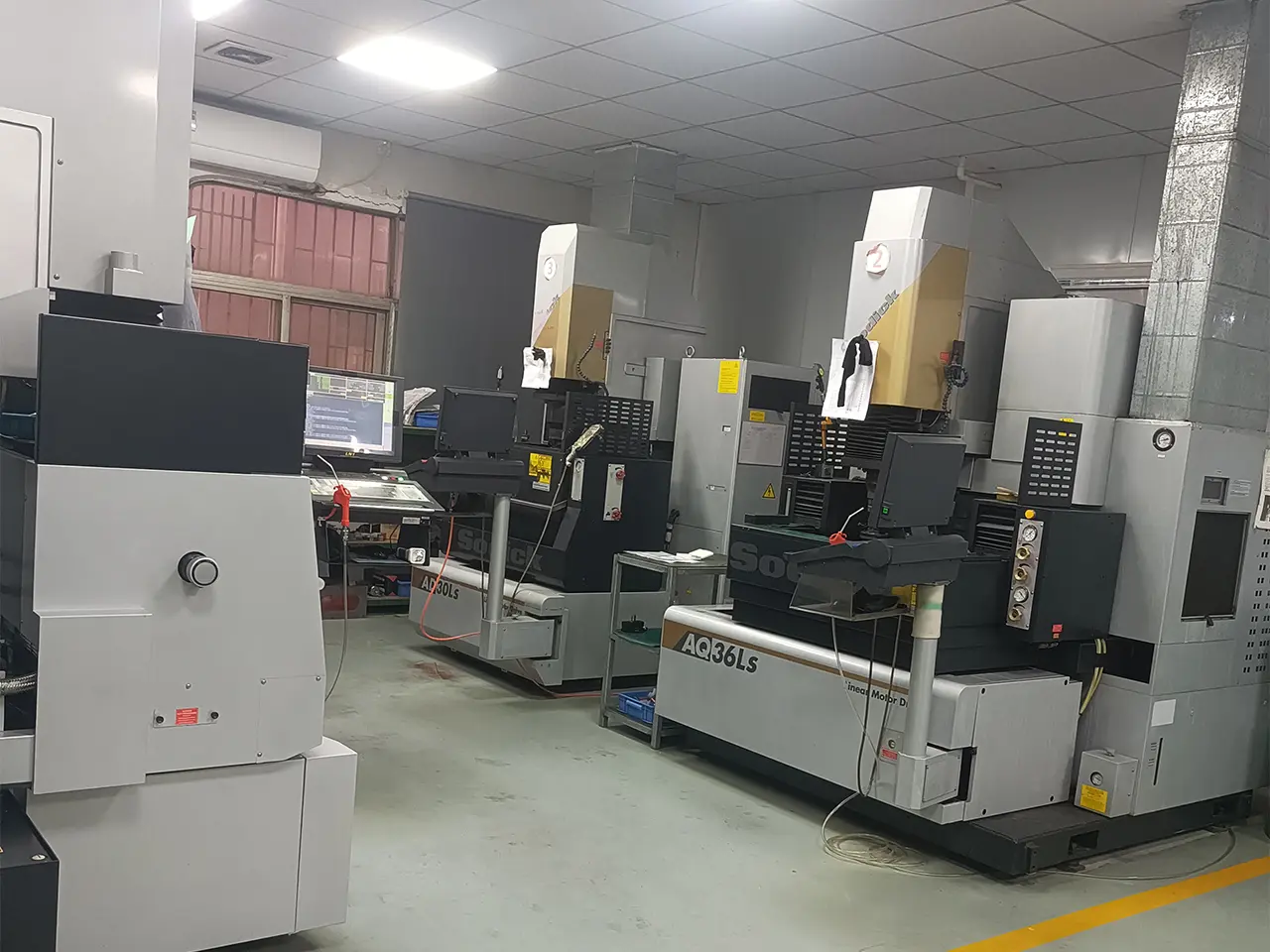
Equipped with modern production tools and inspection setups, we respond rapidly to customer-provided designs (STP, IGS, DWG files) to deliver rapid prototyping and structured mass production with consistent dimensional integrity.
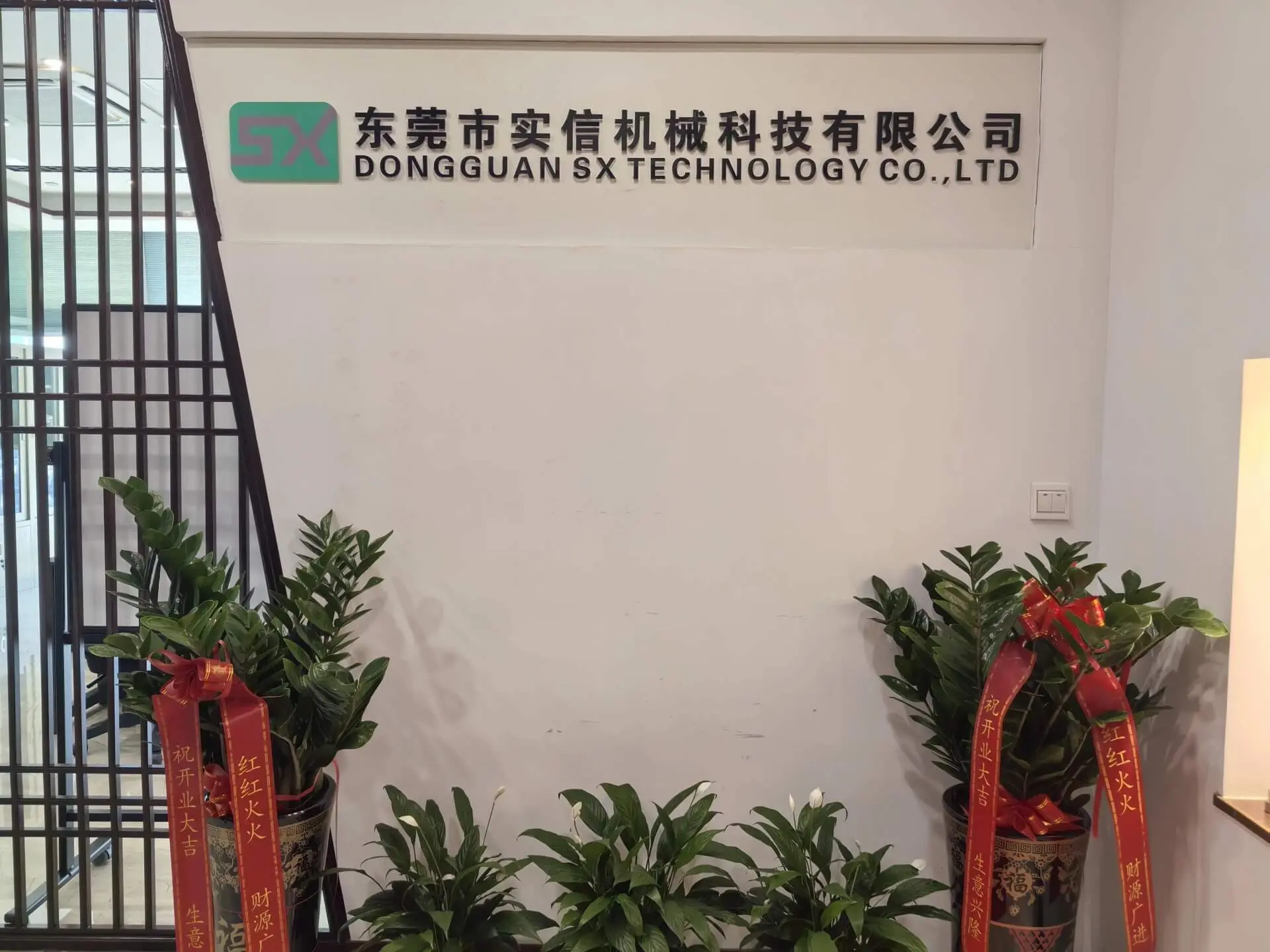
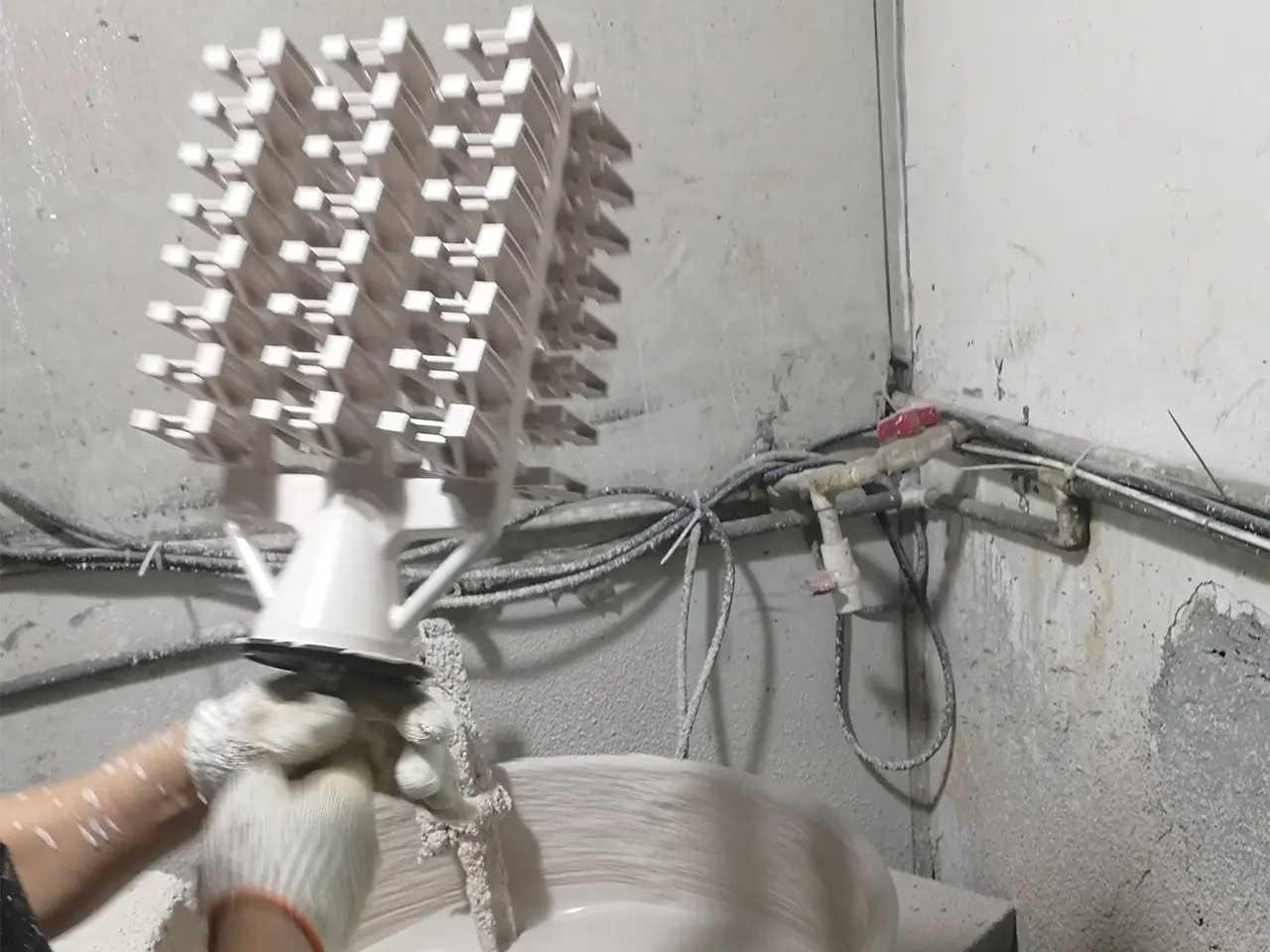
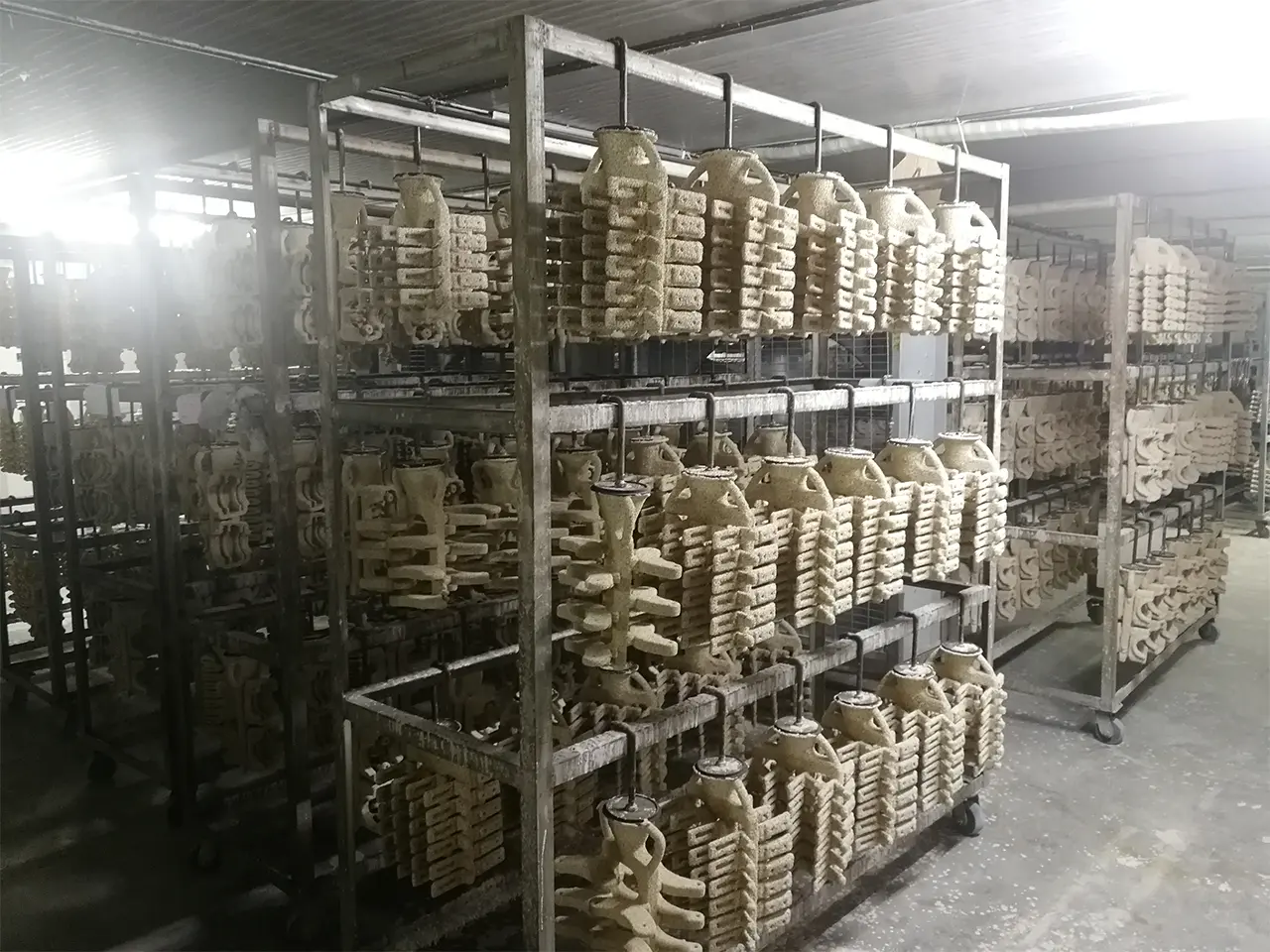
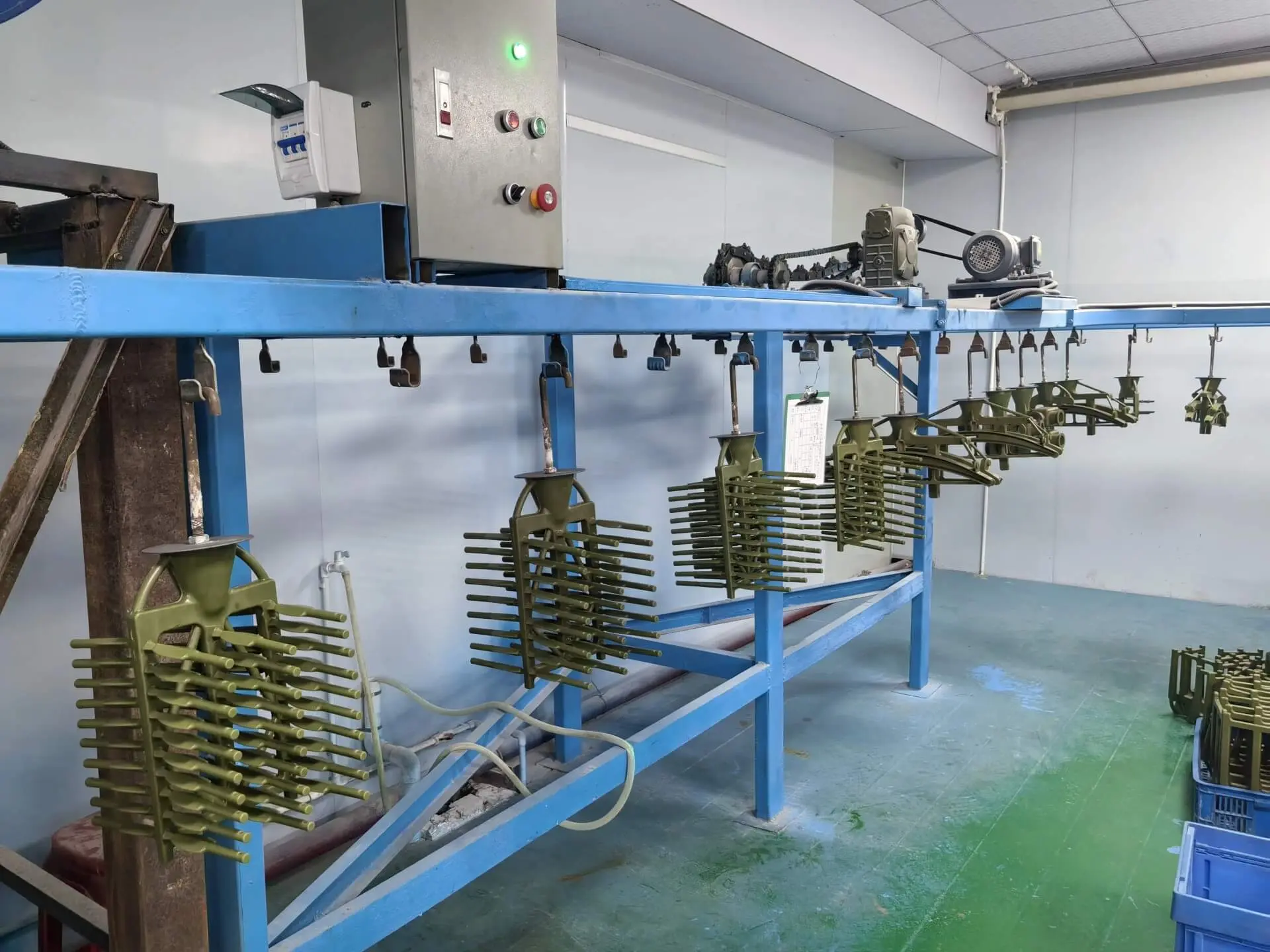
A glimpse into our manufacturing facility where advanced tooling, wax pattern injection, slurry shell-building, and machining processes take place.
Why Chinese precision casting foundries continue to lead the global supply chain in responsiveness and mechanical reliability.
The concentration of metal-working supply chains in regional hubs like Guangdong (Dongguan) provides an unparalleled ecosystem for precision casting. This cluster effect allows foundries to rapidly source raw certified ingots, access specialized mold-making tooling shops, and collaborate with specialized surface treatment facilities (such as electropolishing, passivating, and PVD coating) within a localized radius.
Key efficiency factors that distinguish Chinese manufacturing include:
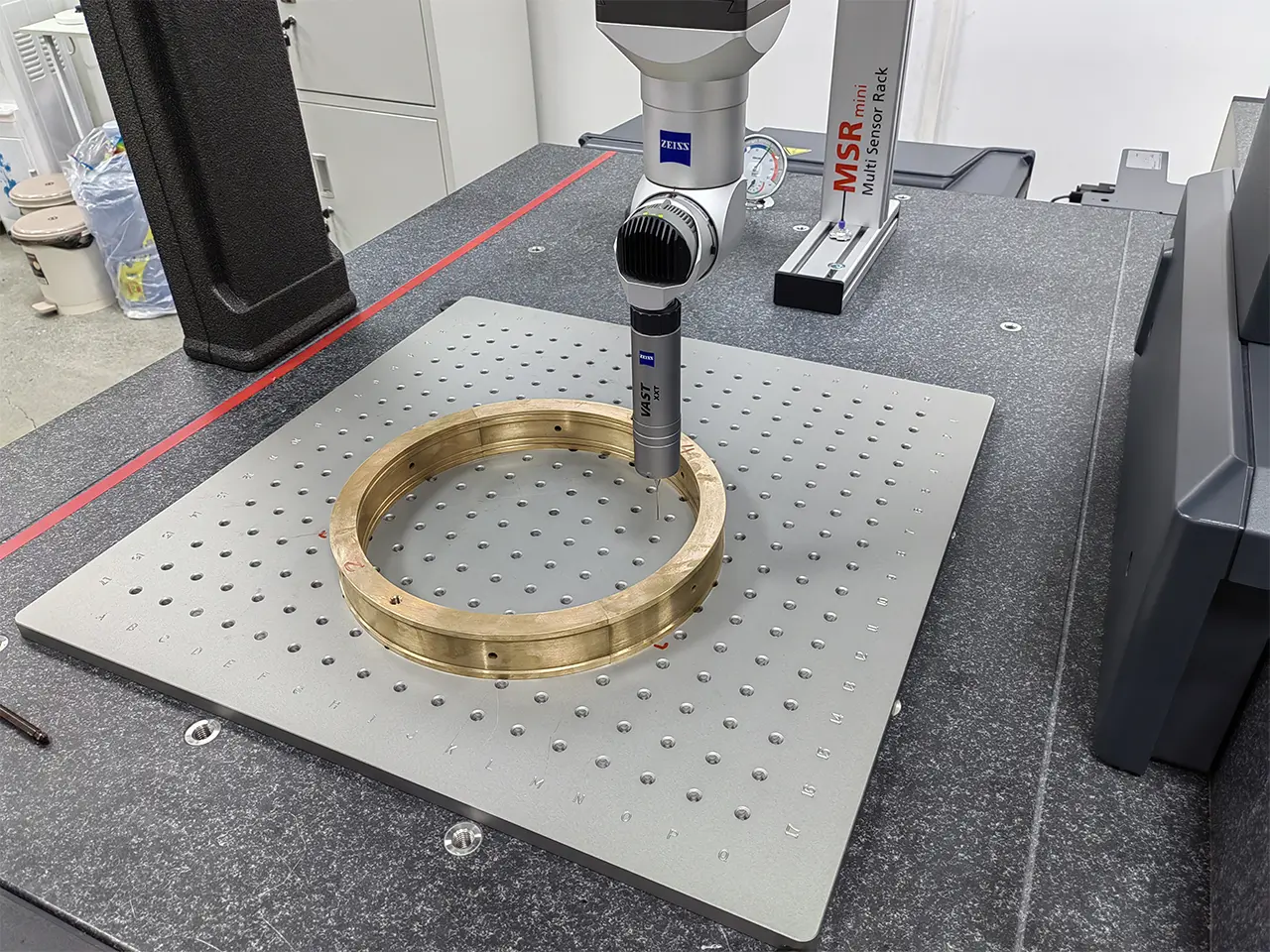
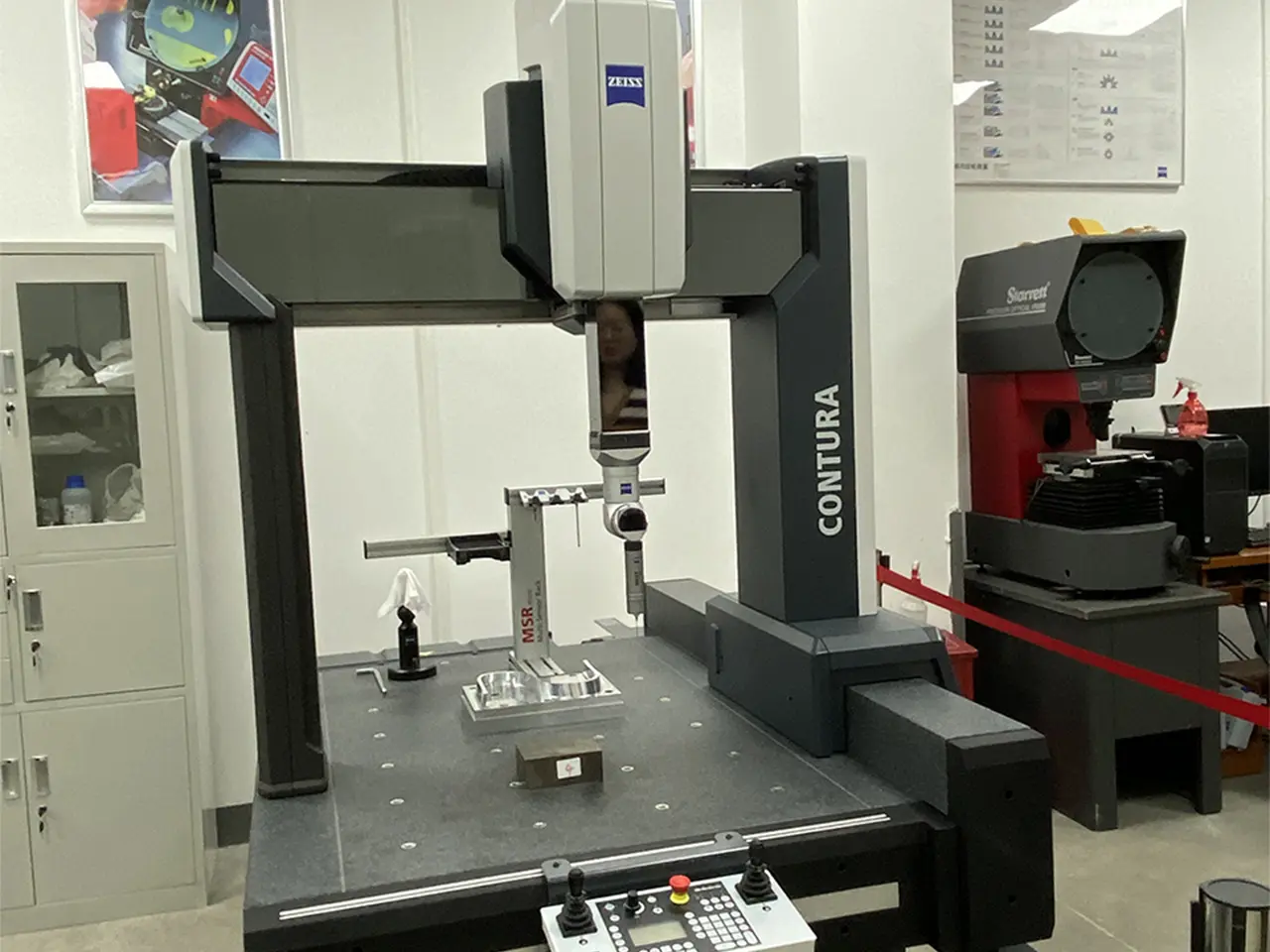
At Dongguan SX Technology Co., Ltd., quality control is the cornerstone of our manufacturing operations. We utilize professional testing equipment and employ dedicated QC specialists to maintain strict tolerances and quality standards. Our continuous commitment to quality assurance since 2014 has earned us the trust of international OEMs.
Our quality verification workflow includes:
How precision investment casting supports crucial hardware applications across key global industries.
Utilizing high-performance alloys such as Duplex Stainless Steel and custom Titanium alloys (Ti-6Al-4V) to withstand extreme hydrostatic pressure, chloride corrosion, and mechanical stress in subsea instrumentation and vessel hulls.
Casting intricate internal geometries for valve bodies, impellers, and manifolds. Precision casting ensures smooth flow channels with minimal turbulent wear, reducing energy losses and cavitation risk.
Producing critical bracket supports, structural mounts, and powertrain components. By utilizing optimized geometries that reduce weight while preserving tensile strength, we help lower fuel consumption in heavy buses and light vehicles.
Navigating industry shifts and managing supply chain risks for critical structural parts.
The integration of digital technology is redefining the capabilities of traditional foundries. One notable trend is additive manufacturing integration. Instead of machining physical metal molds for prototype evaluations, modern facilities can 3D print SLA or PMMA wax patterns. This allows designers to evaluate form and fit in the field without committing to expensive tooling costs upfront. Furthermore, casting simulation software enables engineers to model the thermal solidification process, identifying potential hot spots, shrinkage cavities, and pouring errors before the metal is poured.
To secure a reliable casting supply chain in China, procurement teams should prioritize the following verification steps:
Technical answers to key inquiries regarding design tolerances, materials, and production lead times.
High-quality OEM parts engineered for structural integrity, corrosion resistance, and dimensional accuracy.
 SX Machining