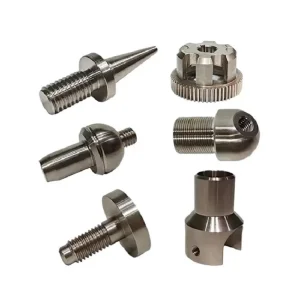
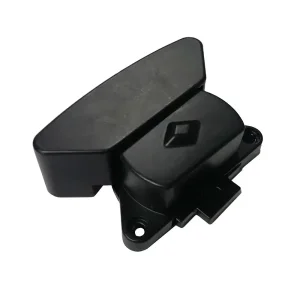
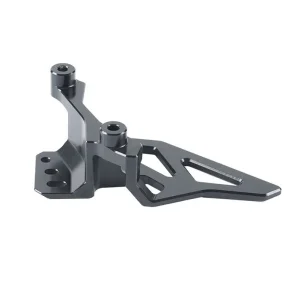
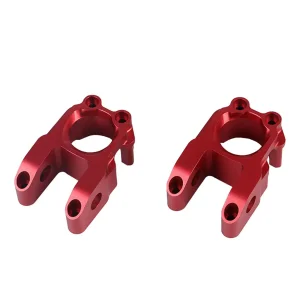
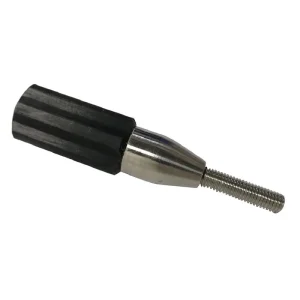
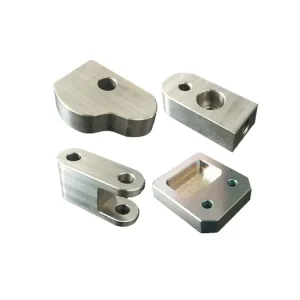
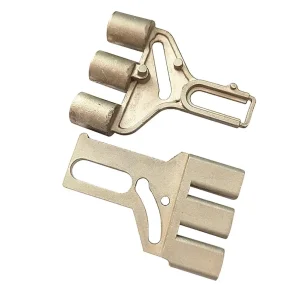
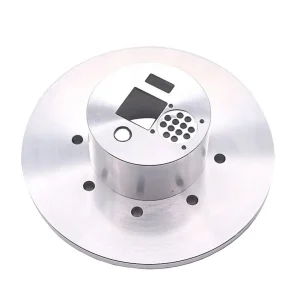
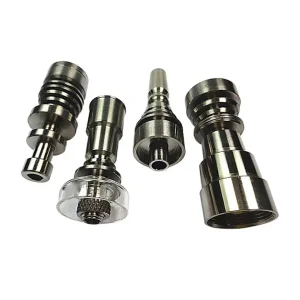
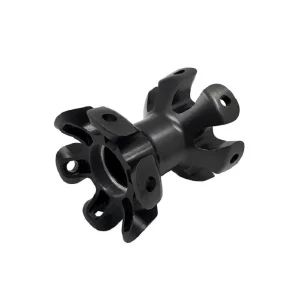
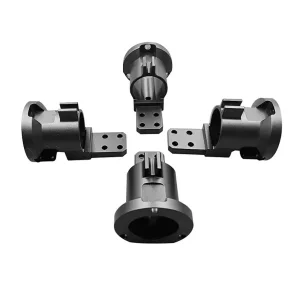
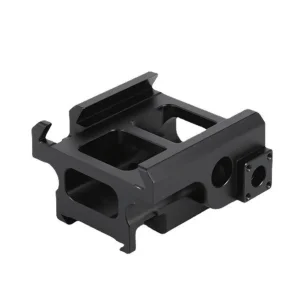
Explore our top-tier manufacturing output, matching stringent tolerances for high-reliability applications.
In the contemporary manufacturing paradigm, precision machining represents the vital link between conceptual CAD design and real-world implementation. The global supply chain has shifted towards highly integrated, high-mix, low-volume (HMLV) configurations that demand extreme geometric accuracy. From complex aerospace turbofan impellers to biocompatible medical implants, components must satisfy stringent physical and chemical specifications.
China's precision machining clusters, particularly in the Pearl River Delta (Dongguan, Shenzhen), have evolved beyond mere scale to become leaders in engineering capability. Advanced machining facilities now integrate robotic cell automation, 5-axis synchronous milling, and metallurgical casting processes. This strategic integration allows factories to drastically reduce structural lead times, lower tooling overhead, and maintain an uninterrupted transition from raw metal ingots to finished assemblies.
Moreover, global companies face the dual pressure of finding cost-efficient fabrication centers and ensuring compliance with strict domestic regulations (such as REACH, RoHS, and local defense acquisition standards). Working with verified engineering partners in China who understand DFM (Design for Manufacturability) and run comprehensive quality management systems is key to building a resilient, cost-effective, and agile supply chain.
Aerospace and defense systems run on components with dimensional profiles where deviations of even 5 microns can result in catastrophic mechanical wear or aerodynamic inefficiency.
By offering dual competency in investment casting (carbon/stainless steel) and CNC post-machining (titanium/carbide), modern factories deliver parts with optimized mechanical characteristics.
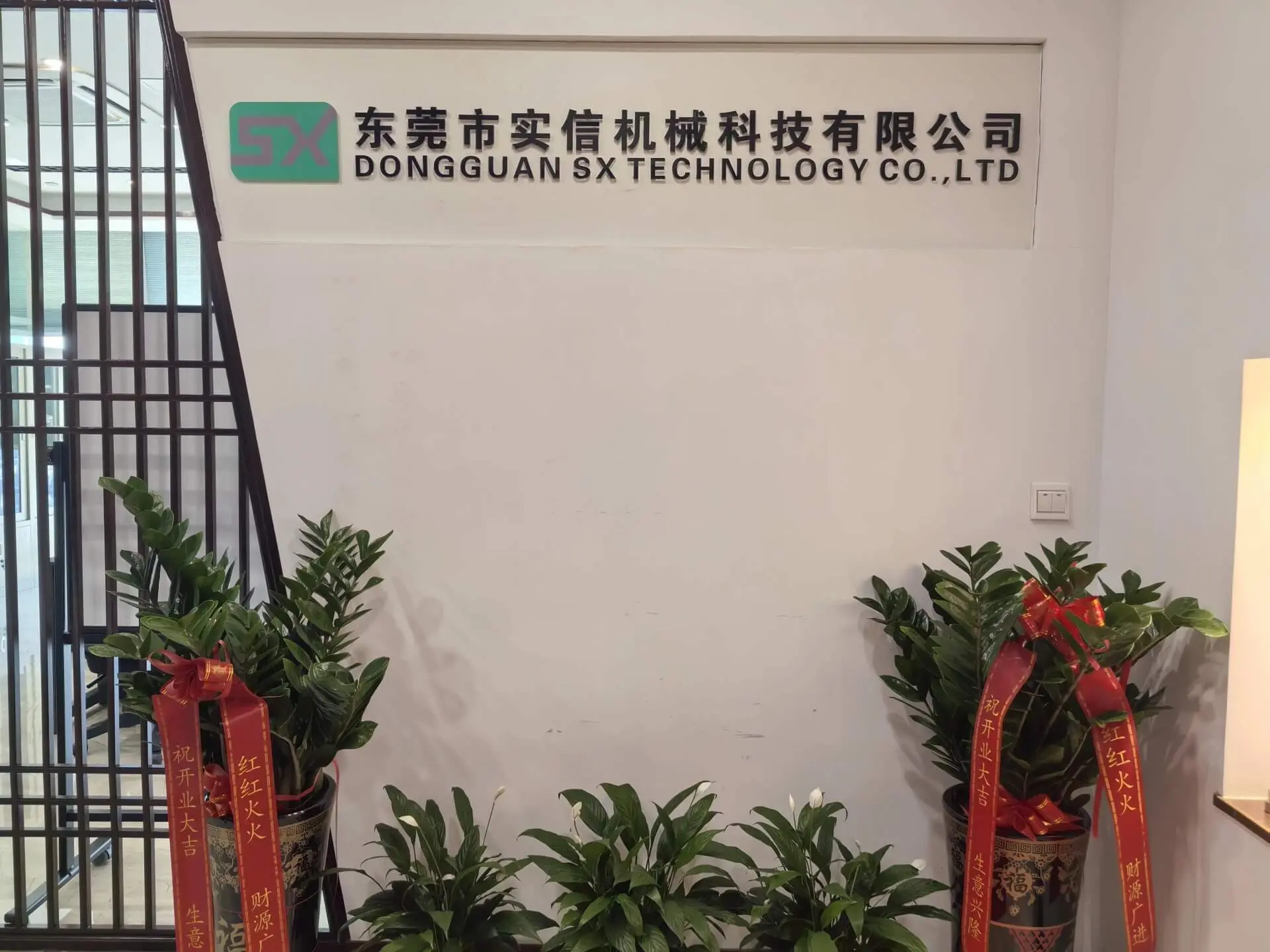
Dongguan SX Technology Co.,Ltd has very rich experience in precision casting, CNC machining and assembly. Our products are used in machinery, automobiles, marine, ships, equipment, valves and pumps, electronic appliances, packaging, watches, construction, chemical industry and other industries. The most commonly used materials for investment casting are stainless steel and carbon steel. And the most commonly used materials for CNC machining include titanium alloy, stainless steel, carbon steel, aluminum alloy, copper alloy, cemented carbide, etc. We have advanced manufacturing equipment and technology and are able to respond quickly to your needs.
By choosing Dongguan SX Technology as your primary vendor, you secure a manufacturing partner capable of converting complex engineering challenges into repeatable, volume-ready parts. Our shop is strategically located in Dongguan, the hardware manufacturing heart of China, allowing us to source materials, implement thermal treatments, and access domestic shipping networks rapidly. Our engineers work directly with your step/iges files, providing real-time feedback to optimize toolpaths and reduce raw material consumption.
Step inside our high-tech fabrication floor. We maintain advanced CNC turning, milling, and investment casting setups to guarantee consistency across production runs.
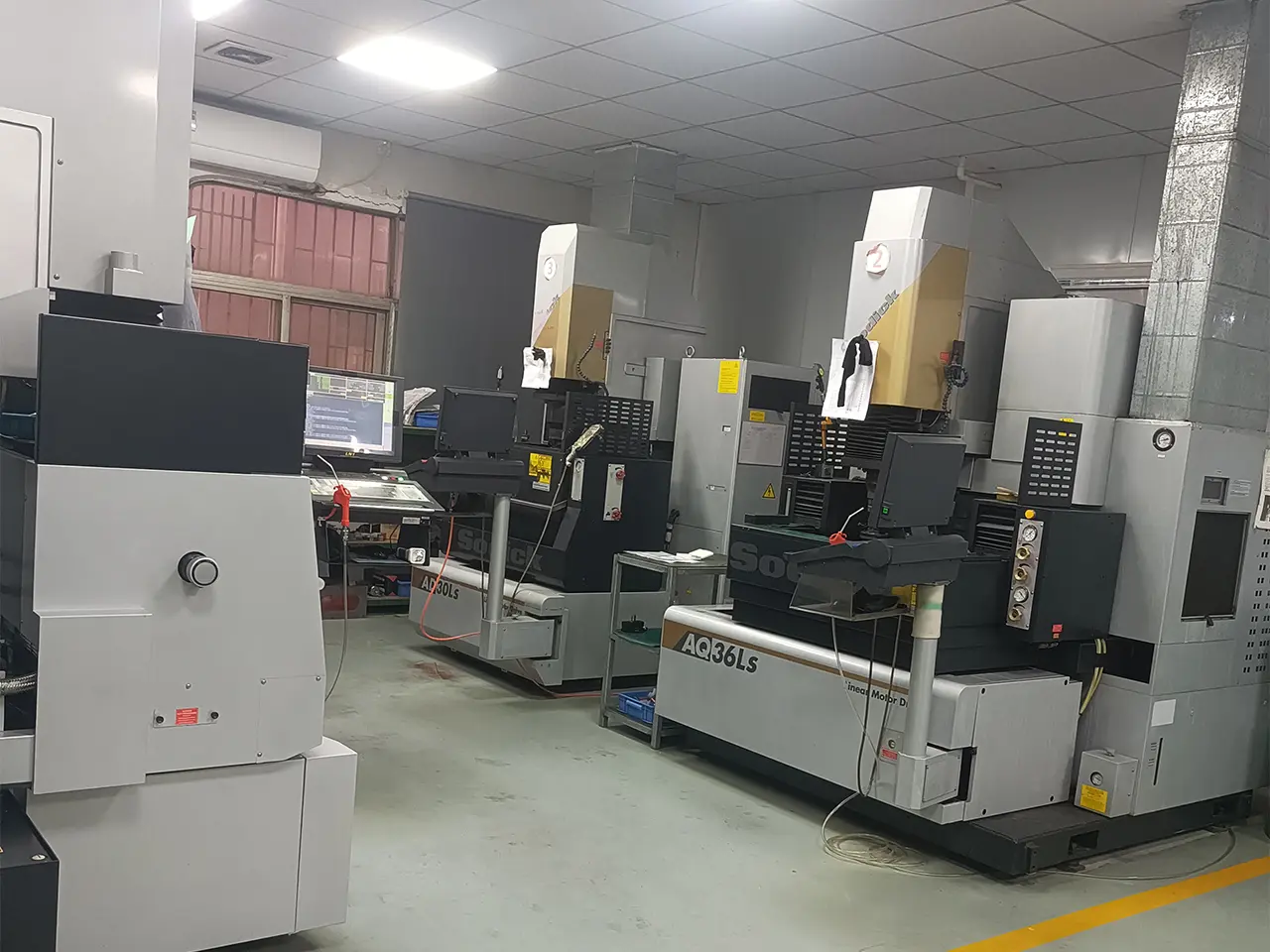
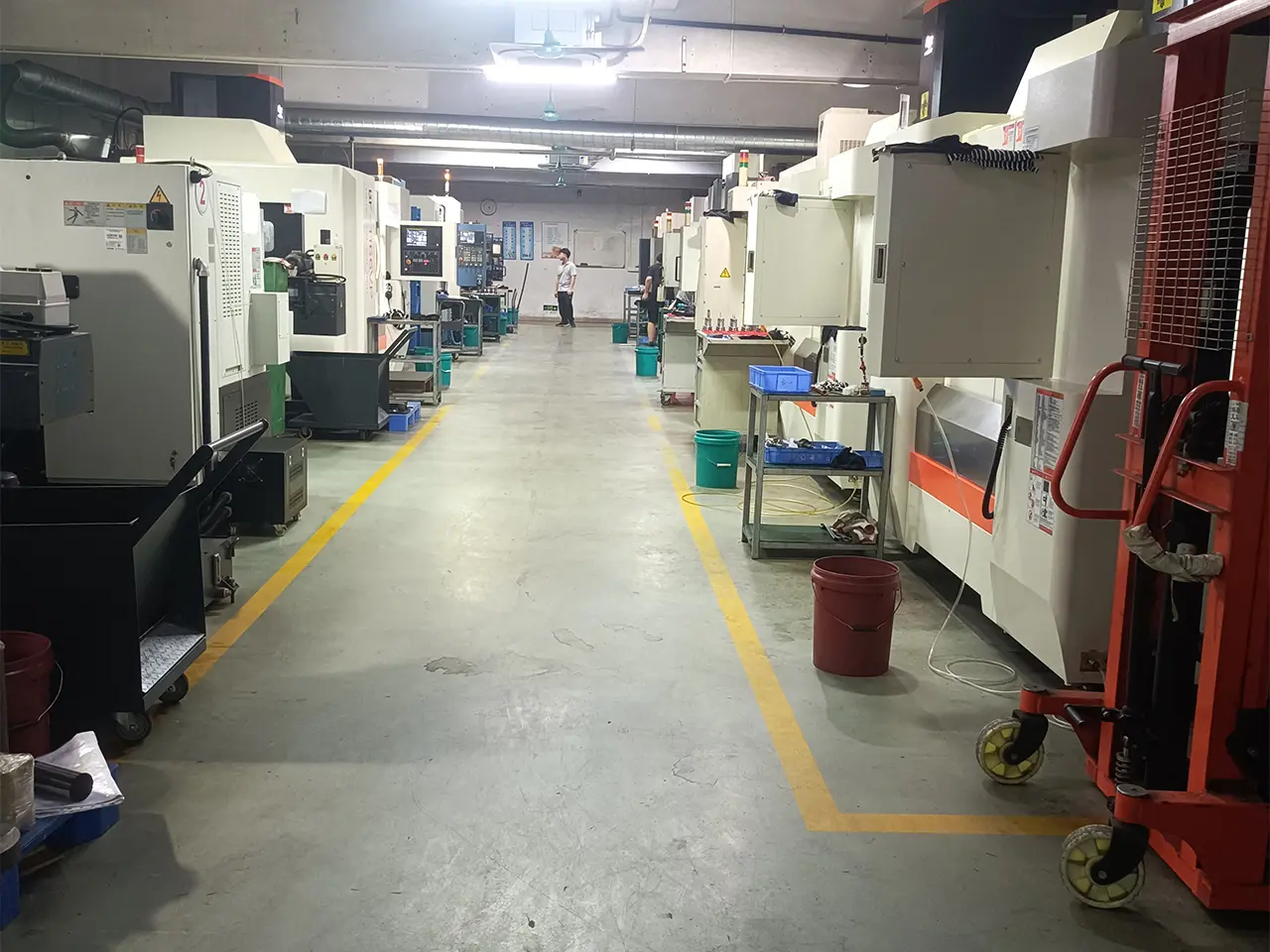
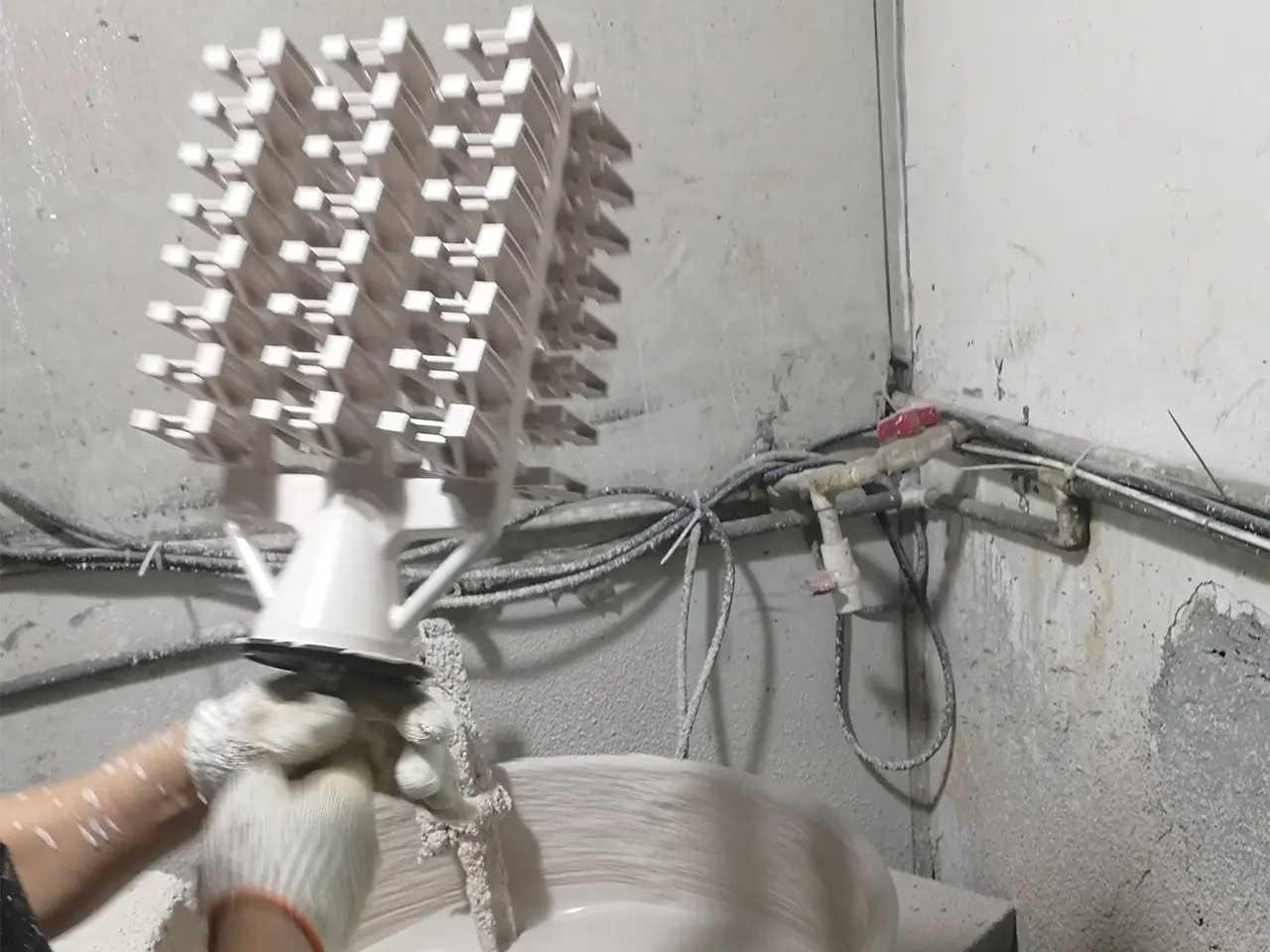
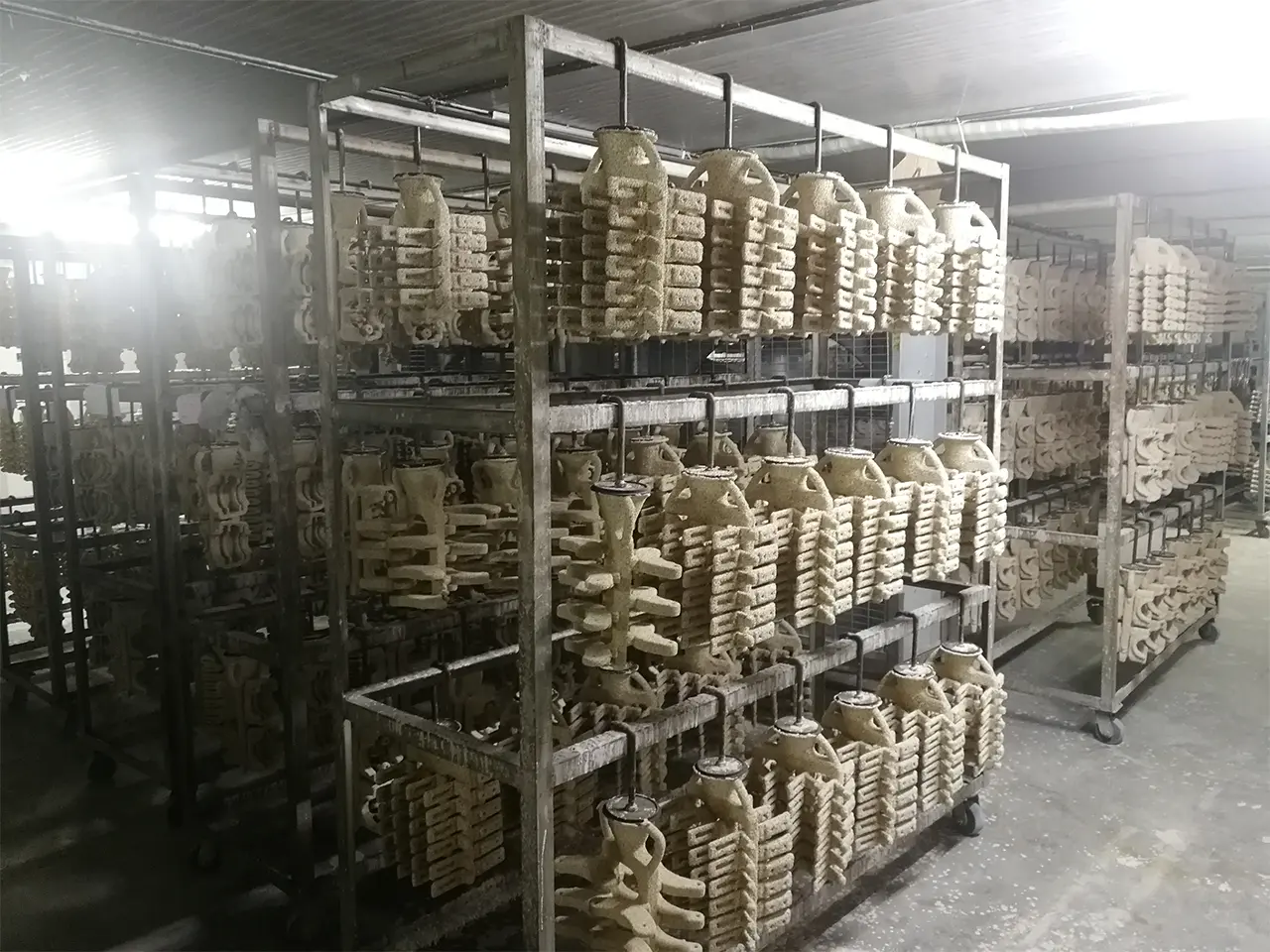
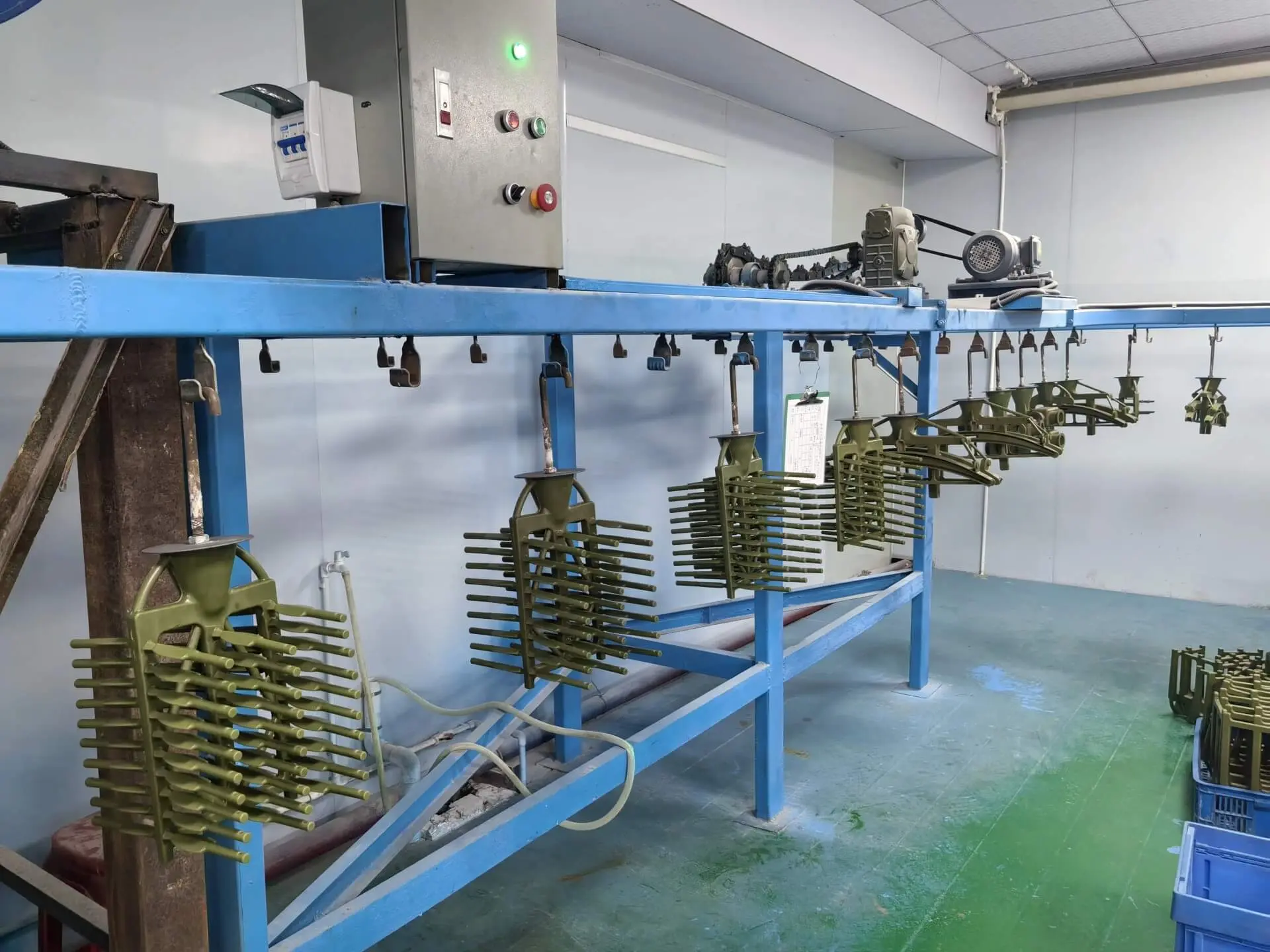
Our machining facility processes a wide range of engineering metals, choosing optimal tooling paths and feed speeds depending on the material's shear strength, thermal conductivity, and hardness.
For high-strength applications, we specialize in Titanium Alloys (Ti-6Al-4V Grade 5), which are highly valued in aerospace and medical implants for their excellent strength-to-weight ratio and bio-compatibility. For corrosive marine and chemical environments, our Stainless Steel (SUS 304, 316, 316L, 17-4 PH) components deliver excellent durability. For structural components requiring lower density, our Aluminum Alloys (6061-T6, 7075-T6) CNC milling services offer cost-effective options with fast turnaround times.
Additionally, we process copper alloys, brass, bronze, carbon steels (WCB, 1045), and cemented carbide. Our engineering roadmap includes migrating towards hybrid additive-subtractive manufacturing setups and deploying high-precision 5-axis turn-mill composite machines to further reduce cycle times for multi-sided components.
| Material Class | Primary Applications | Key Machining Challenge |
|---|---|---|
| Titanium Alloy | Aerospace impellers, medical screws | Work hardening, heat concentration |
| Stainless Steel | Marine projects, fluid control valves | High shear resistance, tool wear |
| Aluminum Alloy | Automotive brackets, cycling frames | High chip volume, thread safety |
| Cemented Carbide | Industrial punches, wear inserts | Extreme hardness, requires EDM/Grinding |
| Carbon Steel | Investment castings, hardware gear | Corrosion prevention during machining |
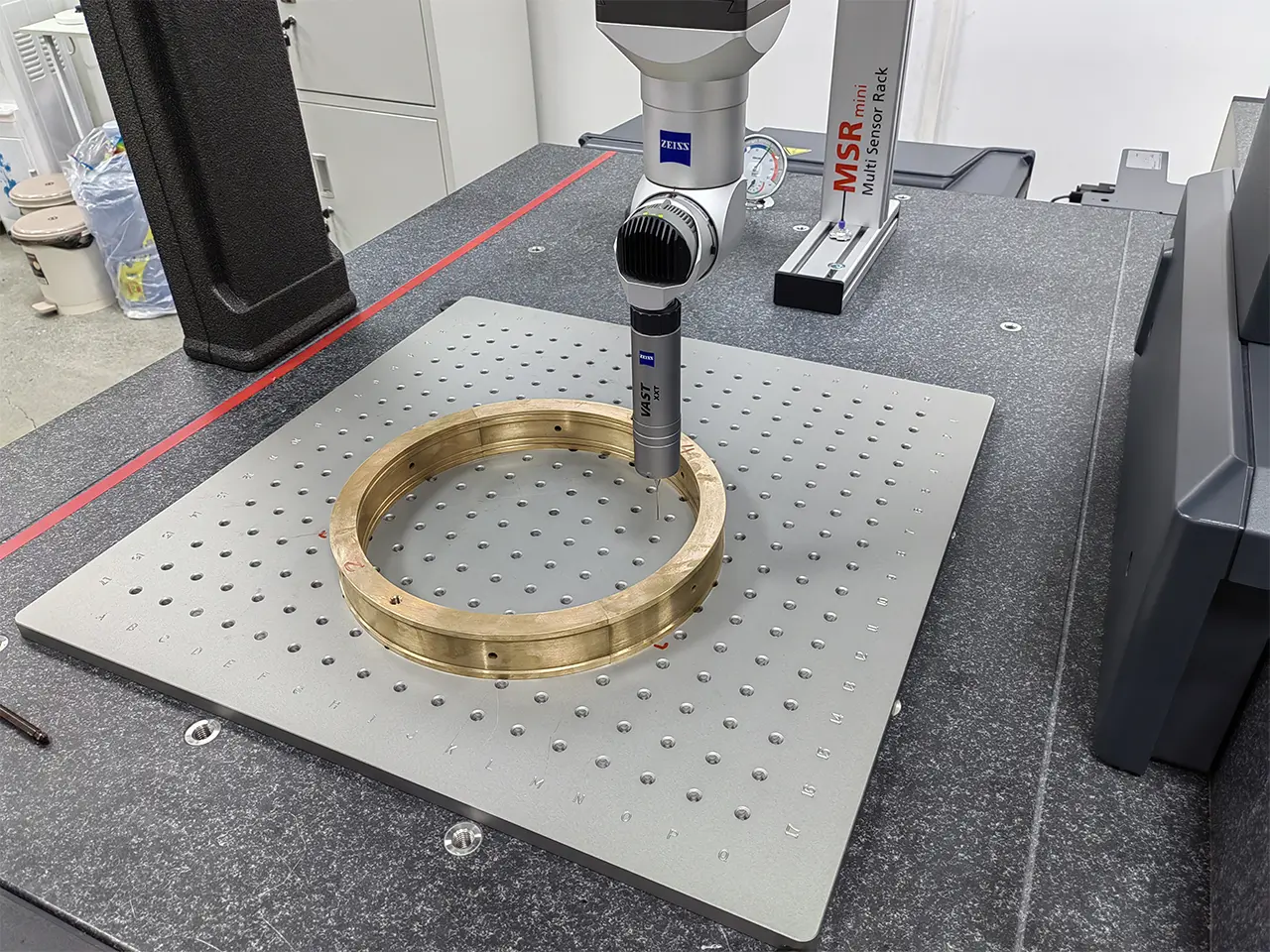
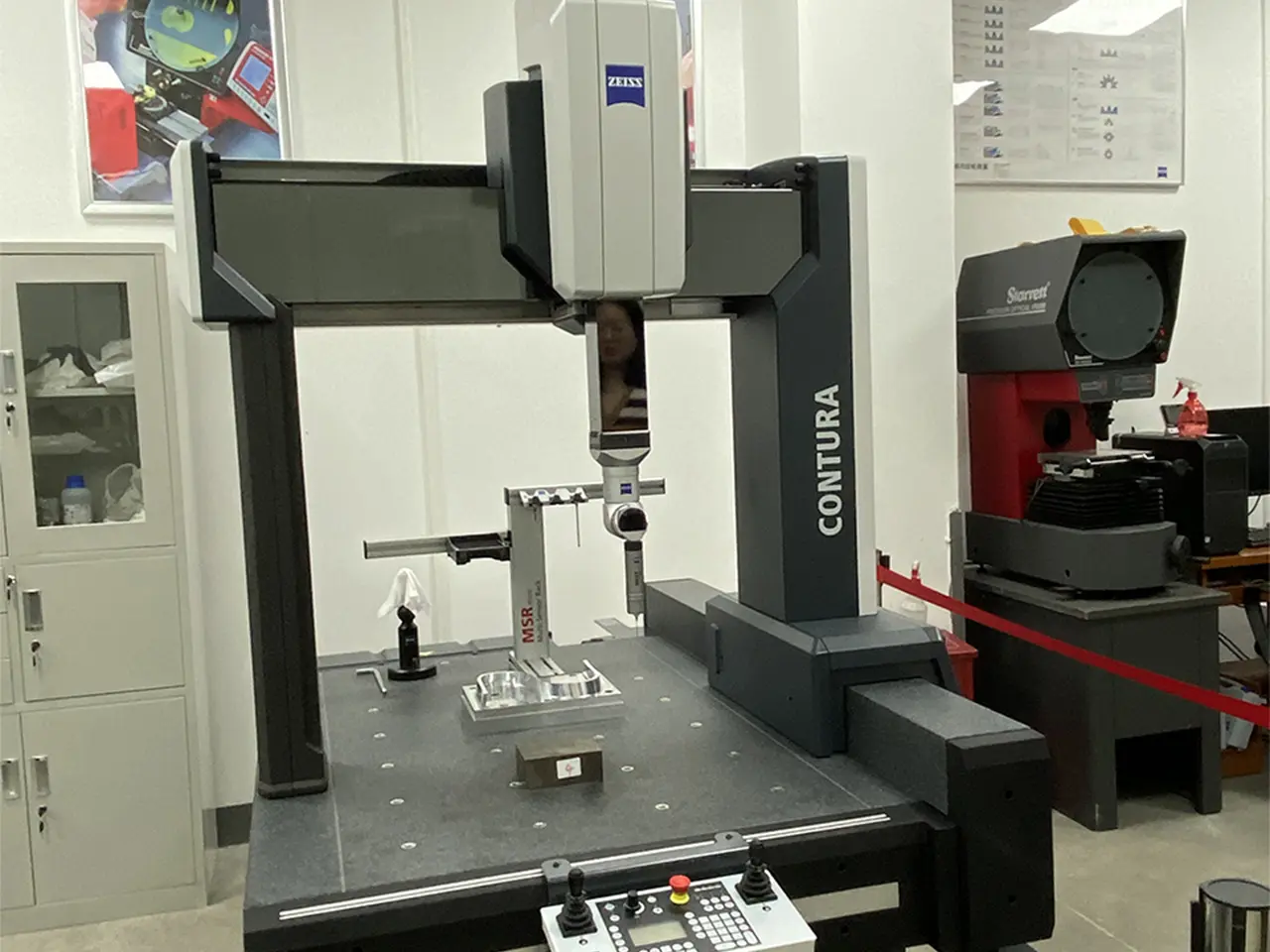
Quality Control: We have professional testing equipment and professional QC personnel, and we adhere to strict tolerances and quality standards for the products we produce. Due to our insistence on strict quality requirements, we have been praised by many customers.
Quality is the cornerstone of the manufacturing industry. We firmly believe that only by controlling quality well can we survive, develop, and get better and better. Therefore, we have been working in this industry unremittingly since 2014 and continue to Improve the company's team and improve the company's production capacity.
Our quality verification department is equipped with modern Coordinate Measuring Machines (CMM), optical comparators, digital micrometer sets, thread and ring gauges, and surface roughness testers. Every run of investment casting undergoes spectroscopic analysis to verify carbon, chromium, and nickel composition percentages before being poured. Machined parts are subjected to first-article inspections (FAI), in-process checks, and final visual/dimensional inspections before final packaging and shipping.
How we support international procurement, engineering alignment, and cross-border logistical standards.
We provide full export documentation including clear HS code categorization, Country of Origin certificates, commercial invoices, and bill of lading generation to prevent port delays.
All raw castings and machined items can be certified to align with European Union environmental standards, ensuring no restricted lead or cadmium content is present.
We execute strict NDA agreements. Your CAD models, architectural files, and customized toolpath strategies are managed locally on secure offline servers.
Our custom-tailored manufacturing runs are integrated directly into highly complex assemblies across various industries:
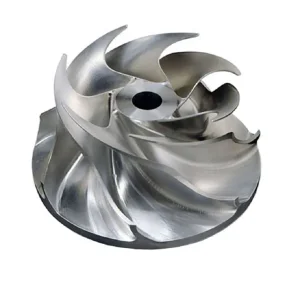
Challenge: An international fluid systems OEM required a prototype impeller with zero tool-mark deviations on the aerodynamic surfaces, avoiding the need for manual polishing that could compromise balance.
Solution: Dongguan SX Technology utilized dynamic 5-axis tool-pathing on CNC machining centers, followed by glass bead micro-blasting. Coordinate Measuring Machine (CMM) inspection confirmed positional deviations remained under ±0.008mm, leading to a successful pilot integration.
Understanding technical capabilities, lead times, casting tolerances, and material sourcing.
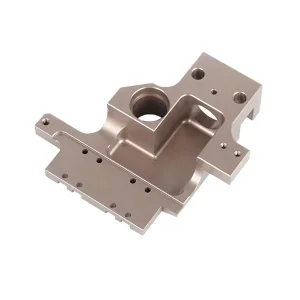
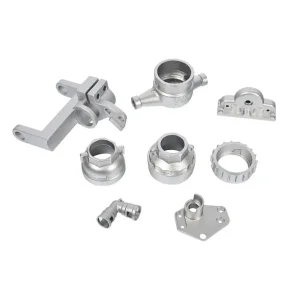
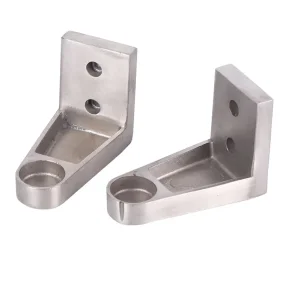
A continuation of our specialized mechanical components, showing our investment casting and mill-turn capabilities.
 SX Machining