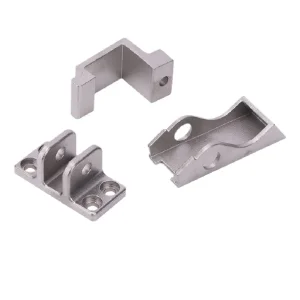
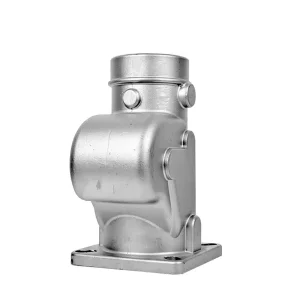
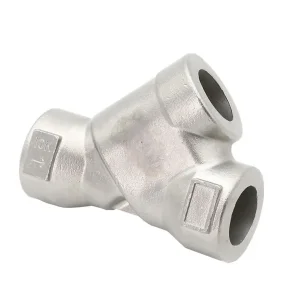
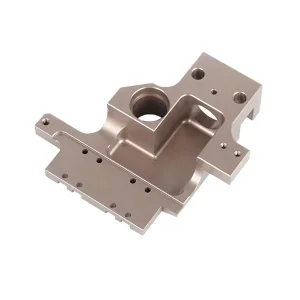
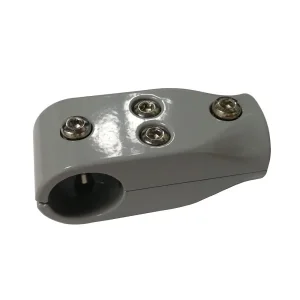
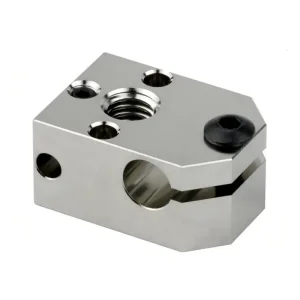
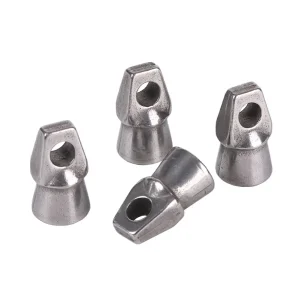
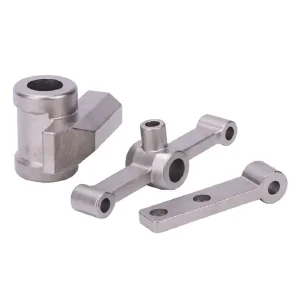
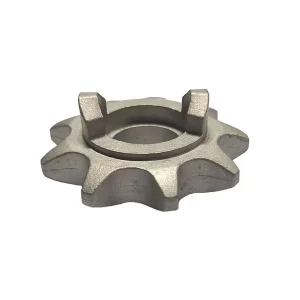
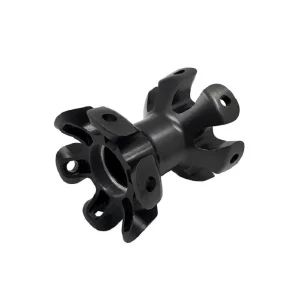
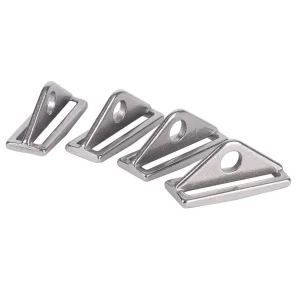
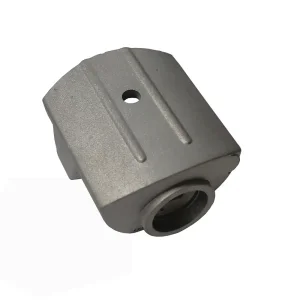
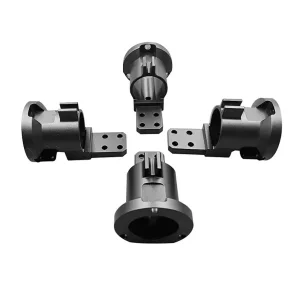
Explore our flagship range of bespoke custom components. Each item features exceptional surface integrity, dimensional stability, and verified alloy composition from our certified Chinese foundries.
In modern industrial engineering, stainless steel investment casting (popularly termed as SS Cast) forms the core of heavy-duty, corrosion-resistant machinery applications. Representing the crystallization of the traditional lost-wax process merged with computerized simulation design, SS Cast provides the necessary microstructural precision required for components operating in hazardous, high-temperature, or high-pressure environments. Globally, the demand for precision stainless steel castings has surged significantly due to shifts toward high-efficiency fluid handling, clean energy conversions, and reliable transportation networks.
From a procurement perspective, global supply lines require foundries capable of executing tight geometrical tolerances while maintaining verified metallurgical integrity. Standard casting methods often suffer from internal shrinkage, porosity, and coarse grain boundaries. By utilizing advanced silica sol binders and rapid-solidification controls, specialized factories in China have elevated the industrial standard for structural parts, reducing post-cast machining times and enhancing performance margins.
Dongguan SX Technology Co.,Ltd has very rich experience in precision casting, CNC machining and assembly. Our products are used in machinery, automobiles, marine, ships, equipment, valves and pumps, electronic appliances, packaging, watches, construction, chemical industry and other industries. The most commonly used materials for investment casting are stainless steel and carbon steel. And the most commonly used materials for CNC machining include titanium alloy, stainless steel, carbon steel, aluminum alloy, copper alloy, cemented carbide, etc. We have advanced manufacturing equipment and technology and are able to respond quickly to your needs.
Founded with a dedication to engineering excellence, our facility integrates the initial metallurgical melt analysis with advanced secondary operations. Whether handling lightweight titanium components or complex duplex stainless steel pump casings, our engineering team utilizes computer-aided manufacturing parameters to minimize material waste and deliver consistent quality. This allows us to serve the most rigorous global supply chains with short turnaround times.
Different regions pose distinct environmental challenges. Customizing the chemical makeup of our stainless steel casts helps address unique local requirements:
In regions with high humidity and high salinity (such as coastal industrial complexes and offshore wind projects), we utilize duplex stainless steels (such as 2205 or Super Duplex 2507) and austenitic grades with molybdenum content (like 316L). These choices prevent localized pitting and crevice corrosion, extending the operational lifetime of valves, deck hardware, and seawater intake pumps.
For processing facilities operating under high heat, customized grades containing stabilizers (such as niobium in 347 or titanium in 321) prevent intergranular carbide precipitation during welding and casting. These components perform reliably under extreme thermal stresses and aggressive chemical flows.
For urban treatment networks, we focus on producing biocompatible, lead-free cast components. Standard grades like 304 and 316 provide excellent mechanical stability and clean surfaces, preventing contamination in high-volume municipal pumping systems.
The concentration of raw material processors, specialized tooling fabricators, and surface treatment facilities within Guangdong's industrial areas provides Chinese factories with a clear competitive advantage. Our facility in Dongguan utilizes this regional proximity to maintain stable production, even during volatile global market conditions.
Unlike isolated foundries, our team coordinates directly with local mold makers, hot isostatic pressing (HIP) providers, and polishing shops. This integration allows us to significantly compress production times. In addition, Dongguan's logistics networks provide efficient access to major shipping ports like Shenzhen and Hong Kong. This ensures prompt transport of our customized components to destinations worldwide.
Our facility is equipped with automated investment shell building lines, temperature-controlled dewaxing autoclaves, induction melting furnaces, and multi-axis CNC machines to handle demanding jobs.
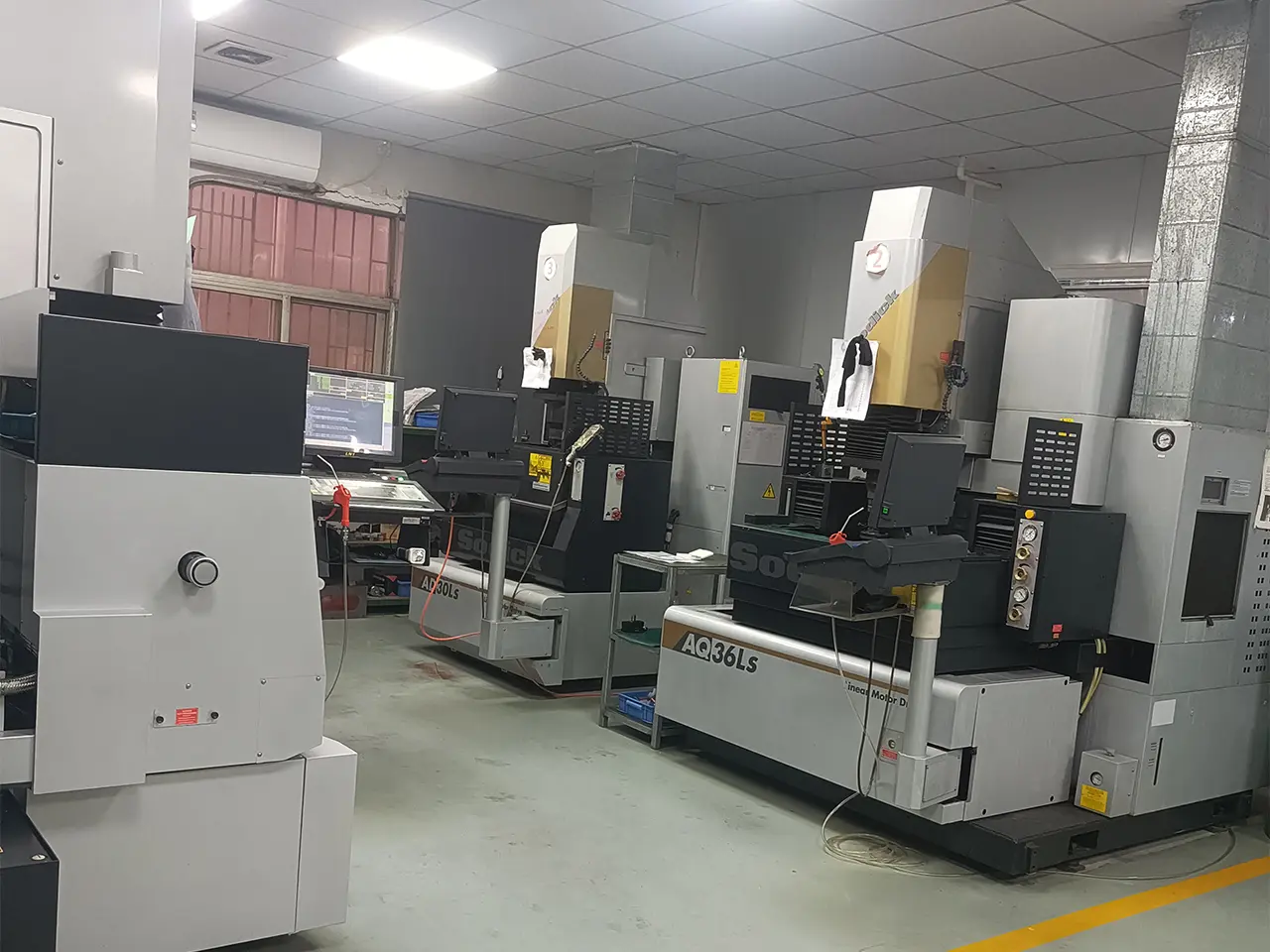
High-speed CNC machinery ensuring micro-scale tolerances.
Decoring and casting preparation for high-purity melts.
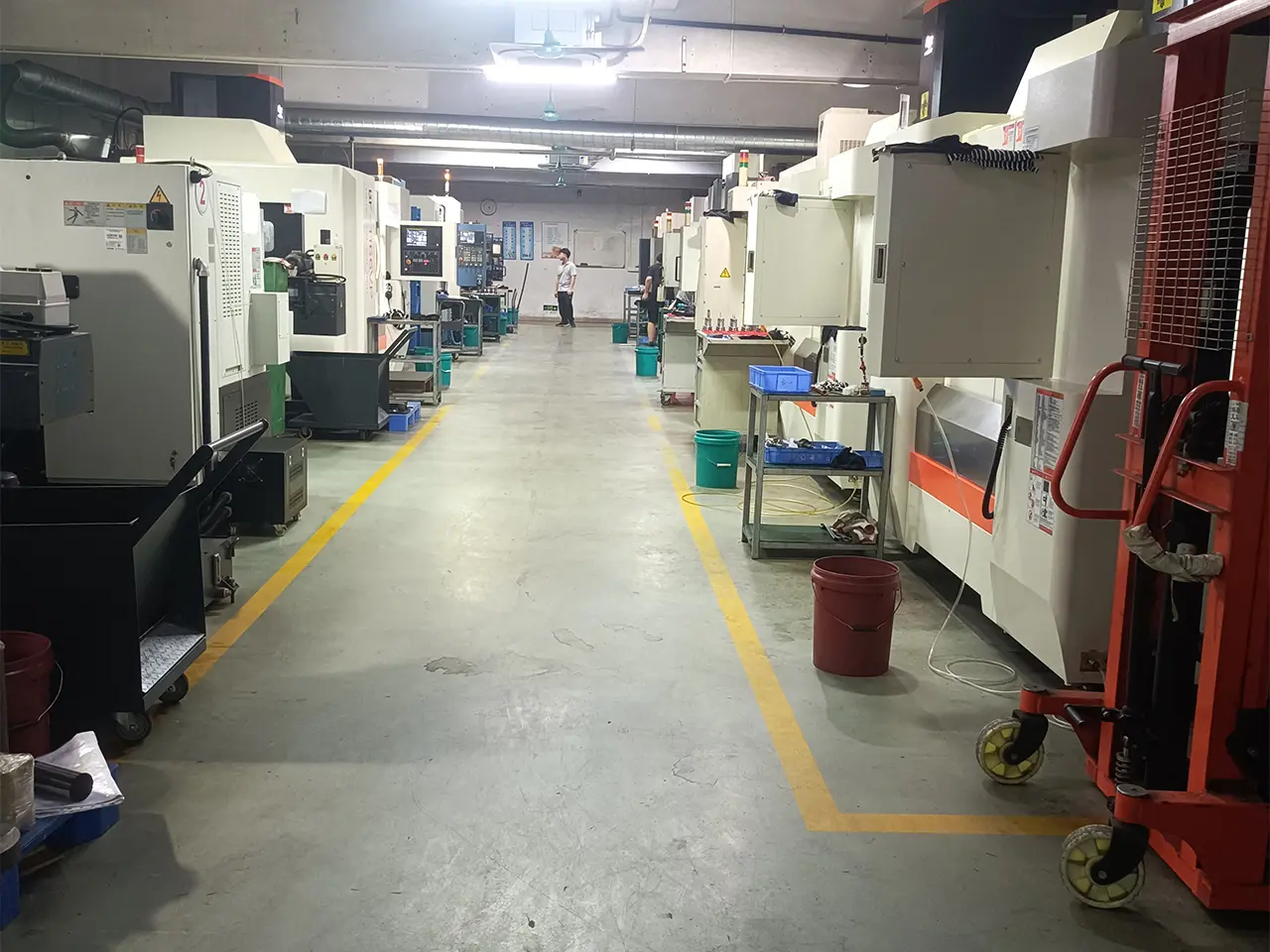
Automated silicate-based slurry coating systems.
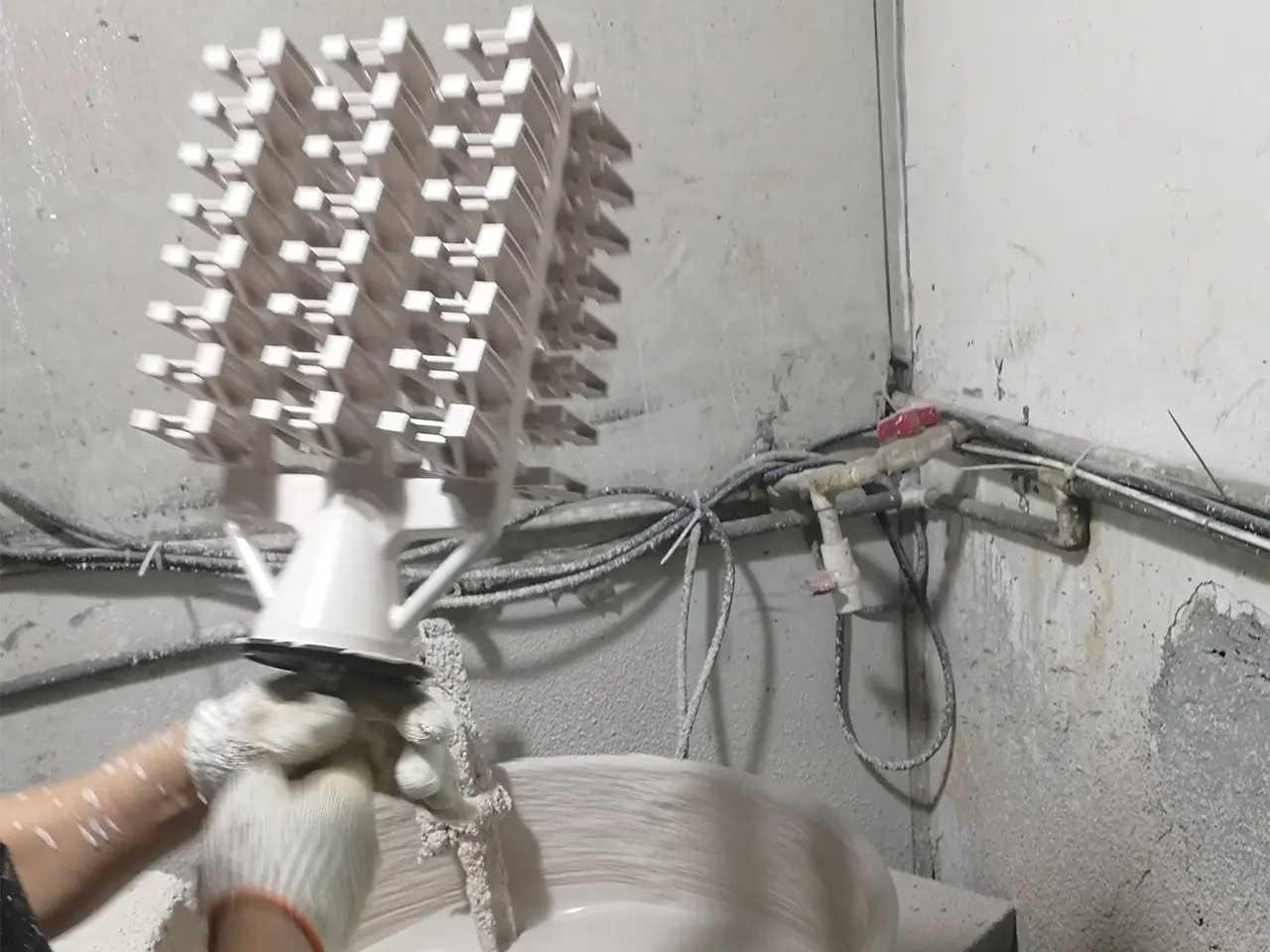
Fine hand finishing and gate grinding for complex shapes.
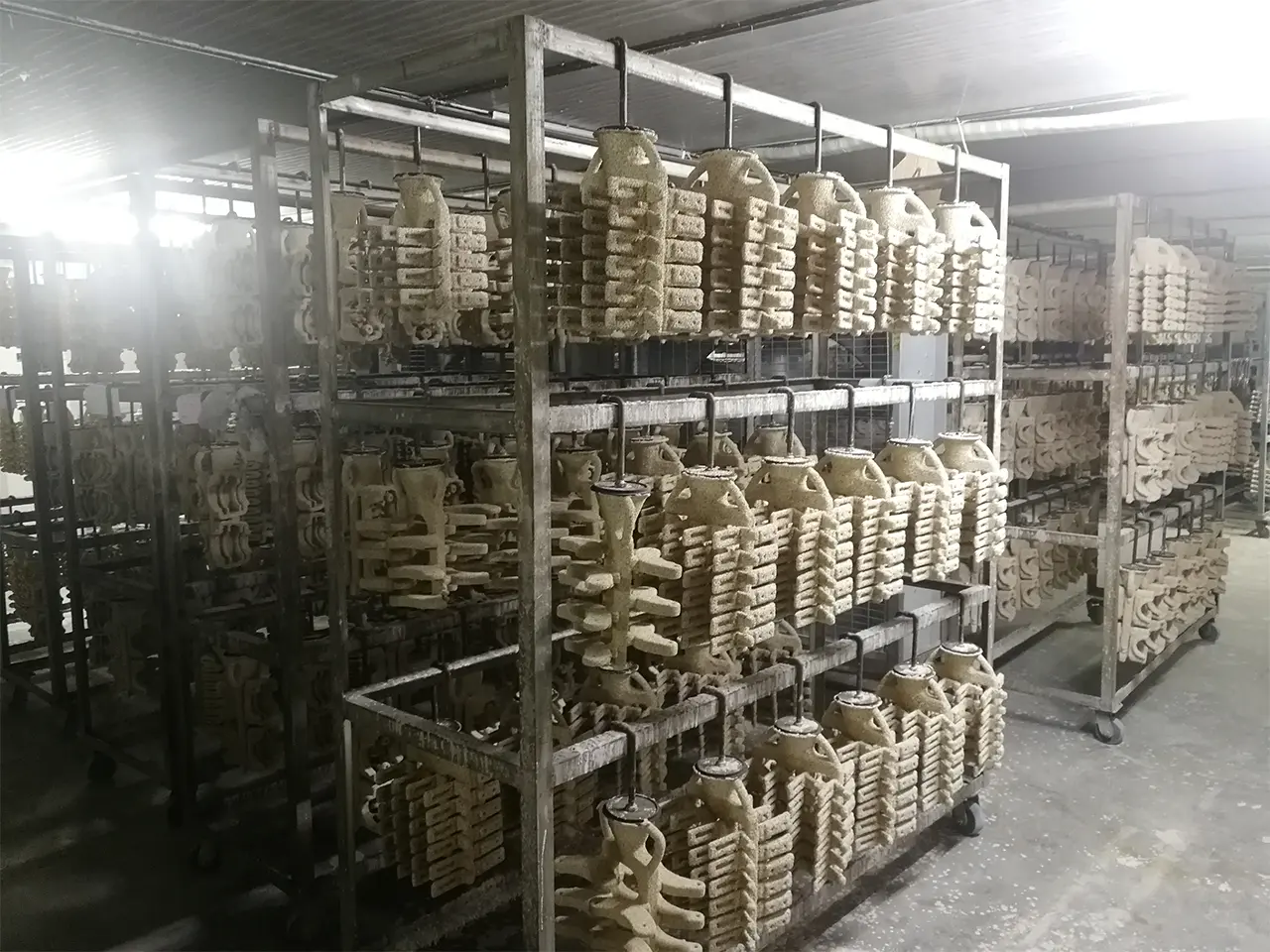
Quality staging area for mechanical sub-assemblies.
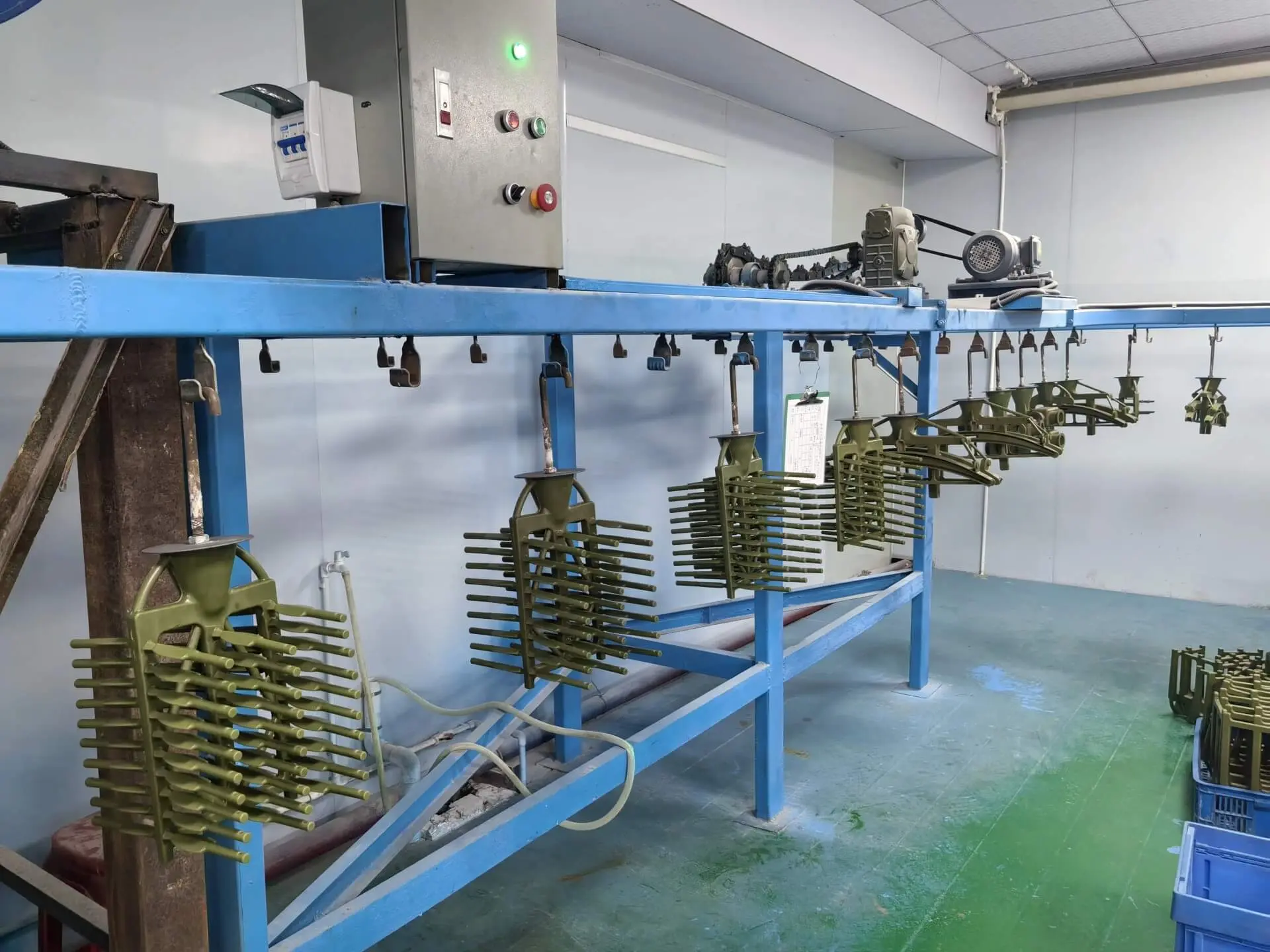
Raw feedstock processing and chemical segregation lines.
The casting industry is moving toward higher precision and improved environmental efficiency. Dongguan SX Technology has integrated simulation software into our pre-production processes. Solidification simulation allows us to analyze cooling rates and identify potential shrinkage porosity, cooling stresses, or non-fill defects before making physical tooling.
Additionally, we are expanding our focus on hybrid manufacturing methods, combining the design flexibility of 3D printing with precision investment casting. For rapid prototyping and low-volume production, 3D printed PMMA patterns can replace traditional wax tooling. This eliminates upfront mold tooling charges and allows us to deliver complex, fully realized stainless steel castings in a fraction of the time.
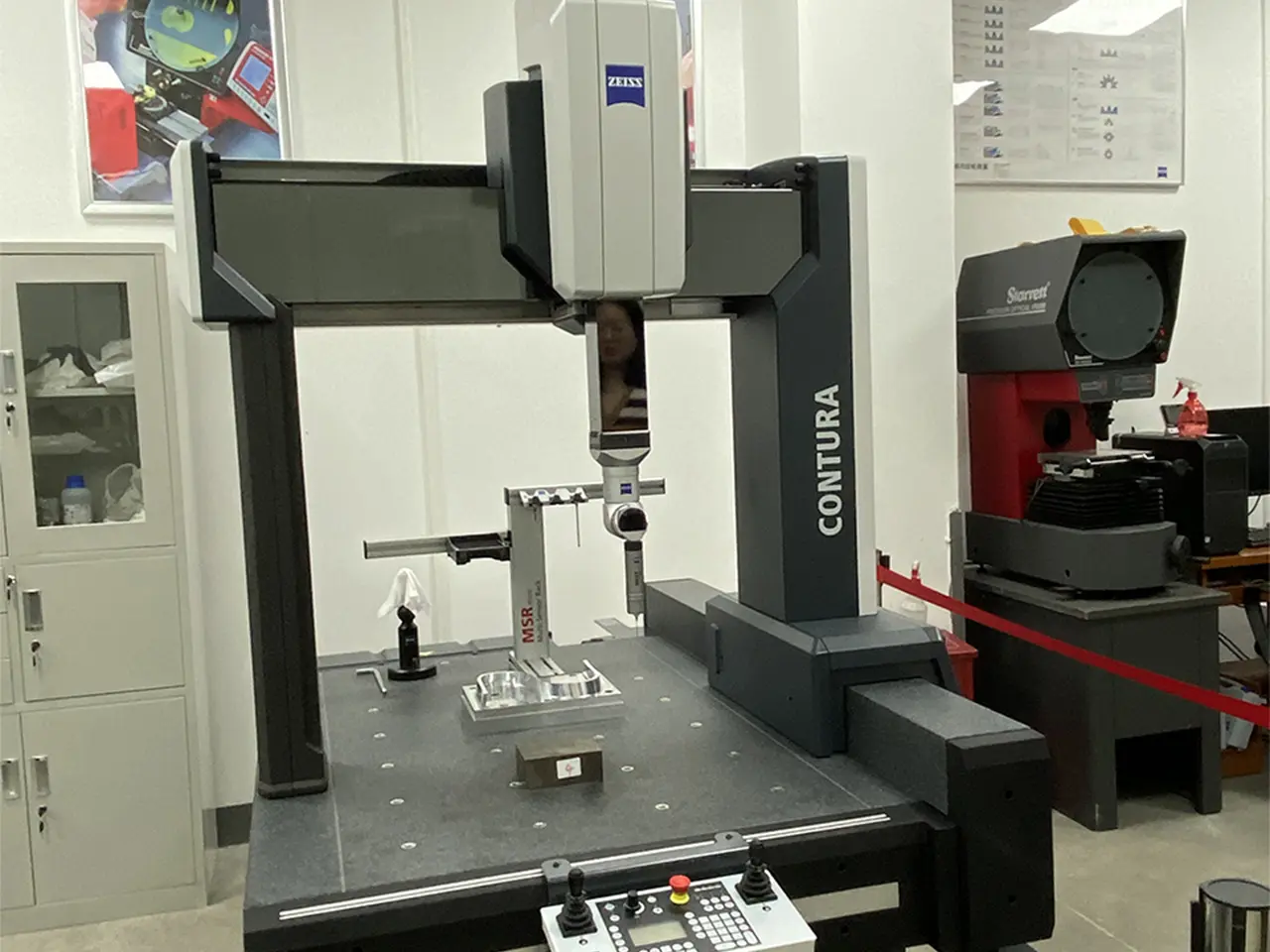
We have professional testing equipment and professional QC personnel, and we adhere to strict tolerances and quality standards for the products we produce. Due to our insistence on strict quality requirements, we have been praised by many customers. Quality is the cornerstone of the manufacturing industry. We firmly believe that only by controlling quality well can we survive, develop, and get better and better. Therefore, we have been working in this industry unremittingly since 2014 and continue to Improve the company's team and improve the company's production capacity.
To verify the mechanical properties and metallurgical composition of each batch, our QC laboratory performs a range of inspections:
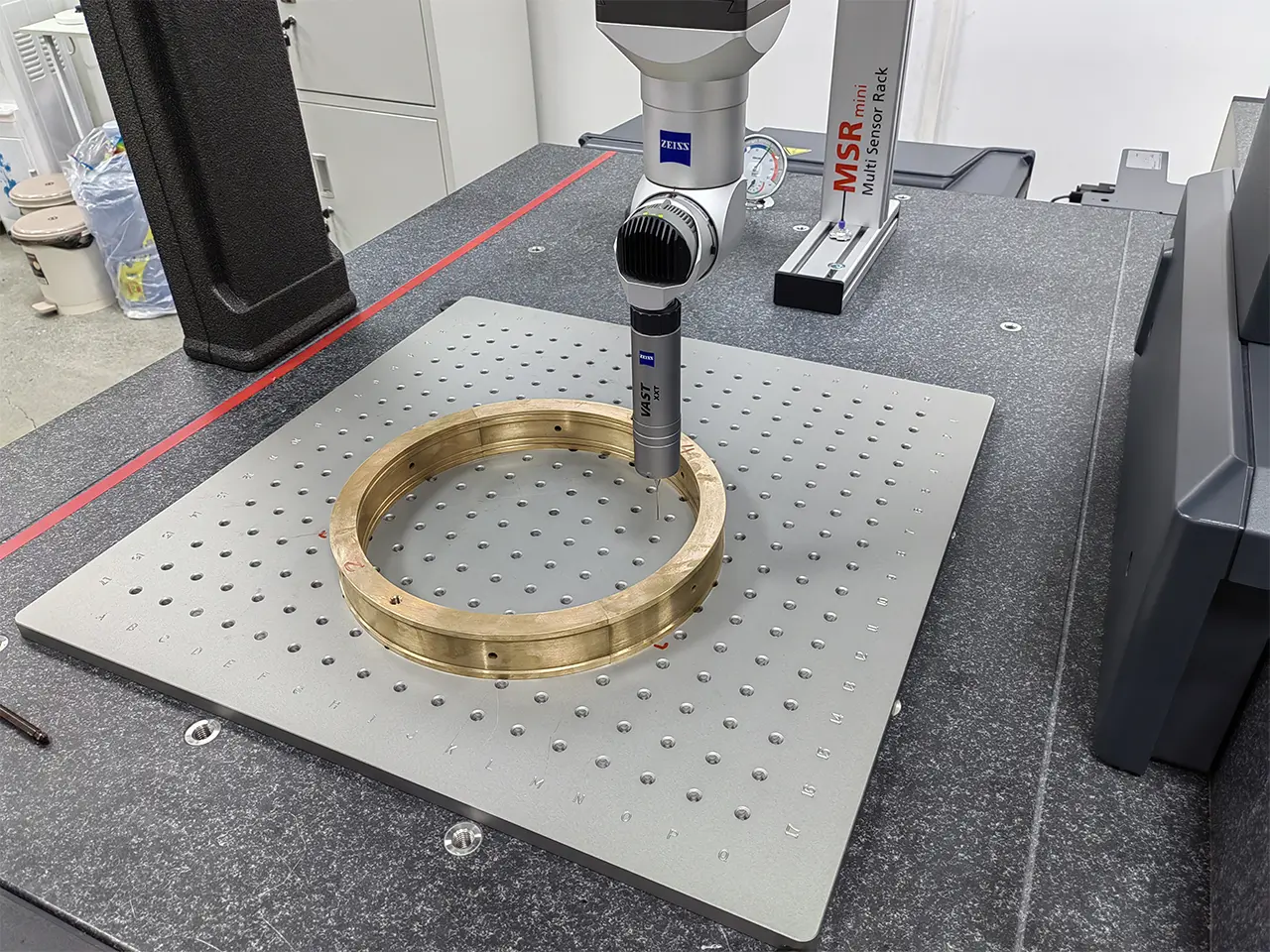
Working with foreign engineering divisions requires structured documentation and clear data transfers. Our team handles standard digital file types (including STP, IGS, DWG, and Parasolid) and translates target specifications into production plans. We strictly adhere to chemical and physical material specifications such as ASTM (A743, A351), DIN (1.4408, 1.4308), and JIS (SCS13, SCS14).
Our quality systems align with international standards, helping us support clients through regulatory approvals. We provide full material traceability, EN 10204 3.1 certification, dimensional layouts, and non-destructive testing reports. This structured approach helps streamline import processing, inspection clearance, and local compliance verification for our clients.
Typically, we achieve tolerances according to linear standard ISO 8062-3, falling within DCTG 6 to DCTG 8 ranges. For tighter tolerances, we use secondary machining operations (CNC milling, turning, boring) to achieve precision up to ±0.005mm.
We run digital solidification modeling to optimize gate and riser locations. Controlling slurry chemistry and maintaining precise pouring temperatures prevents shrinkage cavities and structural issues.
Yes, we provide standard shot blasting, acid pickling, passivation, electropolishing, hand polishing, and plating to meet our customers' surface requirements.
Yes. Using our induction furnaces and spectrometer, we can adjust alloy compositions to match your specific engineering requirements.
We provide detailed dimensional reports and material test certificates (including chemical composition and mechanical properties). Non-destructive testing reports are also available upon request.
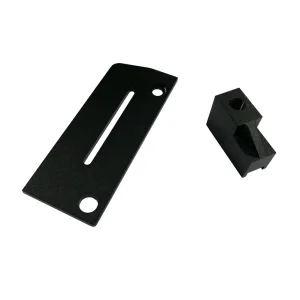
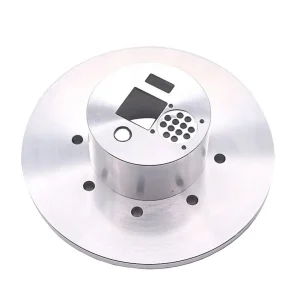
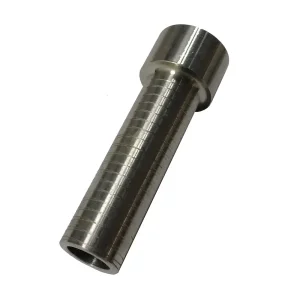
Explore our secondary range of high-precision parts, highlighting our integrated casting, turning, and multi-axis CNC milling capabilities.
 SX Machining