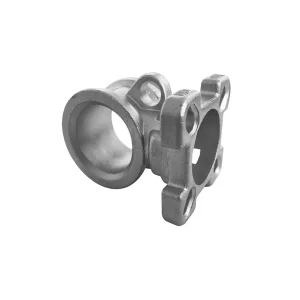
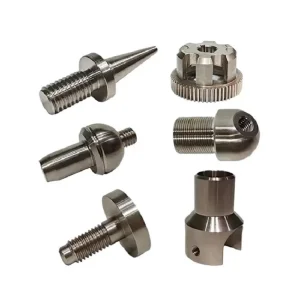
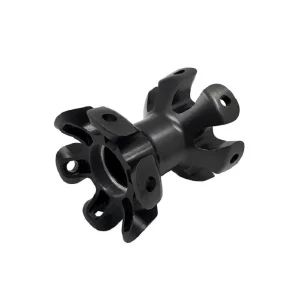
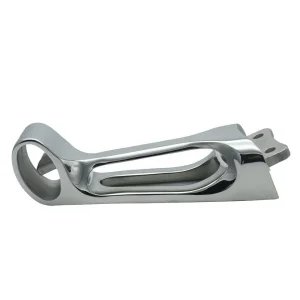
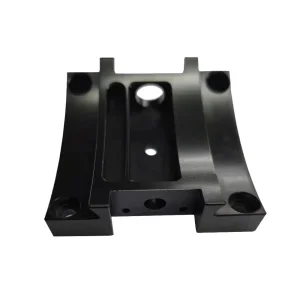
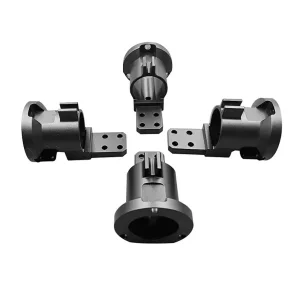
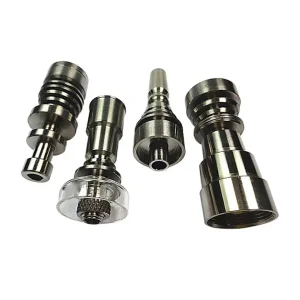
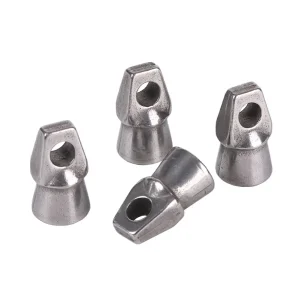
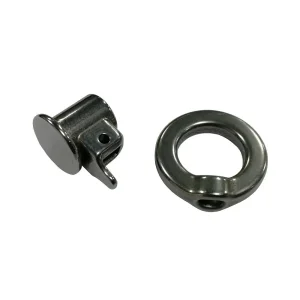
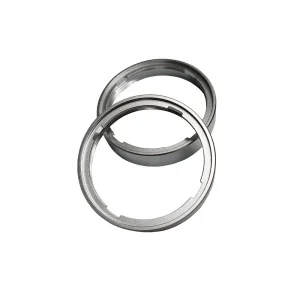
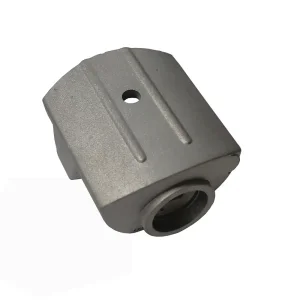
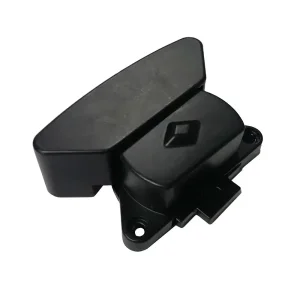
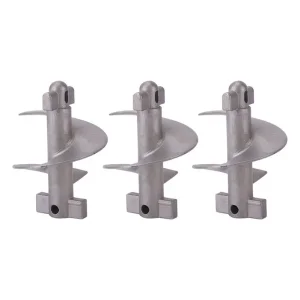
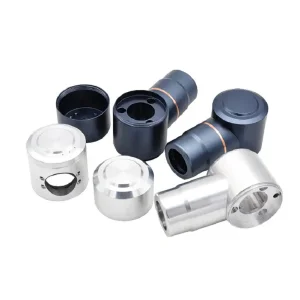
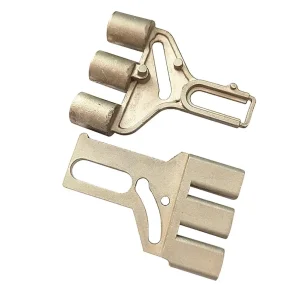
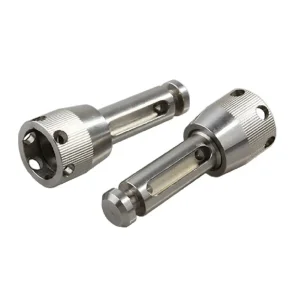
Discover our primary precision cast and CNC machined parts engineered for demanding global industrial applications.
The global manufacturing paradigm is shifting towards near-net-shape components that offer high strength-to-weight ratios, dimensional stability, and exceptional resistance to wear and corrosion. At the center of this transformation are China steel castings and precision CNC machining services, which bridge the gap between architectural-grade metallurgy and tight-tolerance performance. By combining traditional investment casting (the lost wax process) with state-of-the-art subtractive manufacturing, factories in China are offering end-to-end industrial solutions that reduce machining allowances, lower tool wear, and improve time-to-market.
Steel castings constitute critical components in heavy equipment, subsea oil and gas, green energy systems, and modern transportation networks. As purchasing managers and industrial designers optimize their global supply chains, understanding the manufacturing capability, material science, and quality control systems of Chinese producers is key to establishing a secure, scalable, and cost-effective procurement process.
Dongguan SX Technology Co.,Ltd is a premier engineering partner with rich experience in precision casting, CNC machining, and comprehensive assembly. We cater to high-stakes industries where failure is not an option, including machinery, automobiles, marine engineering, ships, instrumentation, high-performance valves and pumps, electronic appliances, packaging, watchmaking, construction, and the chemical industry.
Our capabilities are anchored on the strategic synergy between investment casting (specializing in stainless steel and carbon steel alloys) and CNC machining (working with advanced materials like titanium alloy, stainless steel, carbon steel, aluminum alloy, copper alloy, and cemented carbide). By merging these capabilities, we deliver fully finished, drop-in components designed to operate under severe thermal, mechanical, and chemical stress. Established in 2014, our factory utilizes advanced manufacturing equipment to respond rapidly to complex customer configurations.
The global consumption of steel castings is closely tied to infrastructure development, energy transition initiatives, and transportation modernization. According to industry analyses, the market demands high precision and rapid prototyping iterations. Historically, castings were heavy, coarse products requiring extensive post-processing. Modern industries, however, require "near-net-shape" components that only require minimal CNC finishing, thus reducing waste and saving energy.
Europe and North America represent the highest consumption of high-alloy castings, particularly for aerospace, subsea engineering, and high-temperature petrochemical pipelines. The production core, however, has centralized in China due to the presence of complete industrial clusters. This geographical layout integrates raw material sourcing, pattern-making, foundry operations, thermal treatments, surface finishing, and high-precision CNC machining in one ecosystem. As a result, Chinese factories like Dongguan SX Technology can offer cost efficiency, rapid logistics, and technical execution that are difficult to replicate in isolated regions.
Provides superior surface finish (Ra 3.2 to 6.3) and tight tolerances. Ideal for complex geometries, thin walls, and corrosion-resistant alloys (stainless steel 316L, 304, duplex steels) used in valves and marine hardware.
Bridging the gap between raw cast shapes and finished parts. Using Multi-axis milling, turning, and grinding to achieve tight dimensional tolerances up to +/-0.005mm on critical mating surfaces.
Specialized machining and casting capabilities for Titanium alloys, Cemented Carbides, and Duplex Stainless Steels, providing tailored solutions for high-temperature and highly corrosive environments.
Modern industrial equipment demands sub-assemblies that withstand high pressures, dynamic loads, and chemical attacks. Dongguan SX Technology Co.,Ltd designs and manufactures tailored metallurgical solutions for specific industrial challenges:
In municipal water treatment, petrochemical processing, and pharmaceutical lines, valves and pump housings are exposed to cavitation, corrosive chemicals, and high operating pressures. Through Custom Stainless Steel Investment Casting, we manufacture complex internal chambers and impeller geometries. Using CF8M (316 Stainless Steel) and CF8 (304 Stainless Steel), we ensure long-term structural integrity and zero micro-porosity, preventing leakage or stress corrosion cracking under operating pressures exceeding 600 PSI.
Saltwater is one of the most destructive natural environments for industrial metals. Marine hardware, propeller brackets, and anchoring components require specialized stainless steels (like Duplex 2205 or Super Duplex 2507) and titanium alloys. Our marine components are built to resist pitting and crevice corrosion. Precision CNC turning and milling ensure that seals and bearing assemblies align perfectly, minimizing vibration and mechanical wear in high-salinity subsea environments.
Safety is critical in mass transit. Structural components, suspension parts, and engine mounts must absorb high impact energy without brittle fracture. We utilize carbon steel and alloy steel investment casting, followed by stress-relief tempering and magnetic particle inspection, to guarantee high fatigue limits. For lightweighting applications, we provide aluminum CNC precision machining to reduce un-sprung mass while maintaining structural rigidity.
The electronics industry requires miniature, thin-walled castings with complex heatsinks and shielding designs. Using titanium and aluminum alloys, we offer lost wax castings and CNC milling services to create enclosures that protect sensitive logic circuits from electromagnetic interference (EMI) while optimizing heat dissipation paths.
Inside Shixin Production Workshops - Merging Advanced Metallurgy with Multi-Axis CNC Subtractive Systems.
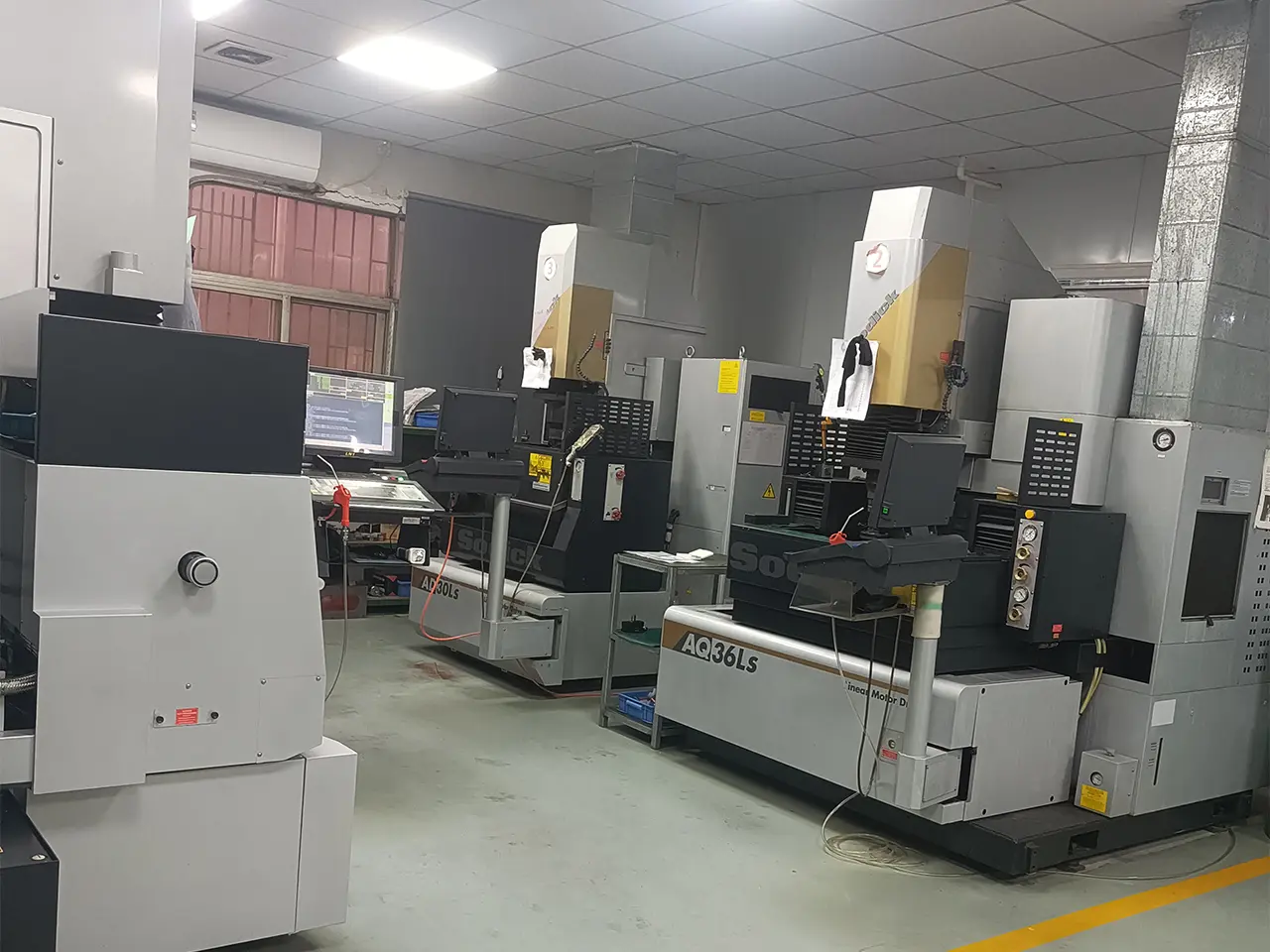
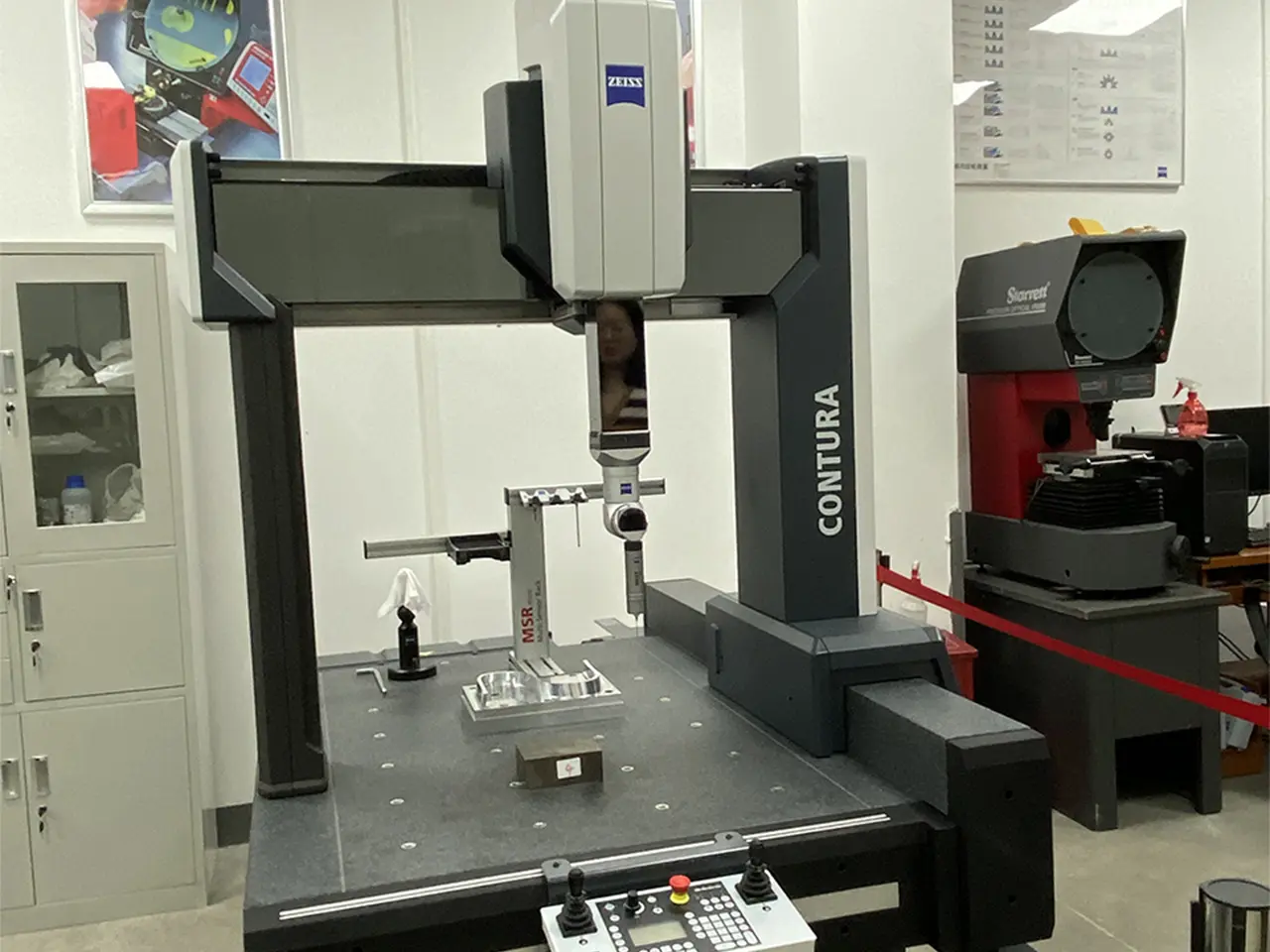
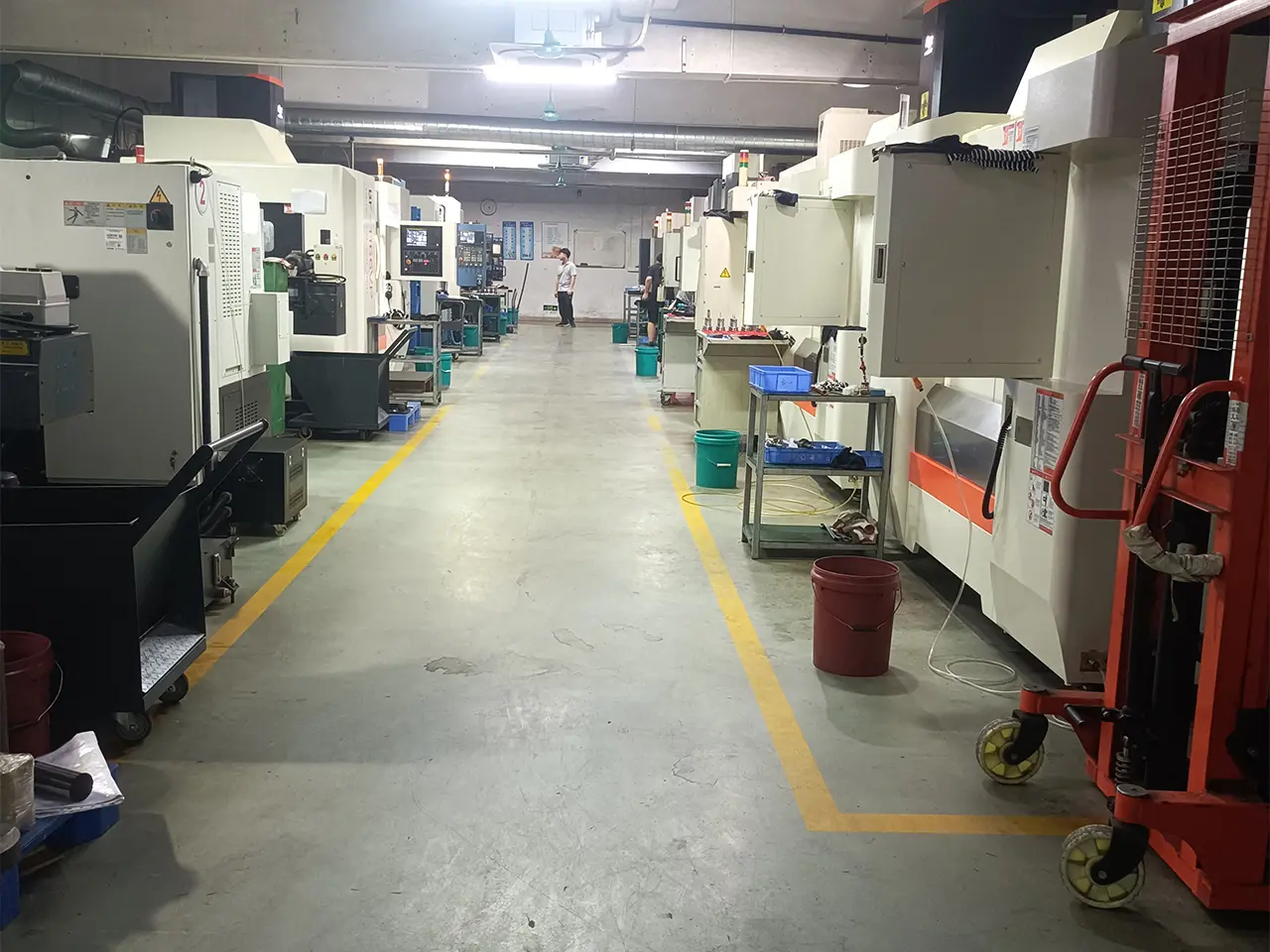
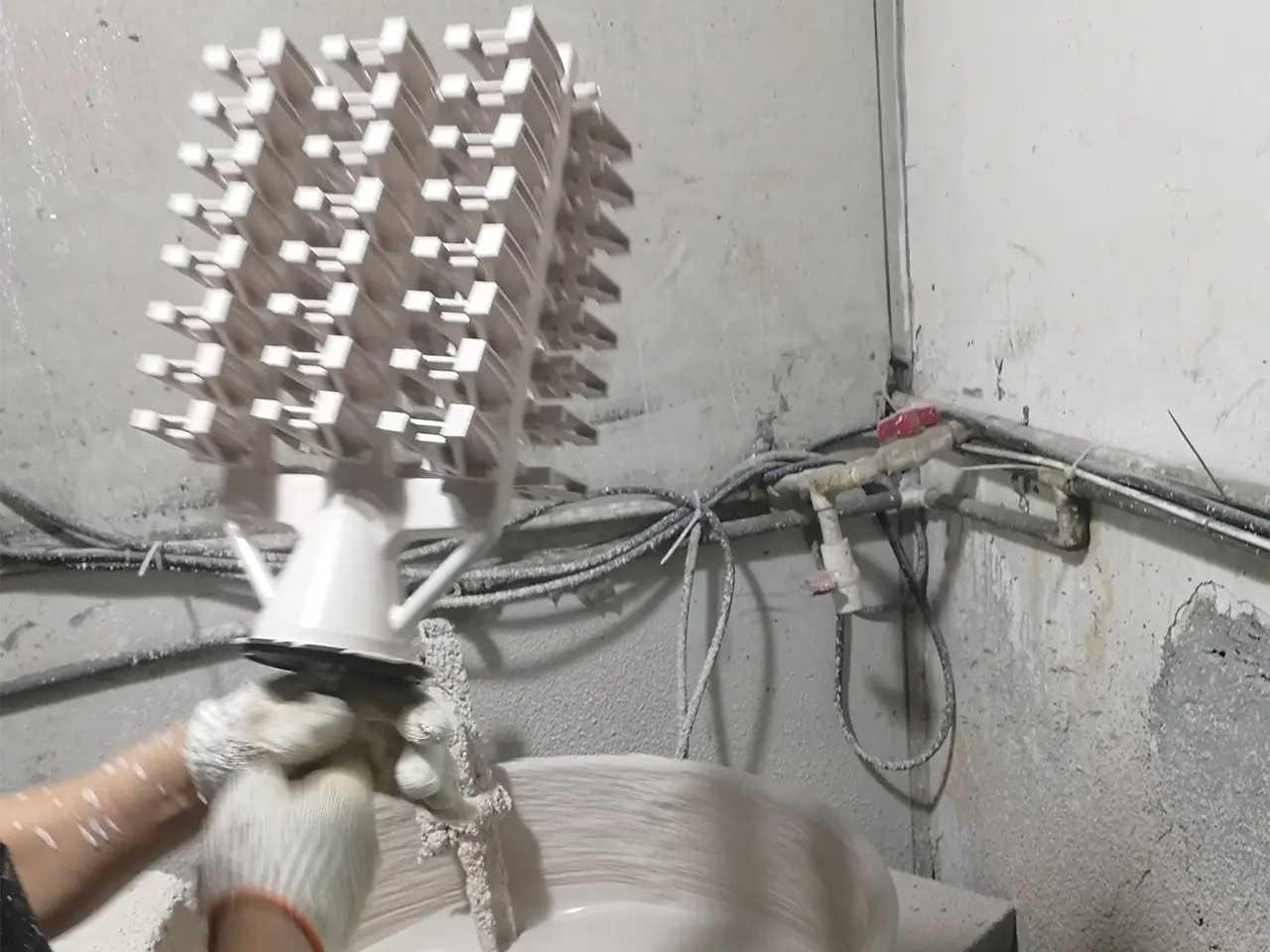
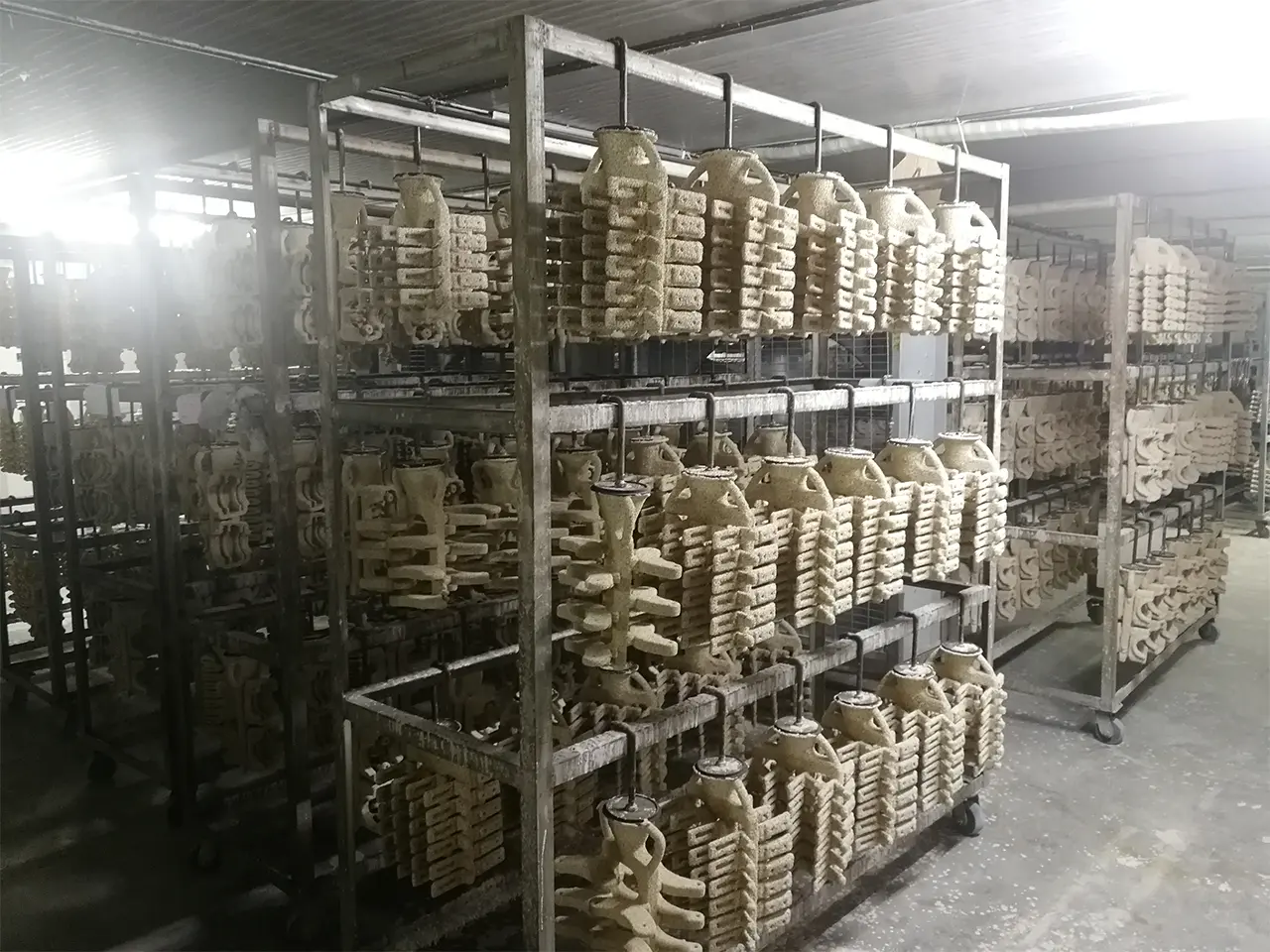
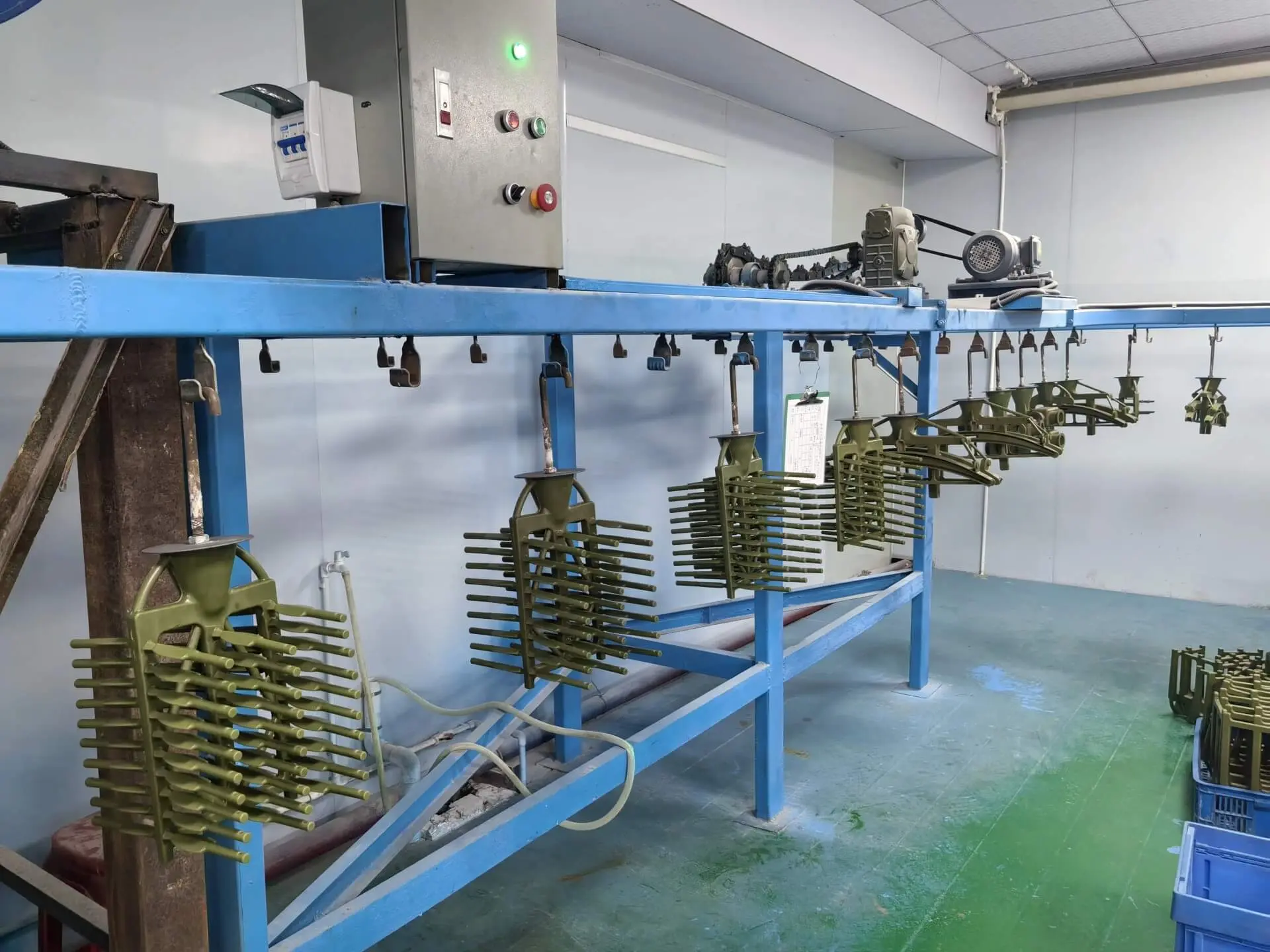
A comparative engineering breakdown of performance profiles, machining capabilities, and application environments.
| Material Family | Common Grades | Tensile Strength | Corrosion Resistance | Primary Industrial Use Cases |
|---|---|---|---|---|
| Austenitic Stainless Steel | 304, 304L, 316, 316L, CF8, CF8M | 485 - 515 MPa | High - Superior in acidic and chloride environments | Valves, pump impellers, marine hardware, chemical processors |
| Duplex Stainless Steel | 2205, 2507, CD4MCu | 620 - 750 MPa | Very High - High resistance to pitting and stress cracking | Offshore oil and gas pipelines, subsea housings, seawater scrubbers |
| Carbon Steel | WCB, WCC, LCB, LCC, 1020, 1045 | 415 - 585 MPa | Moderate (requires surface coating or plating) | Automotive suspension, structural frames, mining machinery |
| Titanium Alloys | Gr. 2, Gr. 5 (Ti-6Al-4V) | 895 - 1000 MPa | Outstanding - Highly resistant to biological and marine attack | Aerospace structures, medical implants, deep-ocean robotics |
| Aluminum Alloys | A356, 6061-T6, 7075-T6 | 290 - 570 MPa | Moderate to High (enhanced via anodization) | High-end electronic frames, EV battery cooling systems, sports equipment |
| Cemented Carbides | Tungsten Carbide (WC-Co) | Var. (High Hardness) | Excellent Wear Resistance | Tooling inserts, wear-strips, mining drill heads |
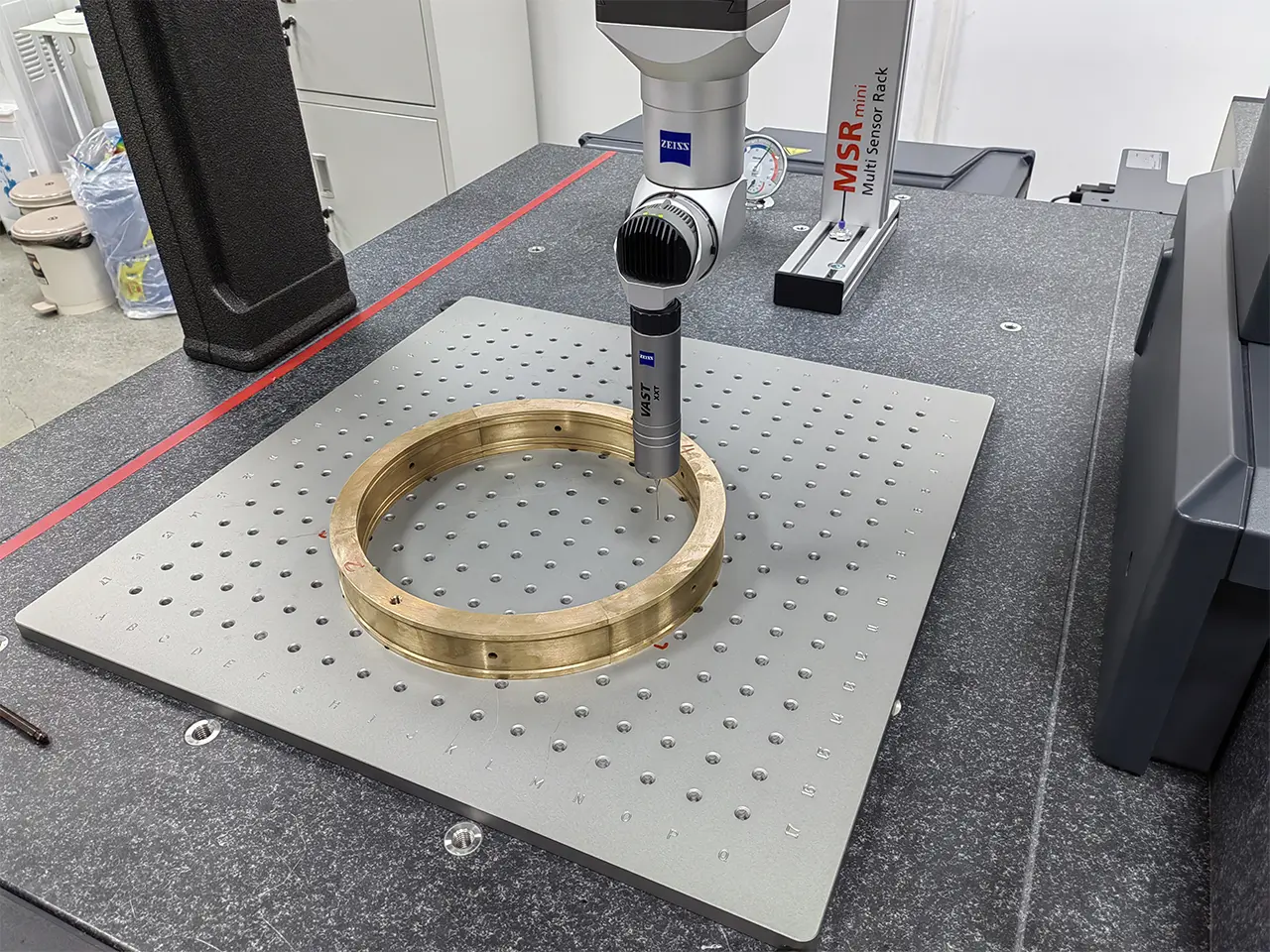
Quality is the cornerstone of the manufacturing industry. We firmly believe that only by controlling quality well can we survive, develop, and grow. Therefore, we have been working in this industry unremittingly since 2014 and continue to improve the company's team and production capacity.
To support high-integrity applications, Dongguan SX Technology Co.,Ltd maintains rigorous testing standards. Raw material validation is performed before casting or machining using Optical Emission Spectrometers (OES) to confirm alloy elements (Nickel, Chromium, Molybdenum, Titanium, etc.) align with international standards (ASTM, DIN, JIS). Dimensional verification is conducted in our temperature-controlled metrology lab utilizing Coordinate Measuring Machines (CMM), optical profile projectors, and high-resolution air gauges.
For pressure-bearing and structural parts, we provide comprehensive Non-Destructive Testing (NDT), including liquid penetrant inspection (LPI), magnetic particle inspection (MPI), ultrasonic testing (UT), and radiographic testing (RT) to ensure internal integrity.
B2B buyers operating in European and North American markets face strict regulatory landscapes regarding material compliance, environmental audits, and carbon tariffs. At Dongguan SX Technology Co.,Ltd, our operations are aligned with global trade frameworks to ensure seamless procurement:
The steel casting industry is transitioning towards smart foundry systems and digital integration. As a leading manufacturer, Dongguan SX Technology Co.,Ltd is positioning itself to adopt several upcoming metallurgical and manufacturing paradigms:
1. Solidification Modeling & Simulation: Using advanced casting simulation software, we can predict thermal gradients, hot spots, and potential solidification shrinkage defects before physical tooling is created. This reduces sample iterations, saving time and tooling costs.
2. Hybrid Additive Manufacturing: By combining 3D-printed sand molds or wax patterns with traditional casting techniques, we can produce highly complex geometries that were previously impossible or too expensive to tool. This provides a cost-effective solution for rapid prototyping and low-volume production runs.
3. High-Precision 5-Axis Machining: To meet the growing demand for complex geometries in the aerospace and defense sectors, we are expanding our multi-axis CNC capability. Integrating casting and multi-axis CNC machining reduces setup configurations, achieving sub-micron concentricity and positioning tolerances.
4. Sustainable Casting: We are continually working to reduce our environmental impact. By optimizing gating design to maximize material yields and incorporating high-efficiency induction furnaces, we aim to lower energy consumption per casting ton, helping our clients meet their scope 3 emissions targets.
Addressing engineering questions, procurement protocols, and metallurgical considerations.
For silica sol investment castings, tool design and manufacture takes 15 to 25 days, depending on geometry. Initial sample submissions (ISIR and dimensional scans) require 7 to 10 days. Upon sample approval, mass production typically ranges from 30 to 45 days, depending on order size and secondary machining needs.
We utilize casting simulation software to design gating and riser systems that ensure directional solidification. For high-stress applications, we perform non-destructive testing (NDT), such as Radiographic Inspection (X-Ray) and Ultrasonic Testing, to ensure the parts meet ASTME-446 severity levels.
Yes. Unlike traditional foundries that outsource finishing, we have a fully equipped in-house CNC shop. This lets us manage the entire production cycle, from casting raw shapes to final milling and assembly, ensuring tighter control over tolerances and quality.
For subsea oil and gas or marine applications, we recommend Austenitic Stainless Steel (such as 316L/CF3M) or Duplex Stainless Steel (like 2205/CD4MCu) due to their resistance to chloride-induced stress corrosion cracking and pitting.
Yes, we support prototyping and low-volume production runs. Our hybrid manufacturing approach, combining 3D sand molds with CNC machining, helps reduce upfront tooling costs for small batch orders.
We perform chemical analysis on every heat using an optical emission spectrometer. Mill test reports (MTR) showing chemical compositions and physical properties are provided with each shipment.
Explore additional specialized components demonstrating our manufacturing capabilities across diverse sectors.
 SX Machining