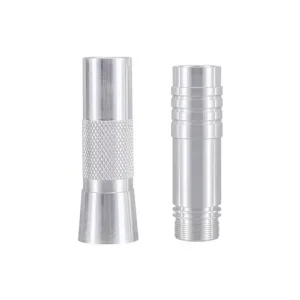
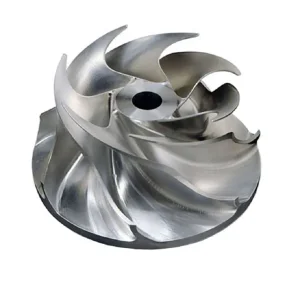
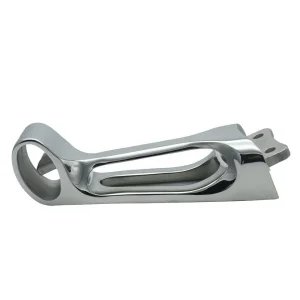
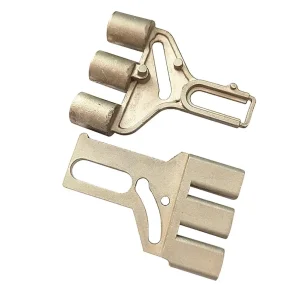
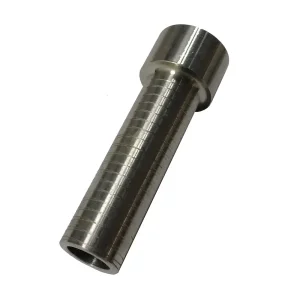
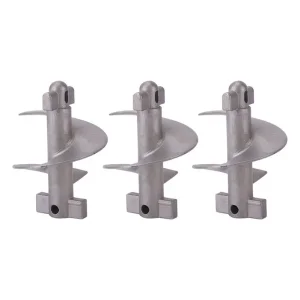
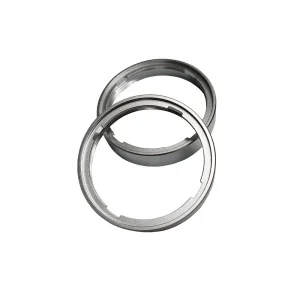
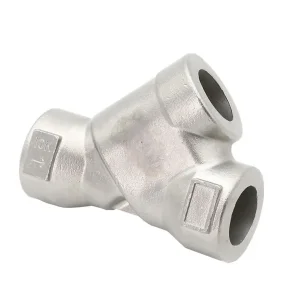
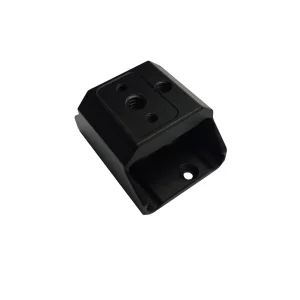
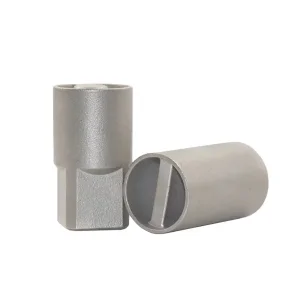
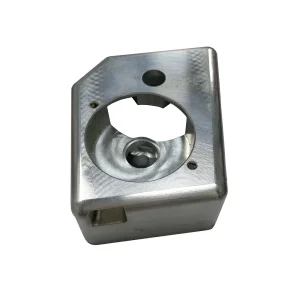
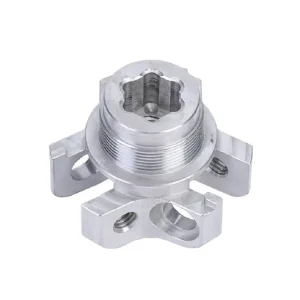
Explore our premium range of precision engineered parts featuring tight dimensional tolerances and exceptional surface integrity.
Established as a premier manufacturing pioneer, Dongguan SX Technology Co.,Ltd offers comprehensive expertise in precision investment casting (lost wax casting), multi-axis CNC machining, and complex mechanical assembly. Our capabilities satisfy the rigorous needs of diverse high-performance fields such as machinery, automobiles, marine exploration, vessel engineering, valves & fluid management pumps, electronics, medical packaging, consumer timepieces, construction, and chemical engineering.
By integrating casting and precision secondary machining processes under one roof, we eliminate cross-facility delays and maintain dimensional integrity. The materials processed daily at our facility include stainless steels (such as CF8, CF8M, CF3M, and duplex alloys) and carbon steels. For specialized CNC machining operations, our raw material expertise spans titanium alloys (Gr 5 / Ti-6Al-4V), high-alloy steels, aluminum alloys, copper-based alloys, and ultra-hard cemented carbides.
Delivering structural integrity and dimensional tolerance compliance since 2014.
Years of Global Sourcing Excellence
Critical-to-Quality Defect Rate
CNC Machining Tolerances
Casting Standards Class DCTG4-6
Rapid Engineering Feedback
Understanding the microstructural mechanics, wax-to-metal transformation phases, and multi-axis CNC secondary finishing processes.
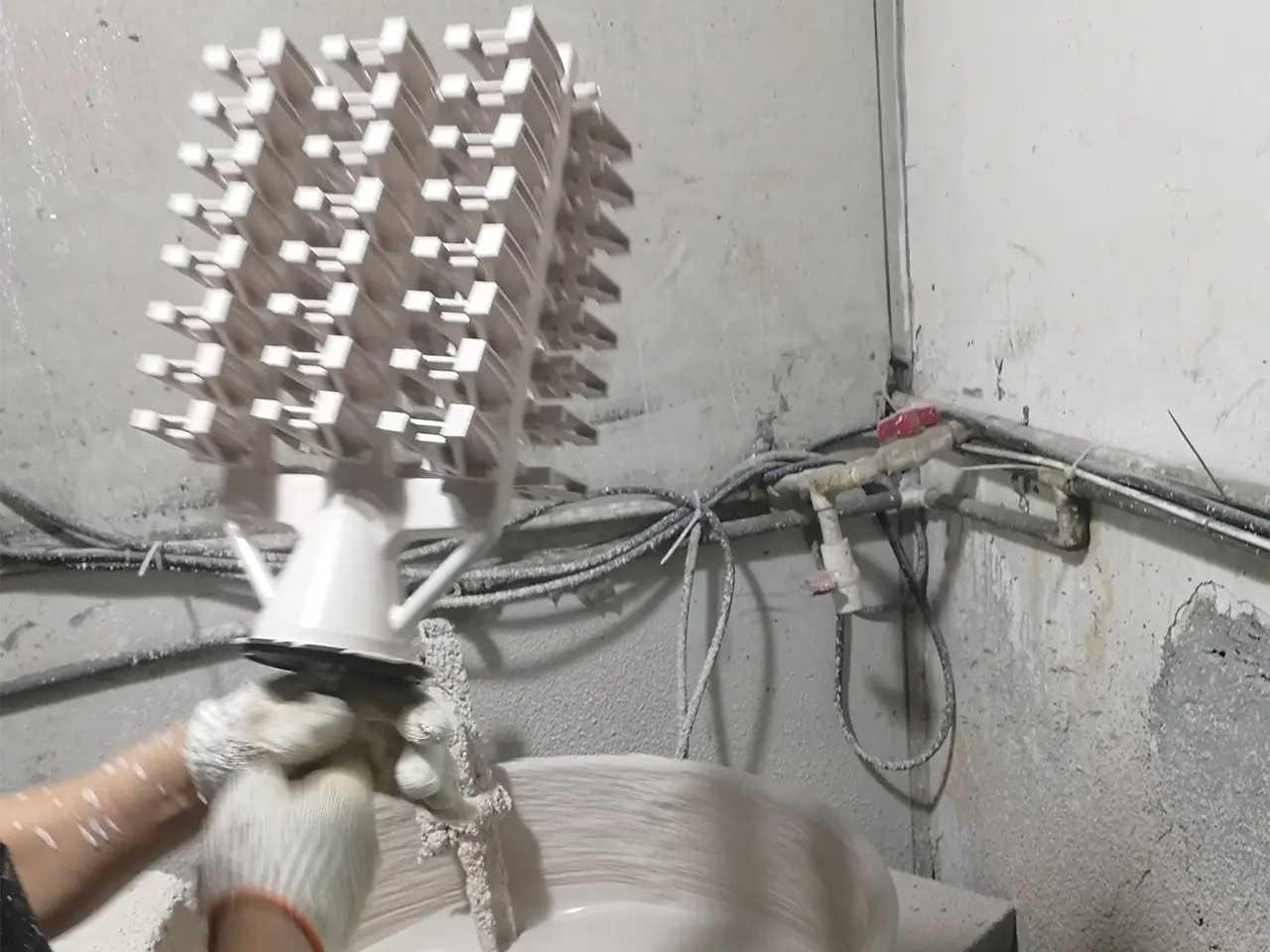
The choice of binder determines the ultimate surface finish and dimensional precision of an investment cast component. At Dongguan SX Technology Co., Ltd, we primarily employ the Silica Sol Binder Process, contrasting with cheaper water-glass processes. Silica sol binders enable the construction of a ceramic shell containing refractory zircon flours that react minimally with high-temperature molten alloys.
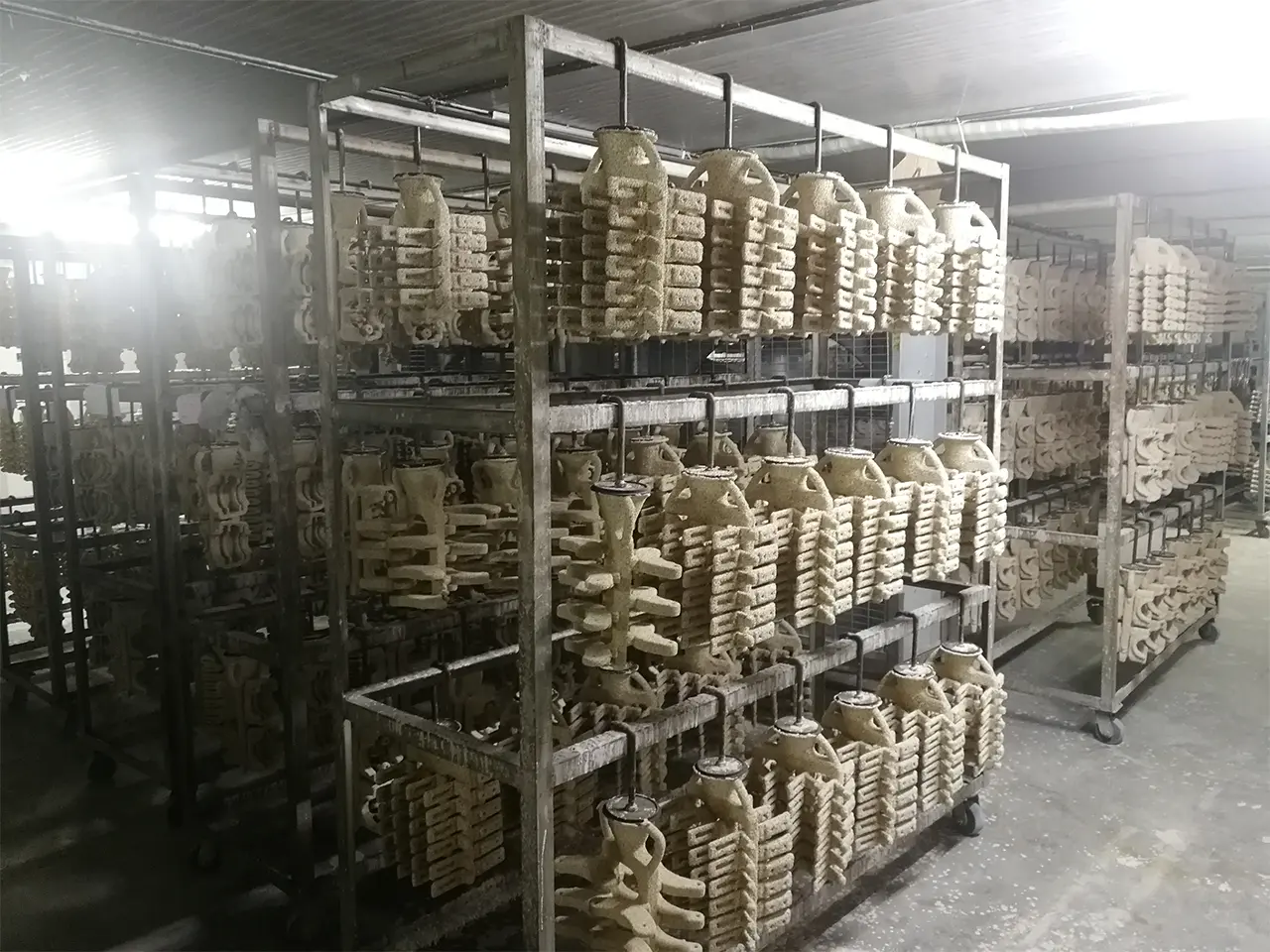
During the slurry coat and stucco application cycles, climate-controlled drying rooms dry the shell mold layer-by-layer. This technique limits stress fractures. Once dewaxed in an autoclave under saturated steam (6-8 bar), the shell is sintered at 950°C to 1150°C. Sintering achieves complete ceramic crystallization, rendering the mold robust against hot-cracking during pouring. This ensures a surface roughness as low as Ra 1.6μm and dimensional repeatability complying with ISO 8062 DCTG4.
Complex internal geometries, undercuts, and blind holes cannot always be achieved through net-shape casting alone. Our dual expertise in both casting metallurgy and high-speed CNC machining helps resolve these limitations. The cast blank is modeled with specific machining allowances (typically 0.8mm to 1.5mm depending on dimensions) using MagmaSoft solidification simulation software to avoid shrinkage cavities in critical areas.
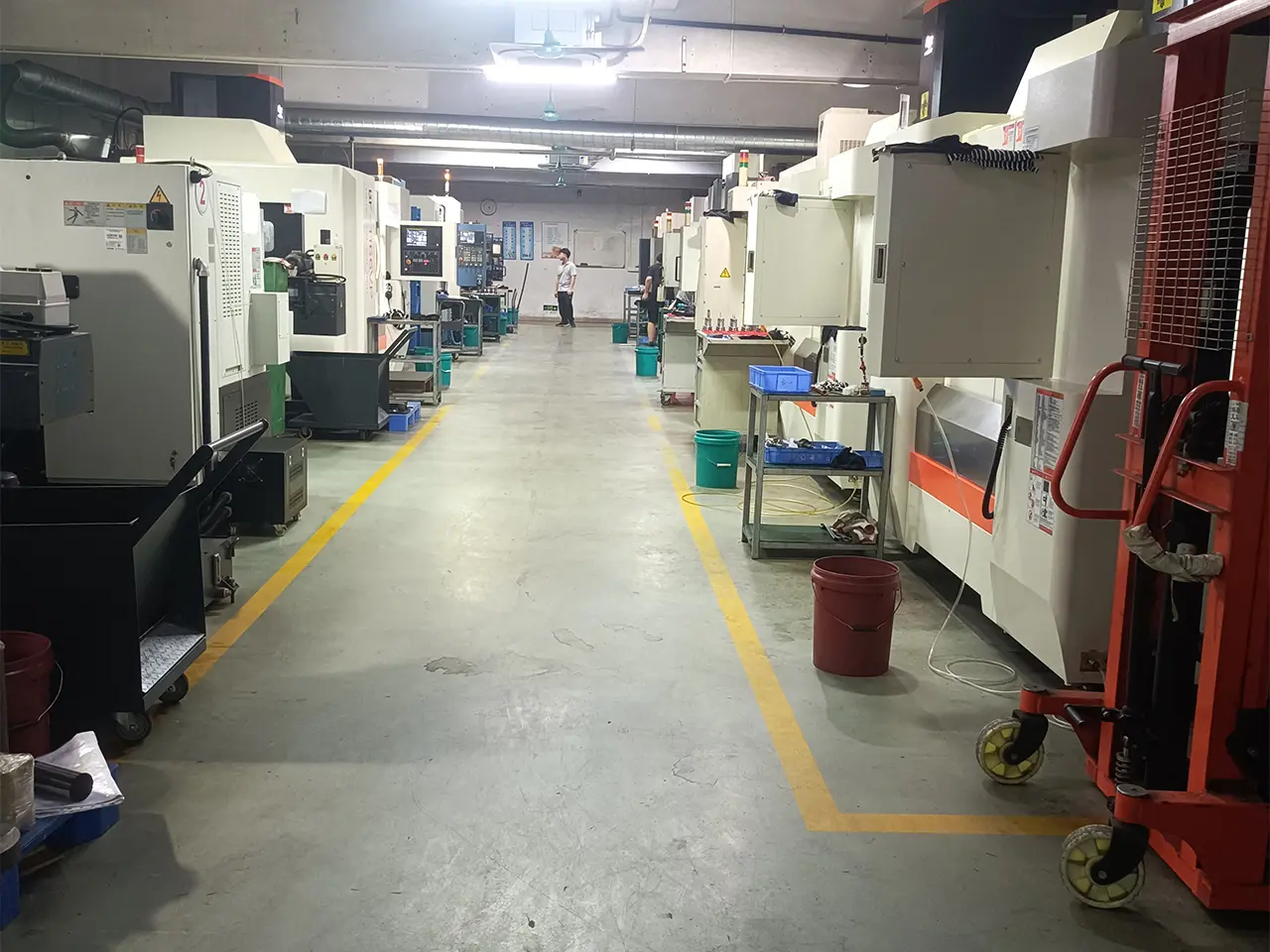
Once cast, the components are transferred to our high-precision machining workshop. Using 5-axis vertical machining centers, we perform precision boring, thread-milling, and face-milling. By establishing casting-datum structures and incorporating them into our CNC fixtures, we prevent errors due to part repositioning. This enables us to maintain tight tolerances down to ±0.005 mm for crucial mating surfaces.
| Alloy Category | Standard Designation | Casting Grade | Yield Strength (MPa) | Primary Applications |
|---|---|---|---|---|
| Austenitic Stainless Steel | ASTM A351 CF8M (SS316) | Silica Sol Lost Wax | ≥ 205 | Chemical valves, marine impellers, food processing components |
| Martensitic Stainless Steel | ASTM A743 CA15 (SS410) | Silica Sol Lost Wax | ≥ 415 | High-wear valve trims, wear plates, aerospace brackets |
| Carbon Steel | ASTM A216 WCB / WCC | Silica Sol / Water Glass | ≥ 250 | Industrial pressure equipment, oilfield structures, heavy machinery |
| Titanium Alloy | ASTM B367 Gr. 5 (Ti-6Al-4V) | Vacuum Skull Melting | ≥ 825 | Aerospace structural ribs, medical bone plates, downhole oil tools |
| Aluminum Alloy | A356.0 / AlSi7Mg | Investment Casting / Gravity | ≥ 165 | Automotive intake manifolds, heat dissipation blocks, electronics cases |
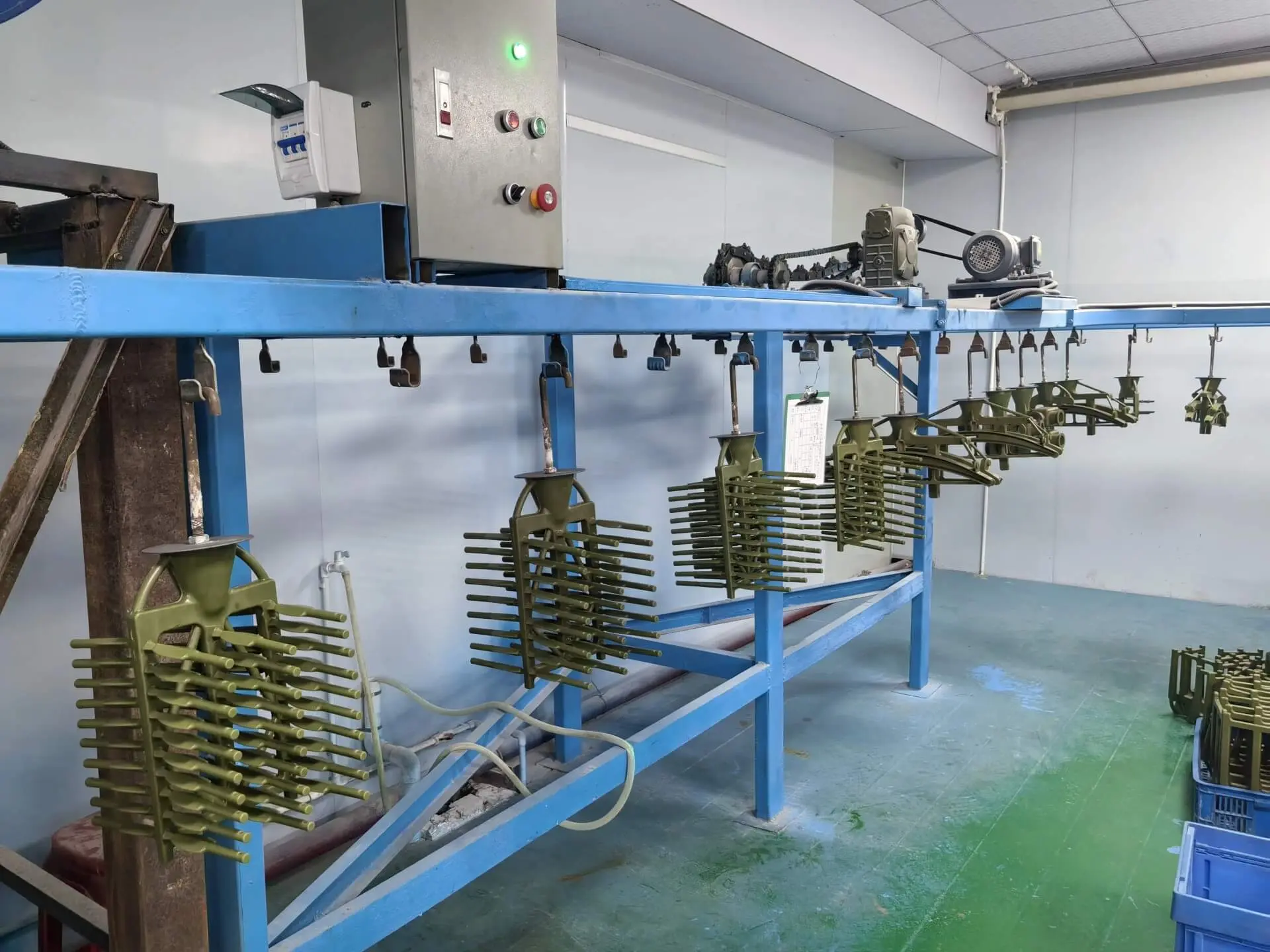
Our state-of-the-art facilities features dedicated departments for wax injection, ceramic shell preparation, induction melting, abrasive blasting, heat treatment, multi-axis CNC machining, and automated polishing. Operating since 2014, we continuously update our equipment to improve precision, efficiency, and worker safety.
Equipped with high-frequency vacuum induction melting furnaces, we handle challenging alloys such as titanium and cobalt-base superalloys with minimal oxygen contamination. Constant environmental monitoring in our shell drying rooms regulates humidity and temperature, avoiding micro-cracks before pouring.
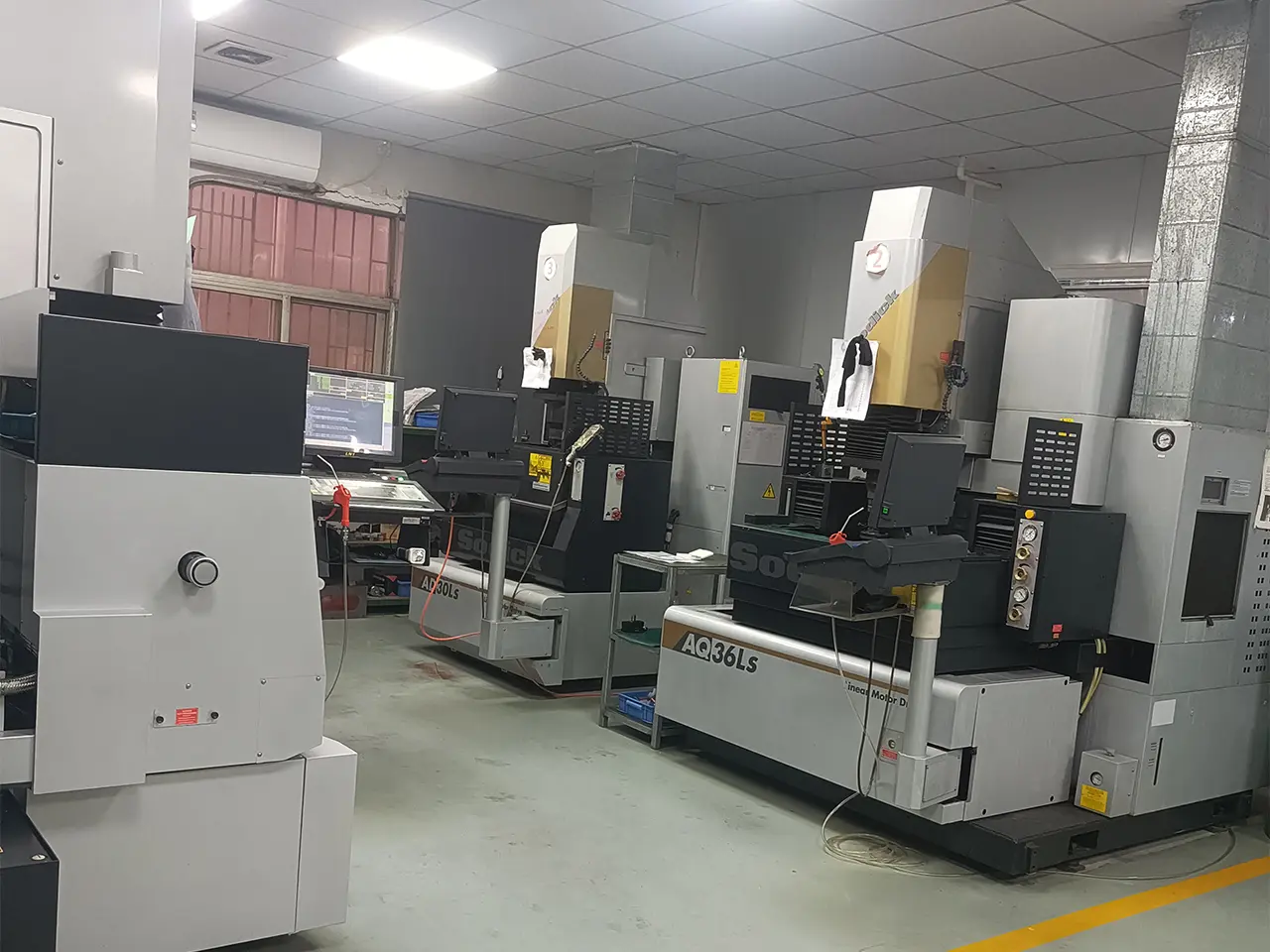
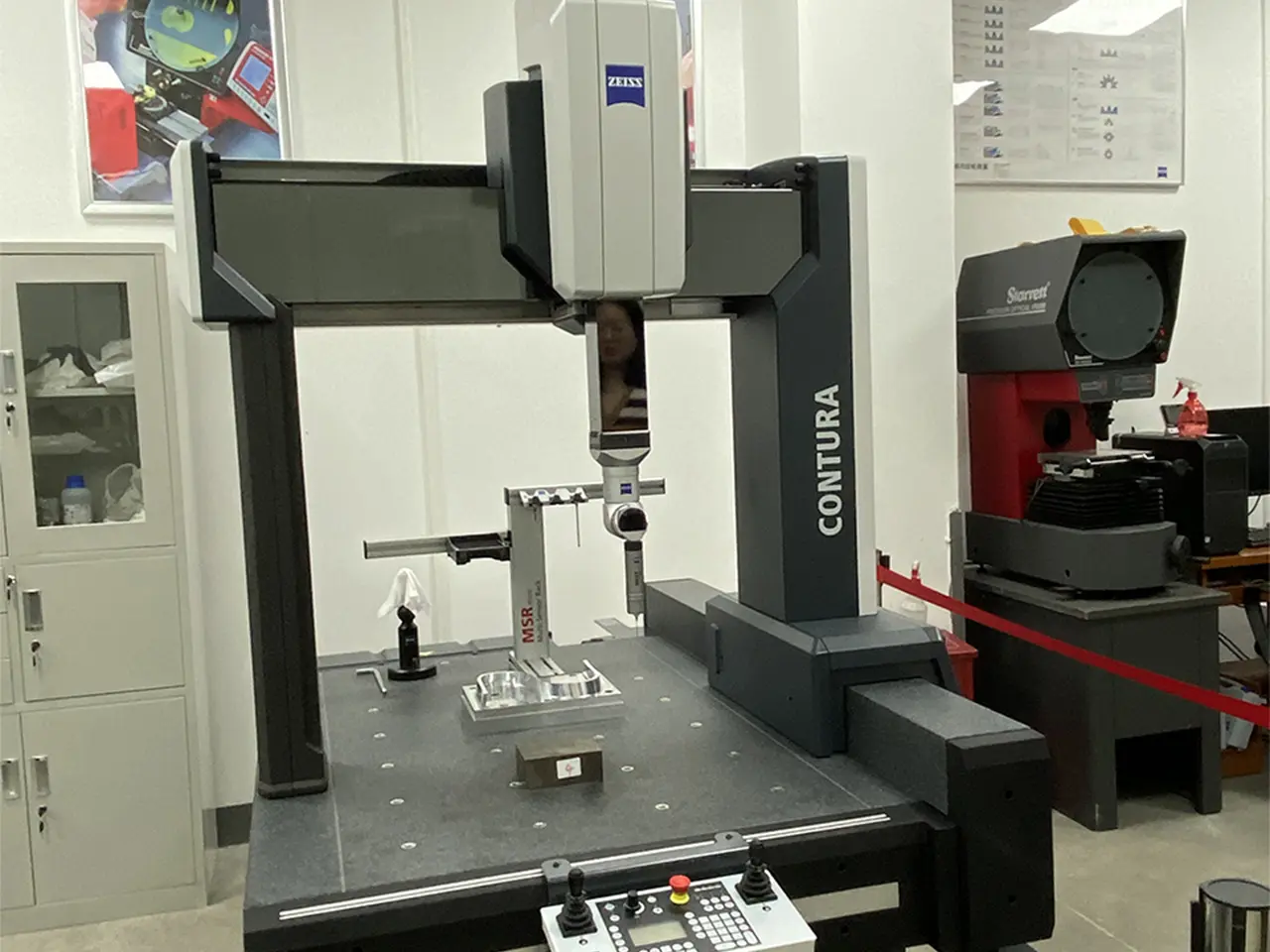
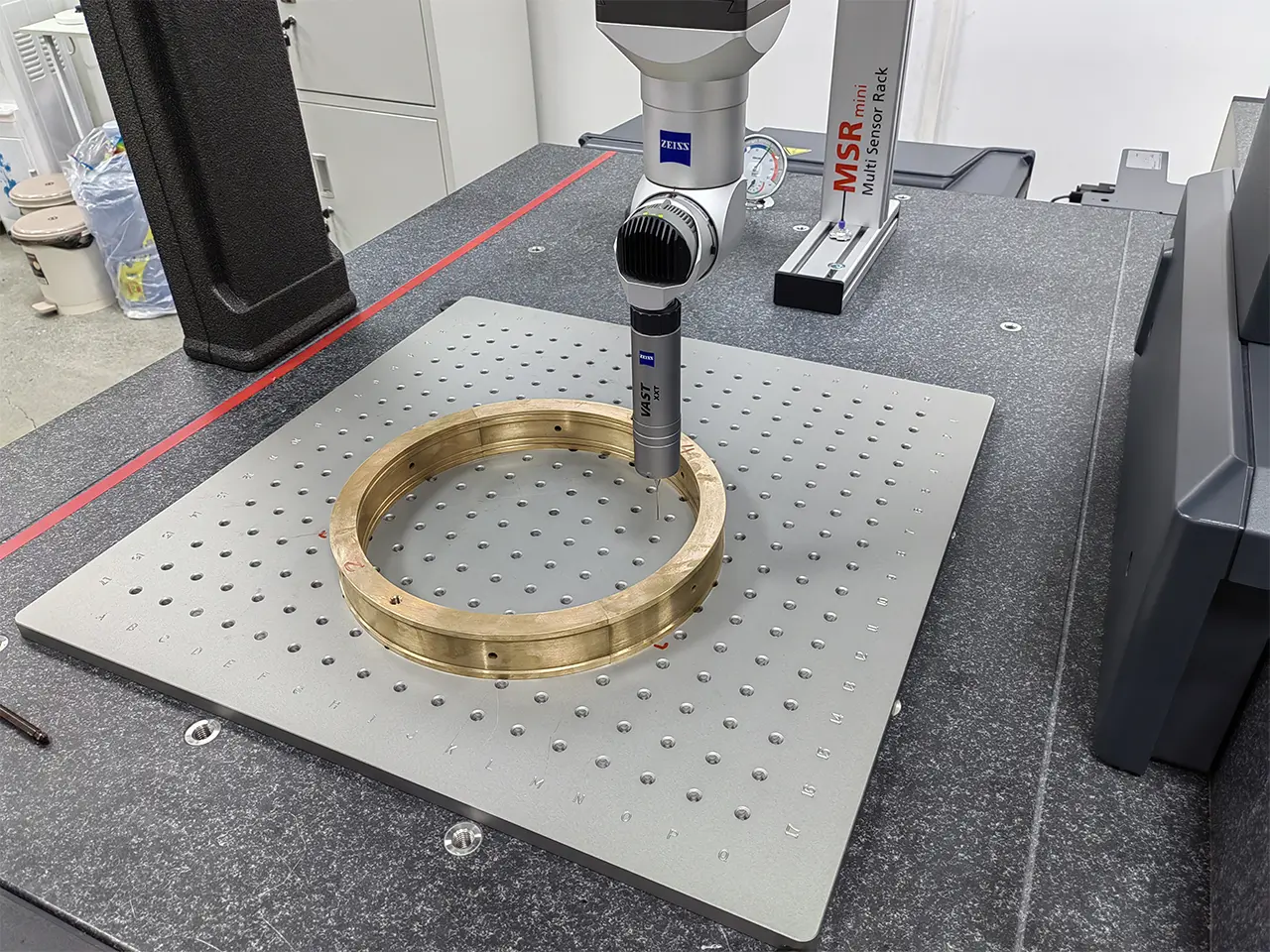
Quality is the foundation of our production. We believe that robust quality control is essential for long-term customer relationships and sustainable growth. We employ dedicated inspectors and specialized metrology instruments to verify each phase of production.
Our quality control department is equipped with a high-resolution optical spectrometer (to check heat chemical compositions), Coordinate Measuring Machines (CMM) for spatial profiles, digital surface roughness meters, ultrasonic thickness gauges, magnetic particle inspection instruments, and liquid dye penetrant testing kits. Every delivery is accompanied by EN 10204 3.1 material certificates and comprehensive dimensional reports.
"Since 2014, we have invested continuously in updating our inspection protocols and upgrading team skills to meet standard industrial specifications."
Adapting next-generation additive manufacturing, AI simulations, and sustainable green casting processes.
Integrating SLA (Stereolithography) and PMMA 3D-printed patterns to bypass traditional tooling costs for small-batch prototyping, cutting tooling lead-time from 4 weeks to 3 days.
Deploying AI algorithms to analyze thermal imaging streams during casting solidification, predicting shrinkage voids or cooling defects before finishing operations begin.
Transitioning to clean energy furnaces and closed-loop casting sprue recycling systems to lower carbon footprints, helping global brands meet ESG reporting standards.
High-reliability components designed to withstand severe thermal, mechanical, and corrosive environments.
Impellers, pump casings, and valve internal structures cast in ASTM A351 CF8M and duplex stainless steels. Designed to resist pitting corrosion in saline and acidic media.
High-stress agricultural machine linkages, steering knuckles, engine mounts, and wear plates cast in normalized carbon steel and tempered steel alloys.
Aluminum housings, shielding covers, and high-conductivity heatsinks machined with ultra-thin walls to support heat dissipation in consumer electronics.
Components made from wear-resistant high-manganese steels and heat-treated alloy steels, designed to handle abrasive wear in excavation environments.
Located in Dongguan's manufacturing hub, our facility leverages a dense supplier ecosystem of specialized heat-treatment plants, surface finishing partners, and logistics services.
Our CNC machining capability enables us to supply parts ready for assembly, eliminating extra shipping and intermediate QC inspection costs.
Ensuring compliance with international technical specifications, materials identification, and trade regulations.
All steel and titanium heats are analyzed via optical emission spectrometers. Mill test reports (MTRs) documenting chemical analysis and physical testing are provided per EN 10204 3.1 standards.
Our surface passivation, plating (zinc, nickel, chrome), and cleaning processes comply with EU RoHS and REACH regulations, avoiding the use of hazardous substances.
For critical applications, we offer NDE testing including radiographic inspection (X-ray), ultrasonic testing (UT), dye penetrant (DPT), and magnetic particle testing (MPT) to detect sub-surface porosity.
Expert answers addressing tolerances, minimum order quantities, surface finishes, and design optimization.
Standard investment casting processes achieve tolerances within class DCTG4 to DCTG6 of ISO 8062-3 (roughly ±0.15mm per 25mm). Critical surfaces can be machined to tolerances of ±0.005mm using our multi-axis CNC machining centers.
Our MOQ is flexible depending on component size and complexity. For large structural castings, we accommodate orders starting at 100 pieces. For smaller, high-run hardware components, production batches typical range between 500 to 1,000 pieces. Small batch prototyping is also supported via 3D printed molds.
The Silica Sol process uses higher-grade materials, producing a better surface finish (Ra 1.6 - 3.2μm) and tighter tolerances. It is suitable for stainless steel, alloy steels, and aerospace parts. The Water Glass process is more cost-effective but produces a rougher finish (Ra 6.3 - 12.5μm) and is generally used for heavy carbon steel machinery parts.
We run mold flow and solidification simulations to identify hot spots and optimize riser placement before casting. We then verify internal integrity using ultrasonic inspection and radiographic X-ray testing.
We offer post-casting treatments including shot blasting, acid passivation, electropolishing, powder coating, zinc/nickel plating, anodizing (for aluminum), and physical vapor deposition (PVD).
Explore our engineering capabilities across stainless steel, titanium, aluminum, and carbon steel components.
 SX Machining