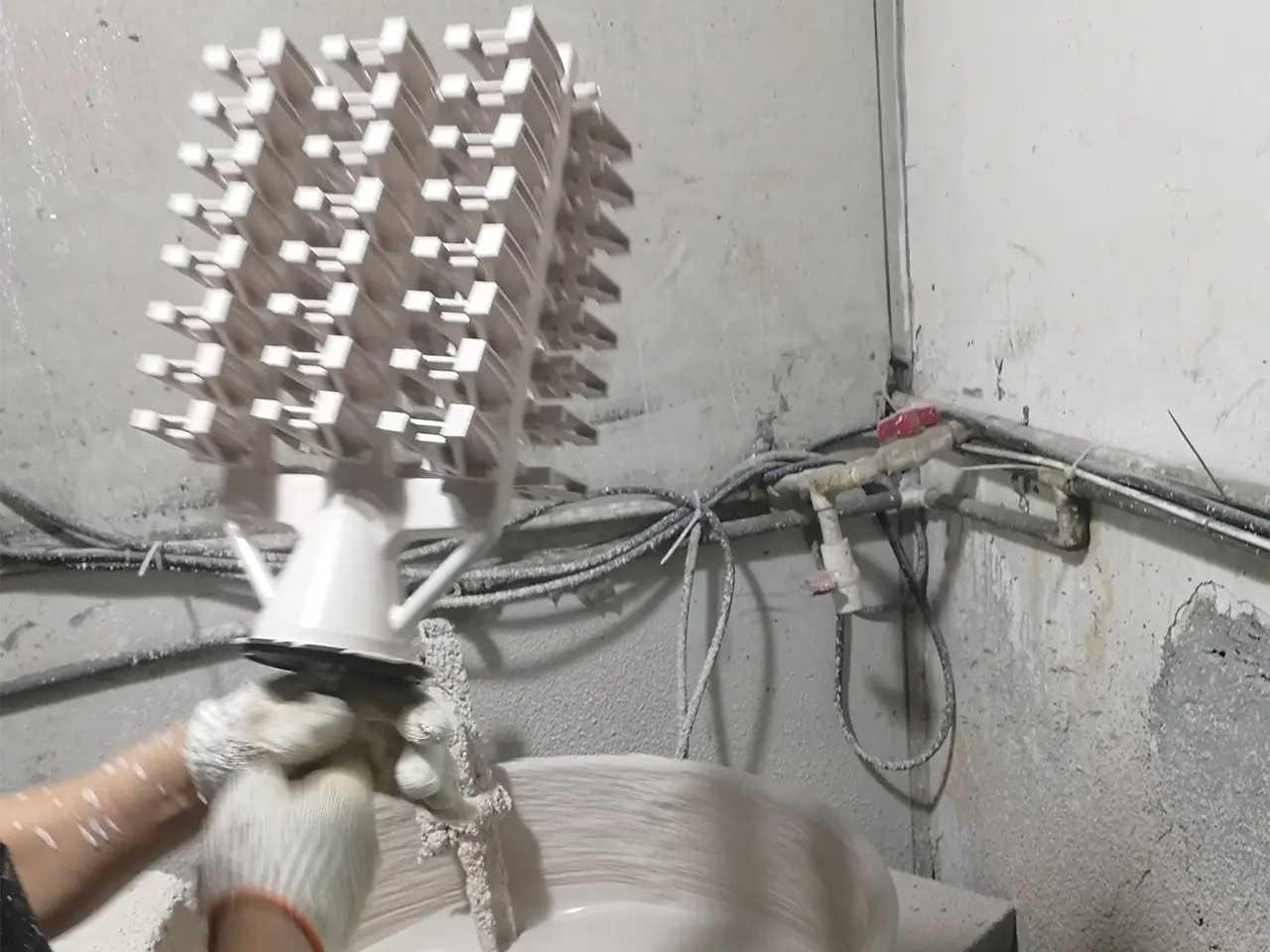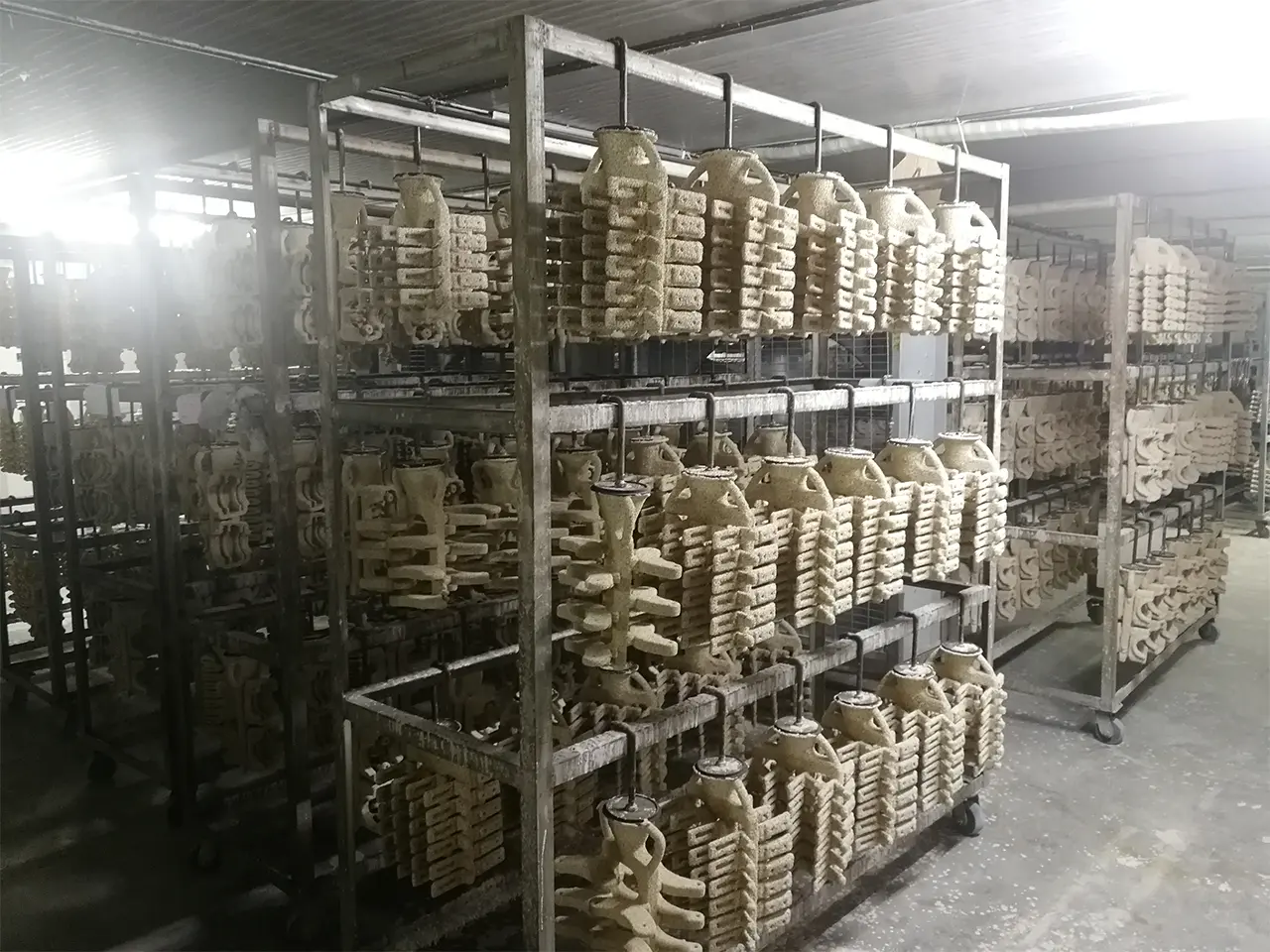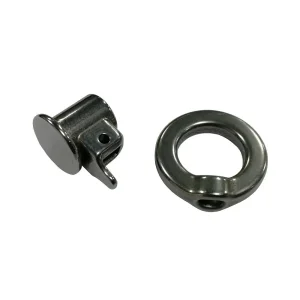
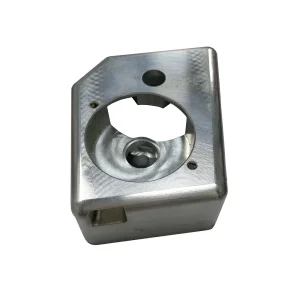
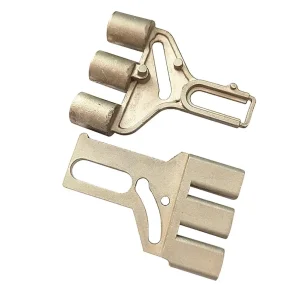
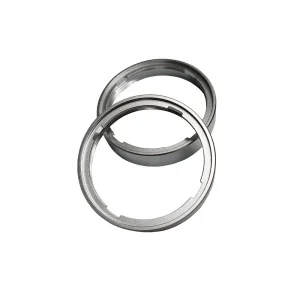
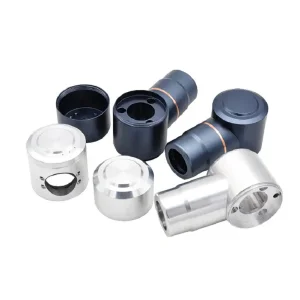
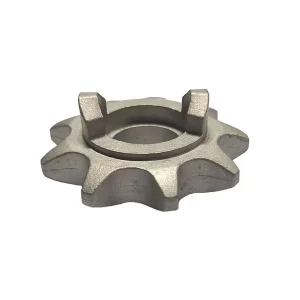
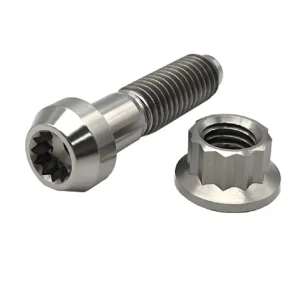
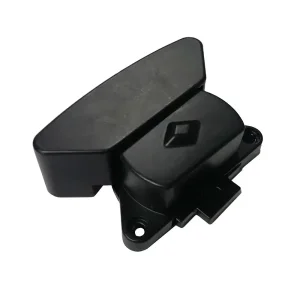
Founded with a focus on high-fidelity manufacturing, Dongguan SX Technology Co.,Ltd has established a comprehensive framework in precision investment casting, non-standard CNC machining, and electro-mechanical assembly operations. We bridge the gap between complex metallurgical design and physical execution for demanding applications worldwide.
Our engineered solutions support crucial sectors including heavy machinery, automotive assemblies, marine structures, deep-sea vessels, chemical processing pumps and valves, electronics, automated packaging lines, precision watches, and high-safety construction engineering. Our foundational competency is matching target physical characteristics with appropriate metallurgical choices—maximizing component life while driving down total ownership cost.
"By pairing state-of-the-art lost-wax investment casting with micro-tolerance multi-axis CNC machining, we eliminate supply chain fragmentation for global OEMs."
For investment casting processes, we specialize in high-grade stainless steel and structured carbon steel formulations. To meet rigorous structural and thermal demands, our CNC machining services work with titanium alloys, stainless steels, carbon steels, structural aluminum alloys, copper-based alloys, and cemented carbides, delivering complex geometric profiles with repeatable precision.
Industrial performance demands customized metallurgy. Below is the deployment map of our custom cast steel alloys across key international sectors.
High salinity requires superior corrosion-resistant properties. We supply cast duplex stainless steels and austenitic alloys for impellers, propeller hubs, structural connectors, and deep-submersible components that resist pitting and crevice corrosion.
Components operating under pressure require solid structural integrity. Using ASTM A216 WCB/WCC and ASTM A351 CF8M grades, we cast and machine pressure-retaining valve bodies, bonnet elements, and complex pipe bends designed to prevent cavitation erosion.
We deliver lightweight, optimized automotive castings that support structural safety. This includes knuckle elements, chassis mounts, powertrain brackets, and turbocharger components produced under rigid metallurgical control for high heat tolerance.
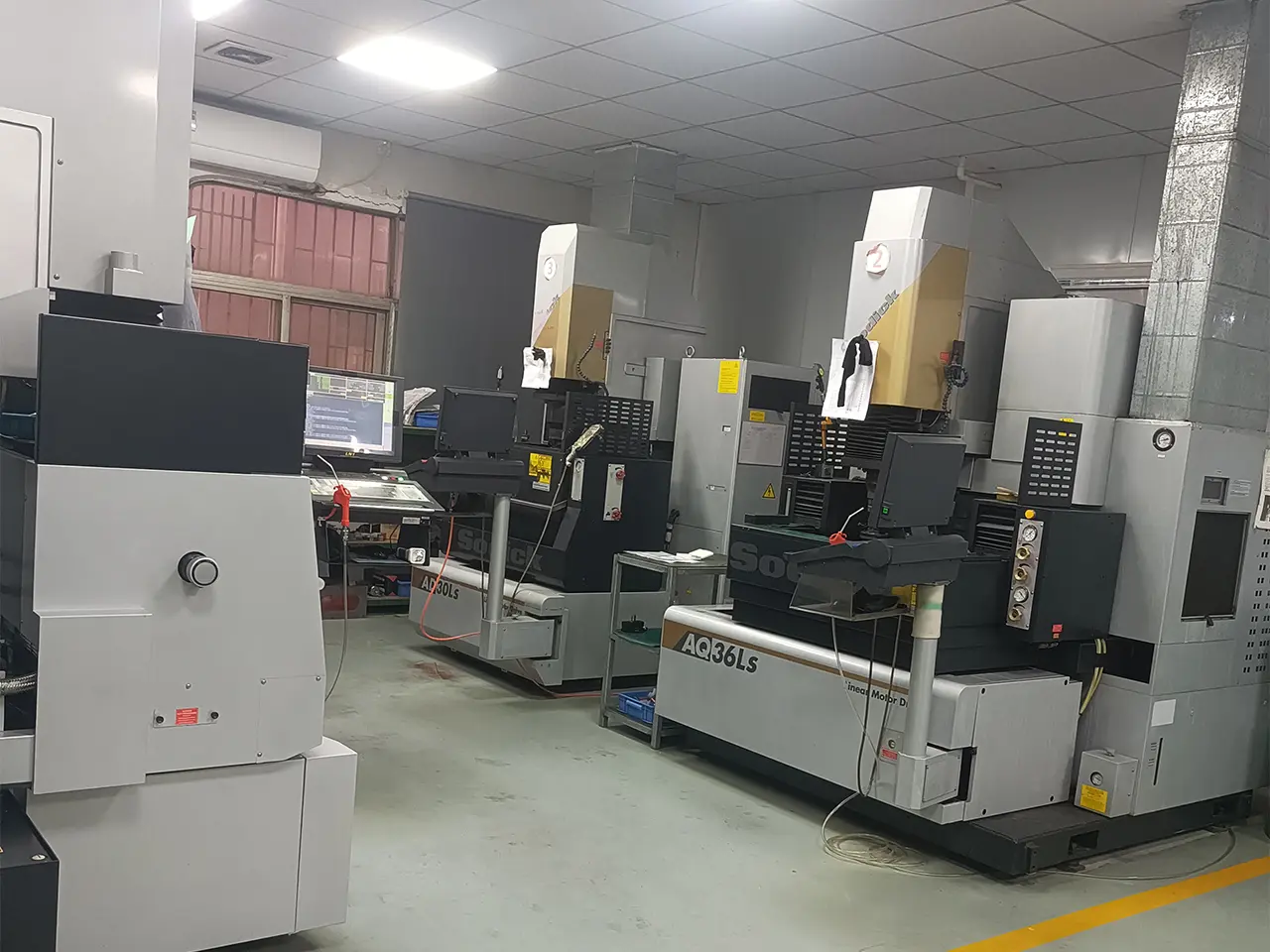
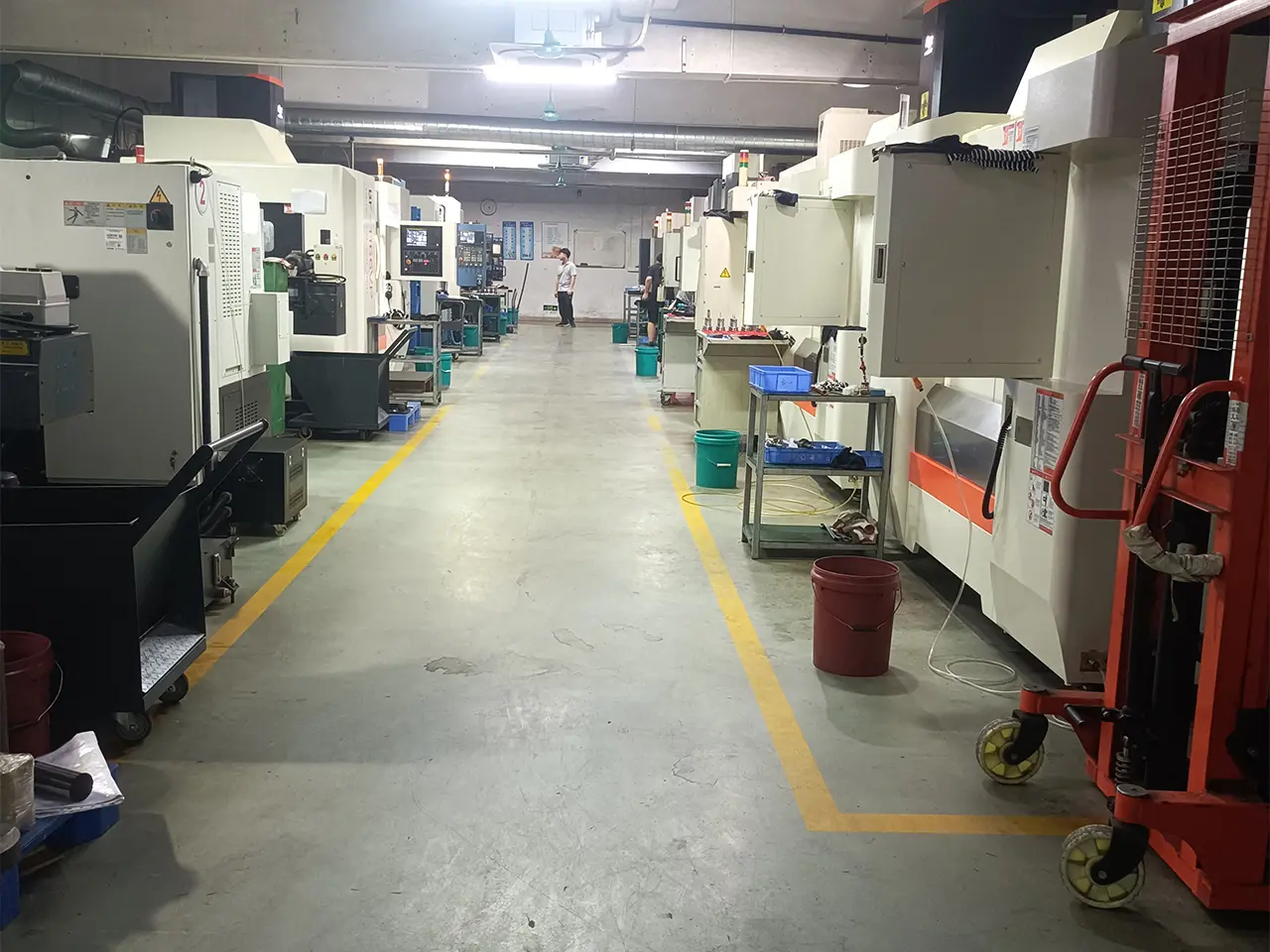
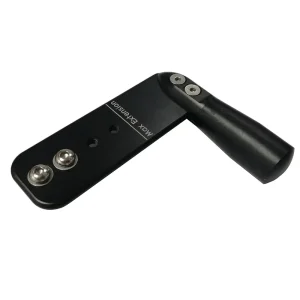
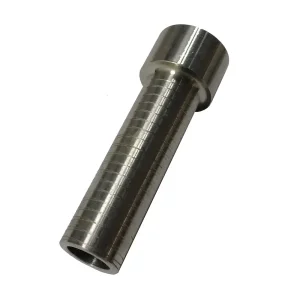
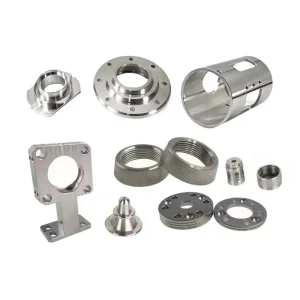
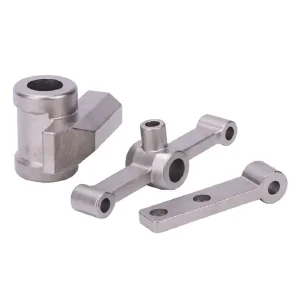
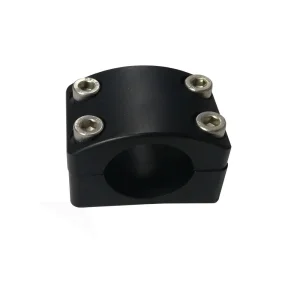
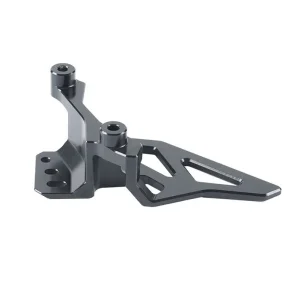
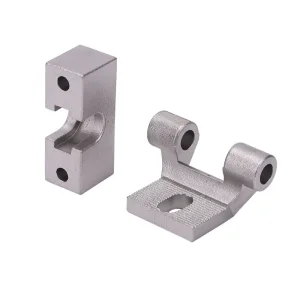
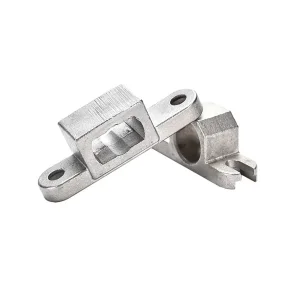
Combining investment casting systems and high-speed CNC centers to manufacture non-standard components.
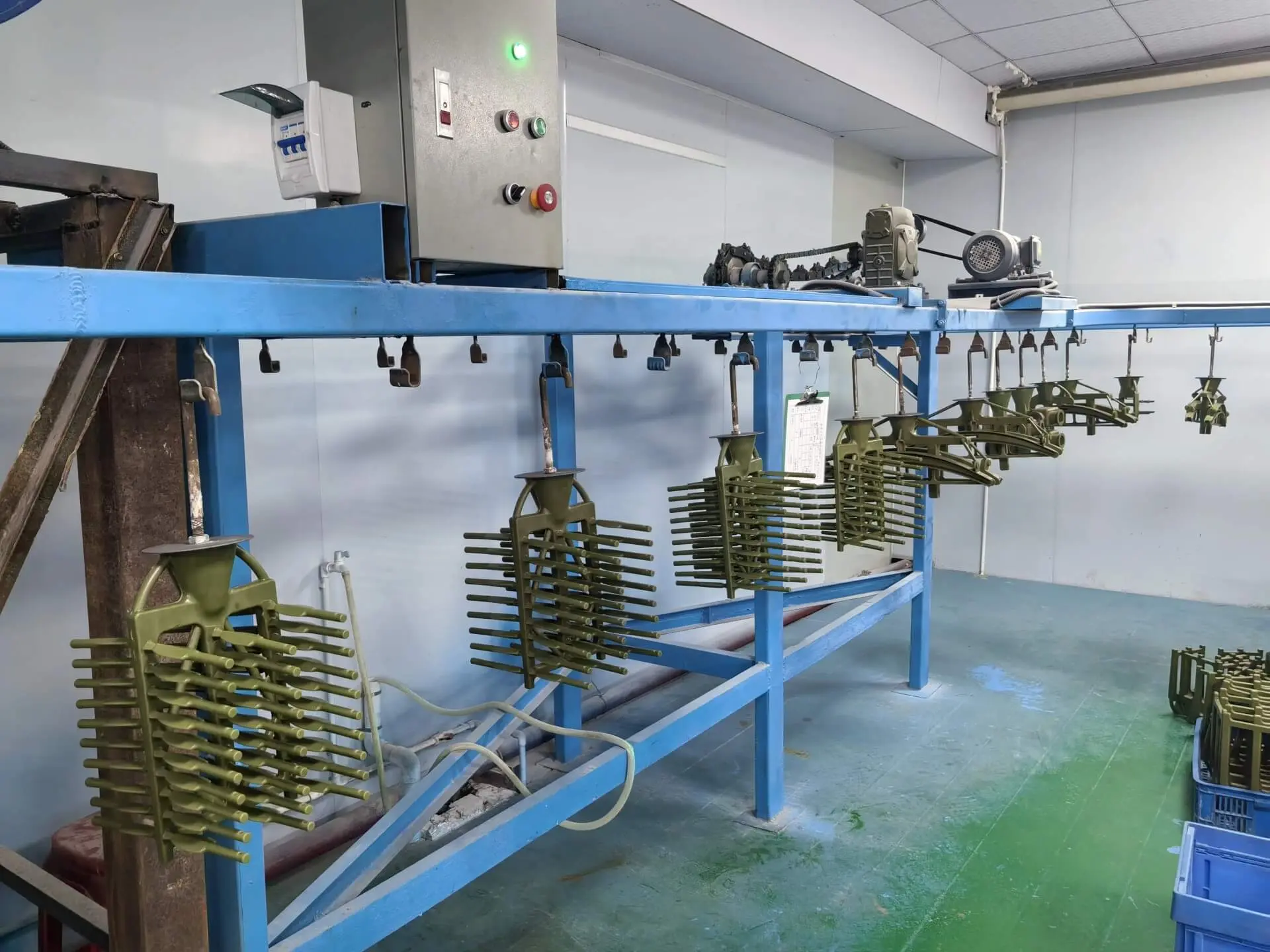
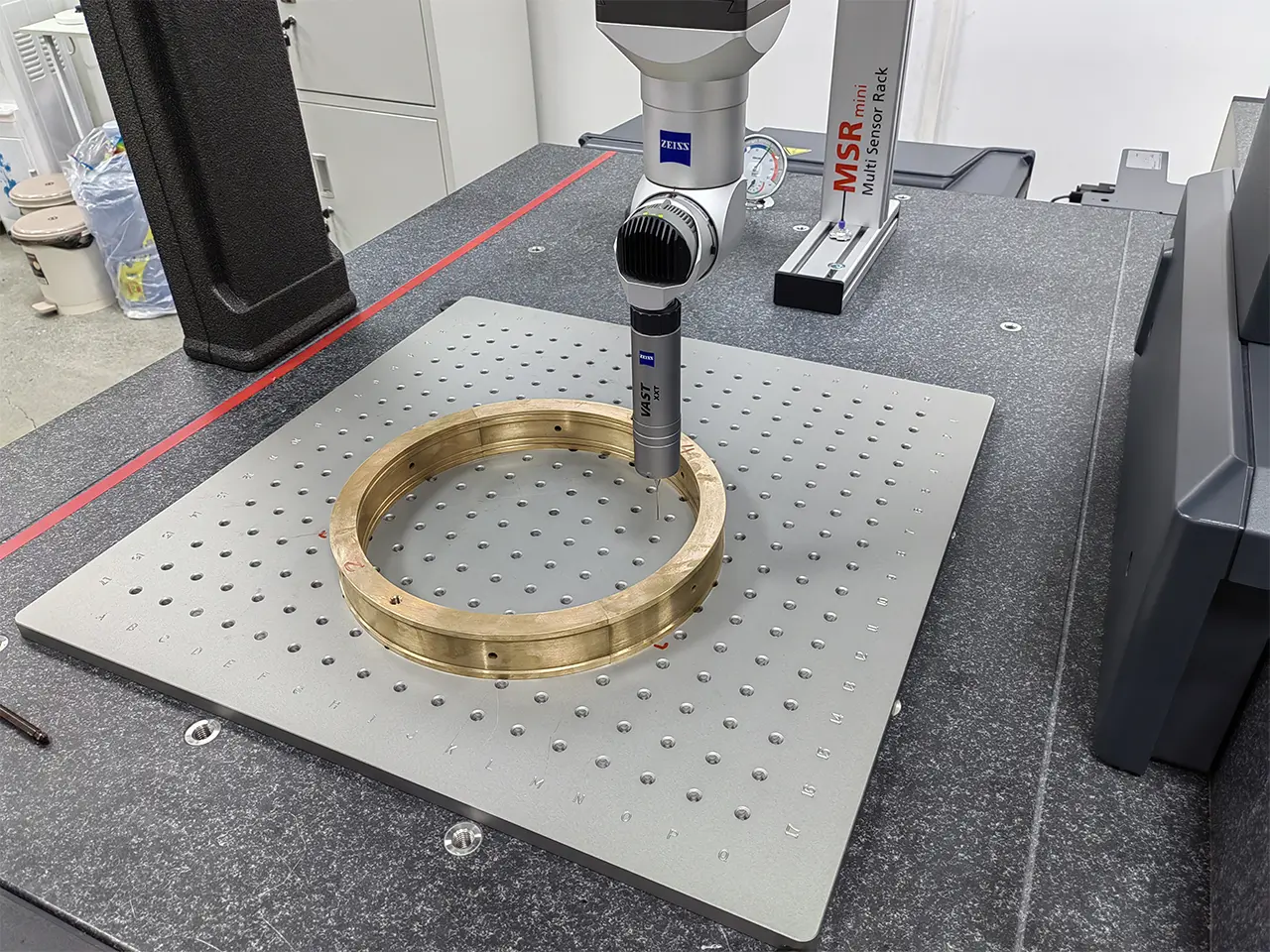
In high-pressure and high-load environments, metallurgical consistency determines component life. At Dongguan SX Technology, our quality management system monitors every stage of production from melt to final CNC machining.
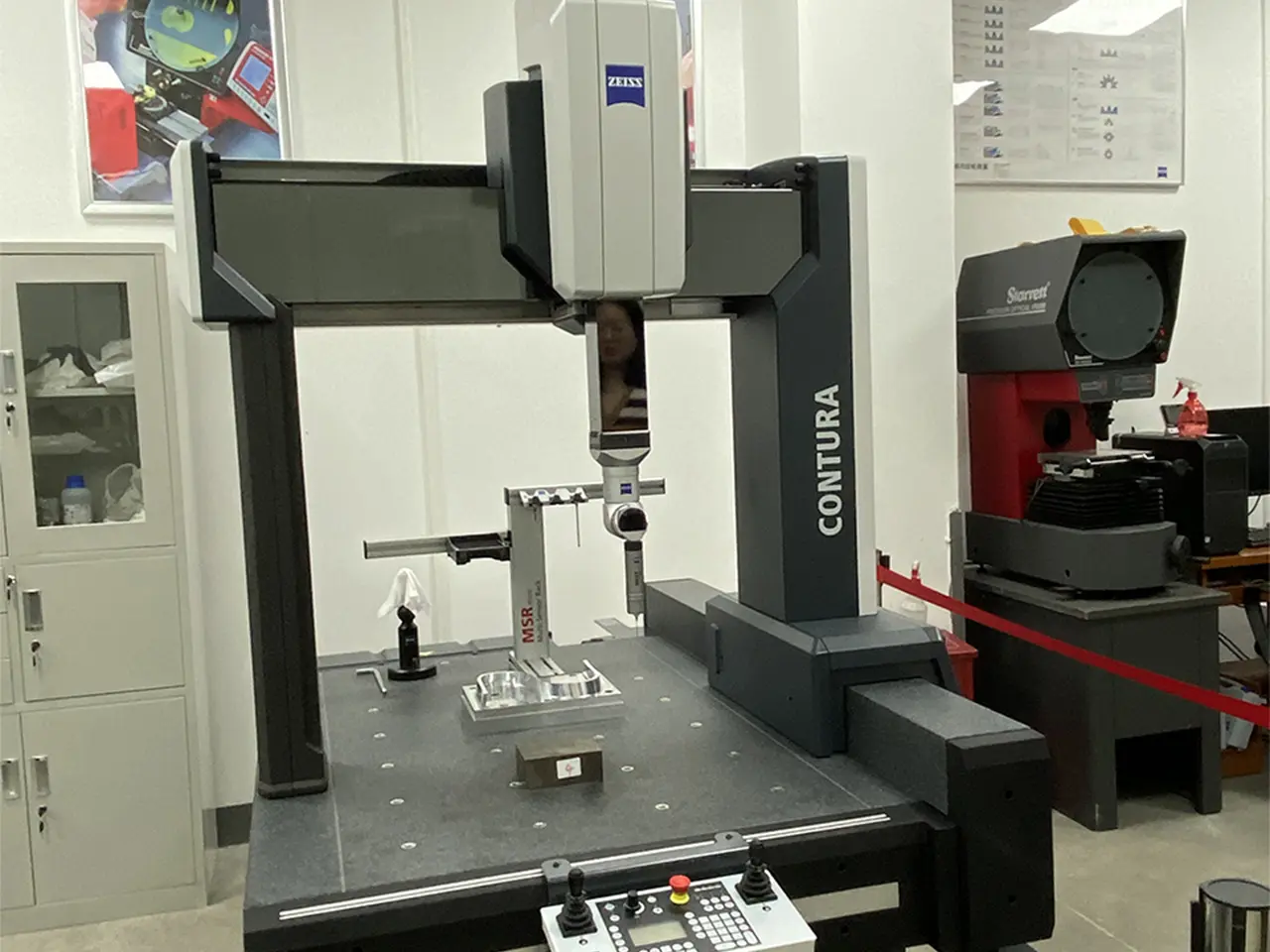
We deploy precise inspection systems, including spectrometer chemical analysis, tensile testing, charpy impact testers, 3D coordinate measuring machines (CMM), and digital industrial radiography. This equipment ensures our components meet both dimensional and interior structural standards.
"We recognize that casting quality requires verified metallurgical compliance. We trace every melt and verify alloy integrity before casting begins."
Established in 2014, our workshop operates under ISO-compliant controls. By managing casting, heat treatment, and precision CNC finishing under one roof, we eliminate intermediate material handoffs and maintain control over dimensional tolerances and metallurgical structures.
The manufacturing landscape for cast steel alloys is shifting toward higher performance requirements, cleaner alloys, and digital manufacturing workflows. Our engineering team is adapting to these trends by implementing digital twin modeling and advanced grain refinement techniques.
To reduce development times, we utilize computerized solidification simulation software. This technology predicts hot spots, potential shrinkage porosity, and air entrapment before pouring begins. This predictive approach helps optimize gating systems, reduce material waste, and speed up production timelines for complex castings.
We are also adapting to clean energy requirements by processing ultra-low carbon stainless steel grades (such as 316L and 304L equivalents) and high-nickel superalloys. These materials offer the heat resistance and corrosion protection needed for advanced energy systems, hydrogen transportation, and high-efficiency carbon capture infrastructure.
We continue to update our production processes to support digital, paperless engineering environments:
Utilizing computational thermodynamic modeling to eliminate micro-shrinkage defects during the design phase.
Integrating 3D sand printing for rapid prototyping of complex industrial castings without requiring standard hard tooling.
Operating a modern factory in Dongguan, the manufacturing heart of Southern China, allows us to balance rapid production cycles with consistent material standards.
| Casting Attribute | Traditional Foundry Process | Dongguan SX Tech (Casting 4.0) | Customer Operations Benefit |
|---|---|---|---|
| Metallurgical Verification | Batch testing at the end of the day or weekly | In-situ Optical Emission Spectroscopy per melt | Consistent chemical properties across castings |
| Lead Times (Tooling to Sample) | 6 - 8 Weeks for standard patterns | 3D prototyping and simulated tool paths in 2 - 3 Weeks | Faster market introduction for new designs |
| Machining Precision | Rough casting dimensions, outsourced finishing | In-house multi-axis CNC cells, post-casting steps | Accurate interfaces, ready for direct assembly line installation |
| Material Traceability | Paper-based, fragmented heat record tracking | ERP-linked digital records from raw materials to shipped parts | Simplified verification for aerospace and energy audits |
By combining raw steel casting and precision CNC finishing in one facility, we reduce logistics handoffs, optimize manufacturing processes, and lower overall tooling costs for our international customers.
We regularly work with international standards, helping cross-reference material designations to keep production moving smoothly:
We build our manufacturing processes around recognized international standards to ensure compatibility with global projects. We conform our inspection methods to meet target requirements, including ASTM, DIN, EN, ISO, and JIS specifications.
All cast components undergo rigorous testing for internal structural integrity. We supply EN 10204 3.1 material certificates with our shipments, detailing full chemical analysis and mechanical testing results. Our QA process handles pressure testing, heat-treatment logs, and dimensions validation to ensure every part matches engineering drawings.
Purchasing engineered metal components requires balancing raw material pricing, manufacturing lead times, and logistical stability. Here is how we support global supply chain needs:
We combine casting and machining inside a single factory. This reduces packing costs, cuts out intermediate transport fees, and limits double markup margins on finished components.
Our location in Dongguan provides access to key ports in Shenzhen, Guangzhou, and Hong Kong. We offer multiple shipping terms (FOB, CIF, DDP) and handle custom export documentation to ensure on-time delivery.
We work with raw material suppliers who provide batch-verified master alloys. This consistent source material reduces the risk of internal casting faults and prevents tool wear issues during final machining.
Common questions from engineering teams, quality inspectors, and purchasing managers.
 SX Machining