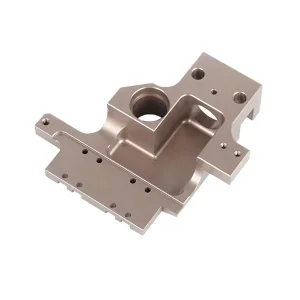
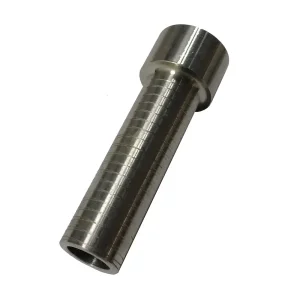
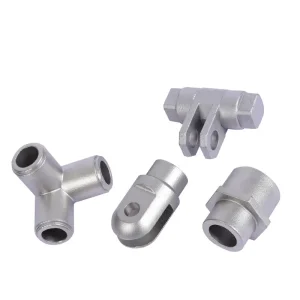
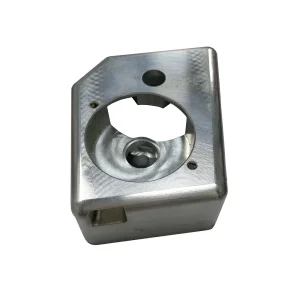
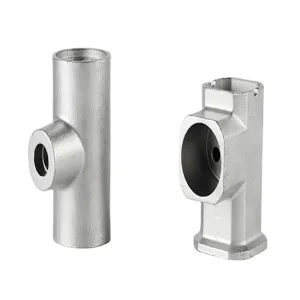
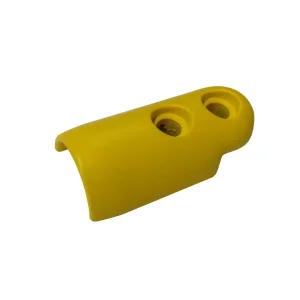
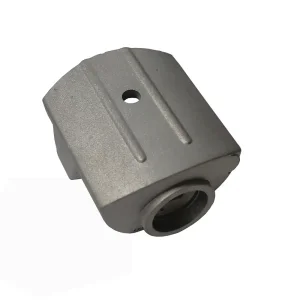
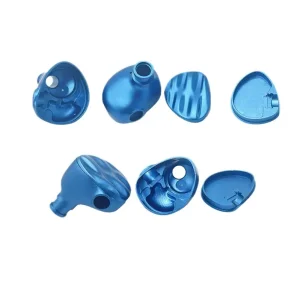
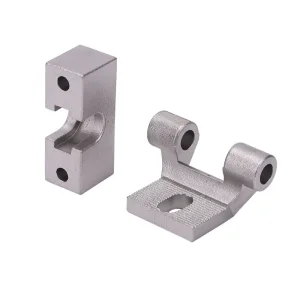
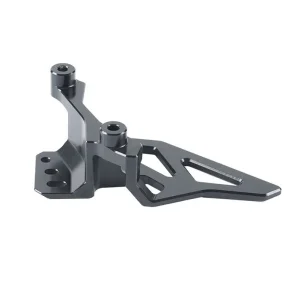
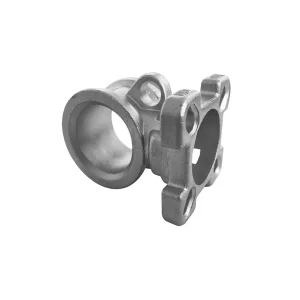
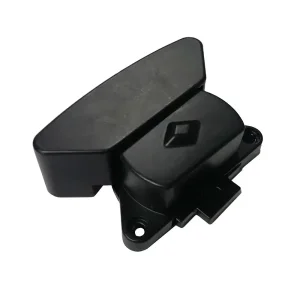
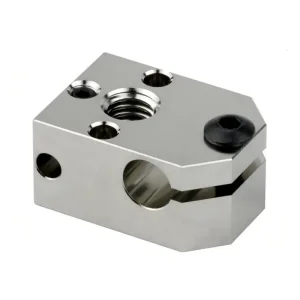
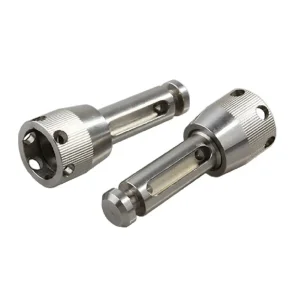
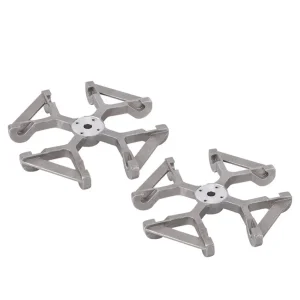
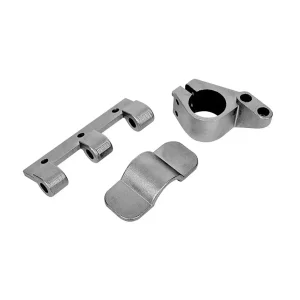
Explore our top-performing custom machined parts and high-precision investment castings tailored for global industrial standards.
Understanding structural characteristics, surface finishes, mechanical properties, and scalability to make optimal manufacturing decisions.
Investment casting excels in forming complex, organic, and hollow geometries with internal channels (e.g., valve bodies) that are difficult or impossible to machine. CNC Machining is preferred for geometric precision, simple profiles, and high-flatness surfaces.
Machining is a subtractive method starting from solid bar stock or blocks, sometimes resulting in up to 70% material waste (chips). Casting is a near-net-shape process, minimizing waste and drastically lowering material cost for expensive raw metals like titanium and stainless steel.
CNC machined components retain the directional grain flow of rolled or forged bar stock, offering high fatigue resistance and strength. Cast parts feature isotropic microstructures which, while extremely uniform under multi-directional loading, may require post-cast heat treatments to eliminate porosity.
| Evaluation Parameter | Custom Investment Casting | Precision CNC Machining |
|---|---|---|
| Dimensional Tolerances | General linear tolerance: ±0.2 mm to ±0.5 mm | Standard tolerance: ±0.01 mm (precision down to ±0.005 mm) |
| Surface Finish (Ra) | Typically 3.2 μm to 6.3 μm (requires post-processing for seals) | Typically 0.8 μm to 1.6 μm (can go down to 0.4 μm) |
| Upfront Tooling Cost | Medium to high (requires molds/wax dies) | Virtually zero (direct programming/fixtures) |
| Material Versatility | Excellent for pourable alloys (stainless steel, carbon steel) | Excellent for millable metals & engineering plastics |
| Production Scaling | Extremely cost-effective for medium to high volume | Highly cost-effective for prototype to medium volumes |
Established in 2014, Dongguan SX Technology Co.,Ltd is a modern manufacturing facility specializing in high-precision investment casting, multi-axis CNC machining, and comprehensive secondary finishing assemblies. Located in the heart of China’s advanced manufacturing corridor, we provide a seamless single-source solution from metallurgical casting to ultra-precise milling and turning.
Our key material expertise includes:
Leveraging regional industrial clusters to achieve unprecedented cost efficiency, material access, and quick-turn prototyping.
Dongguan hosts thousands of specialized finishing shops, heat treatment centers, anodizers, and material testing labs. This geographical concentration compresses lead times from weeks to days by cutting down internal logistics.
Wax injection molds and die-casting tooling in China cost between 30% to 50% less than equivalent tooling in Western countries. This lowers the amortization barrier for medium-volume production runs.
Close proximity to Shenzhen and Hong Kong international ports guarantees immediate ocean cargo shipping and daily air freight dispatch, simplifying customs procedures and export clearances.
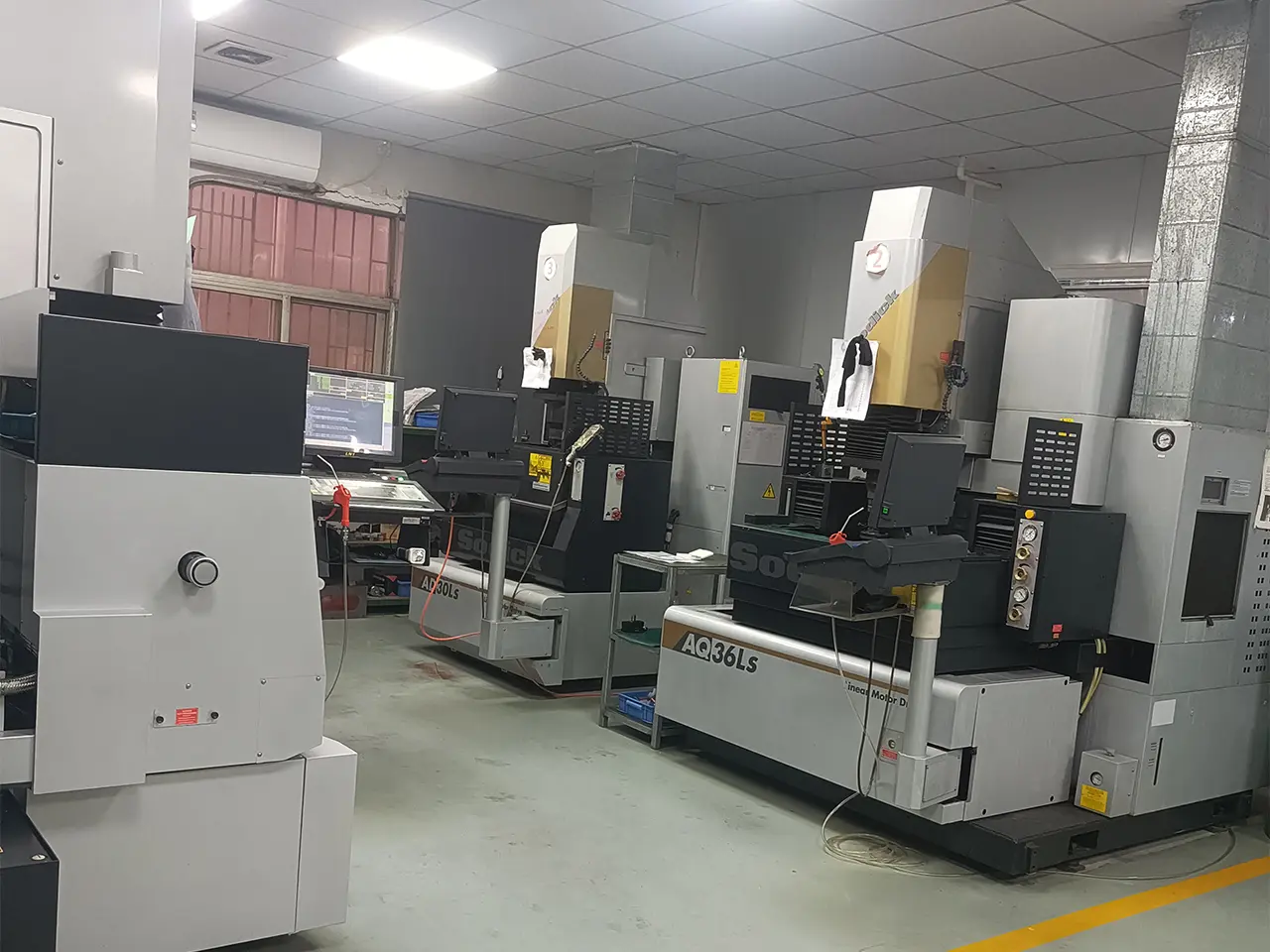
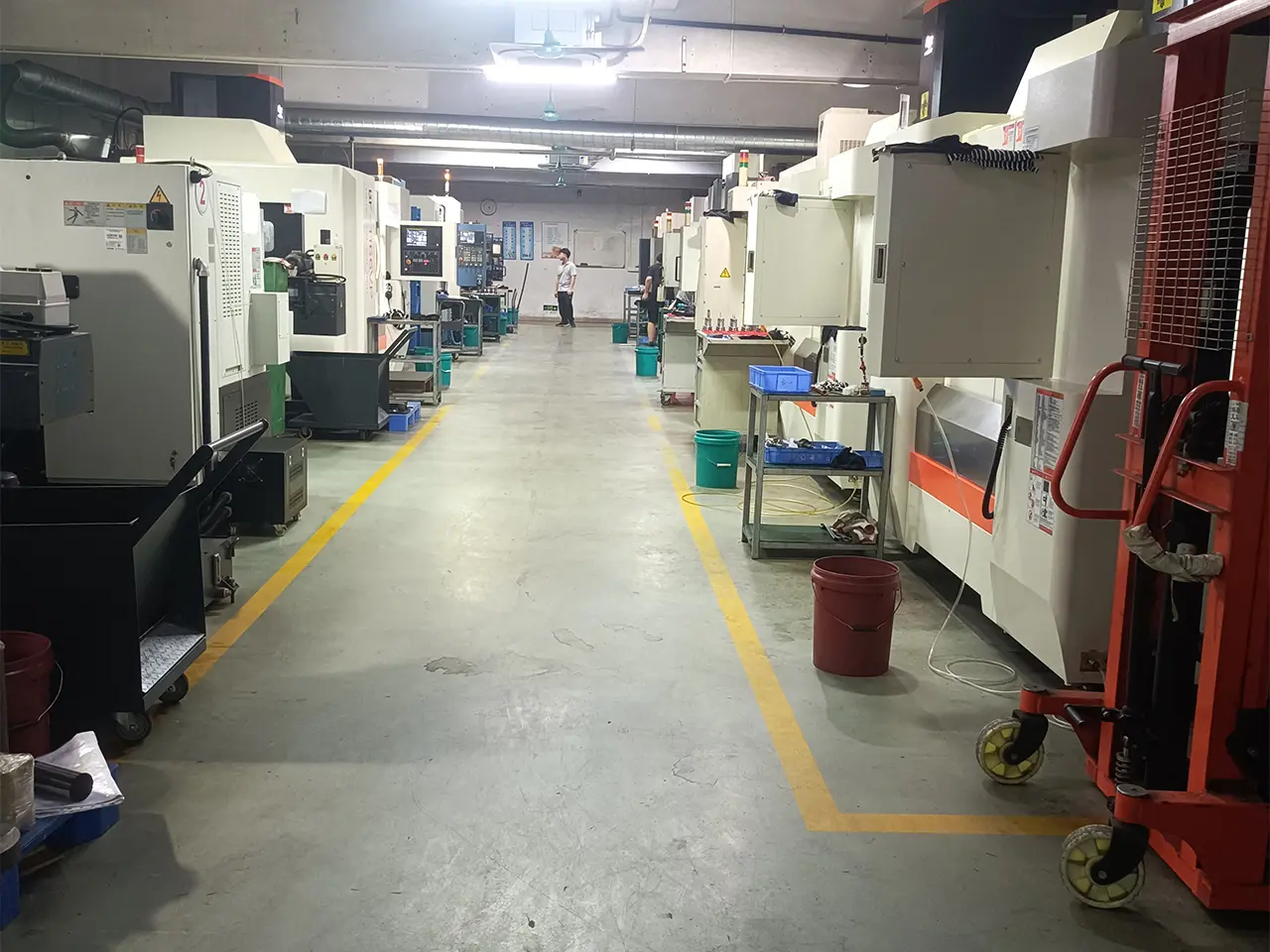
Equipped with precision CNC machining centers, automated investment casting lines, and quality control test suites.
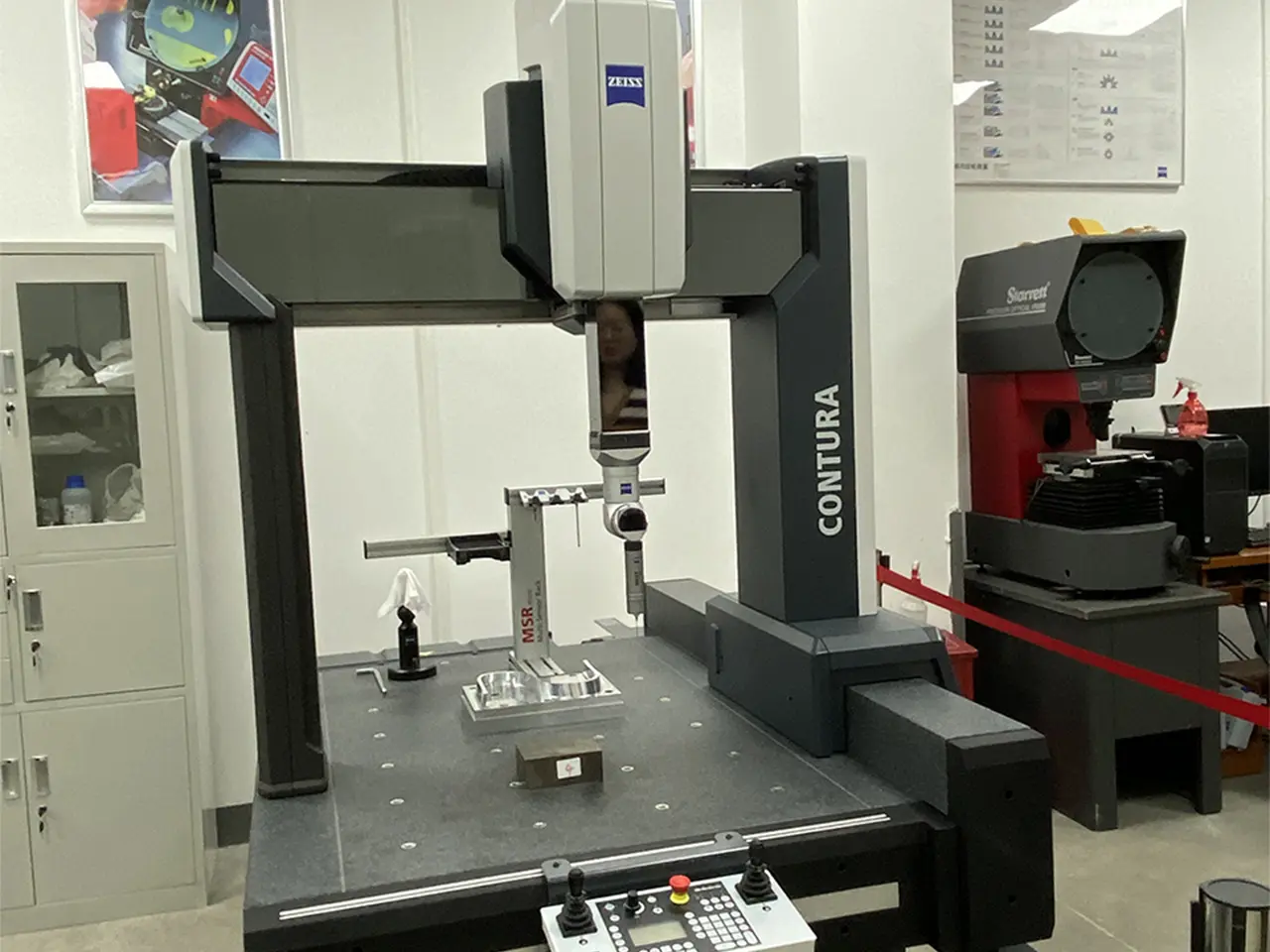
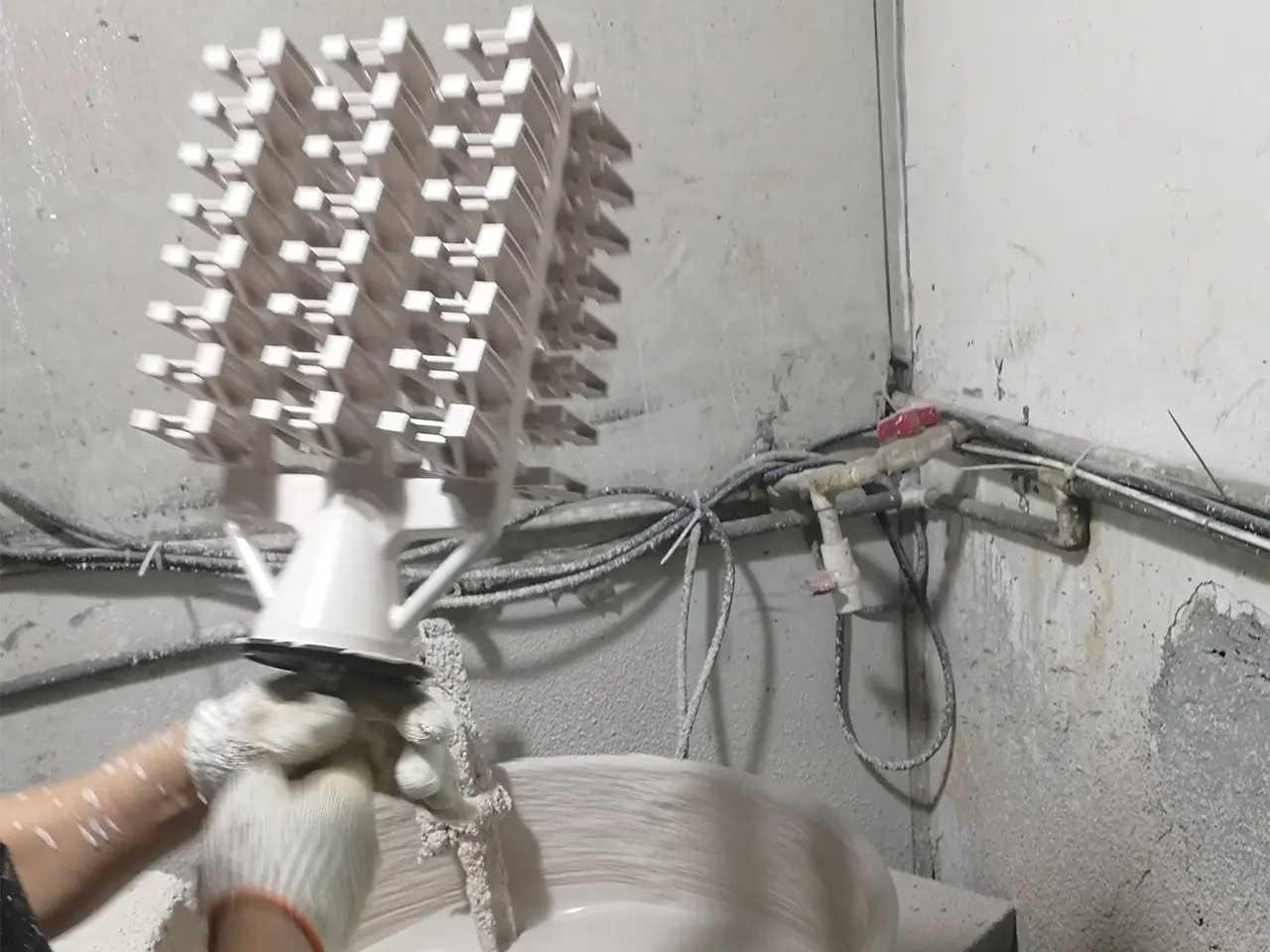
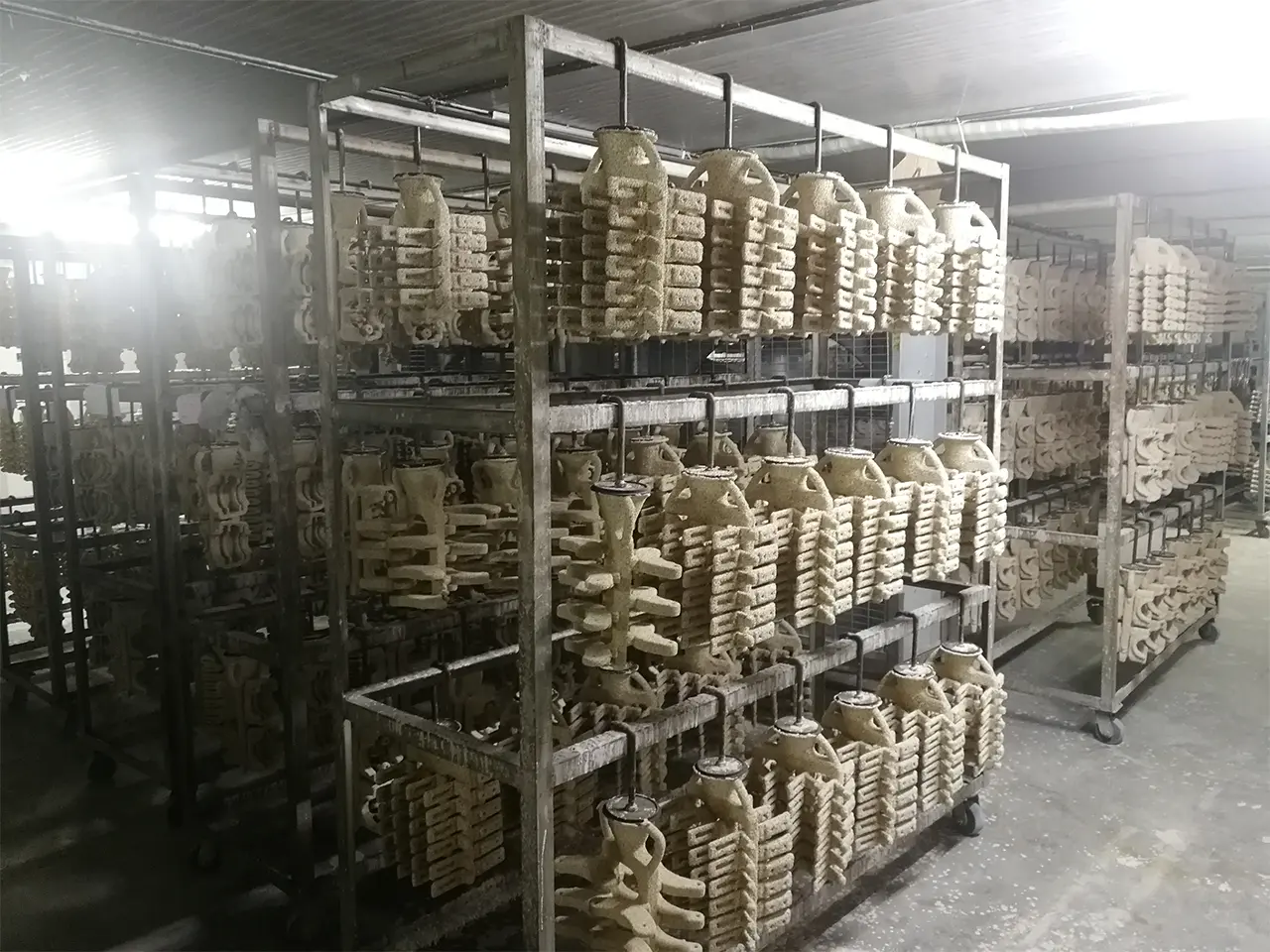
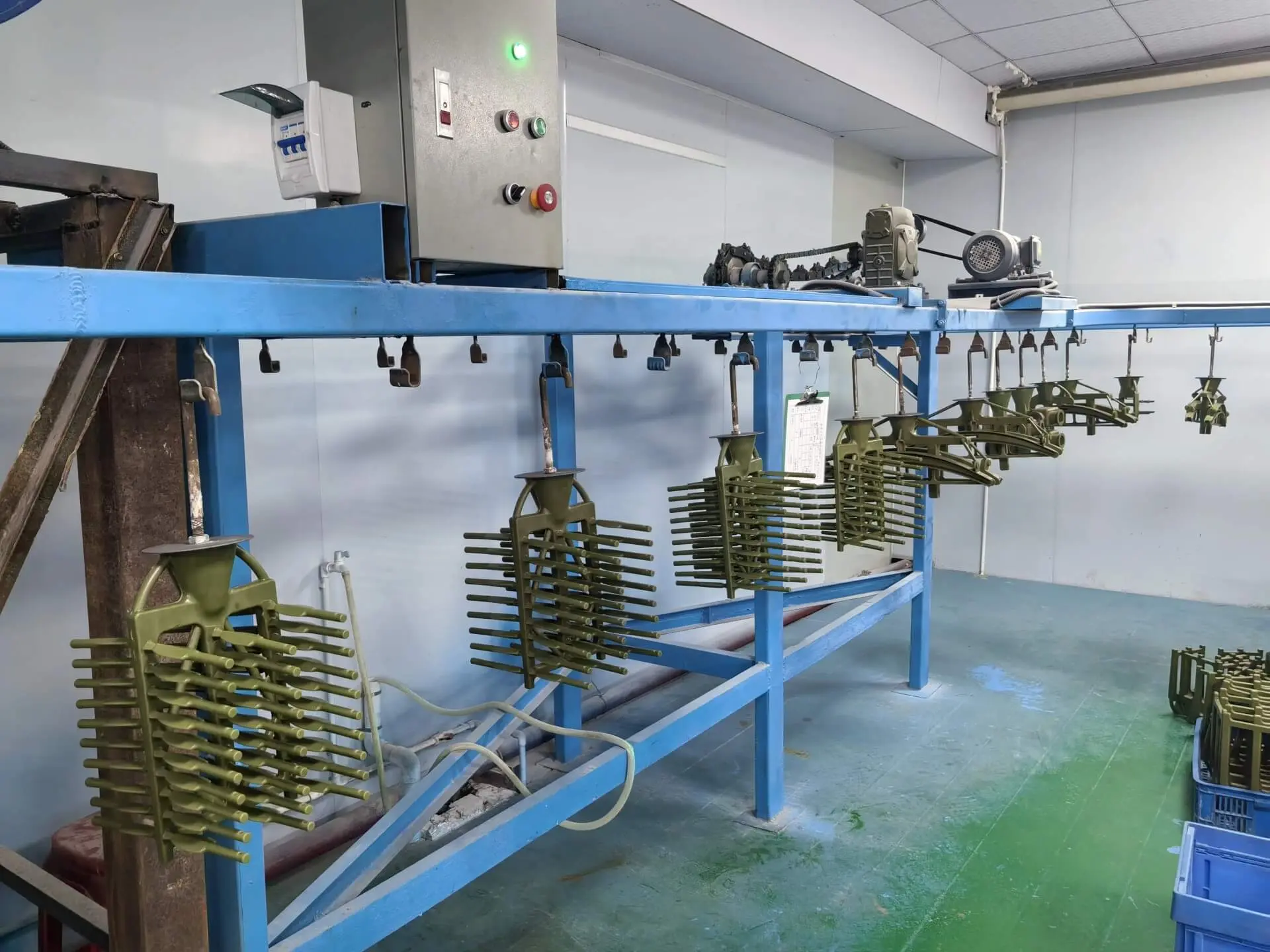
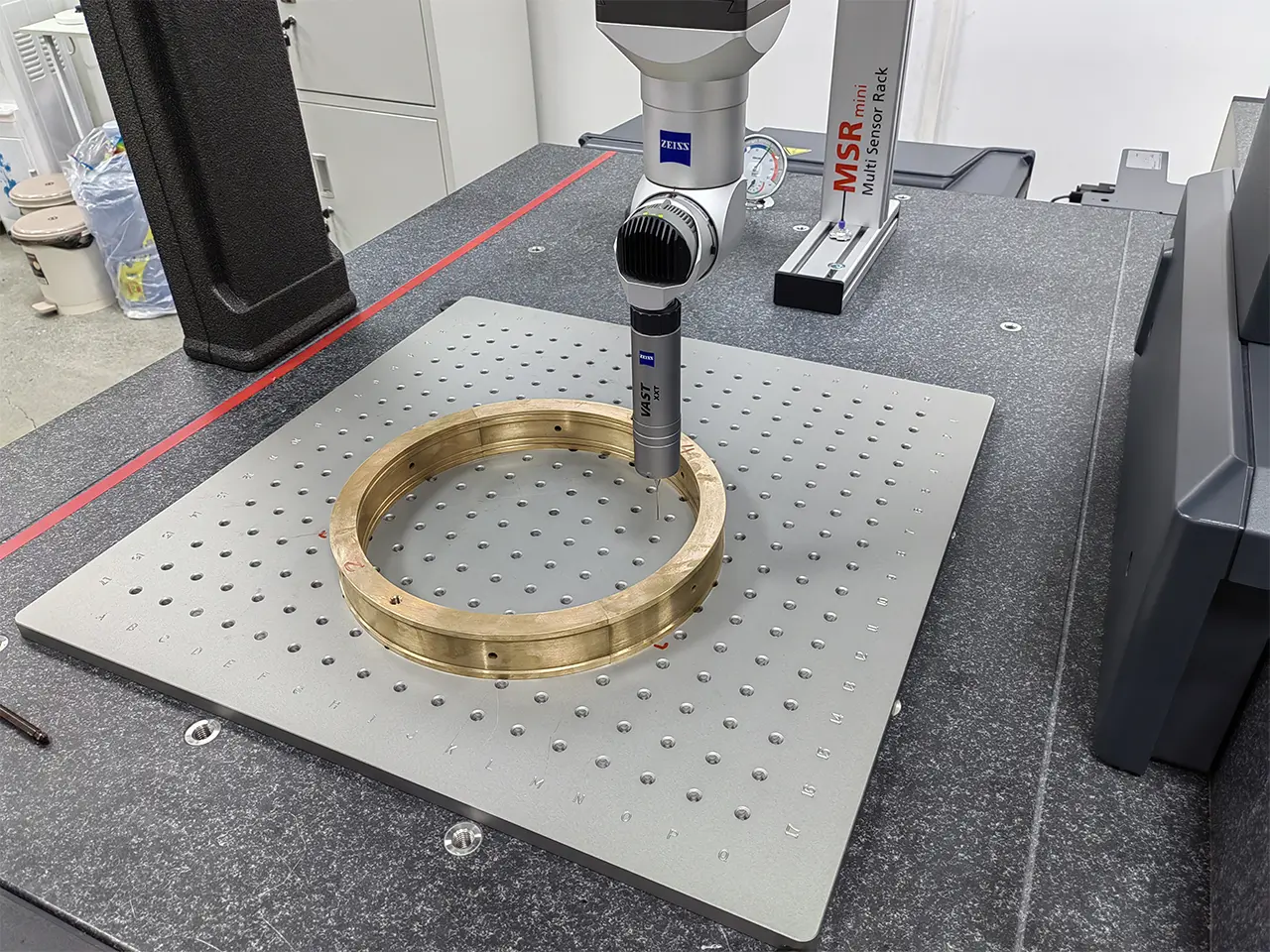
At Dongguan SX Technology, quality is not a post-production checkpoint; it is a foundational process integrated into every step of design, casting, and machining. We maintain rigorous compliance certifications and trace every raw batch of steel, aluminum, and titanium back to its origin.
Our quality assurance protocol includes:
How leading industrial sectors balance the two technologies to design reliable, cost-efficient, and long-lasting mechanical systems.
Fluid-handling components require hollow, complex channels to minimize turbulence. We achieve this by casting the raw valve housings in stainless steel, followed by precision CNC machining on mating threads, flanges, and seat faces to ensure leak-proof seals.
From heavy-duty truck suspension brackets to structural bus armrests, safety-critical components rely on isotropic casting strength. CNC finishing is applied to critical bore-holes, aligning bearing points to nominal tolerances.
Consumer electronics, custom enclosures, and thermal heat sinks require sharp profiles, tight tolerances, and aesthetic surface finishes. Our CNC turning and milling centers produce high-tolerance titanium and aluminum parts with beautiful bead-blasted and anodized surfaces.
Key industry movements shaping the next decade of metal casting and subtraction manufacturing.
Computer modeling uses generative algorithms to design lightweight casting structures with optimal material distribution. Simultaneously, AI-optimized CAM software reduces machining cycles on our production floors.
Industrial demand is shifting toward clean energy sources. By deploying near-net-shape investment casting, we minimize energy expenditures and recycle raw metal chips directly on-site.
The combination of 3D wax patterns and precision CNC finishing allows for rapid prototyping, eliminating the need for expensive tooling during early-stage product testing.
Expert answers to common engineering questions regarding custom castings, CNC machining, and strategic manufacturing selections.
Detailed components engineered for long-term wear resistance, mechanical durability, and strict compliance.
 SX Machining