In the contemporary manufacturing era, custom CNC (Computer Numerical Control) machining has evolved from a basic material-subtraction technique into an interconnected, digitally-driven industrial ecosystem. As global supply chains prioritize resilience, speed-to-market, and extreme geometric accuracy, selecting the right custom CNC machining manufacturer and supplier has become a critical strategic decision for OEMs (Original Equipment Manufacturers) across aerospace, marine, medical, and automotive sectors.
Currently, the global CNC machining market is transitioning towards highly complex, multi-axis subtractive processes integrated with advanced metallurgical forming techniques like lost wax investment casting. By merging casting methods—which produce near-net-shape parts—with high-speed 5-axis CNC finishing, manufacturers achieve unparalleled material efficiency and dimensional tolerances. This hybrid production paradigm reduces component lead times, minimizes raw material waste (particularly critical when machining expensive titanium and cobalt alloys), and ensures consistent mechanical properties.
Regionally, East Asia—led by industrial fabrication hubs like Dongguan, China—remains the epicenter of custom precision manufacturing. Companies located here leverage robust local material supply chains, rapid prototyping capacity, and highly skilled engineering workforces. However, modern procurement agents do not merely look for capacity; they seek suppliers with proven metallurgical expertise, complete transparency in material certification, and rigorous verification metrology to mitigate risks associated with structural component failures.
Adapting instantly to non-standard geometries and custom material formulations with digital toolpath setups, minimizing tooling costs and lead times.
Expert machining and casting of Titanium Alloys, Superalloys, Duplex Stainless Steels, and High-Carbon Steels for hostile environments.
Rigorous adherence to international manufacturing tolerances, certified material properties, and standardized quality-control checks.
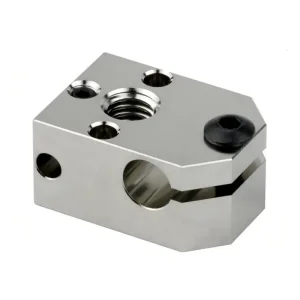
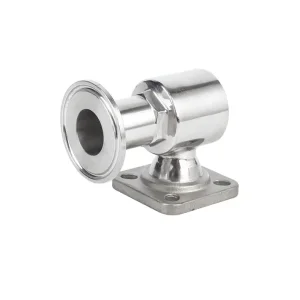
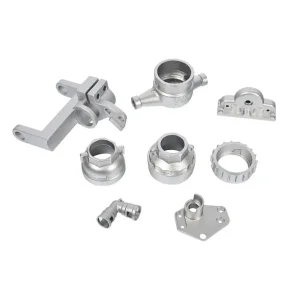
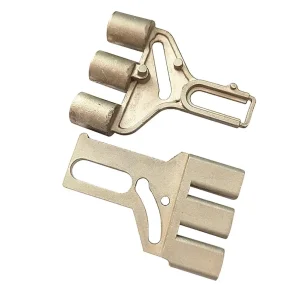
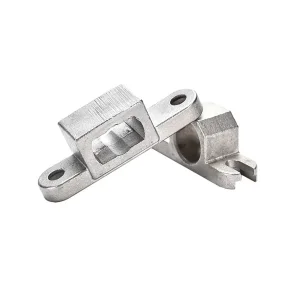
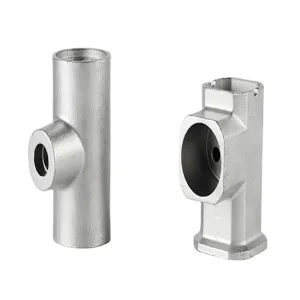
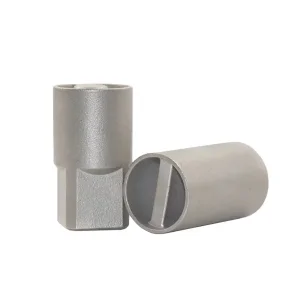
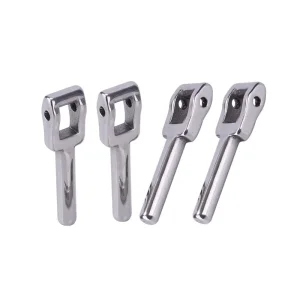
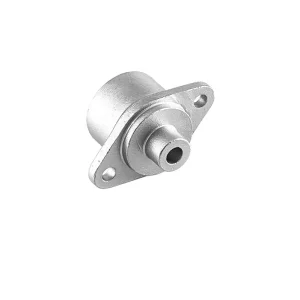
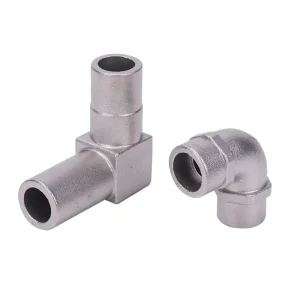
Dongguan SX Technology Co.,Ltd has very rich experience in precision casting, CNC machining and assembly. Our products are used in machinery, automobiles, marine, ships, equipment, valves and pumps, electronic appliances, packaging, watches, construction, chemical industry and other industries.
The most commonly used materials for investment casting are stainless steel and carbon steel. And the most commonly used materials for CNC machining include titanium alloy, stainless steel, carbon steel, aluminum alloy, copper alloy, cemented carbide, etc. We have advanced manufacturing equipment and technology and are able to respond quickly to your needs.
Operating out of Dongguan's advanced industrial zone, we bridge the gap between initial prototyping and massive global production runs, ensuring that every finished custom component conforms precisely to design schematics and quality thresholds.
The custom CNC machining sector is rapidly moving toward full integration with digital-twin technologies and real-time tool-wear monitoring systems. This technical evolution maximizes accuracy while lowering unit production costs. Key trends transforming the landscape include:
Analyzing designs for manufacturability, identifying tight tolerances, and programming optimized G-codes.
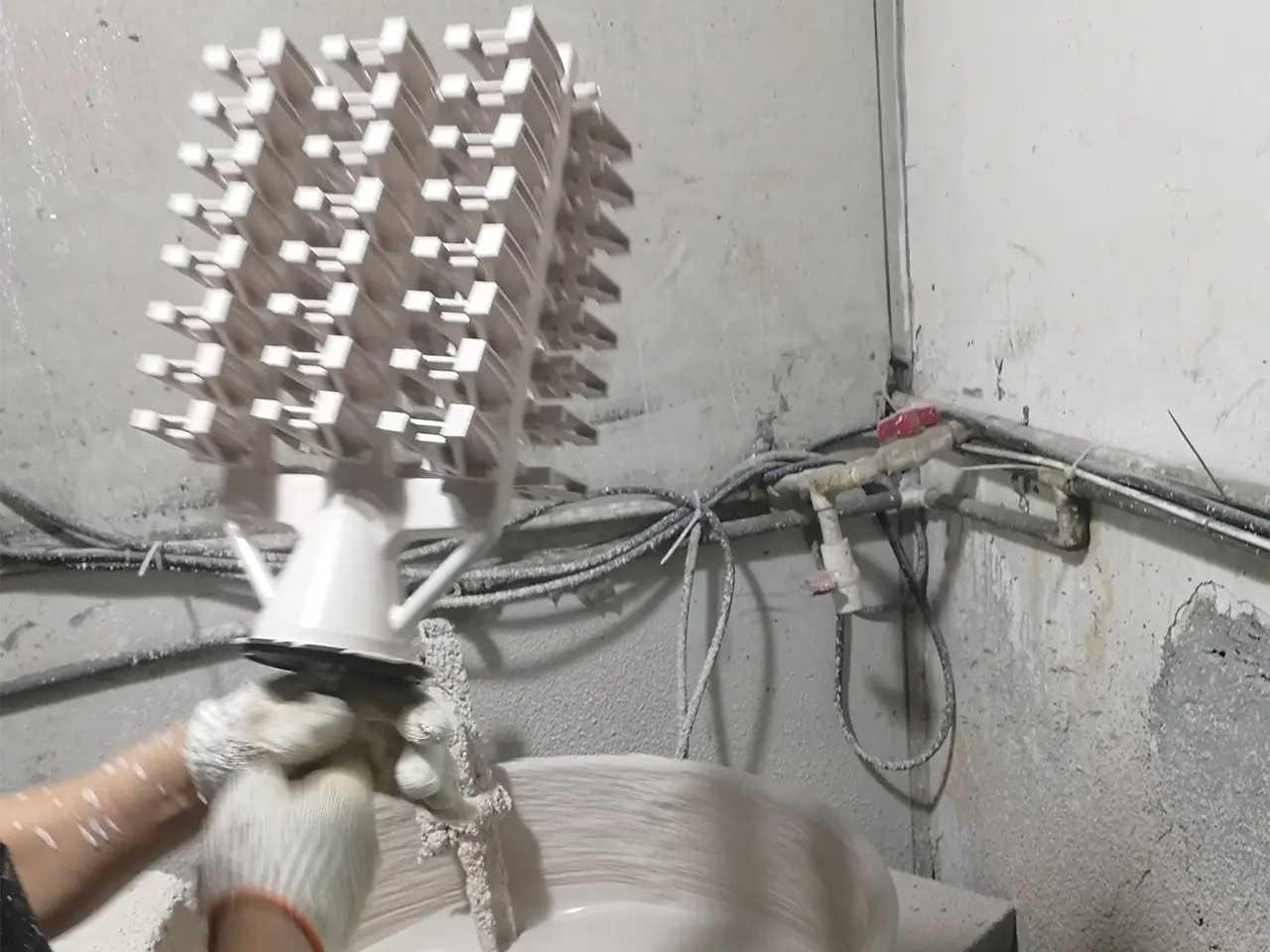
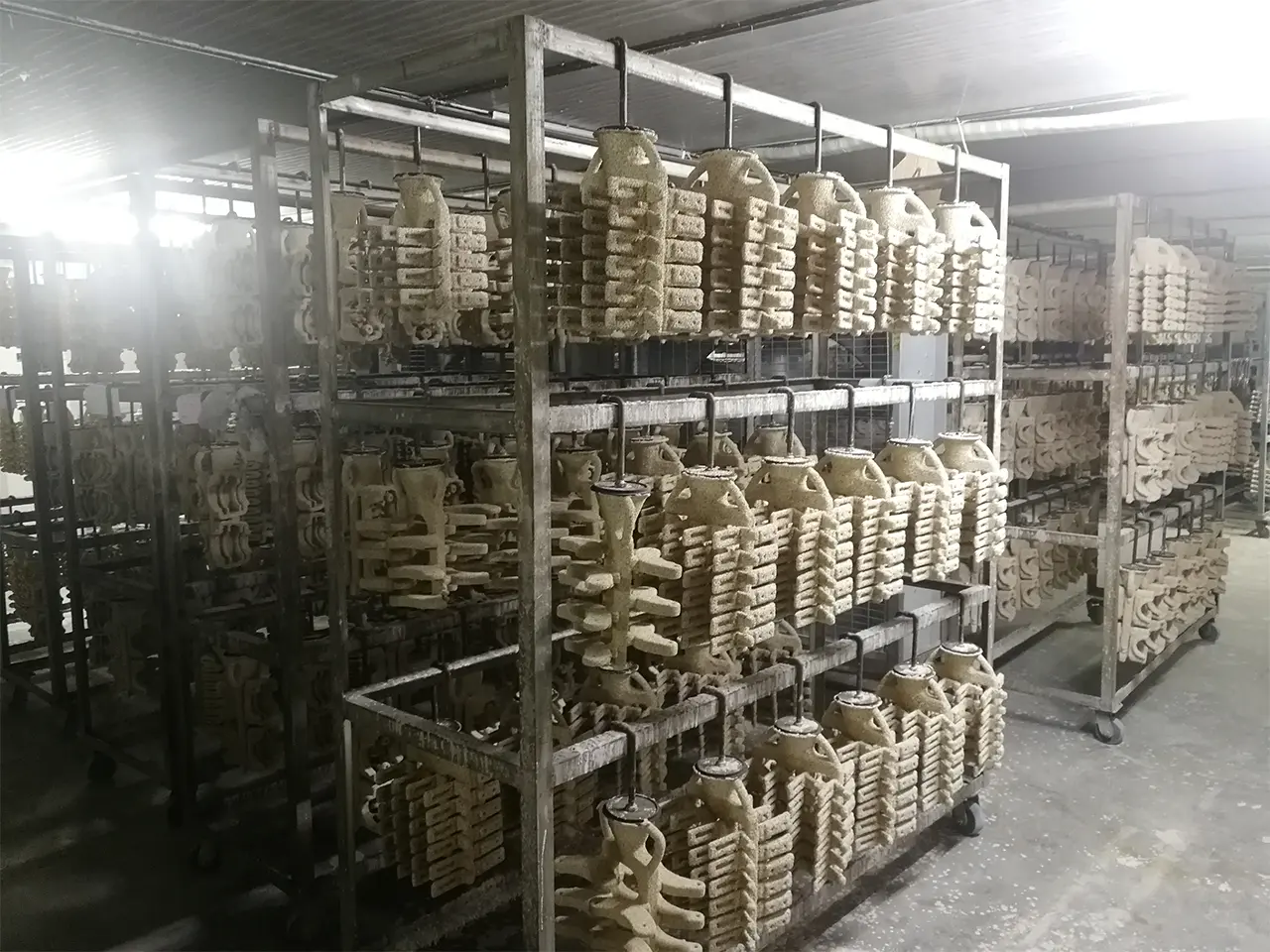
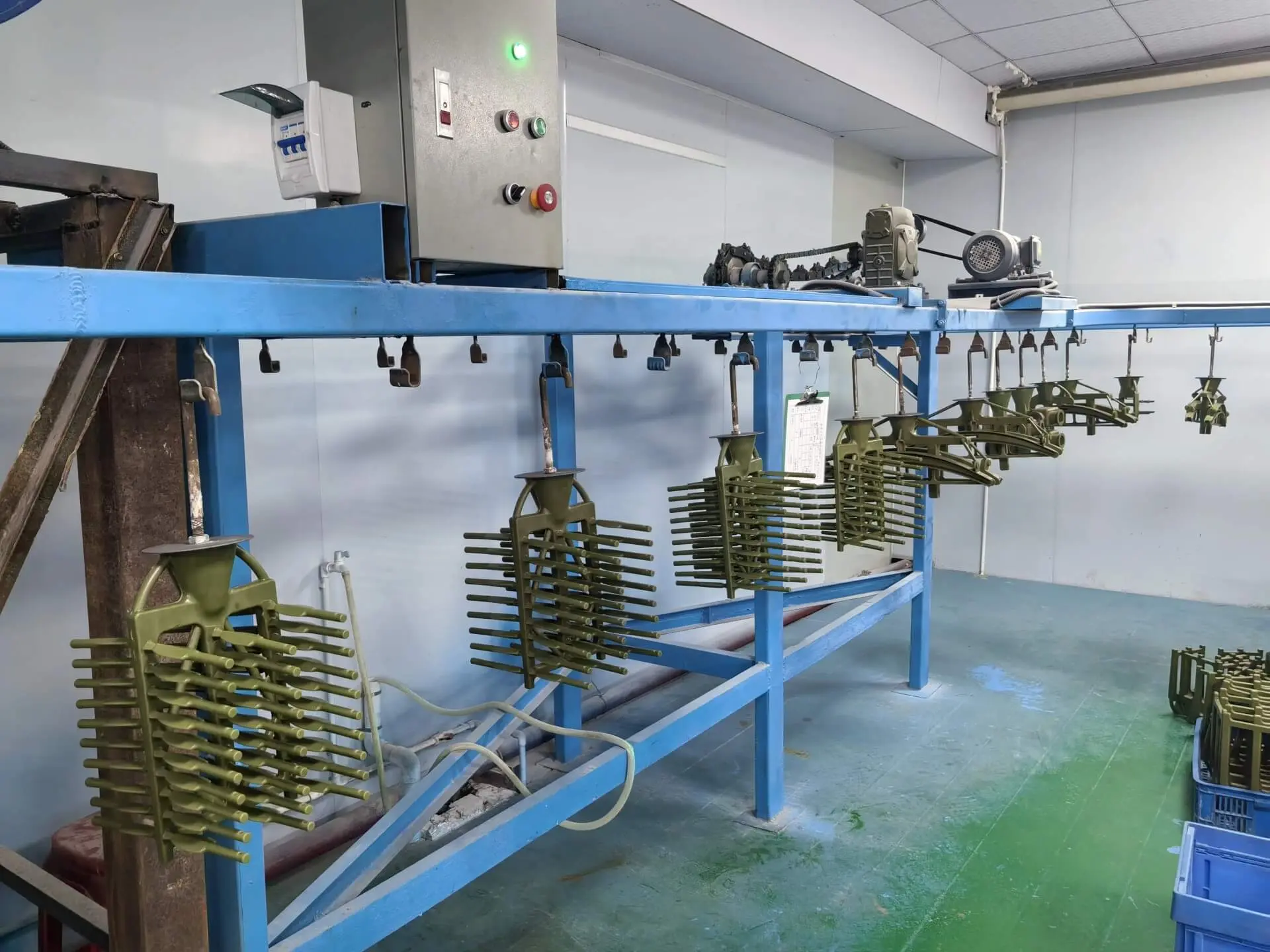
Utilizing lost-wax casting to manufacture high-precision, near-net-shape components.
Performing high-precision 5-axis milling and turning on critical tolerances, achieving sub-micron accuracy.
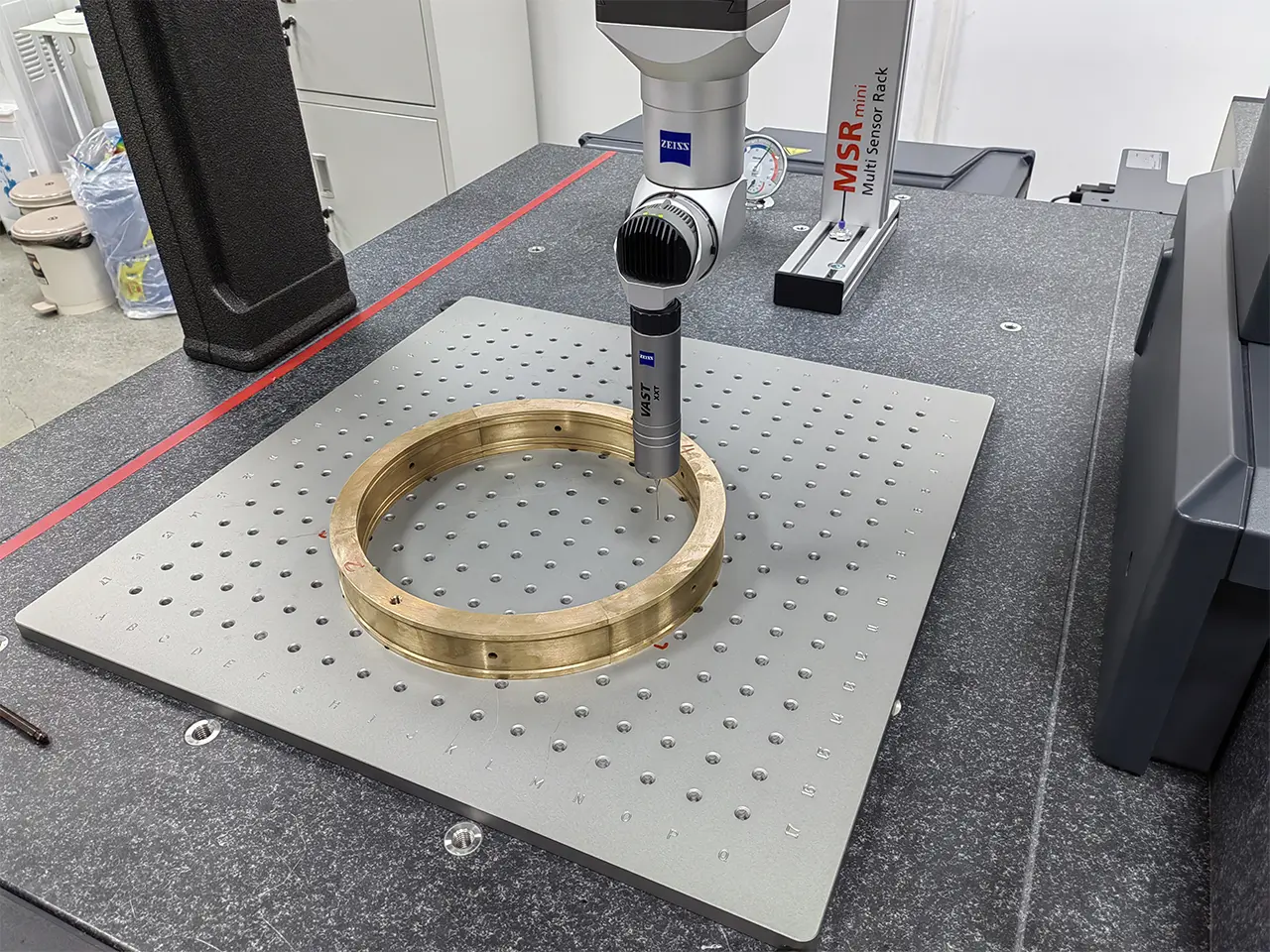
Verifying structural integrity with CMM, spectrometers, and non-destructive testing before shipping.
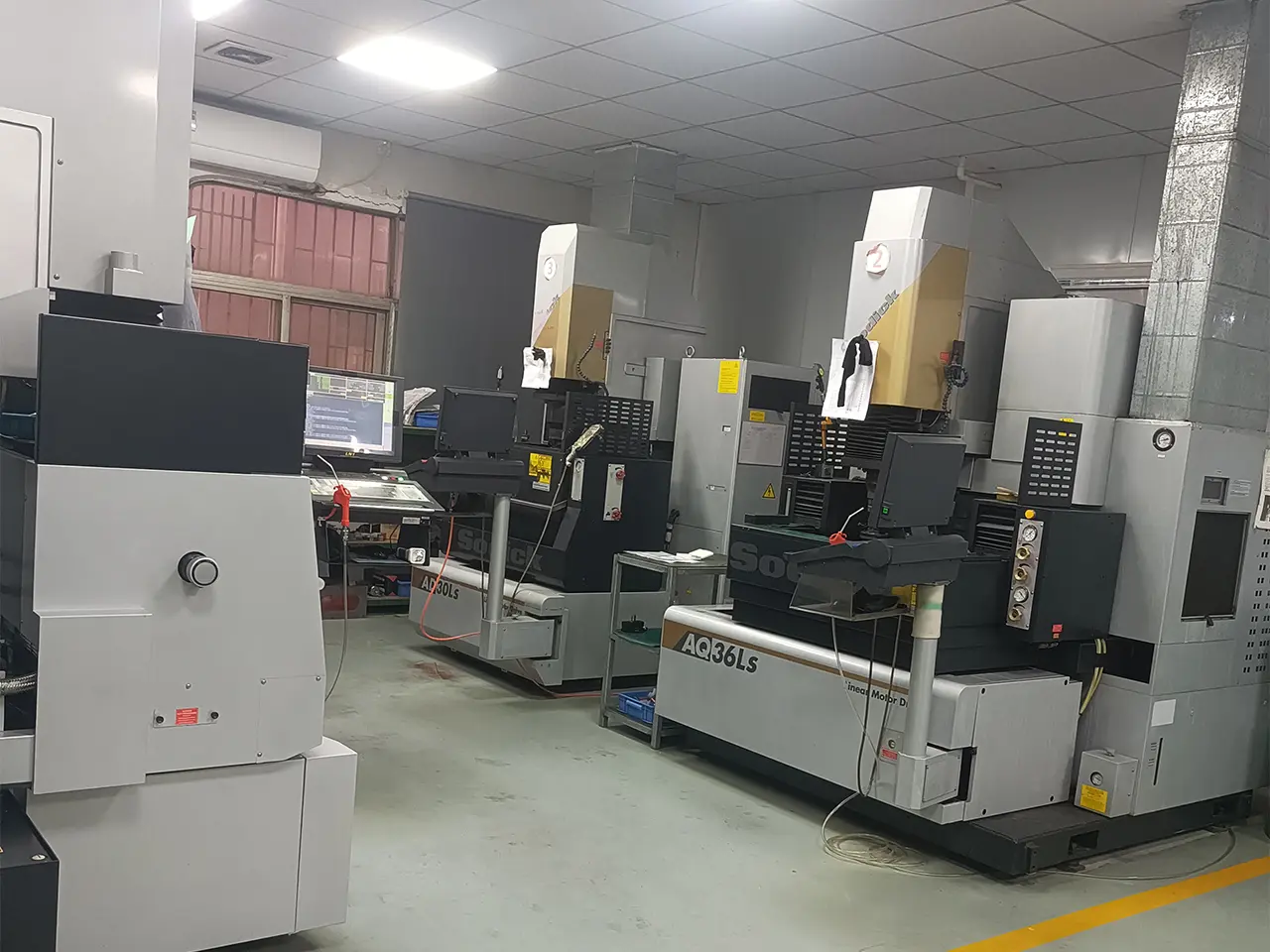
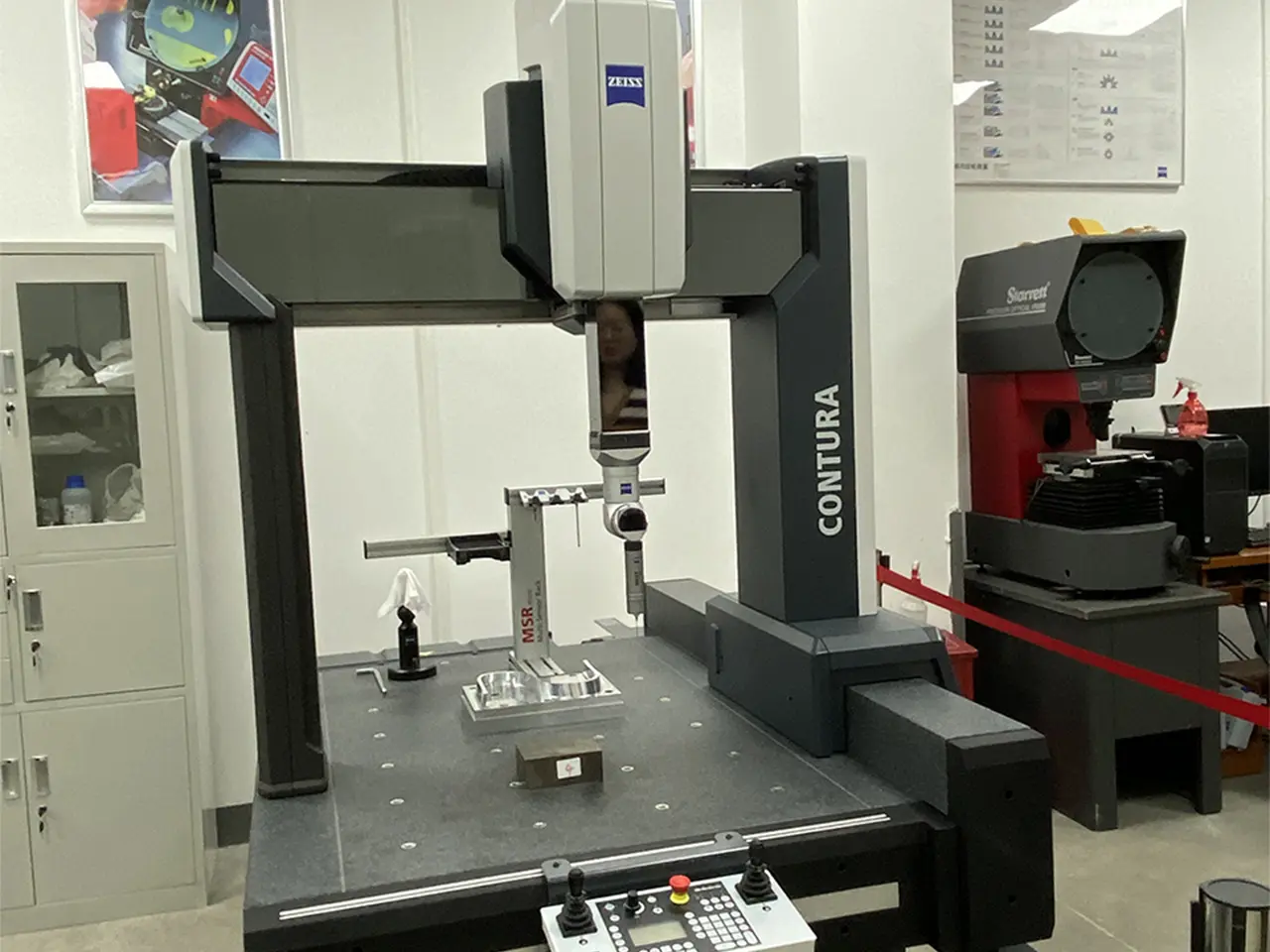
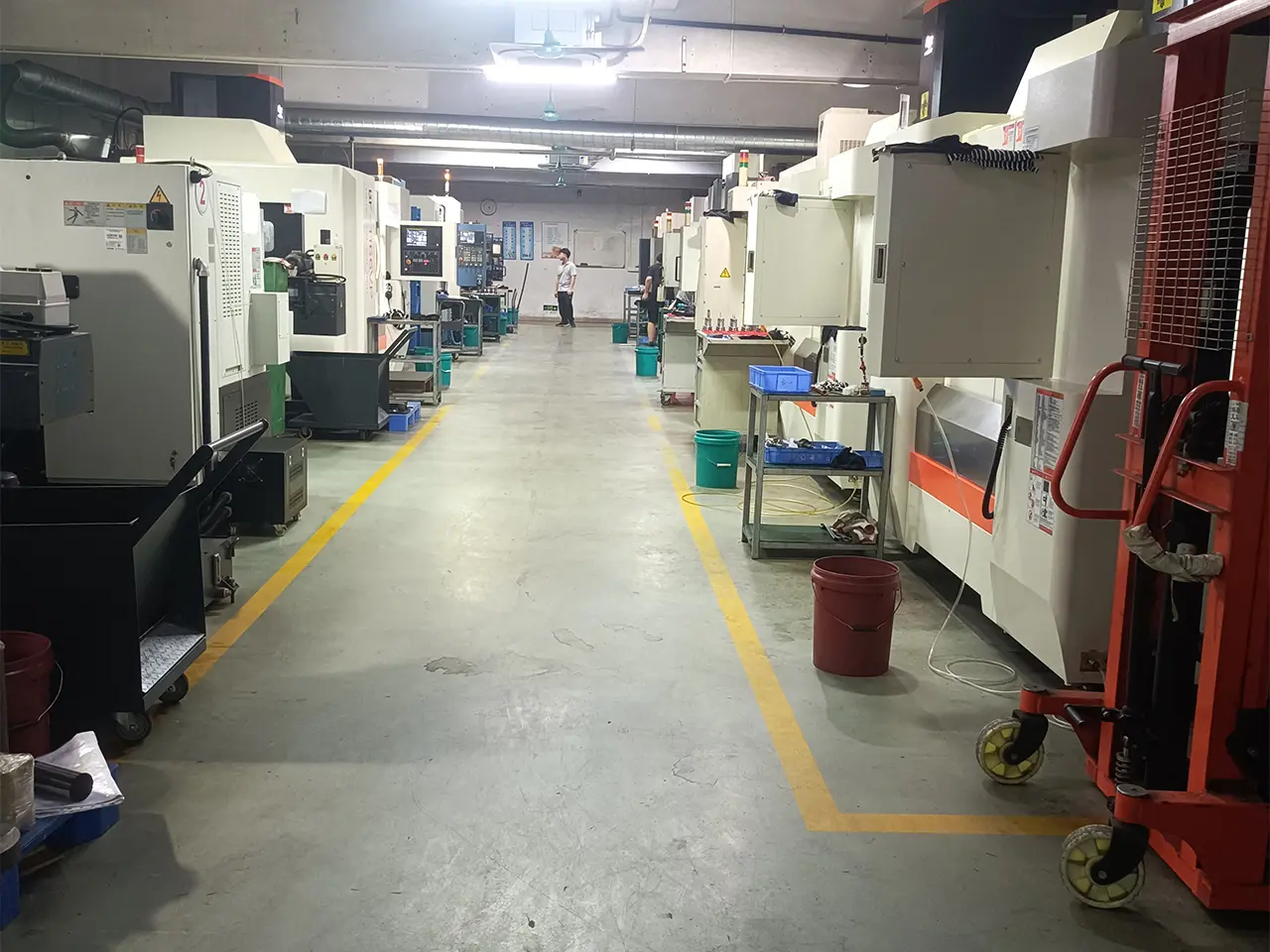
We have professional testing equipment and professional QC personnel, and we adhere to strict tolerances and quality standards for the products we produce. Due to our insistence on strict quality requirements, we have been praised by many customers.
Quality is the cornerstone of the manufacturing industry. We firmly believe that only by controlling quality well can we survive, develop, and get better and better. Therefore, we have been working in this industry unremittingly since 2014 and continue to Improve the company's team and improve the company's production capacity.
Our quality control infrastructure includes coordinate measuring machines (CMM) capable of verifying sub-micron geometries, spectrometer analyzers for raw alloy chemical verification, and non-destructive testing (NDT) capabilities such as dye penetrant and ultrasonic inspections for critical marine and aerospace castings.
Dongguan SX Technology Co.,Ltd provides comprehensive, vertically-integrated solutions tailored to specific operating environments. Whether a component operates 3,000 meters underwater or inside a high-temperature chemical reactor, our material choices and post-machining operations match the exact requirements of the application:
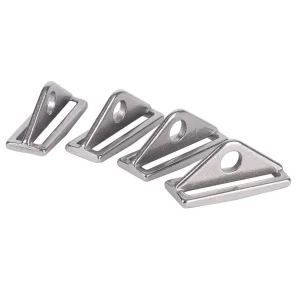
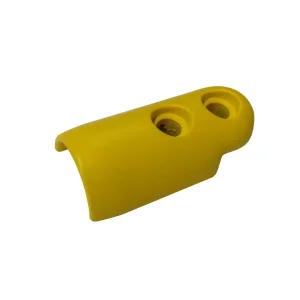
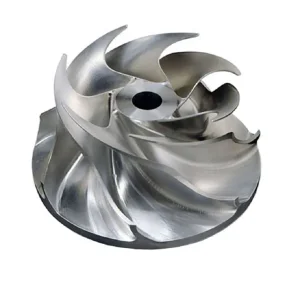
Marine environments present extreme corrosion challenges from high-salinity water. We use high-grade 316L stainless steel and titanium alloys to engineer components like bus armrest brackets, impellers, and valves. High-quality precision investment casting is essential here to prevent pitting and stress corrosion cracking.
Control valves and pumps require precise fit and dimensional stability. Our precision casting and CNC finishing processes yield valves with zero internal porosity. By maintaining precise tolerances, we eliminate dynamic seal bypass risks, reducing leak events in chemical processing lines.
Using carbon steel investment casting, we manufacture highly durable components for mechanical interfaces, daily hardware, and construction systems. Advanced heat treatments ensure these parts withstand massive mechanical loads and cycle wear, maximizing runtime in harsh outdoor conditions.
Investment casting, often called lost wax casting, is a forming process where molten metal is poured into a ceramic mold. This method is highly cost-effective for medium-to-high volume runs of complex shapes. In contrast, CNC machining is a subtractive process that carves the component directly from a solid metal block (bar stock or billet).
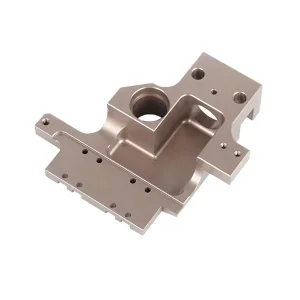
At Dongguan SX Technology Co.,Ltd, we often combine both processes. We cast components to their near-net shape and then use precision CNC machining to finish critical dimensions, such as threaded holes and mating surfaces. This hybrid method optimizes material usage and reduces costs.
Deep-sea environments require materials that can withstand high hydrostatic pressure and prevent galvanic corrosion. Titanium alloys (such as Ti-6Al-4V) provide an exceptional strength-to-weight ratio and corrosion resistance but require specialized cutting tools and slower machining feeds. Superalloys and Duplex Stainless Steels also offer excellent performance but increase manufacturing costs due to higher tool wear. For cost-effective solutions in less critical areas, high-grade 316L stainless steel provides reliable performance at a lower material cost.
For custom precision CNC machining, we routinely hold linear tolerances of ±0.005 mm (5 microns) on critical geometries, and geometric tolerances (circularity, flatness, runout) to specification. For investment casting, our tolerances align with international standard ISO 8062 CT5 to CT7 ranges. Critical dimensions are finished with secondary CNC turning or milling to meet precise design tolerances.
We source raw materials from verified, ISO-certified suppliers. Every batch of material—whether stainless steel, carbon steel, titanium, or aluminum alloy—is received with Mill Test Reports (MTRs). We also conduct in-house chemical verification using optical emission spectrometers to guarantee the alloy composition matches the required specification before production begins.
 SX Machining