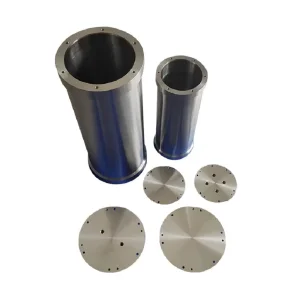
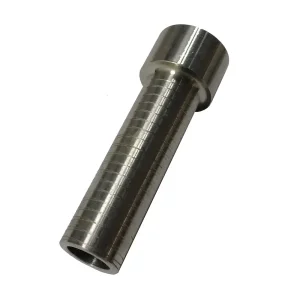
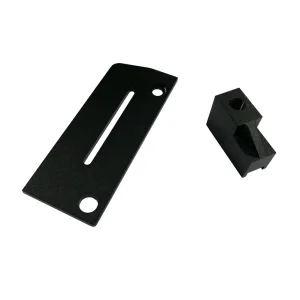
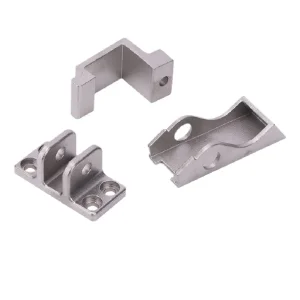
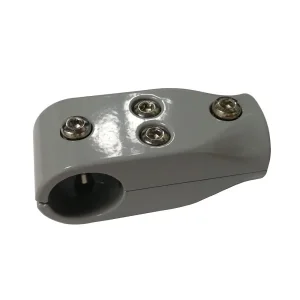
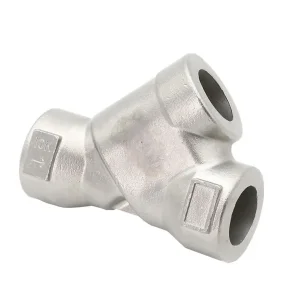
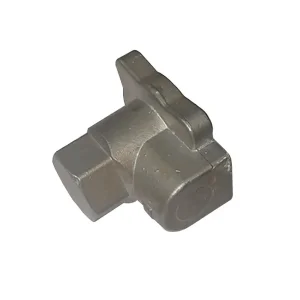
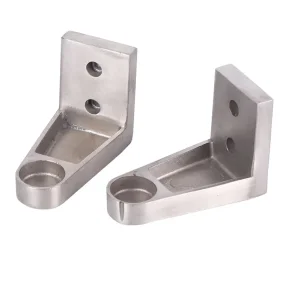
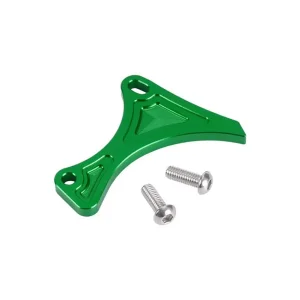
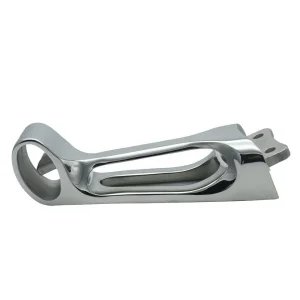
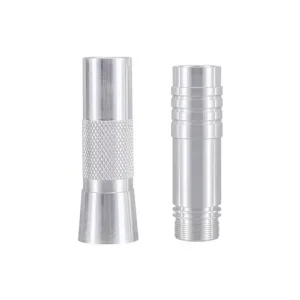
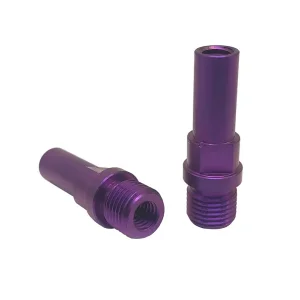
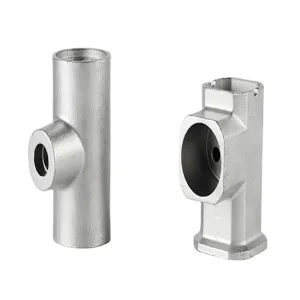
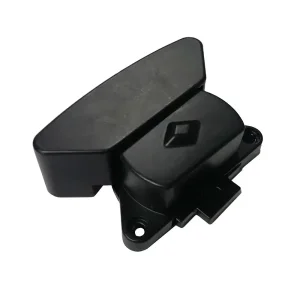
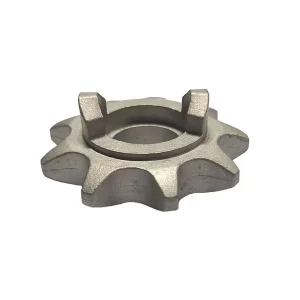
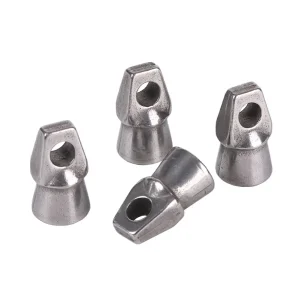
Explore our high-performance component capabilities, showcasing engineering expertise from extreme deep-sea applications to highly custom industrial components.
Stainless steel is highly valued for its excellent corrosion resistance, mechanical strength, and aesthetic appeal. However, machining these alloys poses significant challenges, particularly due to their work-hardening characteristics, low thermal conductivity, and high ductility. Selecting the appropriate grade—whether austenitic (e.g., 304, 316), martensitic (e.g., 410, 420), precipitation-hardening (e.g., 17-4 PH), or duplex—is critical to achieving optimal tool life, dimensional stability, and production efficiency.
Austenitic grades, notably 316, contain molybdenum to enhance resistance to pitting and crevice corrosion in chloride environments. Martensitic steels offer high hardness and strength but require precise heat-treatment control to prevent distortion during machining. Success depends on maintaining rigid machine setups, utilizing specialized tool geometries, and applying high-pressure coolant to mitigate heat buildup at the cutting zone.
When cutting stainless steel, the dynamic shearing action generates substantial localized thermal stress. Standard cutting tools can suffer from built-up edge (BUE) formation, causing micro-chipping and poor surface finish. By utilizing sub-micron grain carbide substrates coated with multi-layered Titanium Aluminum Nitride (TiAlN) or AlTiN, we significantly prolong tool life and ensure consistent geometric accuracy.
Additionally, managing cutting parameters—specifically maintaining a steady feed rate to stay ahead of the work-hardened zone—is vital. Combined with rigid tool-holding systems like shrink-fit or hydraulic chucks, these methods eliminate micro-vibrations, yielding surface roughness values (Ra) below 0.4 microns directly from the machine.
Custom CNC machined stainless steel parts are vital components across highly demanding global industries, each presenting unique engineering and operational challenges.
Deep-sea environments present severe challenges due to high hydrostatic pressures and corrosive chloride ions. We utilize duplex (e.g., 2205) and super duplex stainless steels to produce subsea valves, oil-gas connectors, and specialized sensor housings. These materials resist pitting, stress corrosion cracking, and galvanic corrosion under extreme conditions.
Biocompatibility, durability, and sterilization resistance are critical requirements in the medical sector. Grade 316L and 17-4 PH stainless steels are widely used for surgical instruments, orthopedic implants, and laboratory automation systems. Our high-precision manufacturing ensures clean, defect-free surface finishes that meet strict hygienic standards.
Industrial chemical processing and municipal water networks rely on high-precision fluid control components. Our custom CNC-milled valve bodies, flanges, manifolds, and impellers are designed to withstand continuous abrasive wear and corrosive chemical contact, minimizing downtime and maintenance costs.
As manufacturing standards evolve towards Industry 4.0, our technological roadmap integrates advanced machining methods, automation, and data-driven process controls.
Consolidating setups by executing milling and turning in a single operations cycle. This minimizes structural misalignment, lowers stack-up tolerances, and reduces cycle times for complex geometries.
Implementing adaptive control software to monitor cutting loads in real-time. By adjusting feed rates dynamically based on tool wear indicators, we maintain consistent surface finishes and prevent unexpected tool failures.
Combining 3D metal printing with high-precision finish CNC machining. This hybrid workflow supports the production of complex components, reduces raw material waste, and shortens development times for custom parts.
Based in Dongguan, Guangdong Province—a leading global manufacturing hub—our facility leverages a highly integrated industrial ecosystem. The local supply chain provides access to raw materials, surface treatment specialists, and logistics infrastructure, allowing us to source materials and process parts with minimal lead times.
This concentration of industry resources provides key advantages:
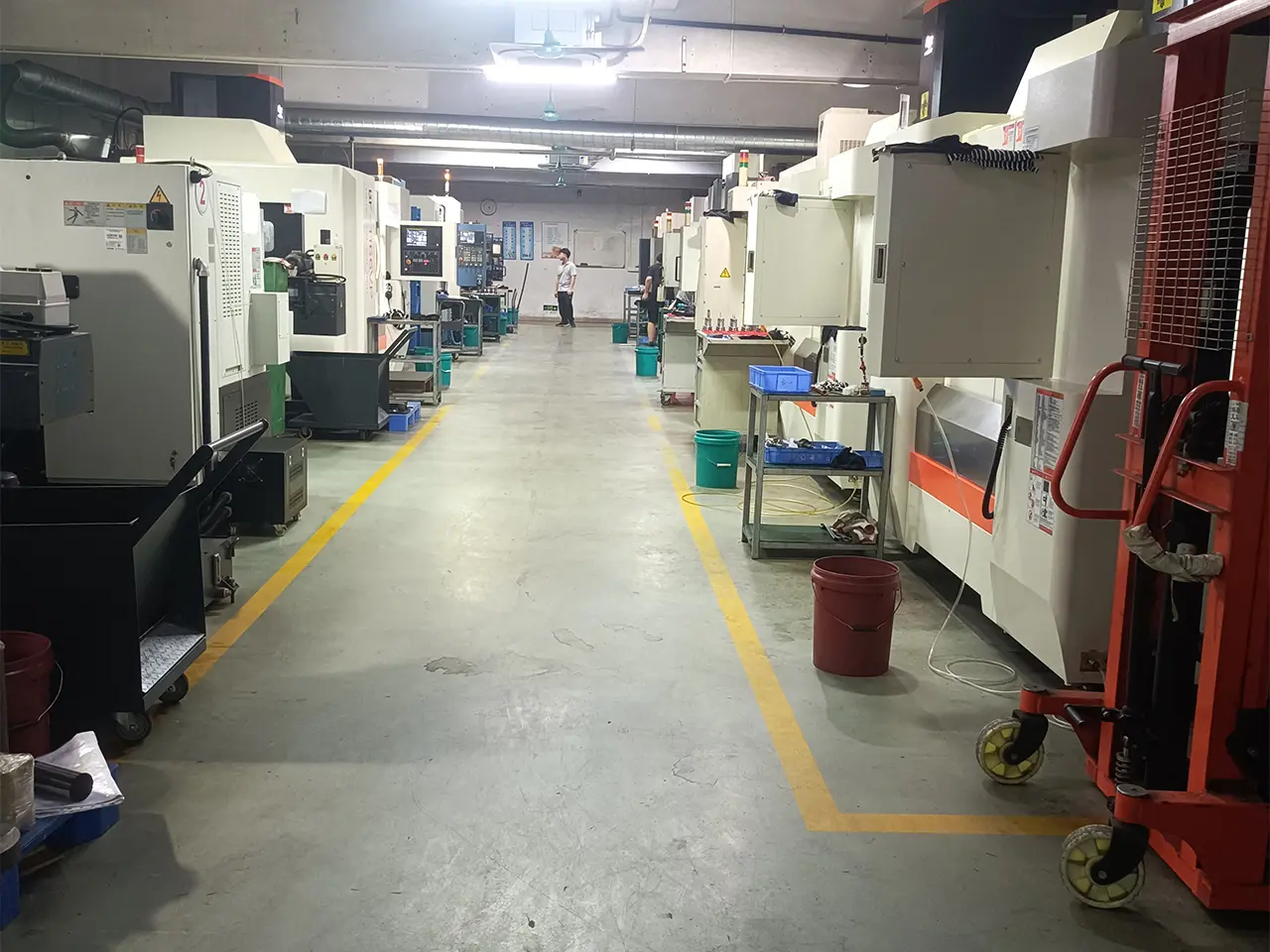
Manufacturing efficiency in China extends beyond low labor costs to include high process integration, rapid prototyping, and scalable operations. We utilize advanced multi-axis CNC machines and automated workflows to maintain tight dimensional tolerances and competitive cost structures.
Additionally, modern logistics networks and simplified export procedures ensure fast transit to major industrial regions in North America, Europe, and Asia-Pacific.
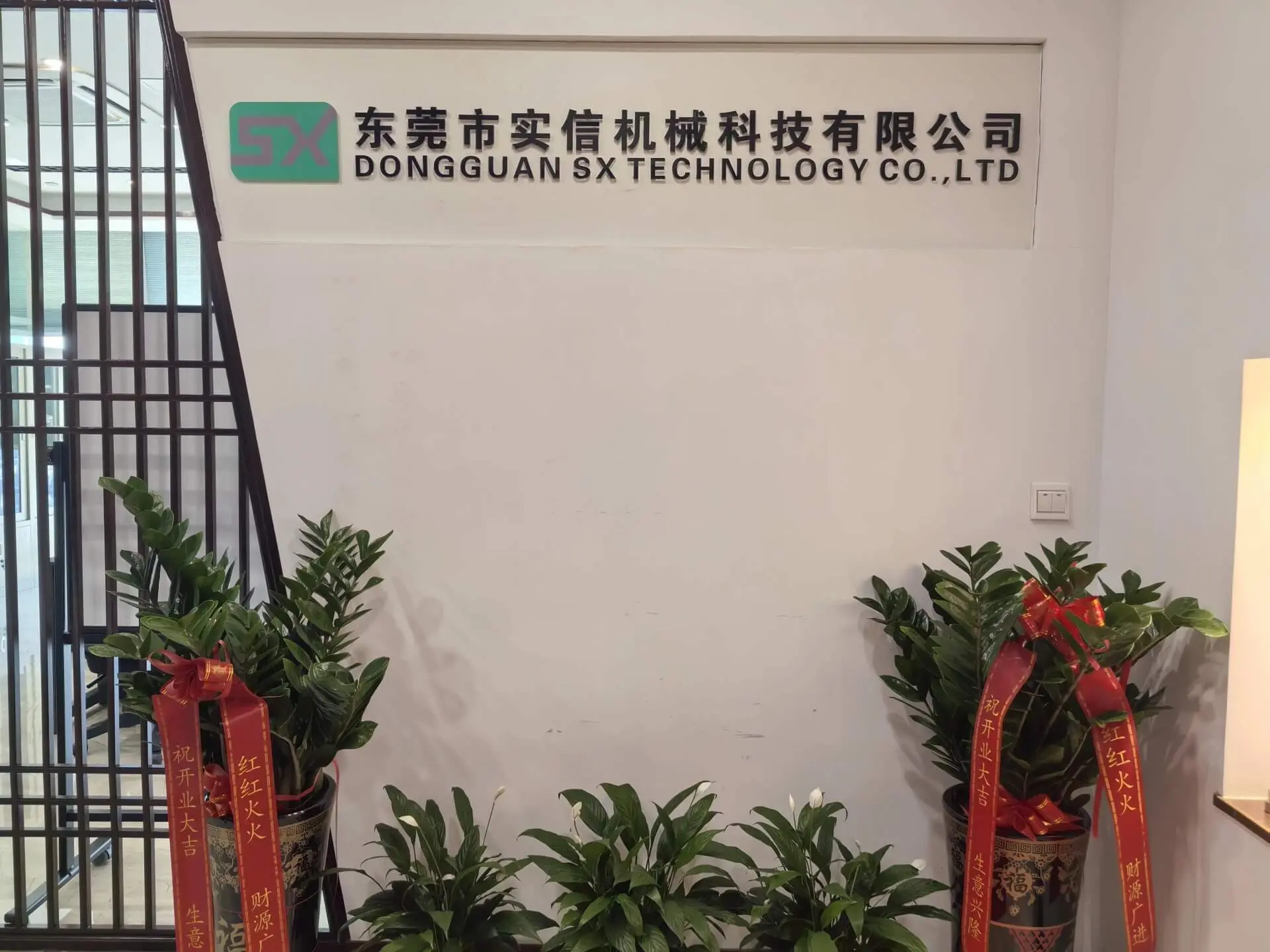
Dongguan SX Technology Co.,Ltd has very rich experience in precision casting, CNC machining and assembly. Our products are used in machinery, automobiles, marine, ships, equipment, valves and pumps, electronic appliances, packaging, watches, construction, chemical industry and other industries. The most commonly used materials for investment casting are stainless steel and carbon steel. And the most commonly used materials for CNC machining include titanium alloy, stainless steel, carbon steel, aluminum alloy, copper alloy, cemented carbide, etc.
We have advanced manufacturing equipment and technology and are able to respond quickly to your needs.
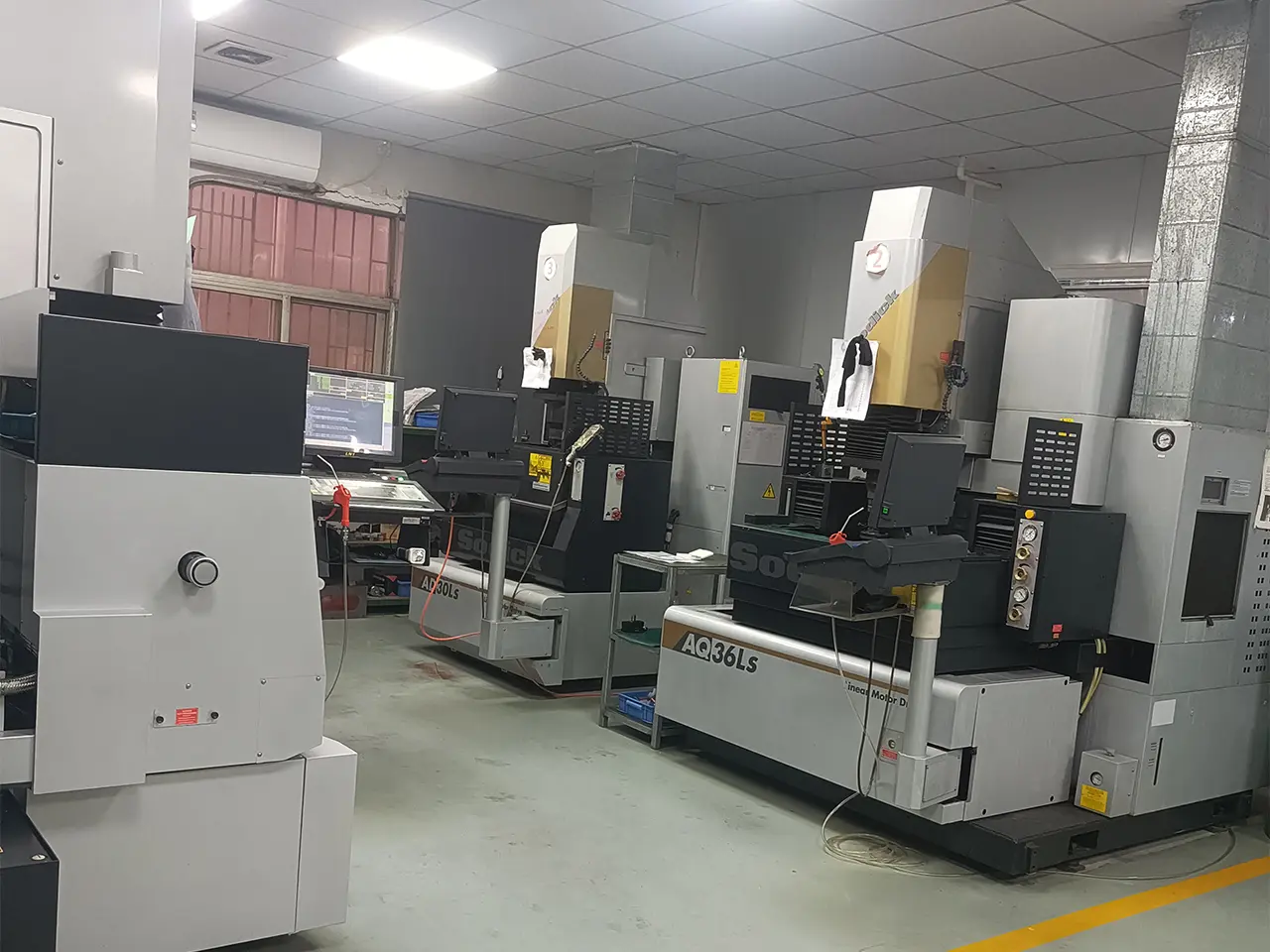
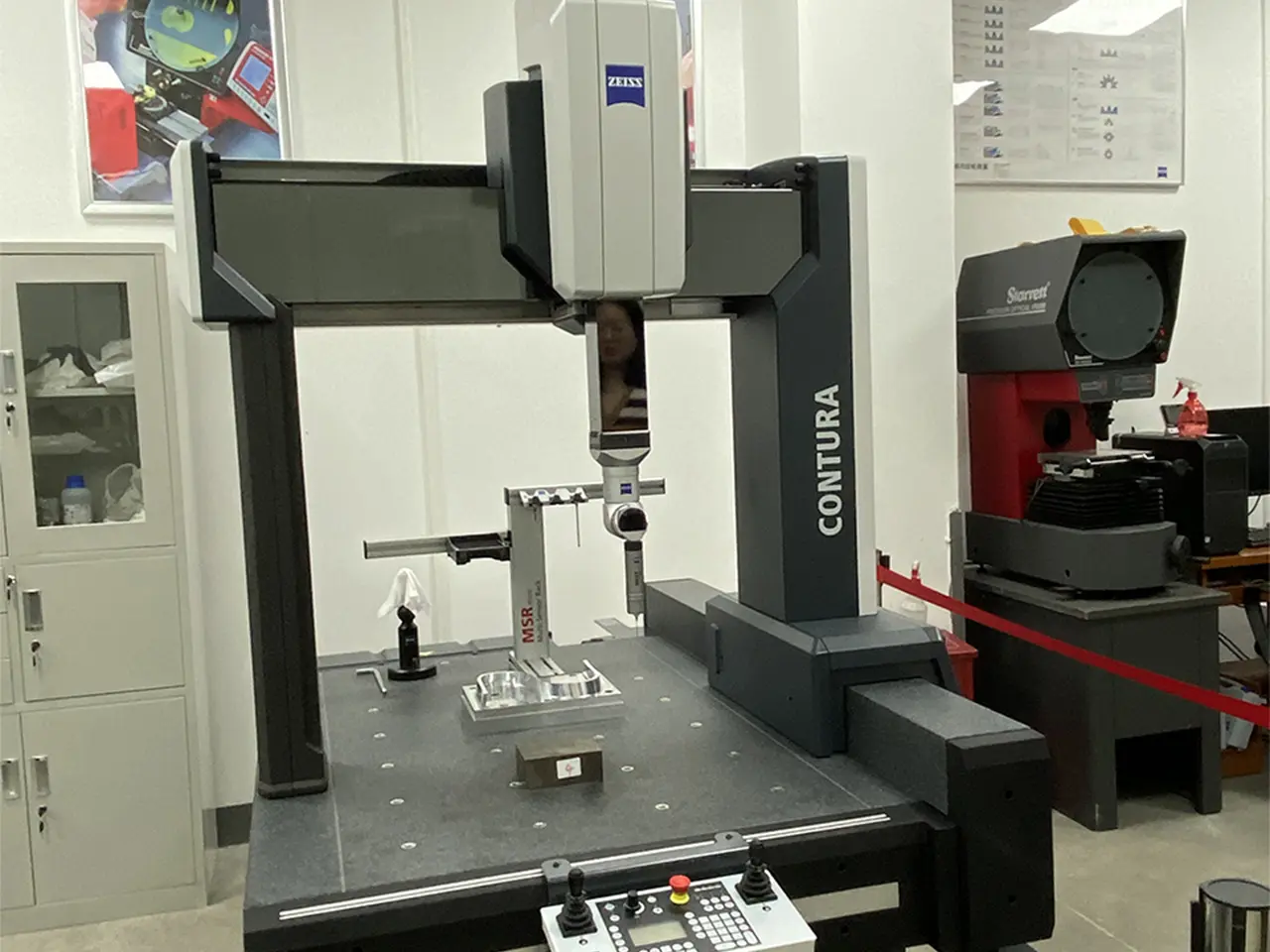

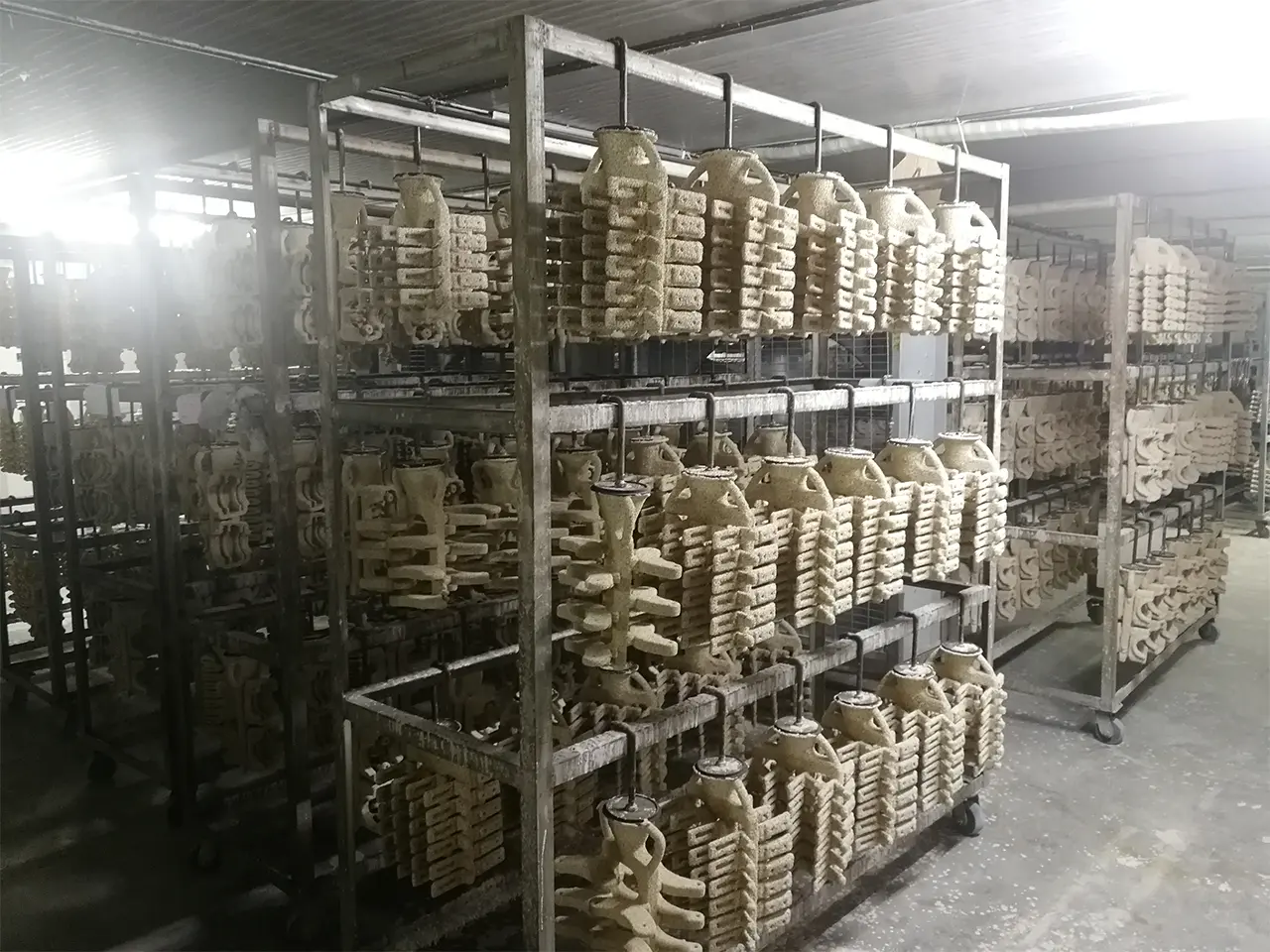
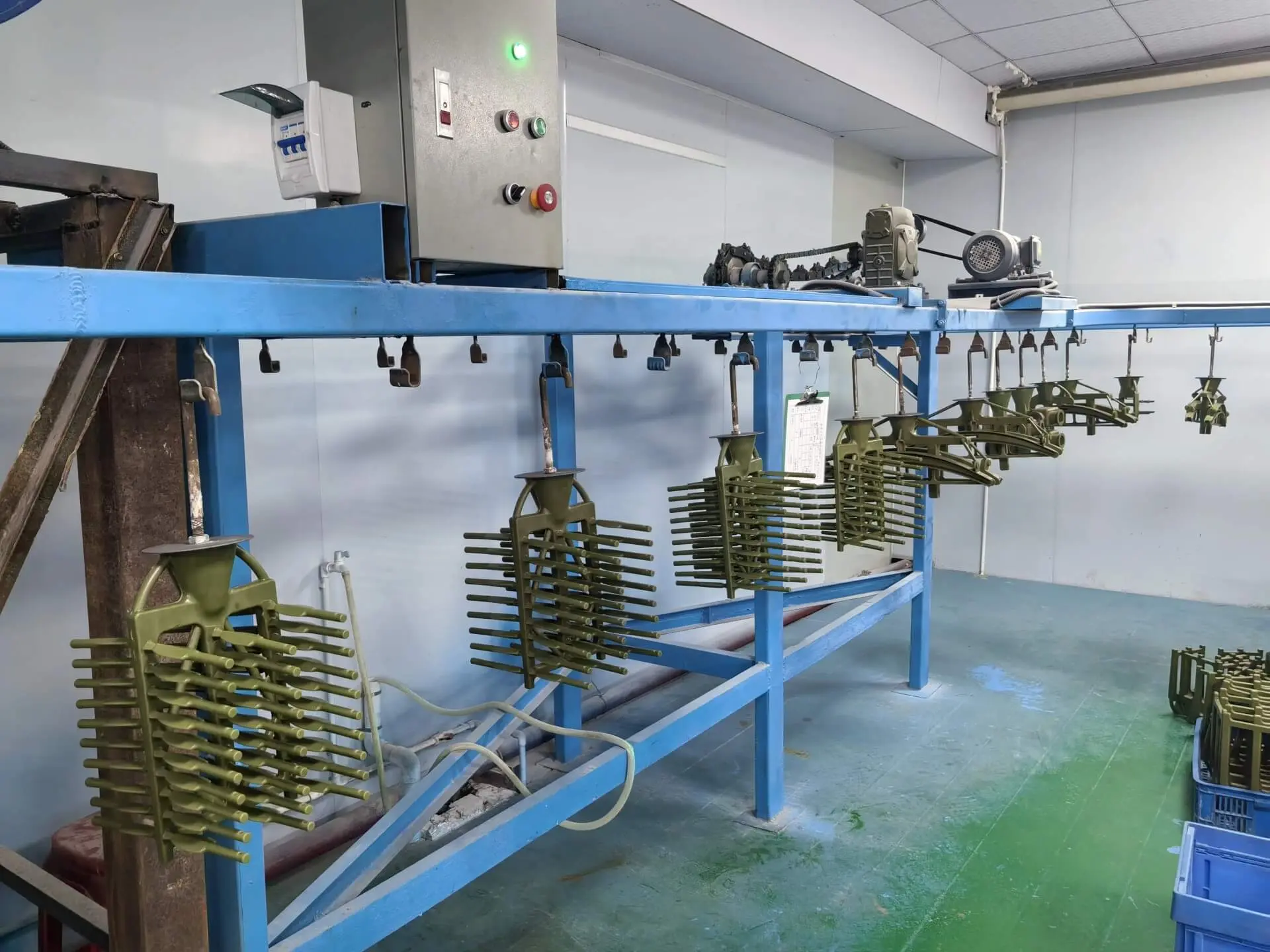
We have professional testing equipment and professional QC personnel, and we adhere to strict tolerances and quality standards for the products we produce. Due to our insistence on strict quality requirements, we have been praised by many customers.
Quality is the cornerstone of the manufacturing industry. We firmly believe that only by controlling quality well can we survive, develop, and get better and better. Therefore, we have been working in this industry unremittingly since 2014 and continue to Improve the company's team and improve the company's production capacity.
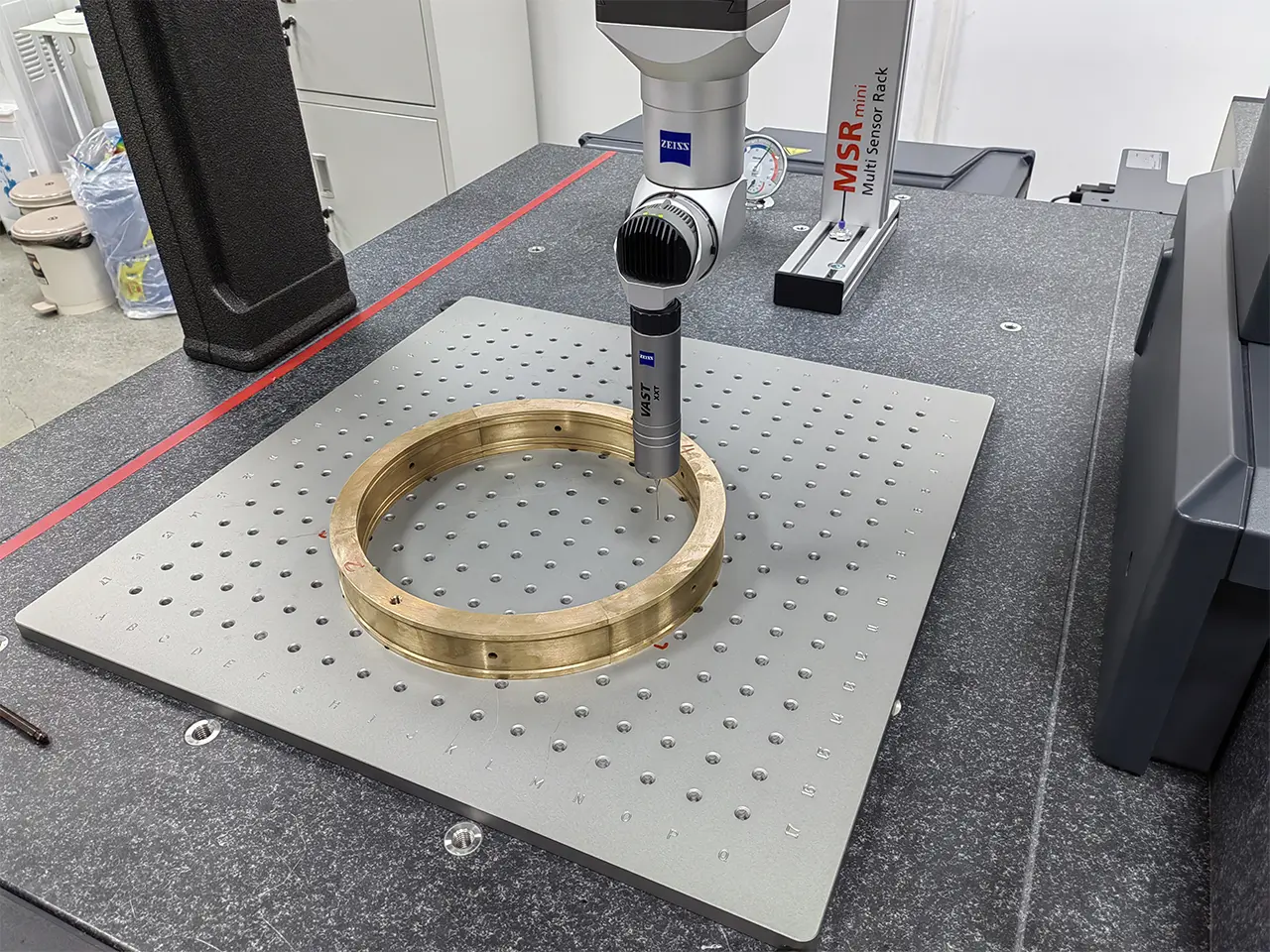
Operating in a highly regulated global marketplace requires adherence to international quality management and environmental compliance standards.
Our products comply with relevant international directives, including RoHS (Restriction of Hazardous Substances) and REACH. We maintain traceability throughout our material supply chain, providing certified Mill Test Reports (MTRs) and chemical analysis documentation for all shipments.
We provide engineering support to optimize designs for manufacturability (DFM). By reviewing CAD models and 2D prints during the quoting phase, our team helps identify opportunities to reduce machining cycle times, optimize tool access, and minimize scrap rate.
We offer flexible shipping options, including air freight for prototyping and sea freight for high-volume production. To support supply chain operations, we accommodate various delivery terms such as FOB, CIF, DDU, and DDP, assisting with customs clearance and import documentation.
Explore the rest of our custom precision catalog, featuring titanium alloy components, investment castings, and specialized automotive and marine hardware.
 SX Machining