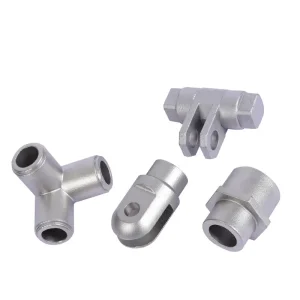
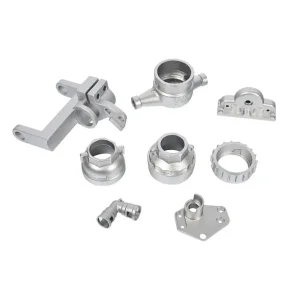
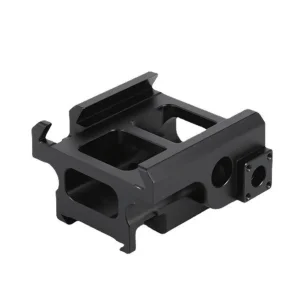
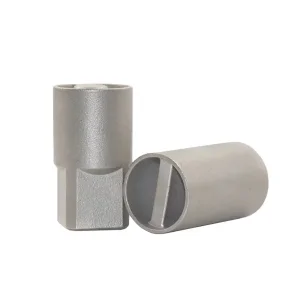
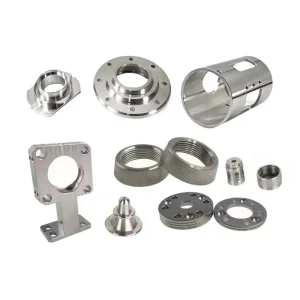
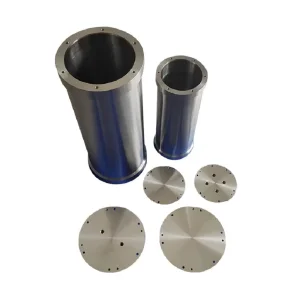
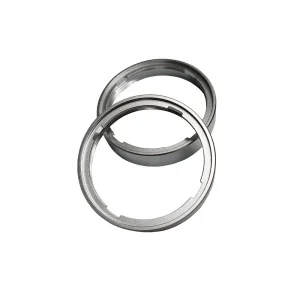
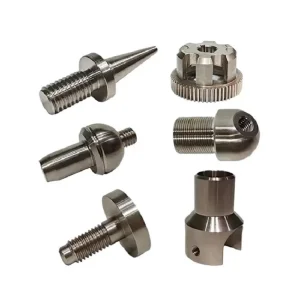
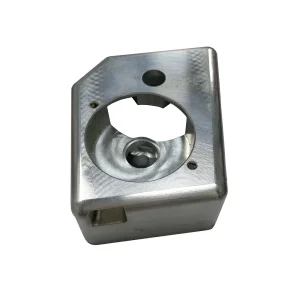
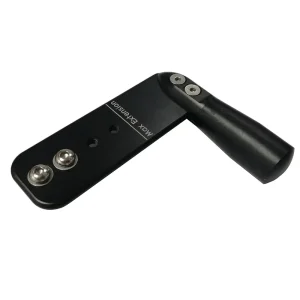
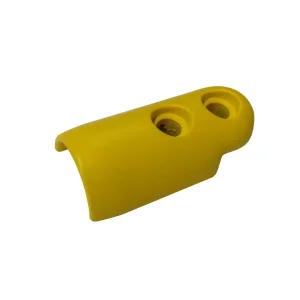
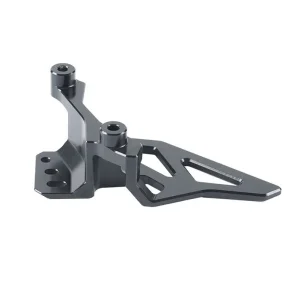
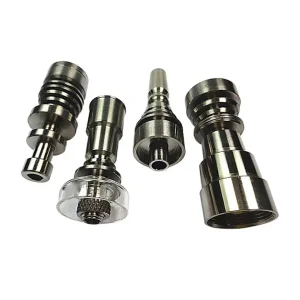
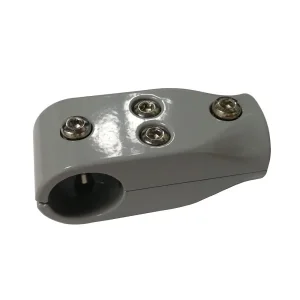
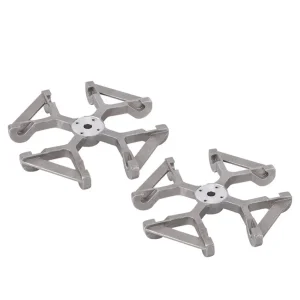
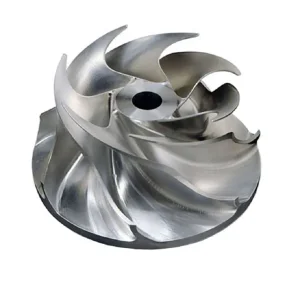
Explore our primary precision casting and high-performance CNC machined components manufactured under rigorous quality systems.
A comprehensive analysis of precision investment casting mechanics, metallurgical parameters, and manufacturing optimizations.
In modern industrial engineering, Lost Wax Casting (often referred to as investment casting) represents a cornerstone for generating complex, near-net-shape metal parts that demand exceptional dimensional accuracy and superior surface finishes. The physics of this process involves creating a sacrificial wax pattern, coating it with a high-grade ceramic slurry to form a rigid mold cavity, melting out the wax, and pouring molten alloys into the preheated refractory matrix.
For global OEMs across fields like aerospace, marine structures, and high-pressure chemical fluid control, the choosing of custom lost wax casting manufacturers is not just about price. It is about understanding metallurgical integrity, managing shrinkage tolerances (typically meeting ISO 8062 CT4 to CT6 standards), and optimizing the grain structure of the solidifying metal to prevent micro-porosity and internal stress fractures.
With advanced digital design workflows, simulation software acts as a core pre-production step. Solidification analysis helps engineers foresee shrinkage cavities, air entrapments, and thermal cracking spots before pouring. This proactive design evaluation ensures that critical mechanical properties, such as ultimate tensile strength and elongation metrics, are fully satisfied.
Dongguan SX Technology Co.,Ltd has very rich experience in precision casting, CNC machining and assembly. Our products are used in machinery, automobiles, marine, ships, equipment, valves and pumps, electronic appliances, packaging, watches, construction, chemical industry and other industries.
The most commonly used materials for investment casting are stainless steel (such as CF8, CF8M, Duplex steels) and carbon steel (WCB, LCC). And the most commonly used materials for CNC machining include titanium alloy, stainless steel, carbon steel, aluminum alloy, copper alloy, cemented carbide, etc. We have advanced manufacturing equipment and technology and are able to respond quickly to your needs.
By blending our foundry operations with state-of-the-art multi-axis CNC milling and turning centers, we eliminate intermediate supply chain layers. This vertical integration allows us to deliver fully-finished cast components with tight-tolerance matching features directly to assembly lines worldwide.
An in-depth look at our metallurgical options, casting tolerances, and precision finishing capabilities.
We process a broad spectrum of structural alloys. Stainless steels (304, 316, 316L, 17-4 PH) offer anti-corrosion protection in marine and chemical setups. Carbon steels provide cost-efficient load-bearing properties. Specialist alloys, including titanium (Ti-6Al-4V) and cobalt-chrome, are available for deep-sea and aerospace uses.
For applications where raw-cast tolerances are insufficient, our CNC workshop provides precision finishing. Utilizing multi-axis CNC mills and high-speed lathes, we achieve critical feature positioning up to ±0.005 mm, ensuring perfect fits for bearing seats, sealing surfaces, and threaded interfaces.
We combine raw material sourcing, chemical composition testing, mold tooling fabrication, casting, heat treatment, surface finishing, and custom machining. By executing these processes under a single unified quality system in Dongguan, we minimize lead times and logistical expenses.
| Casting Parameter | Silica Sol Process | Water Glass Process | Secondary Finishing (CNC) |
|---|---|---|---|
| Dimensional Tolerance | ISO 8062 CT4 - CT6 | ISO 8062 CT7 - CT9 | Up to ±0.005 mm (GD&T compliant) |
| Surface Roughness (Ra) | 3.2 μm to 6.3 μm | 6.3 μm to 12.5 μm | Down to 0.4 μm |
| Weight Range | 0.01 kg to 50 kg | 1.0 kg to 150 kg | N/A (machined features) |
| Wall Thickness (Min) | 1.5 mm | 3.0 mm | No structural limit |
| Applicable Alloys | Stainless Steels, Titanium, Superalloys | Carbon Steels, Low Alloy Steels | All cast metals, non-ferrous, plastics |
How localized industrial clusters in China translate into speed, quality, and economic efficiency for global buyers.
Dongguan is recognized as a global manufacturing hub. The proximity of alloy suppliers, tooling workshops, heat-treatment facilities, and surface treatment specialists creates a highly efficient manufacturing environment. This industrial cluster reduces logistics lag. Material testing labs, standard hardware suppliers, and shipping forwarders operate within a 15-mile radius, allowing us to accelerate production cycles.
For custom investment casting, this environment enables fast tooling modifications and sample turnarounds. When design adjustments are required, tooling revisions can be completed and new samples cast within days, compared to the weeks or months required in less integrated supply chains.
Our raw material sourcing benefits from large volume purchases within the Chinese market, keeping costs stable and competitive. In addition, the deep pool of skilled mechanical engineers, casting technicians, and CNC program operators allows us to scale production up or down. Whether you require small-batch prototyping or high-volume runs of tens of thousands of units, our facility manages production schedules to match your demand fluctuations.
By using localized raw material verification protocols alongside Western equivalent grading systems (ASTM, DIN, JIS), we ensure that your cost advantages do not compromise mechanical performance or material purity.
Addressing the challenges of cross-border manufacturing, quality compliance, and logistics logistics.
We provide comprehensive material test reports (MTRs) for every batch, confirming chemical composition and mechanical properties like yield strength, tensile strength, and elongation against international standards.
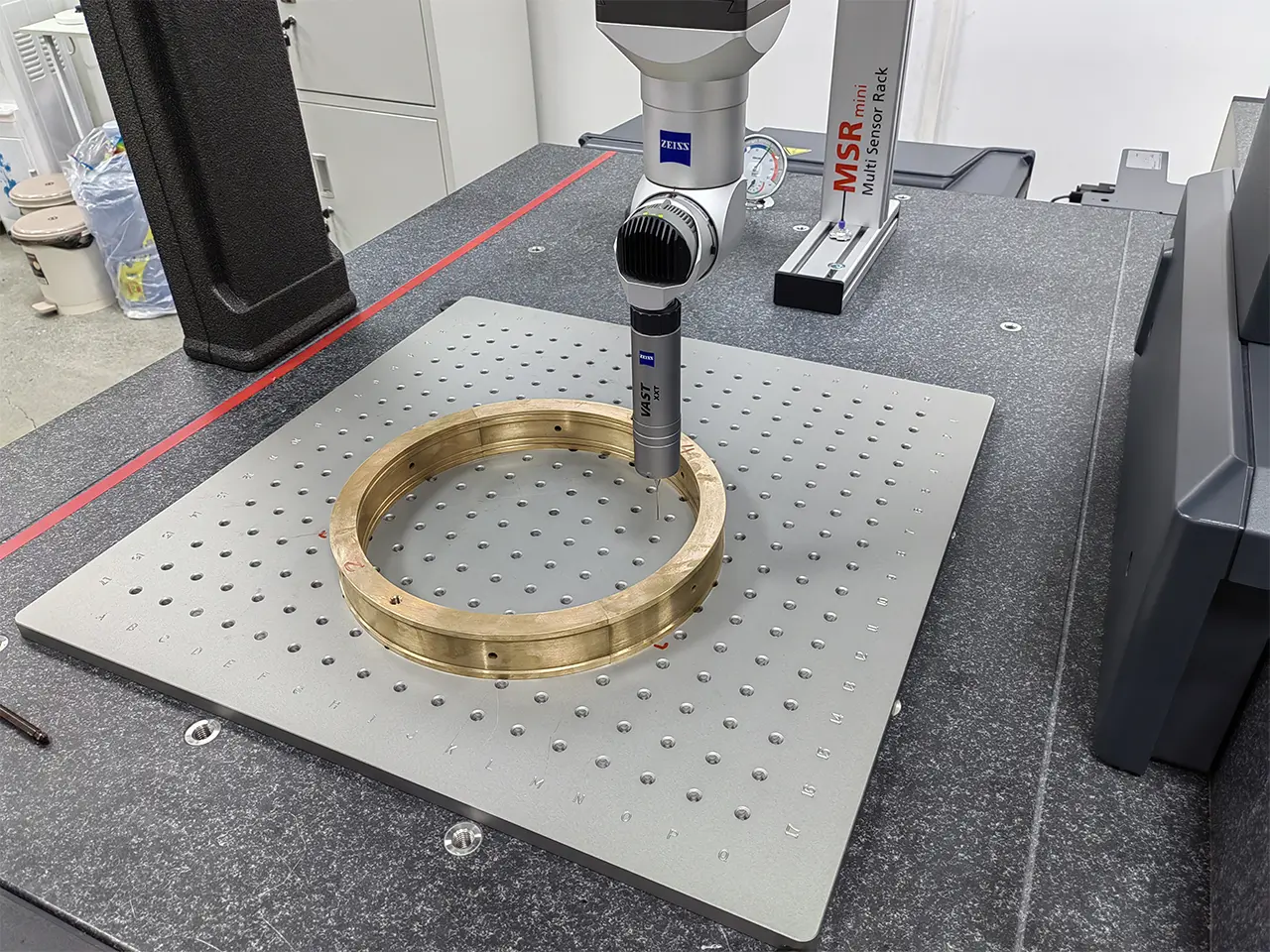
Using coordinate measuring machines (CMM), optical comparators, and air gauges, we inspect critical dimensions and supply full inspection reports, keeping defects to a minimum before shipping.
We coordinate packaging, rust prevention, export documentation, and shipping methods (ocean freight, air freight, or express delivery) to ensure components arrive at your facility in ready-to-use condition.
We use strict internal security protocols to protect your proprietary CAD drawings, design models, and production molds, safeguarding your intellectual property throughout the manufacturing process.
How our casting and machining processes are engineered to satisfy the rigorous technical demands of diverse industrial applications.
Challenge: Exposure to chloride-rich environments leads to crevice corrosion and pitting in standard alloys.
Solution: We utilize duplex stainless steels (e.g., 2205, 2507) and titanium alloys processed via silica sol casting. Post-cast passivation treatments ensure long-term durability in deep-sea installations and marine propulsion units.
Challenge: Heavy vibrations, temperature changes, and fatigue stresses in structural frames.
Solution: We supply heat-treated carbon and low-alloy steel castings with optimized grain structures. Testing protocols like ultrasonic and magnetic particle testing verify structural integrity before installation.
Challenge: High heat dissipation needs and thin-walled structures for communication enclosures.
Solution: We combine precision thin-wall casting with 5-axis CNC machining of copper and aluminum alloys, creating functional heatsinks and EMI shielding housings with tight tolerances.
A tour of our manufacturing floor, showcasing raw material storage, mold making, dewaxing, pouring, and finishing areas.
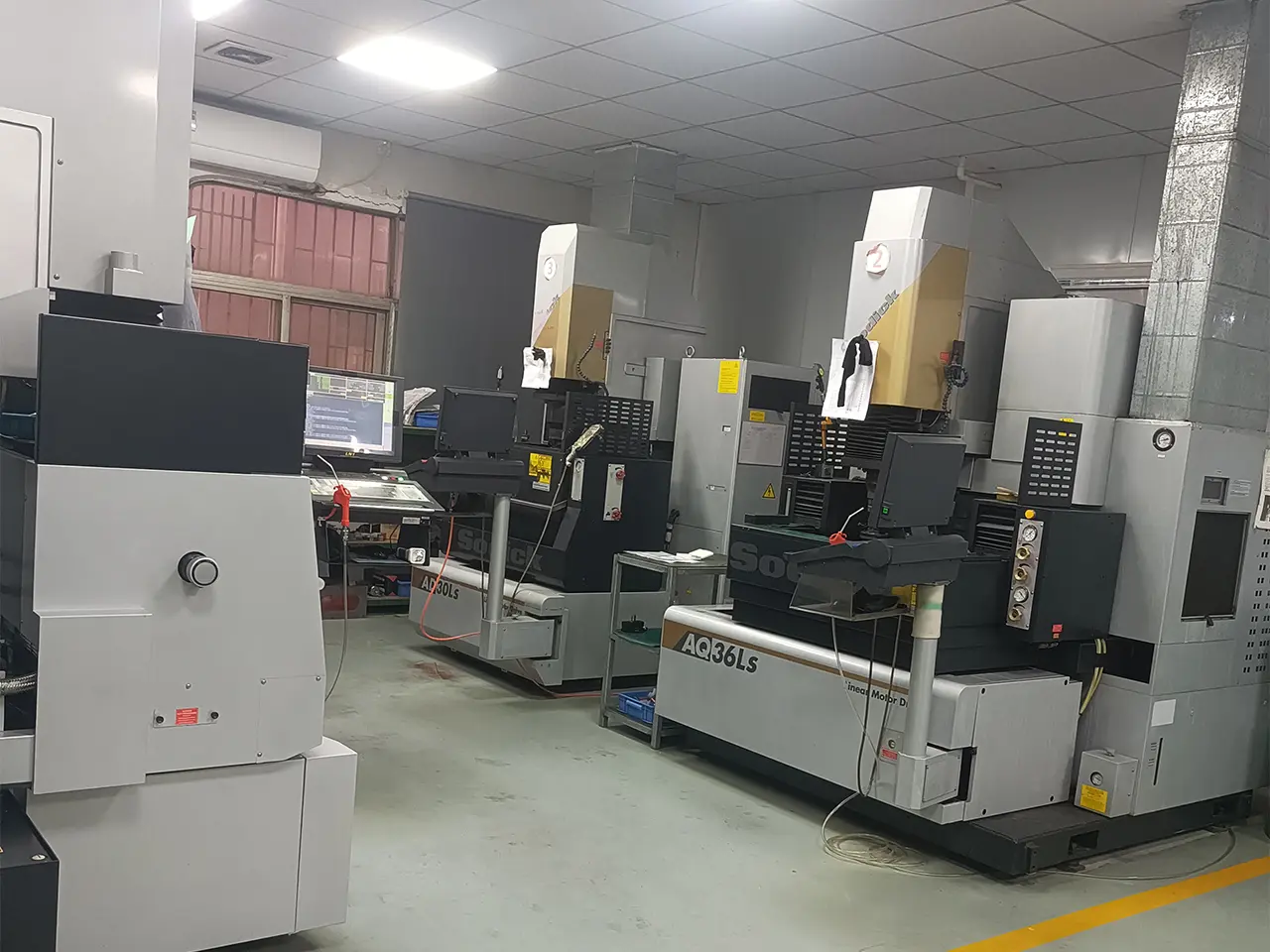
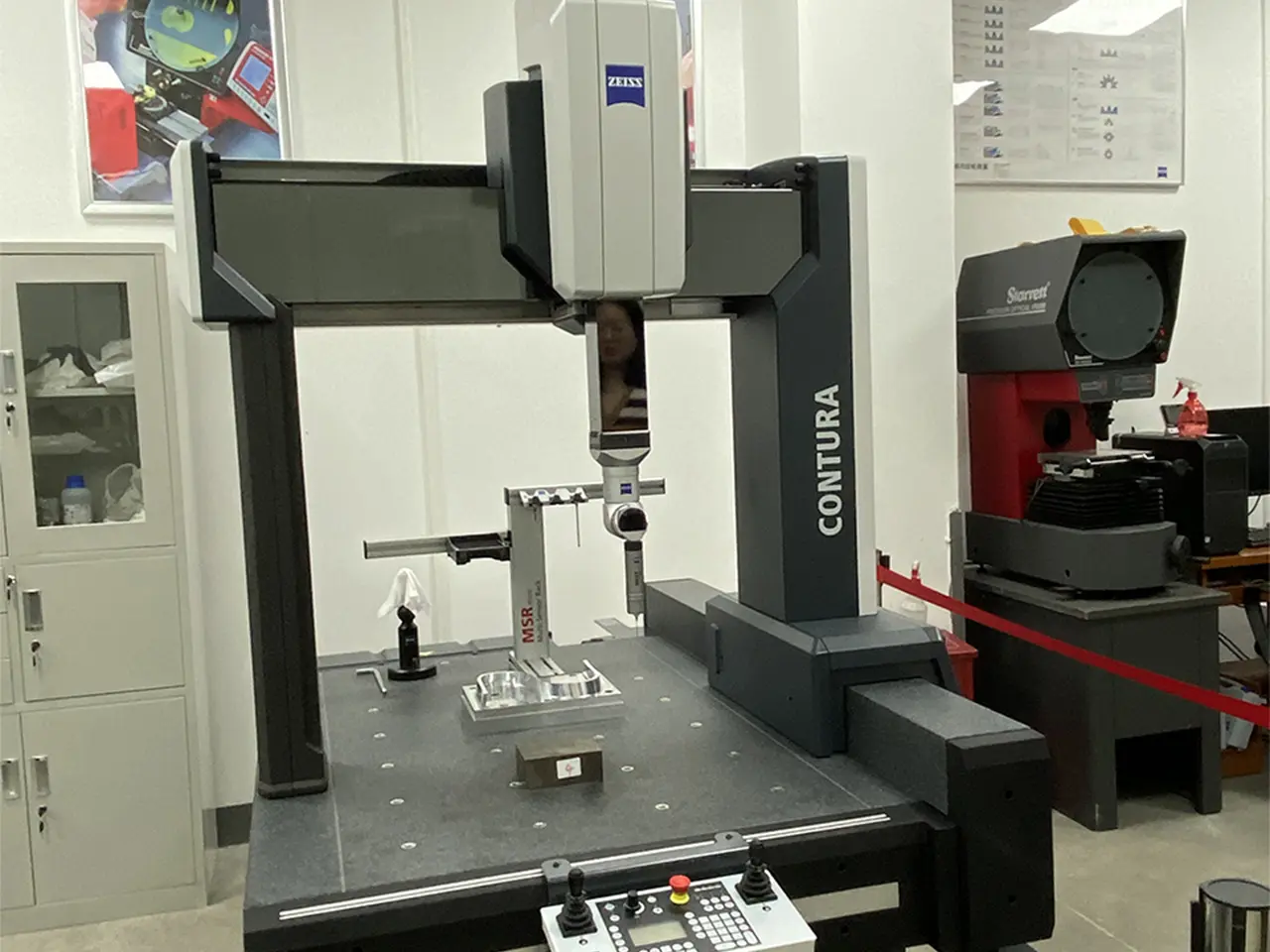
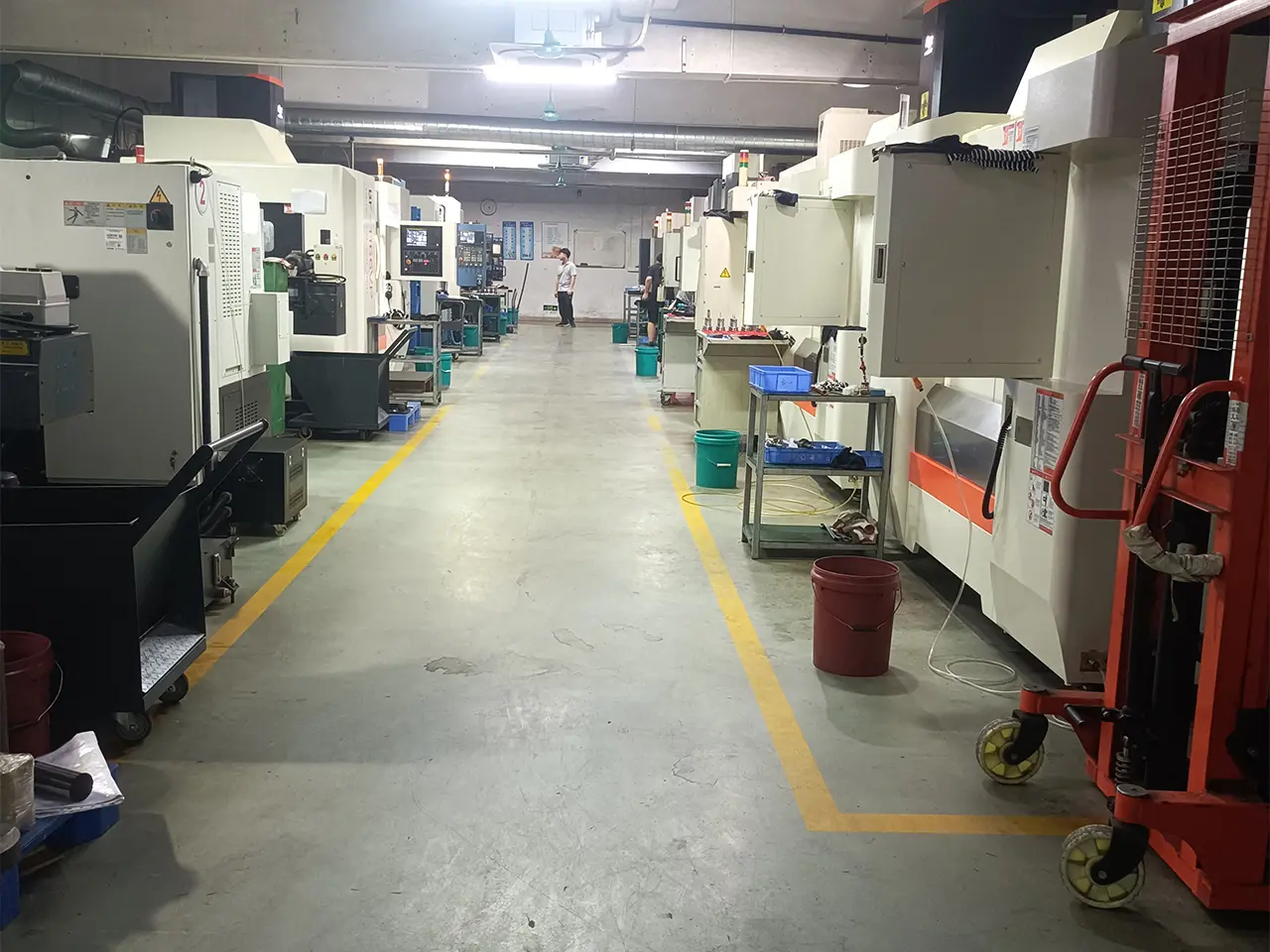
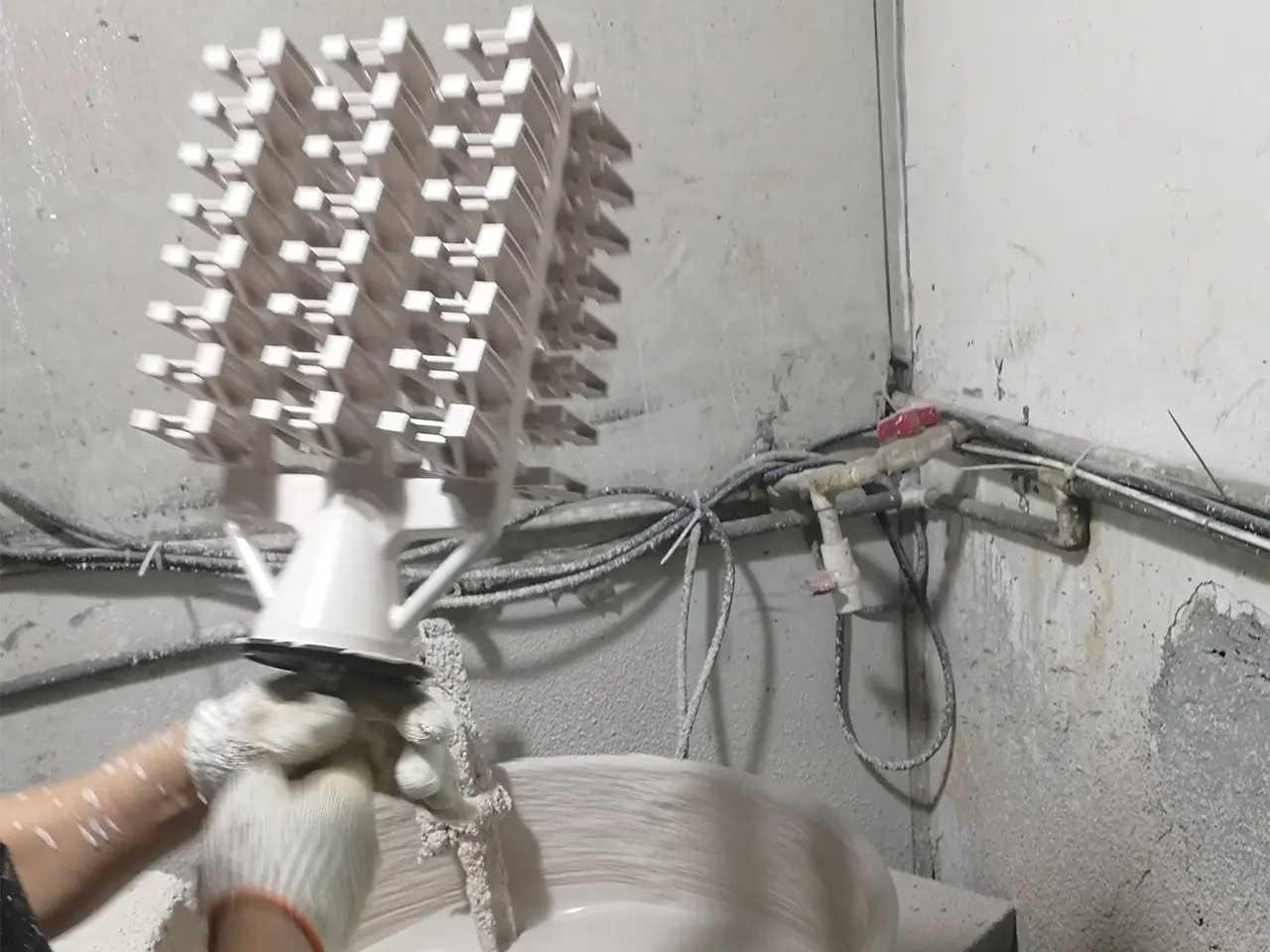
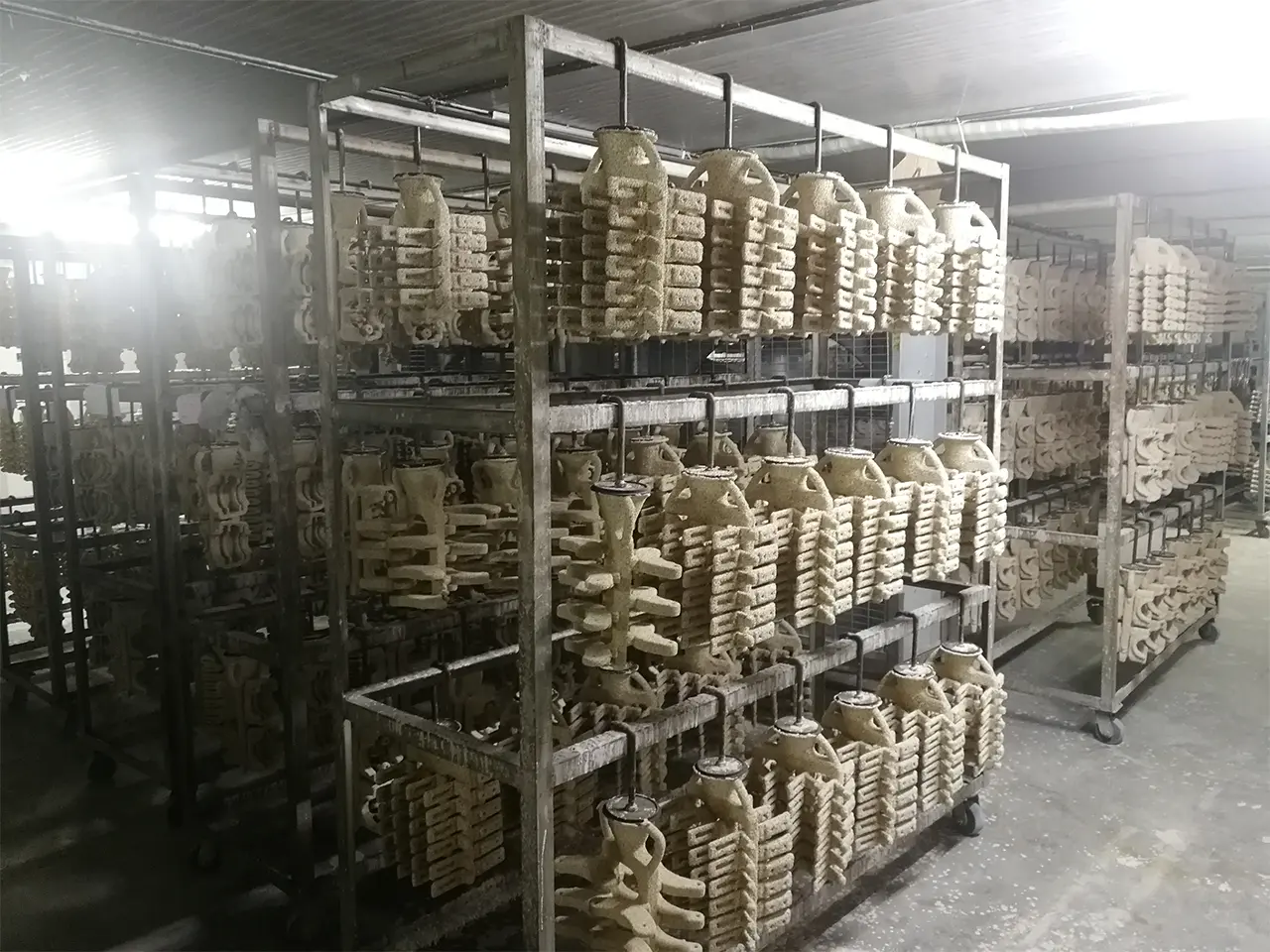
Our facility operates advanced wax injection machinery, temperature-controlled shell drying rooms, high-frequency induction melting furnaces, and modern CNC centers to ensure consistent quality across every batch.
We adhere to strict tolerances and quality standards, making quality the cornerstone of our manufacturing processes.
We have professional testing equipment and professional QC personnel, and we adhere to strict tolerances and quality standards for the products we produce. Due to our insistence on strict quality requirements, we have been praised by many customers.
Quality is the cornerstone of the manufacturing industry. We firmly believe that only by controlling quality well can we survive, develop, and get better and better. Therefore, we have been working in this industry unremittingly since 2014 and continue to improve the company's team and improve the company's production capacity.
Our quality verification processes include:
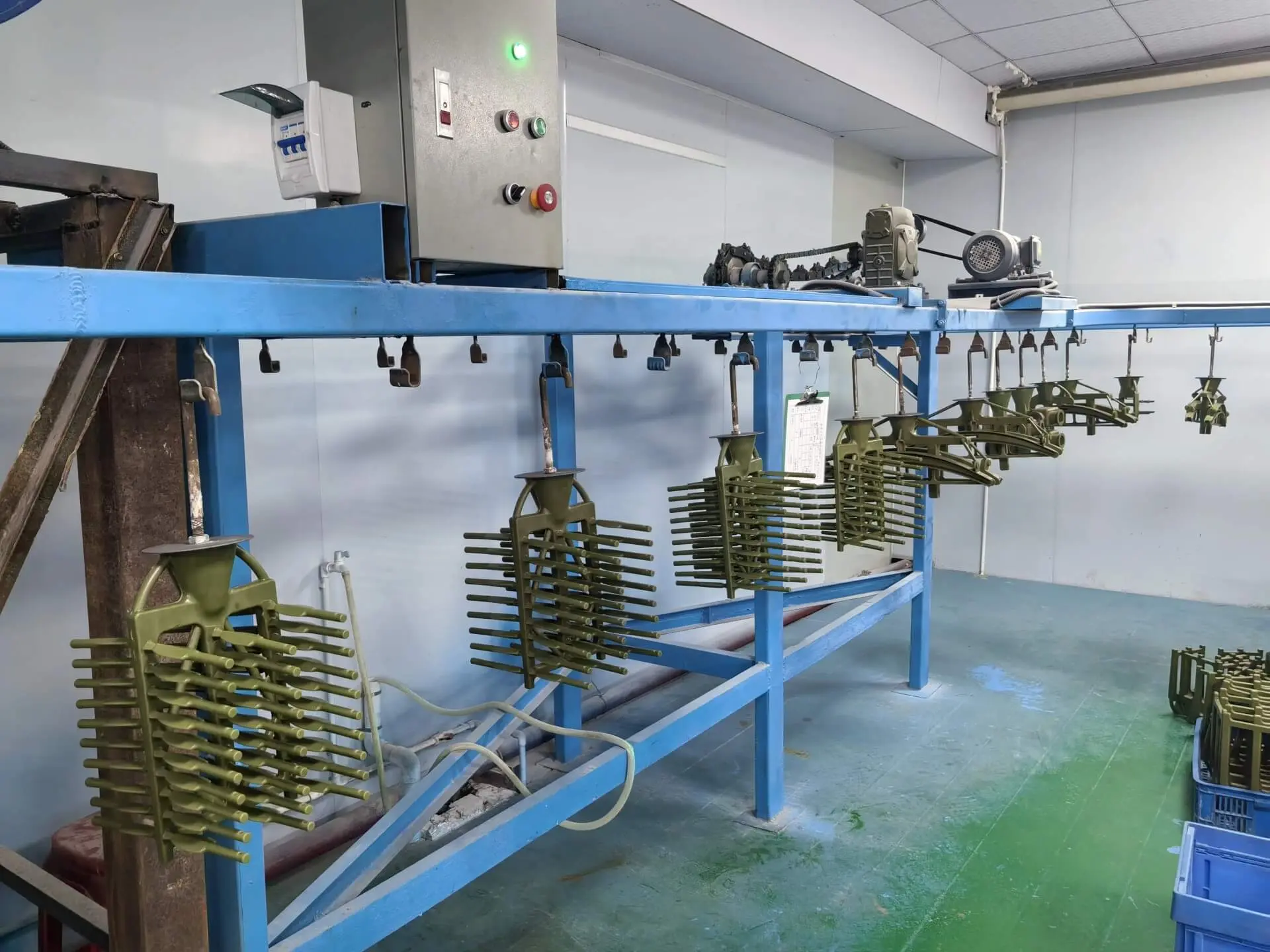
How technological integration is shaping the future of custom investment casting.
Additive manufacturing is changing prototype development. By using 3D printed wax or PMMA patterns, we can cast complex metal prototypes without fabricating hard tooling first. This reduces design validation times from weeks to days, allowing engineers to test functional components quickly.
Computational fluid dynamics (CFD) software enables engineers to simulate molten metal flow and cooling behavior. This analysis helps identify potential air entrapment, turbulence, and shrinkage zones before casting, resulting in cleaner microstructures and reduced material waste.
Modern foundries are focusing on resource efficiency. Reclaiming sand, recycling wax, and using energy-efficient induction furnaces help reduce environmental impact while maintaining competitive pricing for global customers.
Expert answers regarding lost wax casting processes, lead times, materials, and ordering procedures.
Silica Sol casting utilizes high-grade silica sand and binders, offering superior dimensional accuracy (ISO 8062 CT4-CT6) and surface finish (Ra 3.2-6.3 μm), making it ideal for stainless steel and complex parts. Water Glass casting uses cheaper sodium silicate binders, resulting in slightly lower dimensional tolerance (CT7-CT9) and rougher surfaces, but it is highly cost-effective for larger carbon steel components.
We analyze every melt using an optical emission spectrometer prior to pouring. This verifies that elements like Chromium, Nickel, Molybdenum, and Carbon match the specified material standard (e.g. ASTM A351 CF8M). We provide chemical composition and mechanical test reports with each shipment.
Yes. Our in-house CNC shop performs precision milling, turning, tapping, and boring. This allows us to deliver ready-to-assemble parts, combining the complex geometry of investment casting with the tight tolerances of CNC machining (up to ±0.005 mm).
Typically, mold tool design and fabrication require 15 to 21 days depending on part complexity. Once tooling is complete, initial cast samples can be poured, inspected, and shipped for client approval within 7 to 10 days.
A detailed view of our CNC manufacturing, titanium machining, and structural components for global markets.
 SX Machining