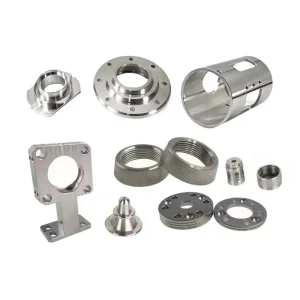
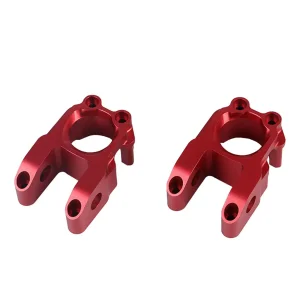
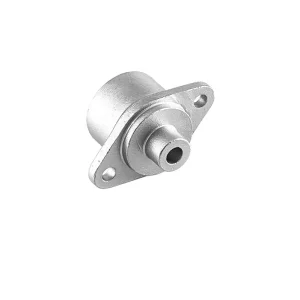
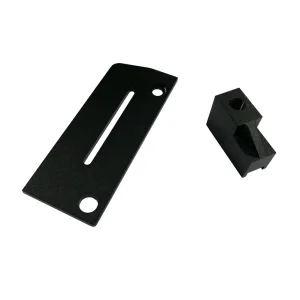
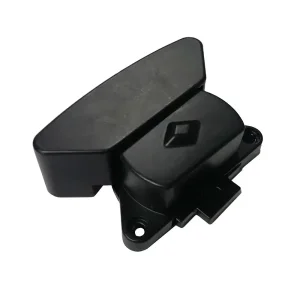
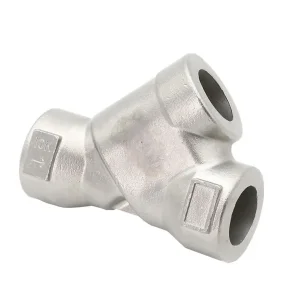
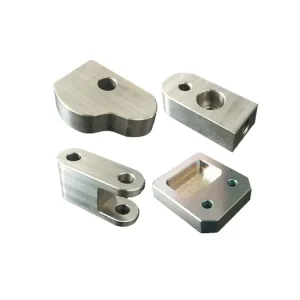
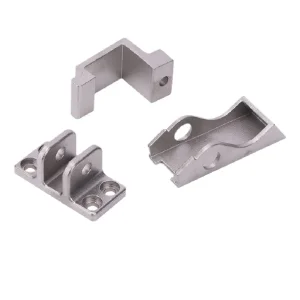
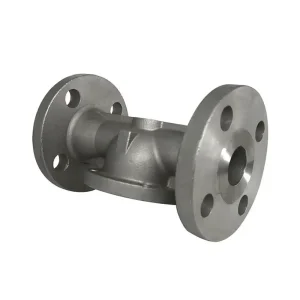
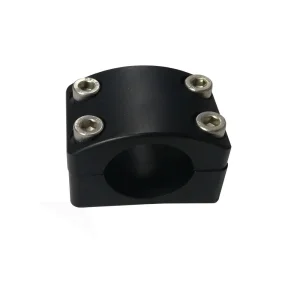
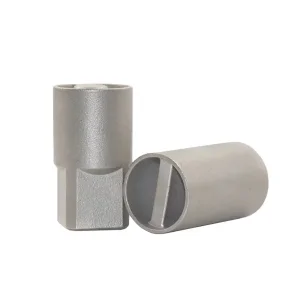
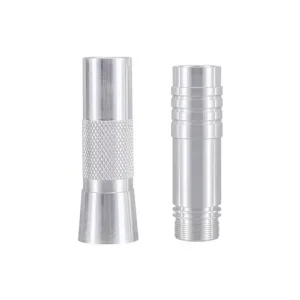
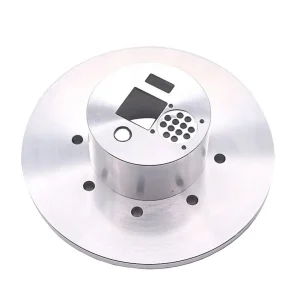
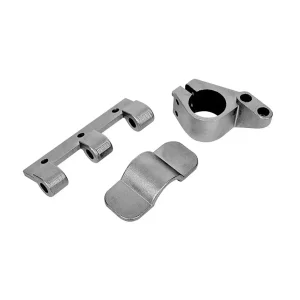
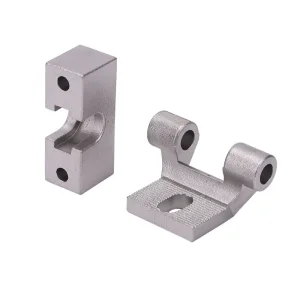
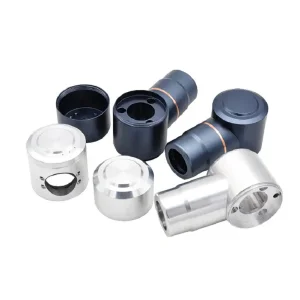
Explore our core custom manufacturing capabilities, certified to global standards with strict dimensional control.
Lost wax process casting, scientifically known as investment casting, is a premier metal manufacturing technology utilized to produce highly complex, thin-walled components with excellent surface finish and dimensional precision. Unlike traditional sand casting, the lost wax process utilizes a consumable wax pattern coated with a high-grade ceramic slurry to form a seamless, joint-free mold. This eliminates parting-line variations, resulting in near-net-shape parts that require minimal secondary machining.
Global procurement teams favor investment casting for critical applications where surface roughness (Ra 3.2 to Ra 6.3) and tight linear tolerances must match strict regulatory requirements. By incorporating CNC machining with investment casting, manufacturers can guarantee tolerances down to ±0.005mm for critical seating and mating surfaces.
The core quality of a lost wax casting lies in its ceramic shell. Once the wax patterns are injection-molded and assembled onto a gating system (sprue tree), they undergo several rounds of slurry coating and stuccoing. The initial layer uses ultra-fine zircon flour to capture the precise surface details of the wax pattern. Subsequent layers utilize coarser silica material to build the structural integrity of the shell. This multi-layered coating is dried in climate-controlled environments to manage moisture levels, preventing shell cracking during the high-pressure dewaxing phase in autoclaves.
Choosing the correct alloy is fundamental to the components' mechanical performance. For aggressive marine environments and pressure-retaining valve applications, austenitic stainless steel (such as 304, 316, and 316L) remains the industry benchmark. For extreme high-stress environments, duplex and precipitation-hardening alloys like 17-4PH offer an optimal balance of tensile strength and corrosion resistance. Carbon steel is widely used for heavy machinery components where cost efficiency is prioritized alongside toughness.
| Alloy Family | Common Material Grades | Tensile Strength (MPa) | Key Advantages & Core Applications |
|---|---|---|---|
| Austenitic Stainless Steel | CF8 (304), CF8M (316), 316L | 485 - 550 | Outstanding corrosion resistance, ideal for chemical processing, marine valves, and food equipment. |
| Carbon & Low Alloy Steel | WCB, LCC, 8620, 4140 | 550 - 750 | Excellent wear resistance and hardenability. Used in automotive and heavy industrial gearboxes. |
| Precipitation Hardening | 17-4PH (CB7Cu-1), 15-5PH | 950 - 1100 | High yield strength combined with moderate corrosion resistance. Perfect for aerospace and high-pressure pump shafts. |
| Specialty Alloys | Titanium Grade 5, Hastelloy C276 | 800 - 950 | Extreme temperature stability and chemical inertness. Deployed in aerospace and petrochemical sectors. |
Raw investment castings exhibit dendritic microstructures that can lead to directional weaknesses. To optimize mechanical properties, all high-integrity castings undergo heat treatment protocols. These include solution annealing for stainless steels to re-dissolve carbide precipitates at grain boundaries, normalizing and tempering for carbon steels to refine grain structure, and precipitation aging to achieve required hardness profiles. Process control sheets record furnace charge configurations, ramp-up speeds, soak times, and cooling rates, ensuring traceability and physical uniformity.
Why modern global supply chains leverage Chinese investment casting hubs for premium-tier technical production.
Southern Chinese manufacturing hubs, particularly the Dongguan-Shenzhen cluster, combine advanced tooling development, raw material metallurgy, investment casting, precision CNC machining, and surface treatments within a 50km radius. This localization cuts logistics delays and lead times compared to fragmented supply chains.
Chinese factories are increasingly shifting from raw foundry models to integrated precision centers. By combining lost wax casting lines with multi-axis CNC mills and turning centers, suppliers provide fully finished, ready-to-assemble components, minimizing transit risks and alignment errors.
Working with experienced engineers allows clients to benefit from Design-for-Manufacturing (DFM) support. China's technical workforce utilizes solid modeling, mold flow analysis, and thermal solidification software to identify defects such as porosity or shrinkage before hard tooling is cut.
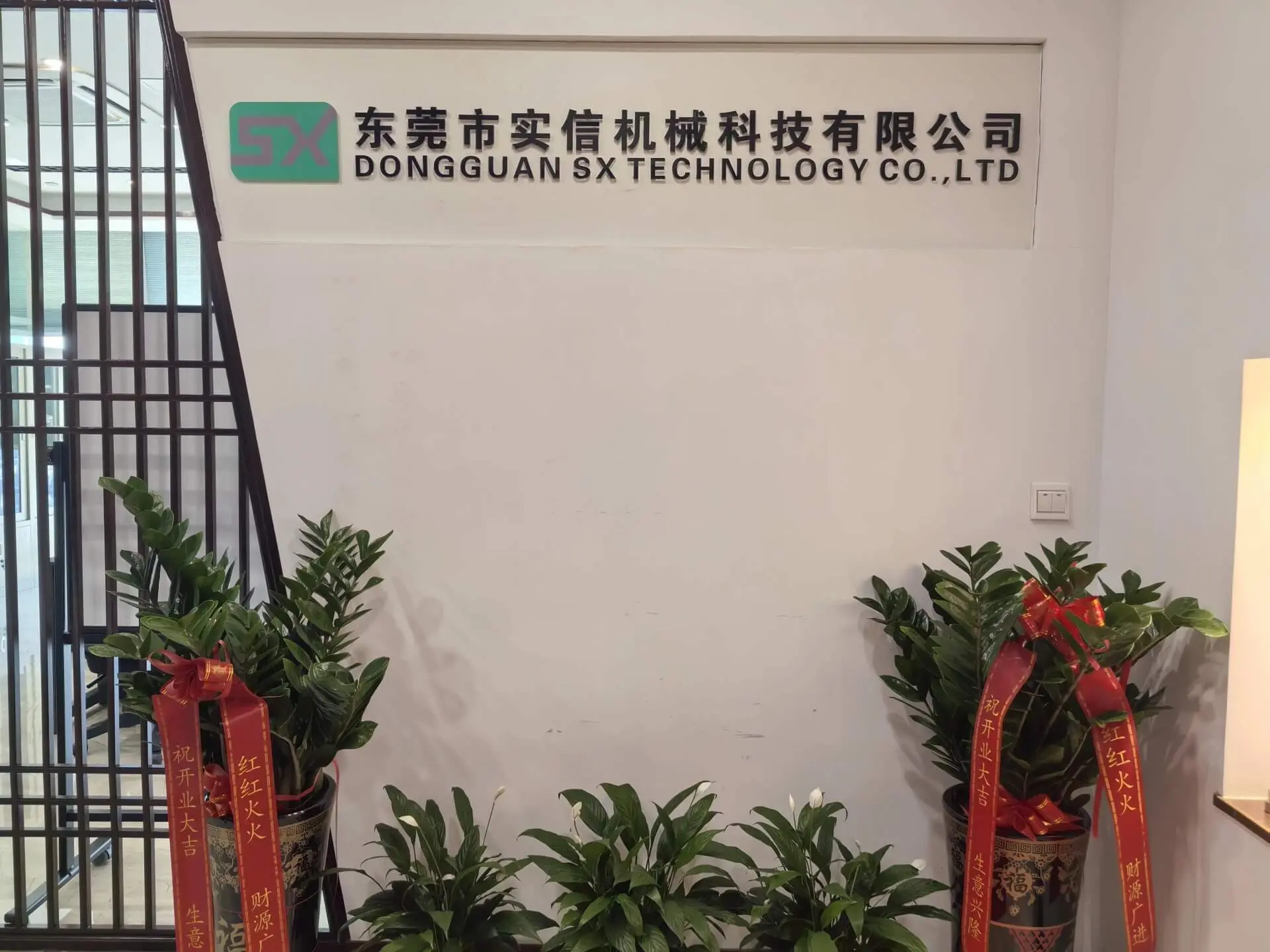
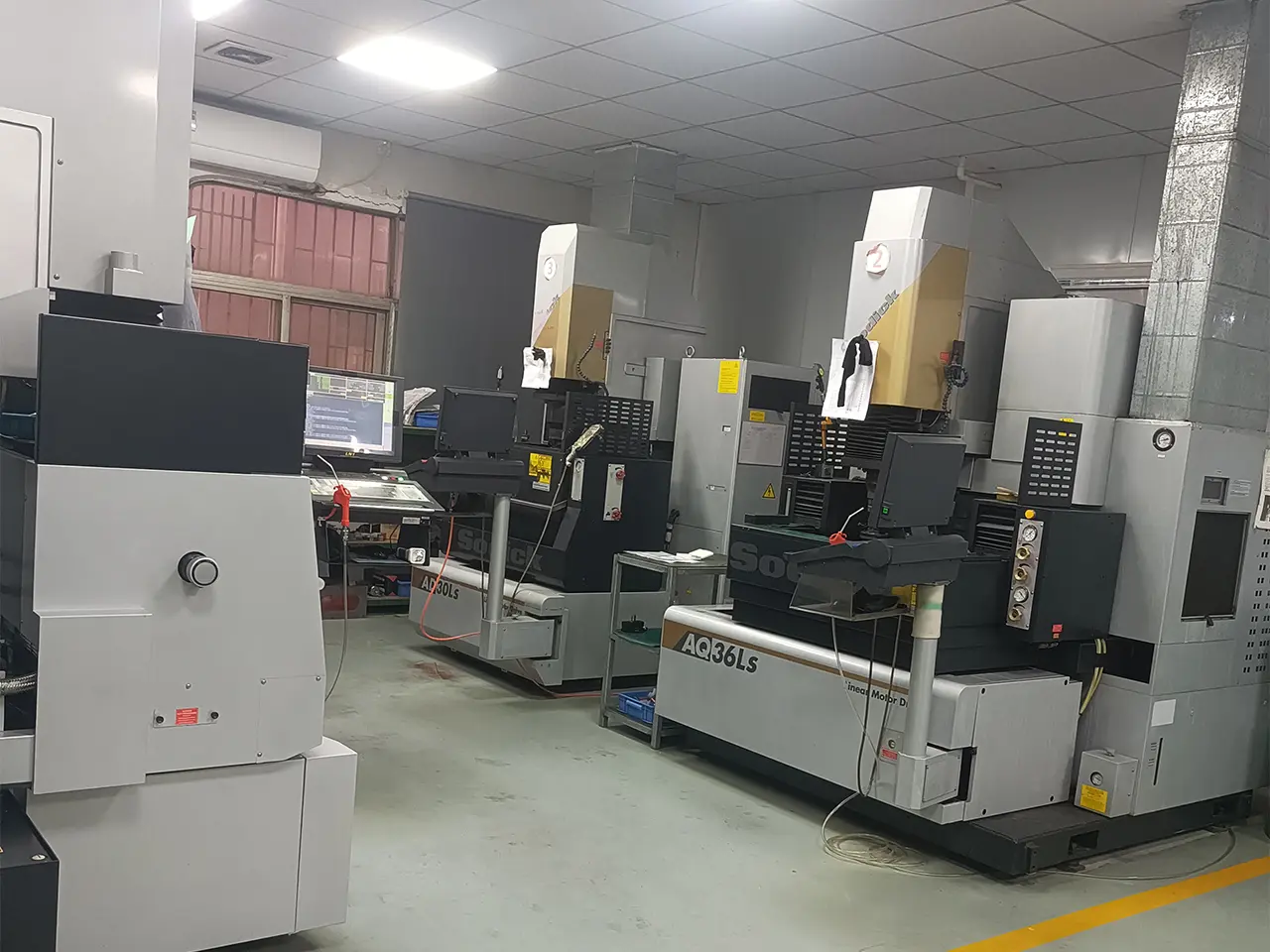
Dongguan SX Technology Co., Ltd. possesses extensive experience in precision casting, CNC machining, and component assembly. Our output serves critical machinery, automotive, marine, shipping, valve and pump, electronic appliance, packaging, horological, construction, and chemical processing sectors. We primarily cast stainless steel and carbon steel, while our custom CNC machining floor processes titanium alloy, stainless steel, carbon steel, aluminum alloy, copper alloy, and cemented carbide.
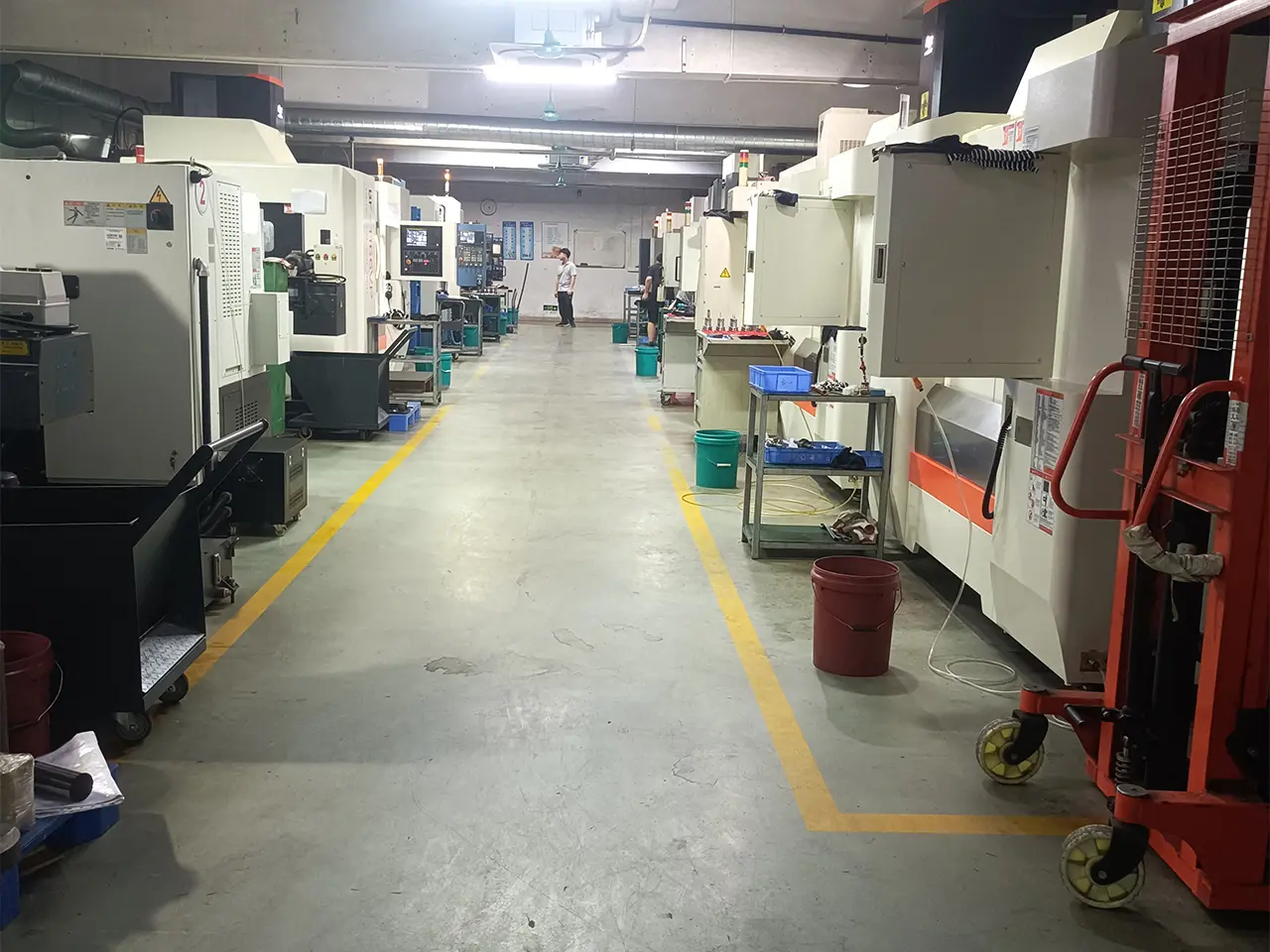
Equipped with advanced manufacturing machinery and inspection tools, we quickly adapt to customer designs. By combining engineering expertise with modern processing lines, we turn complex design files into high-durability metal parts that perform reliably under pressure.
A tour of our manufacturing facility, highlighting raw material handling, shell preparation, pouring stages, and CNC processing floors.
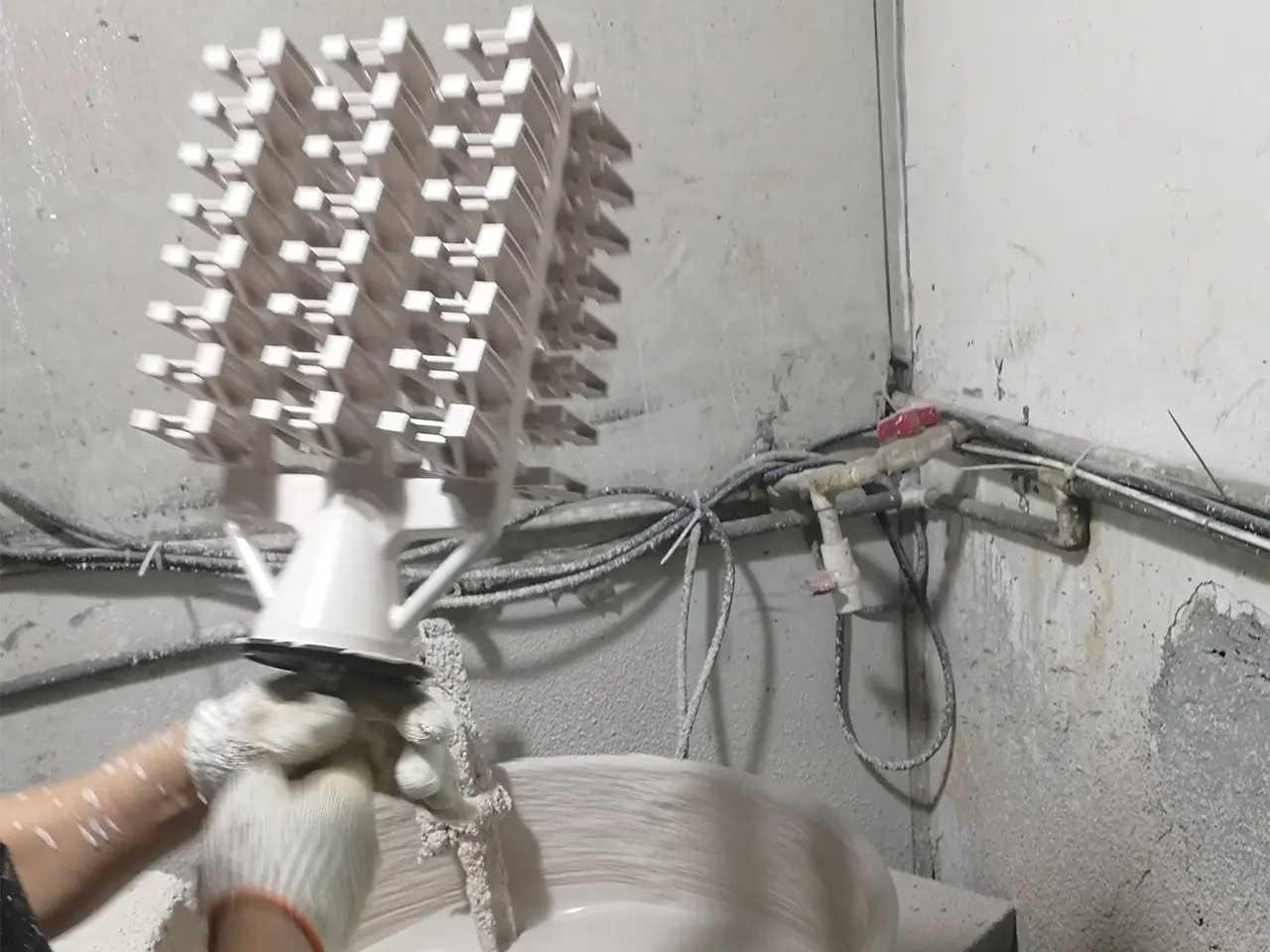
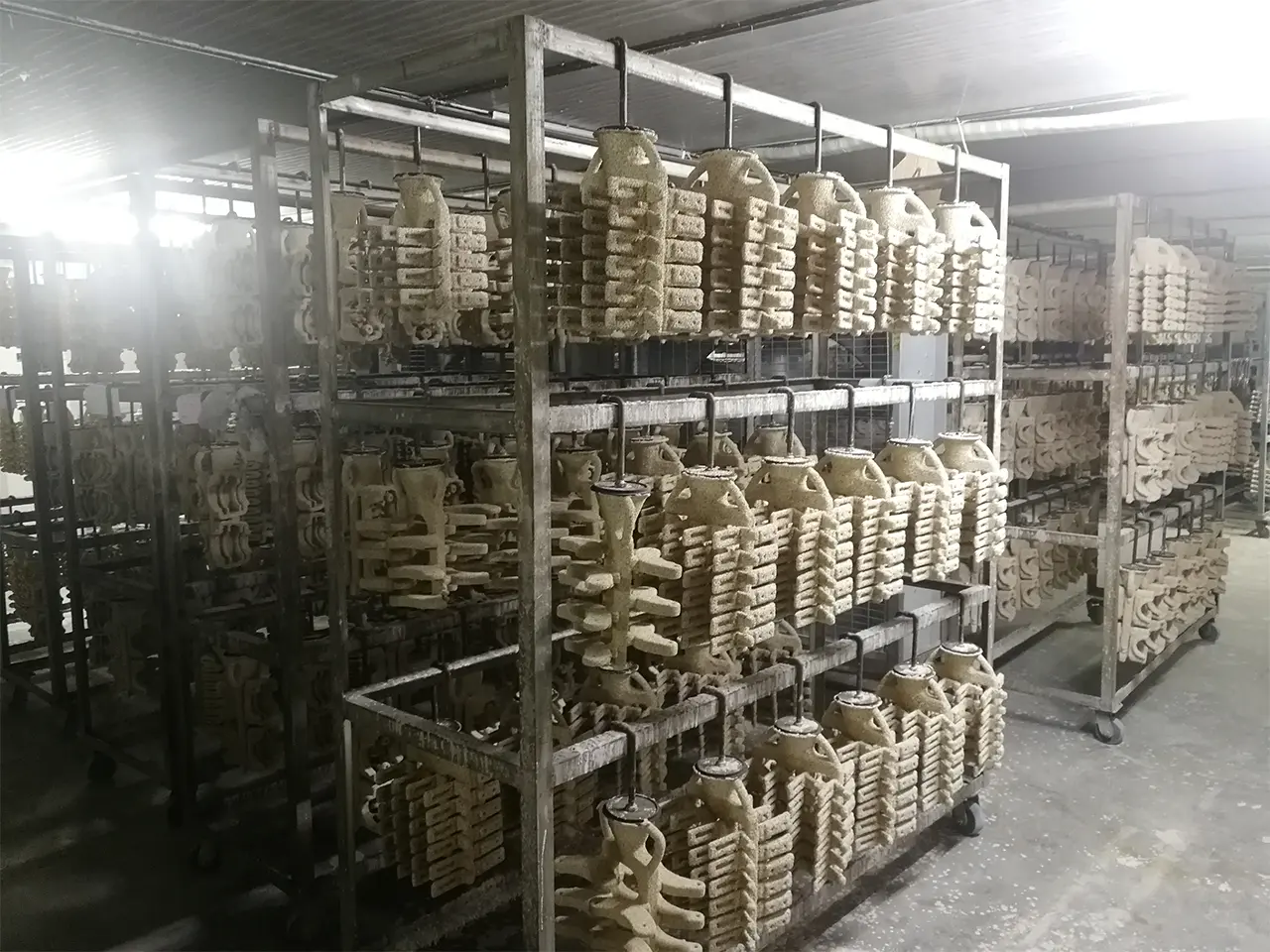
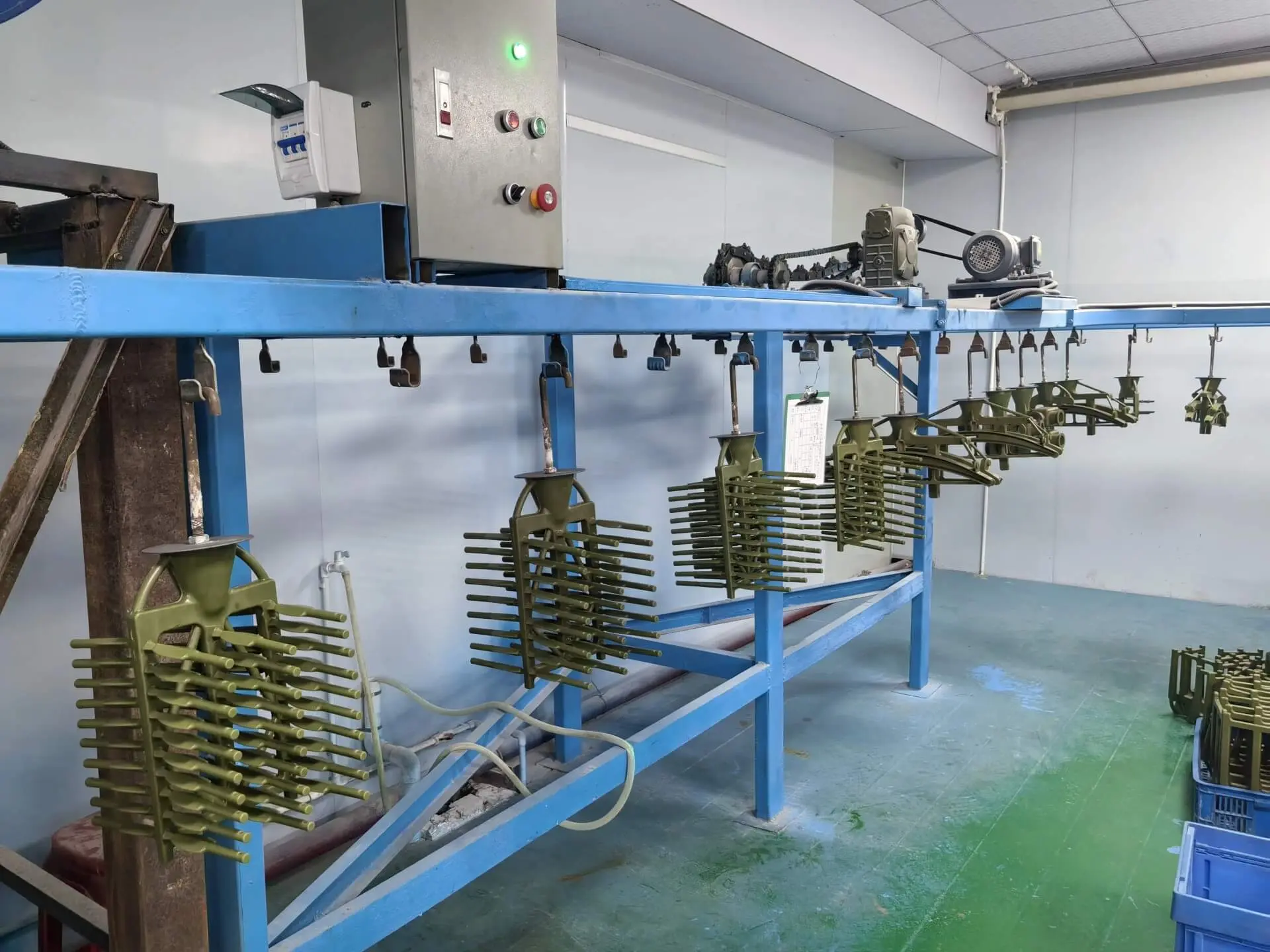
B2B procurement teams must manage risks associated with material composition, structural integrity, and dimensional variance. For customized casting parts, sourcing guidelines require strict validation protocols before mass production. This includes submitting First Article Inspection (FAI) reports and Part Submission Warrant (PSW) documents to prove process capability (Cpk) index values exceed 1.33.
At Dongguan SX Technology Co., Ltd., we combine casting with in-house CNC machining services to address alignment issues. By machining mounting faces, threads, and tight bores in one continuous operation after the casting stage, we ensure concentricity and positional tolerances remain within engineering requirements.
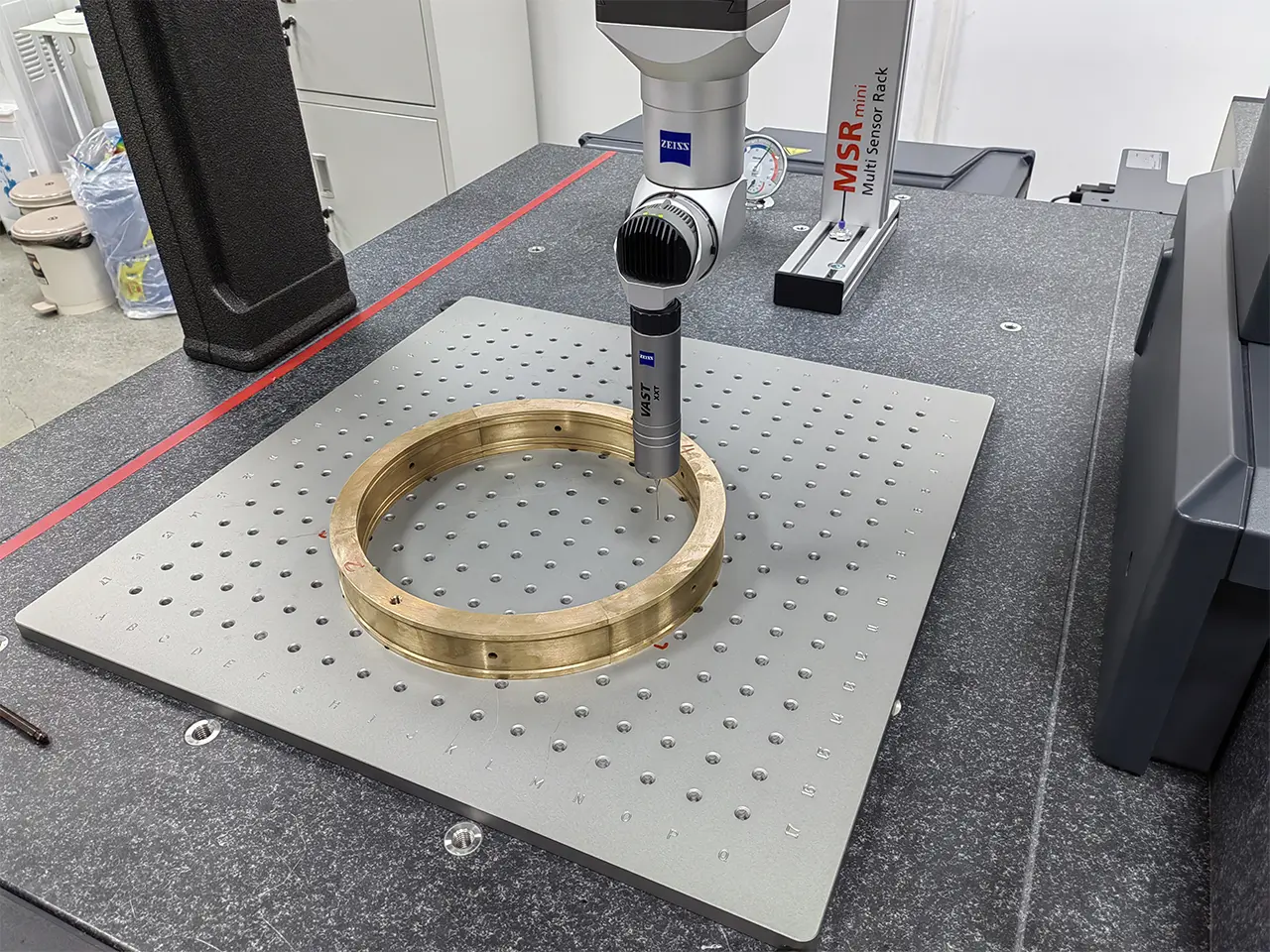
Quality is the cornerstone of the manufacturing industry. We firmly believe that only by controlling quality well can we survive, develop, and get better and better. Therefore, we have been working in this industry unremittingly since 2014 and continue to improve the company's team and improve the company's production capacity.
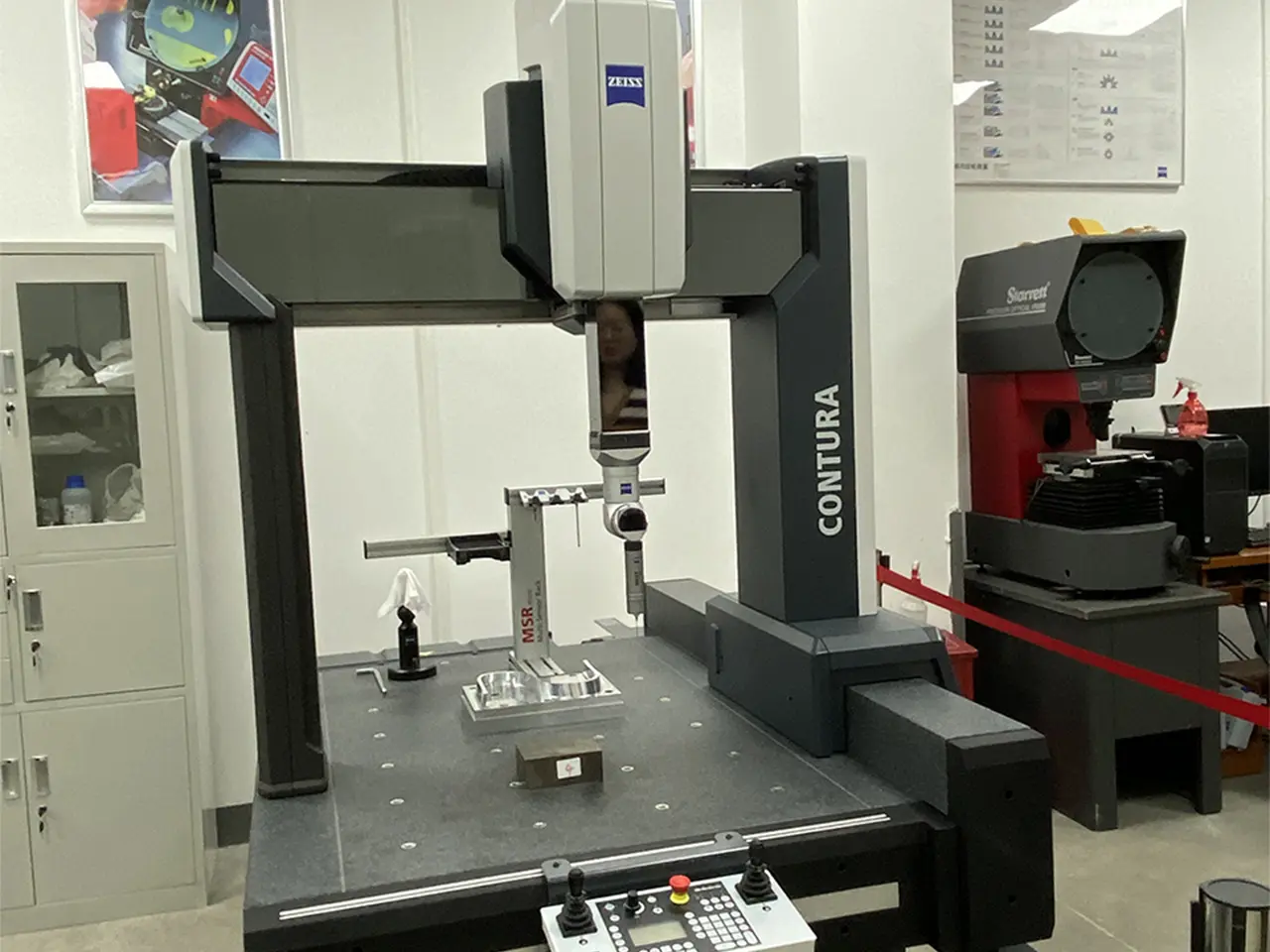
Our quality department uses specialized testing gear and trained QC staff to enforce strict tolerances. Our validation process includes optical spectrometers for heat analysis, coordinate measuring machines (CMM) for dimensional verification, hydrostatic pressure testing for valve bodies, and ultrasonic/magnetic particle examination to locate internal sub-surface defects.
Get professional answers to technical and logistical questions about the custom investment casting process.
Explore our targeted product range designed for heavy-duty industrial and outdoor applications.
 SX Machining