Discover our comprehensive range of high-precision parts engineered to withstand harsh environments and aggressive wear parameters.
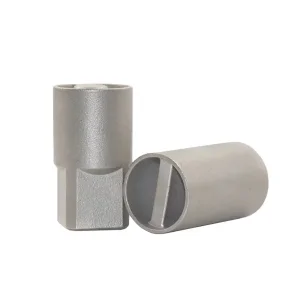
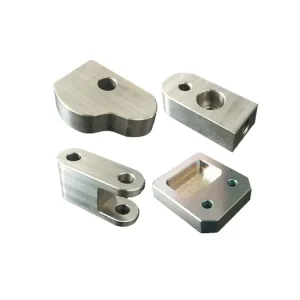
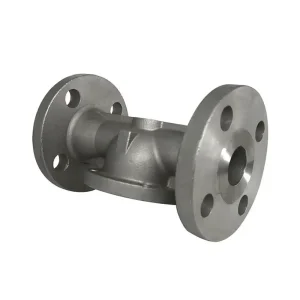
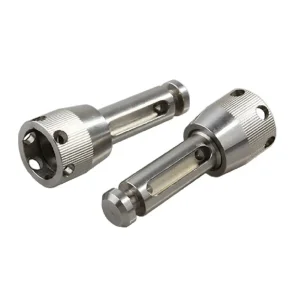
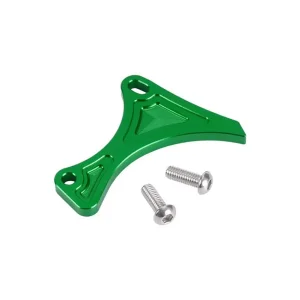
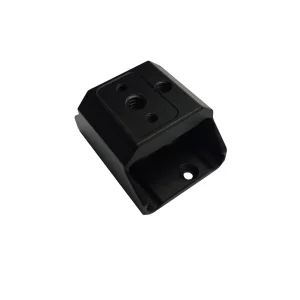
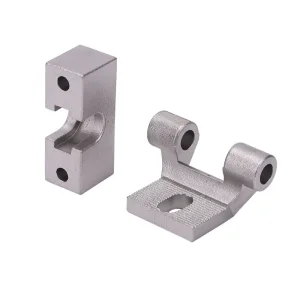
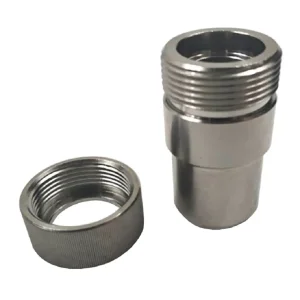
Low alloy steels are engineered materials containing alloying elements such as nickel (Ni), chromium (Cr), molybdenum (Mo), manganese (Mn), and vanadium (V) in total amounts typically ranging from 1.5% to 5.0% by weight. Unlike standard carbon steels, these controlled additions fundamentally alter the kinetics of phase transformation during heat treatment, allowing for a superior response to hardening and tempering cycles.
By carefully tuning the chemical composition, design engineers can achieve customized combinations of tensile strength, ductility, fatigue limit, and cryogenic impact toughness. For instance, the inclusion of molybdenum increases creep strength in high-temperature environments and suppresses temper embrittlement, while nickel enhances low-temperature toughness, making it vital for oil and gas operations in arctic regions.
The selection of the specific grade—such as 4130, 4140, 8620, or 4340—depends heavily on the operating limits of the end application. Investment casting offers the unique benefit of forming these complex alloys into near-net shapes, minimizing costly machining cycles for hard-to-cut hardened materials.
| Alloy Element | Key Property Influence | Common Grades |
|---|---|---|
| Chromium (Cr) | Hardness, Wear Resistance, Corrosion Retardation | AISI 4140, 4340 |
| Nickel (Ni) | Toughness, Cryogenic Ductility, Impact Strength | AISI 8620, ASTM A352 |
| Molybdenum (Mo) | Temper Embrittlement Prevention, Creep Resistance | AISI 4130, 4140 |
| Manganese (Mn) | Deoxidation, Yield Strength, Hardenability | ASTM A148 Gr 90-60 |
Dongguan SX Technology Co.,Ltd has very rich experience in precision casting, CNC machining and assembly. Our products are used in machinery, automobiles, marine, ships, equipment, valves and pumps, electronic appliances, packaging, watches, construction, chemical industry and other industries.
The most commonly used materials for investment casting are stainless steel and carbon steel. And the most commonly used materials for CNC machining include titanium alloy, stainless steel, carbon steel, aluminum alloy, copper alloy, cemented carbide, etc. We have advanced manufacturing equipment and technology and are able to respond quickly to your needs.
Our integrated manufacturing approach allows us to control the entire lifecycle of a component, from initial raw material selection and casting mold design (DFM) through high-precision CNC multi-axis milling to final quality validation and physical property testing.
How Tier-1 OEM buyers optimize their alloy casting supply chains in the face of evolving geopolitical and technical requirements.
Sourcing teams are moving away from simple price-per-kilogram quotes. Modern procurement evaluates tooling longevity, scrap rate reductions, post-cast machining margins, and freight lead-time costs.
"China + 1" strategies and regional warehousing are critical. Suppliers must demonstrate strong export compliance, logistic agility, and digital transparency in production scheduling.
Steel foundries are facing intense scrutiny regarding energy sources, recycling practices, and carbon taxes (such as Europe's CBAM). Implementing green melting practices is no longer optional.
Equipped with state-of-the-art foundry instrumentation and precision processing machinery to guarantee component consistency.
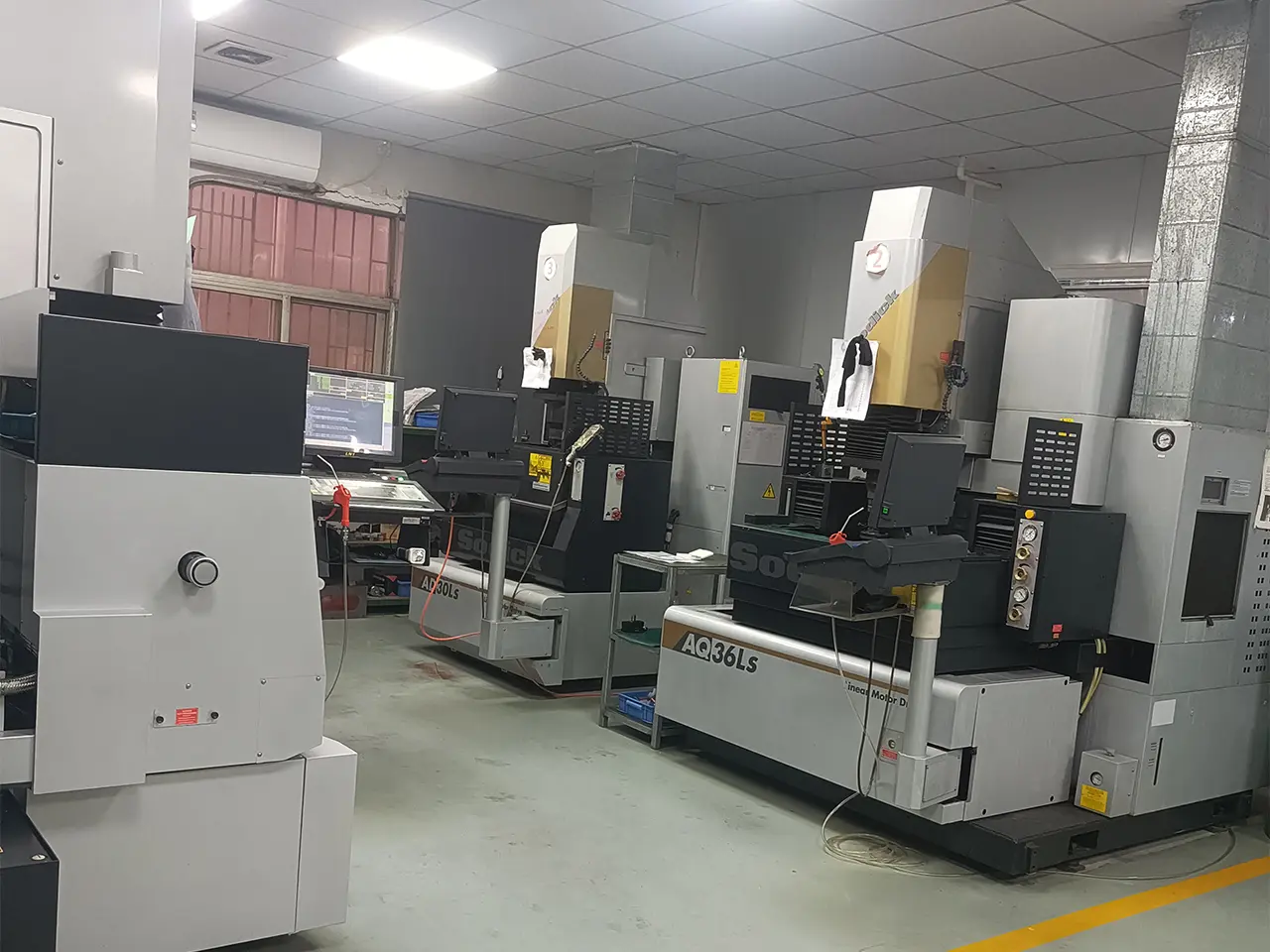
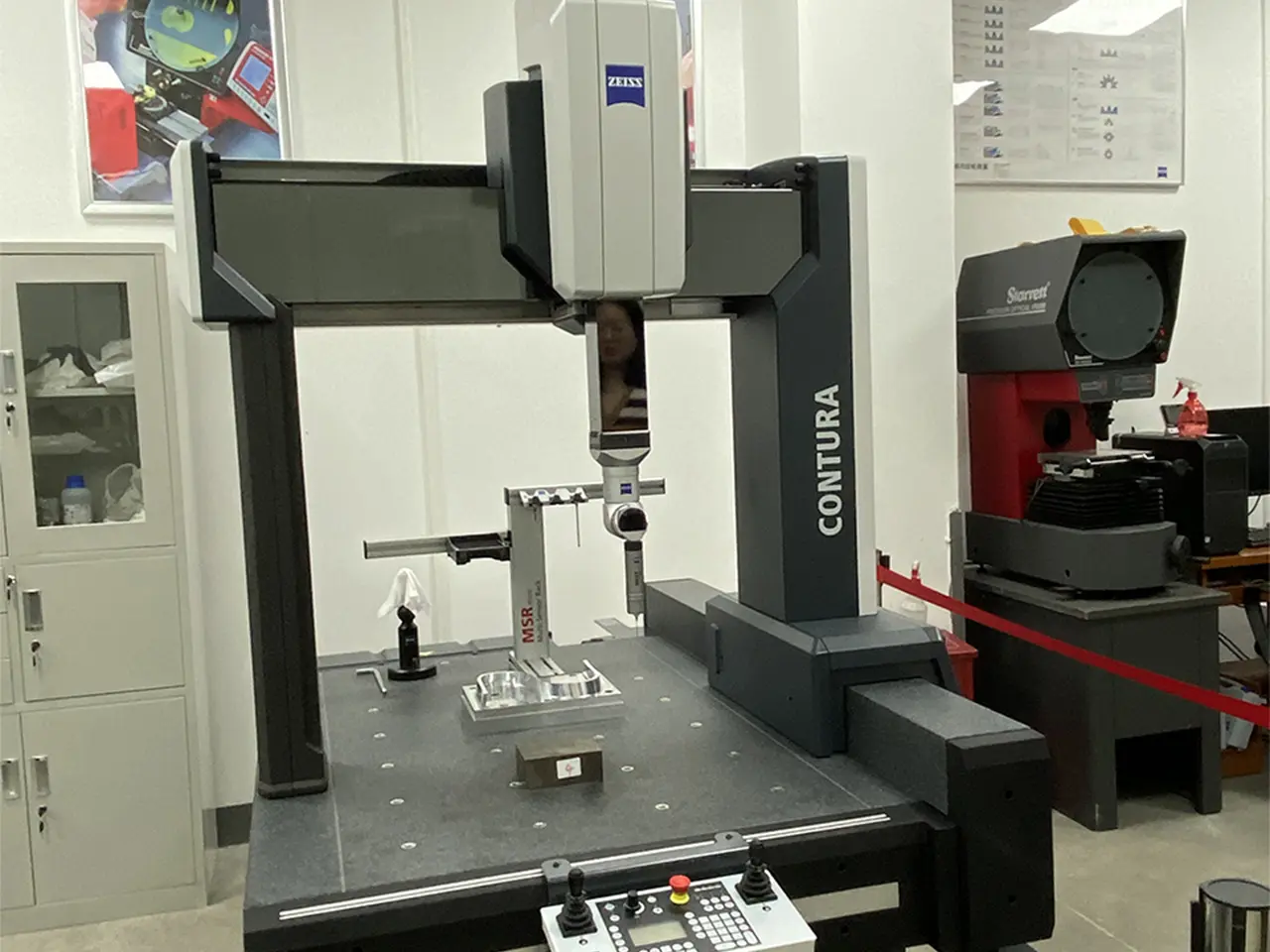
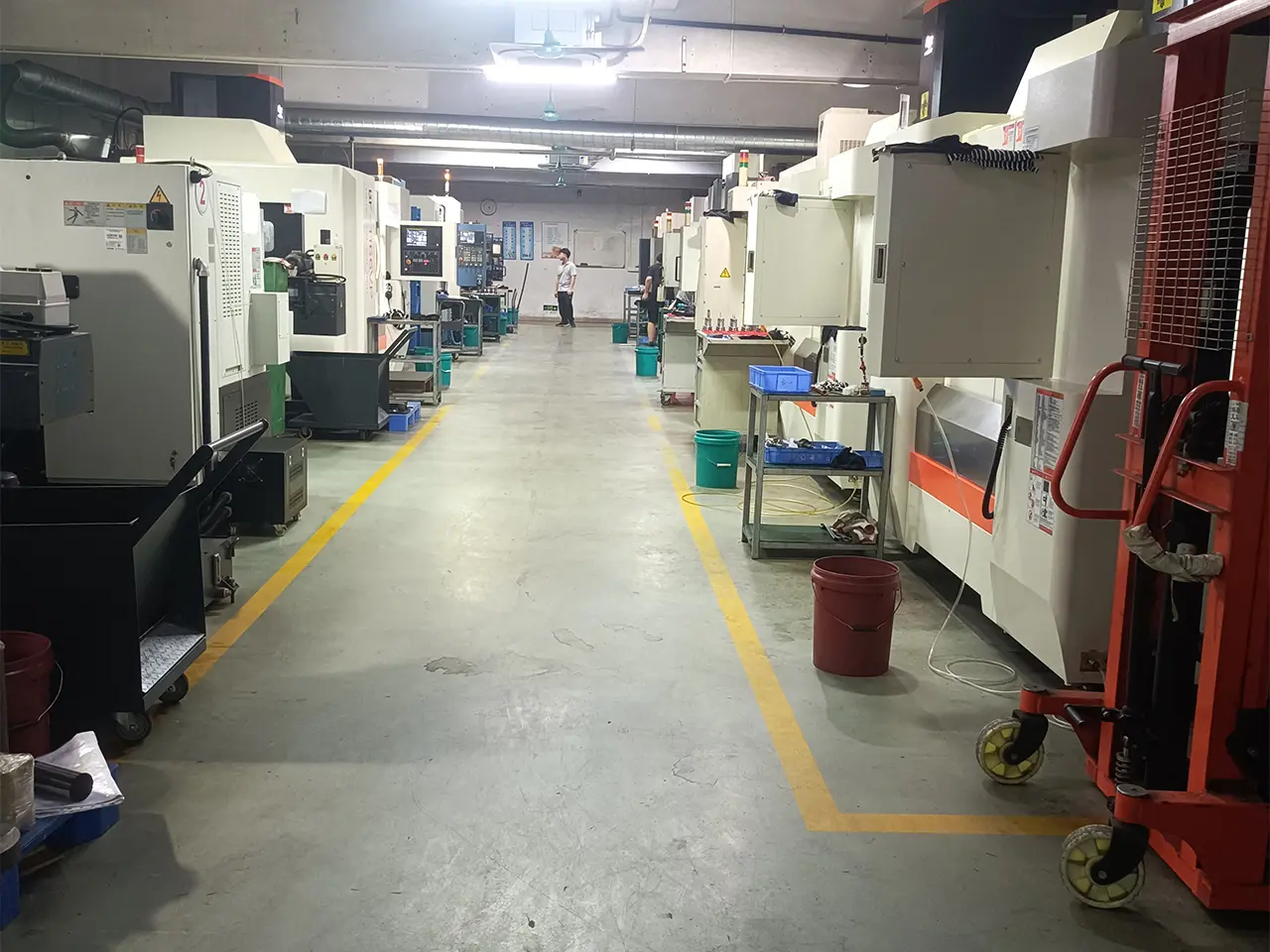
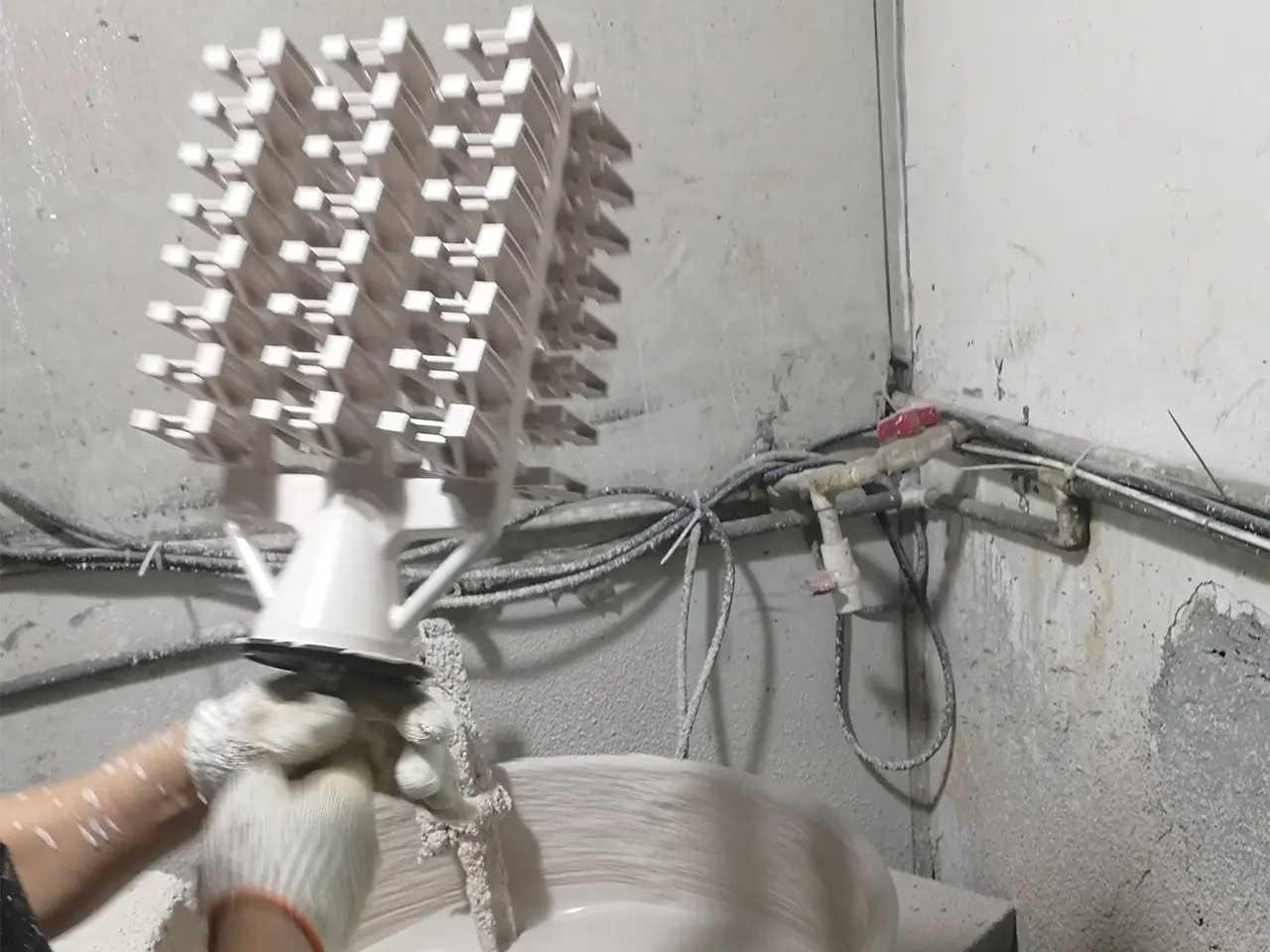
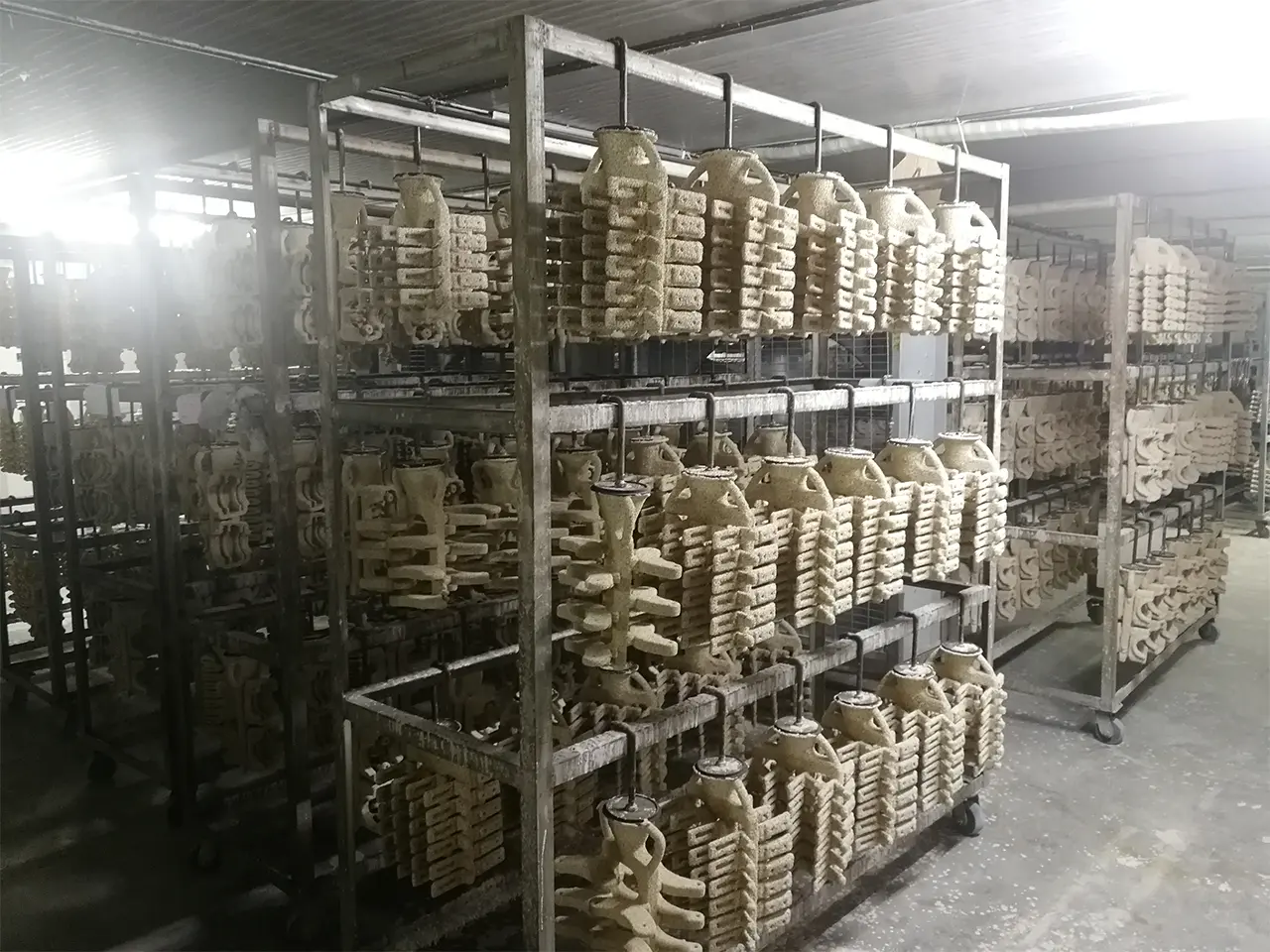
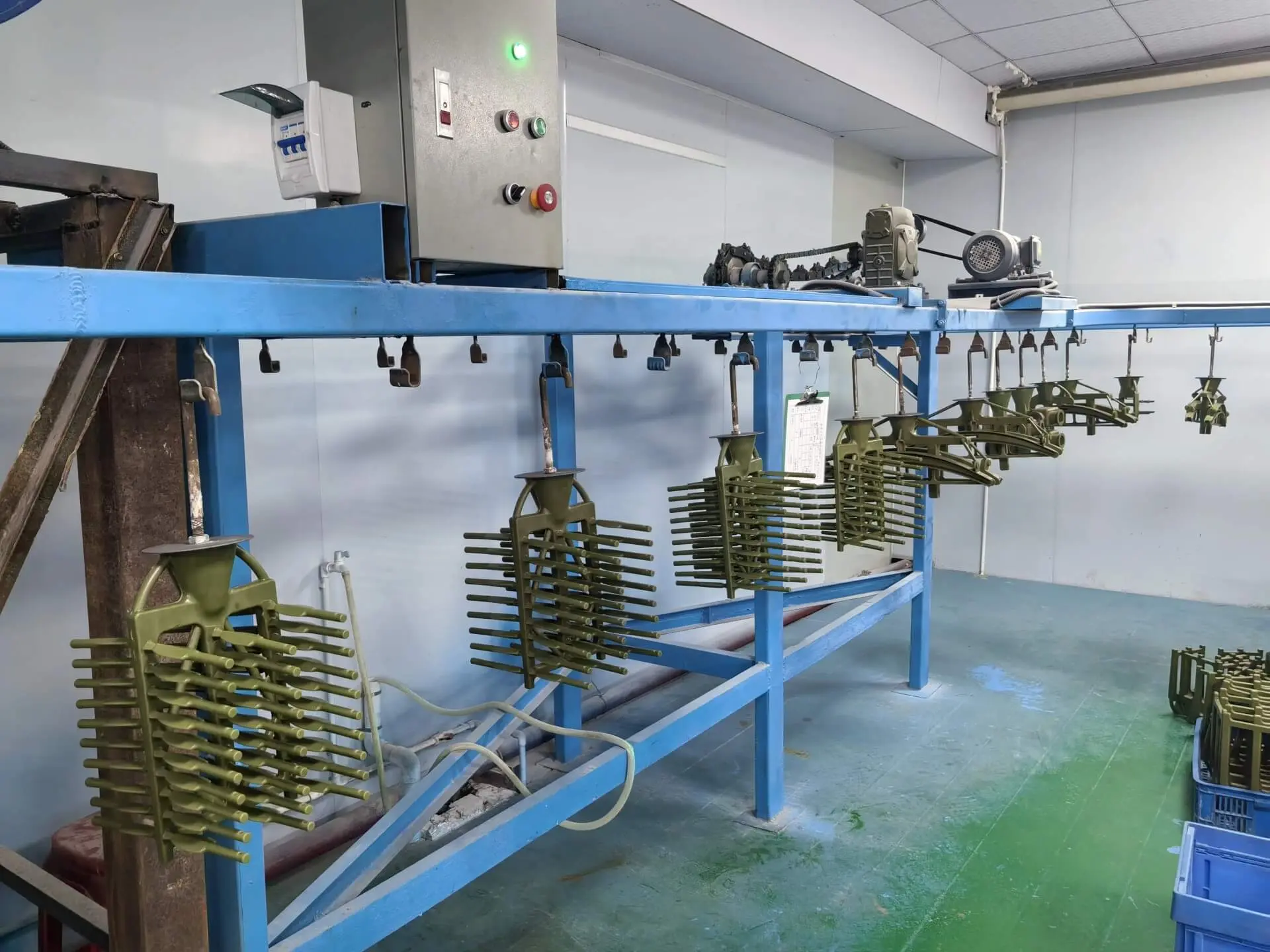
We have professional testing equipment and professional QC personnel, and we adhere to strict tolerances and quality standards for the products we produce. Due to our insistence on strict quality requirements, we have been praised by many customers.
Quality is the cornerstone of the manufacturing industry. We firmly believe that only by controlling quality well can we survive, develop, and get better and better. Therefore, we have been working in this industry unremittingly since 2014 and continue to Improve the company's team and improve the company's production capacity.
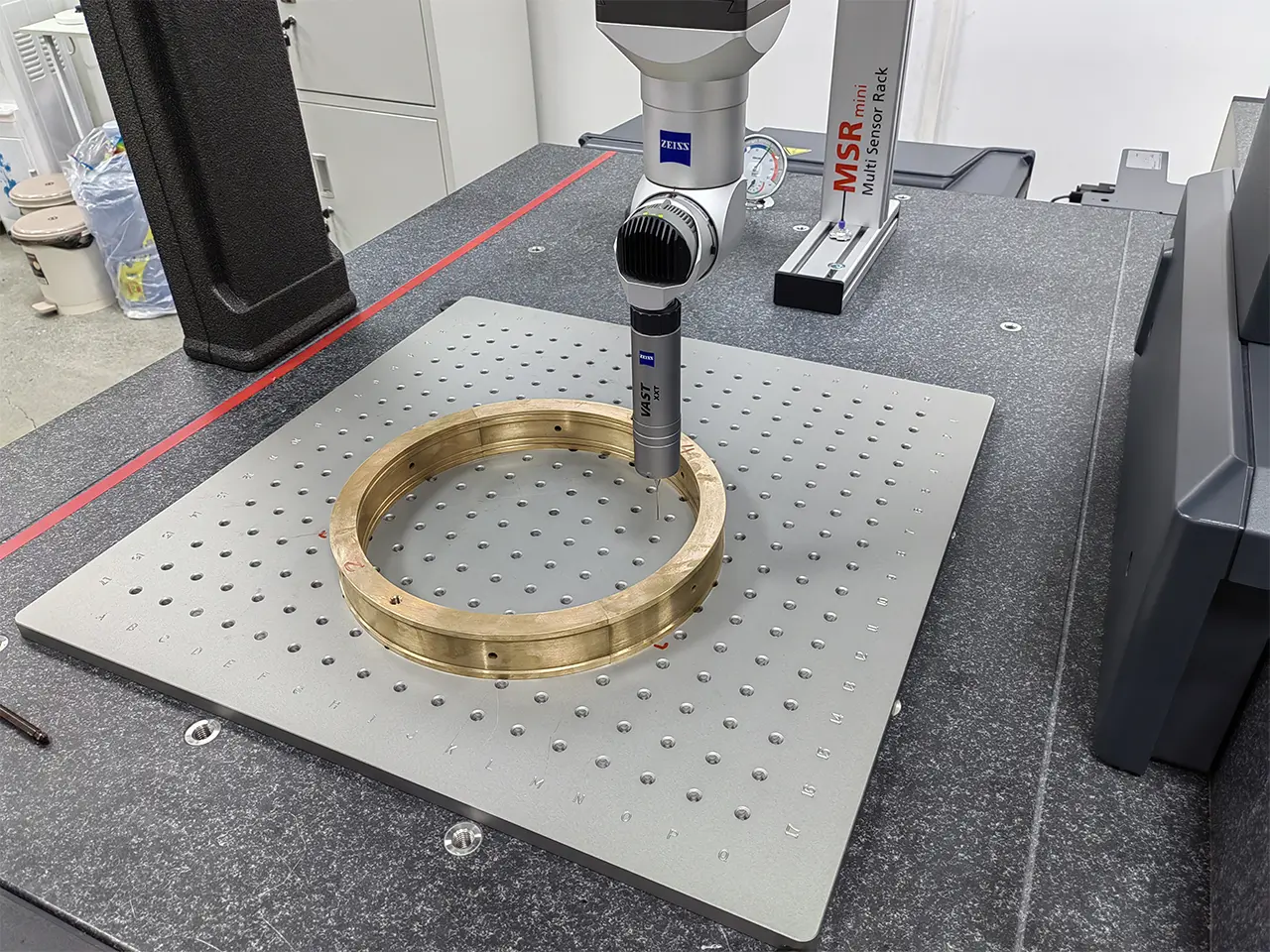
Our quality verification arsenal includes Optical Emission Spectrometers (OES) for real-time melt chemistry analysis, coordinate measuring machines (CMM) for dimensional tolerance control within microns, and non-destructive testing (NDT) such as Magnetic Particle Testing (MPI) and Dye Penetrant Inspections (DPI) to identify micro-cracks or subsurface porosity.
How our manufacturing model shields global partners from volatility, capacity constraints, and raw material pricing surges.
By maintaining safety stocks of critical ferroalloys (Molybdenum, Chromium, Nickel), we cushion our clients from abrupt LME price hikes, preserving quote stability for up to 12 months.
Our in-house CNC mold-making shop means we can modify patterns instantly without waiting for third-party toolmakers, accelerating time-to-market and prototype validation phases.
Located in Dongguan's manufacturing hub, we leverage world-class shipping networks, offering FOB, CIF, DDP, and cross-border consolidation services directly to your regional warehouse.
When sourcing complex metallurgical parts, clear communication is crucial. Our dedicated project management office provides bilingual engineering support, translating 2D blueprints (GD&T standards) and 3D step files without risk of critical design loss.
We strictly comply with leading international quality and safety regulations. All steel castings can be supplied with EN 10204 3.1 material traceability certifications, showing physical stress results and ladle chemical testing data. Our materials comply with REACH and RoHS standards, protecting your products from regulatory import barriers in European and American jurisdictions.
Our commitment to rigorous QA aligns with global criteria, ensuring every low alloy casting delivers stable, high-reliability operation under heavy impact, cyclic loads, or high-temperature conditions:
Embracing digital foundry principles, advanced simulations, and next-generation metallurgy to optimize performance.
Predicting and correcting shrinkage porosity, hot tearing, and cold shuts before pouring metal. This virtual solidification mapping guarantees internal soundness of the finished alloy component.
Integrating 3D sand mold printing for complex core configurations. This reduces reliance on hard tooling for low-volume development projects, shortening design modifications from weeks to days.
Utilizing secondary refining techniques to eliminate trace elements like oxygen, sulfur, and phosphorus. Purified low alloy steels yield significantly higher impact toughness under high cycle stress.
Answers to complex metallurgical, engineering, and manufacturing questions regarding low alloy steel casting projects.
Supporting products and finishing services that complement our casting and metallurgical operations.
 SX Machining