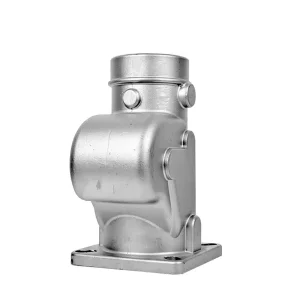
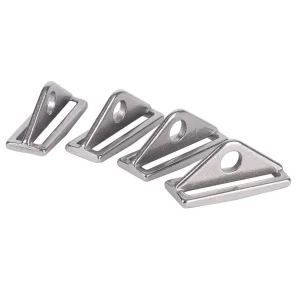
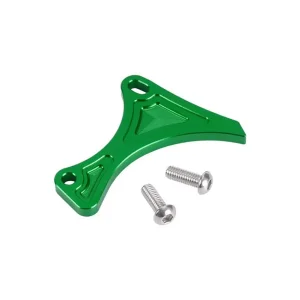
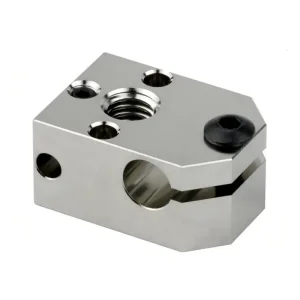
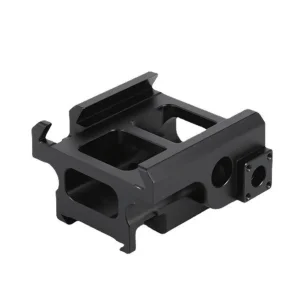
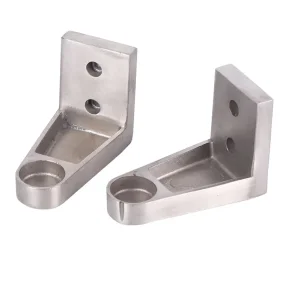
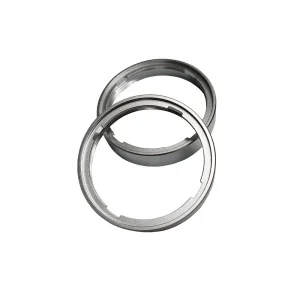
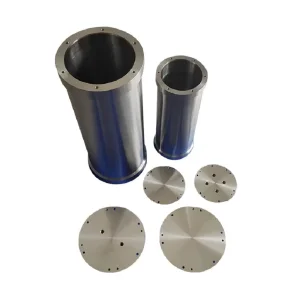
Dongguan SX Technology Co.,Ltd is a premier manufacturer specializing in precision investment casting, high-precision CNC machining, and comprehensive structural assembly. Since our inception in 2014, we have positioned ourselves at the core of the global industrial supply chain, catering to demanding sectors including automotive, aerospace, marine engineering, subsea applications, packaging, instrumentation, and medical devices.
We bridge the gap between initial metallurgical forming and final precision components. By consolidating casting production and finish machining under one roof, we eliminate intermediate supply chain delays, reduce tolerances, and ensure a single point of accountability for quality.
Our material capabilities are extensive. For investment castings, we regularly process structural grades of carbon steels and a broad index of stainless steels. In our CNC machining divisions, we routinely process high-durability metals including titanium alloys, high-chromium stainless steels, structural carbon steels, engineering aluminum alloys, copper-based alloys, and cemented carbides.
In modern industrial procurement, purchasing castings and machining services from separate entities is a primary driver of project delays, structural failures, and cost overruns. When casting voids or internal micro-porosity are revealed only during final precision machining, foundries and machine shops often shift responsibility to one another. Dongguan SX Technology Co.,Ltd resolves this operational bottleneck by offering an integrated, single-source solution.
By executing casting solidification simulation and precision toolpath planning concurrently, our engineering teams ensure that post-casting machining margins are optimized. This hybrid design methodology reduces raw material wastage by up to 25%, ensures predictable structural integrity, and shortens the typical lead time for ready-to-assemble components.
Depending on the ultimate operating environment, the selection of raw materials dictates the geometry and tooling configurations in our CNC machining departments:
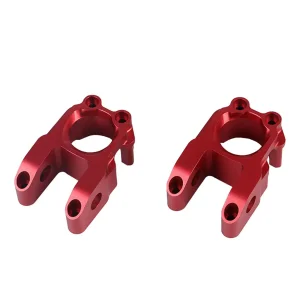
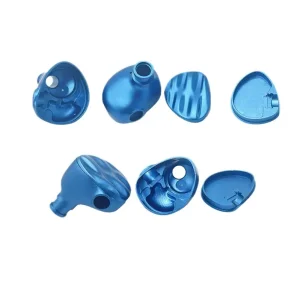
From complex subsea housings to micro-dimensioned components for consumer electronic devices, our engineering workflows integrate raw metal casting with post-casting precision machining. This method ensures that even internally complex chambers conform to design intents, avoiding structural failure under high-pressure conditions like those in automotive steering or oil-and-gas piping.
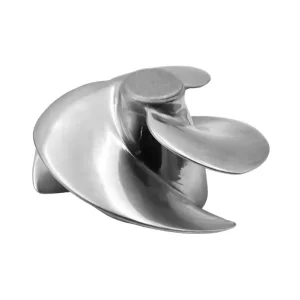
Optimized lost-wax molding protocols for near-net shapes in steel and specialty alloys, achieving dimensional accuracy and reducing secondary surface finishing costs.
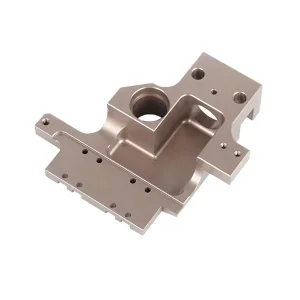
Rigorous multi-axis milling and turning techniques targeting tolerances down to ±0.005mm. Ideal for complex geometries in titanium and tool steels.
Agile engineering protocols and rapid tooling deployment allow our team to transition from technical drawings to physical cast prototypes within weeks.
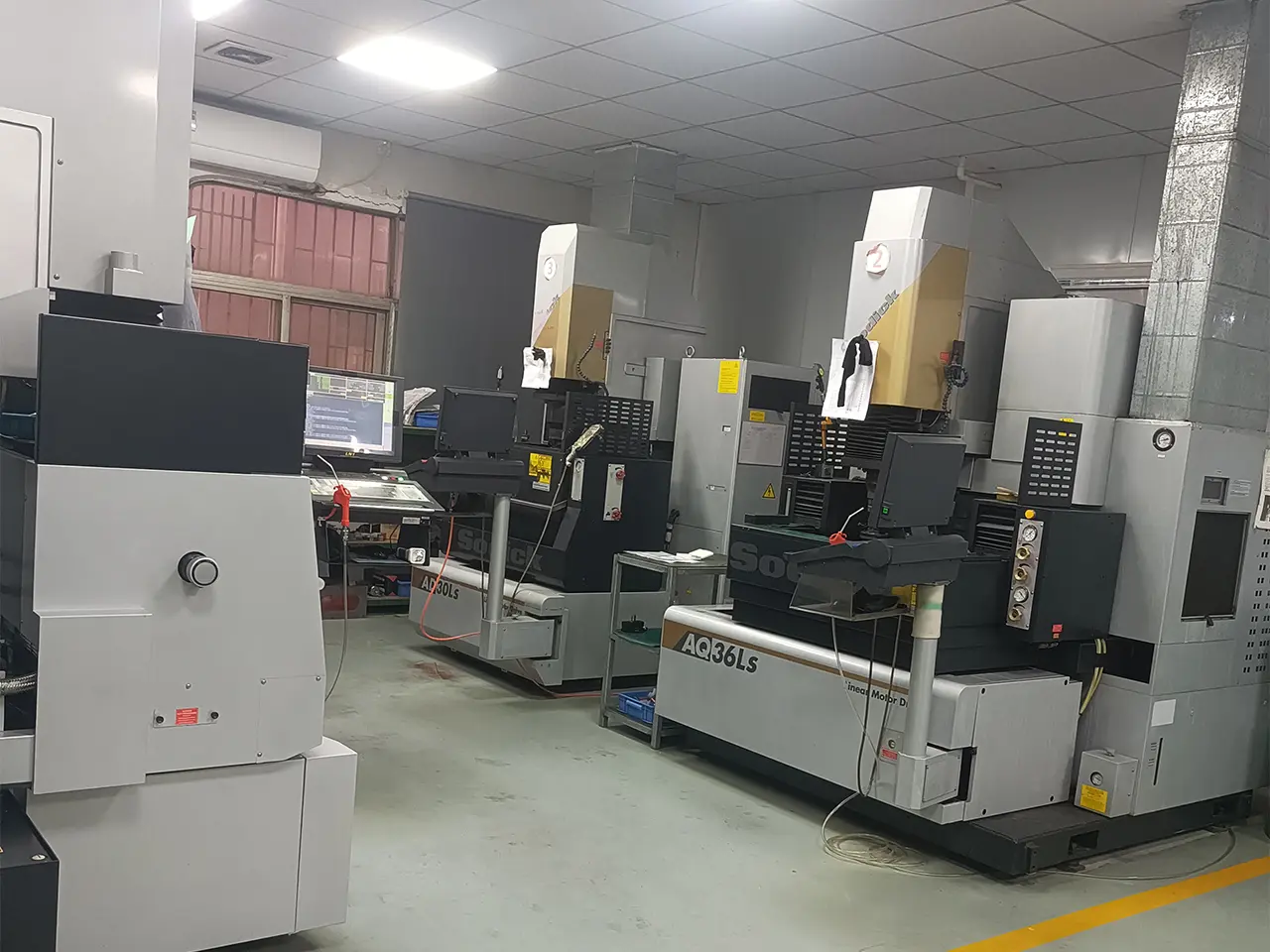
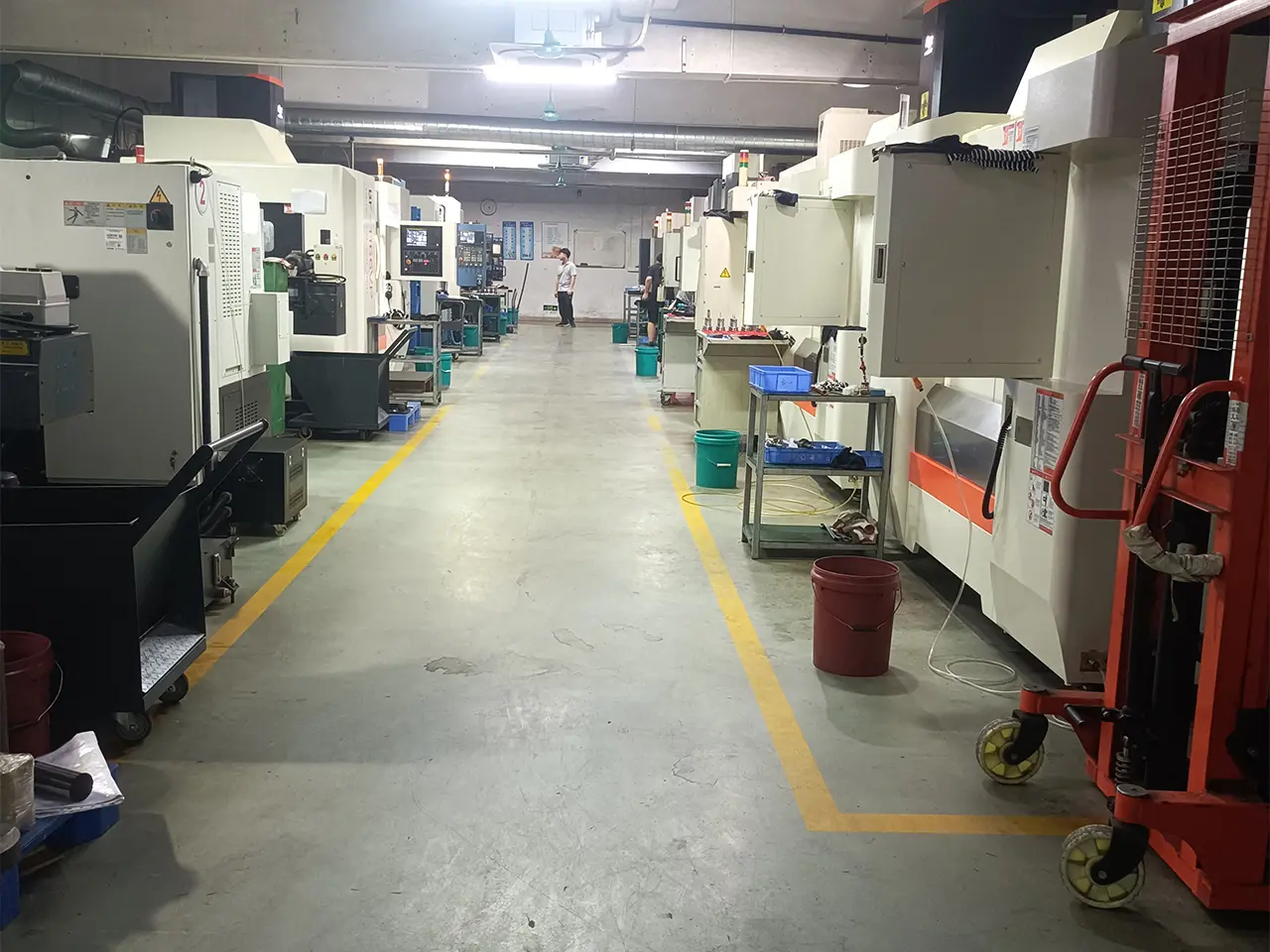
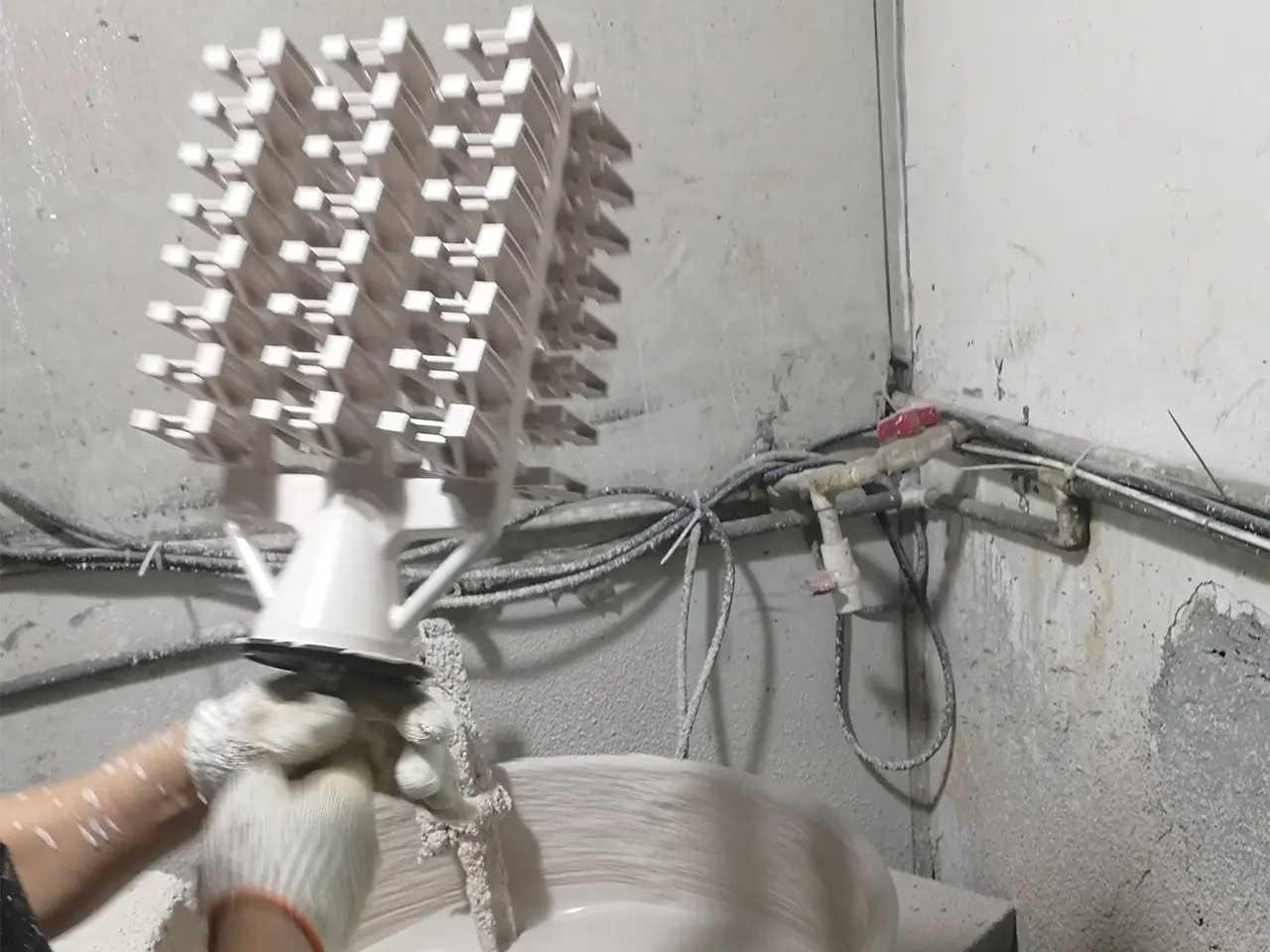
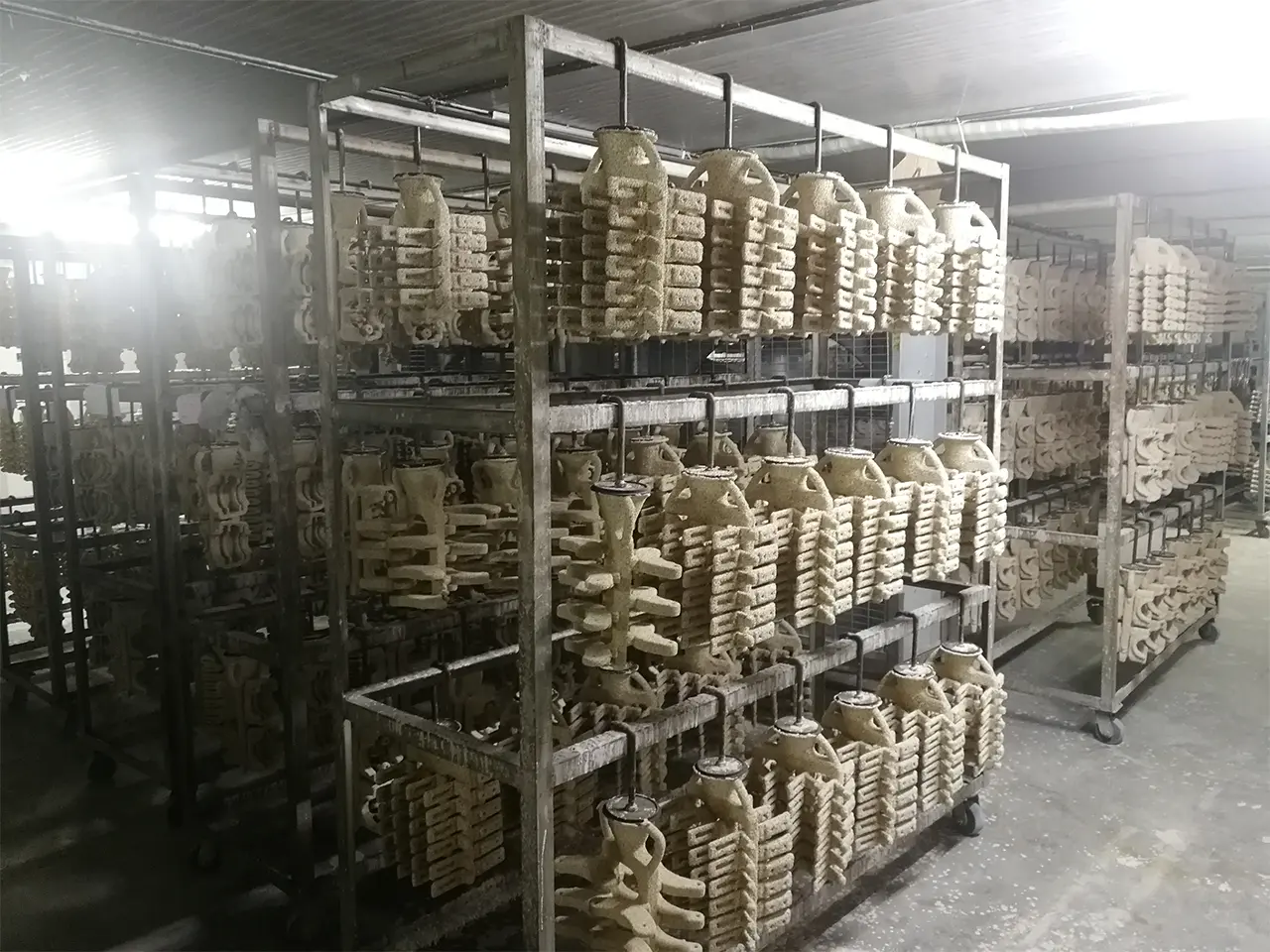
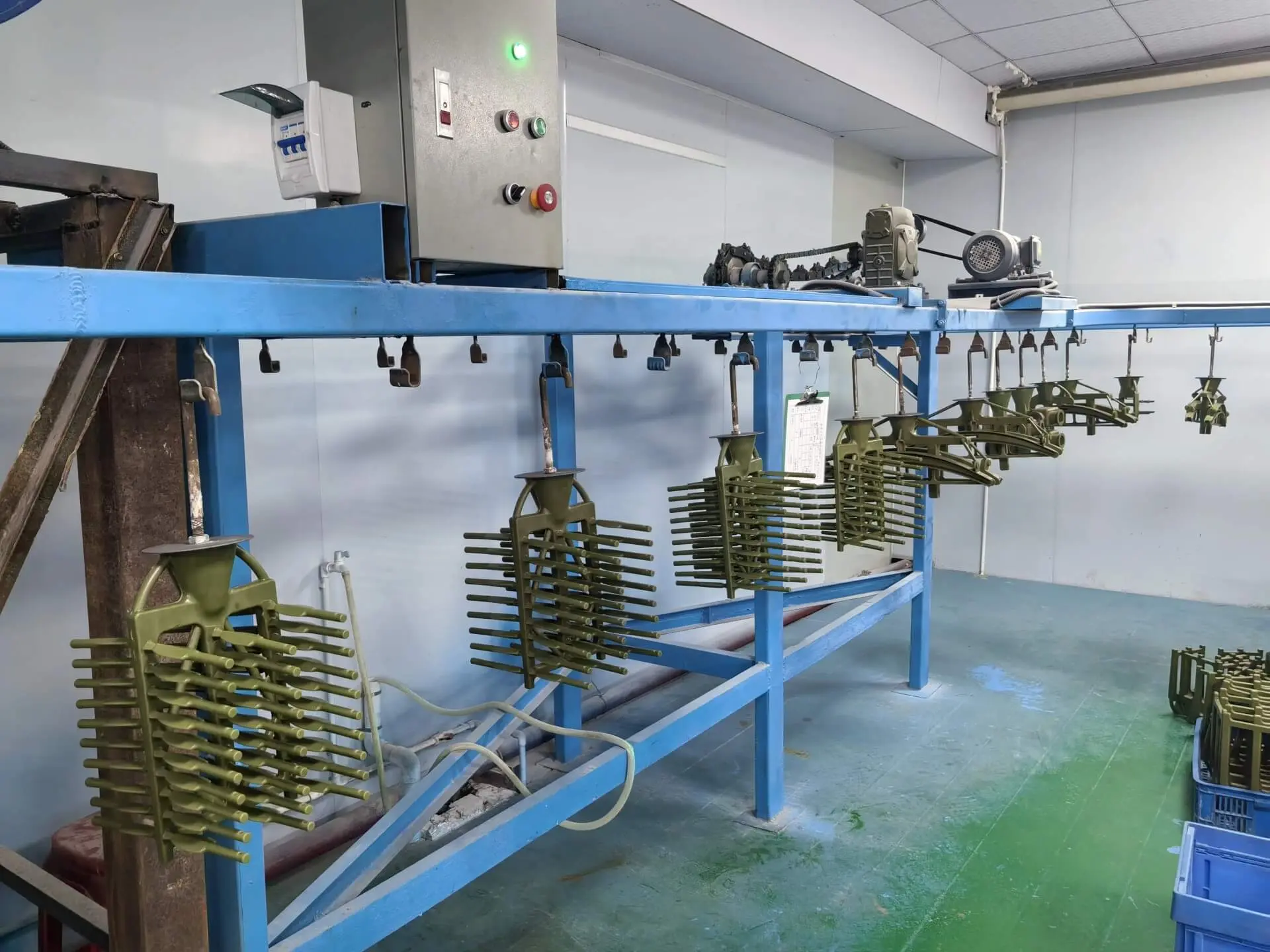
A peek inside our advanced manufacturing facility. From foundry pouring to CNC machining stations, we maintain optimal process control.
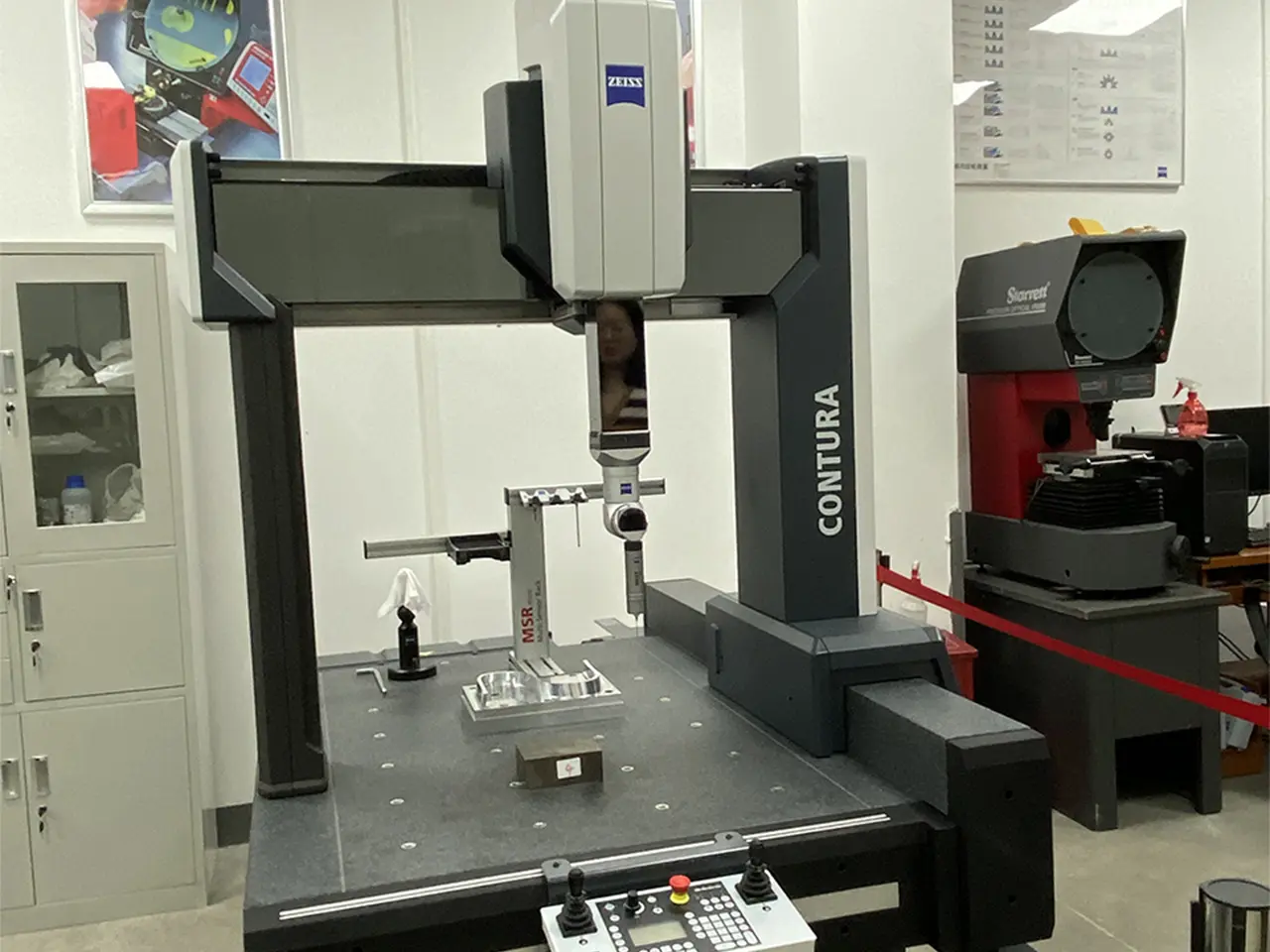
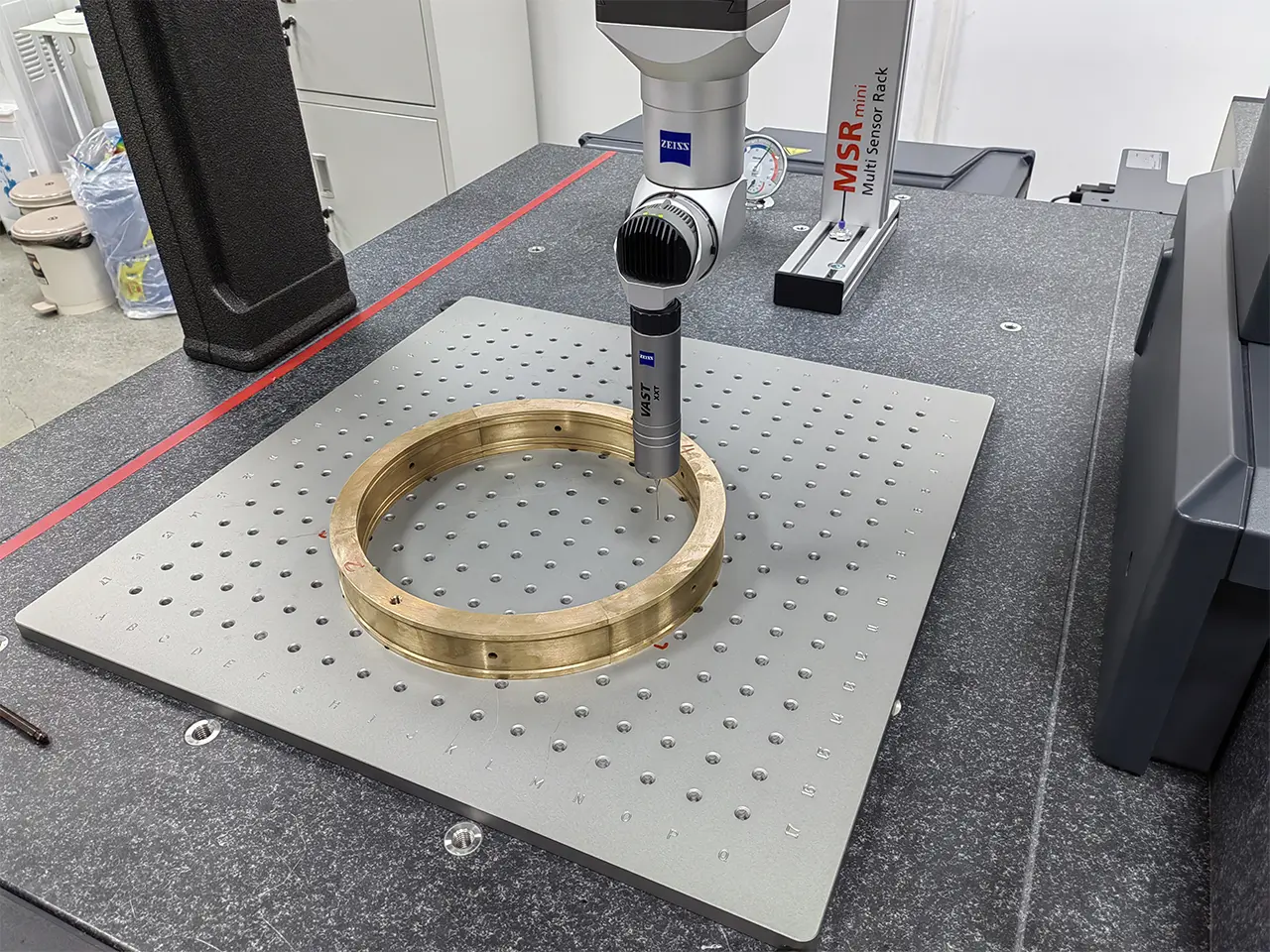
At Dongguan SX Technology Co.,Ltd, quality control is the key driver of our continuous improvement. Our inspection laboratory features advanced testing equipment, including CMM (Coordinate Measuring Machines), optical spectrographs for chemical composition verification, digital hardness testers, and non-destructive testing (NDT) instruments like ultrasonic and liquid penetrant analysis.
Our commitment to quality ensures that internal micro-porosity and inclusions are identified and addressed prior to the machining phase. We adhere to rigorous ISO-compliant operational standards, securing traceably documented batches that support our clients' international compliance needs.
A structured approach ensures consistent quality in the casting and machining process. Below is the technical capability and processing framework followed by our manufacturing facility:
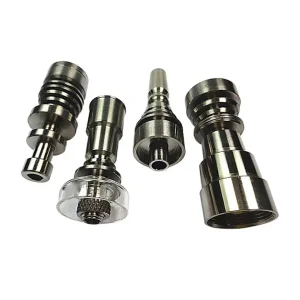
Our titanium alloy machining capabilities are designed to meet the demands of offshore exploration and deep-sea deployments. Working with tough materials like Ti-6Al-4V, we ensure that deep-sea housings, connector components, and internal valves resist extreme pressures and corrosive environments.
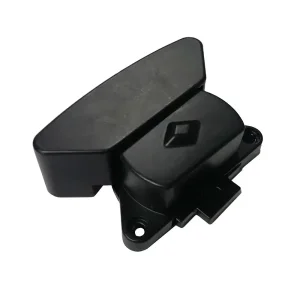
Additionally, our production lines process automotive investment castings and complex aluminum electronics frames, achieving high structural density and excellent dimensional stability across large production volumes.
Sourcing from one manufacturer avoids standard liability splits between the foundry and the machining supplier. When internal defects are discovered during machining, a single-source manufacturer like Dongguan SX Technology Co.,Ltd takes complete ownership, streamlining adjustments to casting molds or tooling parameters to eliminate repeat issues.
We use casting simulation software to design our runners and risers, ensuring uniform cooling. For critical components, we employ Non-Destructive Testing (NDT) methods like ultrasonic inspection and coordinate measuring machines to verify internal density before high-speed CNC milling and turning begin.
While standard as-cast tolerances hover around ±0.2mm to ±0.5mm, post-casting precision CNC machining allows us to target linear tolerances down to ±0.005mm. This enables precise alignments for bearing bores, shaft seats, and gasket sealing surfaces.
We recommend titanium alloys (such as Grade 5 / Ti-6Al-4V) or duplex stainless steel. These alloys offer excellent yield strengths and resistance to pitting and crevice corrosion under high hydrostatic pressures. Our CNC machining division is fully equipped with high-rigidity tooling specifically configured for processing tough titanium alloys.
Our facility handles small-to-medium pilot runs for validation alongside high-volume automated production. Our lost-wax casting lines accommodate part weights ranging from several grams up to 80 kilograms, while our CNC machining platforms process parts up to 1000mm in length.
Yes. We provide complete material certification traceable to the ladle chemistry analysis. Available surface finishes include anodizing, electroplating, chemical passivation, sandblasting, and custom PVD coatings depending on your application requirements.
 SX Machining