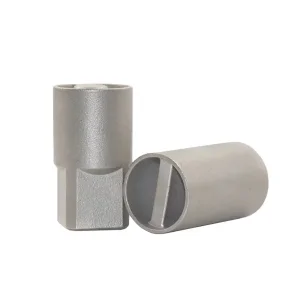
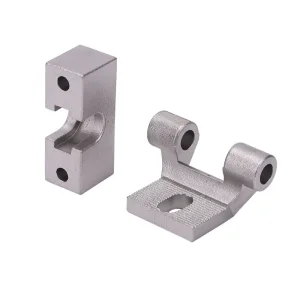
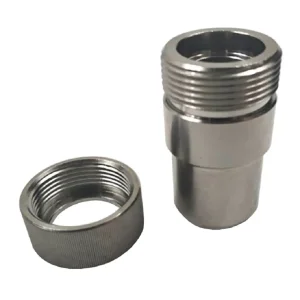
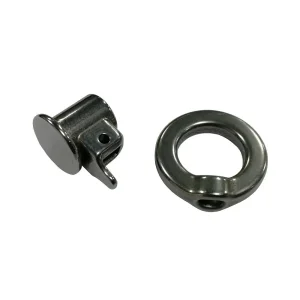
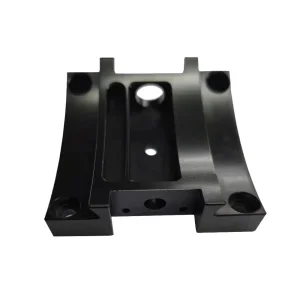
Showcasing custom-engineered, multi-industry mechanical components from our ISO-certified production units.
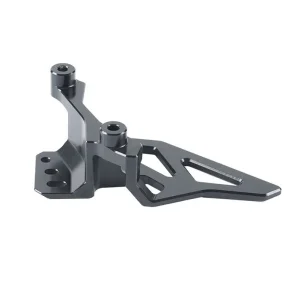
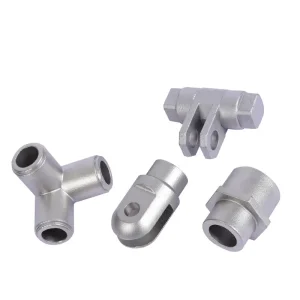
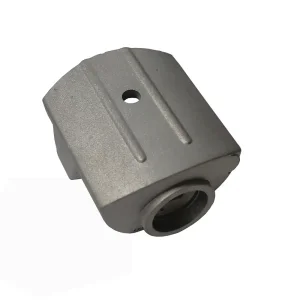
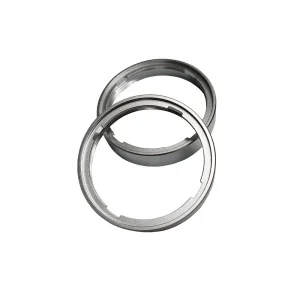
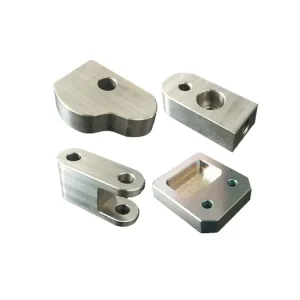
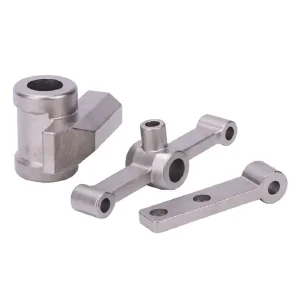
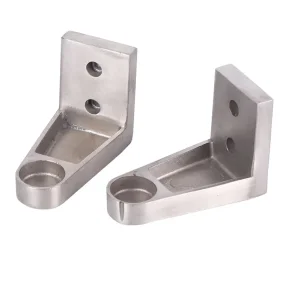
In the contemporary manufacturing sector, the demand for lightweight, highly durable, and thermally efficient components has positioned precision aluminum castings at the center of mechanical engineering innovation. Aluminum, recognized for its exceptional strength-to-weight ratio, excellent thermal conductivity, and natural corrosion resistance, presents complex manufacturing challenges when tight tolerances and zero-defect structures are required.
To meet these criteria, state-of-the-art aluminum foundries employ methods such as investment casting (lost wax), high-pressure die casting, and low-pressure permanent mold casting, integrated with subsequent high-speed multi-axis CNC machining. Through precise grain structure control during solidification and targeted heat treatment procedures (like T5 and T6 tempering), components are engineered to withstand extreme mechanical stress in sectors ranging from electric vehicle drivetrains to aerospace instrumentation and critical medical enclosures.
Weight Reduction: Decreasing structural weight by up to 50% compared to cast iron, maximizing fuel and battery economy.
Complex Geometries: Net-shape or near-net-shape manufacturing allows thin-walled structures and complex internal cooling channels.
Thermal Performance: Superior dissipation rates make it ideal for heat sinks, motor housings, and electronic power converters.
Surface Finishing: Compatible with anodizing, chromate conversion coating, powder coating, and precision bead blasting.
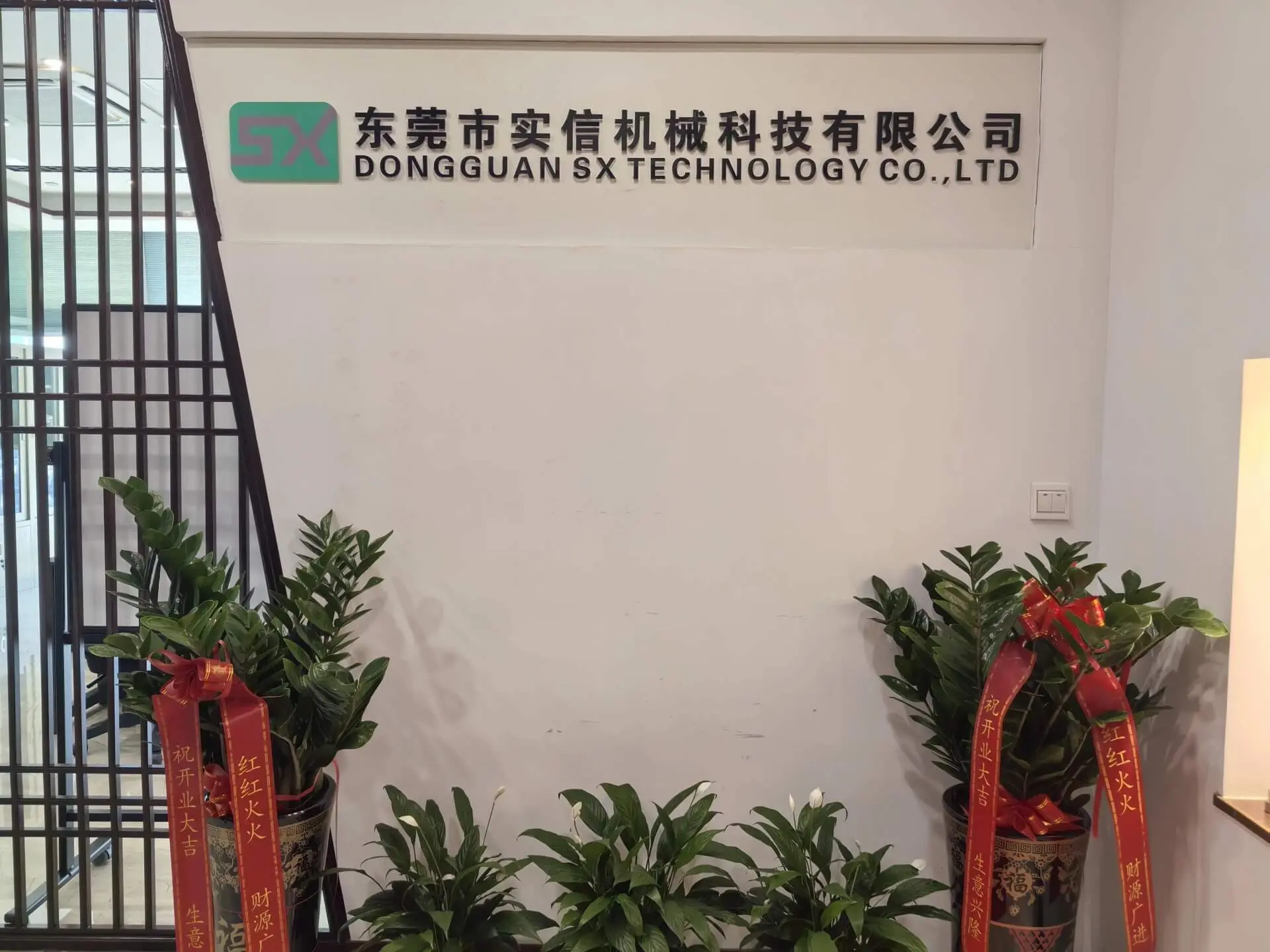
Dongguan SX Technology Co.,Ltd has very rich experience in precision casting, CNC machining and assembly. Our products are used in machinery, automobiles, marine, ships, equipment, valves and pumps, electronic appliances, packaging, watches, construction, chemical industry and other industries. The most commonly used materials for investment casting are stainless steel and carbon steel. And the most commonly used materials for CNC machining include titanium alloy, stainless steel, carbon steel, aluminum alloy, copper alloy, cemented carbide, etc.
We have advanced manufacturing equipment and technology and are able to respond quickly to your needs.
Established & Innovating
Metals & Advanced Alloys
Analyzing market shifts toward high-integrity aluminum alloys and the rise of smart factory ecosystems.
Global automotive supply chains are shifting toward aluminum structures. Motor housings, structural battery trays, and subframes require high-integrity die casting and precision finishing to improve battery life and drive performance.
With the expansion of 5G and radar systems, components require cast-in cooling structures and electromagnetic interference (EMI) shielding. Aluminum alloys such as AlSi10Mg provide the necessary thermal control and shielding properties.
Modern designers focus on consolidating multi-part welded assemblies into a single cast component. This minimizes mechanical joints, lowers production costs, and reduces potential failure points in demanding industrial settings.
Achieving mechanical integrity requires matching the selected casting process with the correct aluminum alloy. The table below details the performance parameters of common aluminum alloys used for high-precision components.
| Alloy (ANSI/EN) | Primary Casting Method | Yield Strength (MPa) | Tensile Strength (MPa) | Thermal Cond. (W/m·K) | Key Applications |
|---|---|---|---|---|---|
| A356 (AlSi7Mg0.3) | Investment / Permanent Mold | 180 - 220 (T6) | 250 - 290 (T6) | 150 - 160 | Structural mounts, automotive knuckles, aerospace manifolds, pump housings |
| A380 (AlSi9Cu3) | High Pressure Die Casting | 160 | 320 | 96 | Engine brackets, gearbox cases, consumer electronics chassis, motor brackets |
| AlSi10Mg | Investment / Die Casting | 220 (T6) | 300 (T6) | 110 - 130 | Thin-walled electronic enclosures, heat exchangers, complex structural parts |
| A390 | Permanent Mold / Sand | 240 | 310 | 134 | Wear-resistant components, cylinders, pistons, heavy-duty pulleys |
How digitalization, automated metrology, and sustainable alloys are shaping the future of foundry operations.
Using finite element analysis (FEA) software allows engineers to model mold-filling behavior, predict thermal hotspots, and eliminate shrinkage defects before physical molds are manufactured. This reduces lead times and tooling costs.
Modern manufacturing increasingly relies on post-consumer recycled aluminum, which requires only 5% of the energy needed for primary aluminum production. Foundries are optimizing degassing and filtration to maintain high mechanical properties in recycled alloys.
Combining the speed of casting with the dimensional accuracy of CNC machining allows for complex geometries. Near-net-shape casting provides the raw form, while 5-axis CNC machines mill critical contact faces to tolerances within +/- 0.005 mm.
Our state-of-the-art facilities are equipped to handle advanced investment casting, permanent mold preparation, and high-tolerance post-casting machining under one roof. Process integration minimizes component transport time, maintains material quality, and ensures traceability from raw ingot to finished component.
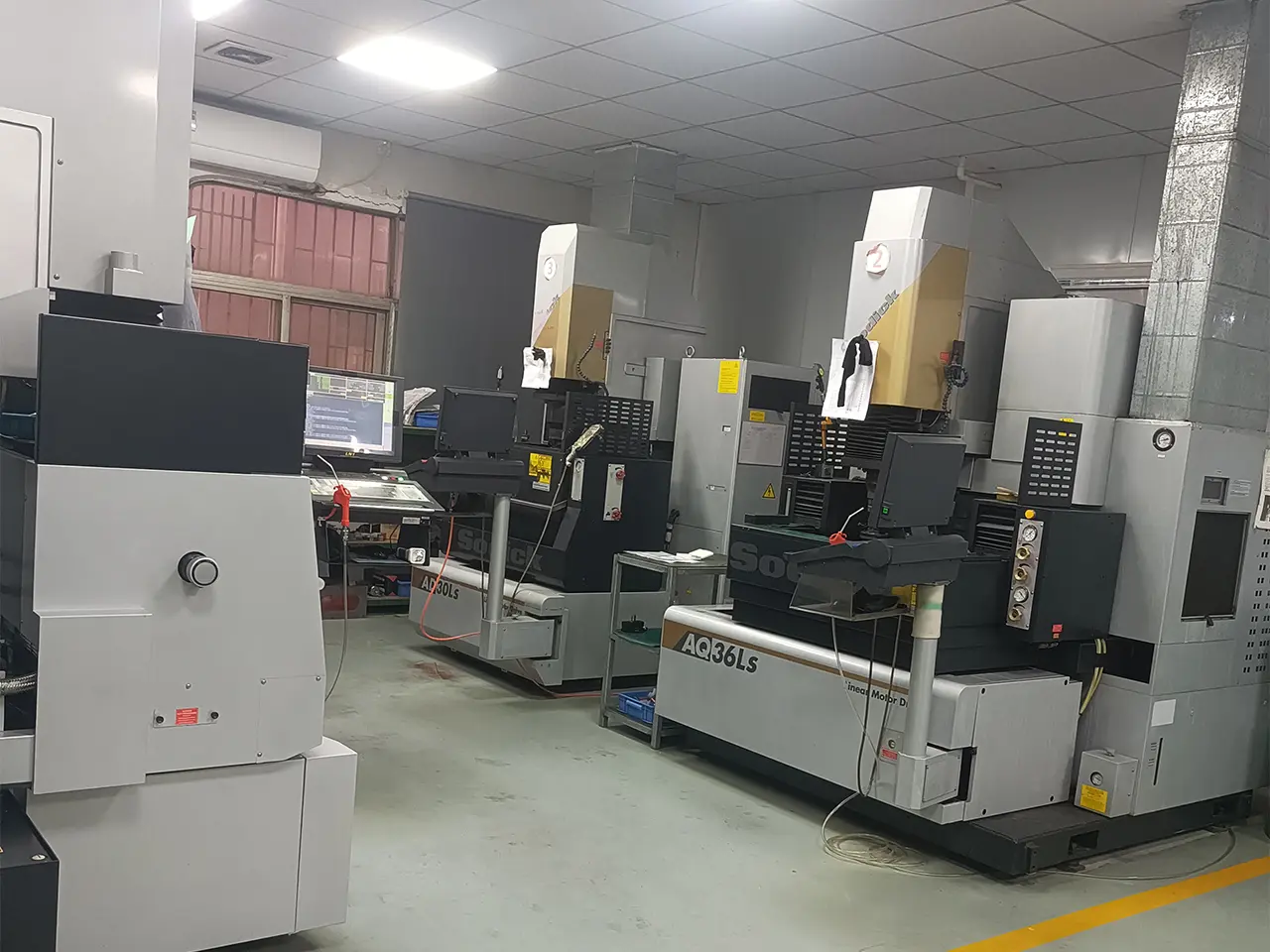
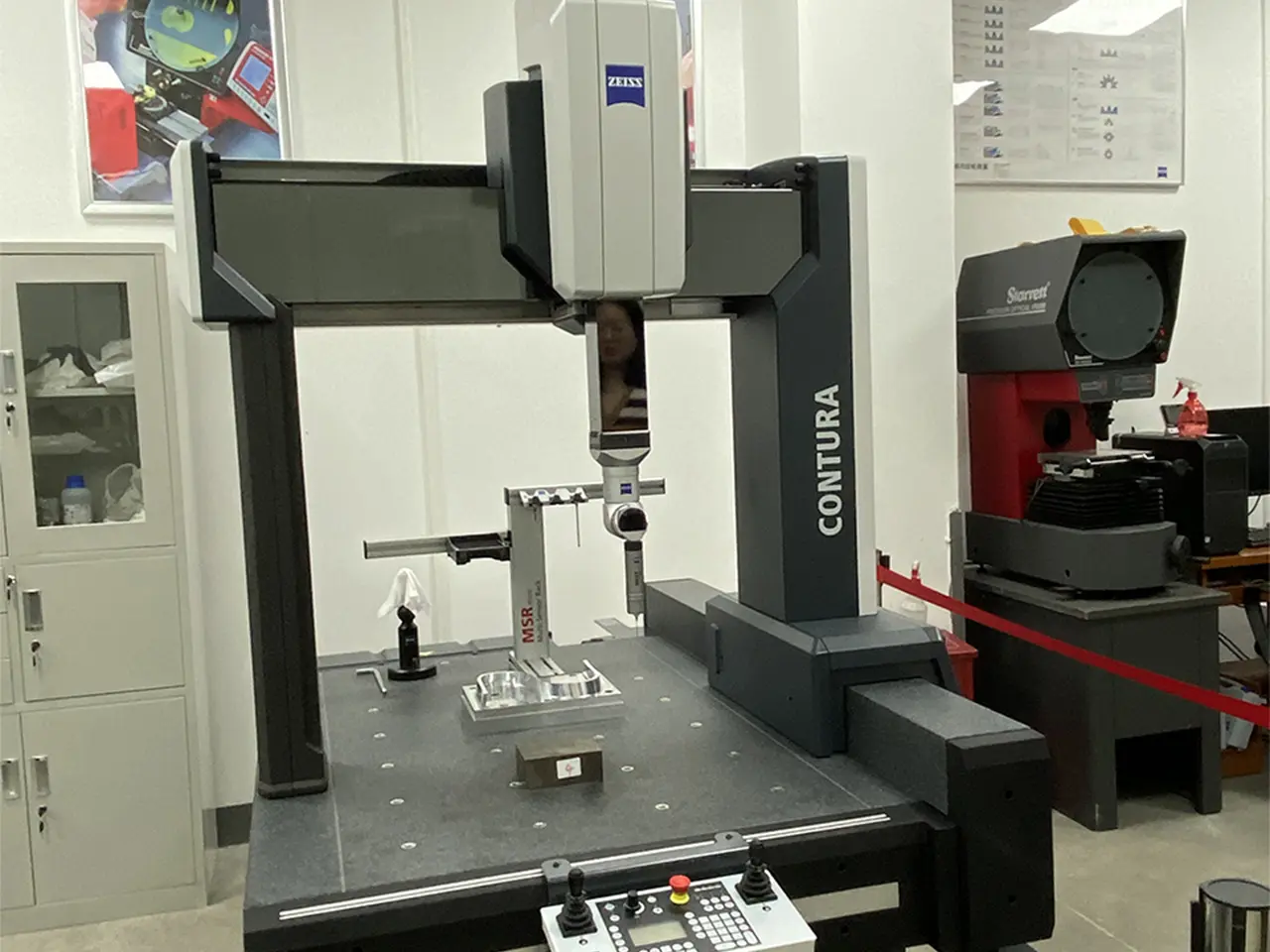
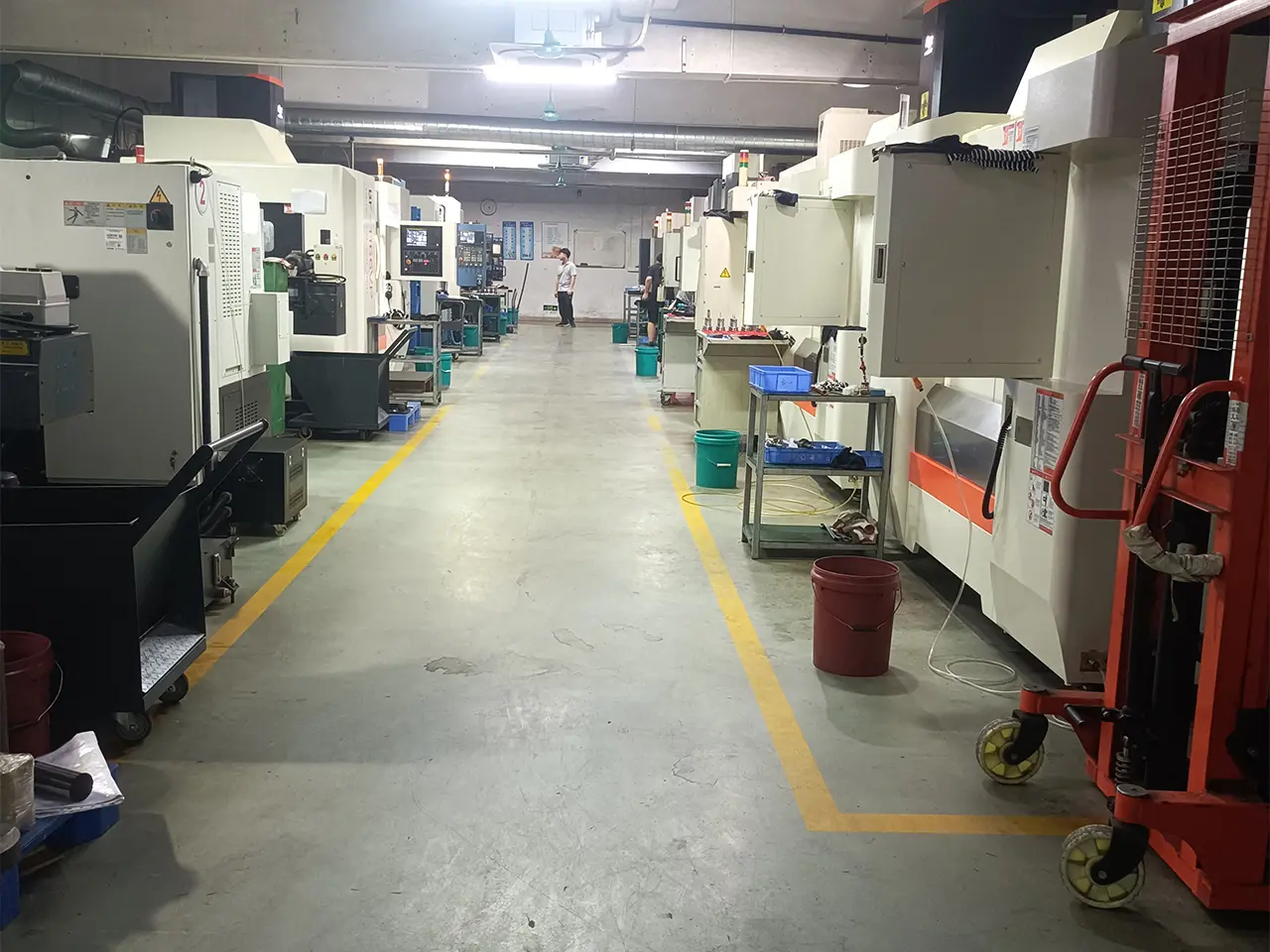
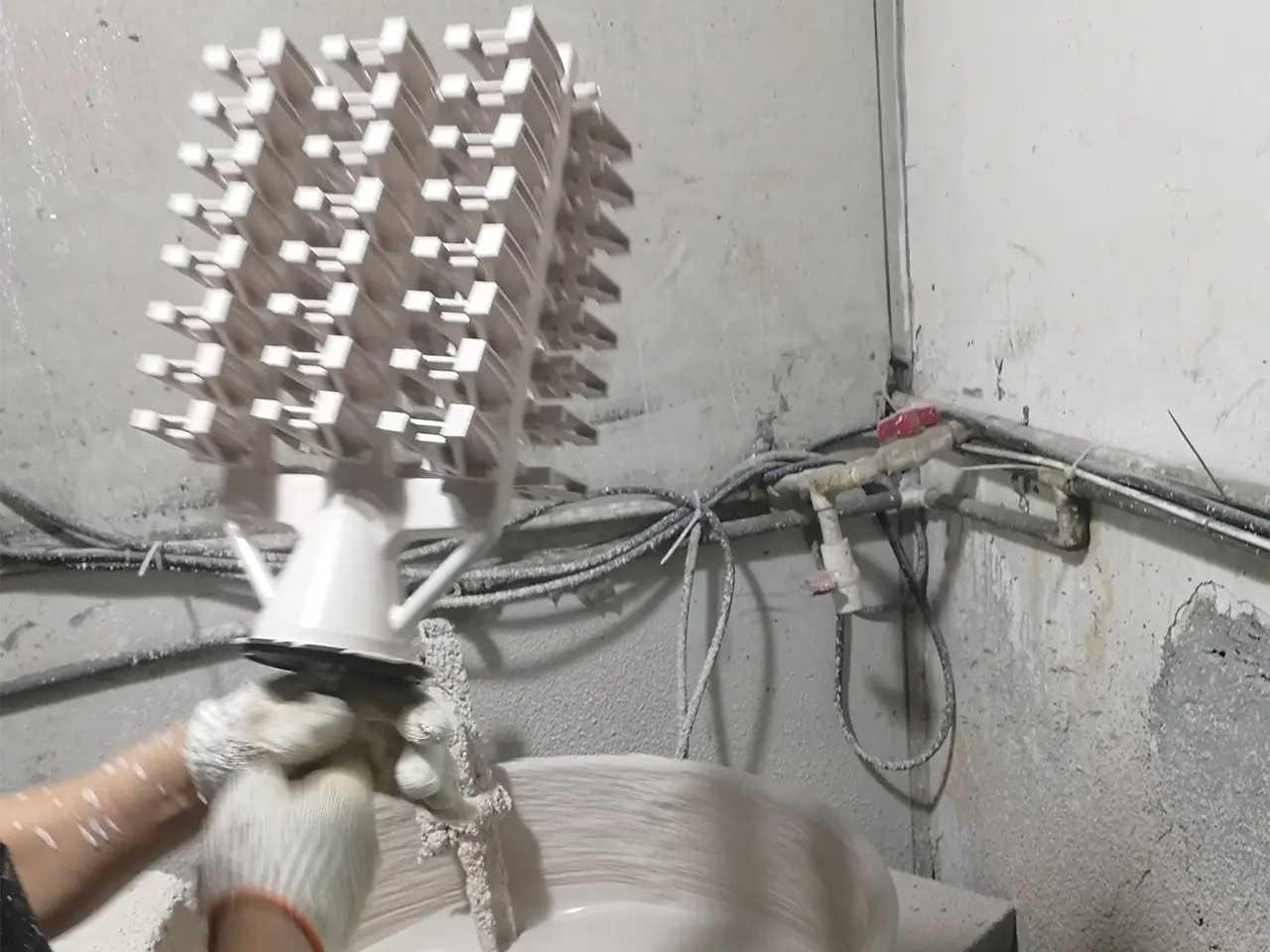
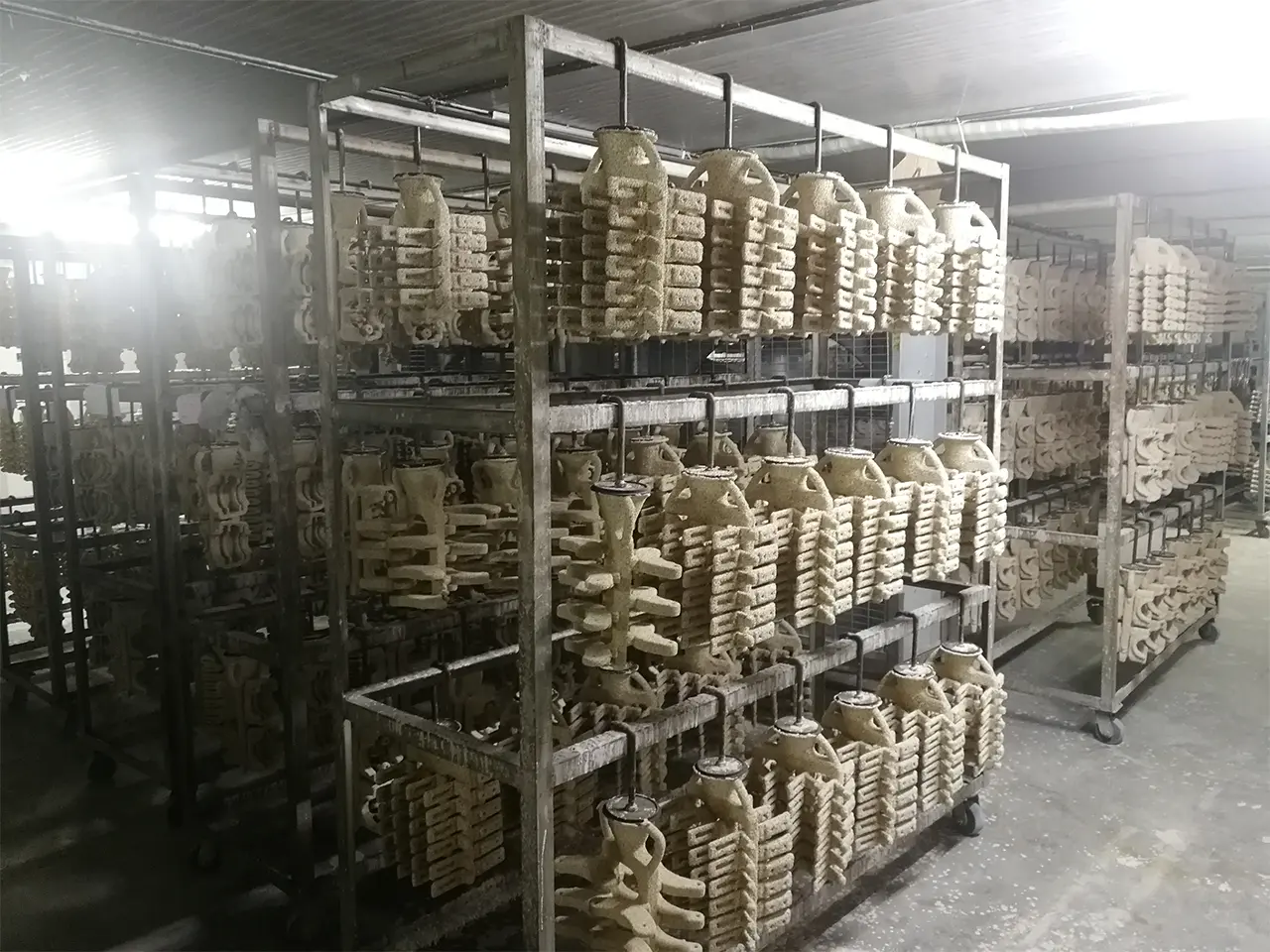
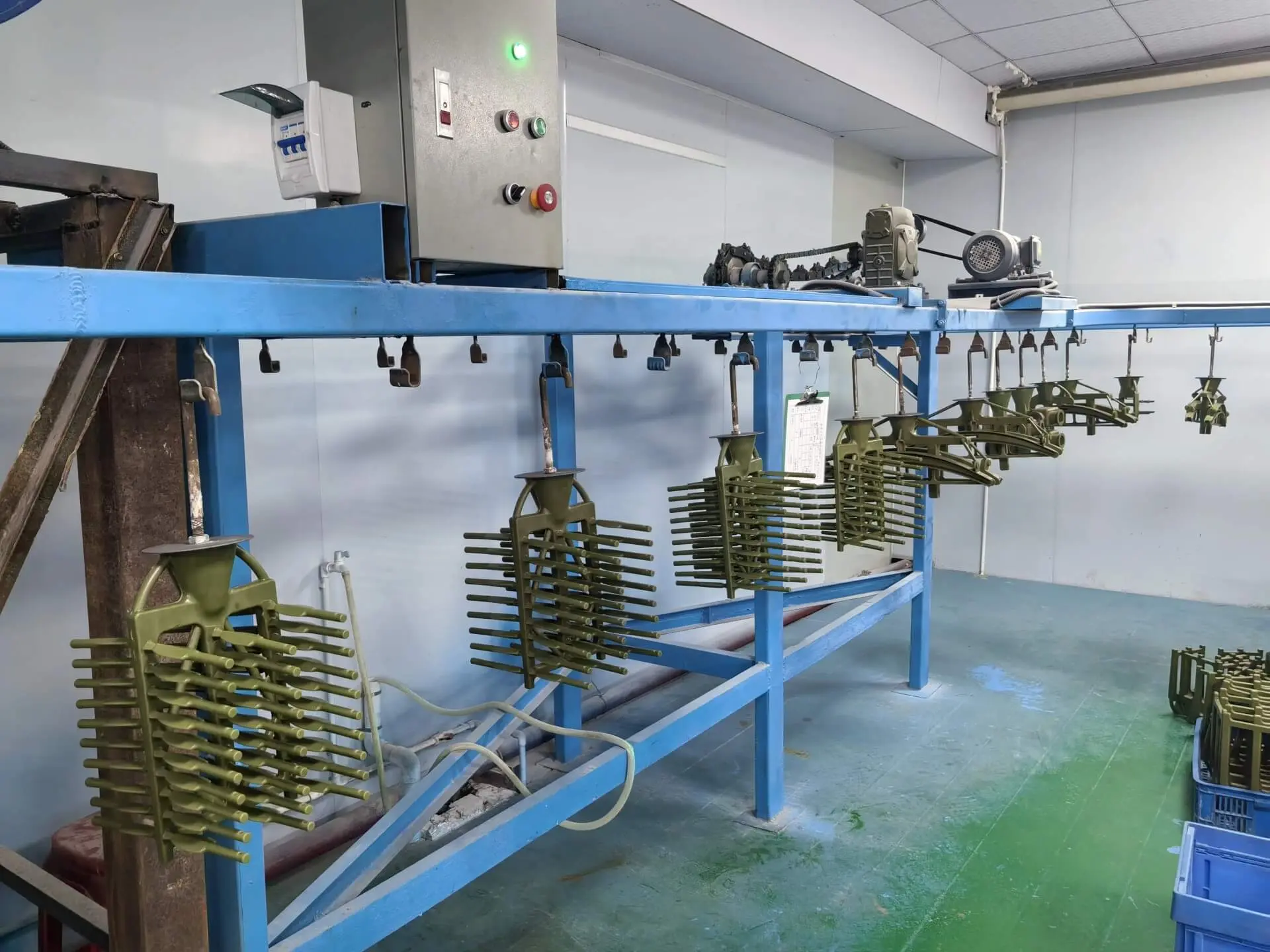
We have professional testing equipment and professional QC personnel, and we adhere to strict tolerances and quality standards for the products we produce. Due to our insistence on strict quality requirements, we have been praised by many customers.
Quality is the cornerstone of the manufacturing industry. We firmly believe that only by controlling quality well can we survive, develop, and get better and better. Therefore, we have been working in this industry unremittingly since 2014 and continue to Improve the company's team and improve the company's production capacity.
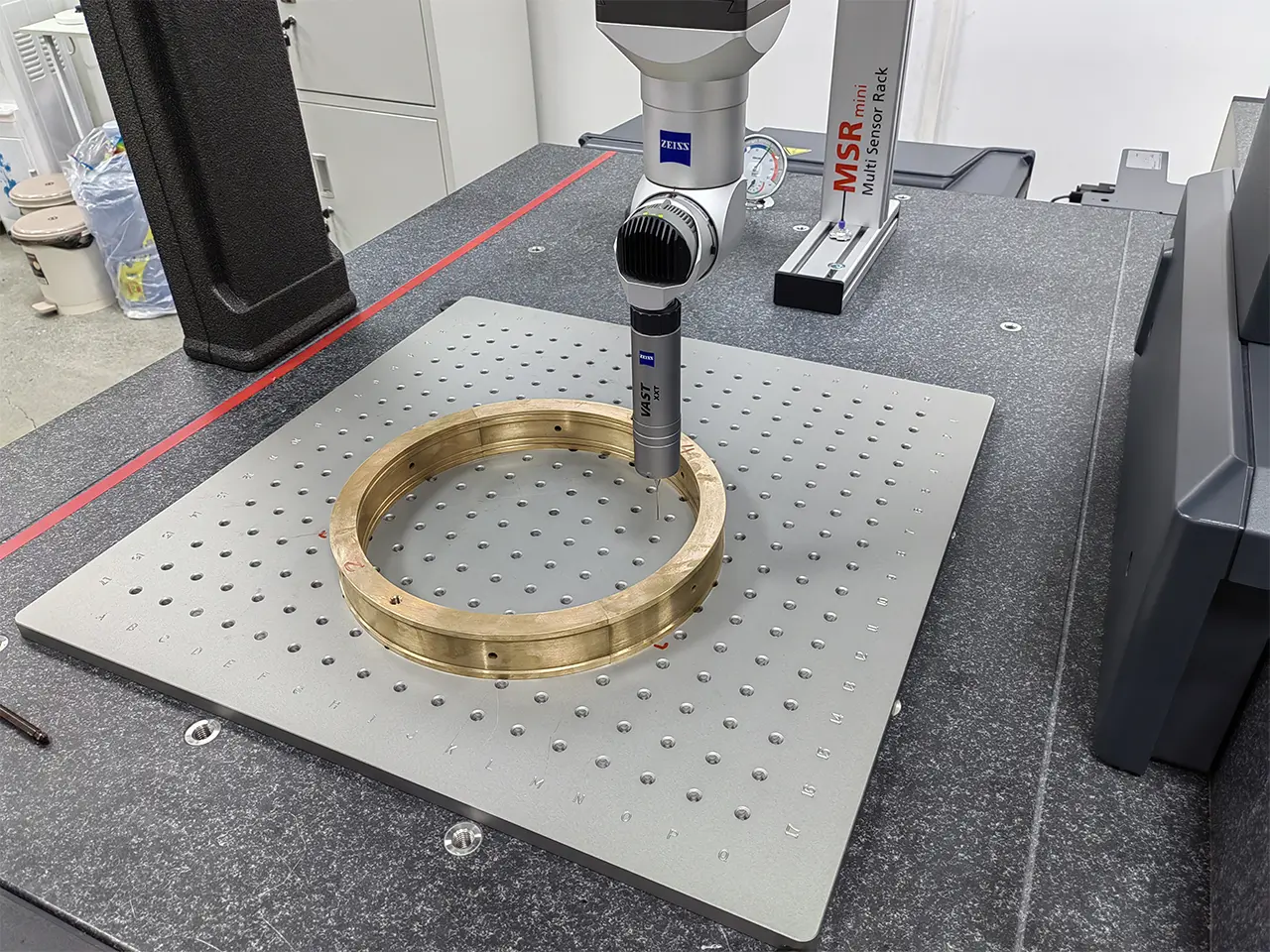
As a global manufacturing hub, Dongguan offers distinct industrial advantages for precision casting and machining. The region provides access to a comprehensive supply network, including raw ingot suppliers, specialized heat-treatment facilities, custom surface finishers, and tooling designers.
This concentration of industry enables rapid prototyping and shortens the lead time from design to production. Dongguan SX Technology Co.,Ltd leverages this infrastructure to secure stable raw material pricing and access specialized processing steps, such as hard anodizing or vacuum impregnation, without long shipping delays. Proximity to shipping hubs in Shenzhen, Guangzhou, and Hong Kong also helps lower international freight costs and transit times.
Providing engineering support and international standards compliance to minimize risk in overseas sourcing.
We review mechanical designs to identify necessary revisions, such as draft angles, uniform wall thicknesses, and pocket radii. This step helps minimize defects and reduce casting cycle times.
We work to match international testing protocols, using ASTM, DIN, and JIS standards. Our processes are set up to comply with RoHS and REACH requirements for environmental and chemical safety.
We assign dedicated project managers to handle the communication gap. Our team provides status reports, progress photos, and coordinate verification reports to match your schedule.
Technical answers to typical questions asked by sourcing engineers and quality managers.
We process varied metals including titanium, stainless steel, and aluminum alloys for international partners.
 SX Machining