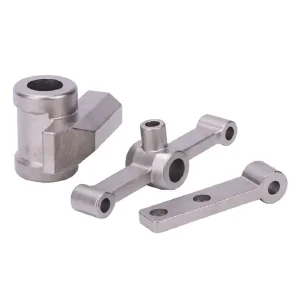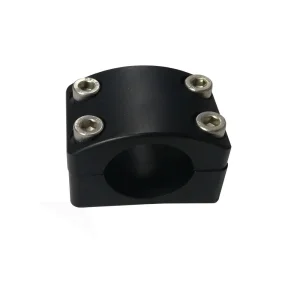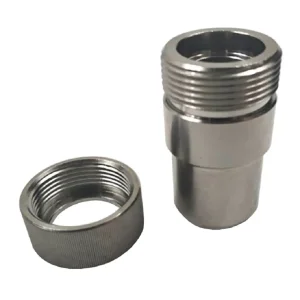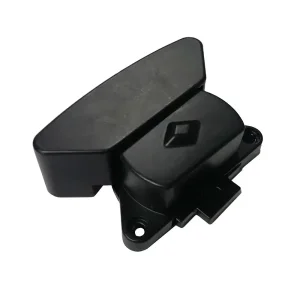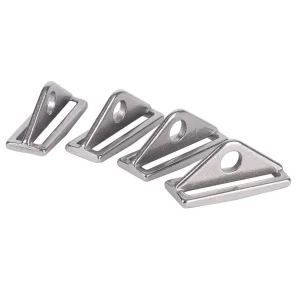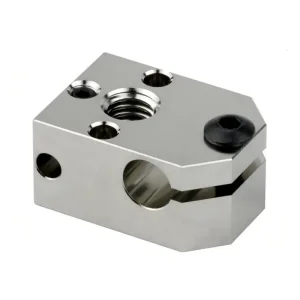
Custom Precision Casting Repair Manufacturer & Factory

Advanced Metallurgical Restoration, ISO-Certified Precision Engineering, and Industry 4.0 Component Repair Solutions for High-Performance Industrial Sectors.

Metallurgical IntegrityThe Tech & Science of Precision Casting Repair

In high-stress industrial applications, precision cast components fabricated from stainless steel, titanium, or superalloys are subjected to extreme wear, cyclic stress, thermal fatigue, and corrosive environments. Over time, micro-fractures, localized porosity wear, and volumetric degradation occur. Simply replacing complex casting structures is frequently cost-prohibitive and introduces long downtime intervals. As an elite custom precision casting repair manufacturer & factory, Dongguan SX Technology Co.,Ltd leverages advanced metallurgy science and state-of-the-art subtractive/additive techniques to restore high-value casting assemblies to original OEM geometric and mechanical specifications.

"Precision casting repair is not merely welding or cosmetic patching. It is an engineering discipline requiring absolute thermal control, phase structure synchronization, and strict post-repair verification to ensure zero deviation in mechanical strength, fatigue threshold, and corrosion resistance."

Localized Thermal Control

High-precision repairs require localized heat management to prevent the formation of heat-affected zones (HAZ) which can cause brittleness or grain distortion in stainless steel and titanium structures.

Geometric Precision

By pairing casting repairs with our multi-axis CNC milling, we ensure that repaired mating surfaces and inner paths meet tolerances down to 0.005mm.

Defect Erasure

We eliminate casting defects like shrinkage, voids, and inclusion damage by utilizing precise excavation, filler metal deposition, and heat treatment to merge repair sites seamlessly.

Key Engineering Restoration Techniques

Depending on the structural integrity requirements, we apply highly focused technologies, including TIG (Tungsten Inert Gas) welding, micro-laser welding, and specialized hot-isostatic processing. For complex geometry components like valve bodies, chemical pump housings, and marine propellers, post-repair machining is essential. Our CNC turning and milling machinery recalibrates the component dimensions back to standard, eliminating manual rework margins and ensuring standard interchangeability.
About Dongguan SX Technology Co.,Ltd

Decades of Precision Casting & CNC Machining Experience

Dongguan SX Technology Co.,Ltd has very rich experience in precision casting, CNC machining and assembly. Our products are used in machinery, automobiles, marine, ships, equipment, valves and pumps, electronic appliances, packaging, watches, construction, chemical industry and other industries.

The most commonly used materials for investment casting are stainless steel and carbon steel. And the most commonly used materials for CNC machining include titanium alloy, stainless steel, carbon steel, aluminum alloy, copper alloy, cemented carbide, etc. We have advanced manufacturing equipment and technology and are able to respond quickly to your needs.

2014
Est. Year
ISO9001
Quality Certification
0.005mm
Max Machining Precision
100%
NDT Defect Verification
Dongguan SX Technology CNC Machining & Casting Facility

Market EconomicsGlobal Procurement Trends & Industrial Applications

Why modern procurement officers are shifting from absolute component replacement to high-precision restorative casting technologies.

The global precision casting repair sector is witnessing significant demand changes. High inflation, raw material shortages, and intense geopolitical disruptions mean that industrial operators in the EU and Americas are seeking to extend the lifecycle of their critical metal structures rather than ordering new molds. Casting repair has transformed from an ad-hoc emergency solution into a structured procurement strategy.

Demands from Core Sectors:

  • Marine & Chemical Environments: Propellers, subsea valves, and deep-sea exploration pods are subjected to high chloride environments. Repairs must utilize high-end stainless steel alloys with matching localized electrochemical potentials to prevent accelerated galvanic corrosion.
  • Medical Applications: Component surface preparation and biocompatibility verification are essential. Our titanium medical-grade CNC milling ensures that repaired components comply with medical structural tolerances.
  • Automotive and Heavy Machinery: High-cycle fatigue limits dictate repair zones. Utilizing advanced heat treatments to eliminate stress accumulation ensures repaired components survive constant vibration profiles.

Industry 4.0 FocusChina’s Supply Chain Resilience & Modern Casting Repair

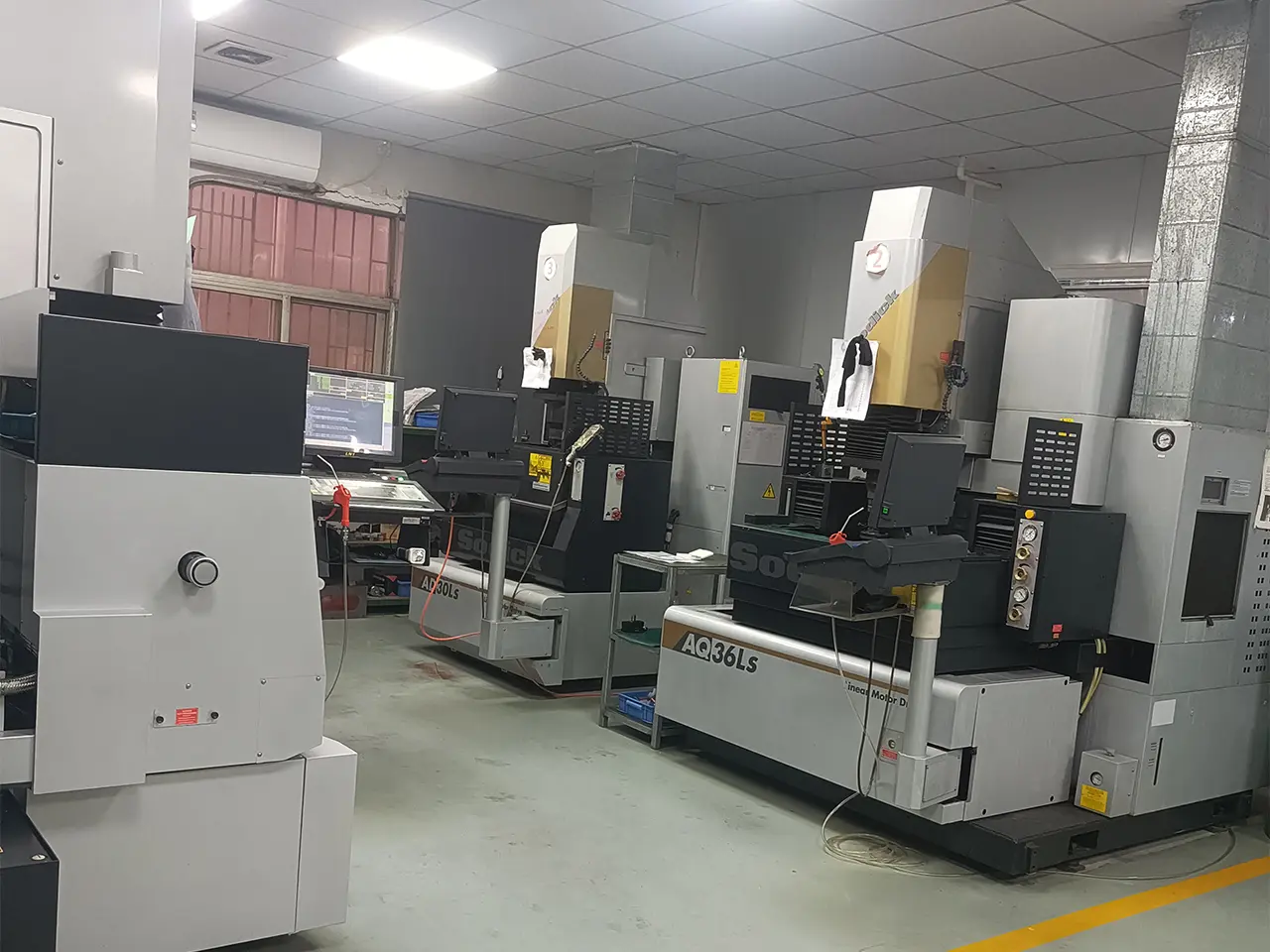
The reputation of Chinese factories has transitioned from mass production to smart manufacturing, powered by Industry 4.0 integration. The Dongguan SX Technology facility demonstrates this paradigm. We combine investment casting operations, modern metallurgy, and computerized multi-axis CNC machines into a unified production network. This approach reduces transit overheads, optimizes setup times, and guarantees traceable quality throughout the repair cycle.

By using modern CAD/CAM alignment, laser tracking, and robotic metal deposition, we achieve dimensional restoration with minimal manual interference. When a damaged part enters our factory, a 3D blue-light scanner maps its surface deviation. This scan is cross-referenced with original technical drawings. The target repair path is computed, uploaded to high-speed CNC milling systems, and executed with high precision. This systematic integration delivers reliability that conventional casting shops cannot replicate.

Visual OperationsOur Production Workshop & Equipment

A deep dive into our advanced machinery, metal processing lines, and metallurgical casting repair workshop environments.

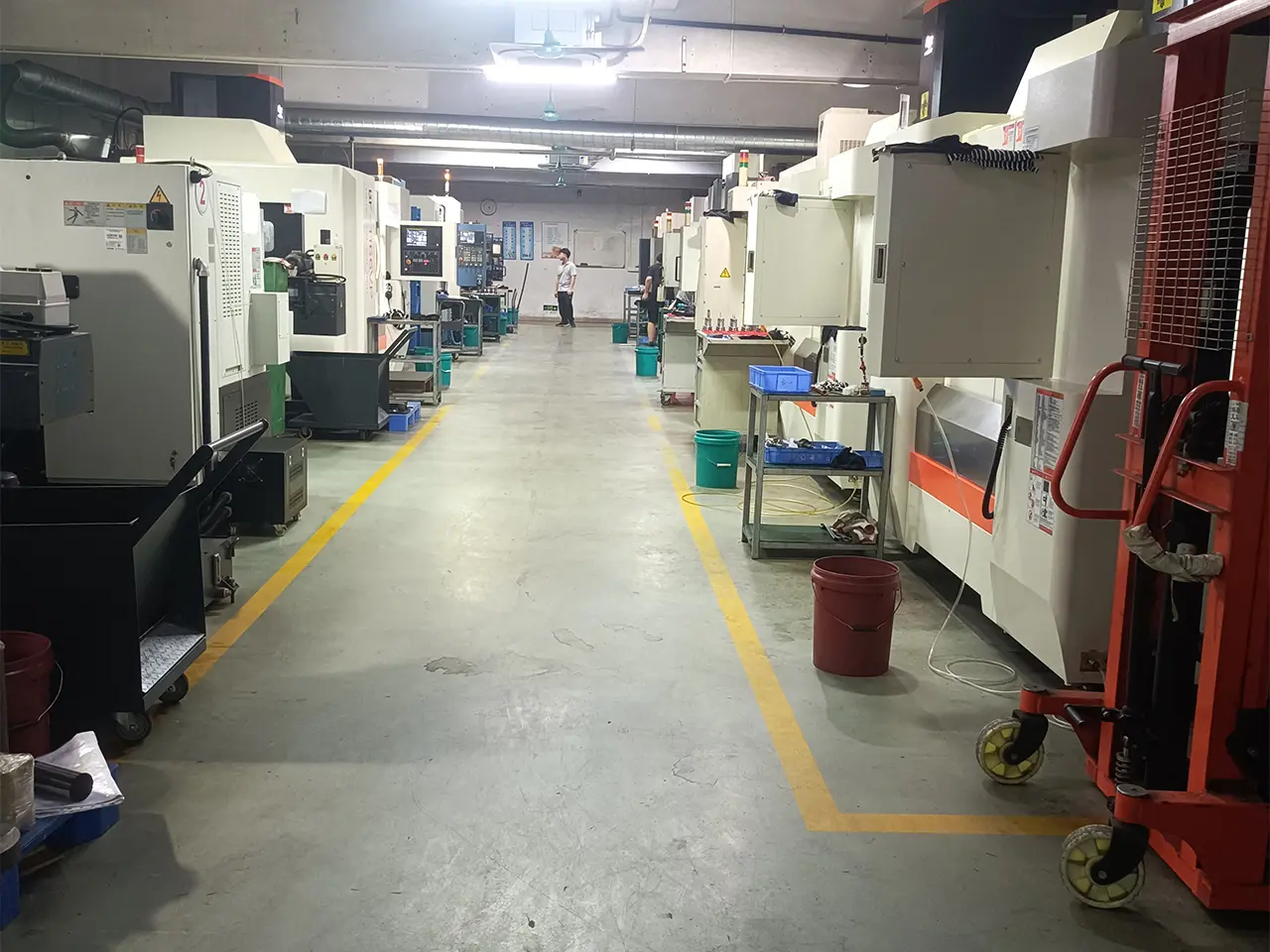
Production Workshop CNC Lathe Line

High-Speed CNC Center

Multi-axis mills for post-repair machining.

Precision Milling Center Operations

Precision Metal Machining

Dimensional restoration for high-tolerance shafts.

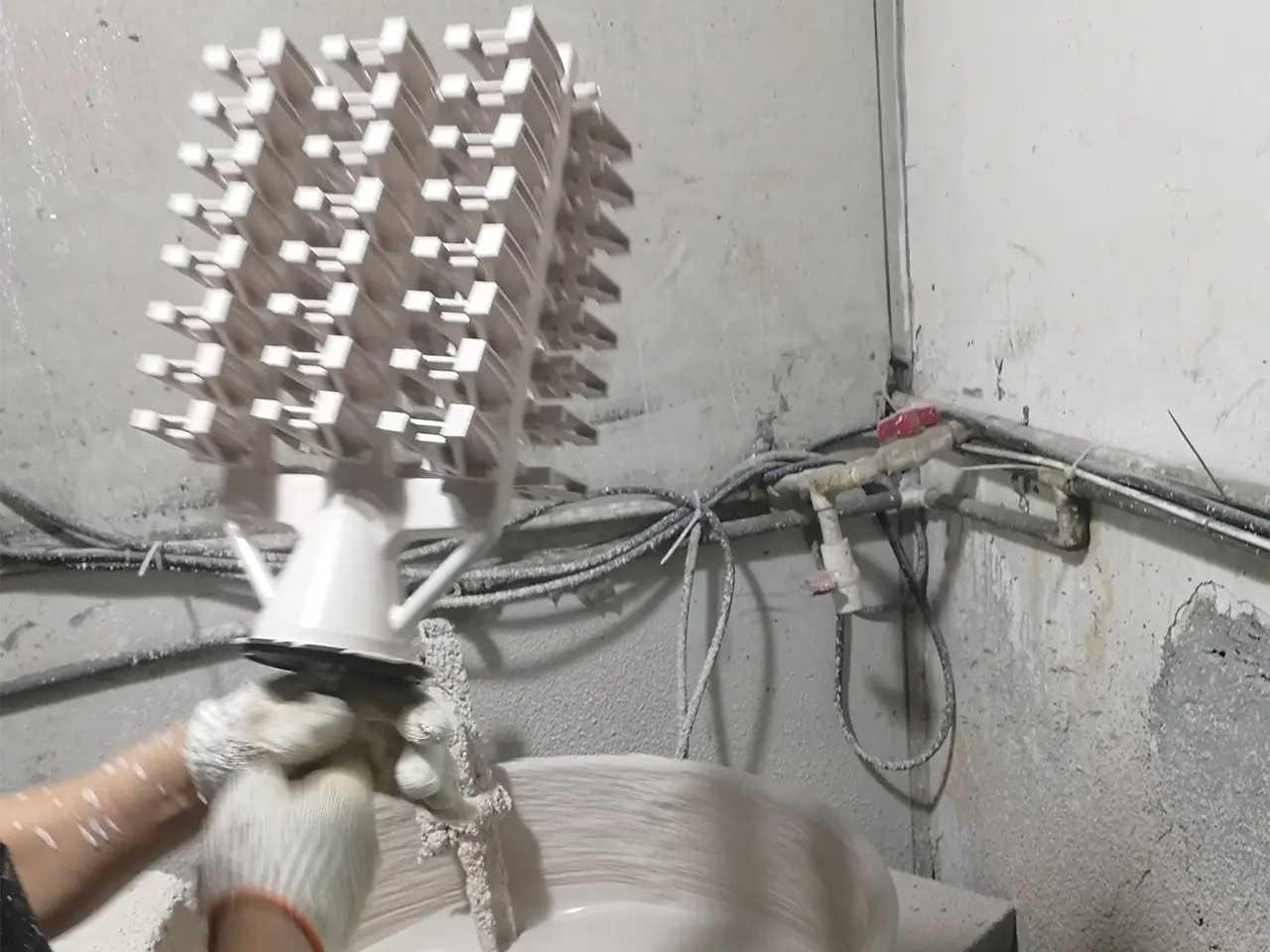
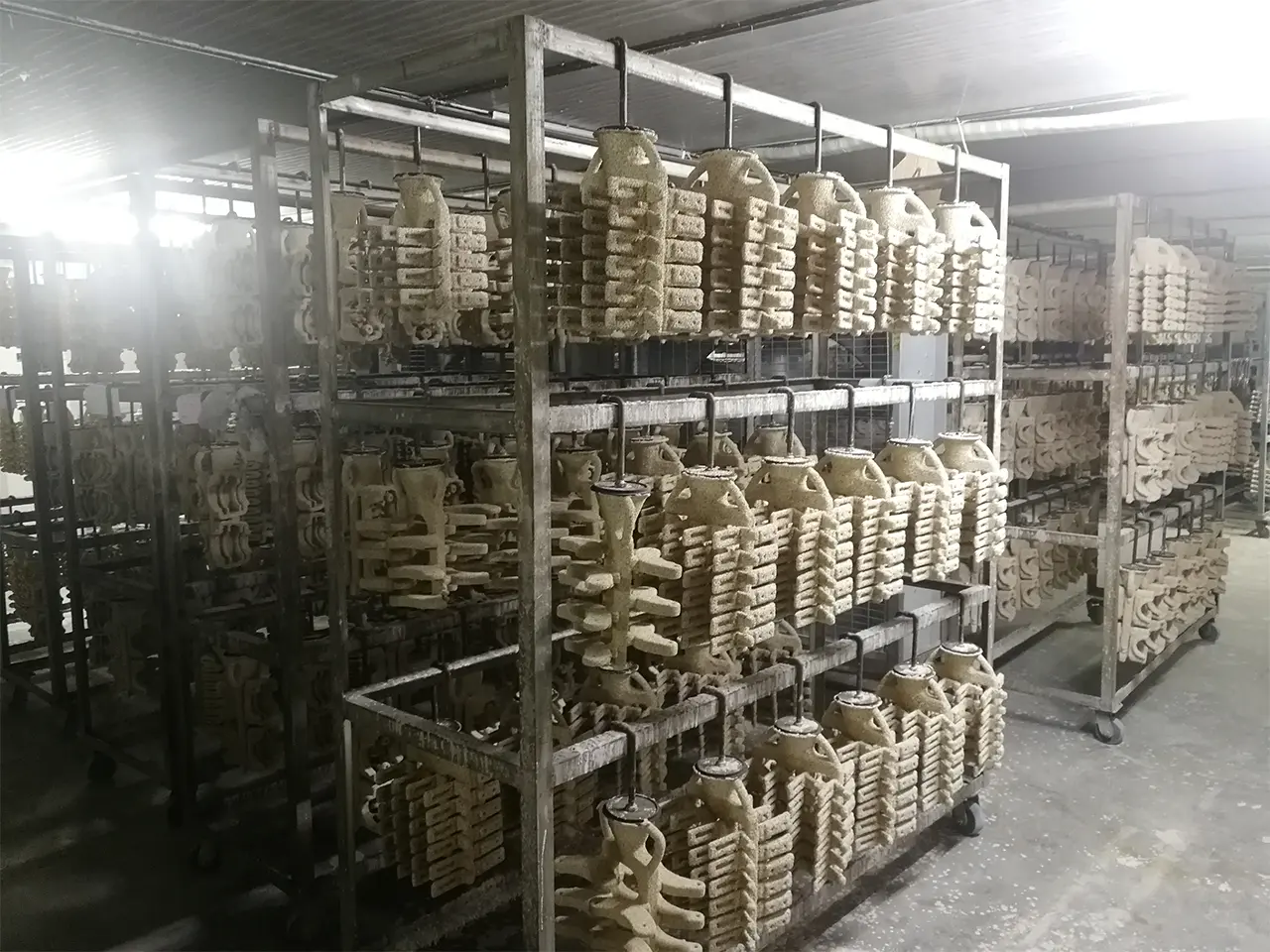
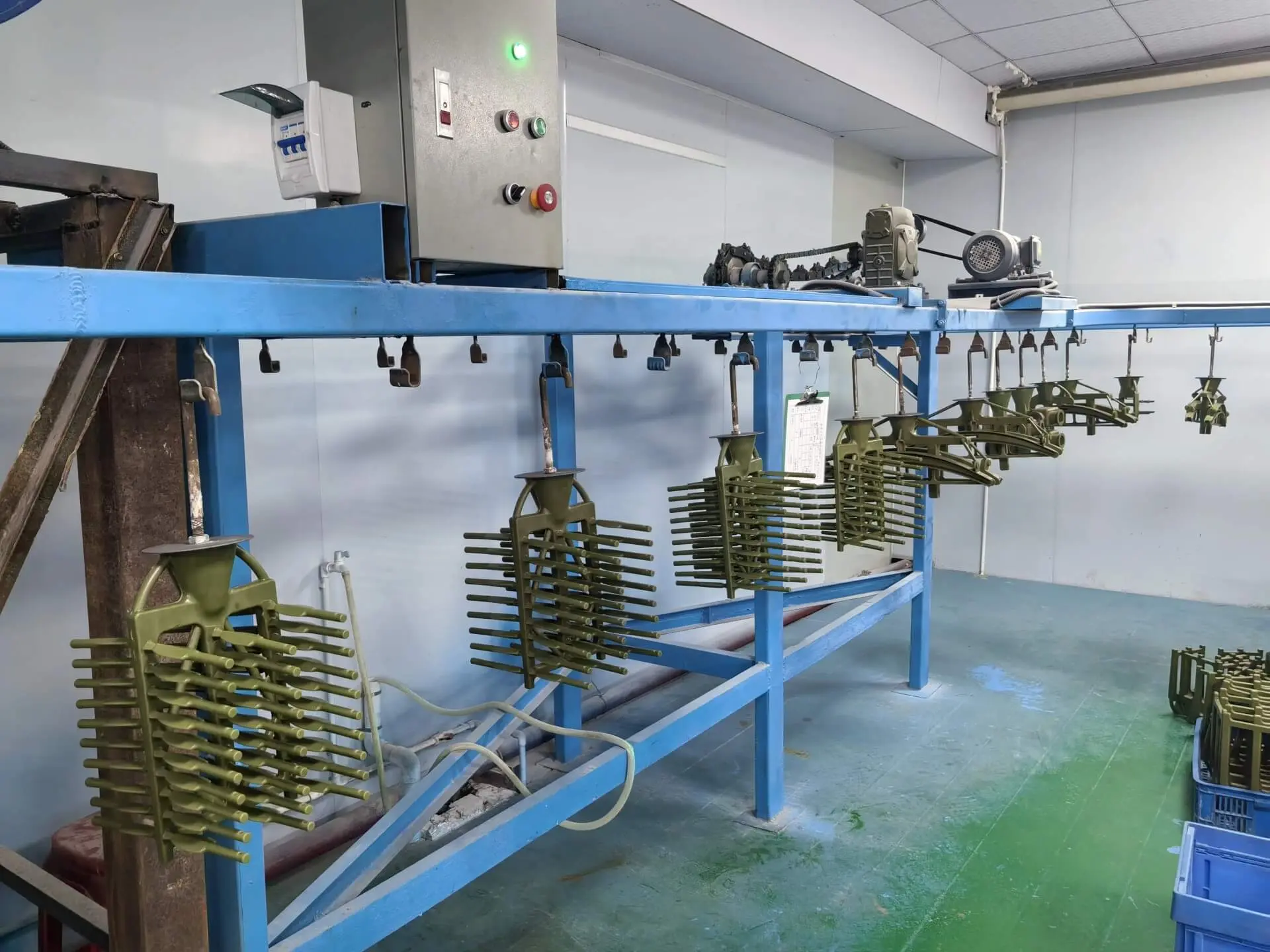
Metal Casting Operations

Precision Casting Line

Investment casting molten steel control.

Metal Lathe Operation Close-up

Surface Turning

Maintaining micro-finish values after repair deposits.

Testing and Assembly line

Assembly & Verification

Rigorous test fits to meet dimensional specifications.

Testing Department

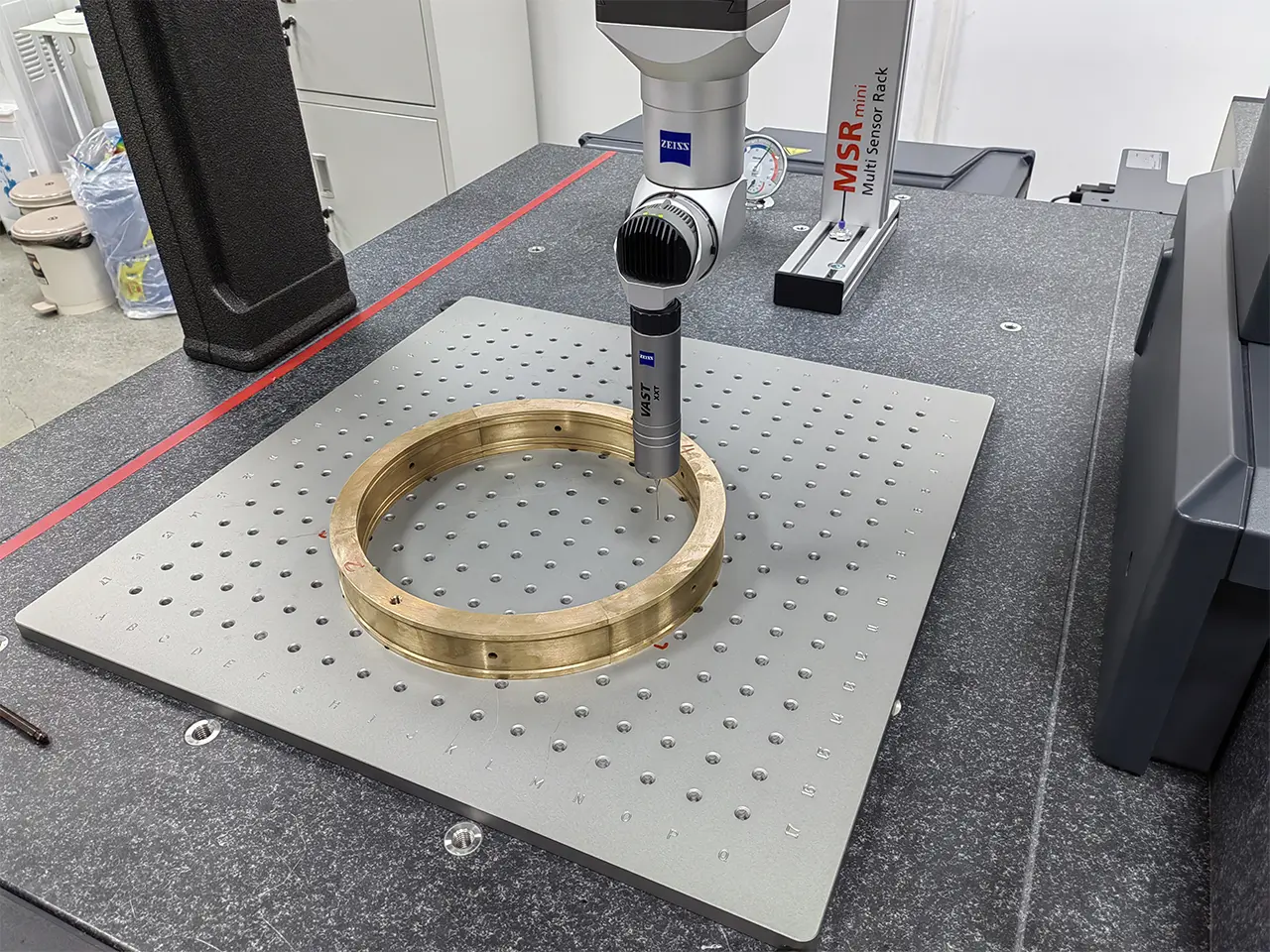
Quality Control Station

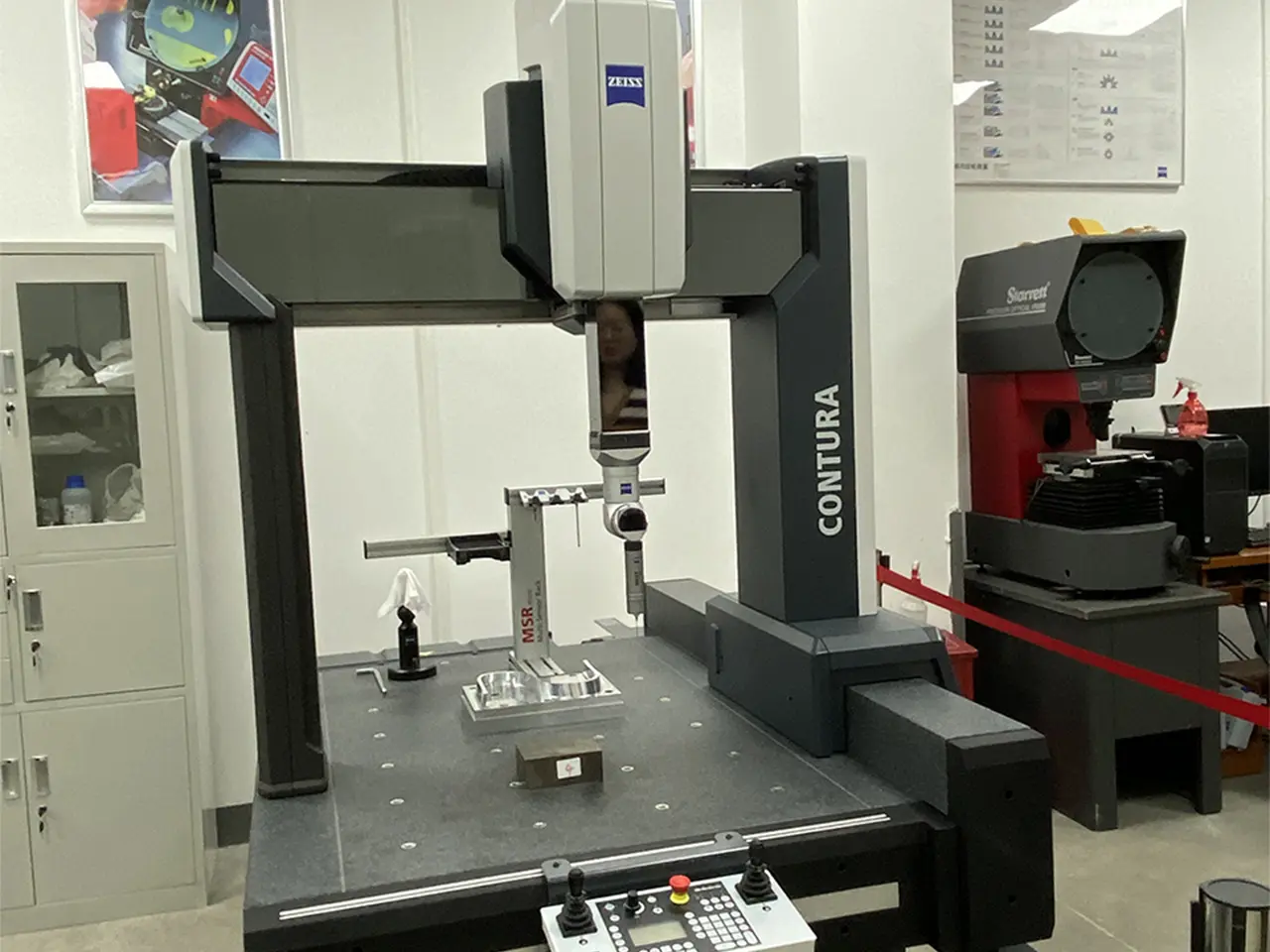
Dimensional inspection & alignment testing.

Quality Control & Non-Destructive Testing (NDT)

We have professional testing equipment and professional QC personnel, and we adhere to strict tolerances and quality standards for the products we produce. Due to our insistence on strict quality requirements, we have been praised by many customers.

Quality is the cornerstone of the manufacturing industry. We firmly believe that only by controlling quality well can we survive, develop, and get better and better. Therefore, we have been working in this industry unremittingly since 2014 and continue to improve the company's team and improve the company's production capacity.

Every repaired casting undergoes rigorous verification, including ultrasonic flaw detection, liquid penetrant testing (LPI), magnetic particle inspection (MPI), and CMM coordinate scanning, ensuring no hidden internal cracks or voids remain.

Quality Inspection Center Checking Parts

Knowledge BaseFrequently Asked Questions (FAQ)

Expert answers about metallurgical casting restoration, machining parameters, and manufacturing standards.

FAQWhat metal alloys can Dongguan SX Technology repair and machine?

We work with a wide range of materials. Our primary investment casting repairs focus on stainless steel (such as CF8, CF8M, Duplex) and carbon steels. For CNC post-machining and structural components, we regularly process titanium alloys (Grades 2, 5, 23), stainless steels, carbon steels, aluminum alloys (6000 & 7000 series), copper alloys, and cemented carbides.

FAQHow do you ensure the repaired area matches the mechanical strength of the parent casting?

We match the chemistry of the filler wire to the base metallurgy. We then apply pre-heating and controlled post-weld heat treatments (PWHT) to normalize the grain structure. This process eliminates internal stresses and prevents phase transformations that could weaken the repair site.

FAQWhat non-destructive testing (NDT) methods do you use to verify structural integrity?

We utilize liquid penetrant testing (LPI) to identify surface defects, magnetic particle inspection (MPI) for sub-surface anomalies, and ultrasonic testing (UT) or radiographic testing (RT) to ensure there is no internal porosity or crack propagation within the repair volume.

FAQCan you machine repaired castings with complex geometries to original tolerances?

Yes. Our multi-axis CNC milling, precision turning, and grinding equipment allow us to restore complex features, including internal threads, O-ring grooves, and mating flanges, to tolerances as tight as 0.005mm.

FAQWhat industries benefit most from your precision casting repair services?

Our solutions serve demanding sectors including maritime engineering (propeller hubs, seawater pumps), chemical processing (corrosion-resistant valve bodies), heavy automotive (engine mounts, drivetrain components), and industrial machinery (structural brackets).

FAQWhat is the typical lead time for an industrial casting repair job?

Lead times vary depending on size, metallurgy, and machining complexity. Simple surface restorations can be completed in 5-7 business days, while large chemical pump bodies requiring weld overlays, stress-relief heat treatments, multi-axis CNC machining, and NDT validation typically take 2-3 weeks.