Explore our primary collection of high-precision lost-wax castings and advanced CNC milled components designed for heavy-duty industrial configurations.
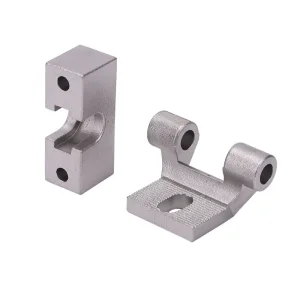
High-strength component casting with secondary tight-tolerance surface finish.
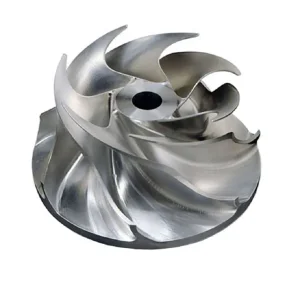
Fluid dynamics impellers manufactured using ultra-precise 5-axis synchronous milling.
Custom weatherproof structural components fabricated with corrosion-resistant finishes.
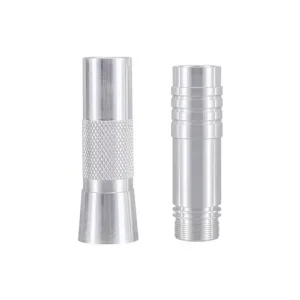
Rotational symmetry components with micrometer-level precision and thread cuts.
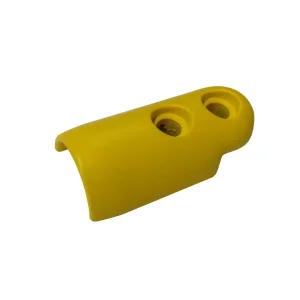
Ergonomically designed transit hardware optimized for mechanical stress load paths.
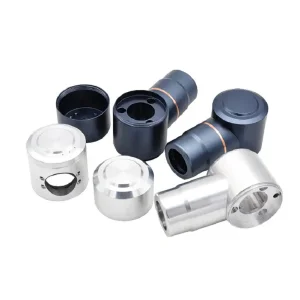
Hybrid multi-axis production suitable for aerospace, medical, and tooling applications.
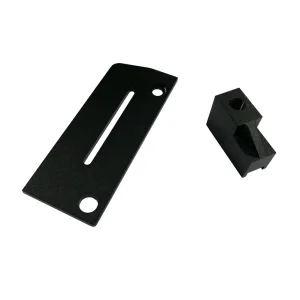
Lightweight structural parts featuring optimized strength-to-weight geometry.
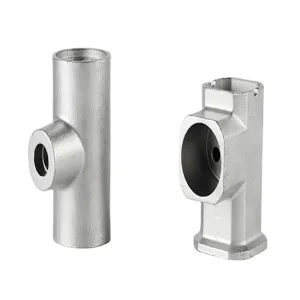
Pressurized fluid bodies designed to withstand harsh chemical environments without fatigue.
In today's highly fragmented global supply chain, sourcing a reliable partner for custom stainless steel casting involves more than just selecting a foundry within driving distance. Industrial engineers and purchasing agents look for "near me" services not strictly for location, but for localized engineering accountability, rapid communication, and legal compliance coupled with competitive production pricing.
Global foundries must act as direct partners, integrating tooling design, computational fluid dynamics (CFD) casting simulations, advanced metallurgy, and post-casting CNC machining. Dongguan SX Technology Co.,Ltd bridges the gap by offering global-scale manufacturing capacity with localized technical consulting, guaranteeing that designs transition seamlessly from CAD models to finished, stress-tested metallic components.
Strict compliance with ISO 8062-3 linear and geometrical tolerance standards.
Decade-long metallurgical knowledge paired with advanced non-destructive testing.
Deciding on the correct stainless steel grade is critical to ensuring your components survive corrosive, thermal, or high-friction wear profiles.
Characterized by excellent corrosion resistance and toughness. The addition of molybdenum in CF8M (equivalent to 316 stainless steel) prevents pitting corrosion from chlorides, making it the premier choice for marine assemblies, chemical pumps, and outdoor infrastructure components.
For applications demanding high hardness, wear resistance, and mild corrosion defense. Martensitic alloys can undergo precise thermal quenching processes to boost tensile yield strengths, making them ideal for tools, heavy wear components, and turbine elements.
Combining the micro-structural benefits of both austenite and ferrite. These alloys present extremely high yield strengths and stress corrosion cracking (SCC) resistance, catering specifically to off-shore oil rigs and specialized desalination machinery.
Rich experience in precision casting, CNC machining, and complex assembly protocols since 2014.
Dongguan SX Technology Co.,Ltd has very rich experience in precision casting, CNC machining and assembly. Our products are used in machinery, automobiles, marine, ships, equipment, valves and pumps, electronic appliances, packaging, watches, construction, chemical industry and other industries.
The most commonly used materials for investment casting are stainless steel and carbon steel. And the most commonly used materials for CNC machining include titanium alloy, stainless steel, carbon steel, aluminum alloy, copper alloy, cemented carbide, etc. We have advanced manufacturing equipment and technology and are able to respond quickly to your needs.
A direct look inside our Shixin manufacturing hub, showcasing advanced machinery, casting lines, and quality control departments.
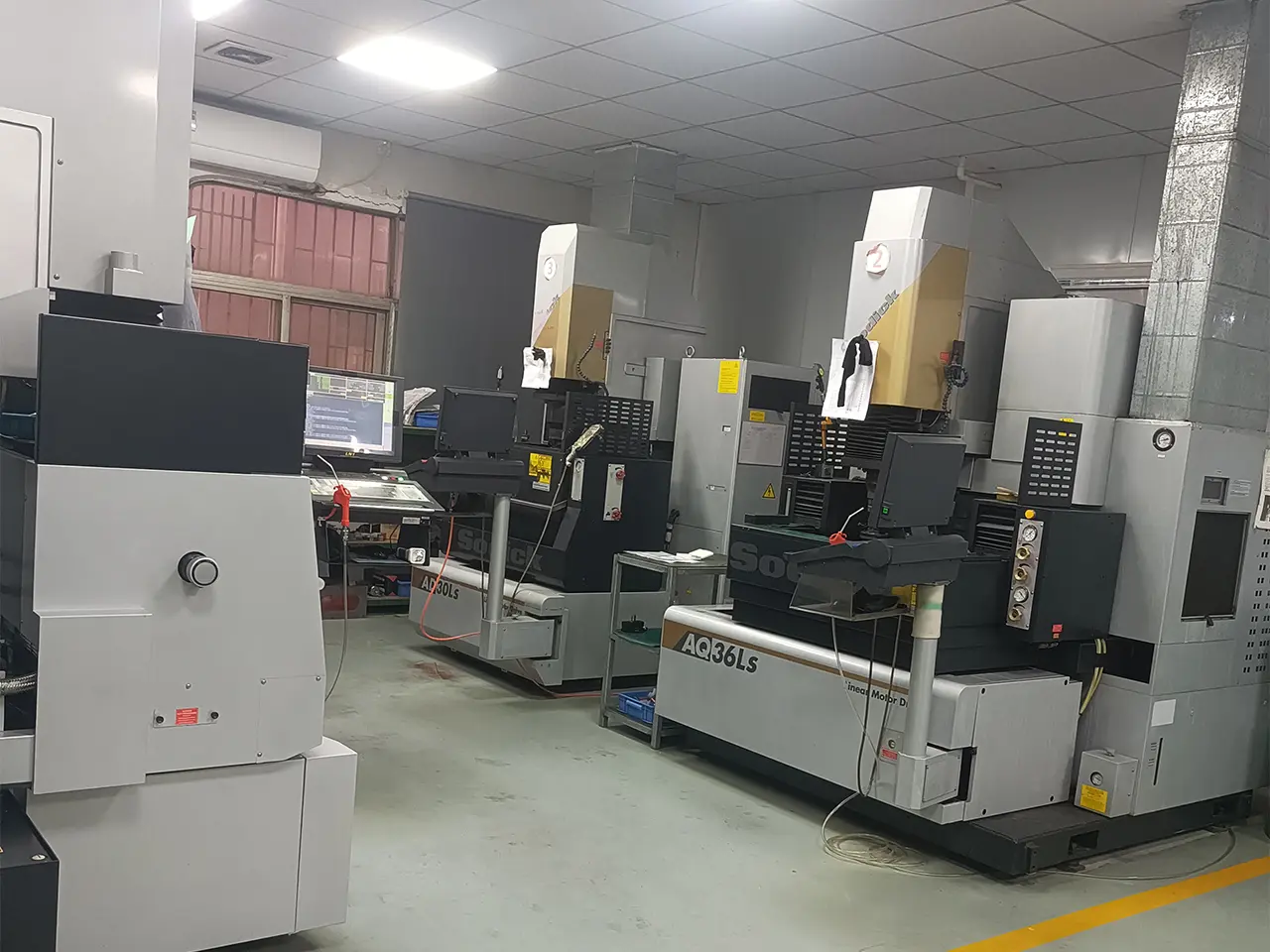
High precision temperature controlled environment for wax injection molding operations.
Multi-layered ceramic shell building process to withstand molten steel pouring temperatures.
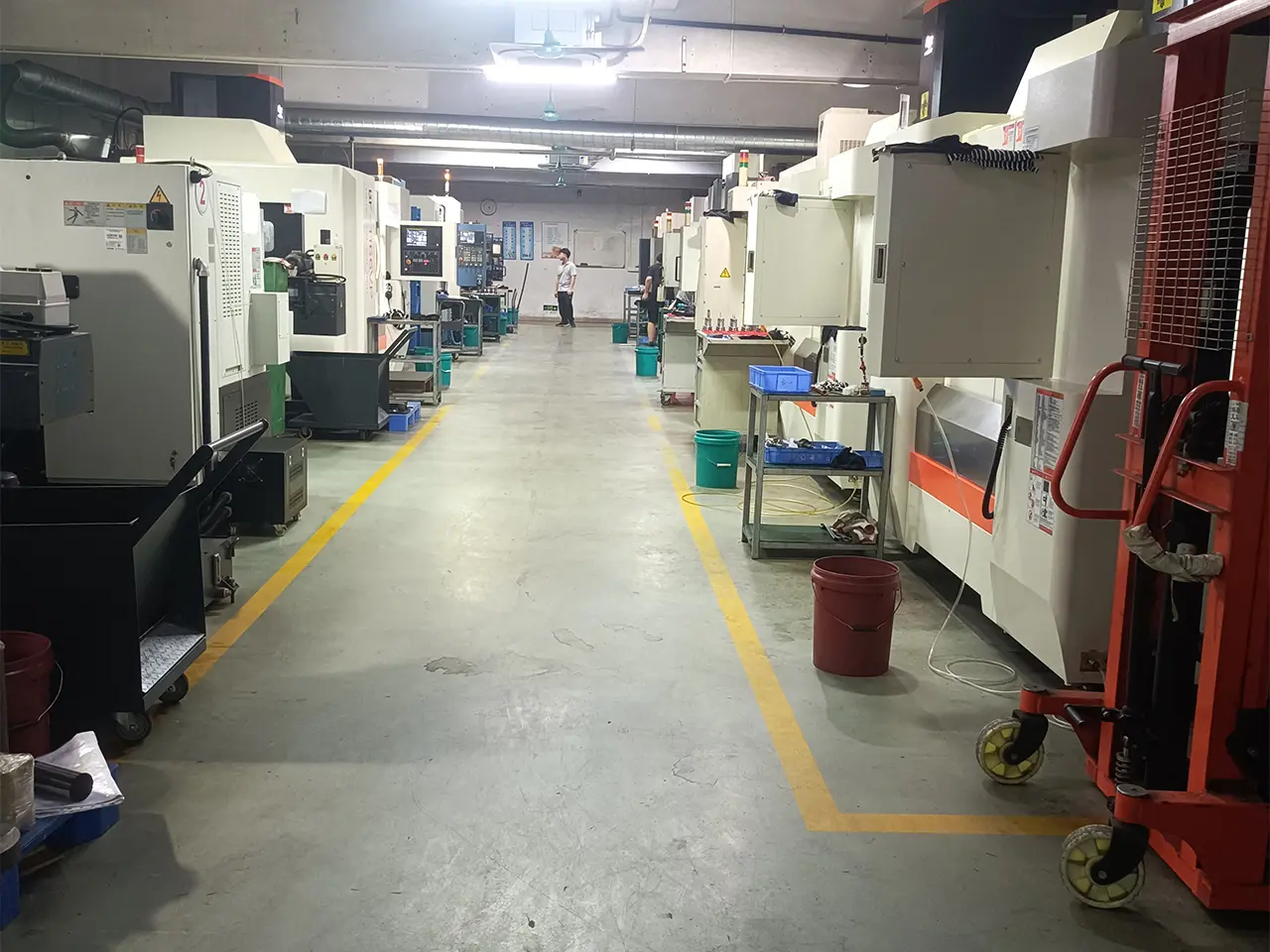
High speed multi-axis machining centers ensuring tight assembly tolerances on cast components.
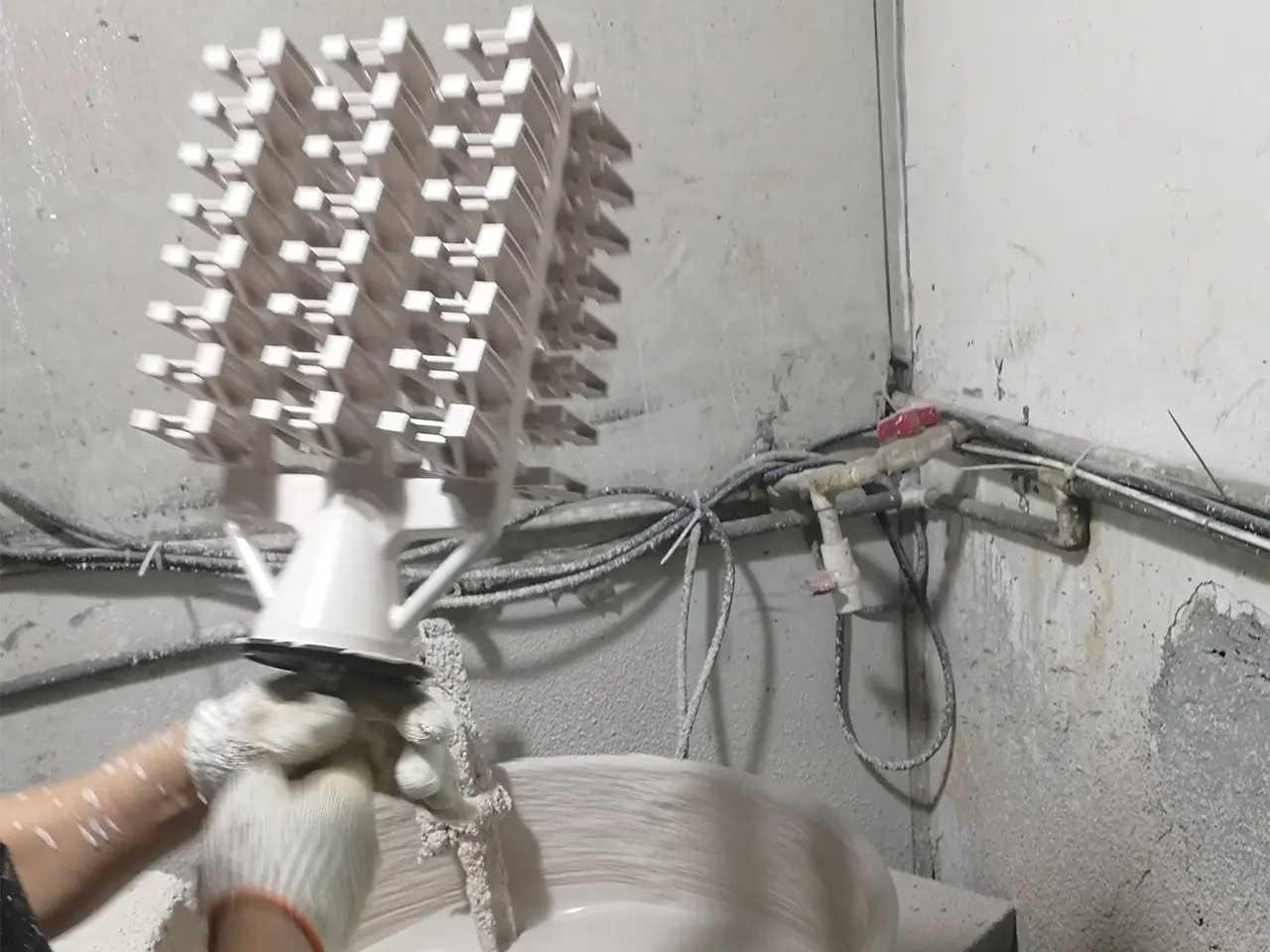
Controlled atmosphere induction furnaces processing raw stainless and carbon steel melts.
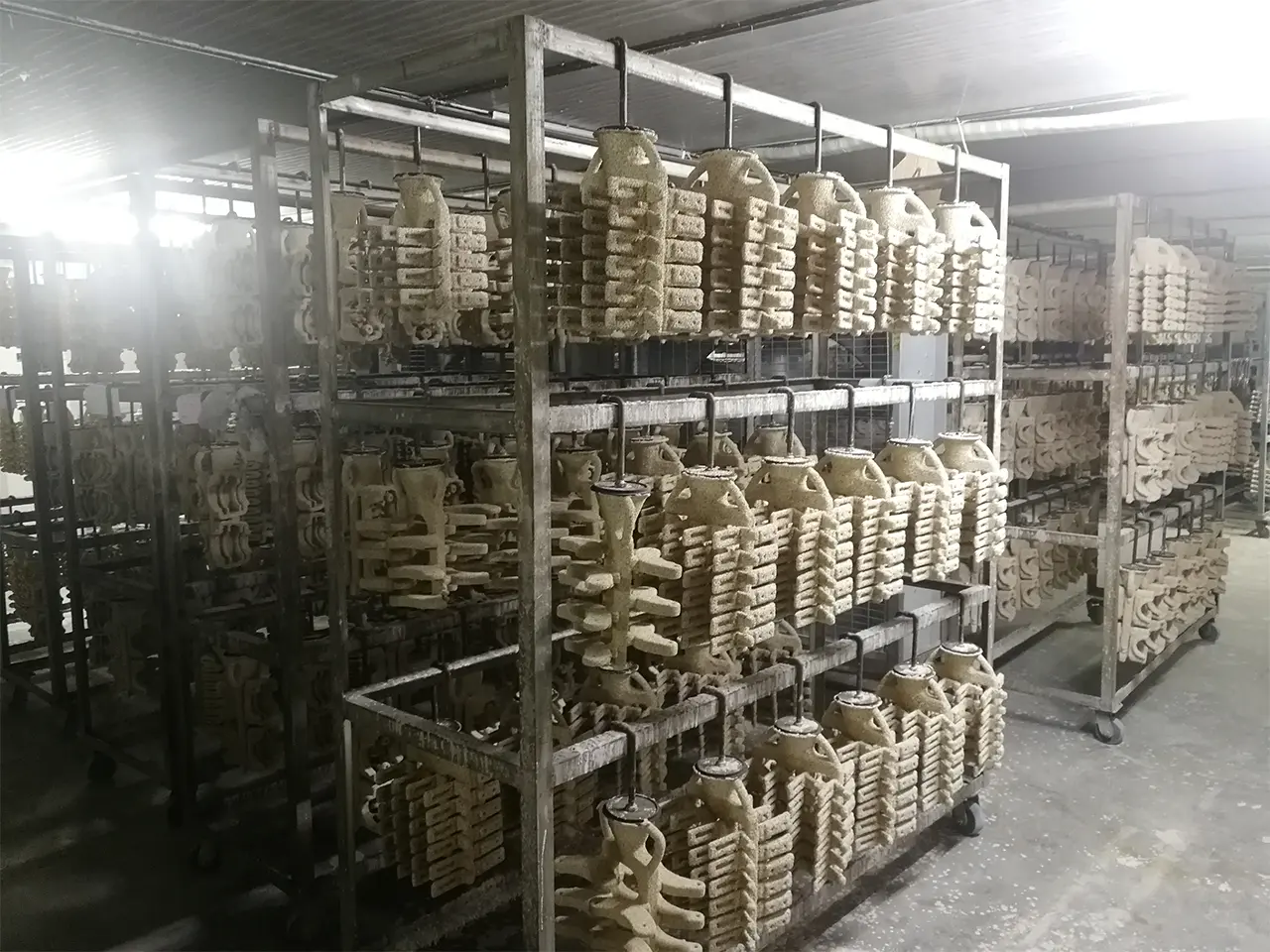
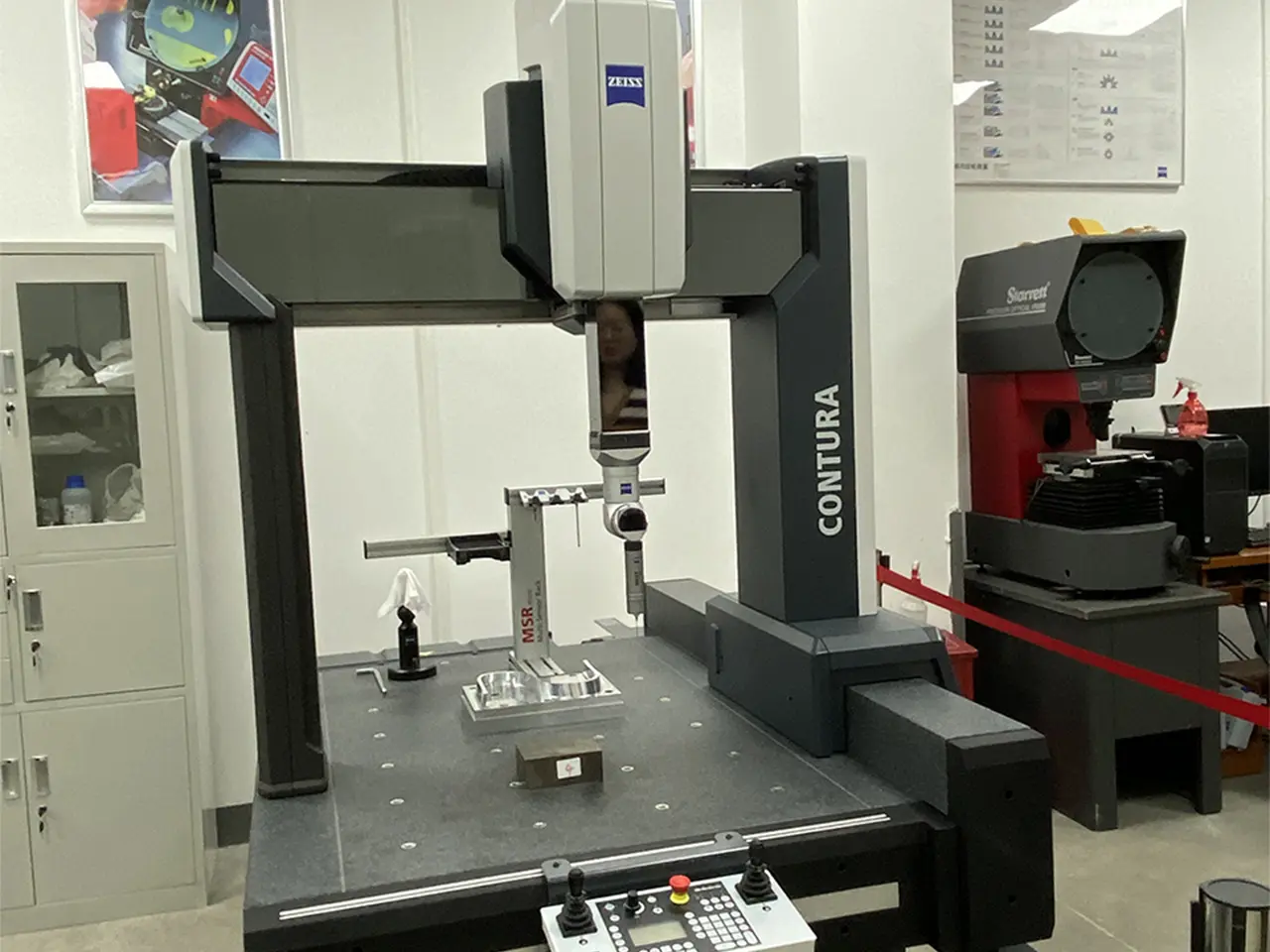
CMM inspection coordinate checking tools comparing finished parts against initial customer designs.
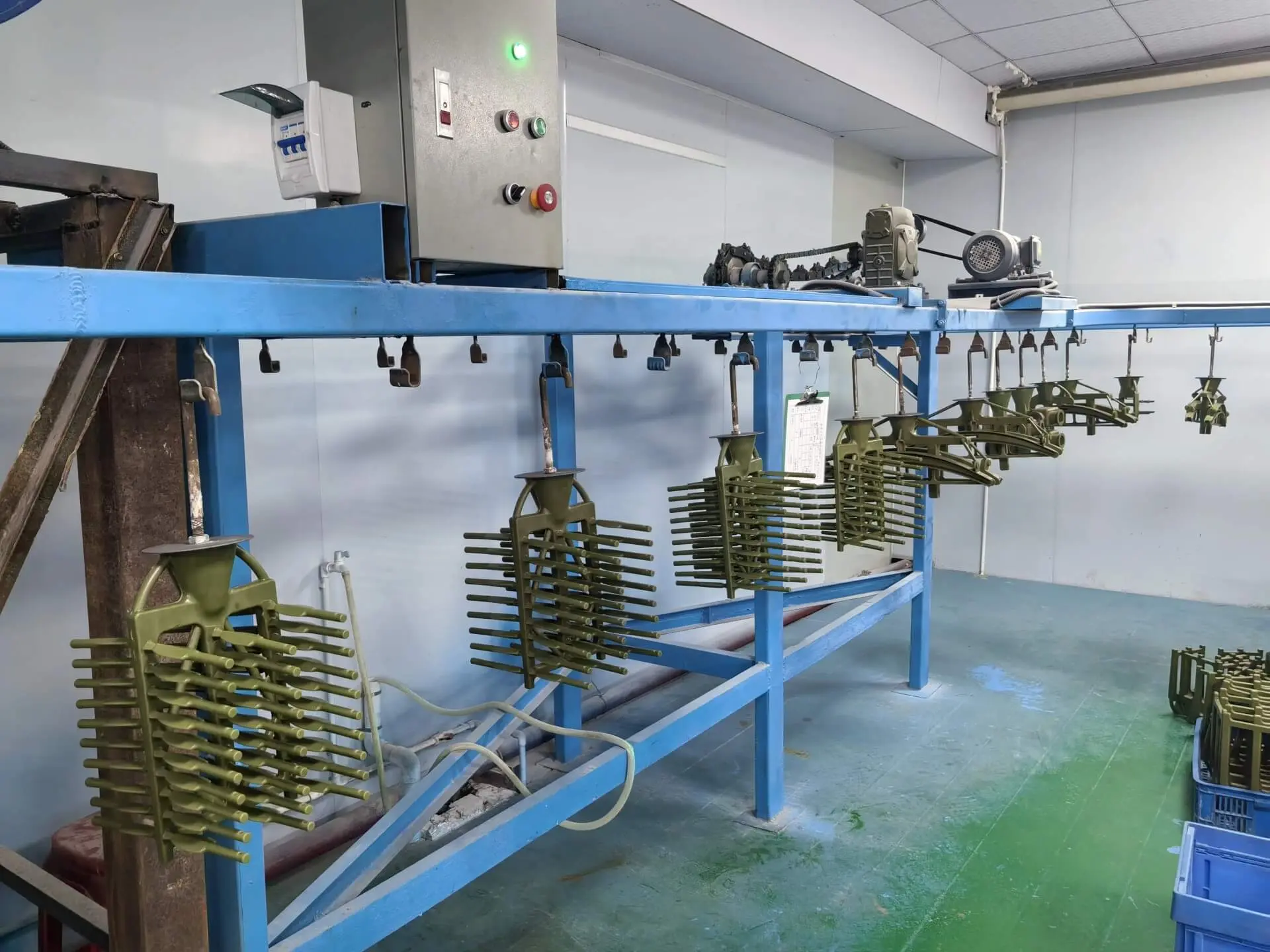
Beyond casting, our factory features dedicated manual and semi-automatic lines for assembly, surface treatment (including passivating, electropolishing, and bead blasting), and individual component protective packaging.
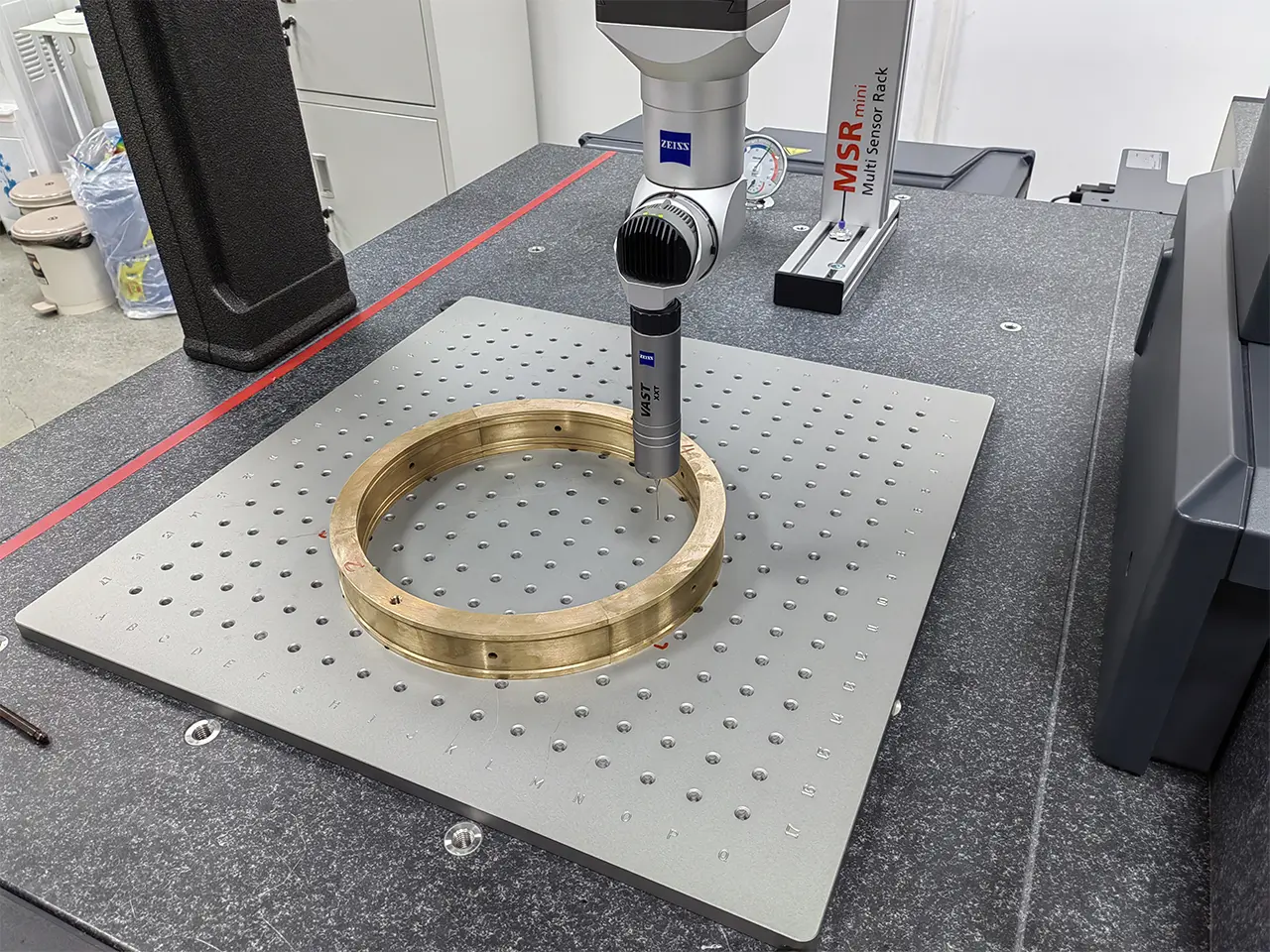
We have professional testing equipment and professional QC personnel, and we adhere to strict tolerances and quality standards for the products we produce. Due to our insistence on strict quality requirements, we have been praised by many customers.
Quality is the cornerstone of the manufacturing industry. We firmly believe that only by controlling quality well can we survive, develop, and get better and better. Therefore, we have been working in this industry unremittingly since 2014 and continue to improve the company's team and improve the company's production capacity.
How our custom castings solve structural, physical, and chemical challenges across major engineering industries.
Saltwater represents one of the most hostile environments for structural metals. Utilizing investment cast 316 and Duplex stainless steel grades guarantees protection against localized pitting, crevice corrosion, and mechanical stress failures over decades.
Exhaust manifolds, high-pressure turbocharger elements, and powertrain mounting assemblies are cast with heat-resistant stainless steel. Excellent thermal creep properties keep engine bays functioning safely under high temperatures.
We cast valve gates, seat rings, butterfly structures, and actuator fittings that endure high dynamic stresses and pressure drops. Every valve shell undergoes strict hydrostatic pressure testing and dimensional validation.
Embracing AI, automation, and green manufacturing to improve metallurgical output and reduce product turnaround times.
By integrating computational thermal models, we predict micro-porosity defects before cutting initial steel molds. This lowers production trial-and-error runs by up to 75% and ensures immediate production efficiency.
Merging 3D printing with lost-wax techniques allows us to print ceramic casting cores directly. This opens the door to previously impossible cooling channels inside complex impeller blades and surgical components.
Expanding carbon offset casting routes and using 100% recyclable gating setups. Transitioning power systems to renewable heating solutions reduces total lifecycle emissions for our industrial customer shipments.
Get answers to the most common questions regarding tolerances, material choices, and ordering options for custom casting services.
By default, our investment (lost-wax) casting process satisfies the international standard ISO 8062-3 DCTG Grade 7 to Grade 9. This yields linear tolerances of ±0.15 mm per 25 mm. For tighter fits down to ±0.005 mm, we offer secondary multi-axis CNC machining, ensuring critical mating points fit together perfectly.
Standard 304 stainless steel contains 18% chromium and 8% nickel, which provides good corrosion resistance for general air or freshwater exposure. Grade 316 includes 2-3% molybdenum, which significantly boosts pitting resistance in seawater, marine atmospheres, or acidic environments. Select 316 if your final installation will be exposed to chlorides, salt spray, or harsh chemical washdowns.
Yes, we perform a wide range of inspection procedures. According to customer specifications, we supply chemical spectrometer analysis sheets, tensile tests, Charpy impact tests, Dye Penetrant (PT) tests, magnetic particle tests, and Radiographic X-ray checks to verify internal structural integrity and prevent sub-surface gas pocket issues.
Initial metal mold tooling requires roughly 12 to 20 days depending on component geometry. Once tooling is validated, pilot sample castings are produced within 7 days. Production lead times typically vary between 25 and 35 days, depending on batch sizes and post-casting CNC machining requirements.
Alternative custom configurations including marine components, automotive structures, and electronics casing brackets.
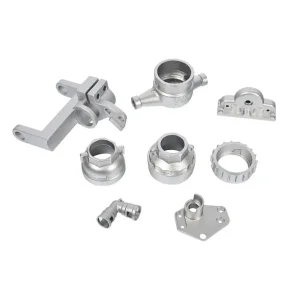
Saltwater corrosion resistant components designed for hulls, decks, and steering linkages.
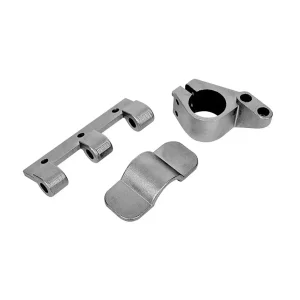
Industrial strength parts featuring high dimensional repeatability and smooth surface finishes.
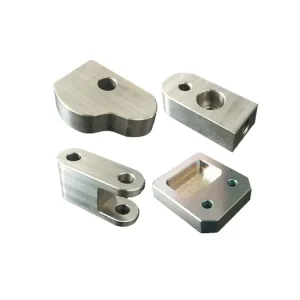
Detailed post-casting processes ensuring exact alignments and structural tolerances.
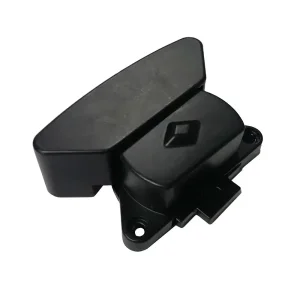
Engine bay and structural brackets built to withstand high vibrational strain.
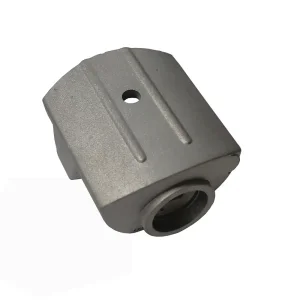
Highly intricate thin-walled structural shells designed for electronic shielding applications.
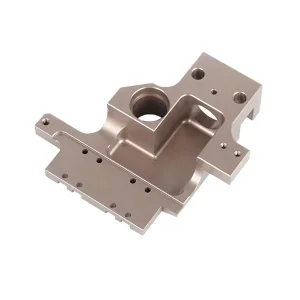
High efficiency multi-part runs delivering balanced cost and technical precision.
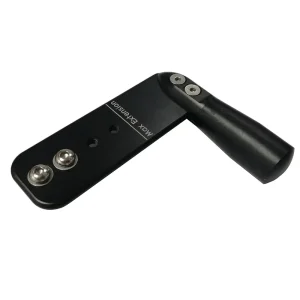
Ergonomic, lightweight medical-grade structural fittings designed with patient safety in mind.
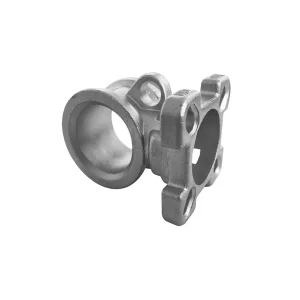
Corrosive fluid control valve bodies cast to maintain tight pressure boundaries.
 SX Machining