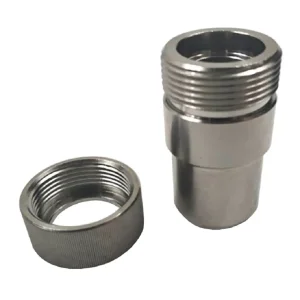
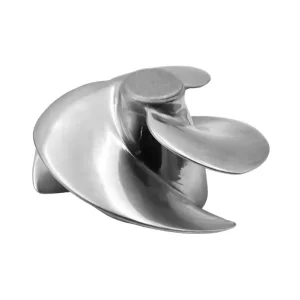
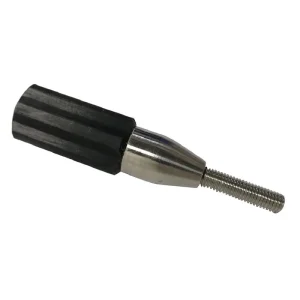
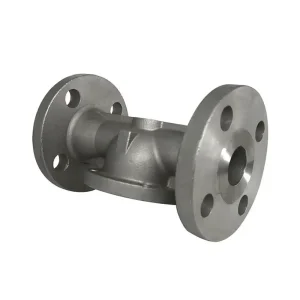
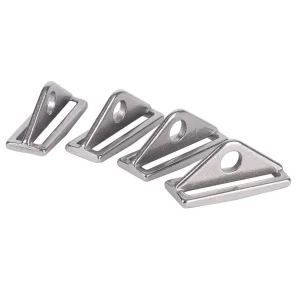
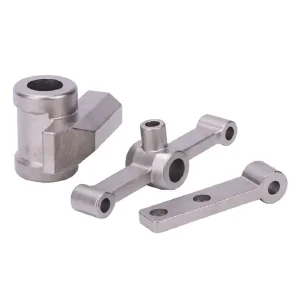
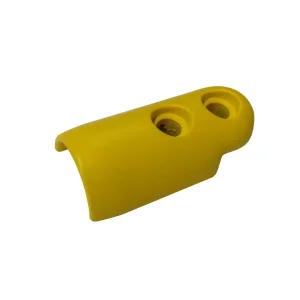
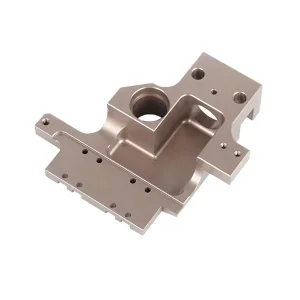
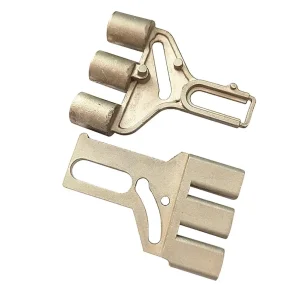
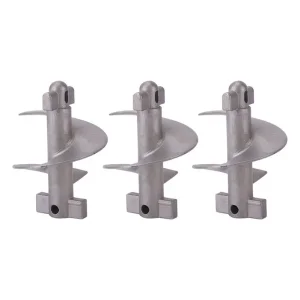
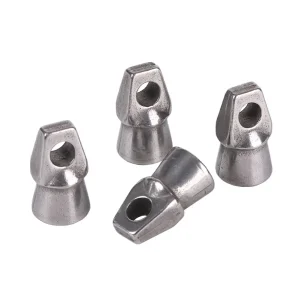
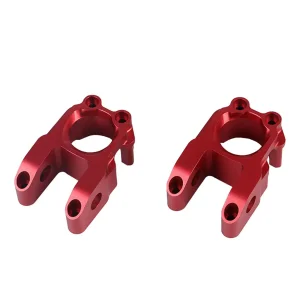
Discover our range of custom-engineered hardware, medical fittings, and high-performance casting components produced in our state-of-the-art facilities.
In the landscape of heavy industry, mechanical engineering, and precision equipment, components are constantly subjected to extreme conditions—ranging from high mechanical stress and abrasive wear to corrosive environments and cryogenic or high temperatures. Alloy steel castings represent a cornerstone of modern metallurgy, offering customizable chemical compositions that yield superior mechanical properties compared to standard carbon steels.
By blending iron and carbon with alloying elements such as chromium, nickel, molybdenum, manganese, and vanadium, engineers can tailor components to achieve high tensile strength, exceptional toughness, wear resistance, and corrosion immunity. As global manufacturing transitions toward lightweight yet ultra-durable designs, the optimization of alloy steel casting processes stands as a critical challenge and opportunity for global procurement teams.
Dongguan SX Technology Co.,Ltd has very rich experience in precision casting, CNC machining, and assembly. Our high-precision components are used across a vast spectrum of sectors, including machinery, automobiles, marine, shipbuilding, heavy equipment, industrial valves and pumps, electronic appliances, packaging machinery, horology (watches), construction, and the chemical process industry.
We pride ourselves on material diversity and technical execution. The most commonly used materials for our investment casting division include stainless steel and carbon steel. Furthermore, our advanced CNC machining division works with premium materials such as titanium alloy, stainless steel, carbon steel, aluminum alloy, copper alloy, cemented carbide, and specialized high-alloy steels.
With advanced manufacturing equipment, proprietary post-processing technology, and a dedicated engineering team, we respond rapidly to customer inquiries and technical design challenges worldwide, ensuring seamless integration from prototype to mass production.
How alloy steel investment casting drives performance, reliability, and safety across critical industrial ecosystems.
We engineer casting components that withstand extreme rotational forces and thermal stress. From high-grade transmission gears, turbochargers, to suspension brackets, our castings guarantee fatigue resistance and optimal safety margins under high RPM conditions.
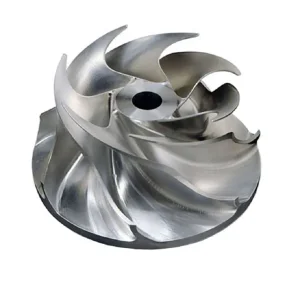
Saltwater represents one of the most hostile chemical environments for iron-based metals. By leveraging alloy steels enriched with Chromium, Nickel, and Molybdenum, we supply cast pump impellers, subsea valves, and marine steering brackets designed to resist crevice corrosion and pitting.
Petrochemical plants demand absolute integrity to avoid hazardous leaks. Our precision casting process creates highly dense valve body interiors that resist gas porosity, handling high pressures and cryogenic fluids reliably without structural micro-cracking.
The global demand for alloy steel castings is expanding as sectors like renewable energy, heavy construction, and railway transport optimize their supply chains. Key manufacturing hubs in North America, Western Europe, and East Asia are demanding higher compliance standards, shorter lead times, and enhanced traceability of material compositions.
Dongguan SX Technology Co.,Ltd coordinates closely with regional distributors and global OEM procurement teams. By analyzing international supply chain fluctuations, we ensure our clients receive a steady supply of precision castings with predictable logistics. We navigate environmental controls, scrap-to-virgin alloy ratios, and energy-efficient foundry processes to offer competitive price-to-performance options that protect our buyers from unstable localized price spikes.
Depending on where our parts are deployed, regional challenges shape engineering specifications. Here are typical localized scenarios where our cast alloy steel components excel:
| Region | Environmental Challenge | Typical Application | Material Solution |
|---|---|---|---|
| North America (Midwest / Oil Belt) | Heavy abrasive soil friction & extreme pressure fluctuations. | Oilfield pump bodies, heavy agricultural drill components. | AISI 4140, 8620 Alloy Steel (Quenched & Tempered). |
| Northern Europe & Nordic | Sub-zero temperatures causing brittleness. | Wind turbine hubs, marine deck machinery. | Nickel-alloyed low-temperature impact steels. |
| Asia-Pacific (Coastal Regions) | High humidity and saline environments. | Infrastructure fixtures, port automation linkages. | High-chromium duplex alloy steels. |
Our workshop merges traditional casting craftsmanship with computer-controlled machining technology. This integration allows us to achieve geometry profiles that would be either impossible or prohibitively expensive to produce via pure CNC milling.
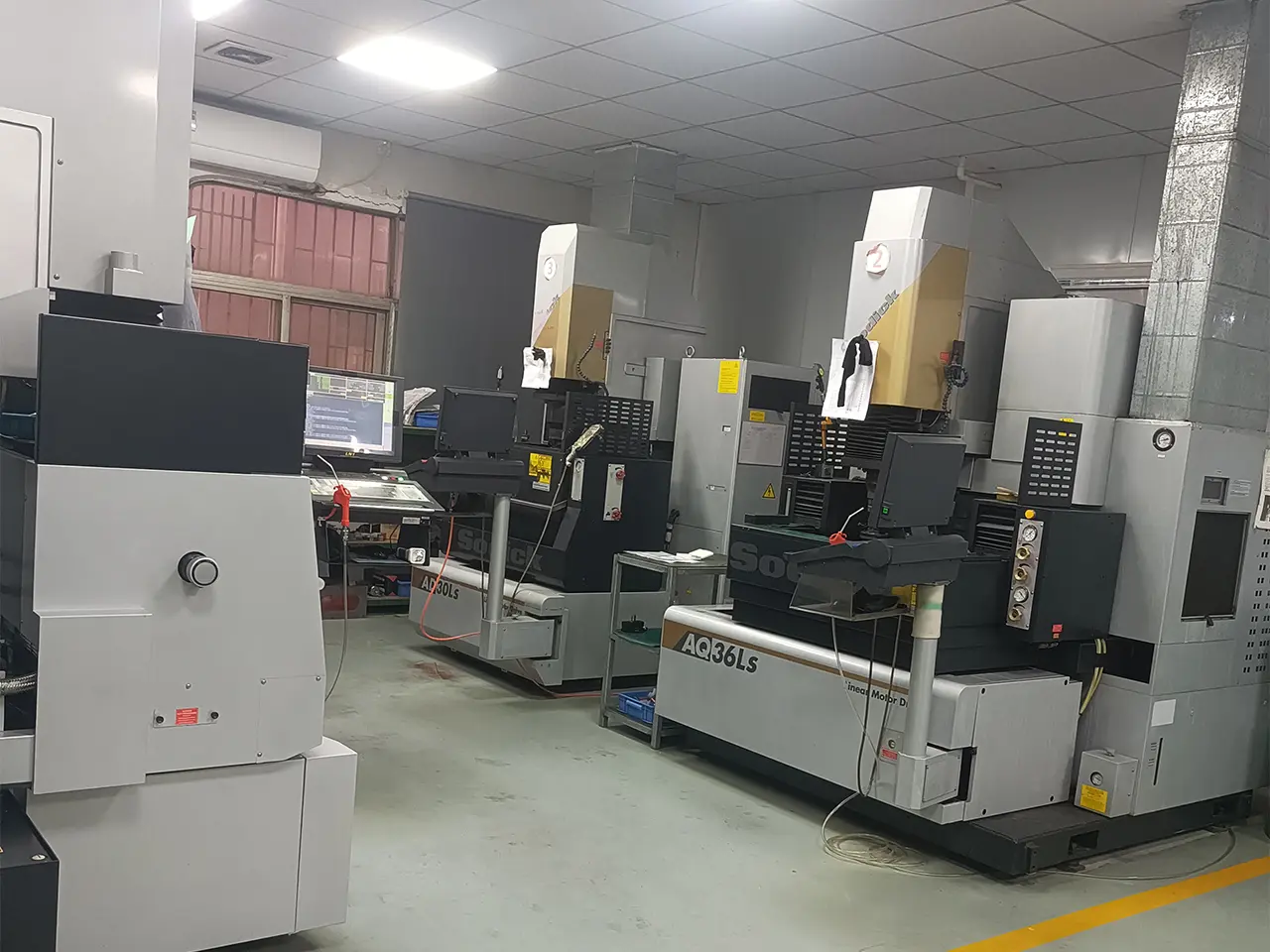
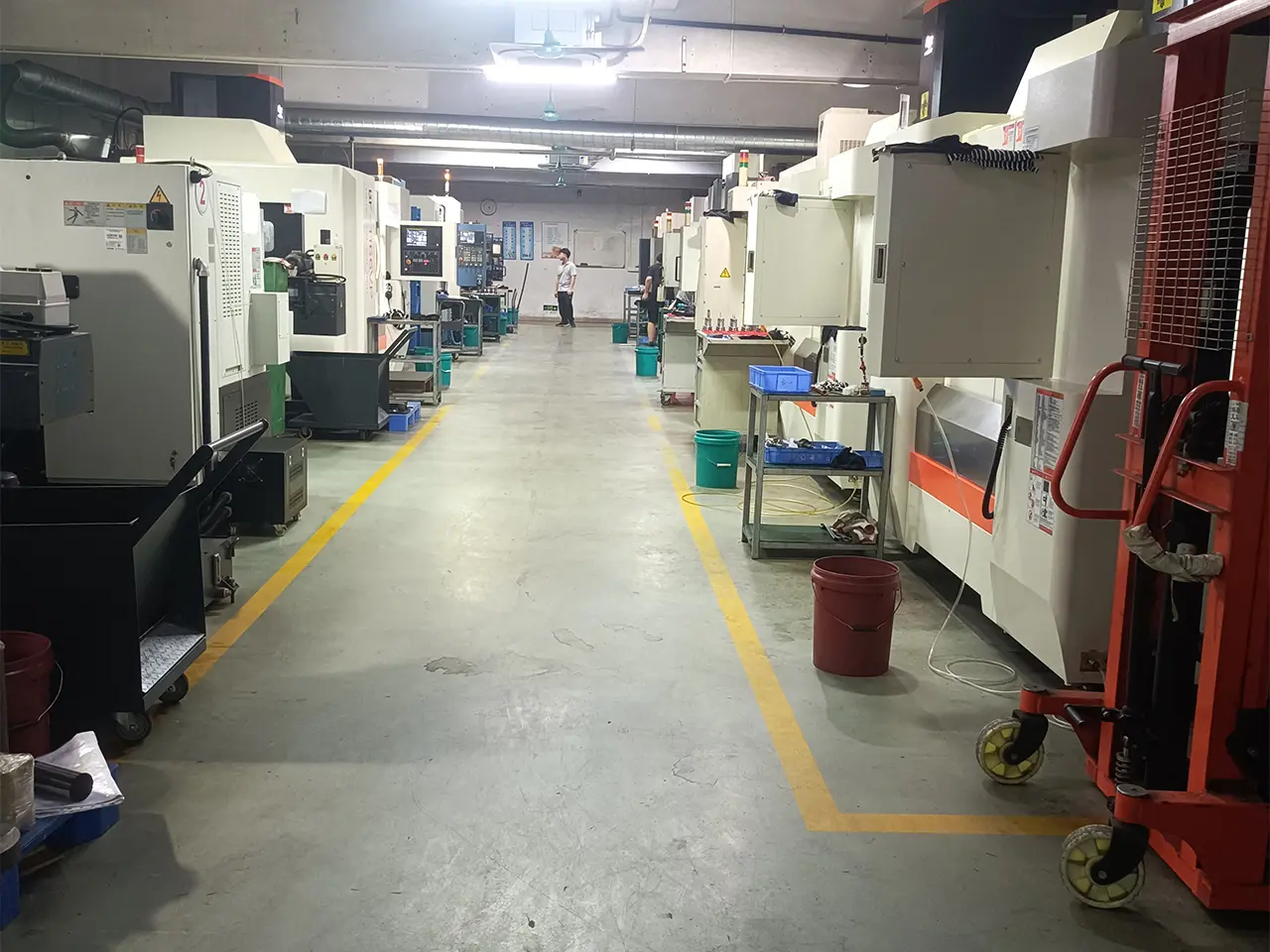
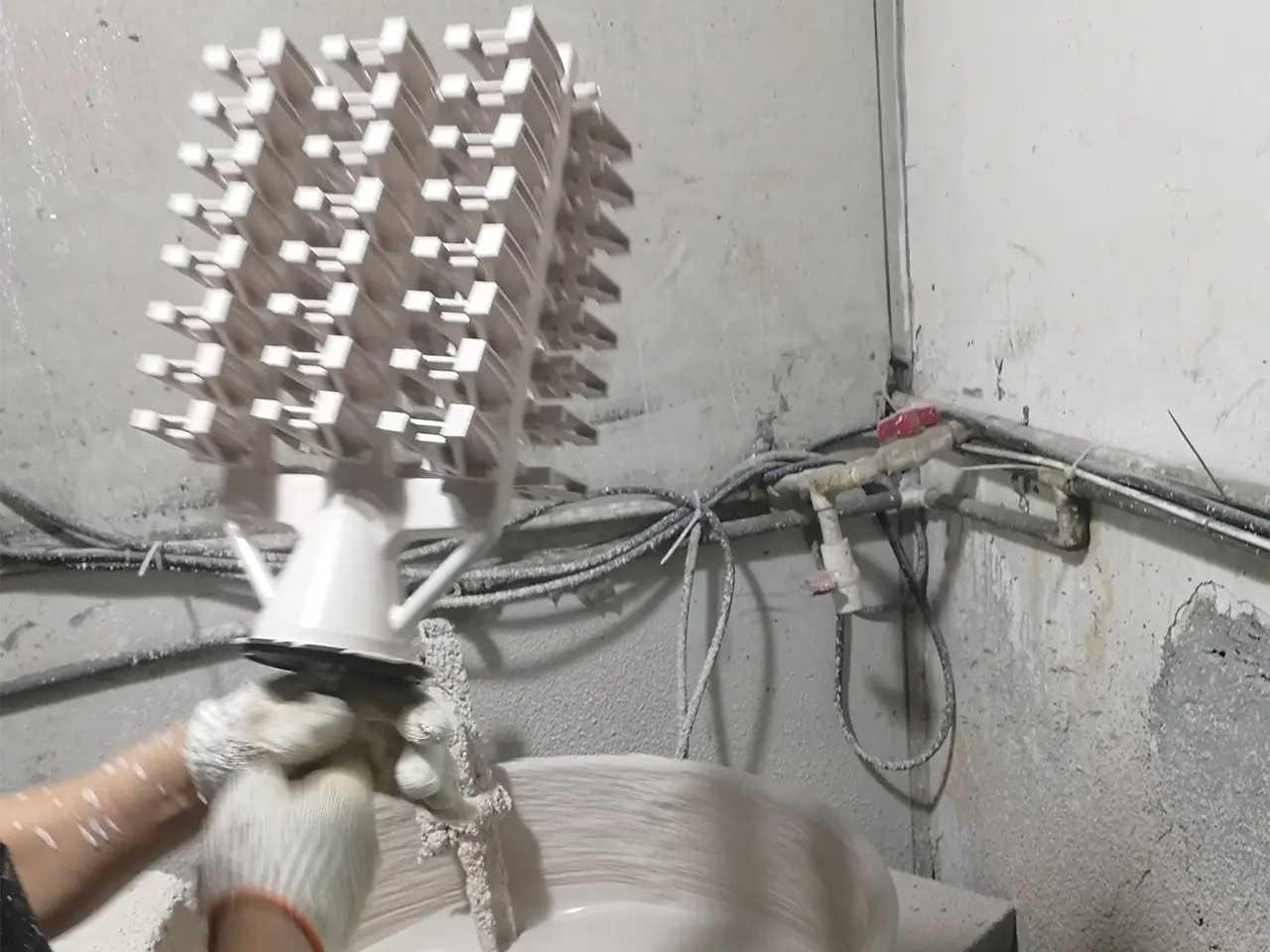
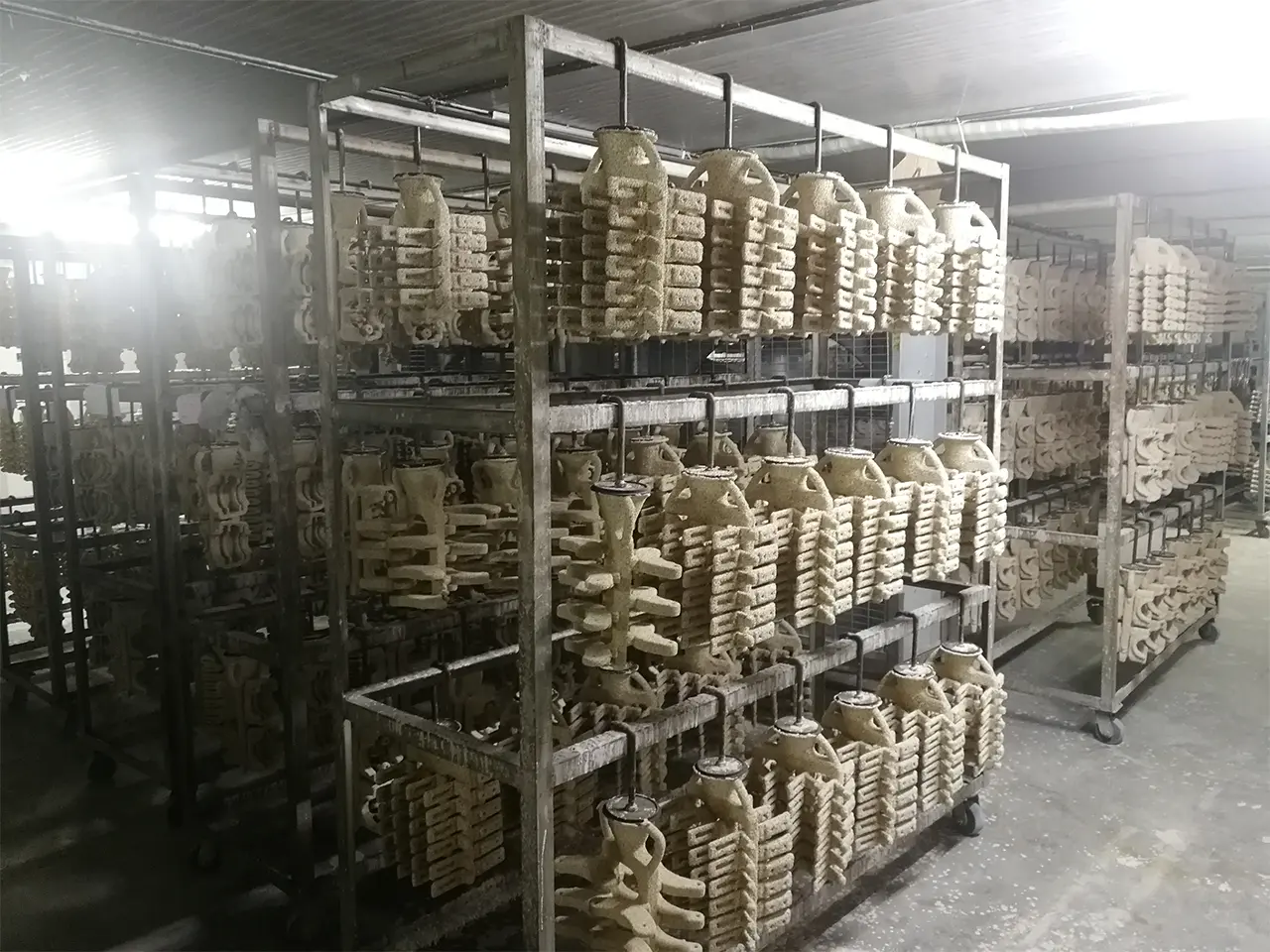
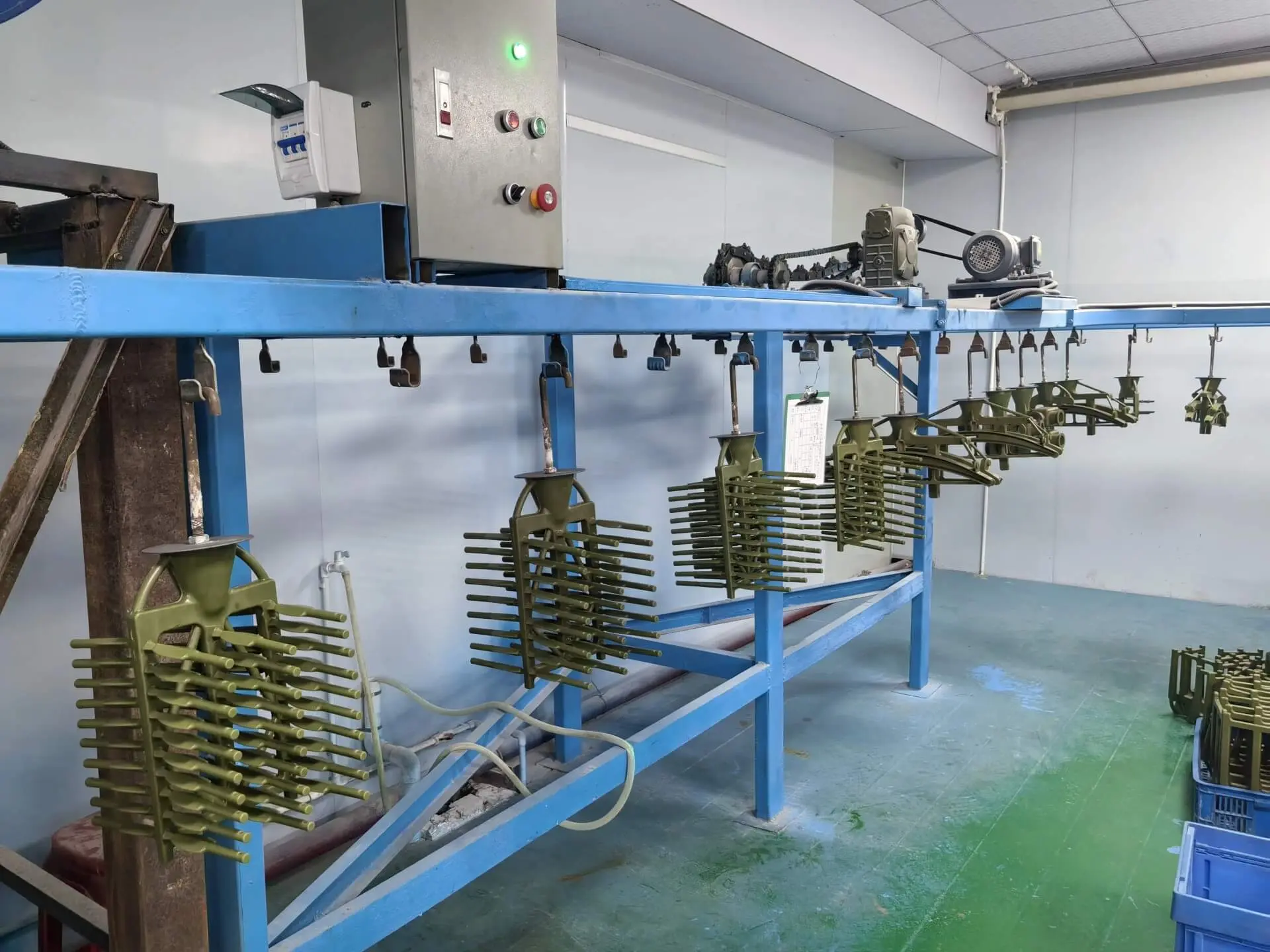
Our casting line utilizes advanced Silica Sol Investment Casting (often called lost wax casting), which offers outstanding surface finish (Ra 3.2 to 6.3 μm) and superior dimensional accuracy compared to sand casting. After casting, our CNC facility handles complex drilling, boring, thread tapping, and multi-axis milling to match precise custom drawings.
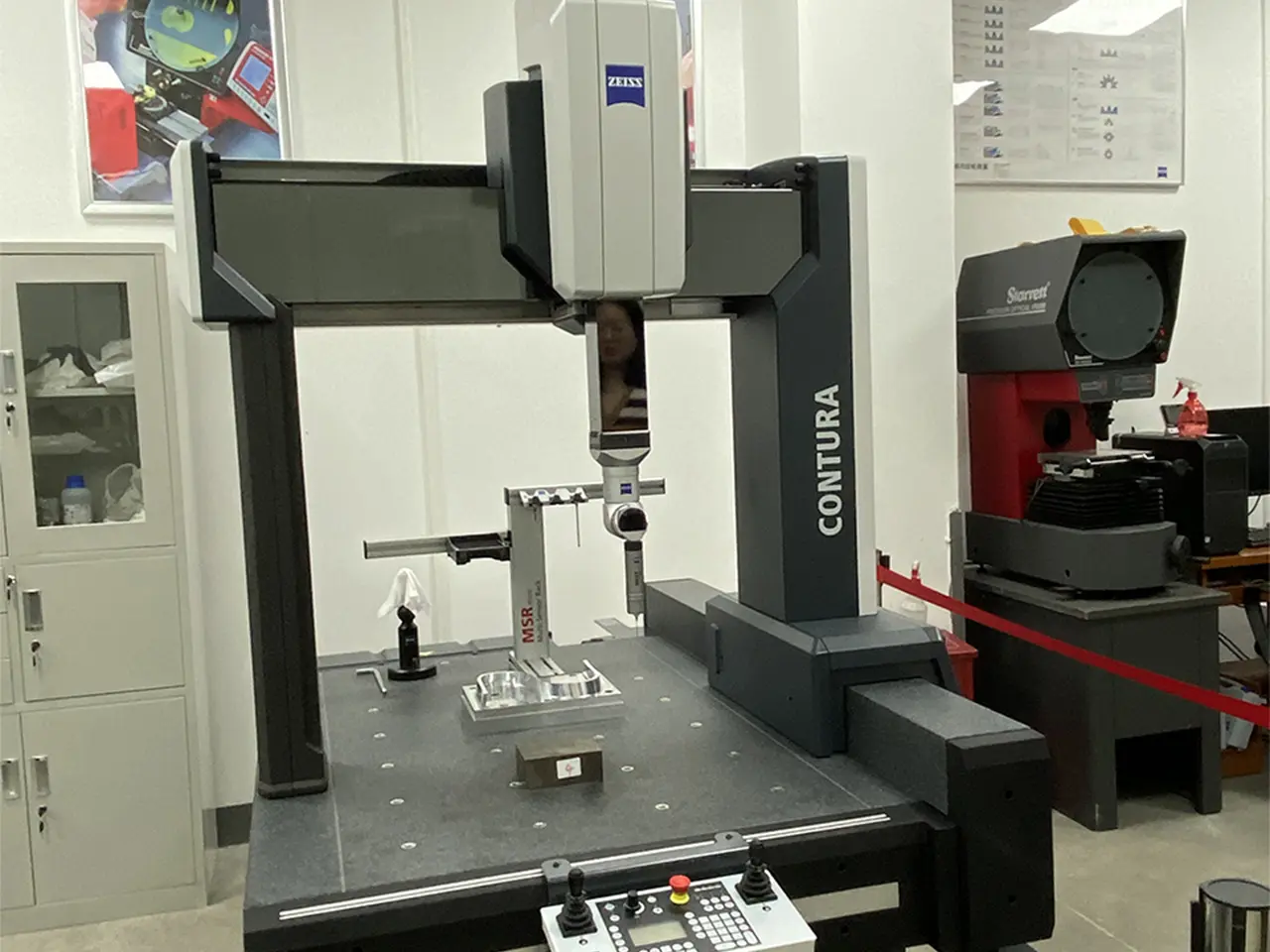
Since our establishment in 2014, quality control has been the foundational system that ensures our survival and growth. We maintain strict control over every phase of production, from raw material ingot certification to final dimensional audits.
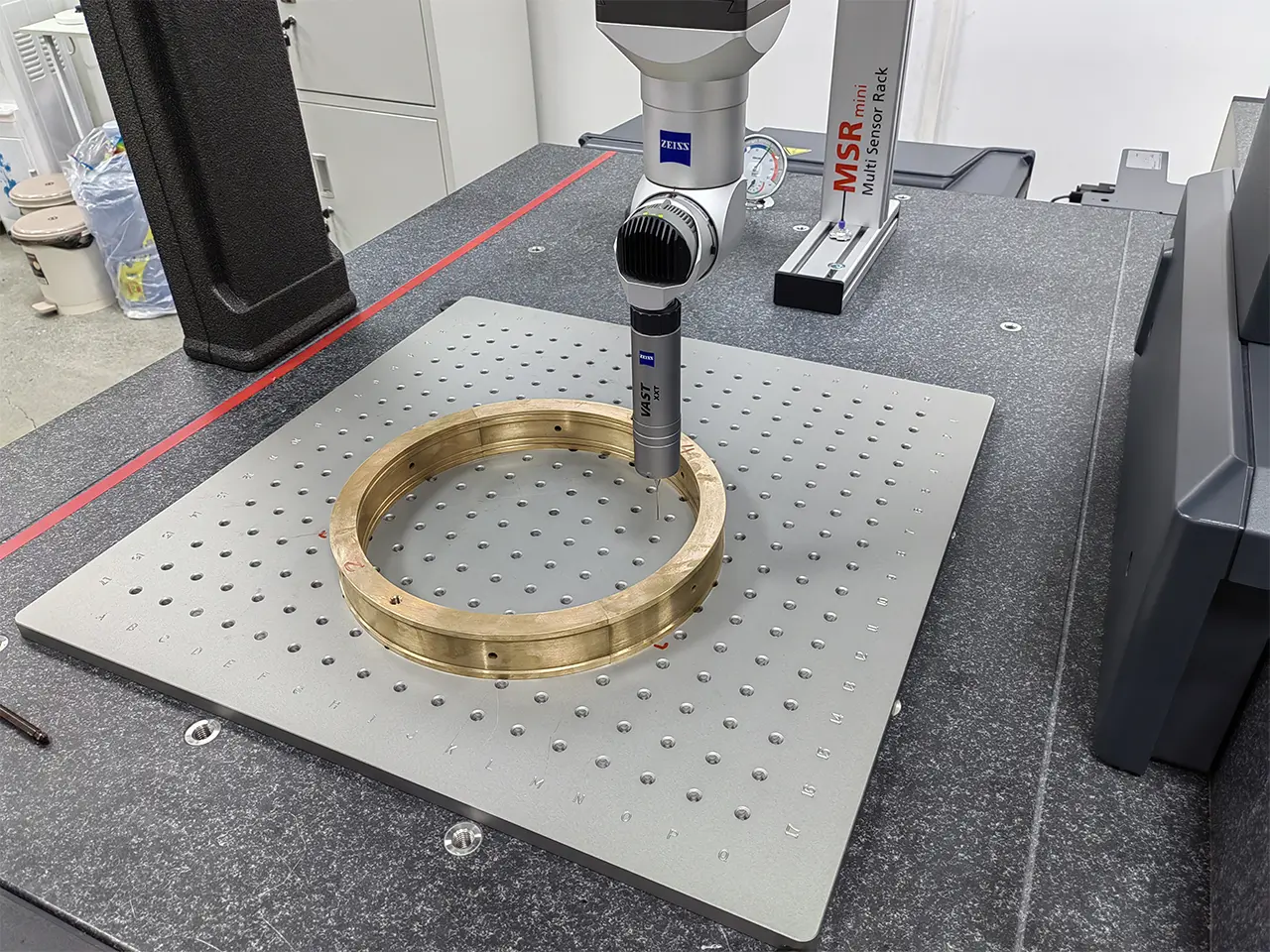
We employ professional QC personnel and a clean, temperature-controlled laboratory equipped with high-precision testing machinery. Our testing protocols include:
Partnering with a manufacturer requires confidence in import-export procedures, environmental regulations, and technical compliance. At Dongguan SX Technology Co.,Ltd, we provide comprehensive documentation to support seamless cross-border shipping:
Every shipment of our alloy steel castings comes with material test reports (MTRs) detailing mechanical properties and chemical melt analysis. This provides transparency from raw ingot to finished component.
Our manufacturing workflow complies with ISO 9001:2015 standards. Furthermore, we meet REACH and RoHS directives for hazardous materials, ensuring that parts used in electronics, home appliances, or medical devices are fully compliant and ecologically safe.
The manufacturing landscape is undergoing significant changes driven by industrial automation, AI-optimized casting software, and decarbonization. Our technical team is pursuing a forward-looking roadmap to keep our customers ahead of the curve:
A1: Alloy steel castings contain chemical additives like chromium, nickel, and molybdenum. These elements improve mechanical properties, including tensile strength, wear resistance, hardenability, and corrosion resistance. Carbon steel is suitable for basic structural components, while alloy steel is preferred for high-stress and harsh environmental applications.
A2: We use silica sol investment casting, which yields tight casting tolerances (typically ISO 8062 CT5 to CT7). For dimensions requiring tighter tolerances (up to ±0.005mm), we perform secondary processing in our CNC machining workshop using multi-axis milling, turning, and grinding.
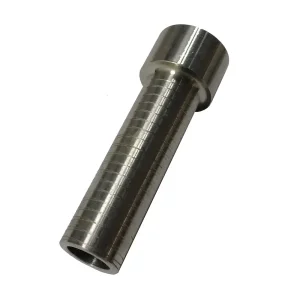
A3: Yes. Besides alloy and carbon steel castings, we machine titanium alloys, aluminum alloys, copper alloys, and cemented carbides, and manufacture custom titanium fittings for medical and industrial applications.
A4: We perform Dye Penetrant Testing (PT), Magnetic Particle Testing (MT), and Ultrasonic Testing (UT) to identify sub-surface anomalies, cracks, or voids prior to component delivery.
A5: Every batch of castings undergoes optical emission spectrometer testing to verify chemical composition. We issue an EN 10204 3.1 material certificate, ensuring traceability back to the raw material supplier.
Explore our engineering capabilities across CNC milling, multi-axis machining, and corrosion-resistant alloys for demanding operating environments.
 SX Machining