Explore our elite selection of CNC machined components and precision cast parts designed for high-performance applications.
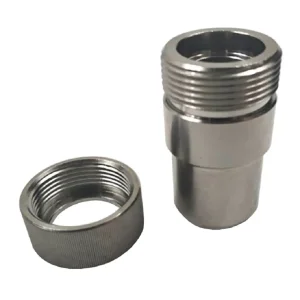
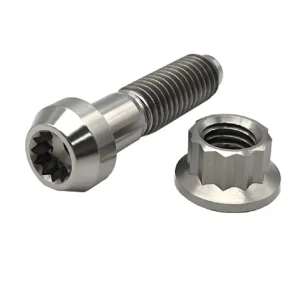
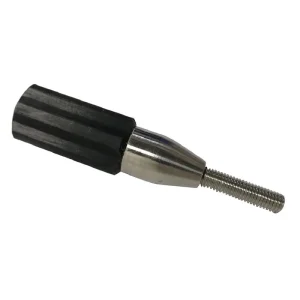
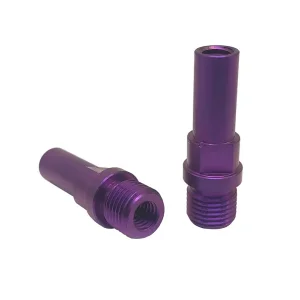
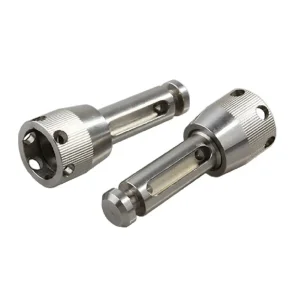
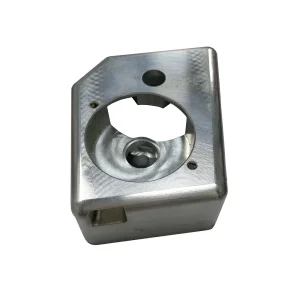
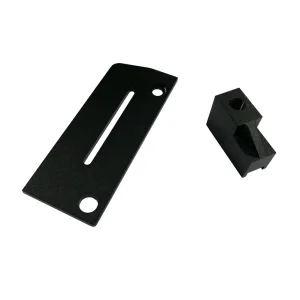
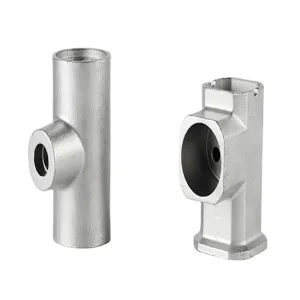
Founded in 2014, Dongguan SX Technology Co., Ltd. has evolved into a global leader in precision investment casting, high-tolerance CNC machining, and complex mechanical assembly. Our capabilities sit at the intersection of metallurgy, structural engineering, and design automation. Over the last decade, we have partnered with tier-one suppliers in critical sectors such as aerospace, medical equipment, marine engineering, and automotive systems.
We work with an extensive portfolio of materials, ensuring that each structural component exhibits optimal mechanical properties tailored to its operational environment. For investment casting, our processes primarily focus on high-durability stainless steel and carbon steel. In parallel, our CNC machining division handles advanced alloys, including high-purity titanium alloys, stainless steel, aluminum, copper, and cemented carbides. By bridging the gap between raw casting and ultra-precision post-machining, we provide clients with an end-to-end manufacturing lifecycle.
A deep dive into our manufacturing methodologies designed for high-stress applications.
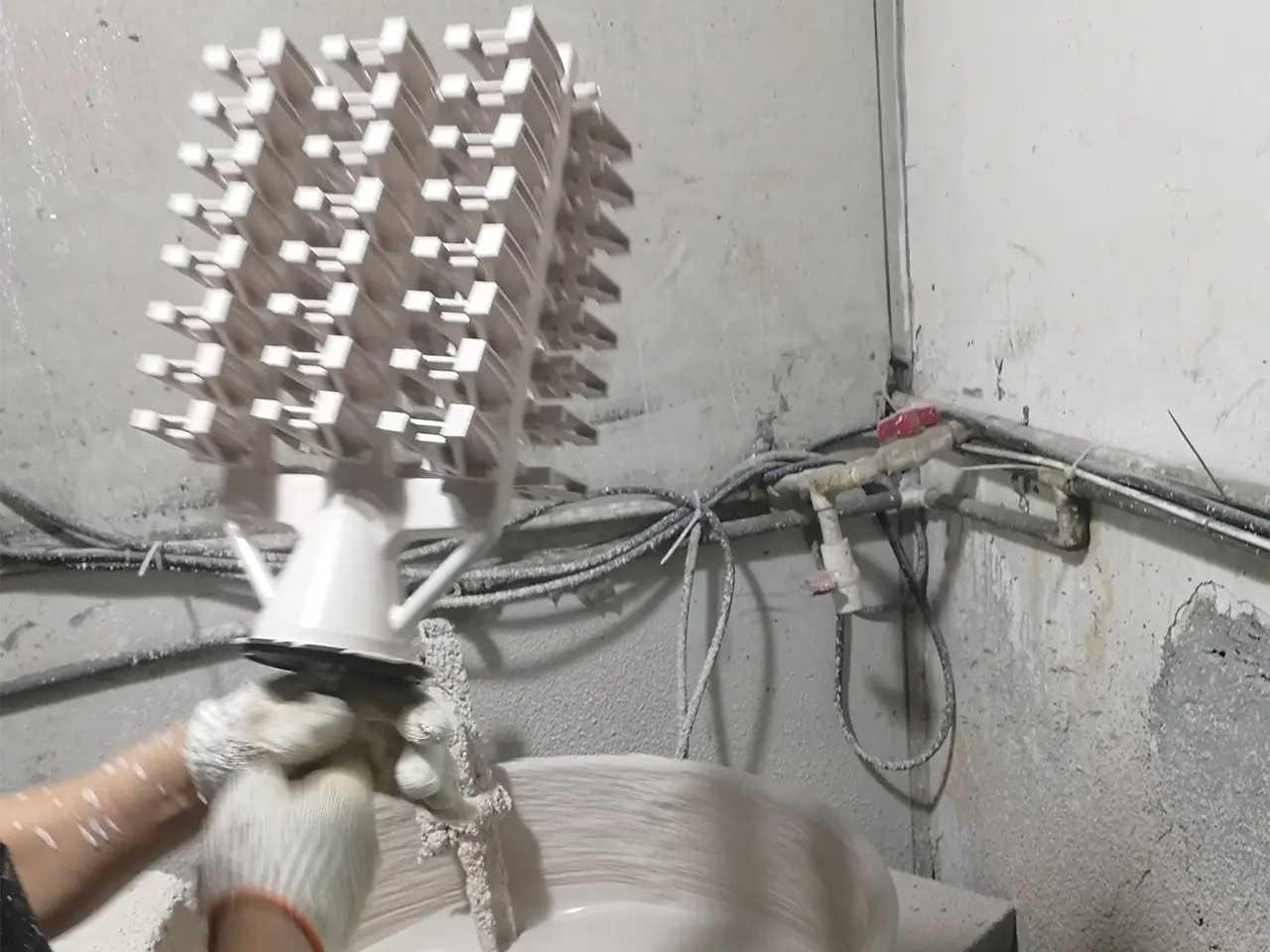
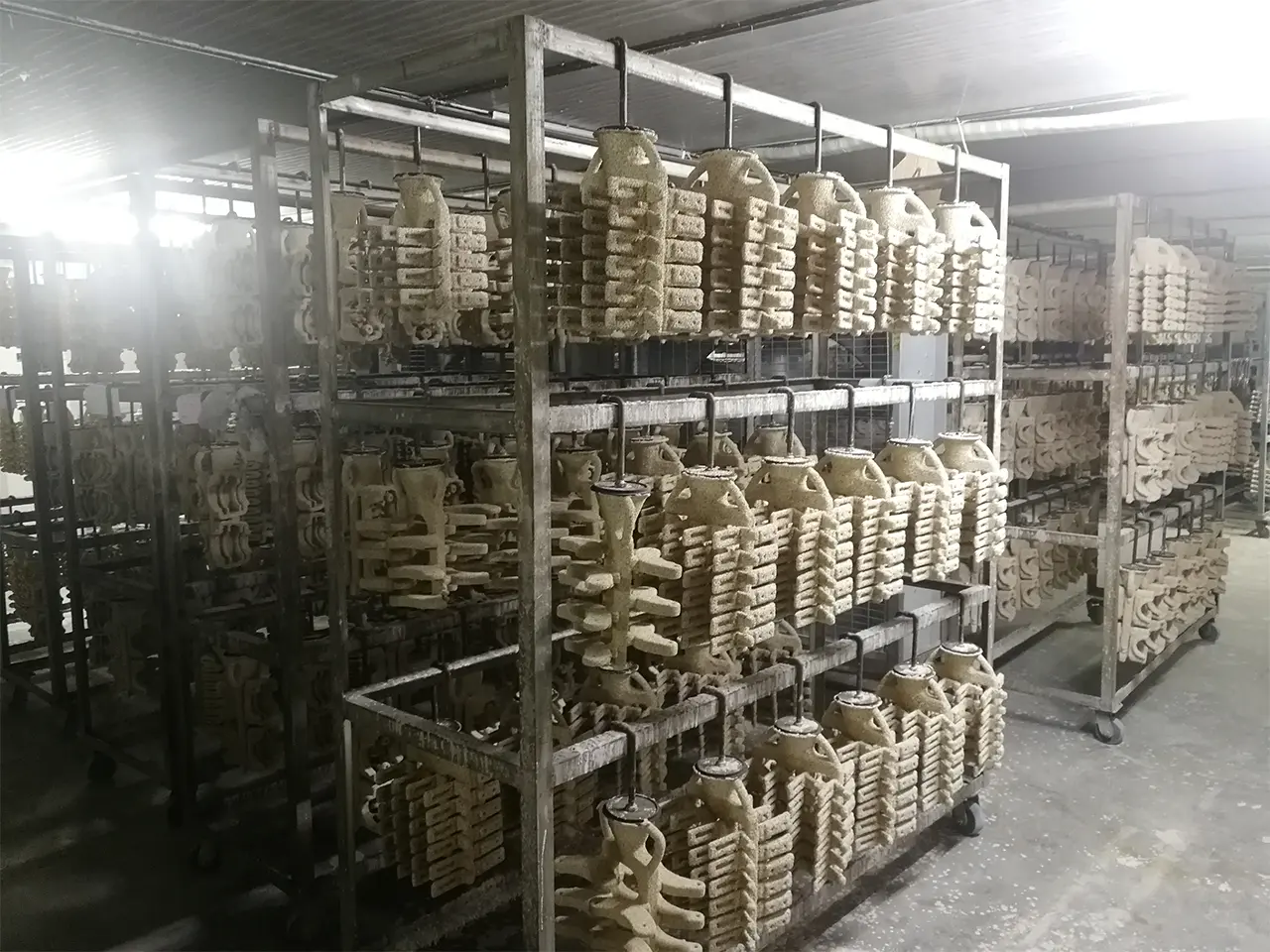
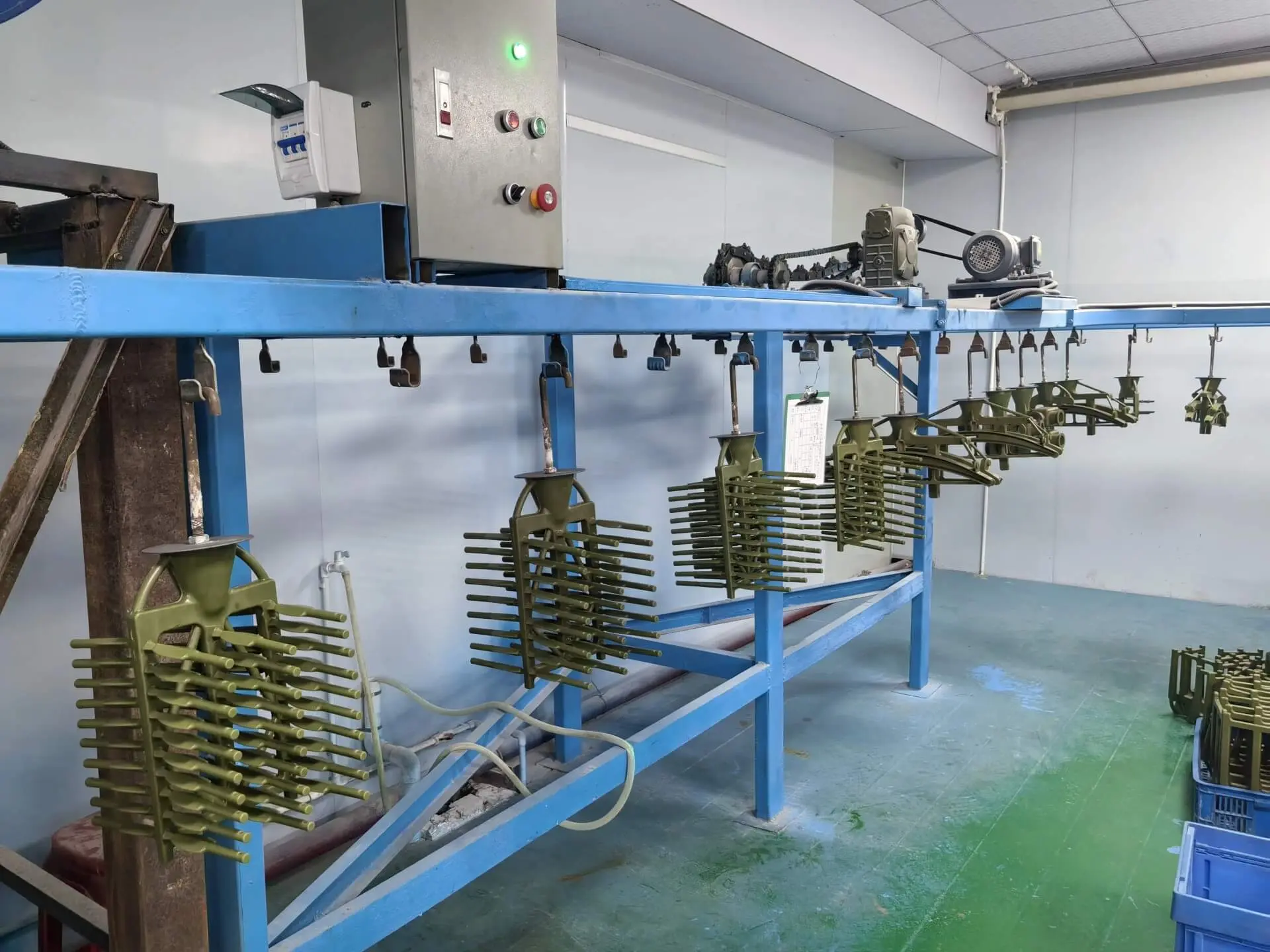
Utilizing high-purity ceramic molds to cast complex geometries with superior surface finish (Ra 3.2 or better). Our lost wax casting processes minimize draft angles and near-net shapes to decrease material waste and subsequent machining time.
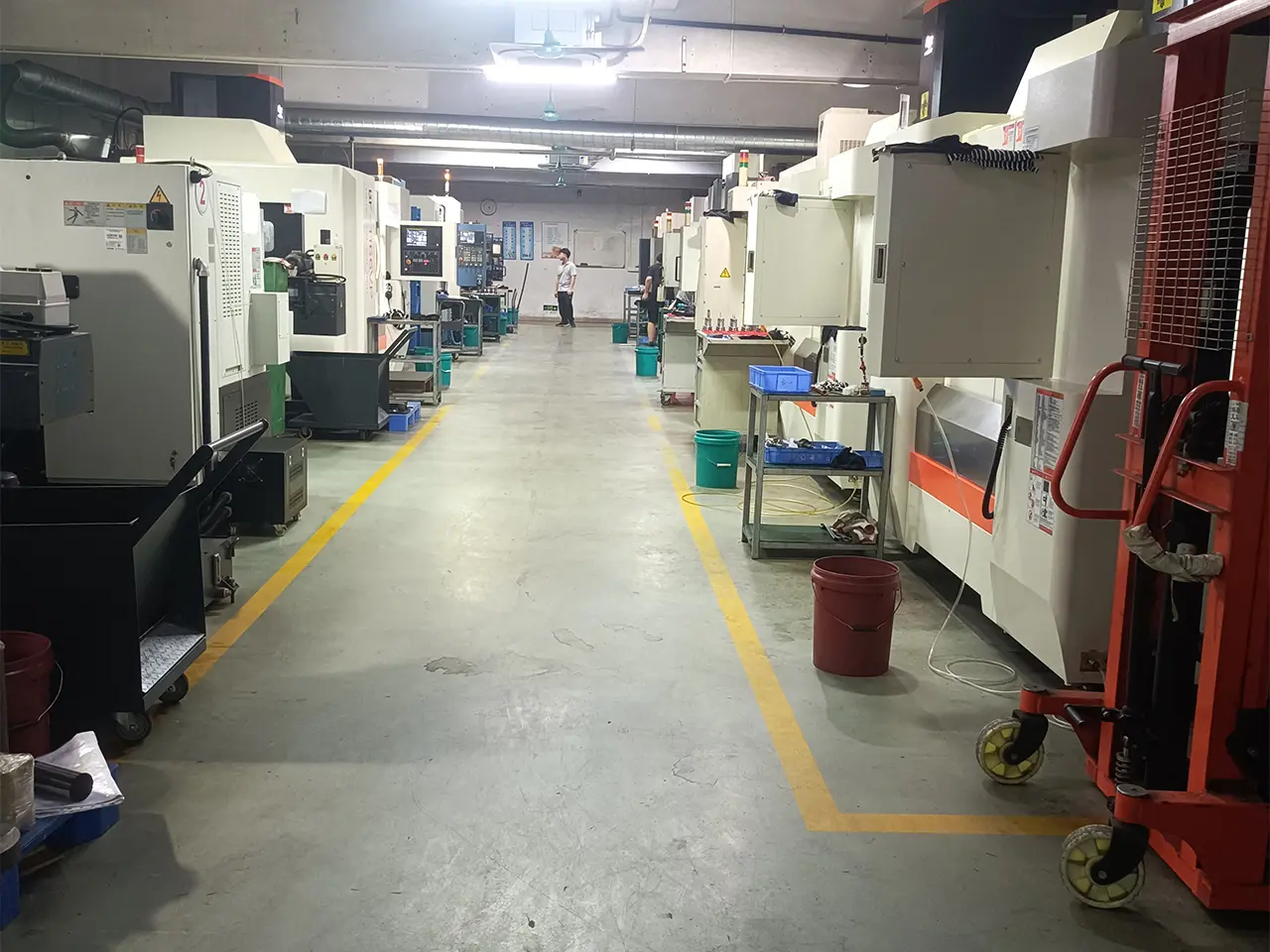
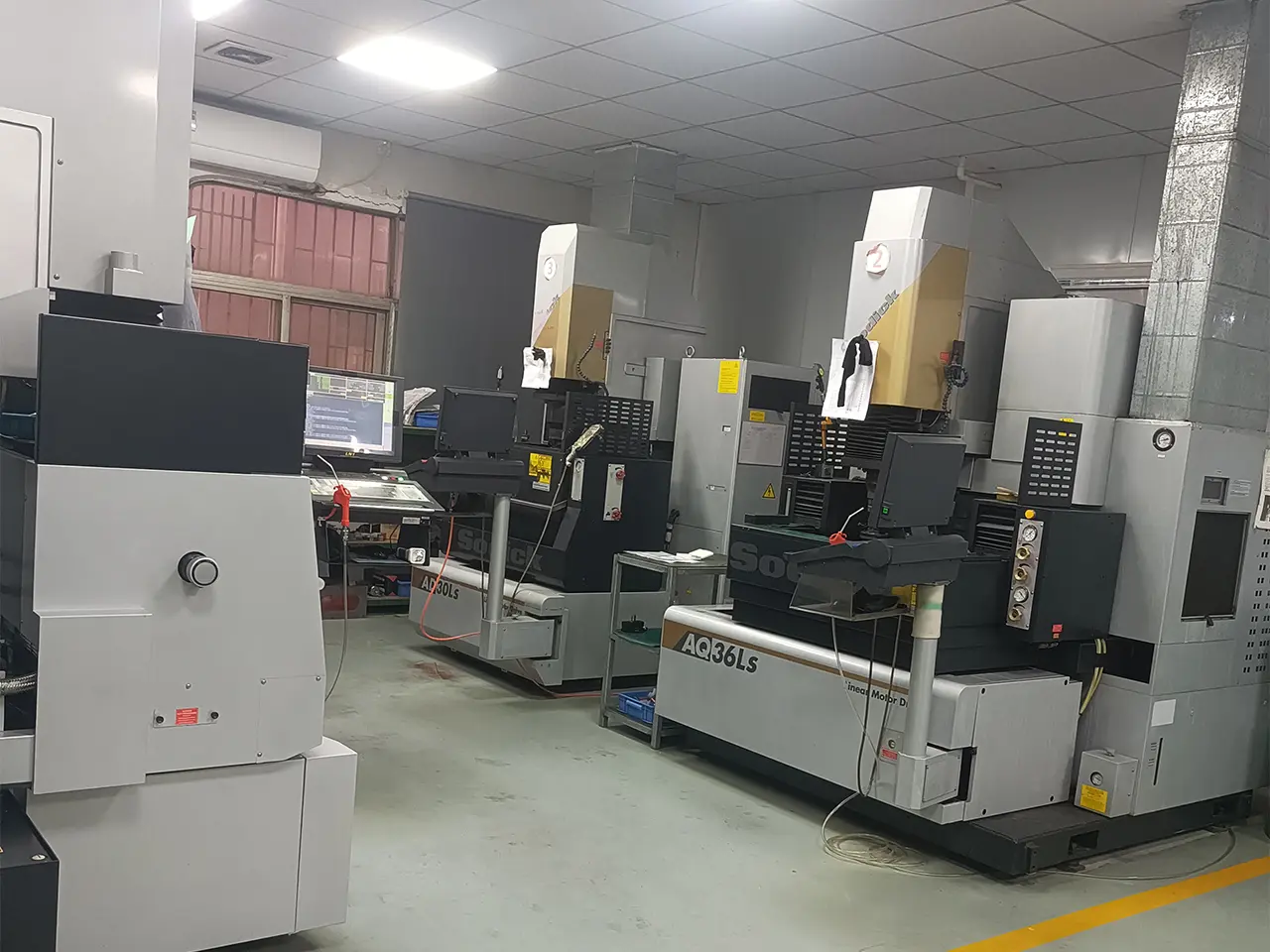
Equipped with 3-axis, 4-axis, and state-of-the-art 5-axis CNC machining centers. We achieve strict tolerances down to ±0.005 mm, handling difficult-to-cut materials like Titanium Grade 5 (Ti-6Al-4V) and Super Duplex Stainless Steel.
Offering comprehensive post-processing, including solution annealing, quenching, tempering, case hardening, and surface modifications (anodizing, passivating, and electroplating) to deliver ready-to-install assemblies.
| Material Class | Specific Alloys Supported | Primary Manufacturing Method | Typical Application Fields |
|---|---|---|---|
| Titanium Alloys | Grade 2, Grade 5 (Ti-6Al-4V), Ti-6Al-4V ELI | CNC Turning, Milling & Bar Machining | Medical Implants, Aerospace Parts, Premium Bicycle Components |
| Stainless Steel | SUS 304, 316, 316L, 17-4 PH, Duplex 2205 | Investment Casting & Precision CNC | Marine Hardware, Chemical Valves, Pressure Pumps |
| Carbon & Low Alloy Steel | WCB, LCC, AISI 1020, AISI 1045, 4140 | Precision Lost Wax Casting | Automotive Chassis, Agricultural Equipment, Structural Connectors |
| Aluminum Alloys | AL 6061-T6, 7075-T6, ADC12 | CNC Machining, Die Casting | Electronics Enclosures, Lightweight Sports Equipment |
How modern procurement officers can optimize their supply chain for structural casting and CNC parts.
Global procurement teams in aerospace, defense, and medical devices face strict challenges: compliance with international standards, quality consistency across batches, and volatile raw material pricing. As a professional castings manufacturing partner, Dongguan SX Technology addresses these challenges directly. We provide complete material certification (MTRs to EN 10204 3.1), chemical composition verification, and destructive/non-destructive testing profiles.
By streamlining our internal manufacturing flow, we help procurement officers reduce their total cost of ownership (TCO). Rather than managing separate vendors for raw castings, rough machining, precision finishing, and surface treatments, clients can coordinate their entire project with us. This vertical integration reduces logistics costs, minimizes inspection delays, and ensures accountability from the initial melt to final quality checks.
Transparent, traceable, and performance-optimized execution phase-by-phase.
Engineering analysis of models to optimize parting lines, gating systems, and thermal solidification behavior.
Lost wax ceramic mold formation, computerized induction melting, and pouring under controlled atmospheres.
High-speed CNC milling, turning, and threading to secure design tolerances and surface finishes.
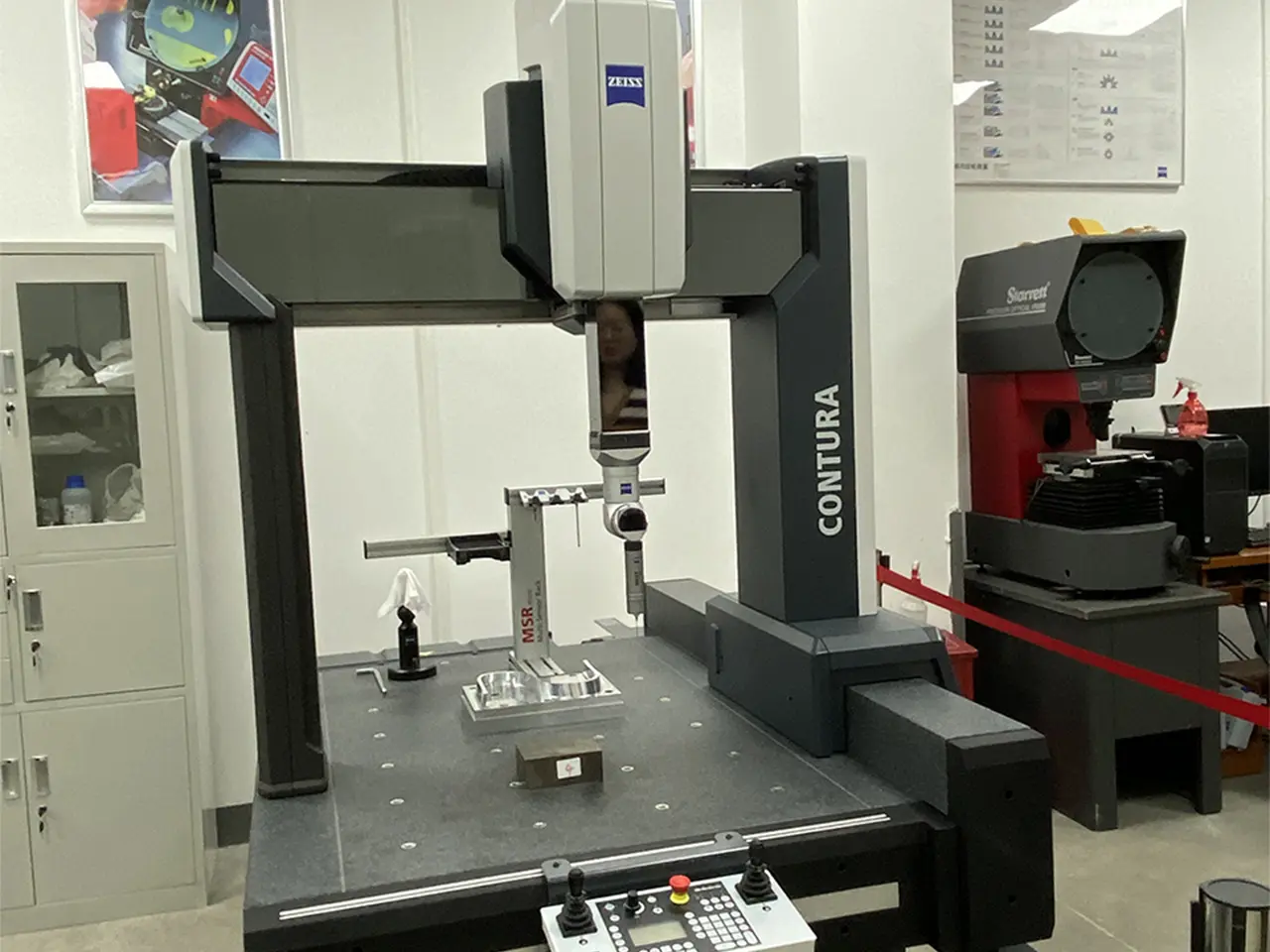
CMM inspection, spectrometer testing, hydrostatic testing, and shipping documentation generation.
Technological trends driving the evolution of heavy metal and precision component design.
The manufacturing sector is undergoing a massive transformation powered by smart factory integration and sustainable raw materials. Casting operations are adopting electric induction melting systems that use renewable energy to significantly decrease Scope 1 emissions. In addition, casting simulation software helps prevent defect creation by allowing engineers to virtually model molten metal flow and solidification, avoiding shrinkage porosity before tooling begins.
At Dongguan SX Technology, we are updating our facilities to support hybrid manufacturing. By combining 3D sand/wax printing for rapid prototyping with conventional investment casting and high-speed CNC centers, we significantly accelerate development lifecycles. This workflow allows for low-volume casting trials without the upfront cost of hard tooling, reducing design cycle times from months to days.
Why quality is not just a department but the core of our business model.
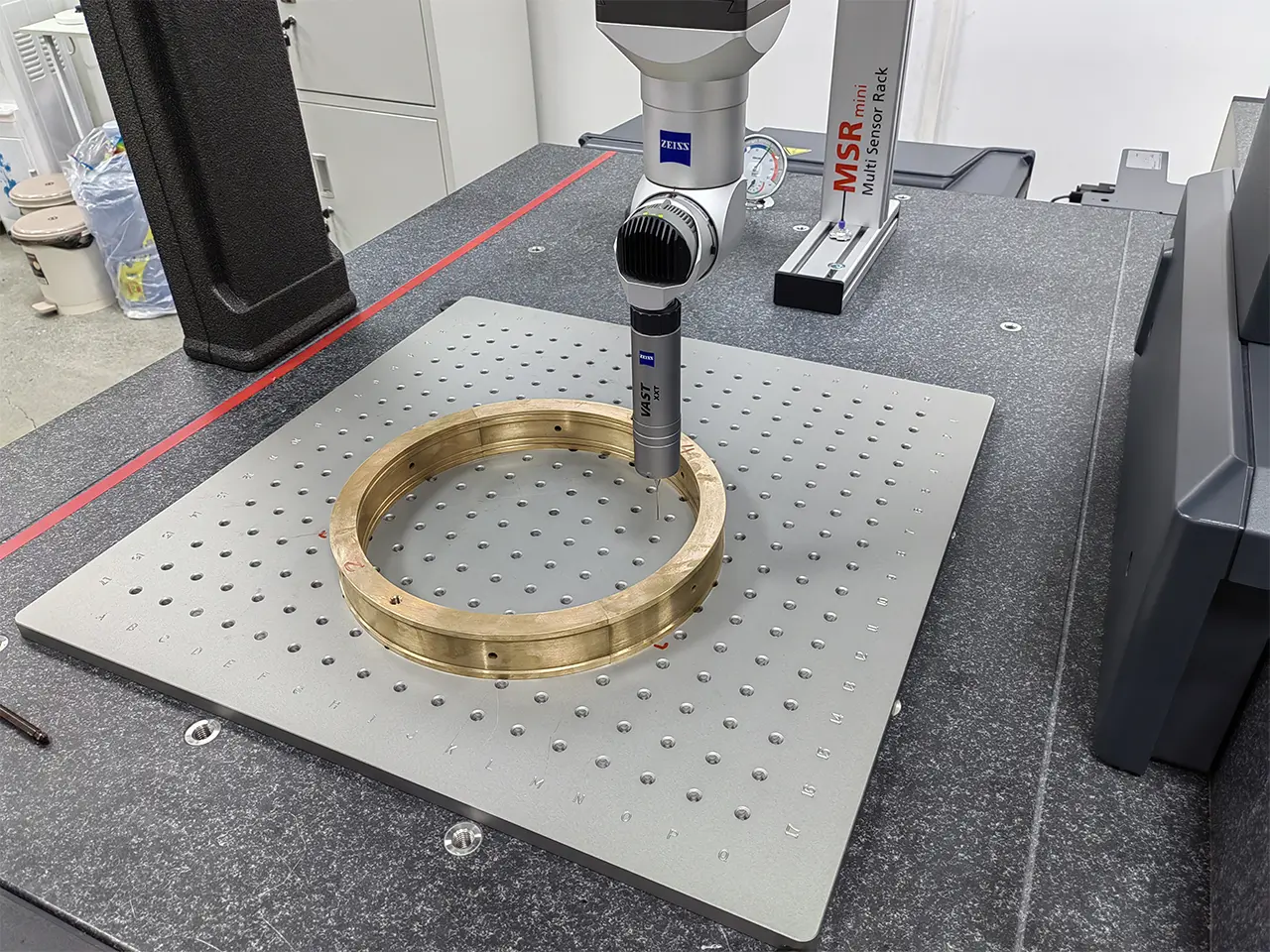
We work with industries where component failure is not an option. Our quality assurance center is equipped with advanced testing tools to ensure every part matches the customer's CAD specifications. From initial spectrometer testing of the melt chemistry to 3D Coordinate Measuring Machine (CMM) inspections of finished components, we verify every critical metric.
Our Quality Management System (QMS) follows clear process flows from incoming material inspection (IQC) and in-process inspection (IPQC) to outgoing quality checks (OQC). We maintain traceability by linking raw material melt reports directly to the final shipped batches, providing documentation package options that include material certificates, dimension inspection charts, and surface treatment reports.
Industrial sourcing requires clear communication and compliance with international standards. Dongguan SX Technology supports customers globally, adapting our manufacturing processes to meet standards like ASTM, AISI, DIN, EN, JIS, and ISO. Our bilingual engineering team reviews technical drawings, tolerancing requirements (GD&T), and material certifications to resolve manufacturing issues before production begins.
Additionally, we coordinate logistics with global freight networks to handle clearance processes, offering options like FOB, CIF, or DDP delivery. By managing custom documentation and packing details, we ensure your components arrive safely and ready for assembly line integration.
Choosing the correct alloy involves balancing strength, corrosion resistance, weight, and machining costs. For example, titanium components provide high strength-to-weight ratios and bio-compatibility for medical and high-performance automotive parts. In contrast, grades like duplex stainless steel offer strong corrosion resistance for marine pump and valve designs.
We work with your engineering team to select the right material for your application. By matching alloy selection to the manufacturing process, we help improve production yields and lower overall component costs.
Answering technical questions regarding casting tolerances, lead times, and post-machining capabilities.
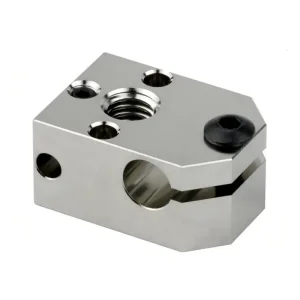
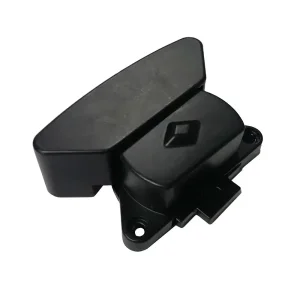
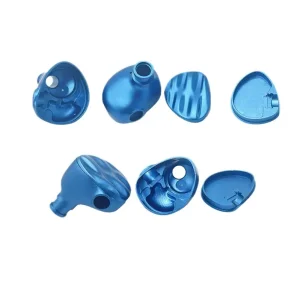
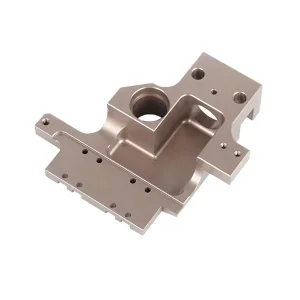
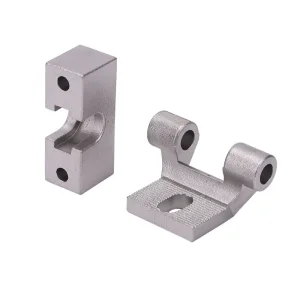
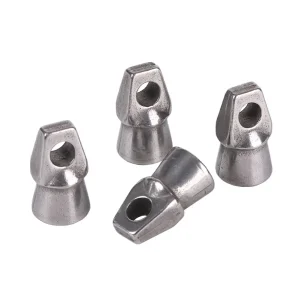
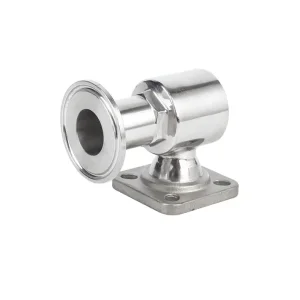
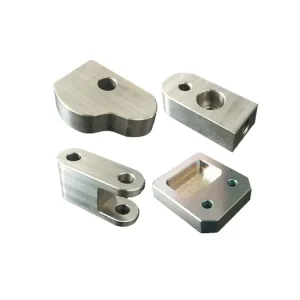
Browse additional CNC and custom-cast parts engineered to meet high performance specifications.
 SX Machining