Explore our catalog of certified engineering solutions spanning complex standard & non-standard specifications.
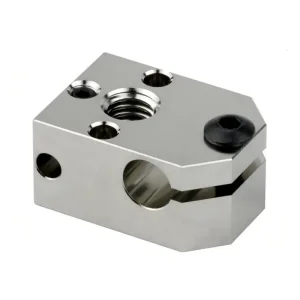
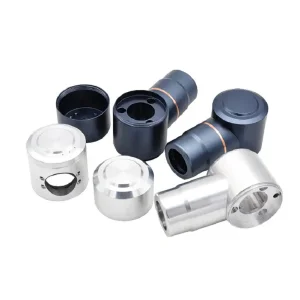
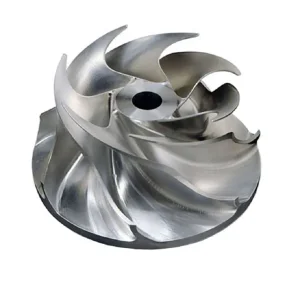
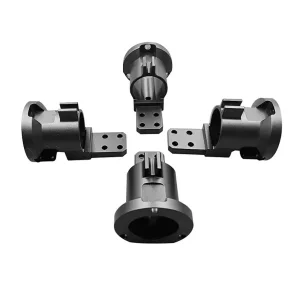
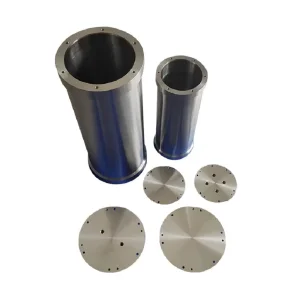
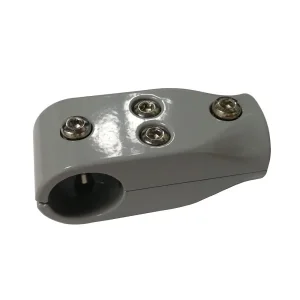
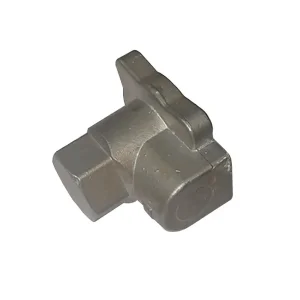
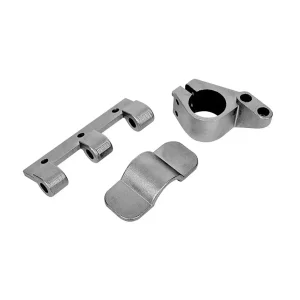
Evaluating performance, material science, cost barriers, and technological convergence in high-precision metal component manufacturing.
For global procurement teams, design engineers, and industrial OEMs, selecting the ideal manufacturing method dictates not only the final unit cost but also the structural integrity and longevity of the application. The debate between CNC Machining (Subtractive Manufacturing) and Metal Casting (Formative/Additive-Formative Processing) is no longer simple. Modern industrial applications require high-strength, tight-tolerance components that push the limits of metallurgy.
While CNC machining offers sub-micron precision, zero-draft profiles, and exceptional grain structure integrity directly from wrought billet stock, investment casting offers design freedom, near-net-shape geometry, and considerable cost reductions for medium-to-high volume runs. Choosing the correct process requires a balance of microstructural features, tensile dynamics, and volume requirements.
Understanding internal grain structures, fatigue performance, and mechanical properties across forming methods.
CNC machined components rely on wrought metal billets that have undergone rolling, forging, or extrusion, which aligns their micro-grain boundaries. This alignment provides superior fatigue resistance and tensile properties. Castings have isotropic structures with uniform properties in all directions, though they require careful gate and runner designs to prevent internal shrinkage voids.
Standard multi-axis CNC setups easily maintain tolerances within ±0.005mm to ±0.02mm, which is critical for shaft bearings, valve components, and aerospace impellers. Investment castings (lost wax method) yield clean surface finishes (typically Ra 3.2 to 6.3 μm) and net-shape tolerances around ±0.1mm to ±0.3mm before requiring secondary CNC operations.
CNC machining has minimal up-front tooling fees, making it cost-effective for prototype iterations and low-volume production. Casting requires investment tooling (dies, molds, patterns) that carries high initial costs but provides low unit pricing for large-scale production runs.
| Evaluation Parameter | High-Precision CNC Machining | Lost Wax Investment Casting | Sand/Gravity Casting |
|---|---|---|---|
| Dimensional Precision | Exceptional (±0.005 mm to ±0.02 mm) | Moderate to High (±0.1 mm to ±0.25 mm) | Low to Moderate (±0.5 mm to ±1.5 mm) |
| Surface Roughness (Ra) | Ra 0.4 to 1.6 μm (without grinding) | Ra 3.2 to 6.3 μm | Ra 12.5 to 25 μm |
| Material Utilization | Moderate to Low (creates scrap chips) | Very High (near-net-shape design) | High (minor sprue cutoff required) |
| Initial Tooling Capital | None (programmed directly from CAD/CAM) | High (requires precision wax dies) | Low to Medium (pattern plate required) |
| Structural Integrity | Excellent (wrought grain flow maintained) | Good (potential micro-porosity risks) | Fair (requires strict degassing controls) |
| Geometric Complexity | Limited by cutter clearance (5-axis bypasses) | Virtually unlimited (under-cuts/cores) | Moderate (draft angles required) |
Inside our advanced production workshop, where state-of-the-art tooling meets strict quality standards.
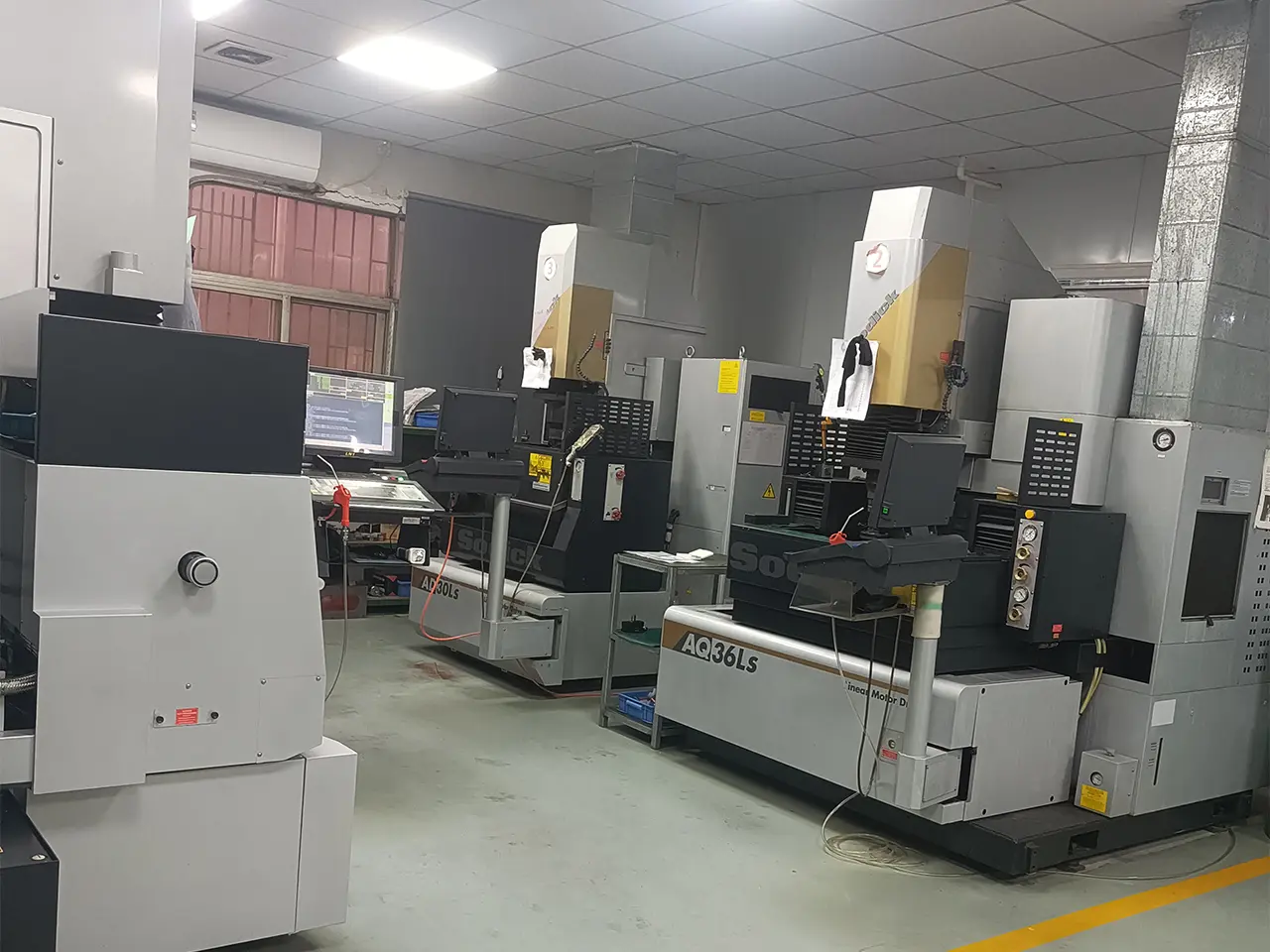
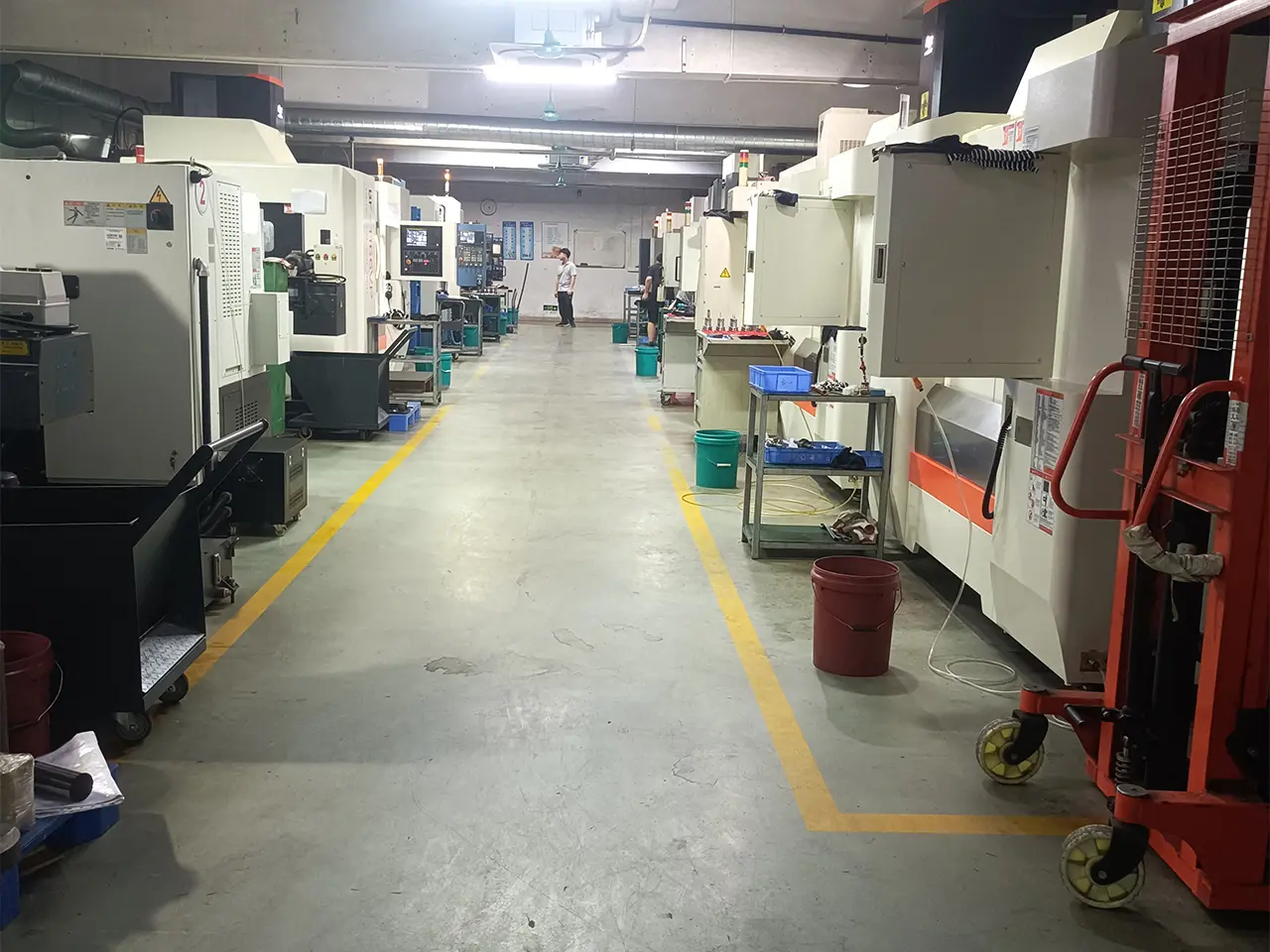
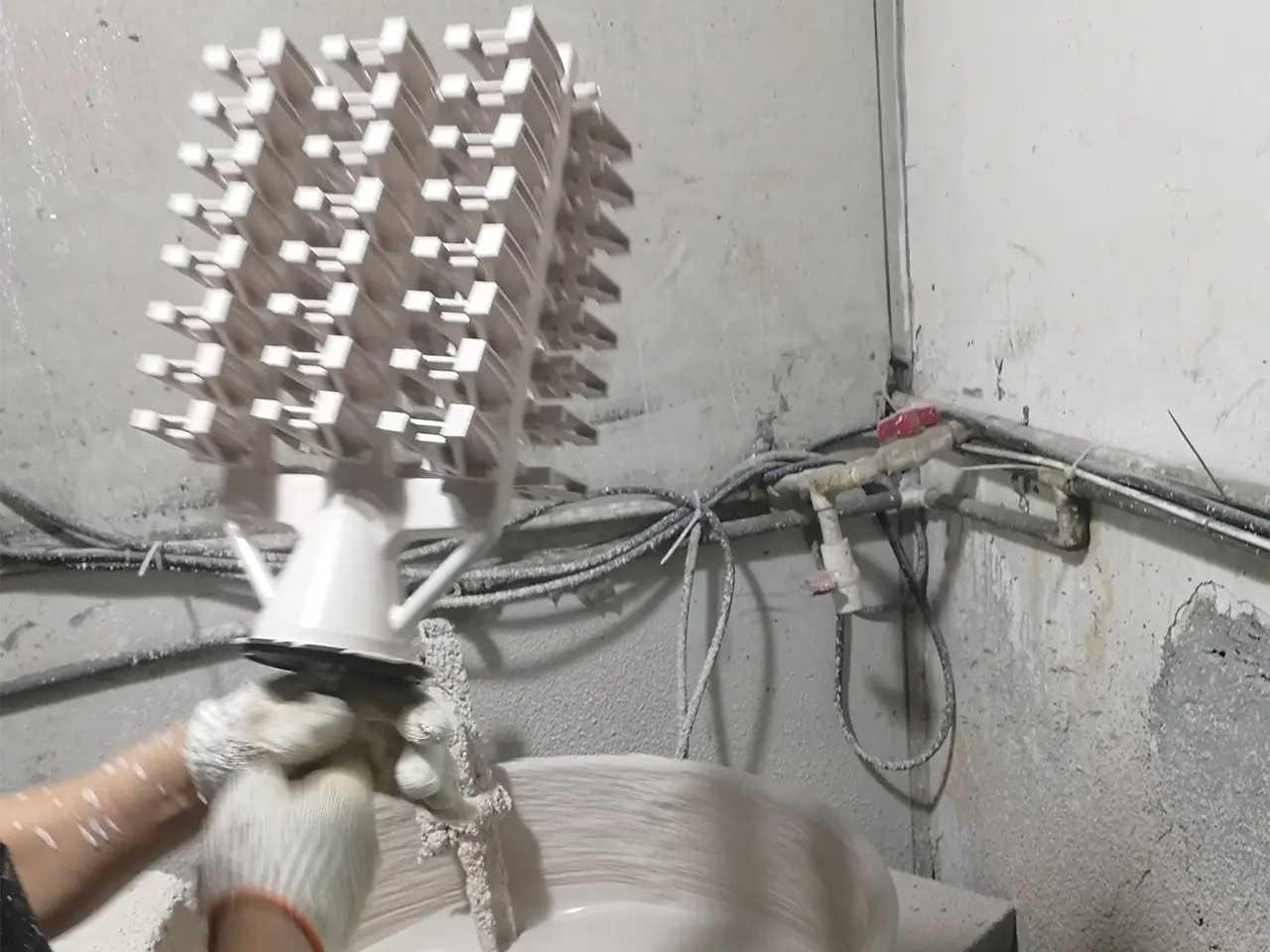
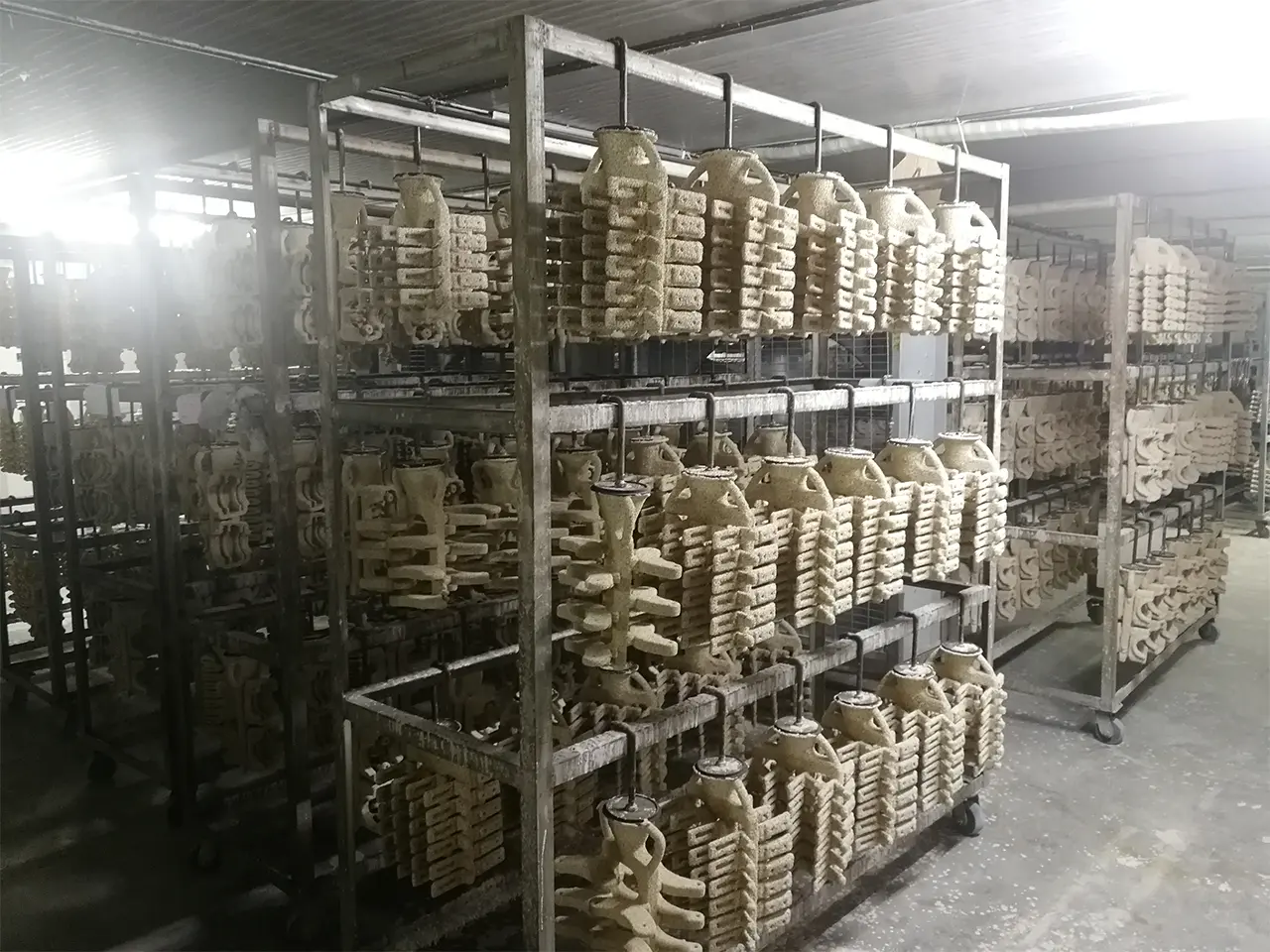
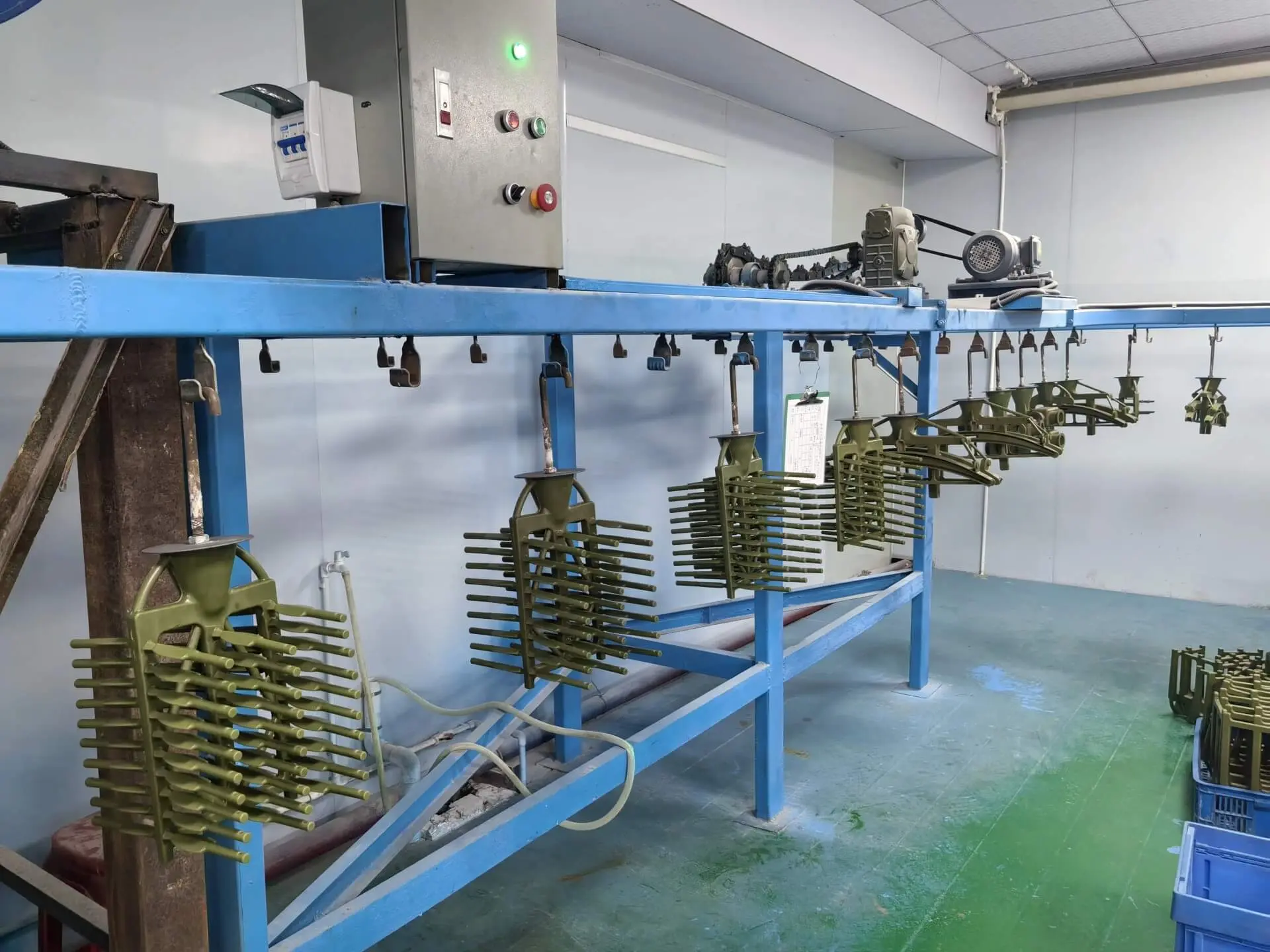
In the modern industrial landscape, raw component production is only part of the equation. Global OEMs face issues like geopolitical disruptions, raw material cost swings, and strict shipping schedules. China's manufacturing clusters, particularly in Dongguan, Guangdong, have transitioned to Factory 4.0 integration.
At Dongguan SX Technology Co., Ltd, our facility connects vertical supply networks to streamline production. We coordinate material procurement, heat treatment, secondary CNC machining, and electro-surface finishing within a tight geographical radius. This integrated approach reduces transport lead times, eliminates double handling, and provides reliable trace-element documentation.
Our facility leverages real-time machine monitoring, adaptive tool path configurations, and digital quality management to support quick turns on non-standard configurations. By linking casting foundries directly with multi-axis CNC finishing units, we provide ready-to-assemble mechanical components that ship directly to your final assembly lines.
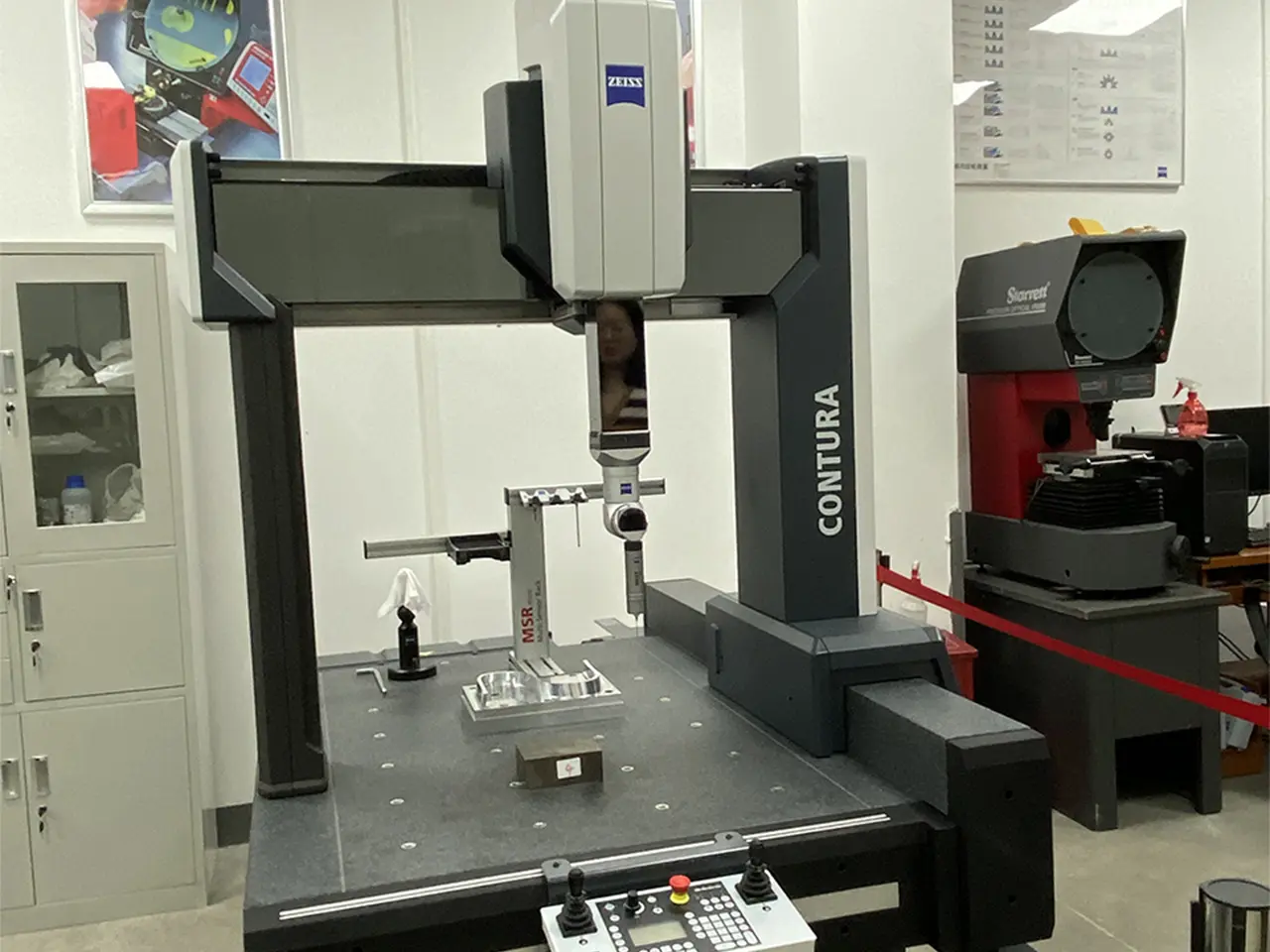
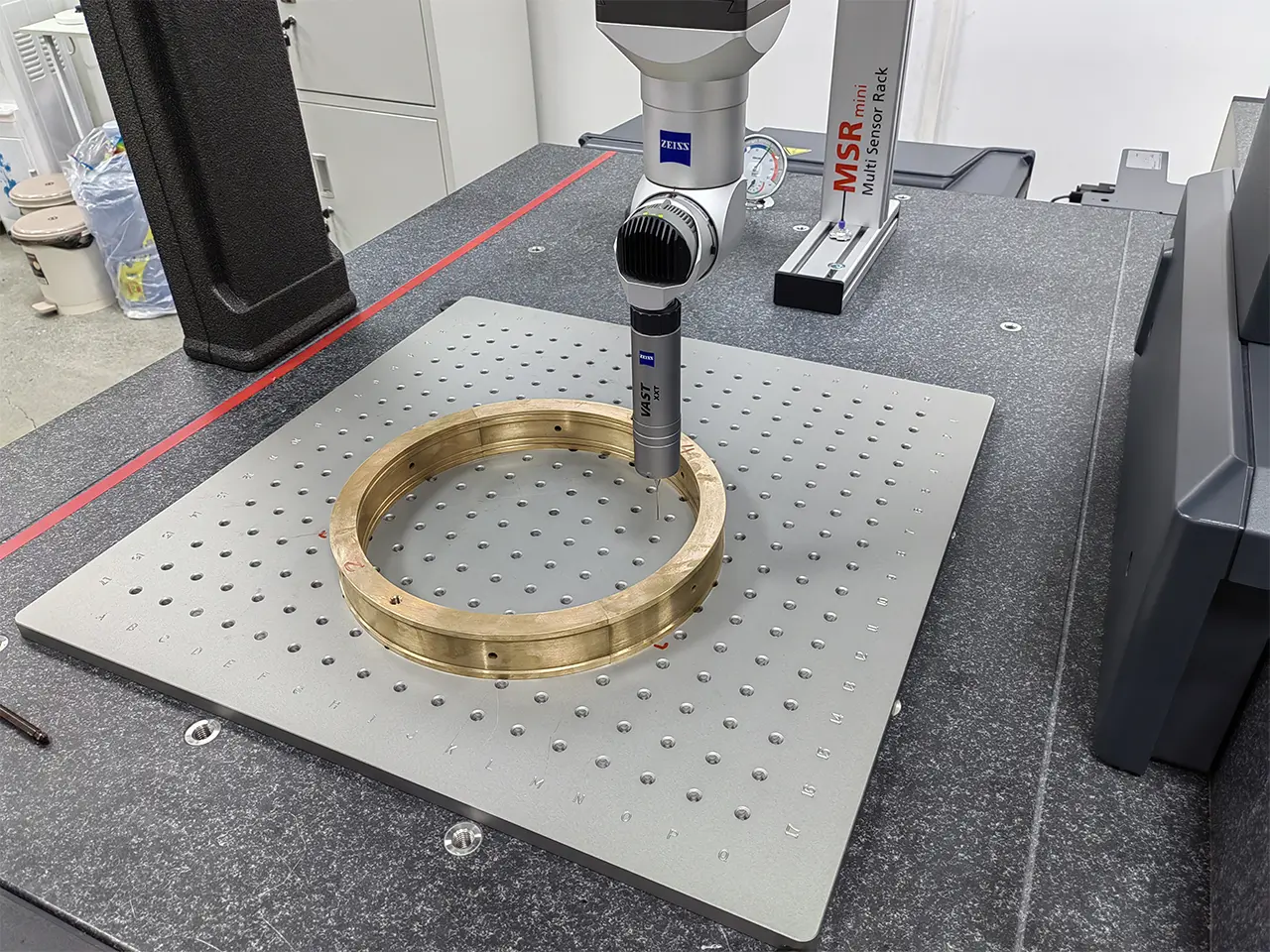
Quality is the foundation of our business. Our inspection protocols ensure dimensional accuracy, structural integrity, and material compliance for every project.
Since our establishment in 2014, Dongguan SX Technology Co., Ltd has developed robust precision casting, CNC machining, and product assembly operations. We supply industries including automotive manufacturing, marine engineering, fluid transport valves, and consumer goods.
Our inspection process uses coordinate measuring machines (CMM), spectroscopic alloy verification, optical comparators, and non-destructive testing (NDT) to prevent internal defects like micro-porosity. By controlling every stage from raw melt to final dispatch, we ensure our components meet your exact design tolerances.
How forward-thinking industries are optimizing their component design and raw material selections.
Offshore energy exploration requires materials with high yield strength and exceptional corrosion resistance. In these applications, custom titanium and nickel alloys are machined with tight dimensional clearances to prevent seal failure under high hydrostatic pressures.
Automotive OEMs rely on a mix of forming processes. Engine and drivetrain housings are often cast in large volumes to reduce costs, while critical elements like fuel-injection manifolds, high-speed impellers, and suspension connection points require multi-axis CNC machining.
Valves, impellers, and pumps handle corrosive slurry and high-pressure chemicals. Using lost wax casting with grades like 316L stainless steel allows manufacturers to produce complex internal flow paths, which are then CNC finished to ensure reliable seal seats.
Clear, direct answers to common engineering questions regarding machining, casting, and procurement strategies.
The transition point typically depends on your overall production volume and the geometric complexity of the component. CNC machining is ideal for prototyping and lower production volumes (up to several hundred units) because it has no tooling costs. For larger volumes, investment casting is often more cost-effective. However, even with cast components, critical mating faces and threaded connections usually require secondary CNC machining to achieve the necessary tolerances.
Stainless steels (such as 304 and 316) and carbon steels are widely used in investment casting due to their fluidity and mechanical properties when molten. For CNC machining, our facility works with a broader range of materials, including titanium alloys, high-strength aluminum alloys, copper, tool steel, and cemented carbides, machining them directly from wrought bar or plate stock.
We use a rigorous inspection workflow. First, we perform spectroscopic chemical analysis on the molten metal before pouring. Once the raw casting is complete, we check for internal defects using non-destructive testing (NDT), followed by coordinate measuring machine (CMM) inspections on finished dimensions to ensure full compliance with client specifications.
Our location in Dongguan places us within a mature manufacturing and logistics hub. Raw materials, specialized heat treatment services, surface coating plants, and global shipping ports are all located nearby. This close proximity helps us streamline our operations, reduce transit times, and maintain stable production costs for international orders.
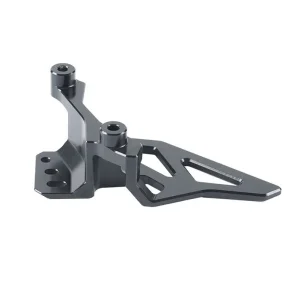
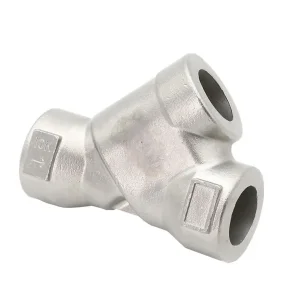
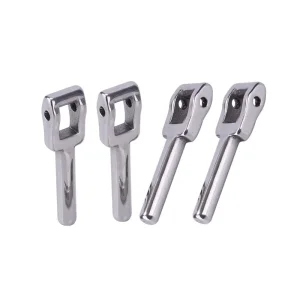
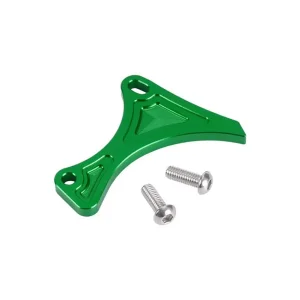
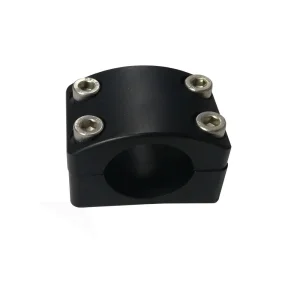
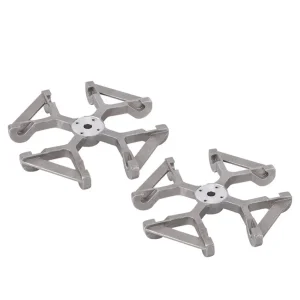
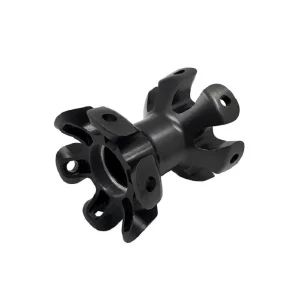
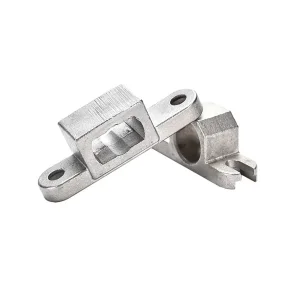
High-precision structural parts, valves, and non-standard industrial fittings engineered for performance.
 SX Machining