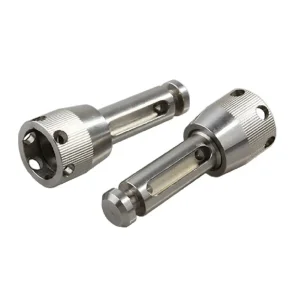
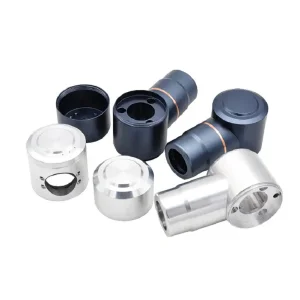
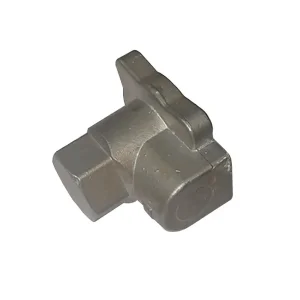
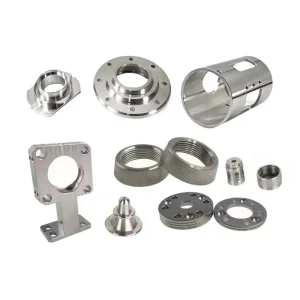
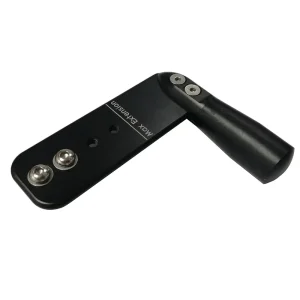
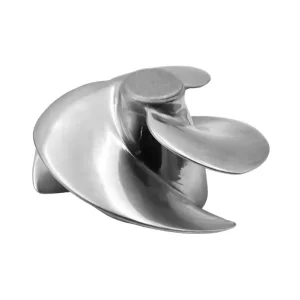
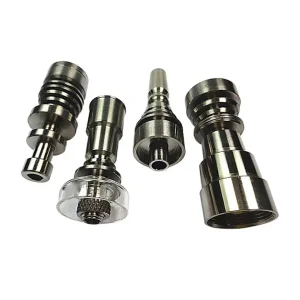
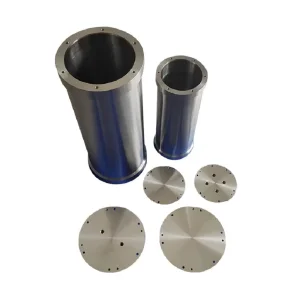
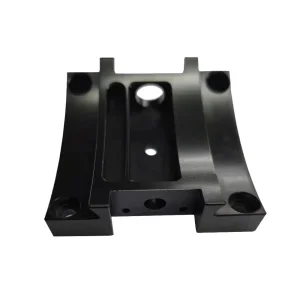
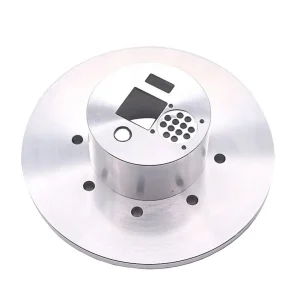
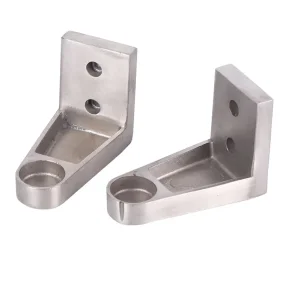
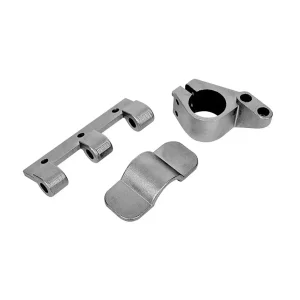
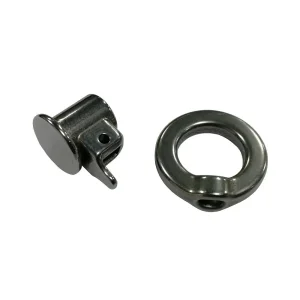
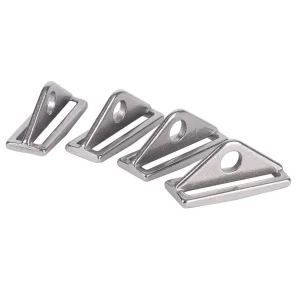
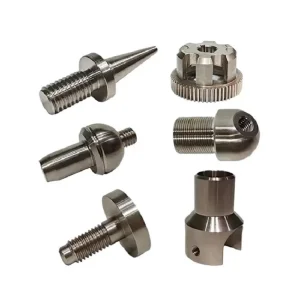
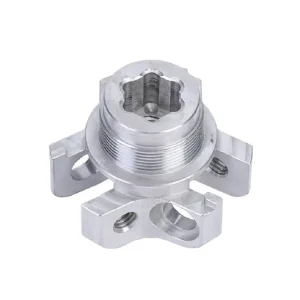
Explore our leading custom titanium, stainless steel, and alloy components, meticulously manufactured to meet uncompromising tolerances and demanding applications.
Established in 2014, Dongguan SX Technology Co., Ltd. has evolved into a premier globally recognized industrial partner specializing in multi-axis precision CNC machining, lost-wax investment casting, and high-integrity subsystem assembly. Our primary facility, situated within the industrial supply-chain capital of Dongguan, China, integrates advanced casting foundries and state-of-the-art multi-axis milling and turning centers.
We engineered a vertical production structure capable of taking components from high-fidelity digital drawings (STEP, IGES, SolidWorks files) directly to completed component production. Our comprehensive material expertise encompasses exotic medical-grade titanium alloys (Grade 2, Grade 5/Ti-6Al-4V), austenitic and precipitation-hardening stainless steels (SUS304, SUS316, 17-4 PH), tough carbon steels (WCB, 1045), structural aluminum (6061-T6, 7075-T6), high-conductivity copper-based alloys, and ultra-hard cemented carbides.
In modern manufacturing, global OEMs (Original Equipment Manufacturers) face systemic supply chain changes. Unpredictable logistics networks, trade dynamics, and volatile raw material pricing demand a re-evaluation of supplier relations. Procurement officers no longer evaluate suppliers solely on piece-part unit cost; rather, they analyze Total Cost of Ownership (TCO), supply security, and supplier technical competence.
"True supply-chain resilience is forged at the intersection of automated engineering workflows, redundant capacity reserves, and absolute metallurgical traceability."
Guangdong's manufacturing sectors, particularly Dongguan, represent the next stage of advanced industrial production. By transitioning standard manufacturing models into Factory 4.0 paradigms, local suppliers integrate CAD/CAM software suites, real-time machining execution systems (MES), and smart automation.
For international procurers, this technological transition yields clear strategic benefits:
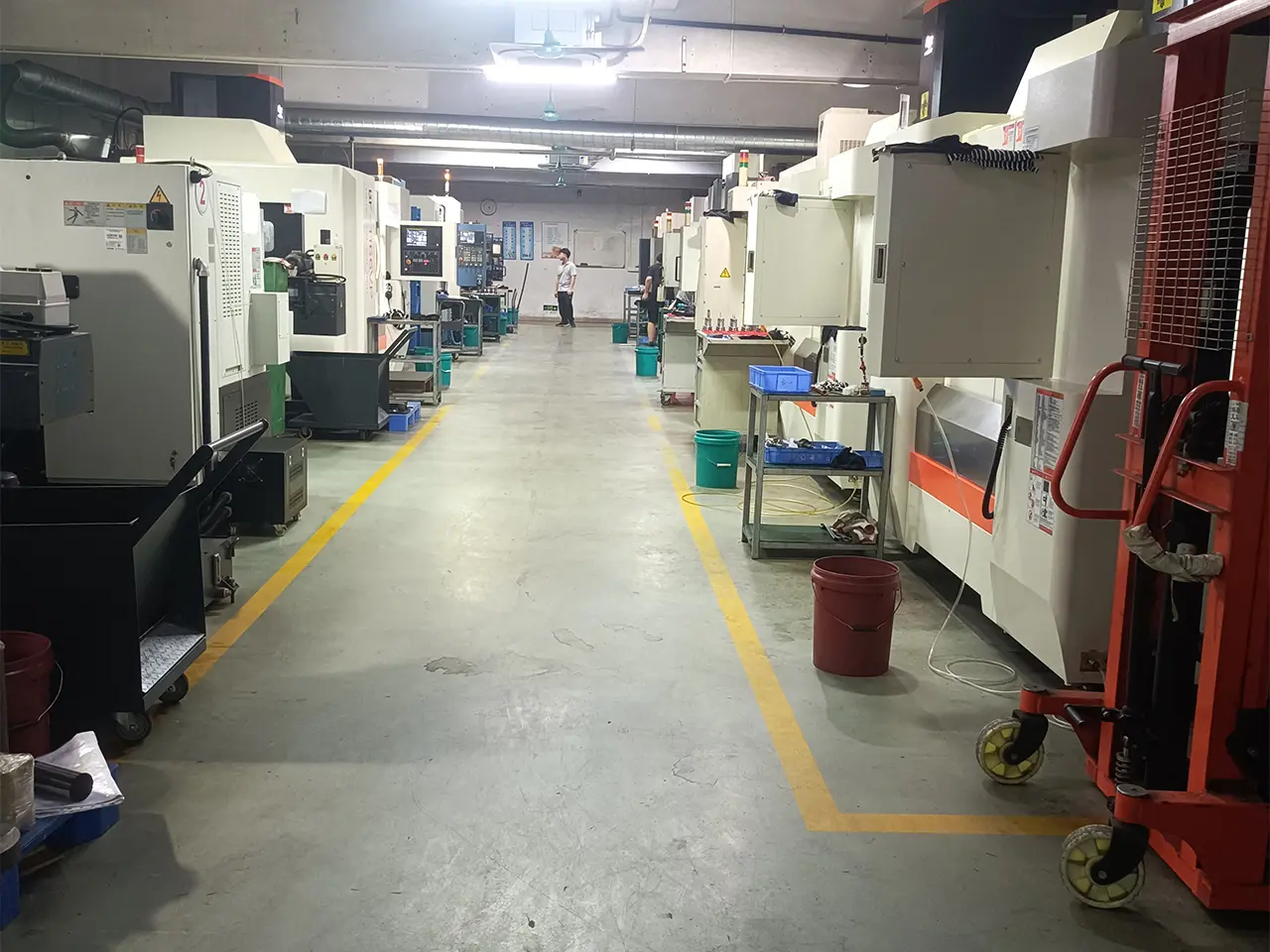
A transparent look inside our modern facility, featuring advanced multi-axis CNC machines and automated investment casting lines.
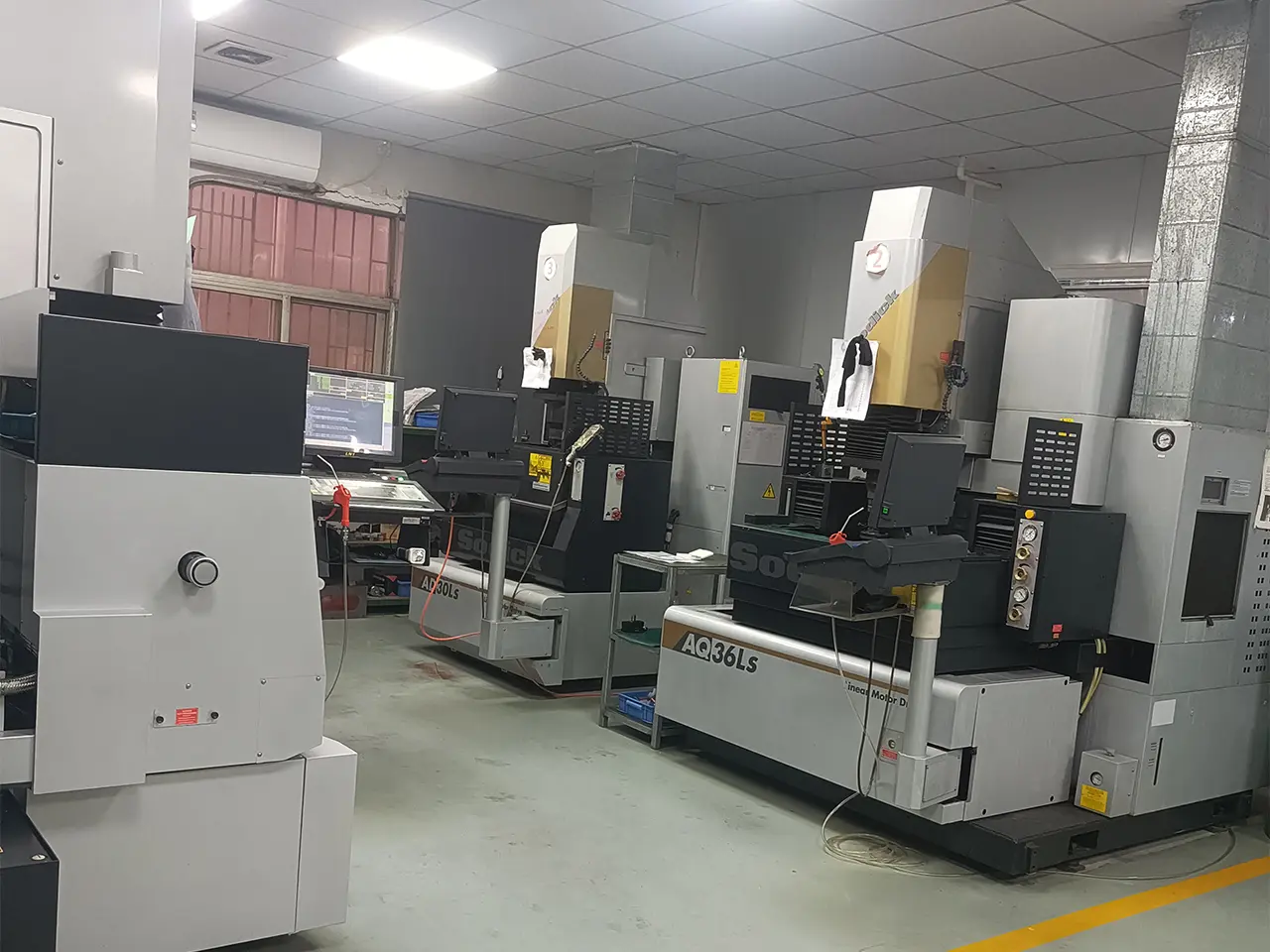
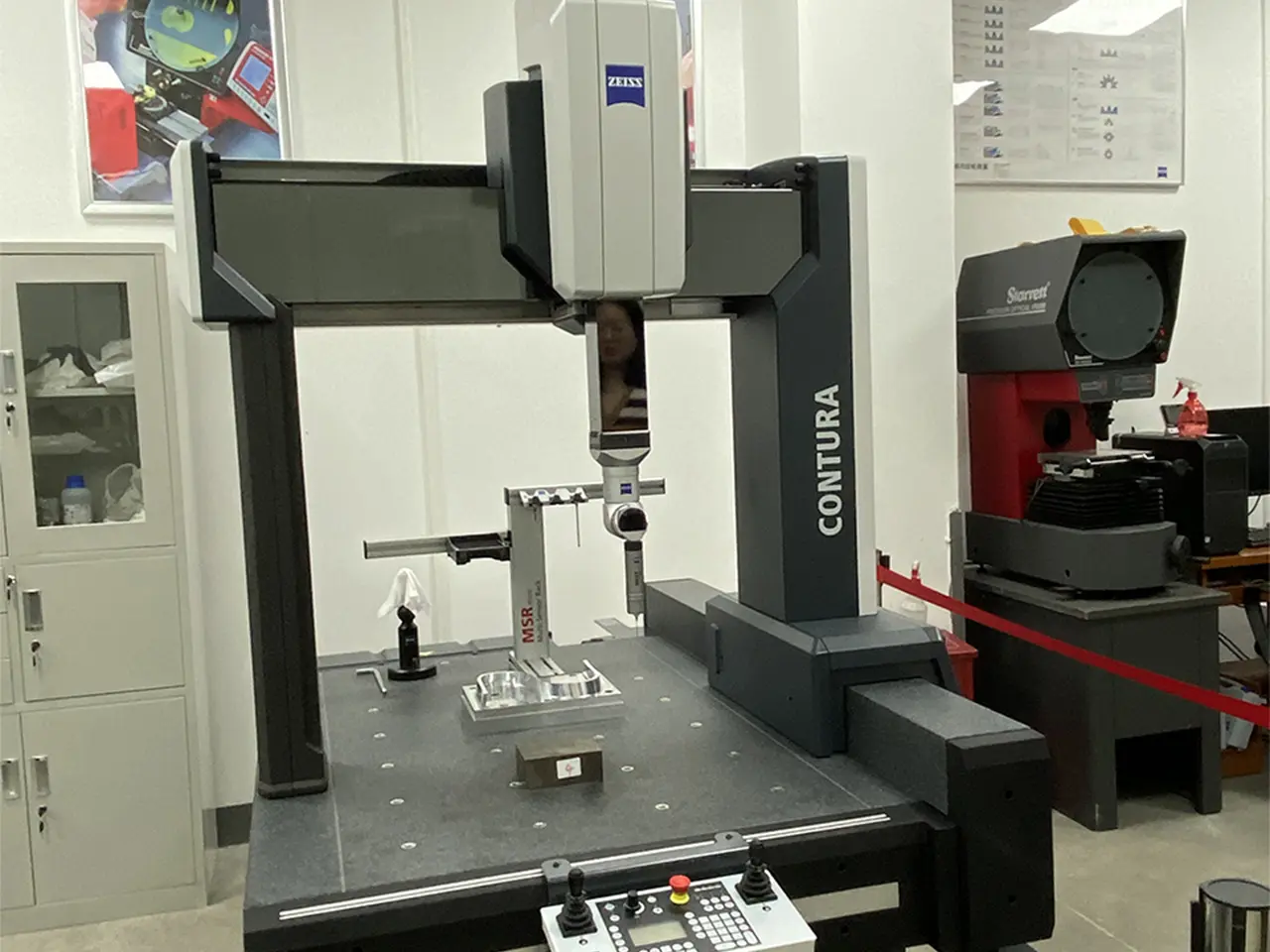
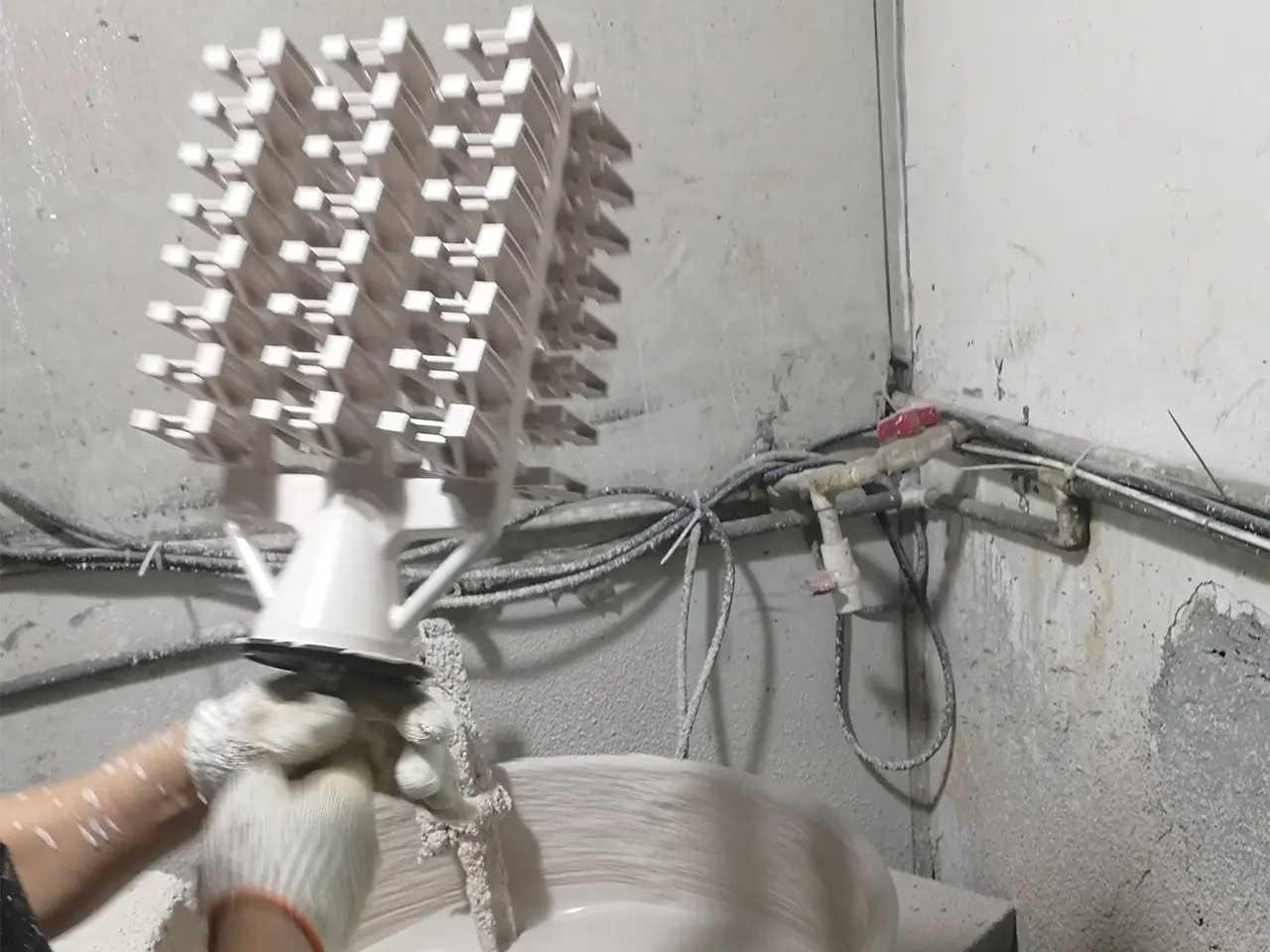
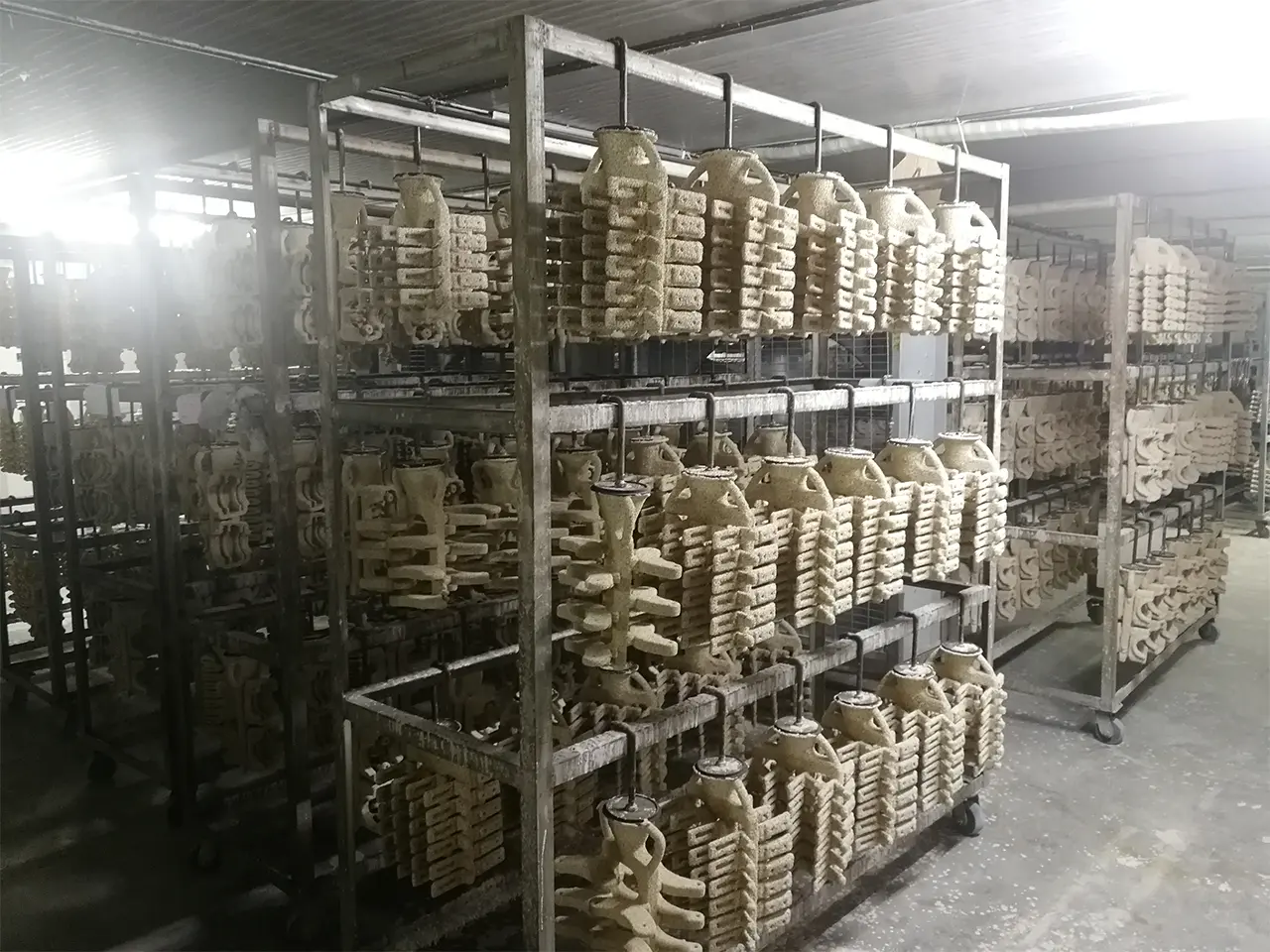
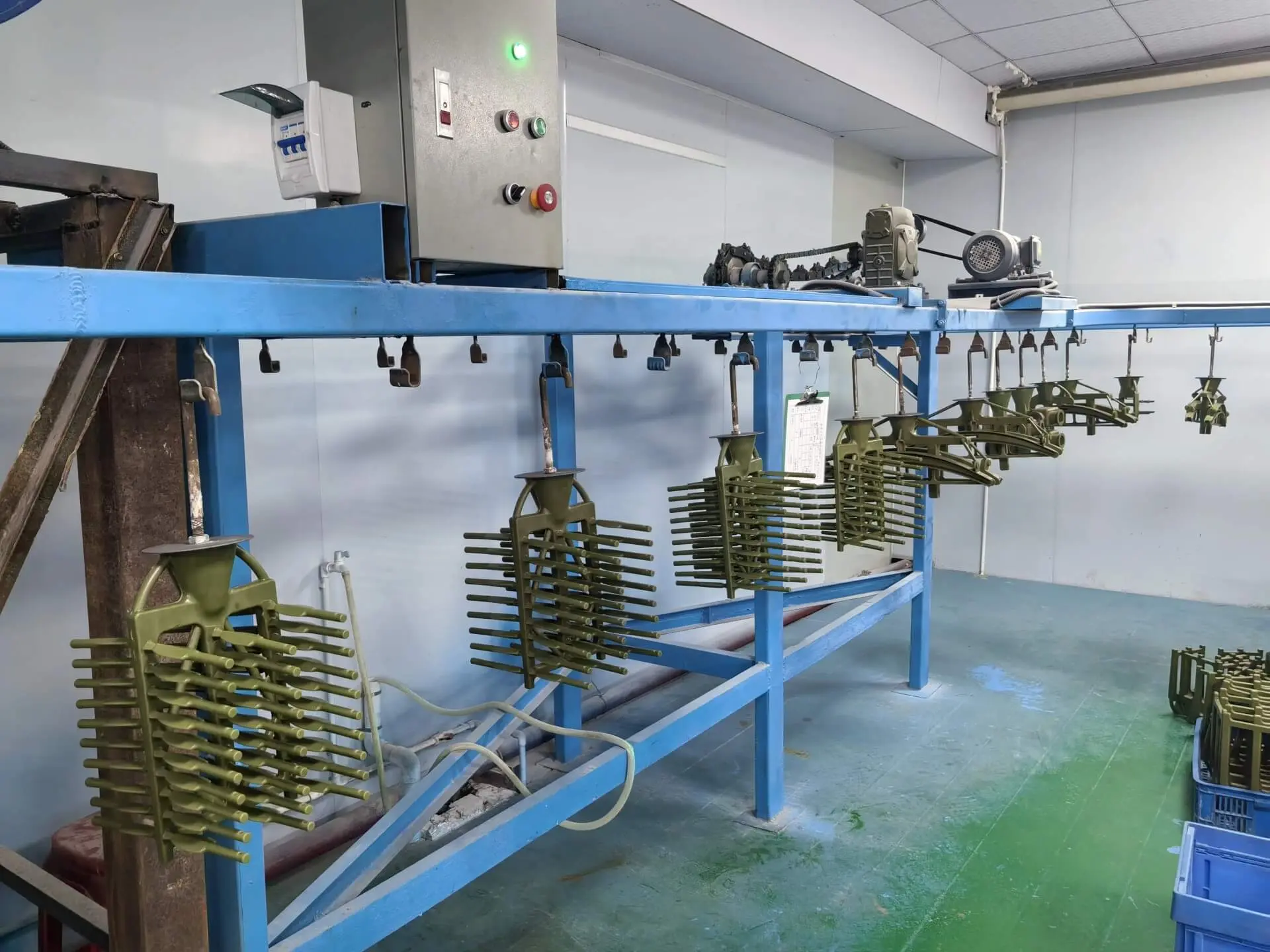
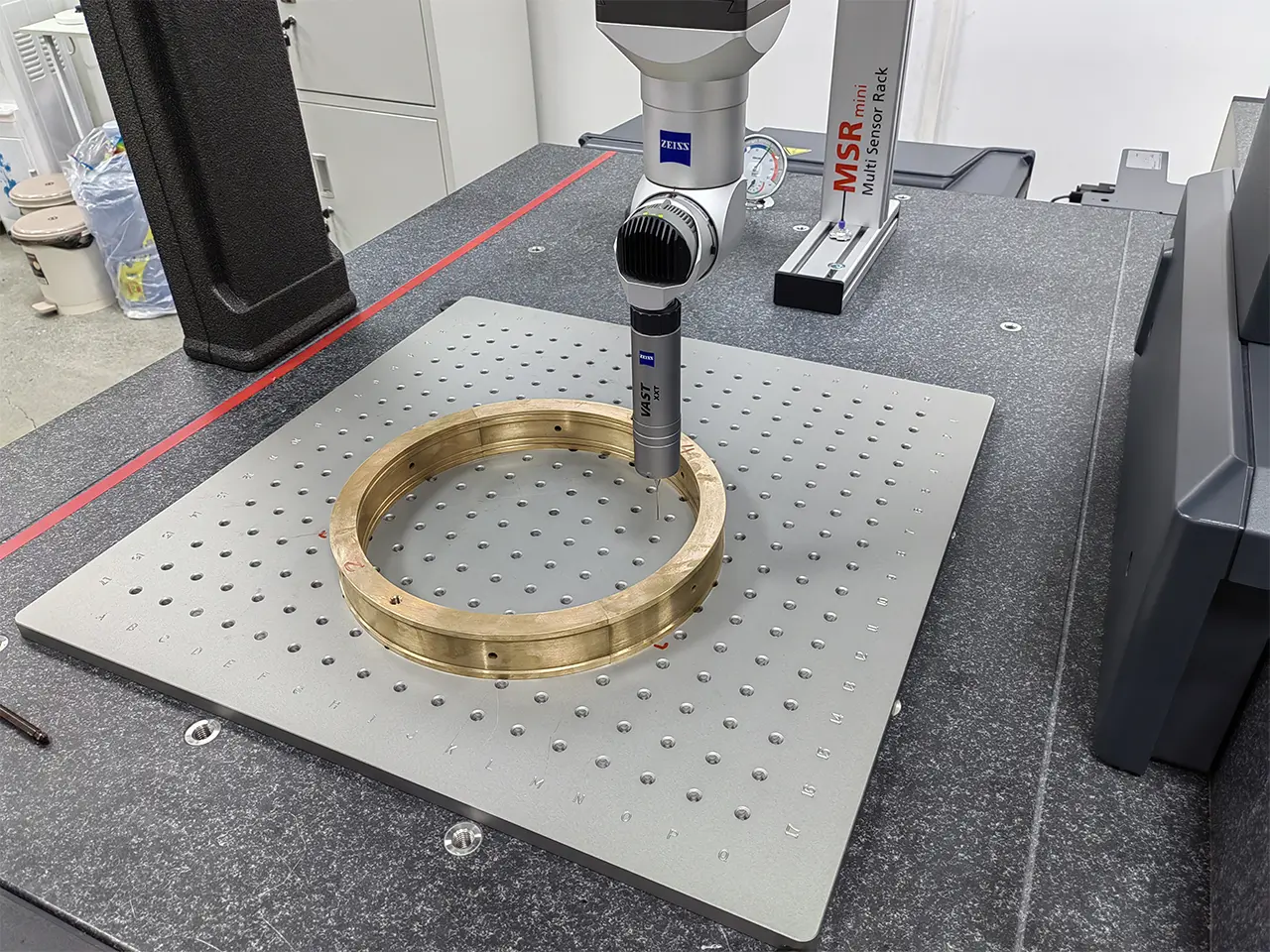
In high-tolerance manufacturing, product quality serves as our baseline metric. Our quality management system relies on strict process control, material trace records, and dedicated inspection protocols. We execute dimensional checks at every phase of the run—from initial raw material testing to final shipment approval.
Our metrology department uses advanced equipment, including Coordinate Measuring Machines (CMM) for 3D coordinate checks, optical comparators, digital micrometer sets, and surface roughness testers.
By working with certified raw material suppliers and running regular chemical analyses (including spectroscopic tests), we verify that our cast and machined components meet our clients' material specifications.
Different global industries face unique operating conditions. Our manufacturing setups are optimized to meet the distinct engineering standards of these specific fields:
High salinity and extreme hydrostatic pressures require titanium and super-duplex stainless steel components. We supply structural housings, pump impellers, and custom fittings that resist crevice corrosion and pitting.
Biocompatibility and weight savings are crucial metrics. We manufacture customized wheelchair joints, orthopedic structural blocks, and surgical tool bodies in ISO-compliant, trace-verified operations.
High aesthetic requirements, lightweight designs, and thin-walled parts are essential. Our investment casting and CNC post-machining deliver high-quality surface finishes and accurate geometries.
Get answers to common engineering questions regarding materials, machining parameters, and casting tolerances.
Explore our selection of non-standard cast and machined components designed for smart systems, marine assemblies, and demanding industrial equipment.
 SX Machining