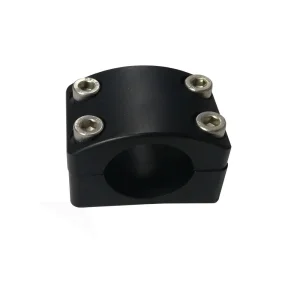
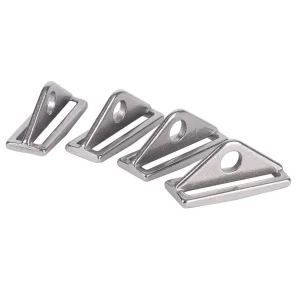
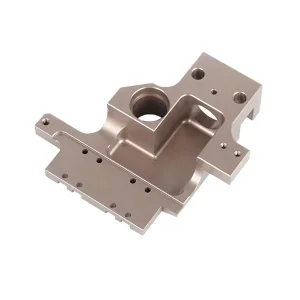
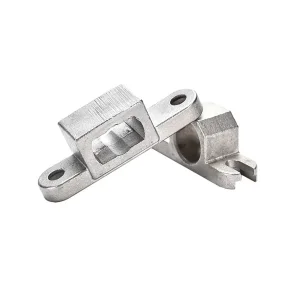
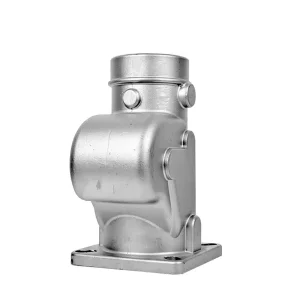
Explore our high-performance components engineered to cross-industry standards with ultra-tight tolerances.
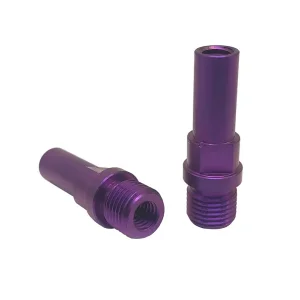
In modern industrial applications, the boundaries between material classes are rapidly dissolving. The global industrial landscape is experiencing a massive migration towards metal-to-plastic conversion and advanced structural hybrids. Engineering thermoplastics such as PEEK, POM (Delrin), PTFE, and Ultem (PEI) are no longer mere substitutes; they are primary specification choices.
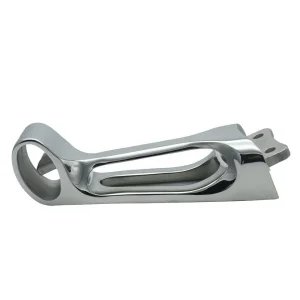
At Dongguan SX Technology Co.,Ltd, we stand at the intersection of material science and mechanical engineering. Established in 2014, our facilities deliver precise geometric integration for complex systems. By combining our deep competence in precision CNC polymer machining with investment casting and multi-axis metal fabrication, we enable global OEMs to secure assemblies that excel in extreme environments.
Whether mitigating galvanic corrosion in marine systems, reducing weight in aerospace structures, or ensuring bio-compatibility in surgical instruments, our tailored engineering solutions fulfill the most stringent mechanical mandates.
Our operational capabilities are backed by scientific material selection, advanced production technology, and strict adherence to geometric dimensioning and tolerancing (GD&T).
We process ultra-high performance polymers including PEEK, POM-C, PTFE, PVDF, PEI, and Torlon. Our thermal control machining processes mitigate internal stress, preventing dimensional drift after production.
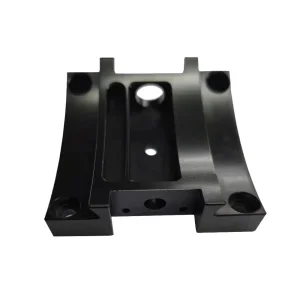
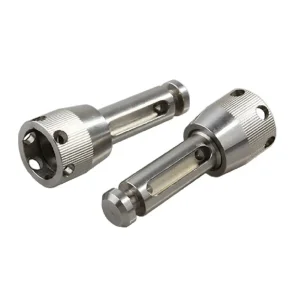
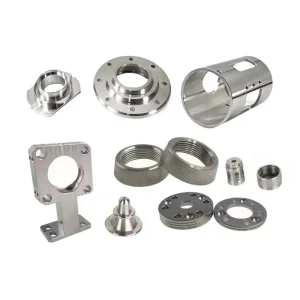
Precision turning, milling, and 5-axis machining using titanium alloys, aircraft-grade aluminum (6061-T6, 7075), stainless steel (304, 316, 17-4 PH), and specialized cemented carbides.
Utilizing high-end Japanese and German CNC centers, we achieve machining tolerances down to ±0.005mm, satisfying aerospace requirements and medical-grade microfluidic specs.
The global precision plastic components market is experiencing high demand. In the past, structural systems relied entirely on ferrous and non-ferrous metals. Today, severe environment applications demand properties that metals cannot offer, such as dielectric strength, low thermal conductivity, and extreme chemical inertness.
Polymers like PEEK (Polyetheretherketone) offer a high strength-to-weight ratio, maintaining mechanical integrity at temperatures exceeding 250°C. In high-vacuum semiconductor fabrication lines, outgassing is a critical failure mode; precision machined engineering plastics solve this issue, maintaining cleanliness and chemical resistance during aggressive plasma etching cycles.
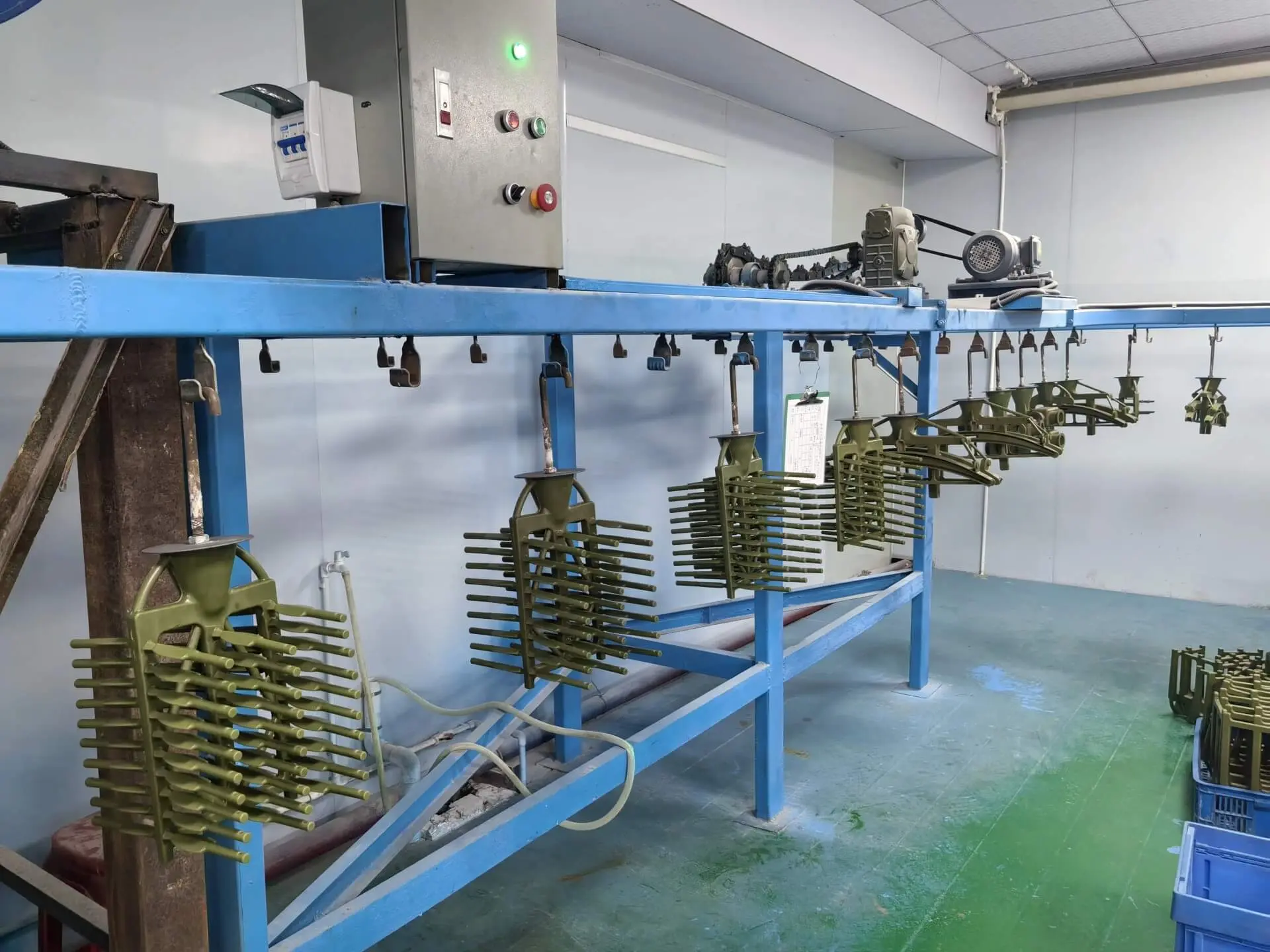
Dongguan has evolved from a traditional assembly hub into a high-technology precision manufacturing ecosystem. At Dongguan SX Technology Co.,Ltd, our efficiency stems from vertical integration. We operate with a consolidated supply chain: raw polymer extrusion, toolpath design, multi-axis machining, metallurgical casting, and metrology are all performed within a localized cluster. This reduces lead times from months to days, offering global procurement officers a significant time-to-market advantage.
Our commitment to precision engineering, robust QA, and reliable delivery.
Take a virtual tour through our facility, showcasing modern machining, casting, and quality assurance departments.
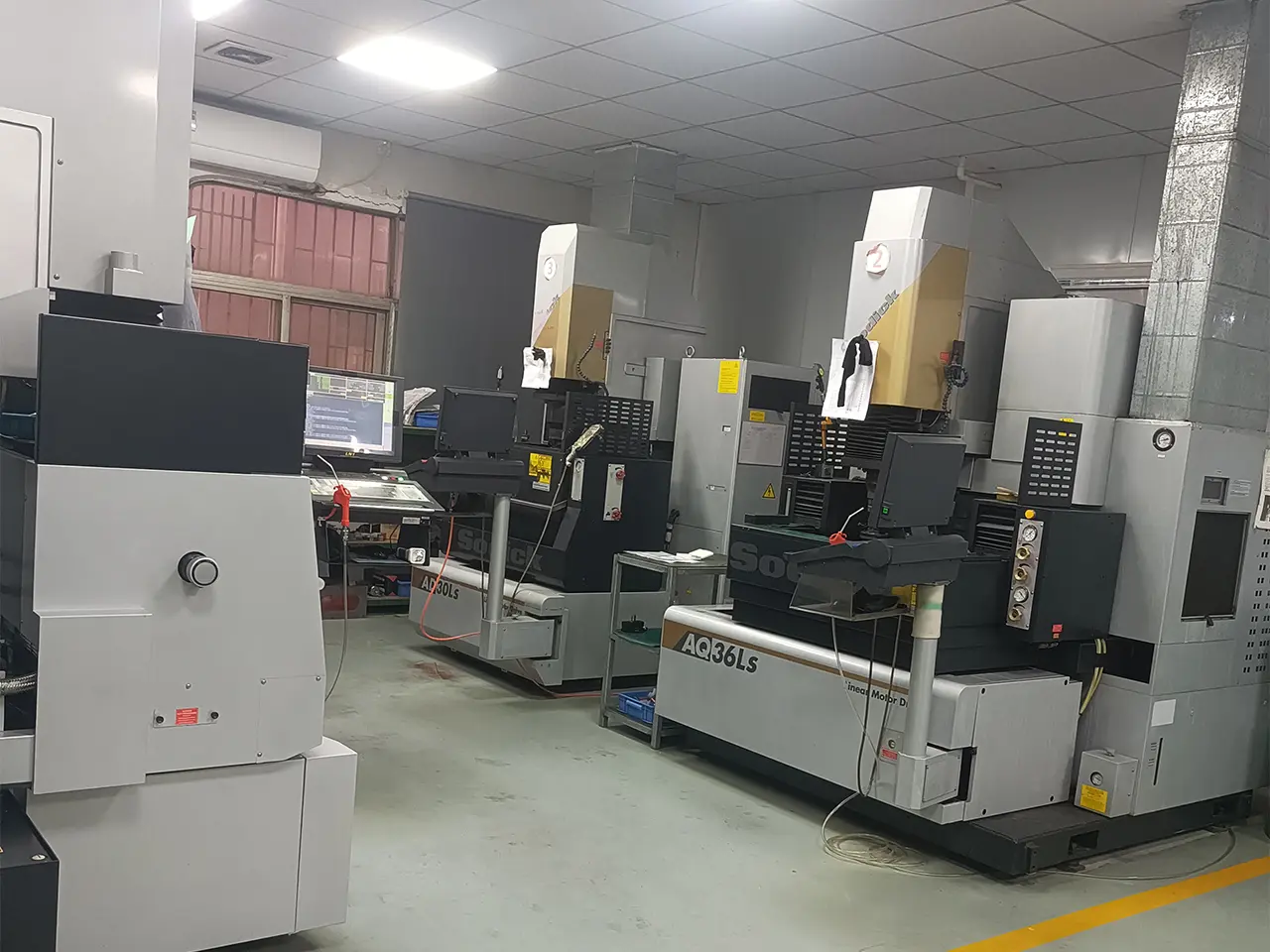
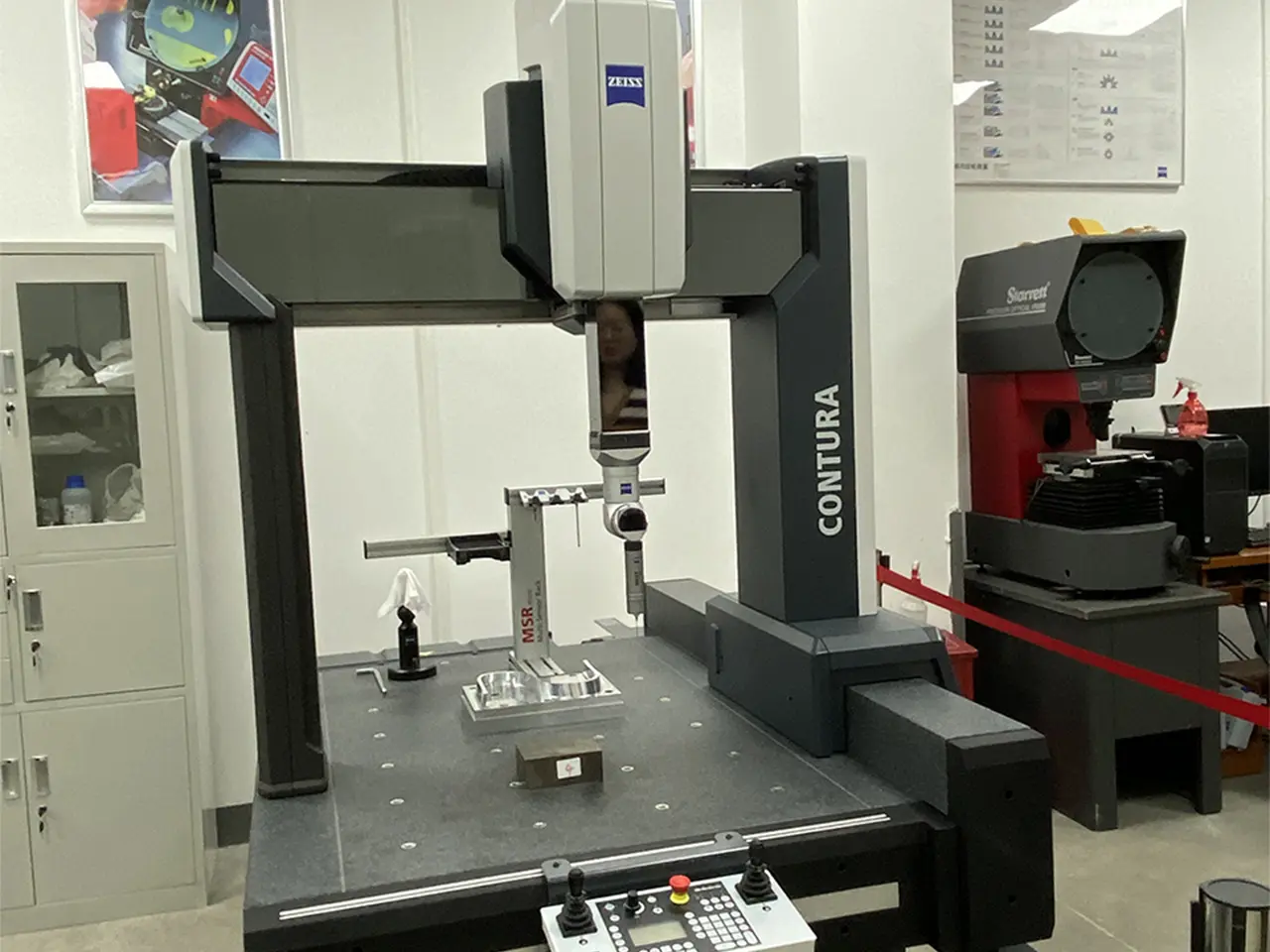
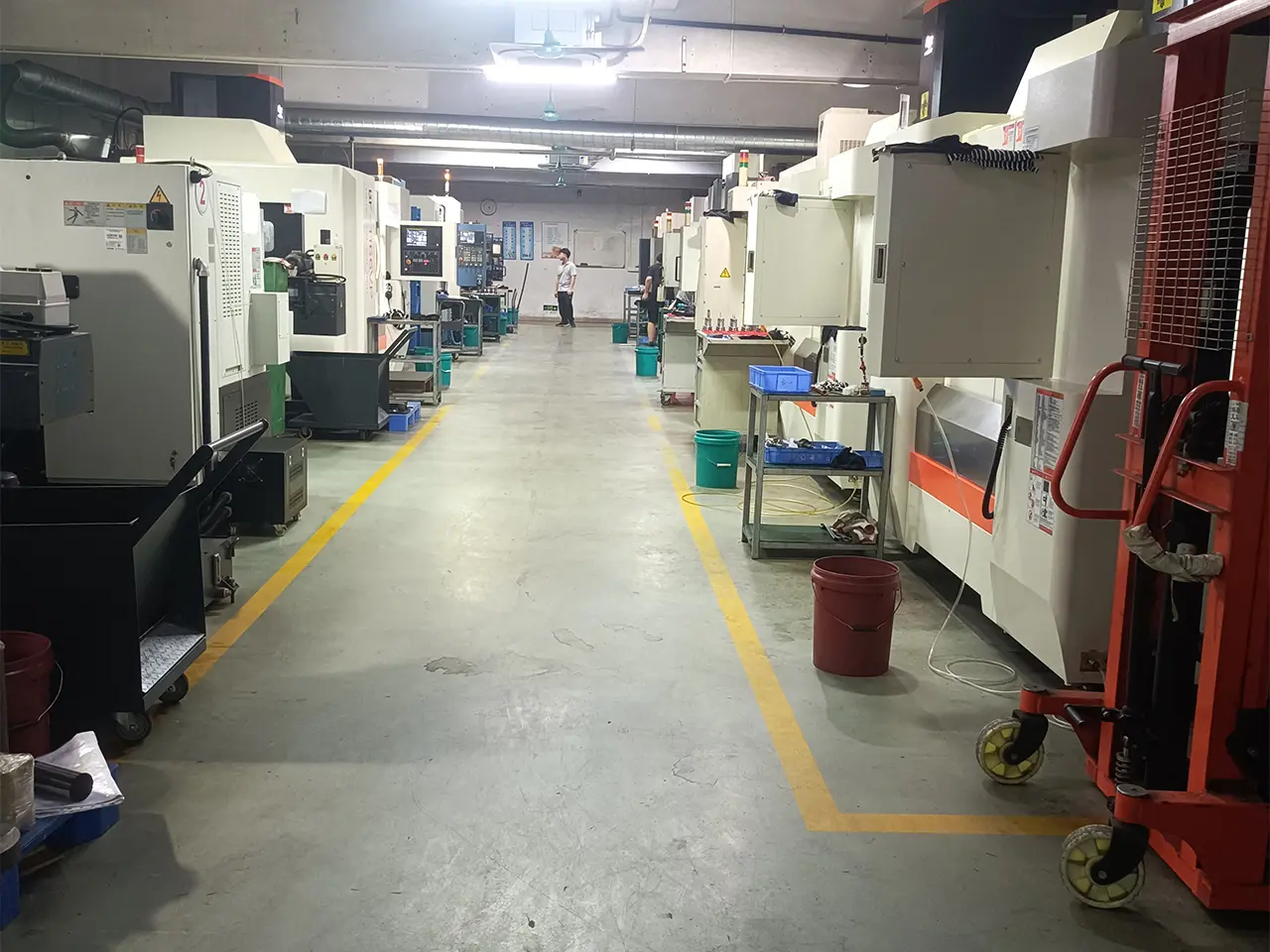
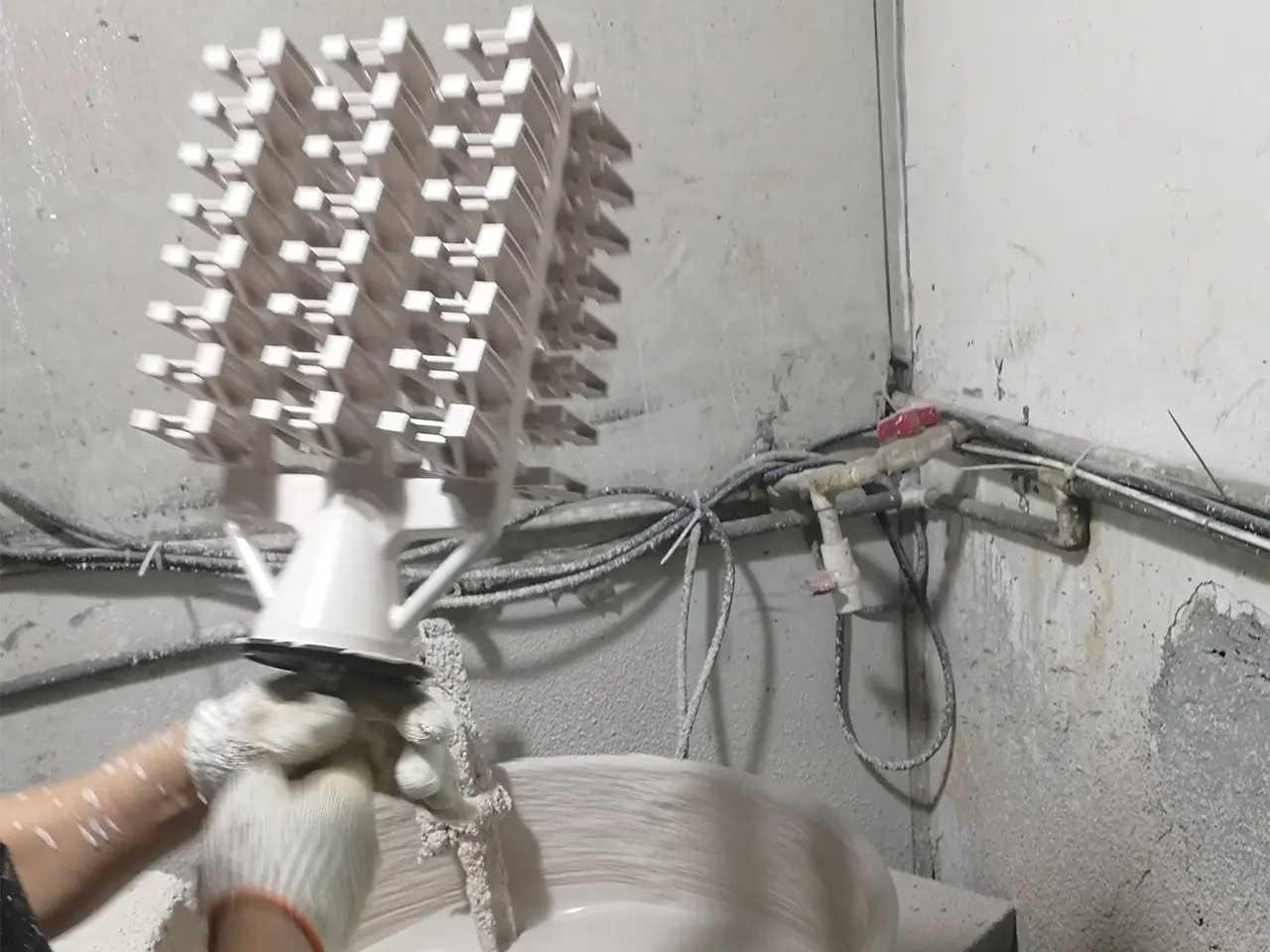
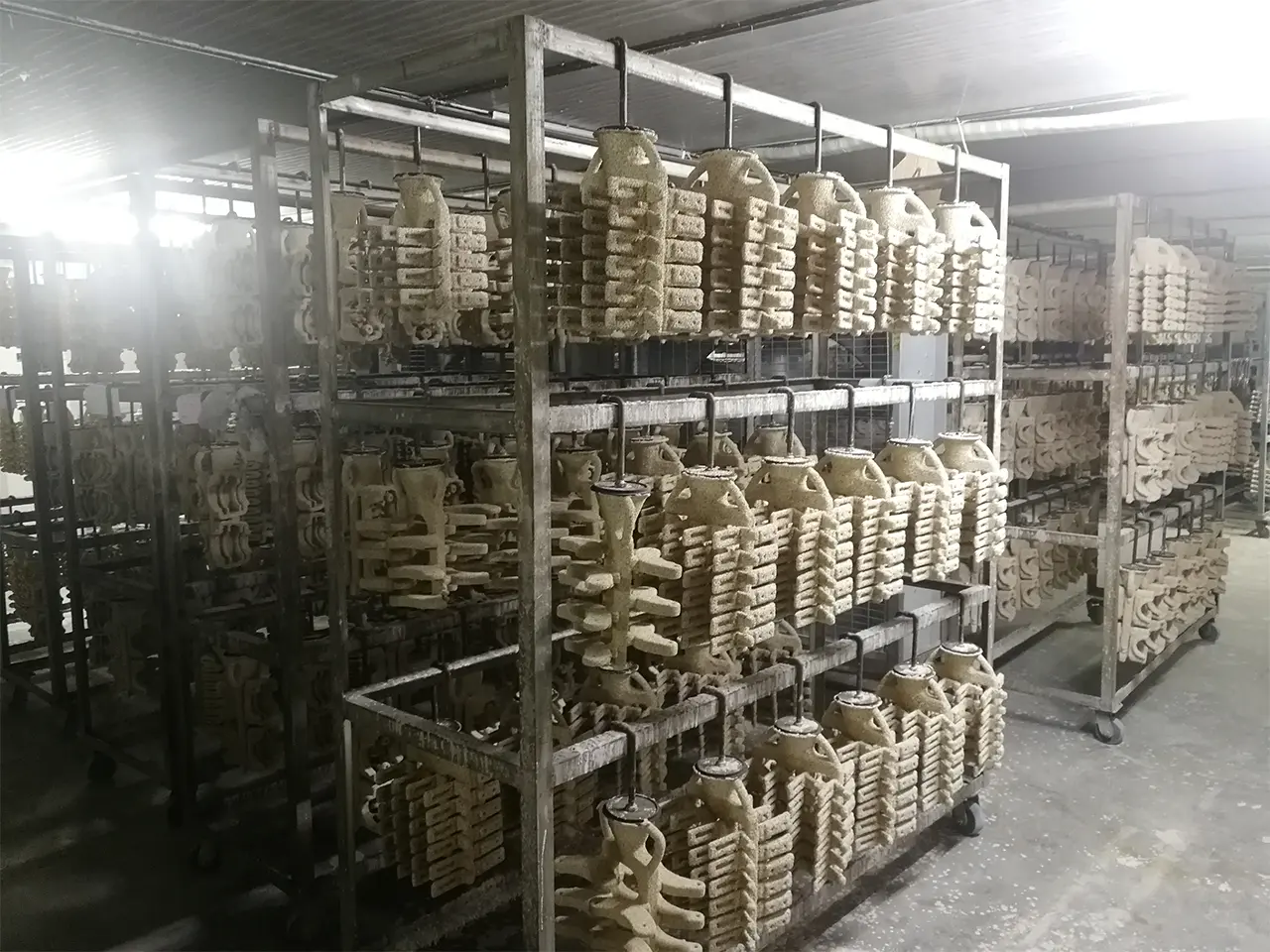
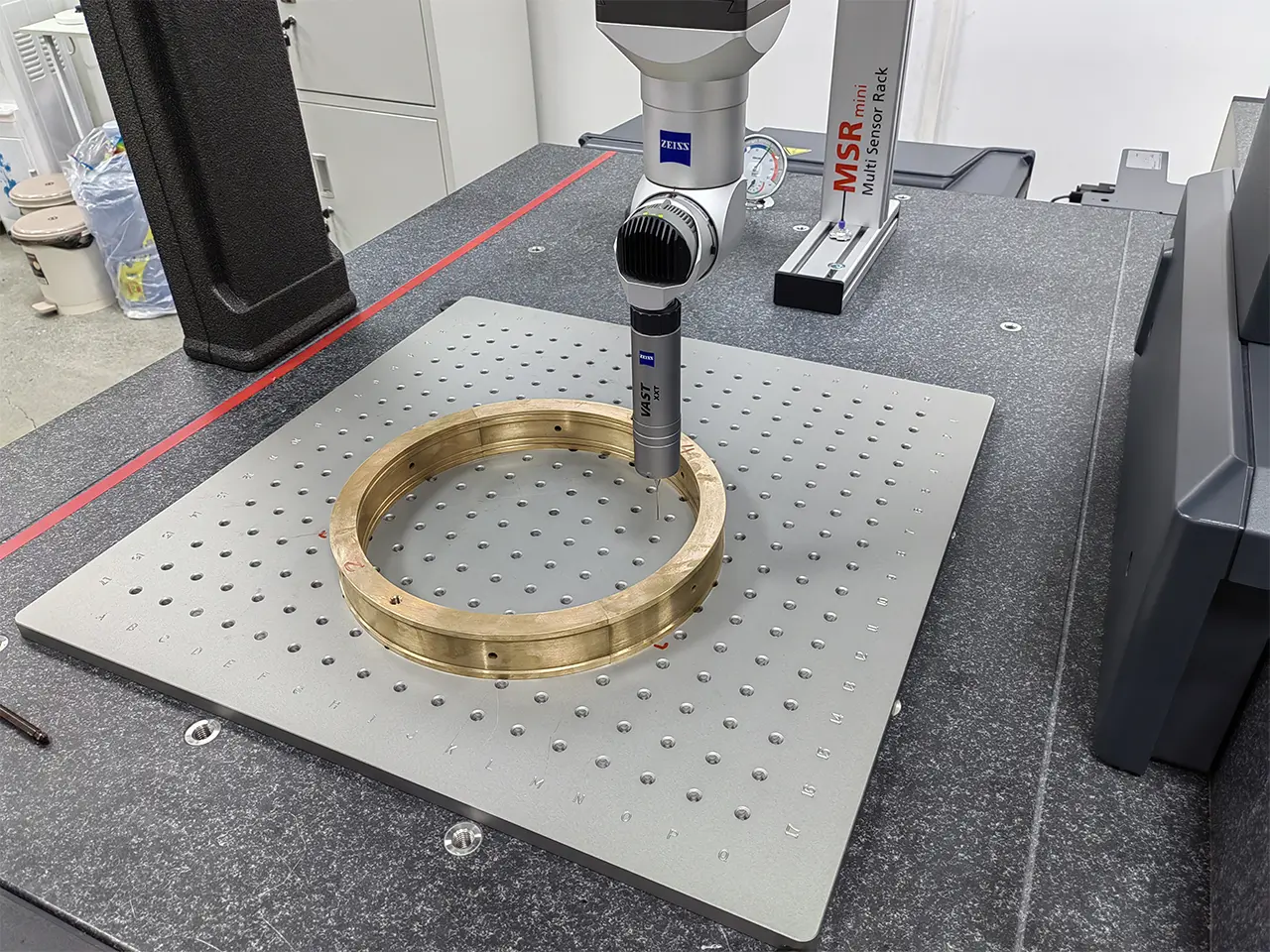
Quality is the cornerstone of our manufacturing philosophy. We firmly believe that only by controlling quality well can we survive, develop, and continue to serve our global client base. To maintain strict tolerances and quality standards, we have continually upgraded our metrology laboratory since our inception in 2014.
Our quality control program includes:
Through our strict testing procedures and experienced QC personnel, we ensure that every shipment conforms to technical drawings, mitigating field failures and streamlining receiving inspections at your facility.
Our engineered plastic and metal hybrid solutions are deployed globally across diverse industrial applications.
Weight reduction is critical. Our ultra-precise POM and PEEK structural brackets and titanium alloy components offer strong mechanical performance while reducing overall assembly weight.
Autoclave sterilization cycles degrade standard plastics. We machine FDA-compliant, USP Class VI PEEK and surgical-grade stainless steel parts that withstand repetitive chemical and thermal sterilization cycles.
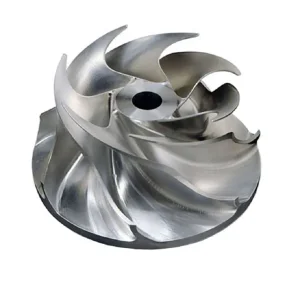
Standard metals degrade quickly in saltwater or strong acids. Our precision machined PTFE seals, PVDF impellers, and corrosion-resistant cast brackets are designed to extend equipment lifespan in demanding environments.
Find answers to common engineering, procurement, and technical queries regarding precision manufacturing.
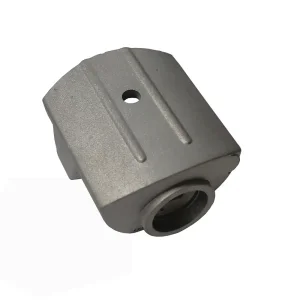
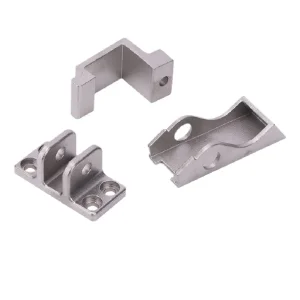
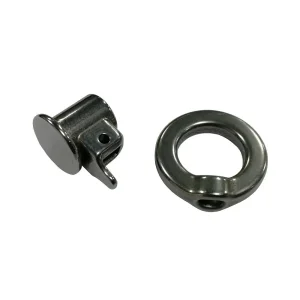
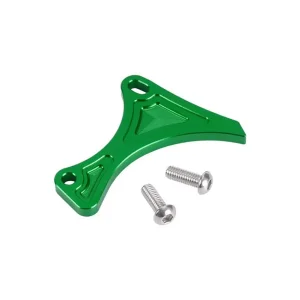
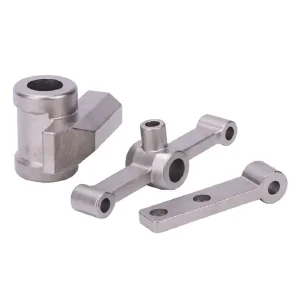
Explore our complete product catalog for specialized industrial applications, including high-tolerance casting and customized turning solutions.
 SX Machining