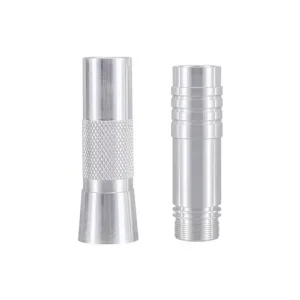
Explore our engineering breakthroughs and highly tailored solutions designed to exceed industrial benchmarks worldwide.
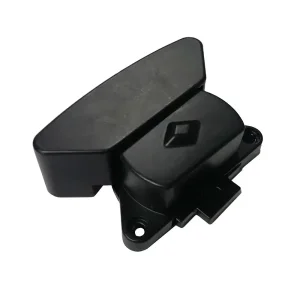
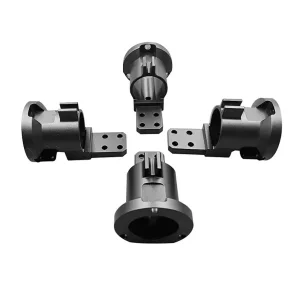
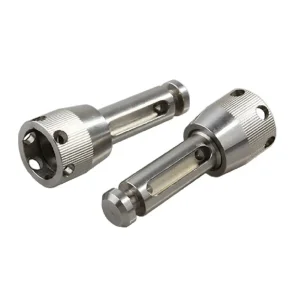
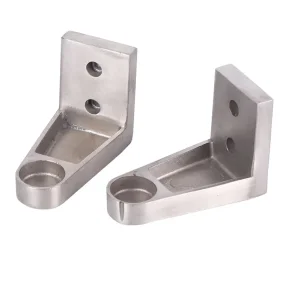
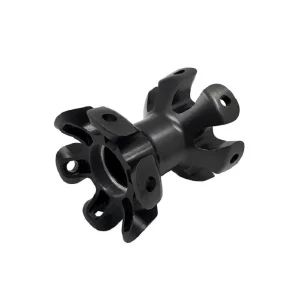
Established as an industry leader, Dongguan SX Technology Co.,Ltd (Shixin) has developed a robust pedigree in high-precision investment casting, multi-axis CNC machining, and complex mechanical assembly. We serve demanding international sectors including automotive, aerospace, marine engineering, petro-chemical flow control, electronics, medical instrumentation, and smart infrastructure. Our focus lies at the intersection of metallurgy and state-of-the-art subtractive manufacturing, leveraging modern technology to produce components of unmatched structural integrity.
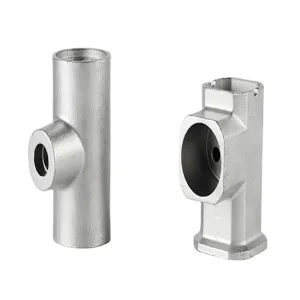
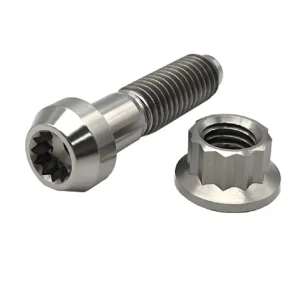
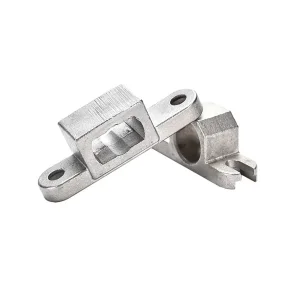
By using the lost-wax casting method alongside advanced CNC milling and turning centers, we process a broad array of raw materials. For investment casting, we specialize in high-grade stainless steel (austenitic, martensitic, and duplex variants) and structural carbon steels. In our high-precision CNC machining division, we push boundaries with titanium alloys (Grade 5 Ti-6Al-4V), high-purity aluminum (6000 & 7000 series), copper-based alloys, and ultra-hard cemented carbides. This combined operational capability allows us to offer fully integrated manufacturing solutions from blueprint design to finished, tolerance-tested sub-assemblies.
A comprehensive breakdown of metallurgy, tolerance specifications, and custom manufacturing choices for modern engineering buyers.
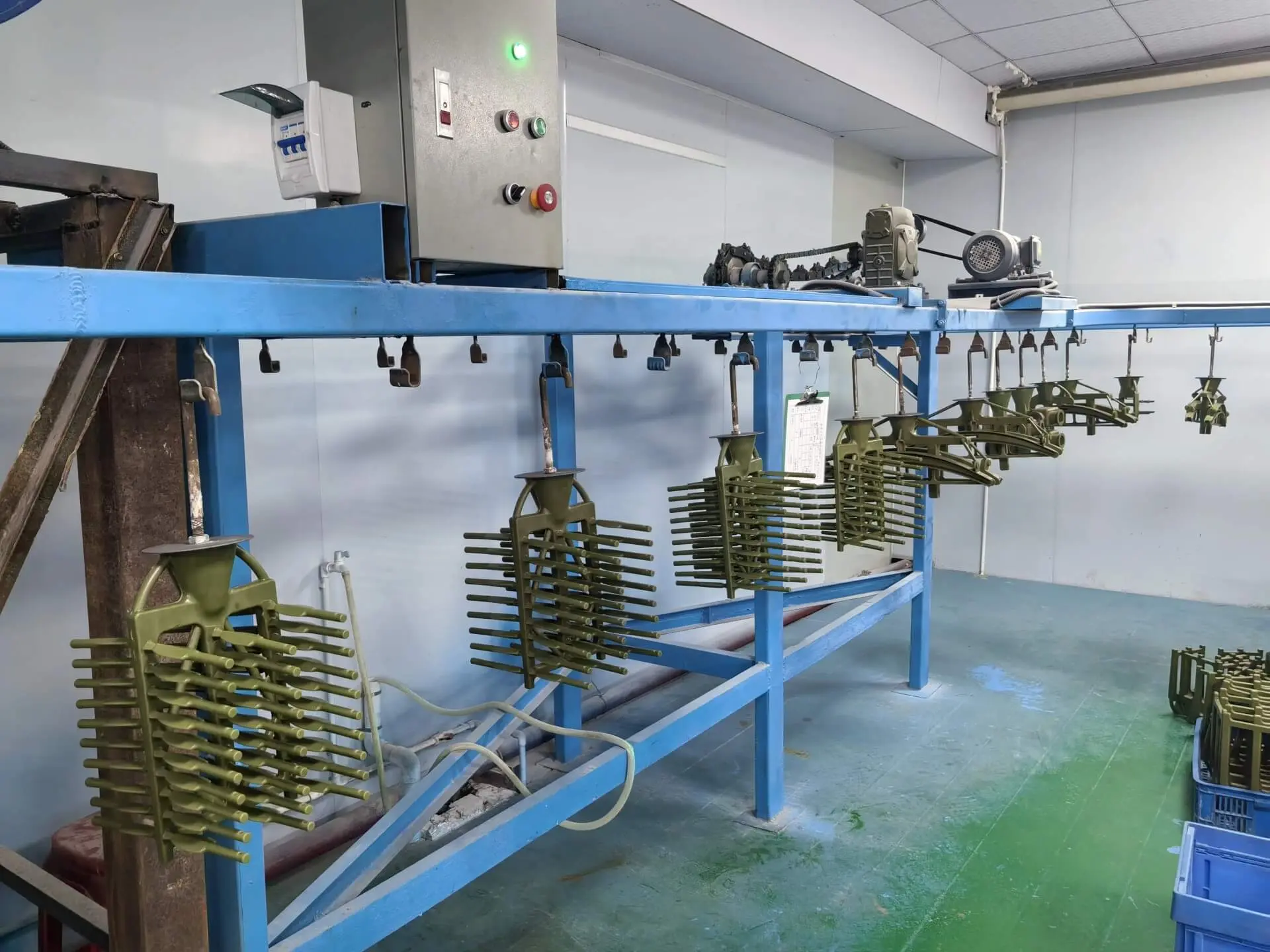
Precision investment casting, historically referred to as "lost-wax casting," is a highly refined process engineered to yield near-net-shape components with intricate geometries, exceptional surface finishes, and minimal post-processing requirements. The sequence begins with the generation of a high-precision 3D CAD design, which is converted into an aluminum injection mold. This mold produces wax patterns that reflect the exact geometry of the final metal component.
These wax patterns are assembled onto a runner system, forming a casting tree, which is subsequently dipped into a ceramic slurry and coated with refractory stucco materials. By repeating this process, a robust ceramic shell is built. This shell is then steam-dewaxed and fired to cure the ceramic and burn off any residual wax. Molten metal (heated in induction furnaces up to 1600°C, depending on the alloy) is poured into the pre-heated ceramic mold. Once cooled, the shell is broken away, and the parts are cut from the gating system, undergoing further thermal treatment, abrasive blasting, and CNC finish machining to meet exact design specifications.
Use this technical guide to identify the ideal metal alloy for your specific mechanical constraints and environmental exposures.
| Alloy Group | Common Standard Grades | Key Mechanical Properties | Primary Industrial Applications |
|---|---|---|---|
| Austenitic Stainless Steel | AISI 304, 304L, 316, 316L, CF8M | Excellent corrosion resistance, high ductility, non-magnetic, great weldability. | Marine hardware, industrial valve systems, medical fittings, chemical processing equipment. |
| Duplex Stainless Steel | 2205, CD4MCu, Duplex 2507 | Superb yield strength, extreme resistance to chloride stress corrosion cracking. | High-pressure fluid control, offshore marine environments, desalination machinery. |
| Carbon & Alloy Steels | WCB, WCC, 1045, 4140, 8620 | High toughness, heat-treatable for customized hardness, wear-resistant. | Automotive transmission parts, heavy machinery gears, structural brackets. |
| Titanium Alloys (CNC) | Ti-6Al-4V (Grade 5), Grade 2 | Exceptional strength-to-weight ratio, extreme bio-compatibility, temperature resistant. | Medical implants, orthopedics, aerospace structures, professional high-end outdoor equipment. |
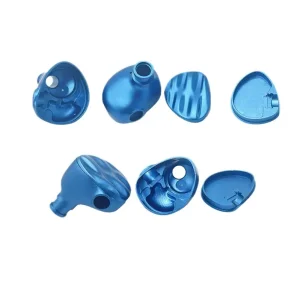
| Aluminum Alloys | 6061-T6, 7075-T6, A356 | Low density, excellent thermal conductivity, easily anodized. | Smart home casings, lightweight automotive components, heatsinks, electronic enclosures. |
Dongguan is globally recognized as an advanced manufacturing and engineering hub. Sourcing custom investment castings and CNC machined parts from Dongguan SX Technology Co.,Ltd provides strategic advantages that go far beyond labor cost efficiency. The primary benefit lies in the highly integrated supply chain cluster. Raw materials, specialized thermal treatment shops, custom tooling manufacturers, surface finishing specialists, and high-precision testing labs are all located within a small geographic area.
This regional integration allows us to compress prototyping timelines from months to days. Furthermore, our access to raw materials is backed by strict metallurgical testing, ensuring that only certified ingots enter our furnaces. Shipping channels out of Shenzhen, Guangzhou, and Hong Kong also ensure rapid logistics, allowing us to supply components to buyers in North America, Europe, and Asia with minimal transit times.
Engineers worldwide face challenges related to material traceabilty, dimensional accuracy, and repeatable quality. Shixin meets these challenges by providing full material composition analyses (spectrometer tests) and 3D coordinate mapping for every batch.
We design our operations around global standards, complying with RoHS, REACH, and specific industrial guidelines like IATF 16949 for automotive components. This ensures seamless integration into local assemblies without legal or compliance friction.
We are integrating AI-driven defect analysis and smart sensor monitoring into our casting environments. These technologies help prevent gas porosity and shrinkage cavities before pouring, keeping Shixin at the forefront of the industry.
A closer look inside our precision workshop, heavy-duty machinery, and advanced testing setups.
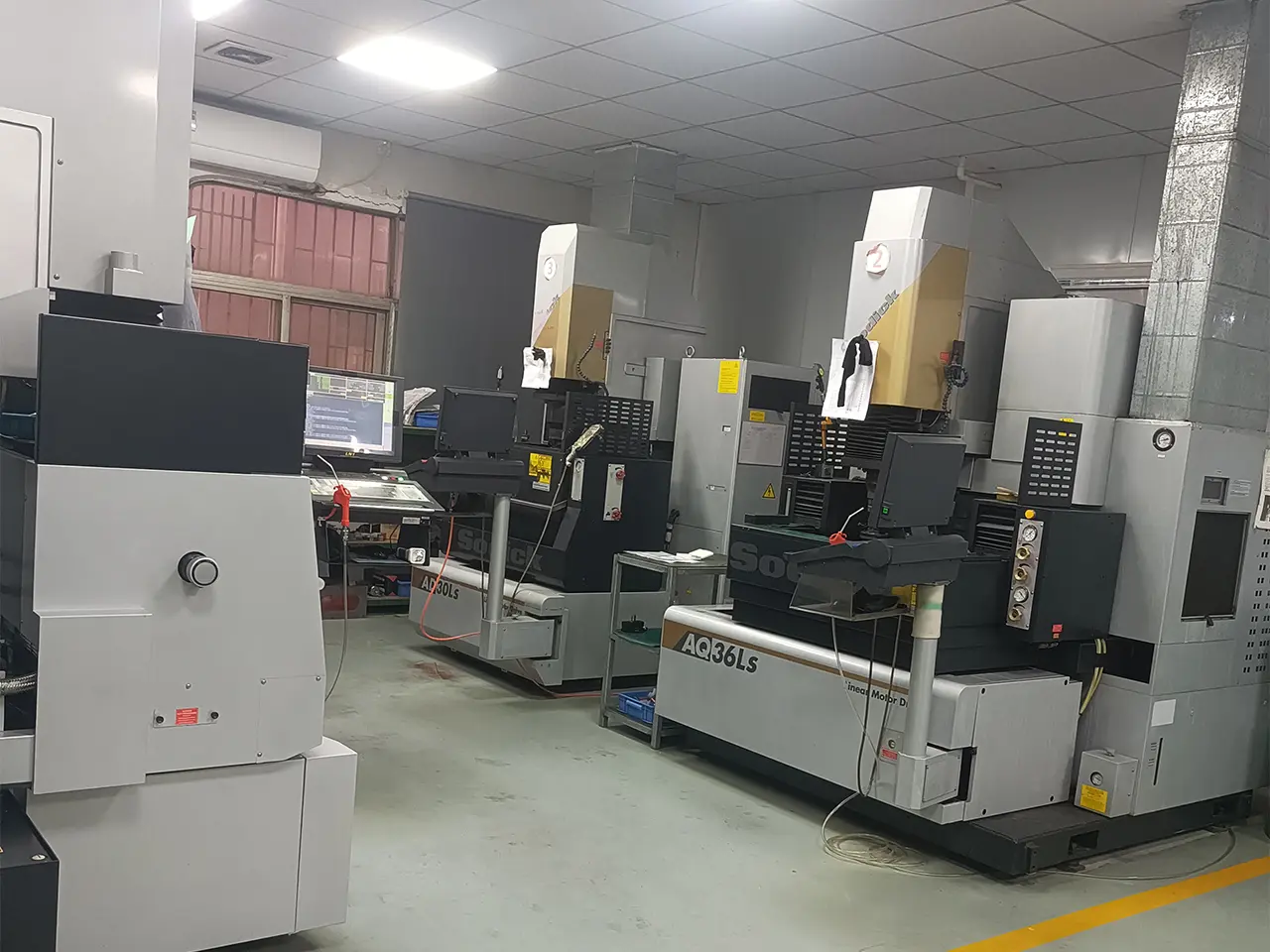
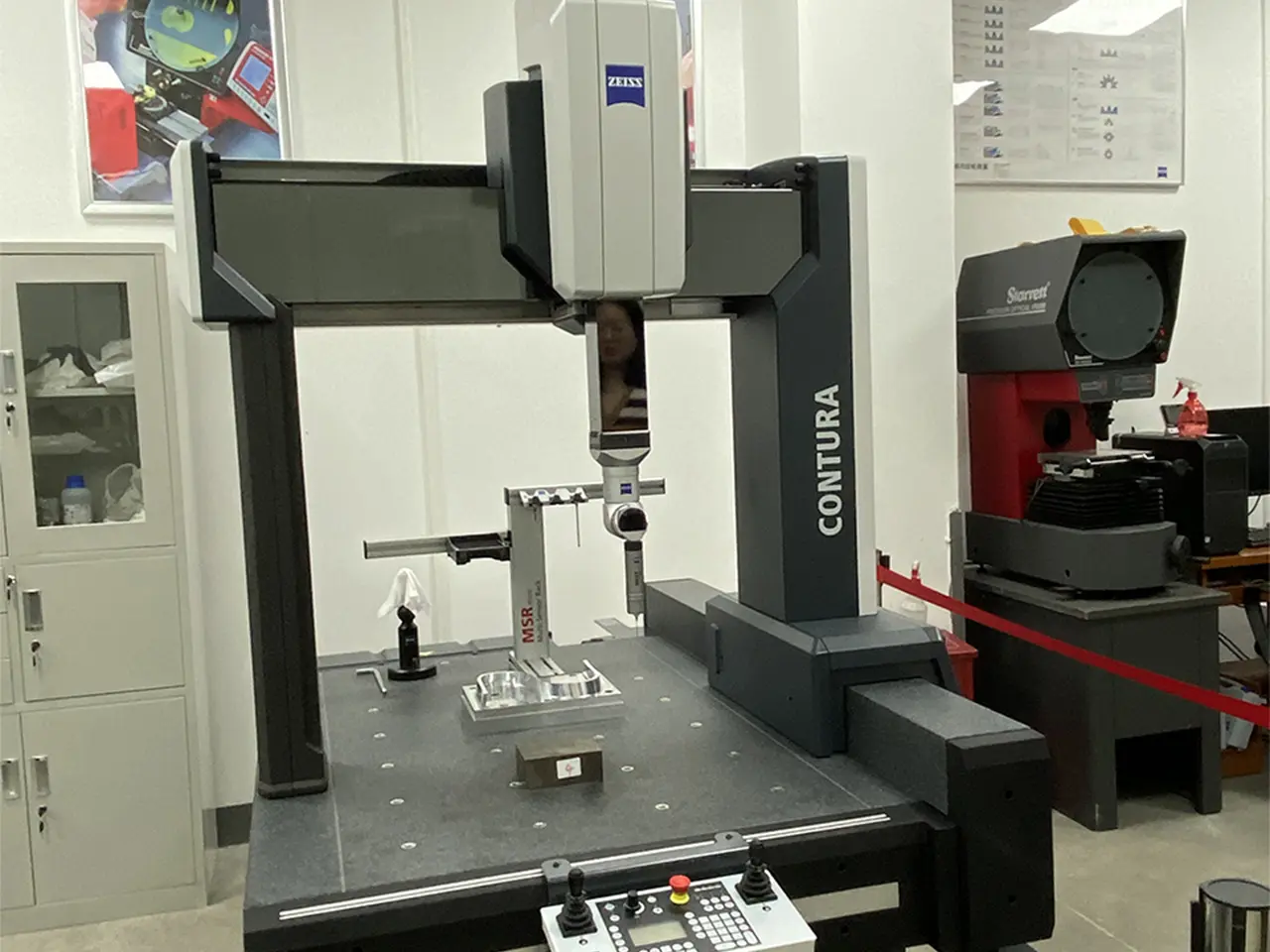
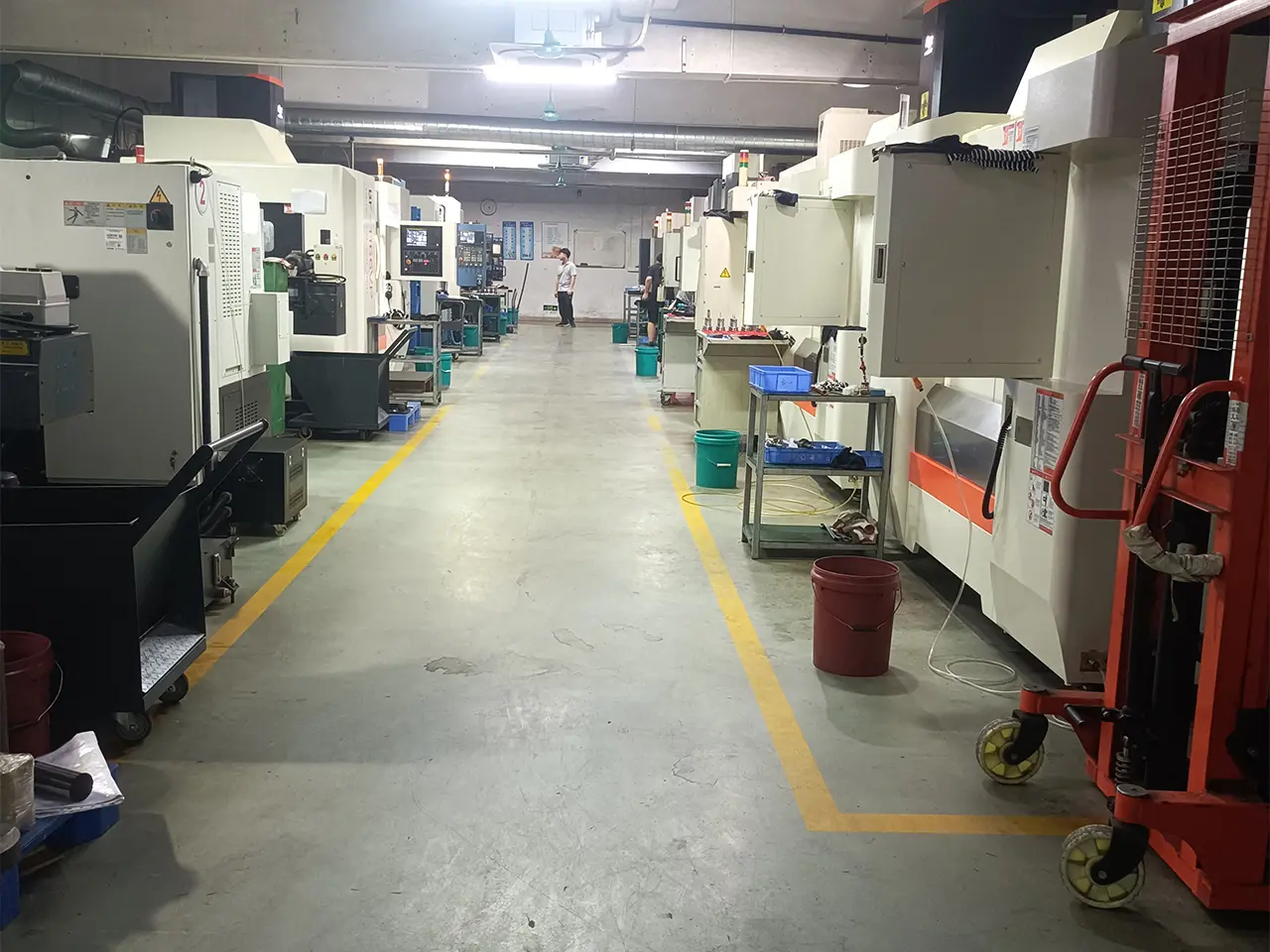
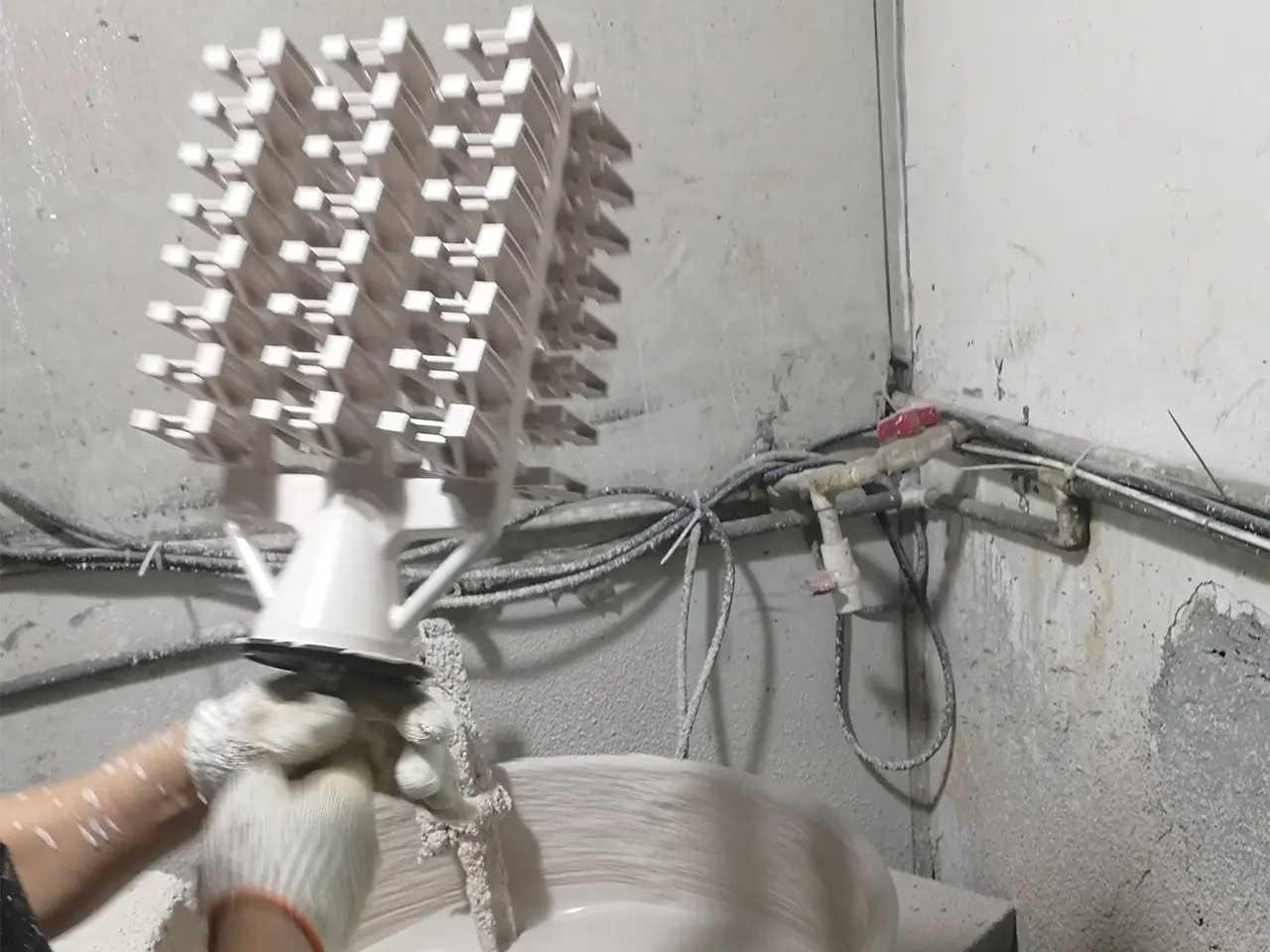
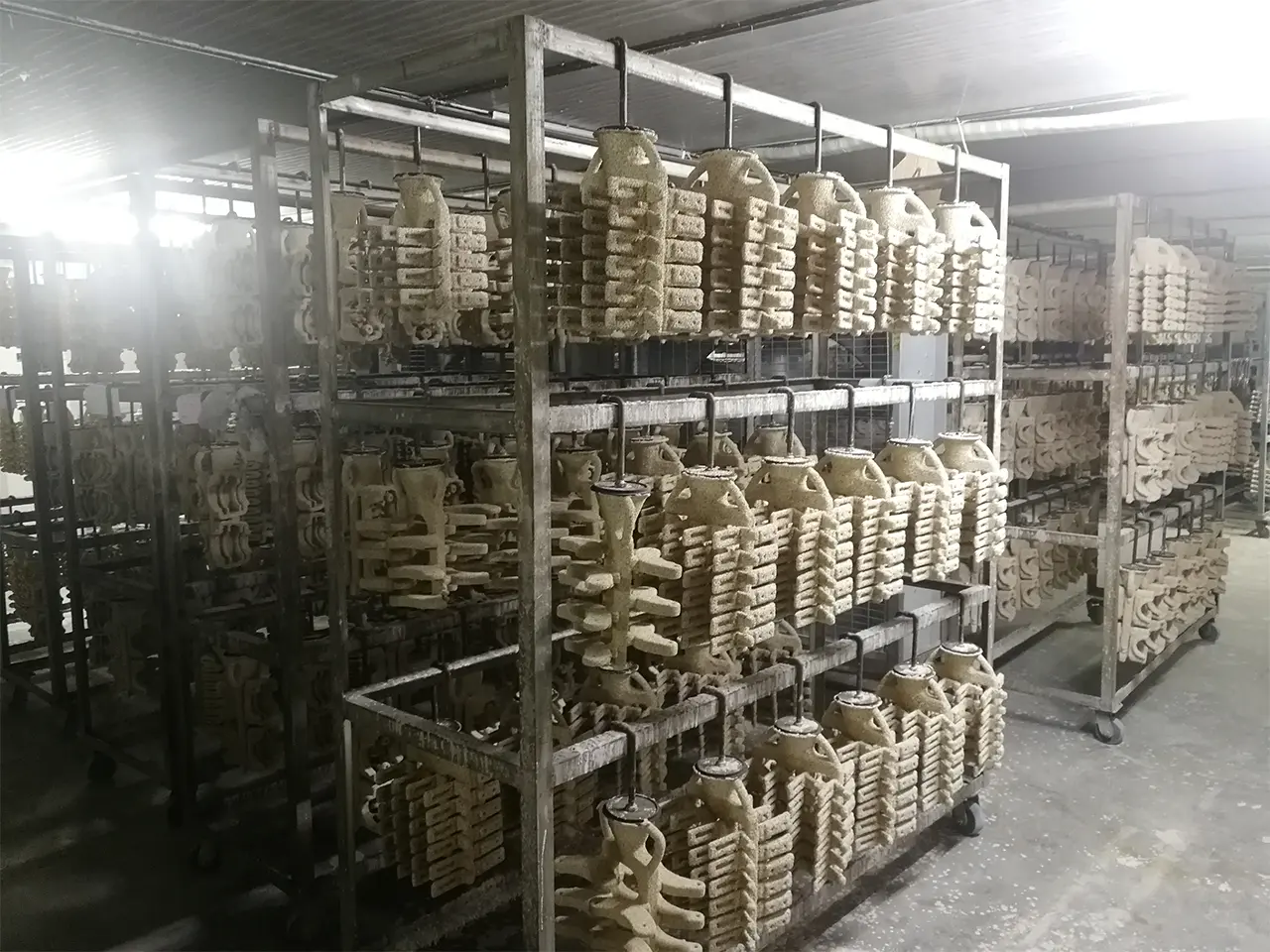
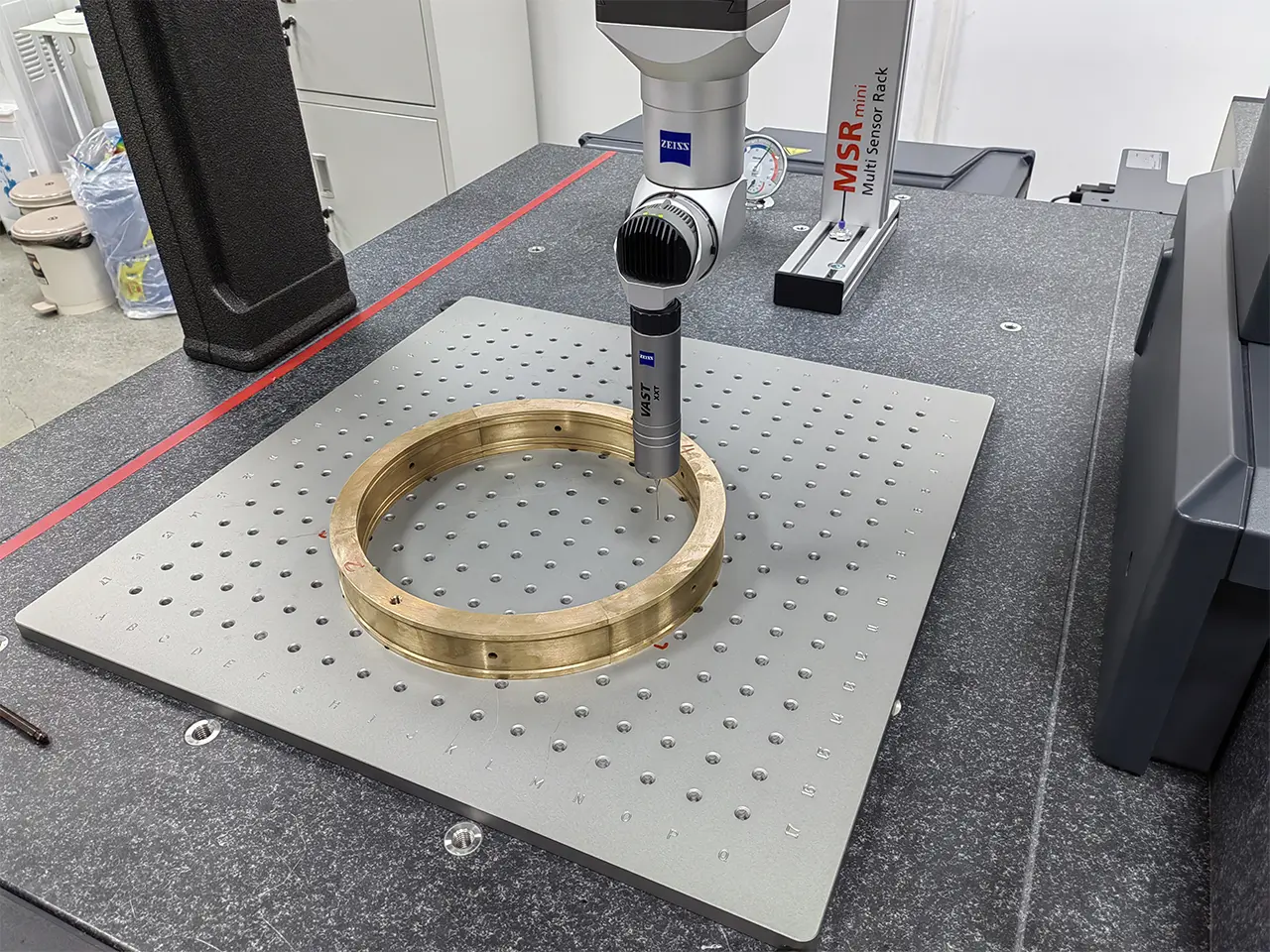
At Dongguan SX Technology Co.,Ltd, quality is not a post-production checklist—it is an integrated process embedded in every step of manufacturing. Since 2014, we have invested heavily in testing instruments and specialized quality control personnel. We maintain strict tolerance bands to ensure every component functions reliably, even in harsh conditions.
Our QA protocol includes non-destructive testing (NDT), chemical spectrum analysis, hardness checks, and Coordinate Measuring Machine (CMM) dimensional reports. This rigorous focus on quality has helped us build long-term partnerships with leading companies in the marine, automotive, and medical fields.
How our casting and machining systems perform under stress in real-world environments.
High exhaust temperatures and mechanical stress require engine brackets and turbo manifolds with excellent thermal stability. Our custom stainless steel and carbon steel casting options resist thermal cracking and maintain dimensional accuracy up to 900°C.
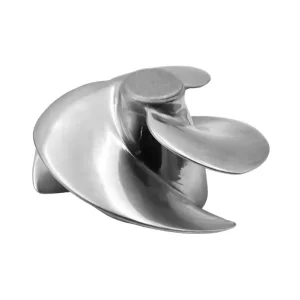
Constant exposure to salt water causes rapid corrosion in standard alloys. Shixin utilizes molybdenum-rich austenitic stainless steel (SS316L) and duplex alloys to manufacture highly durable marine deck components and propellers that prevent pitting and crevice corrosion.
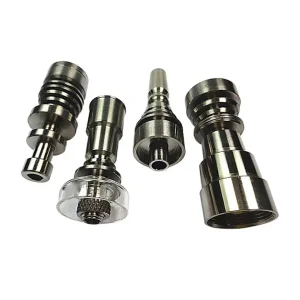
Orthopedic instrumentation and surgical tools require bio-compatible, non-reactive materials with tight tolerances. Our multi-axis CNC titanium machining meets these safety requirements, producing lightweight parts with highly polished surfaces.
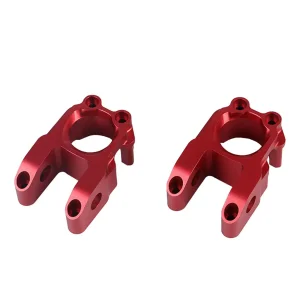
Smart home systems and consumer electronics require thin-walled, aesthetic enclosures. Using aluminum alloy casting and precision CNC milling, we produce lightweight housings with clean anodized finishes for modern, upscale designs.
Industrial valves and pumps handle high pressures and corrosive fluids. Our precision casting process ensures dense, defect-free walls without internal porosity, minimizing the risk of leaks under high pressure.
Outdoor equipment must withstand harsh weather and mechanical impacts. Our CNC titanium and stainless steel machining services provide durable, lightweight solutions that stand up to tough environmental conditions.
Key technical answers to common questions asked by procurement teams and mechanical engineers.
Explore our engineering breakthroughs and highly tailored solutions designed to exceed industrial benchmarks worldwide.
 SX Machining