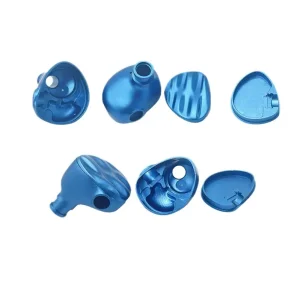
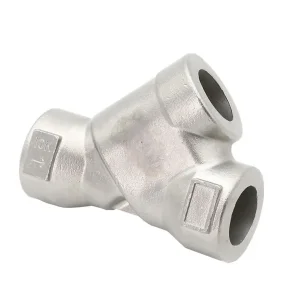
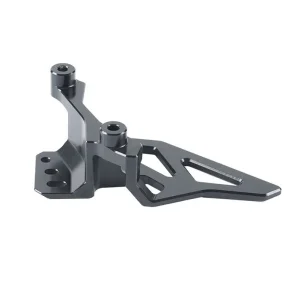
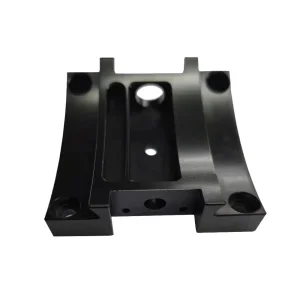
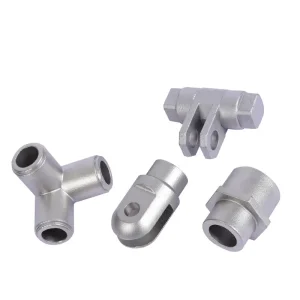
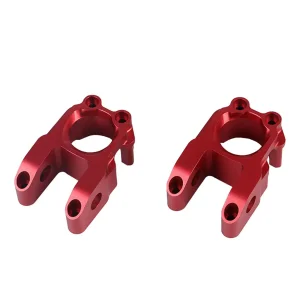
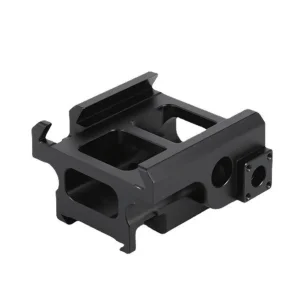
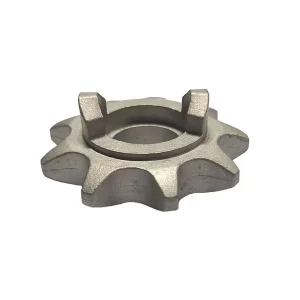
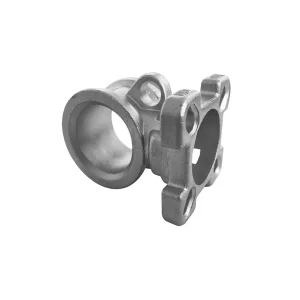
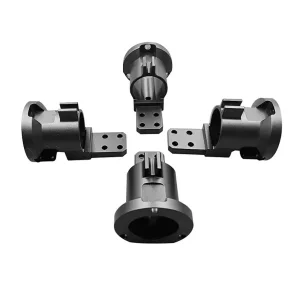
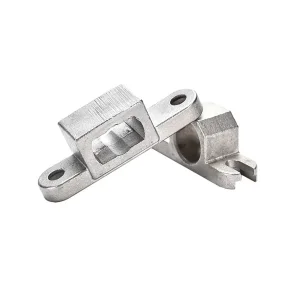
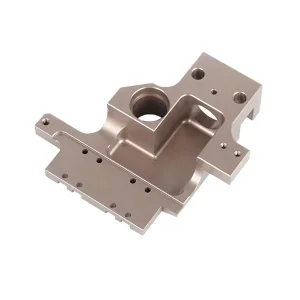
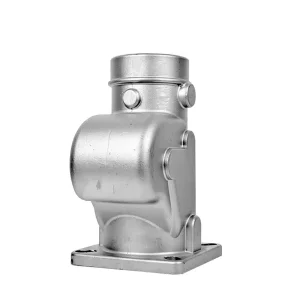
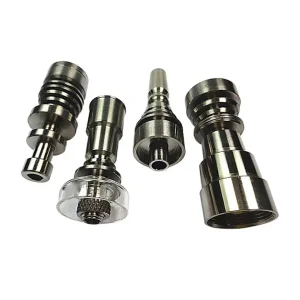
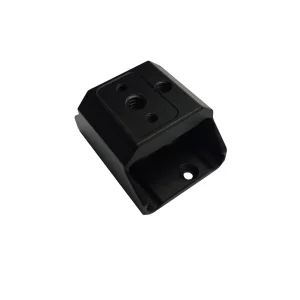
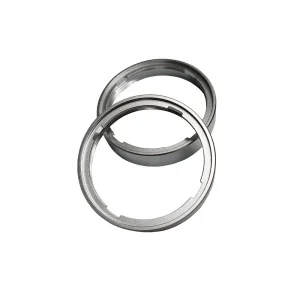
Explore our highly engineered precision components manufactured to strict global engineering standards.
Silica sol investment casting—also designated as lost-wax investment casting utilizing a colloidal silica binder—represents the pinnacle of net-shape manufacturing for components requiring exceptional dimensional precision, smooth surface finishes, and complex internal geometries. Unlike traditional water glass casting techniques which often result in rougher surface finishes (Ra 12.5 μm or higher) and lower dimensional control, the silica sol process provides a refined finish (typically Ra 3.2 to Ra 6.3 μm) and achieves linear dimensional tolerances conforming to ISO 8062-3 DCTG4 to DCTG6.
For stainless steel alloys—including austenitic grades (e.g., SUS304, SUS316, SUS316L), martensitic grades (e.g., 410, 420, 17-4PH), and duplex stainless steels (e.g., 2205, 2507)—the silica sol methodology minimizes the formation of a surface decarburization layer. This preserves the local chemical makeup and corrosion resistance of the material directly out of the mold, minimizing post-cast chemical pickling and mechanical finishing operations.
How Modern Foundries Meet the Evolving Specifications of the Global High-Precision Cast Component Market
Modern foundries rely heavily on finite element analysis (FEA) software, such as MagmaSoft or ProCAST, to simulate mold-filling behaviors, thermal crystallization patterns, and shrinkage defect risks. Pre-production modeling allows engineers to optimize the design of the gating, risering, and venting systems prior to cutting tool steel wax molds, accelerating time-to-market while reducing scrap rates.
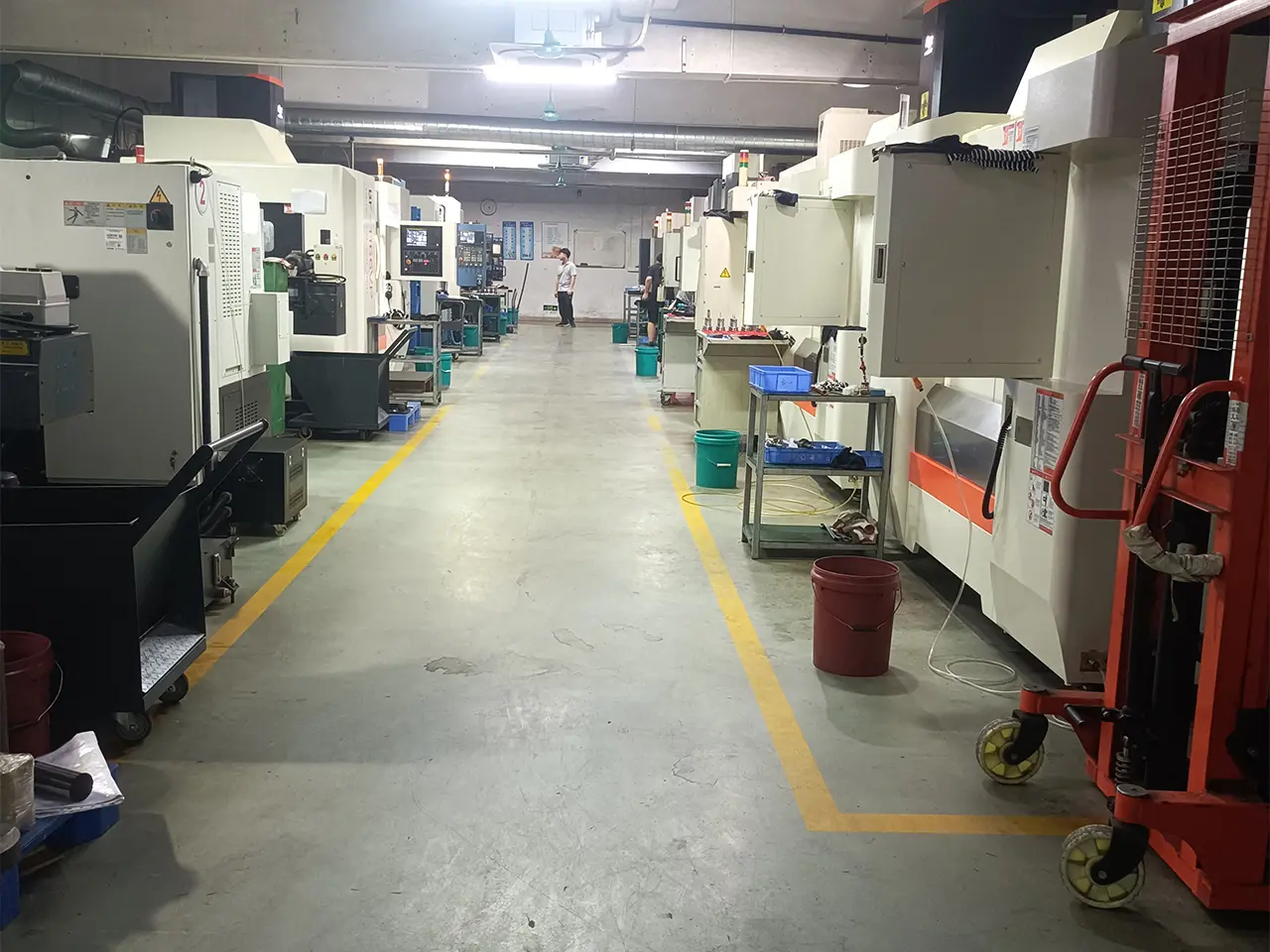
Merging high-accuracy investment casting with multi-axis CNC machining centers creates a hybrid technical workflow. Castings are produced close to net-shape, leaving a minimal machining allowance of 1.0mm to 2.5mm on functional contact surfaces. Computer numerical control (CNC) mills and lathes then perform precision boring, thread tapping, and surface polishing to meet sub-micron tolerance requirements.
Demands for extreme environmental performance are driving the adoption of specialty alloy variations. Control over nitrogen, molybdenum, and nickel concentrations helps achieve specialized grain boundaries and microstructures. This minimizes susceptibility to intergranular corrosion in marine and chemical transport equipment, ensuring extended lifecycle returns.
Founded with a focus on manufacturing integrity, Dongguan SX Technology Co.,Ltd has built rich technical experience in precision casting, CNC machining, and complex assembly. We assist international procurement teams by matching component specifications with efficient manufacturing workflows.
Our dynamic fabrication and casting lines deliver solutions across diverse sectors, including:
Whether processing stainless steel and carbon steel for investment casting or machining complex structures from titanium alloys, aluminum alloys, copper alloys, and cemented carbides, our plant delivers consistent part-to-part uniformity and traceability.
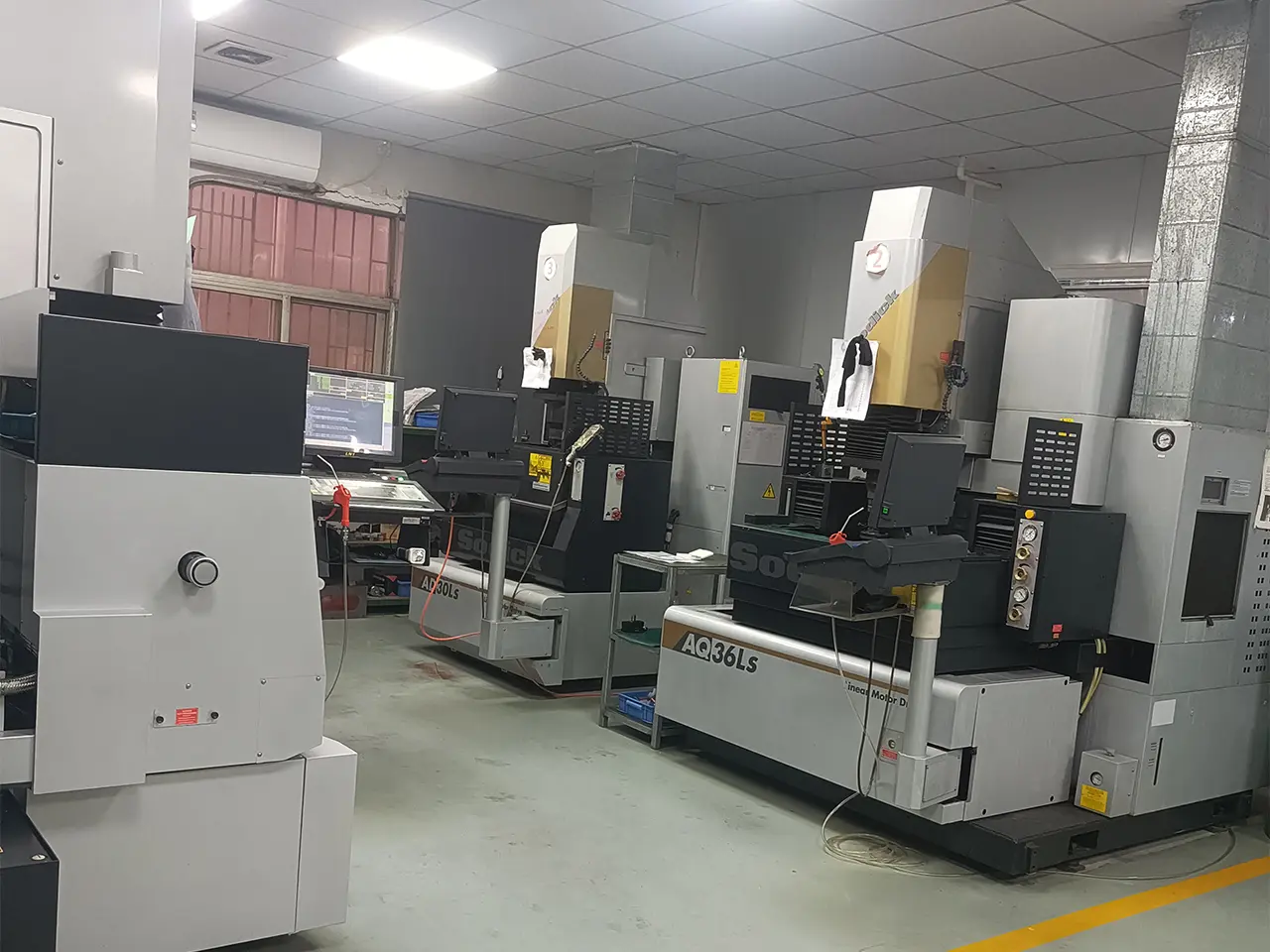
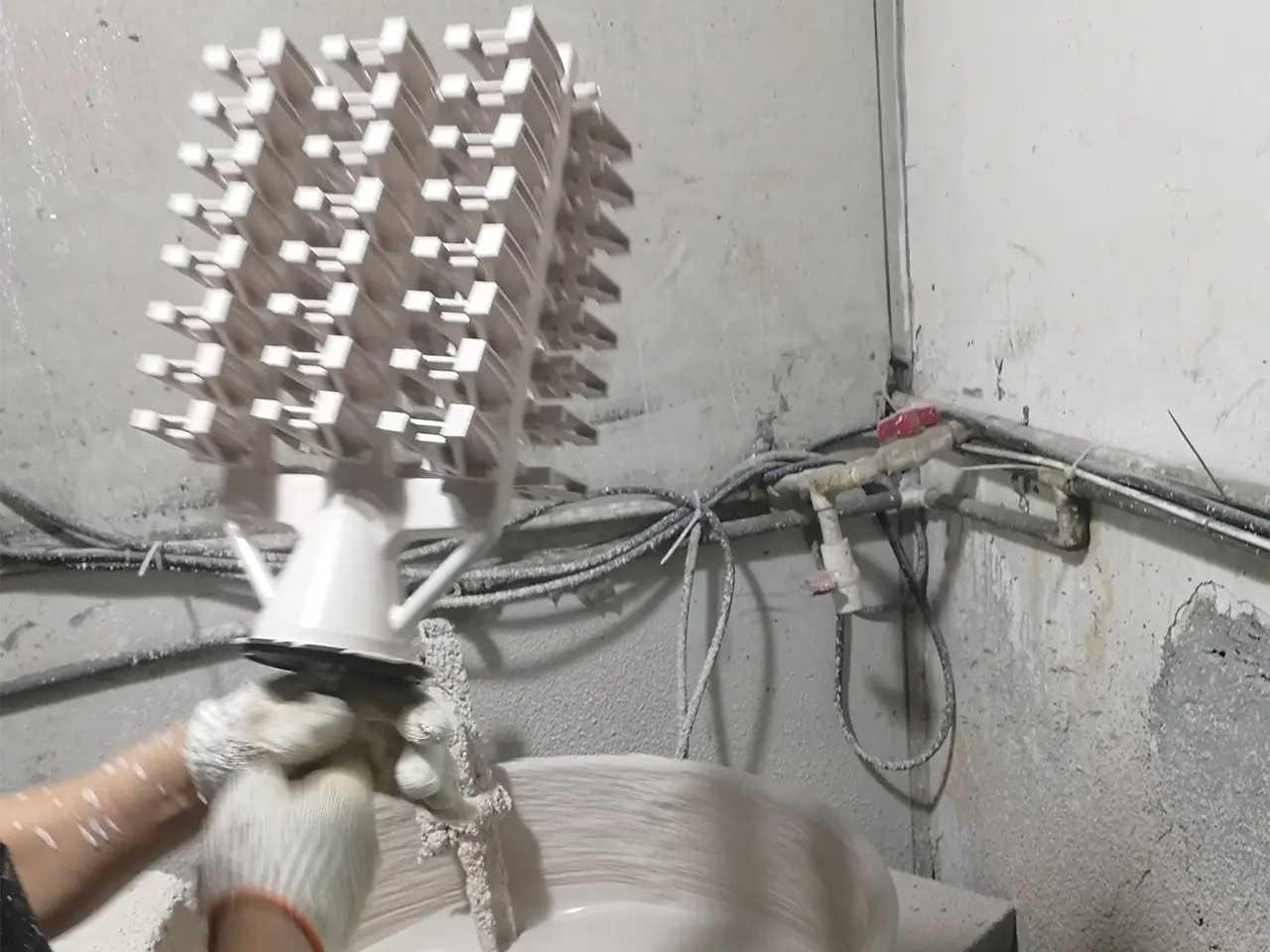
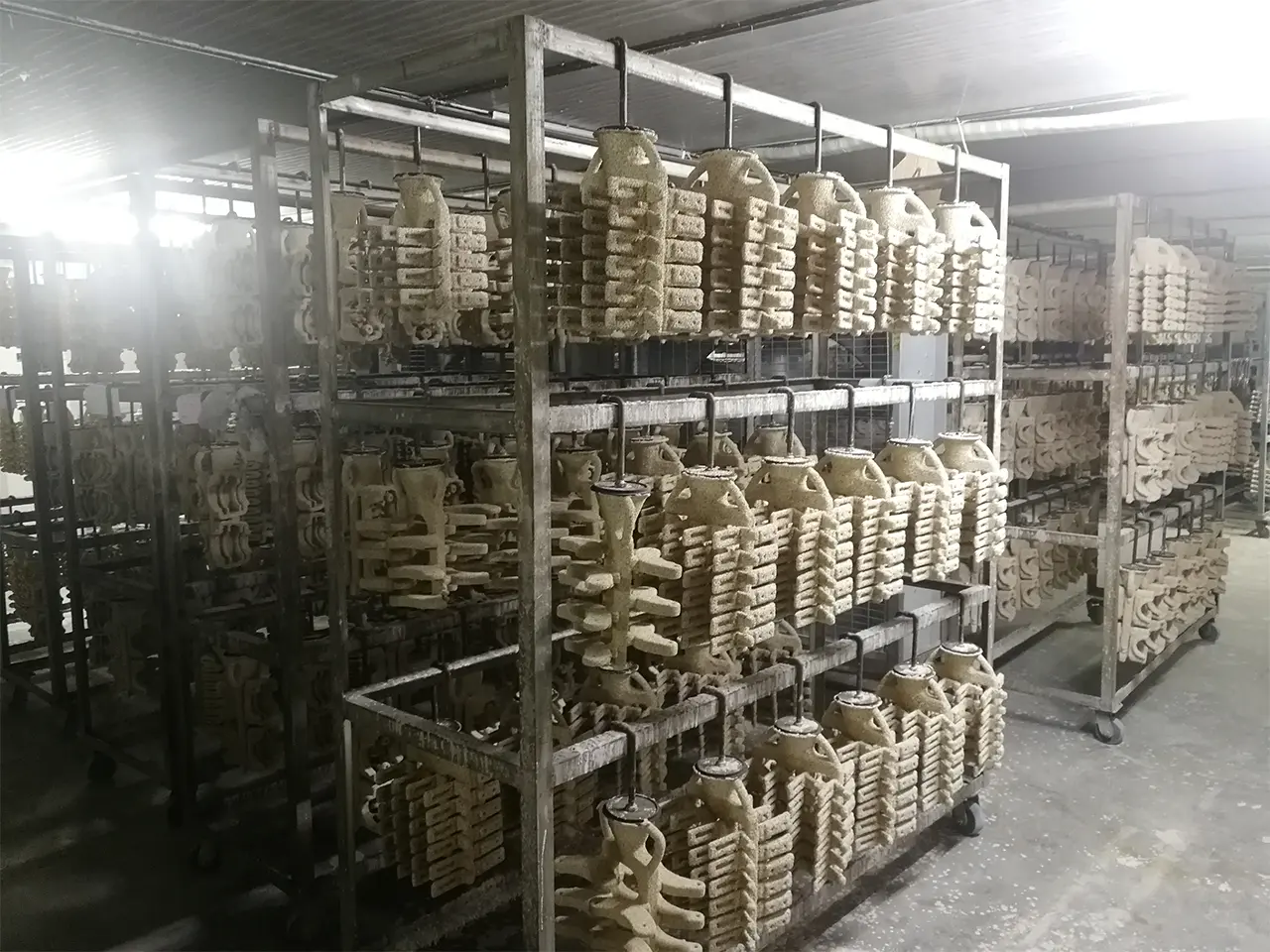
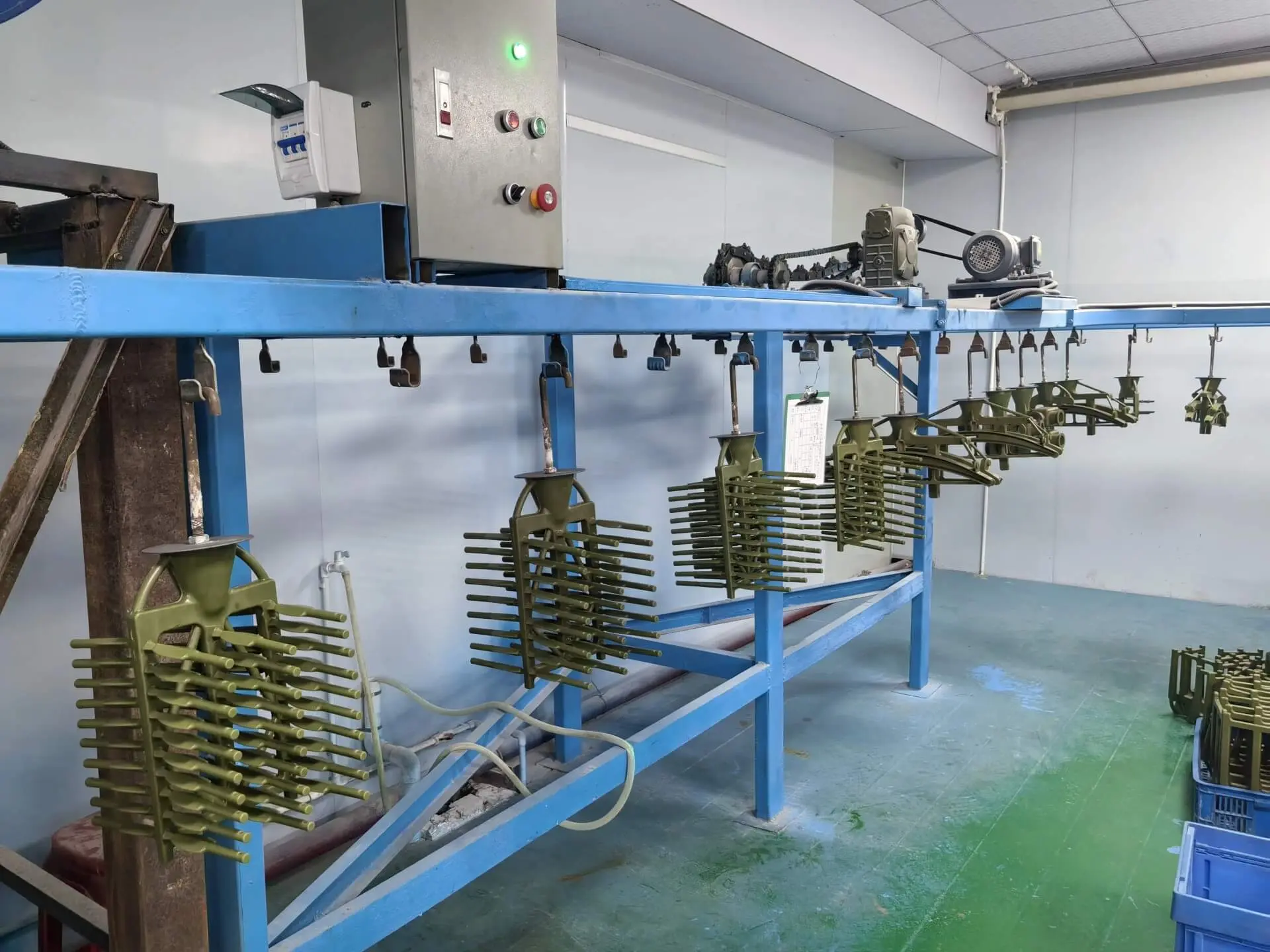
A look at the factory floors where raw alloys are converted into high-performance machinery parts.
Addressing Supply Chain Vulnerabilities, Material Quality, and Logistics Challenges for Global Enterprises
Global procurement teams in industries like oil & gas, pharmaceuticals, aerospace, and hydrogen fuel cells face strict compliance standards. High-value cast parts must comply with international material specifications such as ASTM, EN, DIN, and JIS. For example, pressure-containing castings must adhere to the EU Pressure Equipment Directive (PED) and ASME Boiler and Pressure Vessel Code.
Dongguan SX Technology Co.,Ltd provides full traceability documentation. Each production run is backed by chemical composition reports verified via optical emission spectrometers (OES), mechanical testing sheets (including tensile strength, yield strength, and elongation indexes), and non-destructive testing (NDT) certifications such as liquid penetrant testing (LPT) and radiographic testing (RT).
Standard manufacturing methods struggles with internal cooling galleries, complex impeller vanes, or helical pathways inside valve blocks. Through silica sol casting, we design internal wax cores that dissolve cleanly, leaving clean internal pathways that require minimal finishing.
Quality is the cornerstone of the manufacturing industry. We firmly believe that only by controlling quality well can we survive, develop, and get better and better. Therefore, we have been working in this industry unremittingly since 2014 and continue to improve the company's team and improve the company's production capacity.
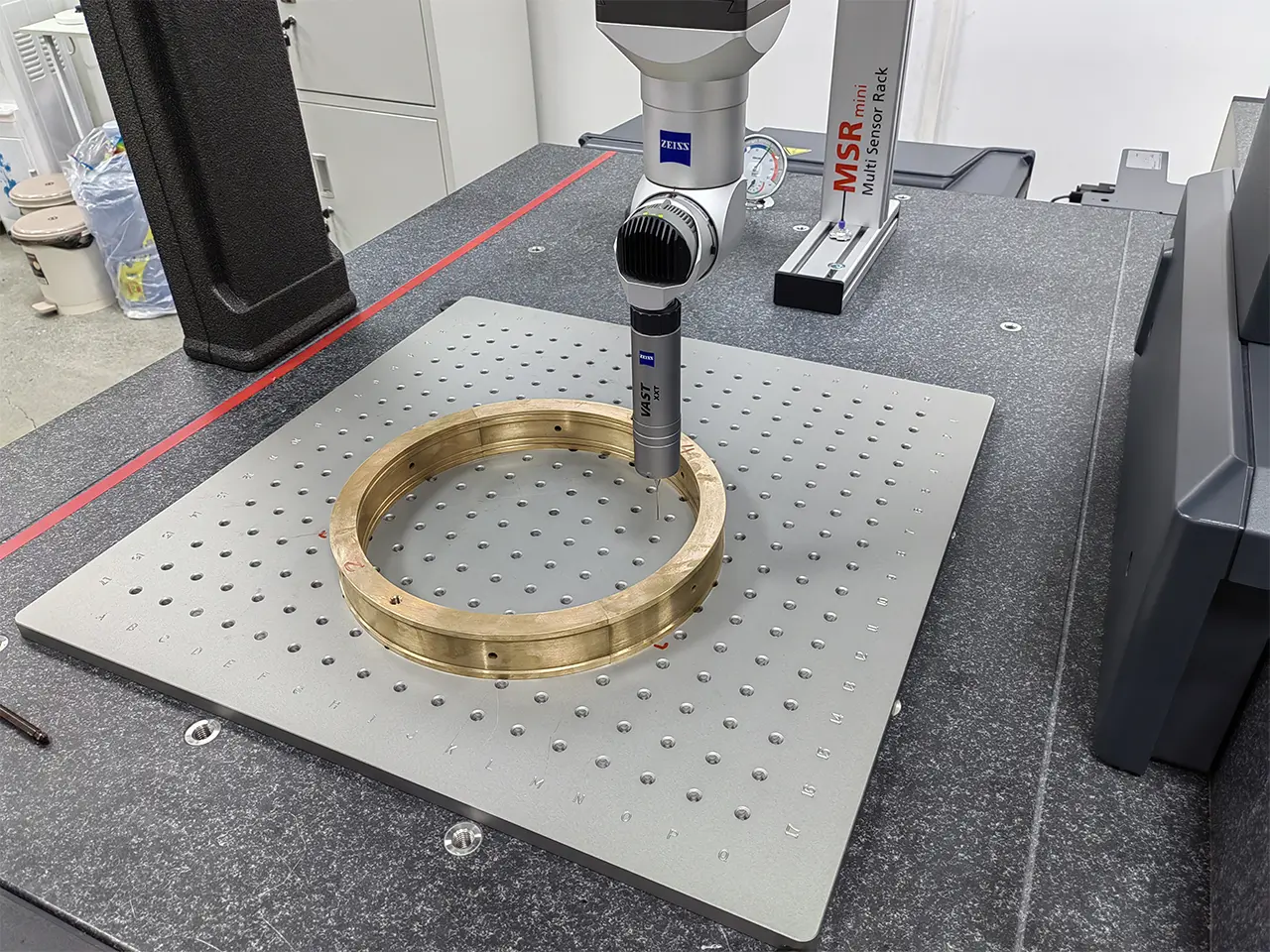
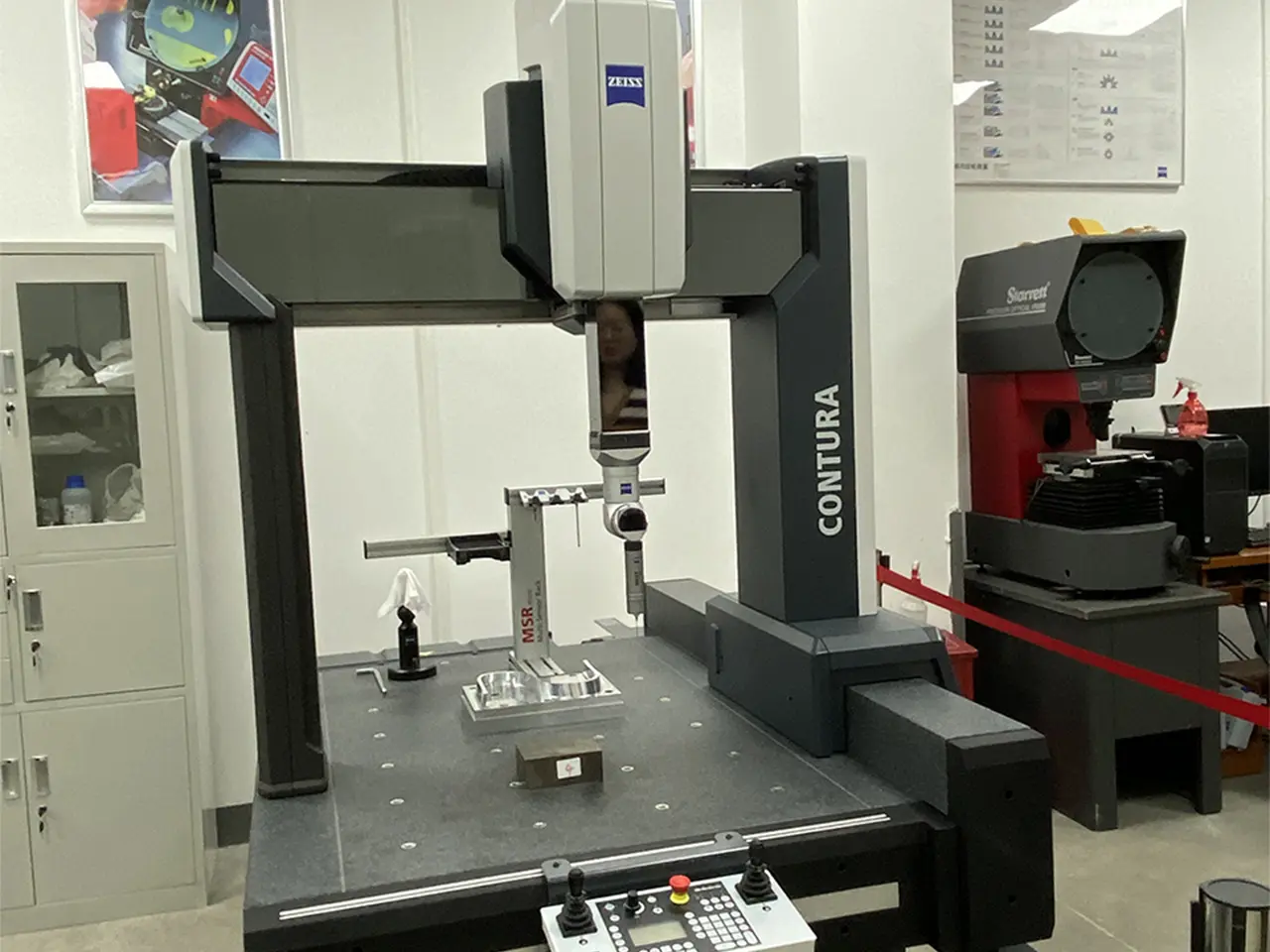
Our quality department is independent of the production floor, maintaining objective verification steps. We employ a range of advanced metrology equipment, including:
By enforcing strict quality requirements, our components maintain a low reject rate in downstream assembly lines, earning trust and recognition from our global partners.
Innovation in Design, Advanced Automation, and Environmentally Responsible Production
Integrating SLA/DLP 3D printers to directly print wax or PMMA patterns. This bypasses the cost of hard tooling during the prototyping stage, reducing evaluation cycle times from weeks to days.
Automating shell room dipping and sanding processes. Utilizing multi-axis robotic arms guarantees consistent ceramic layer thickness, reducing shell cracking and casting flash defects.
Integrating real-time thermal sensors and predictive control software in induction melting loops. This optimizes electrical consumption, decreases alloy oxidation, and improves energy efficiency.
Developing traceability for scope 1 and scope 2 carbon emissions per metric ton of cast components. This helps global OEMs meet international sustainability reporting requirements.
Technical Answers to Inquiries on Silica Sol Stainless Steel Casting and Precision Machining Services
Further selections from our engineering portfolio. Designed for reliability and performance.
 SX Machining