High-Quality Steel Casting Companies Service & Product

Precision Investment Casting, Advanced 5-Axis CNC Machining, and Global Supply Chain Solutions for Extreme Industrial Environments.

2014
Established & Innovating
±0.005mm
CNC Tolerance Threshold
99.8%
QC Inspection Pass Rate
100%
Material Traceability
Industry Whitepaper

Understanding the Mechanics of High-Quality Steel Casting

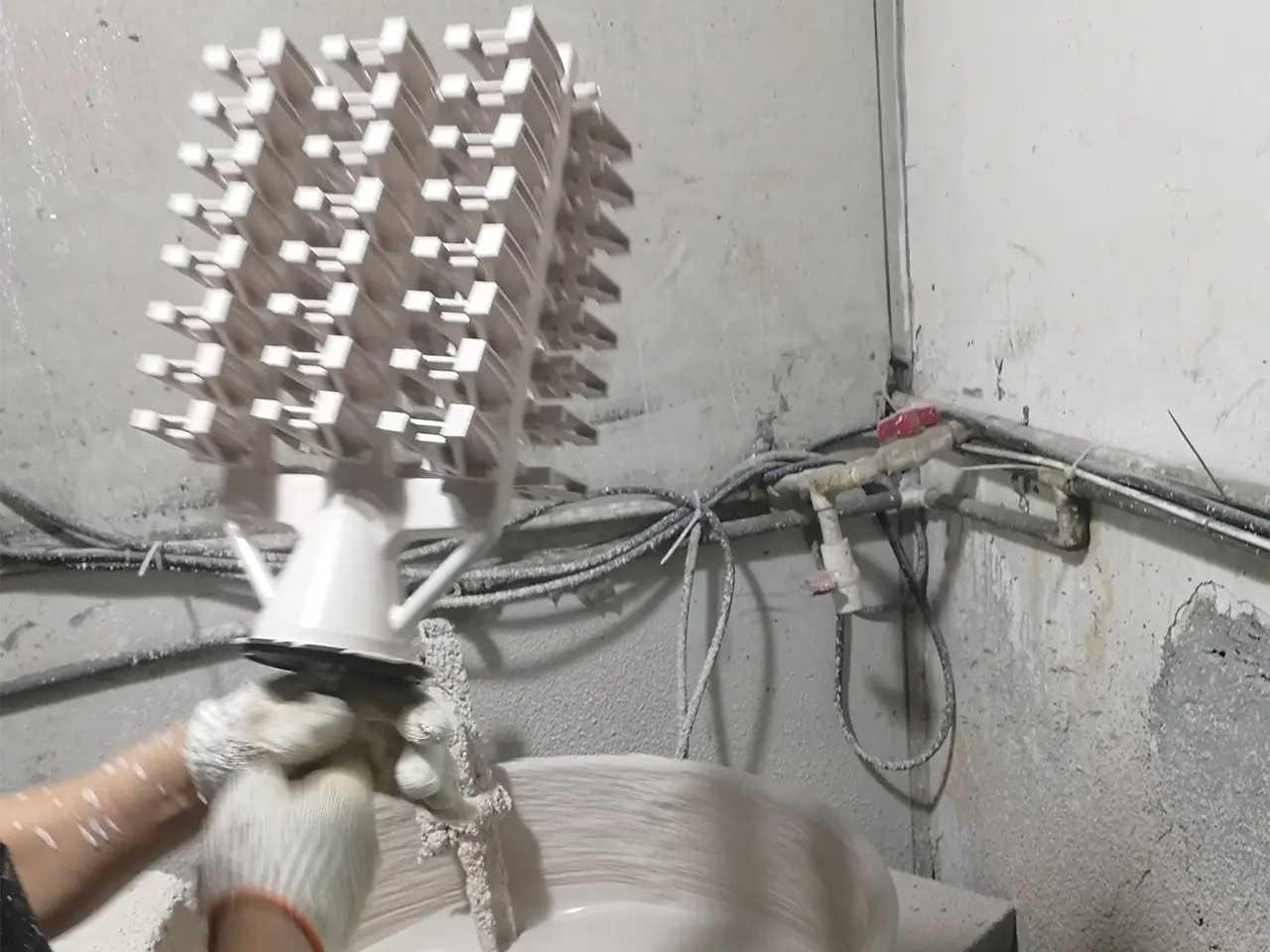
Modern industrial equipment demands components that survive the harshest thermal, mechanical, and chemical challenges. High-quality steel casting companies are the backbone of these critical operations. Using investment casting (lost-wax process), manufacturers produce components with intricate geometries, superior surface finishes, and near-net-shape tolerances. This drastically reduces the necessity for extensive post-process machining, minimizing raw material waste and lowering production lead times.

By leveraging custom-tailored alloys, including martensitic, austenitic, and duplex stainless steels, alongside carbon and low-alloy steels, casting foundries design parts that are engineered specifically for wear resistance, high tensile strength, and exceptional longevity under extreme environments. The modern paradigm relies heavily on blending metallurgical expertise with numerical simulation tools, allowing casting flow analysis to occur digitally prior to the physical wax pouring stage.
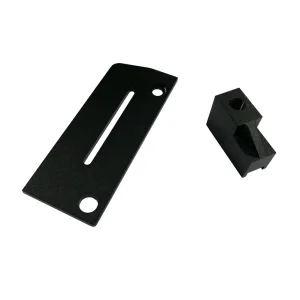
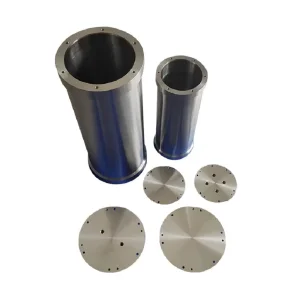
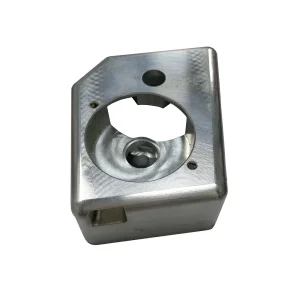
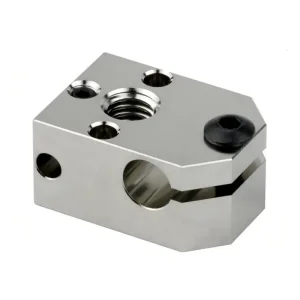
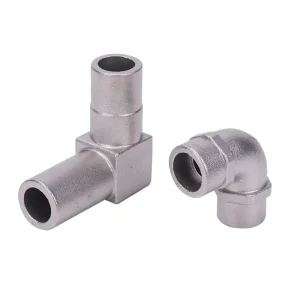
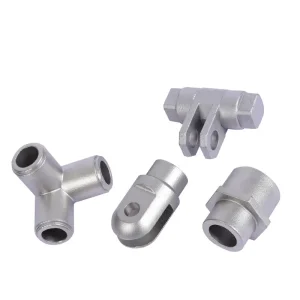
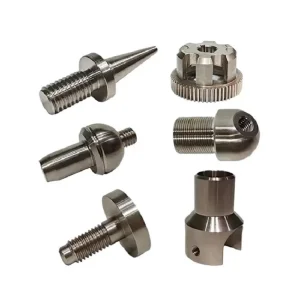
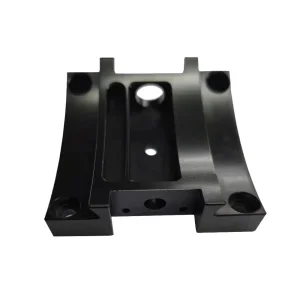
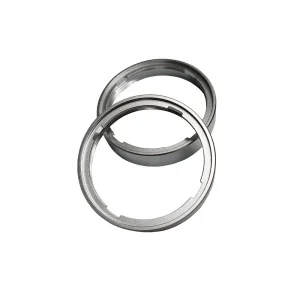
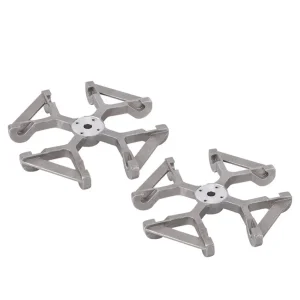
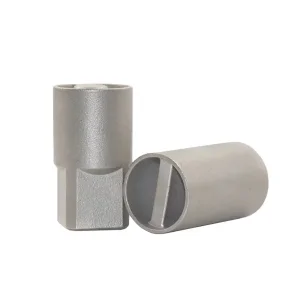
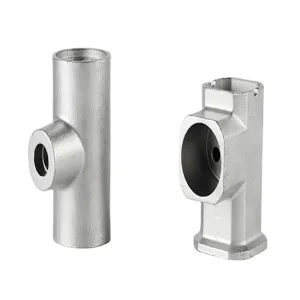
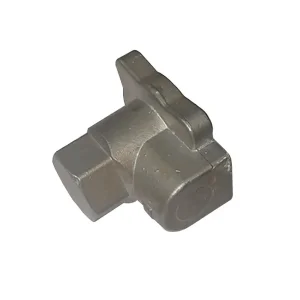
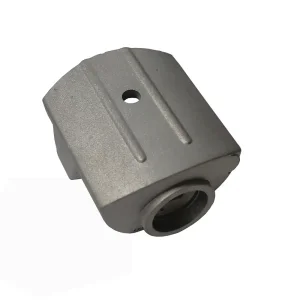
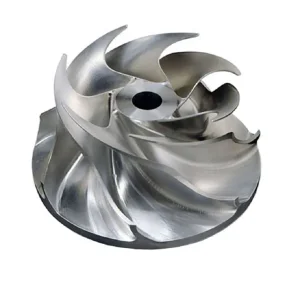
Precision Machined Component and Casting Overview
Future-Proof Engineering

Evolution of Advanced Steel Casting: Global Industry Trends

1. Material Science Breakthroughs

The rise of super-alloys, duplex stainless steels, and refractory metals has expanded the thermal envelope of modern components. Foundries now alloy elements with extreme precision to counter hydrogen embrittlement and crevice corrosion in marine applications, satisfying rigorous aerospace and petrochemical mandates.

2. Digital Twin and Simulation

By simulating molten steel flow, temperature gradients, and solidification rates inside the mold, companies foresee defect zones such as shrinkage cavities or hot tears. Correcting gating systems in a digital twin environment guarantees structural integrity on the first physical pour.

3. Decarbonization and Green Foundries

Energy-intensive smelting processes are migrating to high-efficiency induction furnaces. Waste heat recovery, particulate air-filtration systems, and sand/wax reclamation closed loops are standard operations in environmentally conscious, modern steel casting facilities.
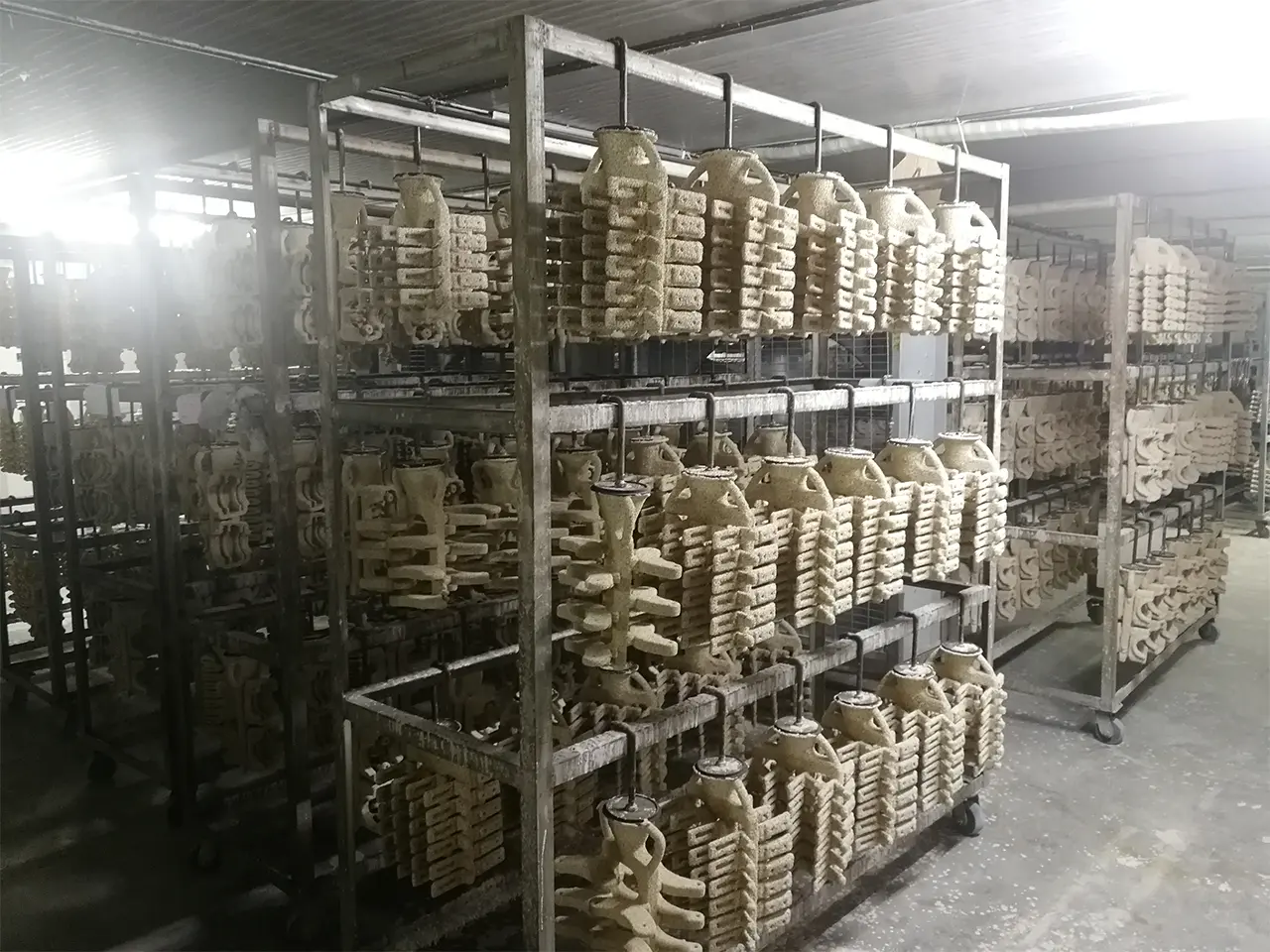
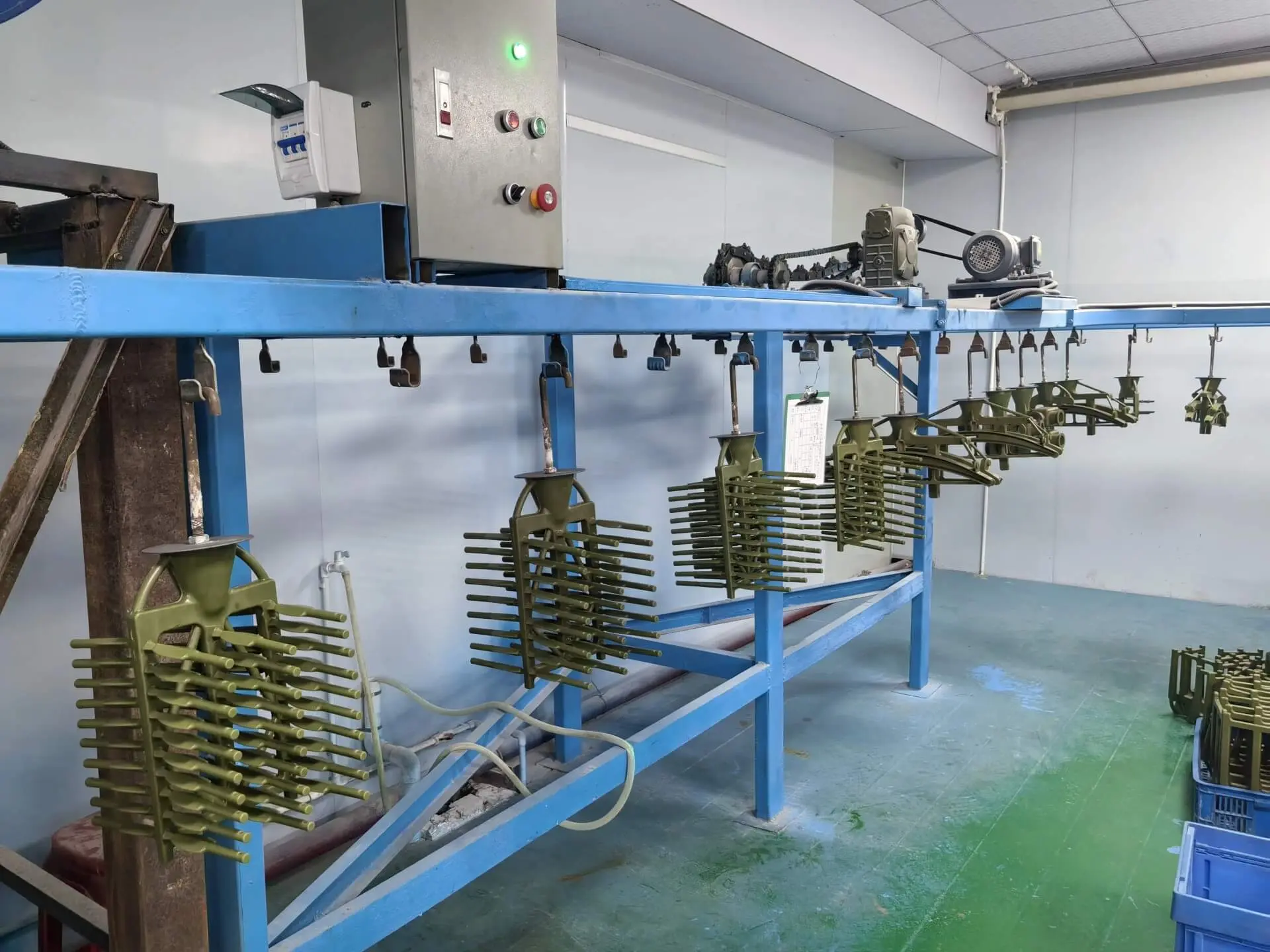
Advanced Casting Production Workshop
Procurement Strategy

Navigating Global Procurement Requirements for Industrial Castings

Procuring custom cast and machined steel parts on a global scale requires multi-layered verification. International procurement officers focus intensely on cross-border supply chains, technical capabilities, certification compliance, and overall Cost of Quality (CoQ). Sourcing managers must look beyond unit price to balance logistical reliability, design verification times, and quality assurance processes.

  • Design Verification and Prototyping: Early involvement in the design phase (DFM) saves significant engineering costs. Prototyping options, including 3D-printed sand molds or wax patterns, speed up structural testing before mass tooling fabrication.
  • Global Standards Compliance: Suppliers must master ASTM (USA), DIN (Germany), JIS (Japan), and ISO standards to guarantee mechanical properties such as yield strength, impact resistance, and elongation behavior.
  • Logistics and Tariffs: Foundries must show robust export capabilities, solid packaging methods, and smooth custom clearing documents to guarantee seamless international distribution.
Factory 4.0 Capabilities

China Factory 4.0: Supply Chain Resilience & Technical Dominance

China's casting and CNC machining industries have progressed from low-cost labor paradigms to highly integrated Factory 4.0 Ecosystems. As a premier representative, Dongguan SX Technology Co.,Ltd blends precision investment casting, multi-axis CNC machining, and comprehensive structural assemblies under a single manufacturing roof.

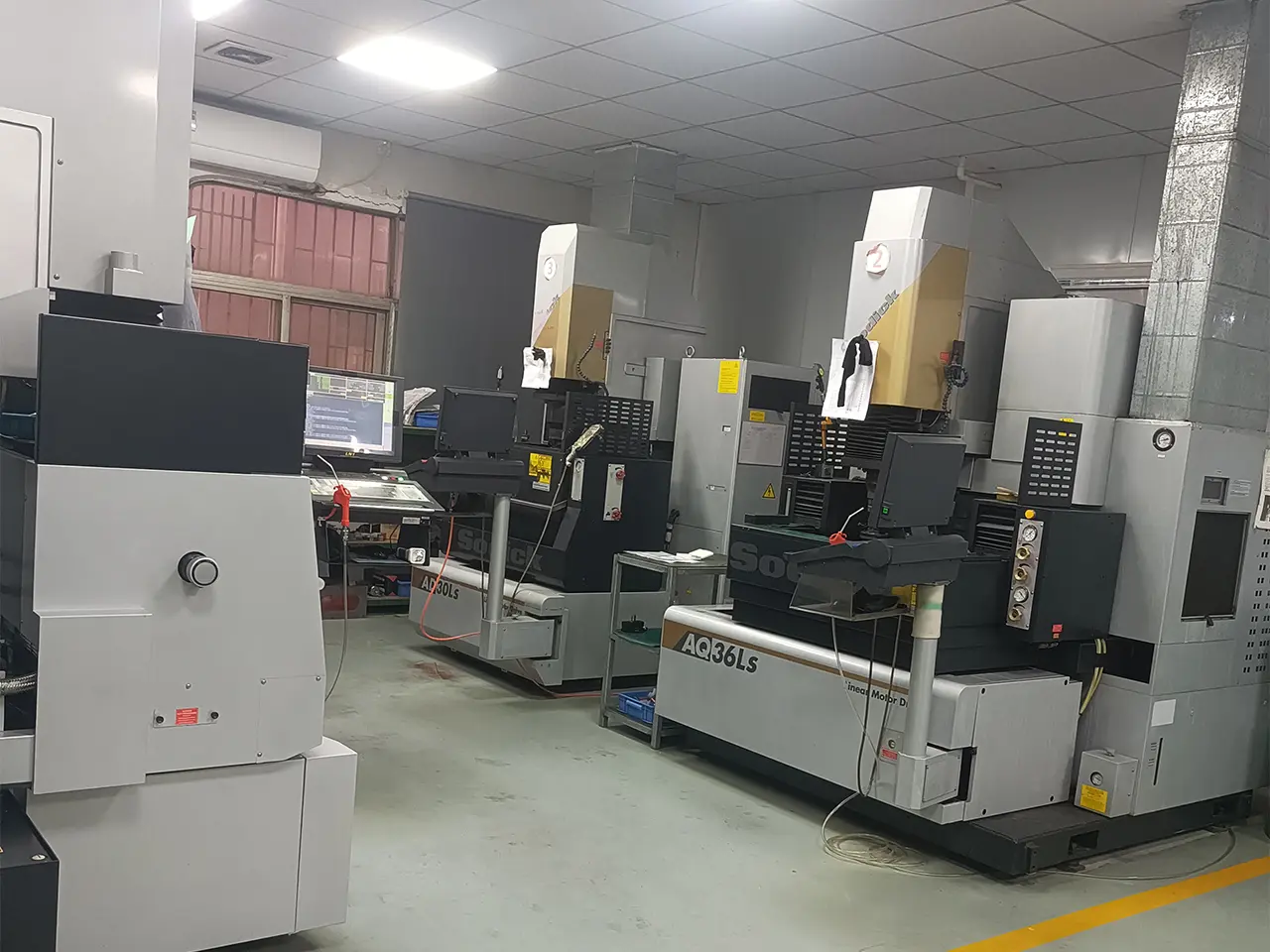
By streamlining operations, the company minimizes the lead times typically lost when moving components between casting foundries and separate machining shops. Dongguan SX Technology utilizes highly automated equipment to control complex workflows, ensuring extreme precision across diverse materials:
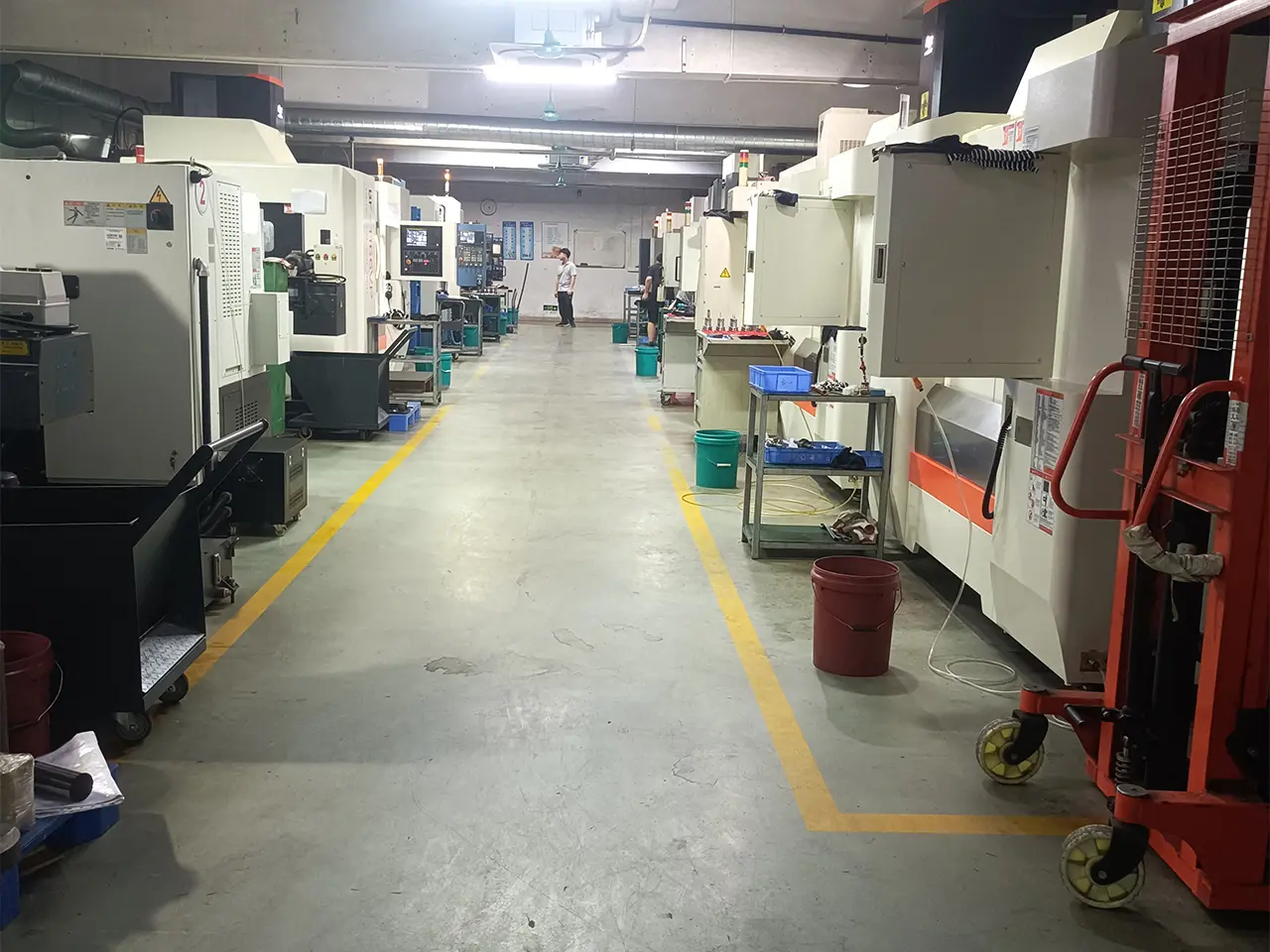
  • High-Performance Alloys: Processing titanium, stainless steel, carbon steel, and copper alloys to support demanding deep-sea, aerospace, and energy structures.
  • Precision Machining Integration: Leveraging high-speed 5-axis CNC machining centers to shape casting blanks with challenging geometries, achieving tight tolerances up to ±0.005mm.
  • Rapid Market Response: Operating advanced production lines that accommodate both customized, low-volume prototypes and high-volume industrial rollouts with equal efficiency.
Precision CNC Machining Center at SX
Production Workshop Area 1
Production Workshop Area 2
Production Workshop Area 3
Production Workshop Area 4
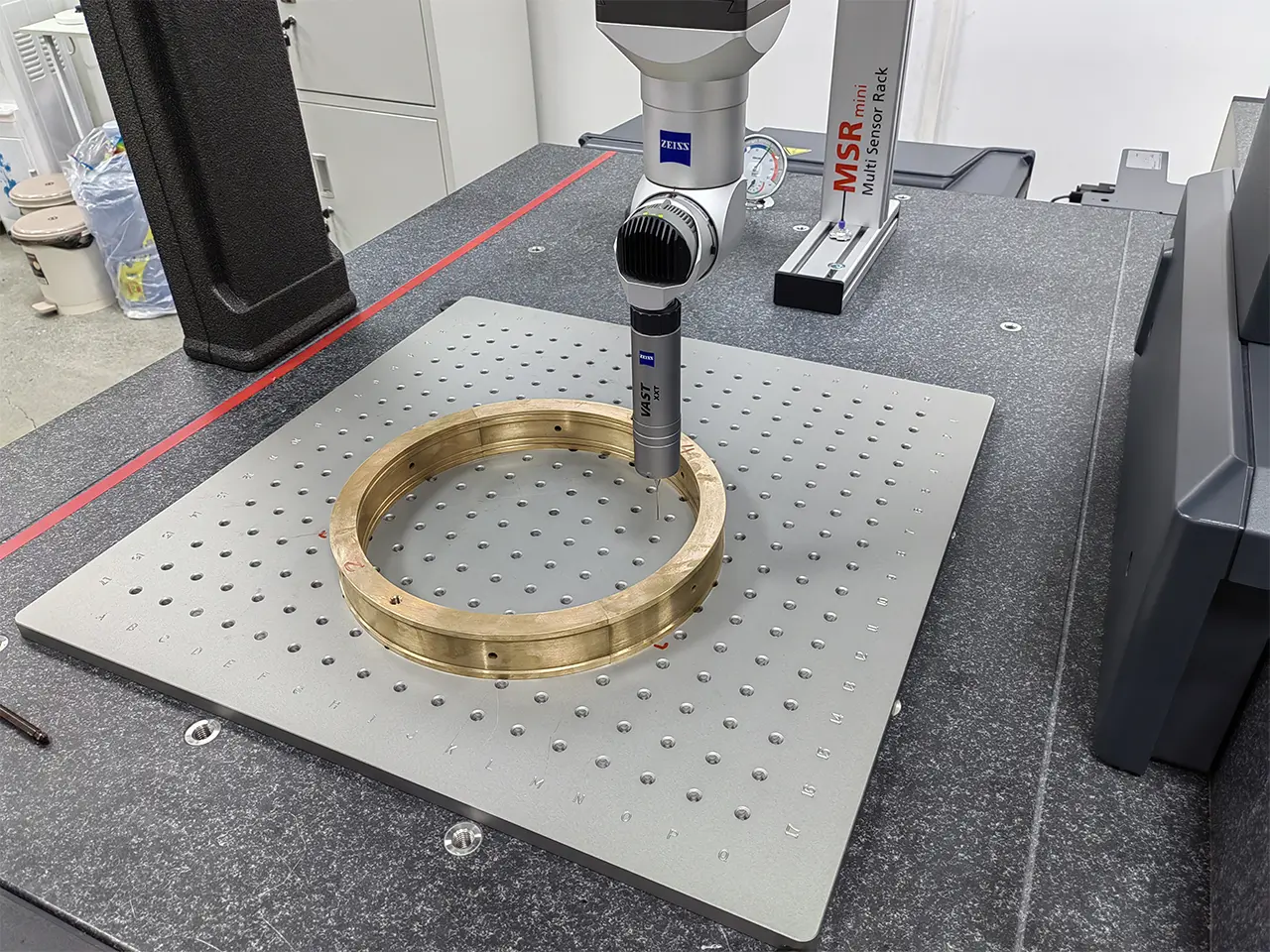
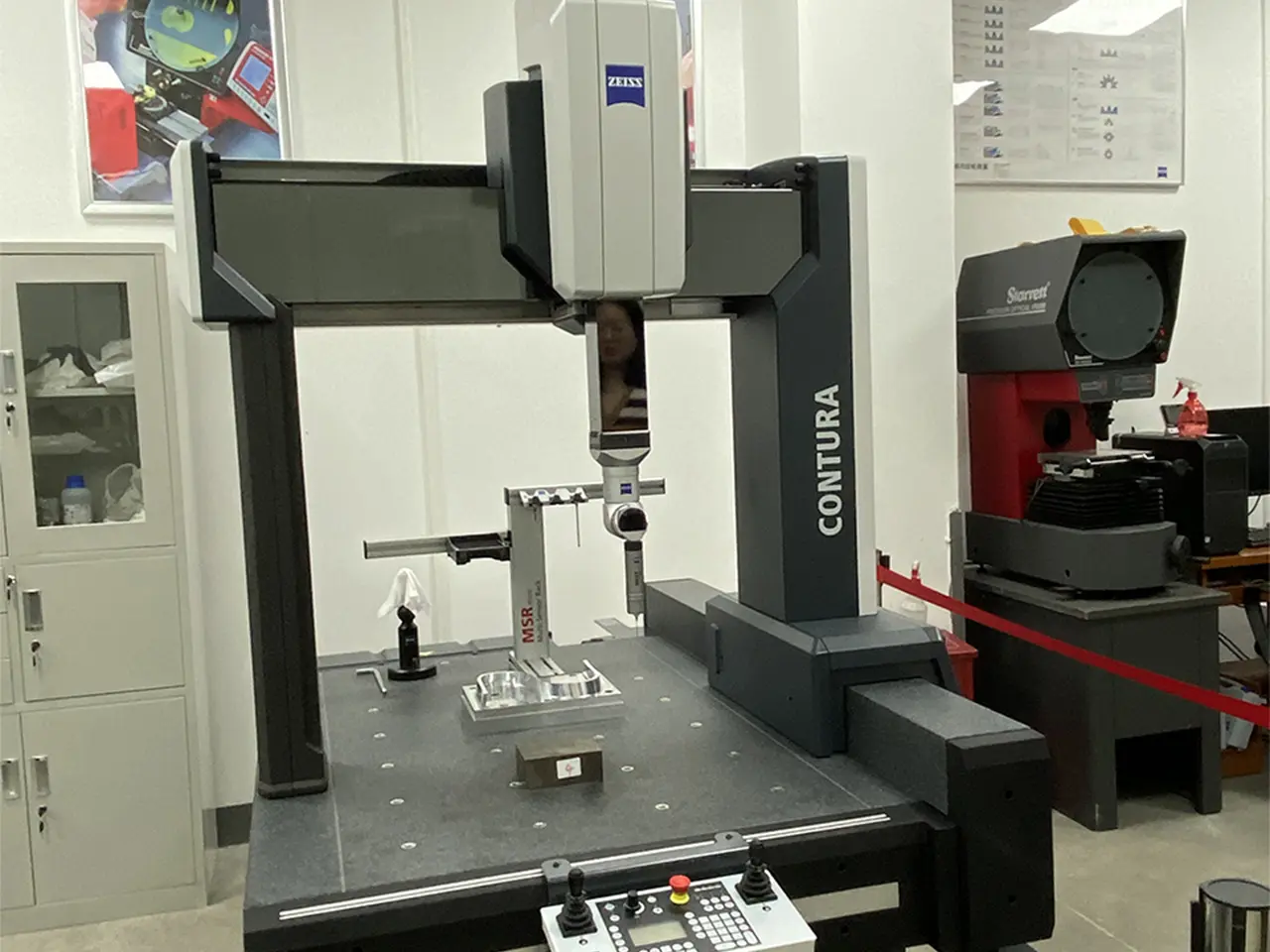
Advanced Quality Inspection Equipment
Zero-Defect Quality Control

Rigorous Quality Assurance Metrics & Verification Systems

Under the E-E-A-T principles, high manufacturing quality is not simply a claim—it is a verifiable, traceable track record. In precision casting and post-machining operations, defect detection must happen dynamically at every phase of the manufacturing process.

Dongguan SX Technology Co.,Ltd operates an in-house QC laboratory equipped with advanced testing devices. The firm has built its reputation on strict tolerance adherence and reliable mechanical validation since 2014.

  • Coordinate Measuring Machines (CMM): Employing multi-axis coordinate measuring probes to inspect physical parts against 3D CAD files, verifying dimensional accuracies down to the micron.
  • Spectrometer Material Validation: Executing optical emission spectrometry on raw ingots and post-cast melts to trace and log the precise elemental distribution of each heat code.
  • Non-Destructive Testing (NDT): Utilizing radiographic and ultrasonic testing to identify sub-surface discontinuities, shrinkage cavities, or micro-gas porosities inside structural walls.
  • Surface Roughness Testing: Guaranteeing optimal mating faces and dynamic seals by strictly monitoring arithmetic average roughness (Ra) metrics on all critical surfaces.
Cross-Sector Application Fields

High-Performance Castings: Localized Industrial Scenarios

Marine & Deep-Sea Exploration

Deep-sea housings and impeller components suffer from intense hydrostatic pressure and corrosive chloride environments. Combining titanium and super duplex stainless steel castings ensures structural longevity and prevents crevice and pitting corrosion in offshore assemblies.

Chemical Processing & Valve Systems

Industrial valve bodies, pump impellers, and pipelines handling aggressive acids and high-temperature slurries require defect-free castings. Precision investment castings offer smooth internal pathways to minimize turbulence and abrasive wear over years of continuous operation.

Agricultural & Heavy Machinery

Components for heavy harvesting and cultivation machinery must endure shock loads and abrasive soils. Carbon steel investment castings, subjected to tailored hardening heat treatments, provide the impact toughness and surface hardness needed for rugged environments.

Expert Q&A Knowledge Base

Frequently Asked Questions: Steel Casting & Precision Machining

Why is investment casting preferred over traditional sand casting for high-precision components?
Investment casting, also known as the lost-wax process, utilizes ceramic molds created around precise wax patterns. This method offers much tighter dimensional tolerances, exceptional surface finishes (typically 3.2μm Ra or better), and minimizes the need for extensive secondary machining. Sand casting, while cost-effective for large parts, produces rougher surface finishes and requires wider dimensional tolerances, leading to increased post-process machining costs.
How does Dongguan SX Technology Co.,Ltd guarantee chemical and physical properties of its metals?
We perform optical emission spectrometry (OES) analysis on every batch of molten metal before casting. Post-production, we run mechanical tests including tensile strength, yield strength, elongation, and Charpy impact tests, along with non-destructive evaluations (NDT) such as X-ray testing. We issue complete material test reports (MTR) with chemical and physical properties, matching the heat numbers stamped on each component for complete traceability from raw material to finished product.
What are the advantages of integrating 5-axis CNC machining with precision investment casting?
Integrating 5-axis CNC machining allows complex, organic shapes created by investment casting to be finished with exceptional precision. Instead of multiple setups, a 5-axis machine can mill, drill, and tap features from multiple angles in a single setup, eliminating human error, minimizing tolerance stack-ups, and delivering highly accurate components like impellers and aerospace manifolds.
How are casting defects like gas porosity and shrinkage cavities avoided?
Defects are minimized through advanced mold design and solidification simulations. Computer modeling helps optimize gating, risers, and pouring temperatures to ensure even cooling. In addition, deoxidizers are added to the melt to remove dissolved gases, and vacuum induction melting is used for highly sensitive alloys, ensuring dense, defect-free internal structures.
What types of surface treatments are available for stainless steel castings?
Depending on the application, we offer pickling and passivation to restore the passive chromium oxide layer for maximum corrosion resistance, electro-polishing for smooth surfaces in food and medical applications, shot blasting to remove scale and provide a uniform matte finish, and custom powder coating or painting.