Discover our range of custom high-precision metal parts fabricated via investment casting and multi-axis CNC machining operations.
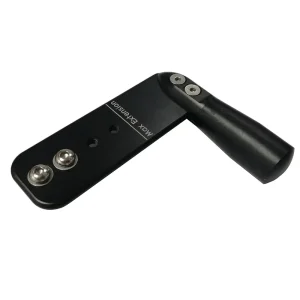
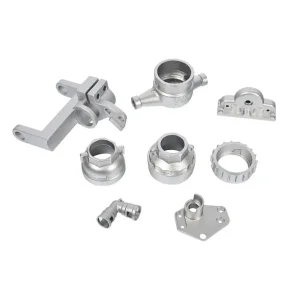
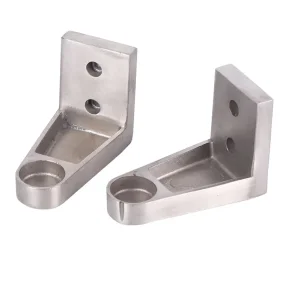
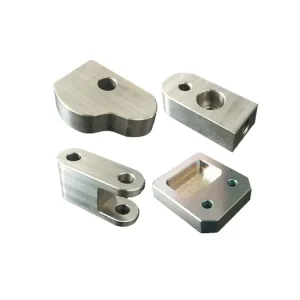
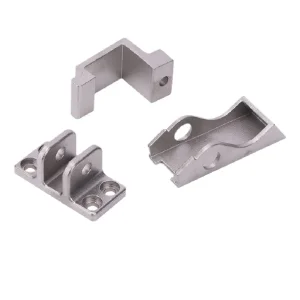
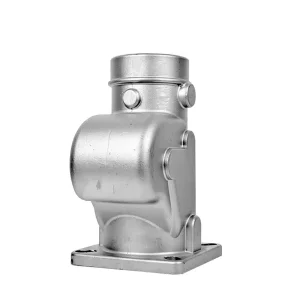
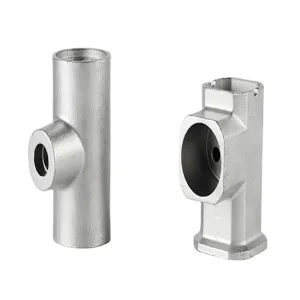
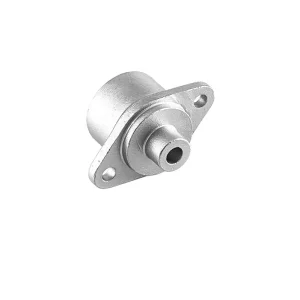
Dongguan SX Technology Co.,Ltd has very rich experience in precision casting, CNC machining and assembly. Our products are widely used in machinery, automobiles, marine, ships, equipment, valves and pumps, electronic appliances, packaging, watches, construction, chemical industry and other key manufacturing sectors.
The most commonly used materials for investment casting in our facility are stainless steel and carbon steel. Meanwhile, the most commonly used materials for high-precision CNC machining include titanium alloy, stainless steel, carbon steel, aluminum alloy, copper alloy, cemented carbide, and specialized engineering plastics.
We are equipped with advanced manufacturing systems and inspection technology, allowing us to respond quickly to your complex engineering needs. Since our inception, we have strived to build a seamless path from raw tooling to qualified mass components.
Exploring the metallurgical shifts, production technologies, and market dynamics that govern high-performance component sourcing today.
Aerospace, automotive, and defense sectors are demanding dramatic weight reductions without sacrificing mechanical yield. Aluminum investment castings utilizing modified alloys provide exceptional strength-to-weight ratios to replace traditional multi-part steel fabrications.
The fusion of 3D-printed SLA wax patterns with conventional ceramic shell molds has drastically shortened lead times. Prototyping phases that once took weeks now achieve functional validation in days, speeding up product development lifecycles.
Sourcing practices now emphasize recycled aluminum billets and energy-efficient induction melting systems. Modern OEM suppliers must comply with strict ESG metrics, providing documented Scope 3 emissions calculations for environmental accountability.
Critical considerations for supply chain directors to mitigate risk, control costs, and assure consistent quality standards.
When sourcing OEM investment castings, understanding tooling lifespans and development amortization cycles is critical. For high-volume projects, steel injection dies are mandatory to maintain consistent dimensional accuracy over tens of thousands of cycles.
Global procurement demands full transparency of chemical compositions and mechanical properties. Sourcing from manufacturers with in-house testing minimizes the risks of structural failures and unexpected casting defects in the field.
Selecting the appropriate aluminum alloy determines the flowability, machinability, corrosion resistance, and final tensile parameters of the components.
| Alloy Designation | Primary Elements | Tensile Strength (MPa) | Elongation (%) | Optimal Applications |
|---|---|---|---|---|
| A356.0 (T6) | Si 7.0%, Mg 0.35% | ≥ 290 | ≥ 3.5% | Structural chassis components, pump housings, brackets, aerospace structures. |
| A380.0 | Si 8.5%, Cu 3.5% | ≥ 320 | ≥ 2.5% | Electrical enclosures, gearboxes, engine housings requiring fluid tightness. |
| AlSi10Mg | Si 10.0%, Mg 0.4% | ≥ 300 | ≥ 4.0% | Thin-walled components, lightweight complex cooling manifolds. |
| 6061-T6 (Milled) | Mg 1.0%, Si 0.6% | ≥ 310 | ≥ 12% | Machined parts requiring exceptional surface anodizing and high structural safety. |
A look inside our advanced manufacturing spaces, featuring investment casting, automated wax injection, ceramic coating, and precision CNC finishing.
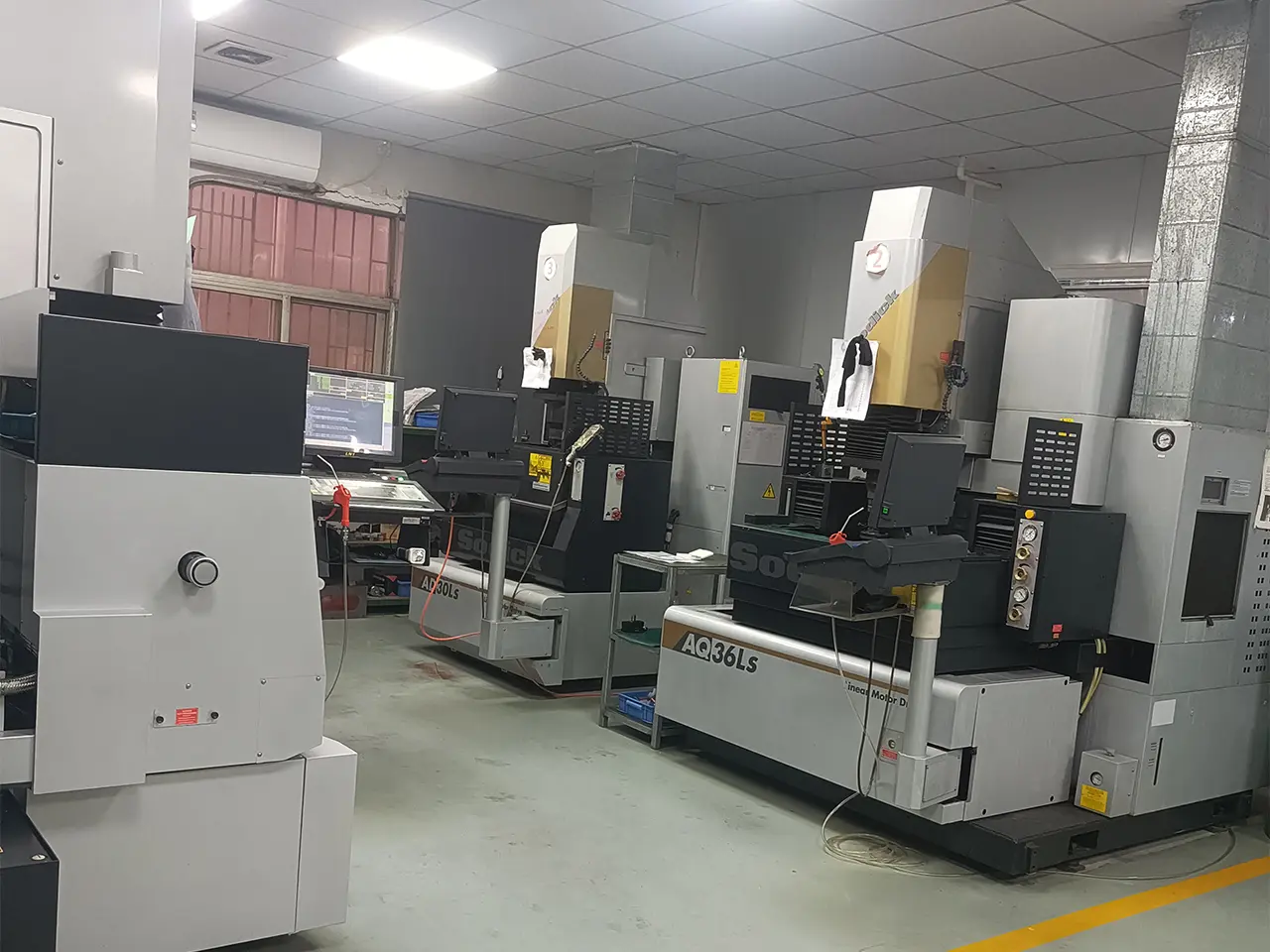
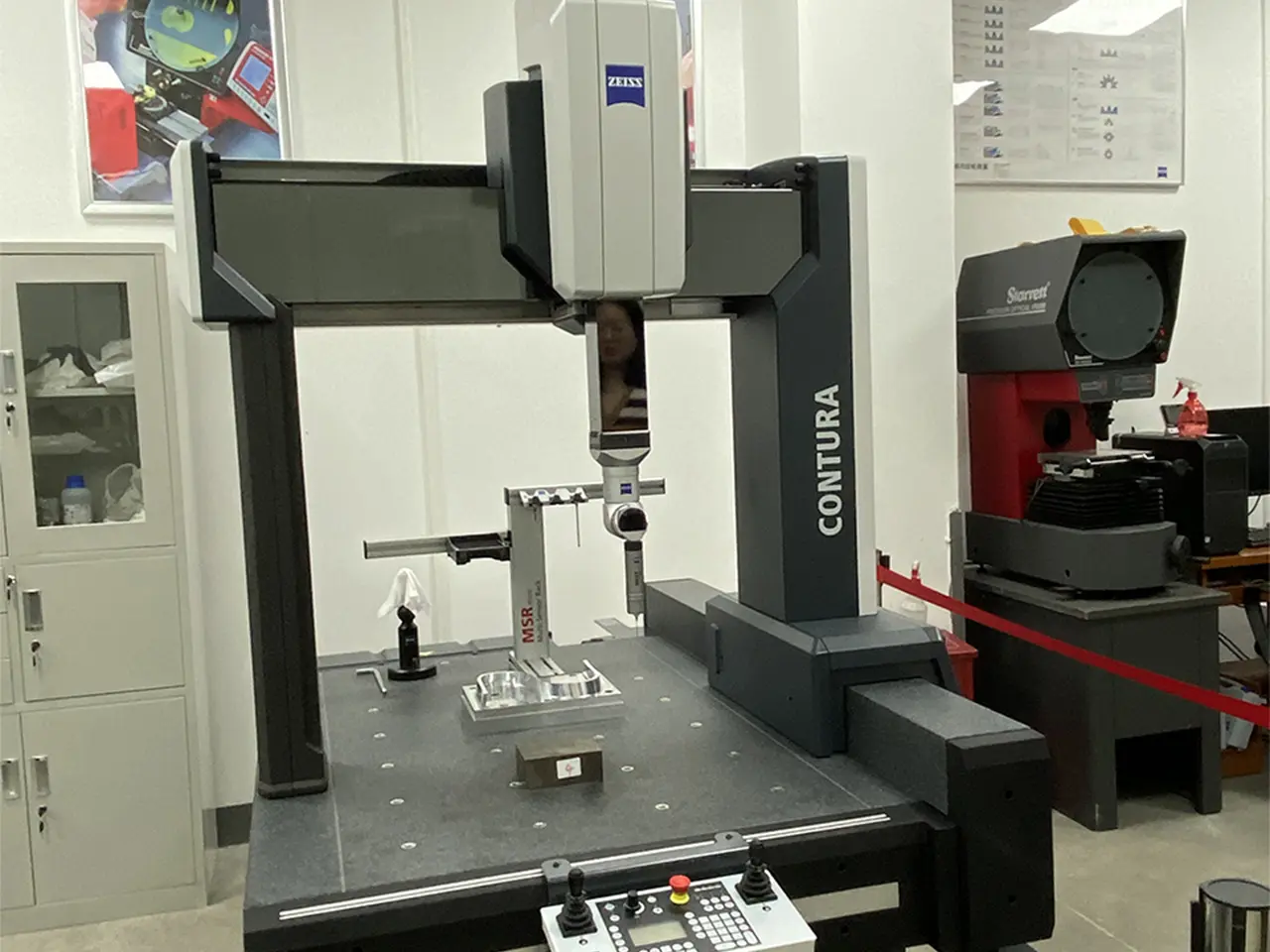
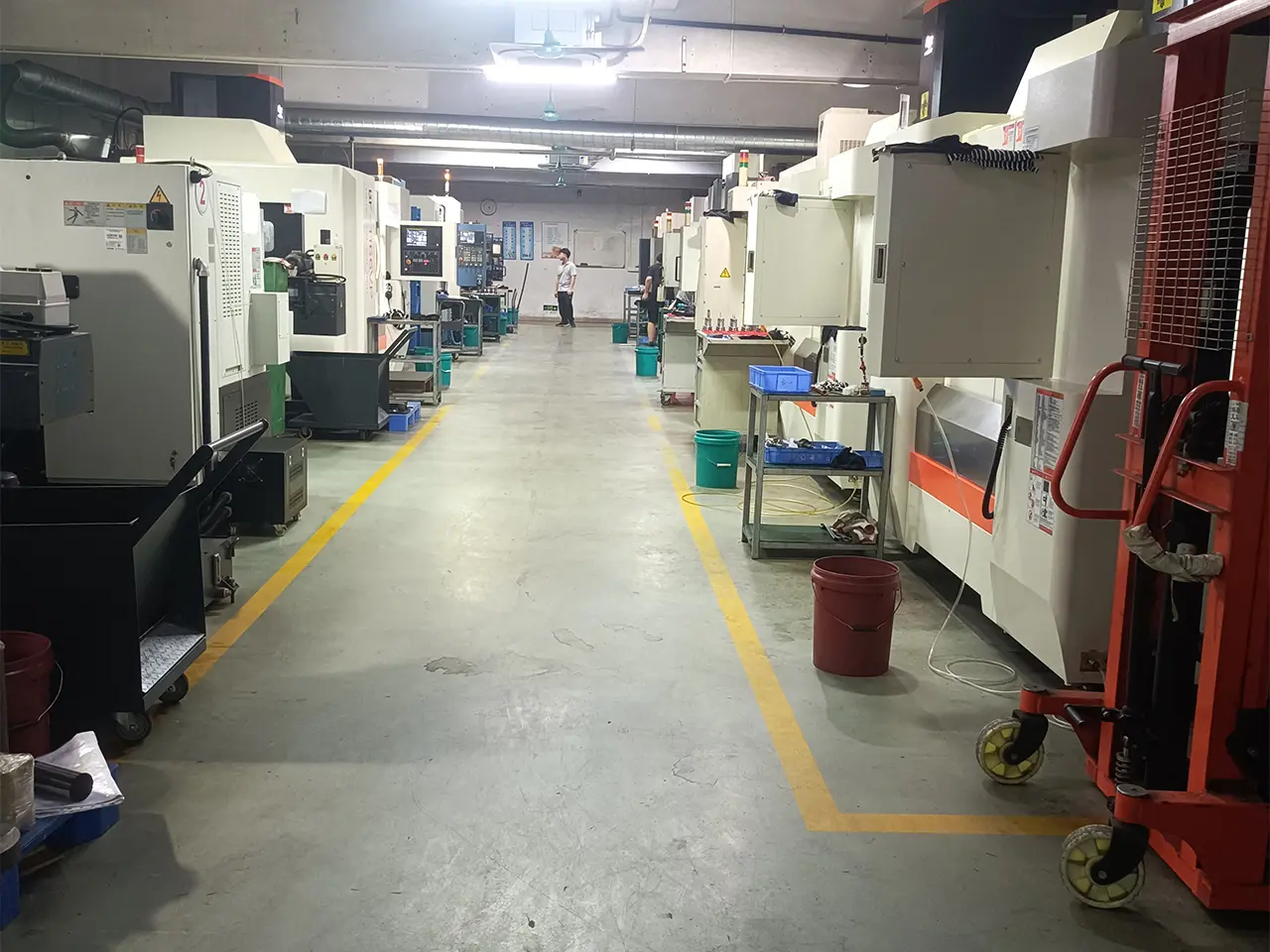
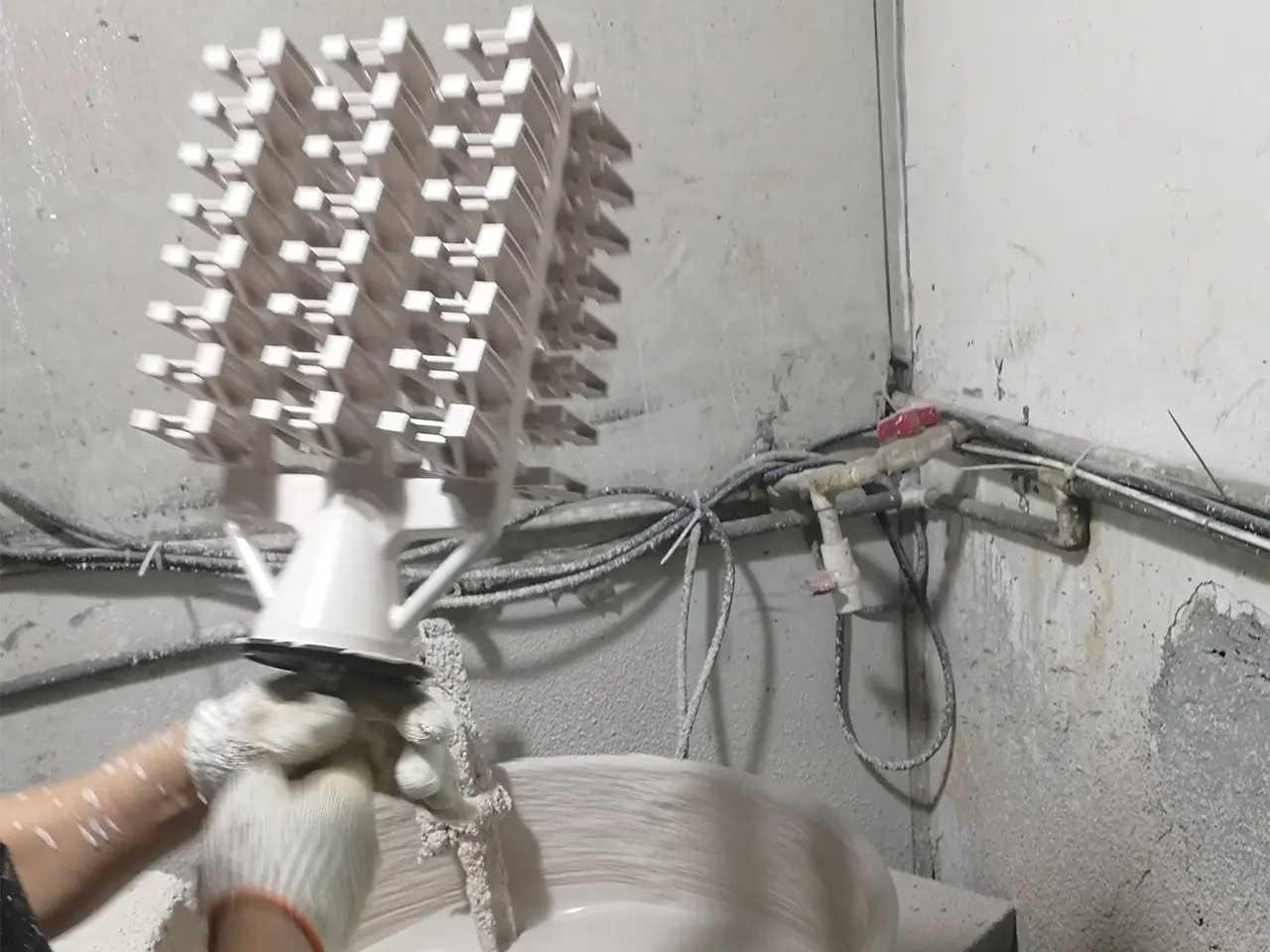
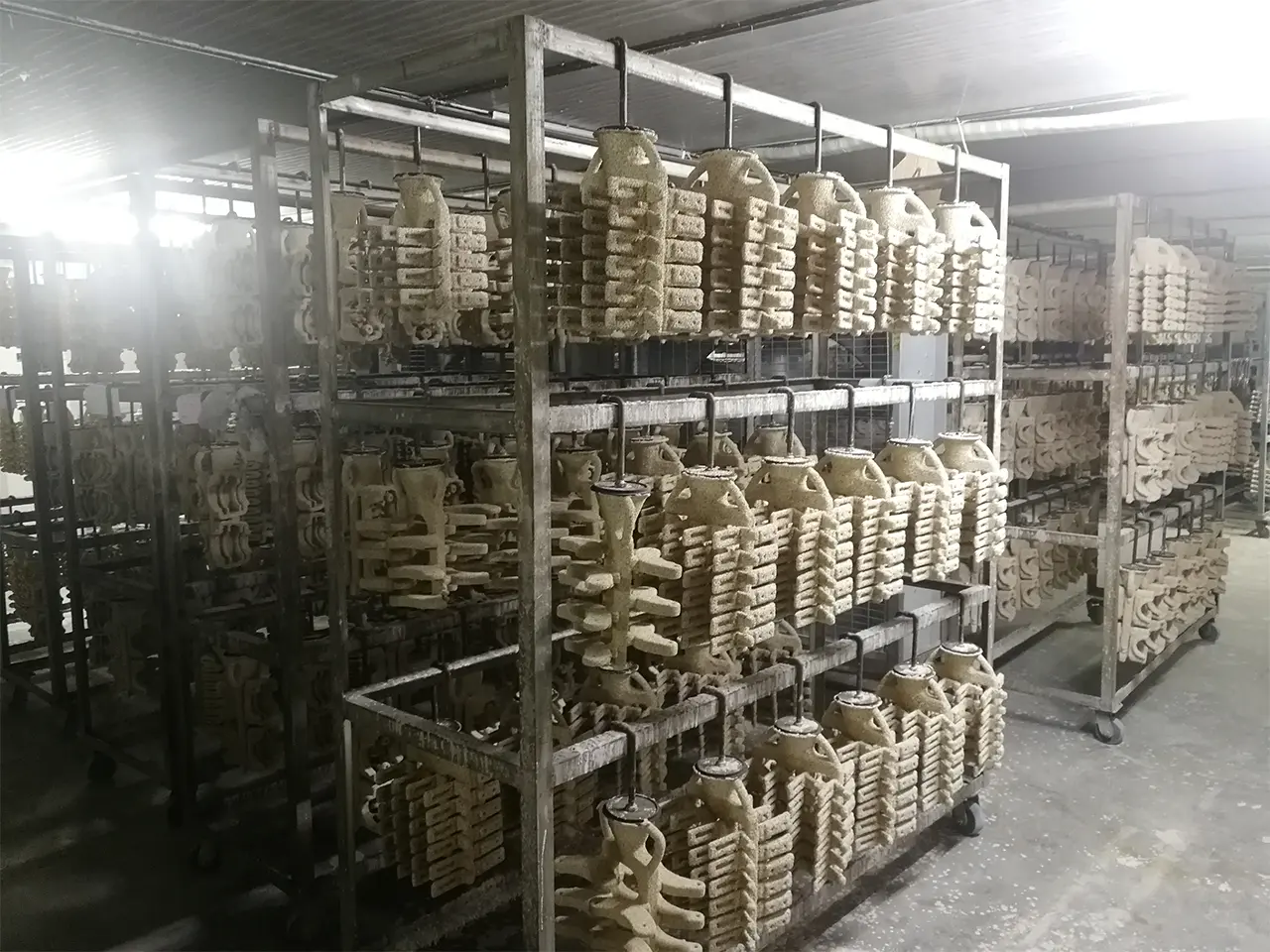
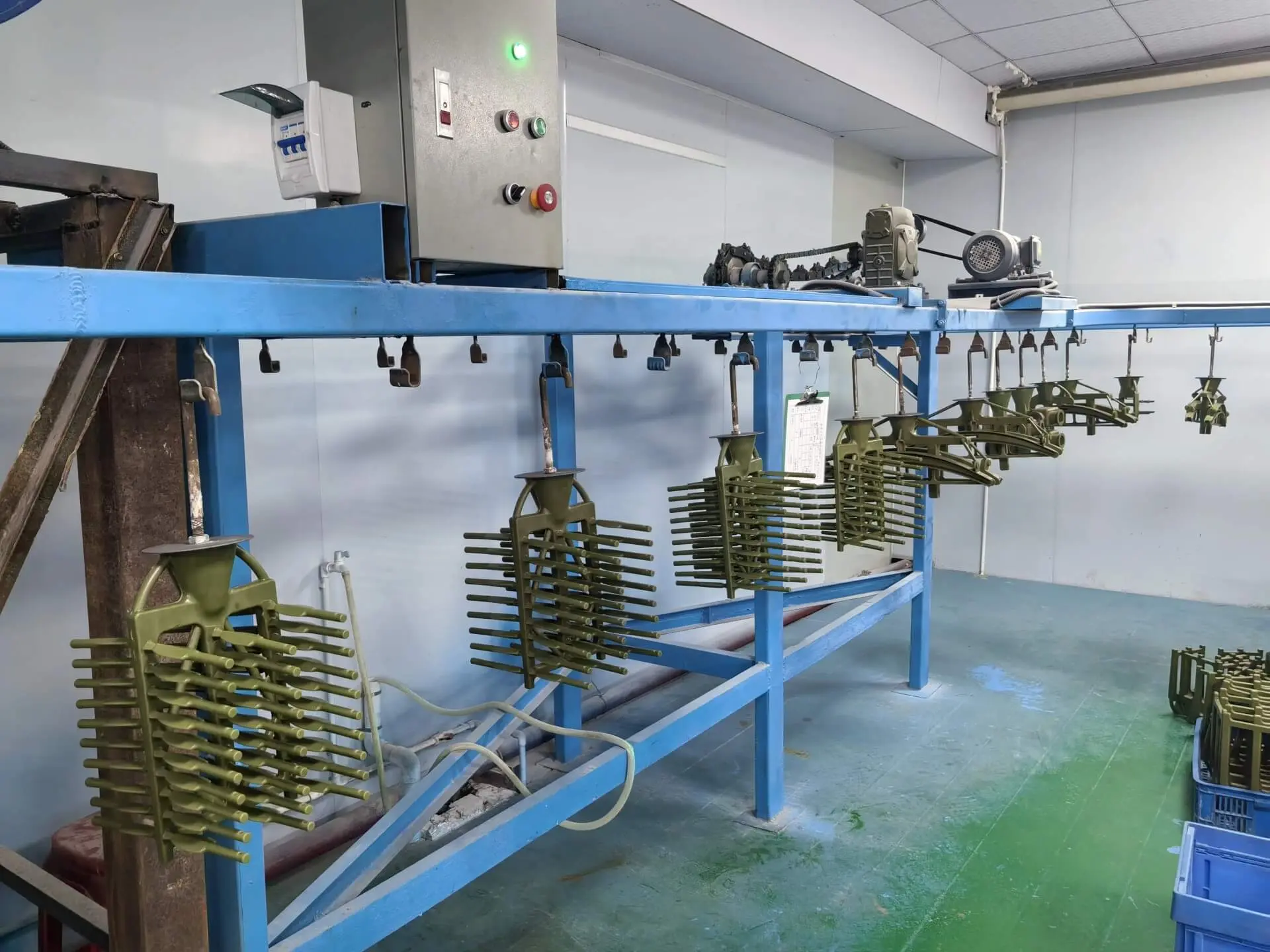
We have professional testing equipment and dedicated QC personnel. We adhere to strict tolerances and quality standards for all manufactured products. Due to our insistence on strict quality control, we have received praise from demanding international customers.
Quality is the cornerstone of the manufacturing industry. We firmly believe that only by controlling quality well can we survive, develop, and continue to grow. Therefore, we have been working in this industry unremittingly since 2014, expanding our team and upgrading our production capacity.
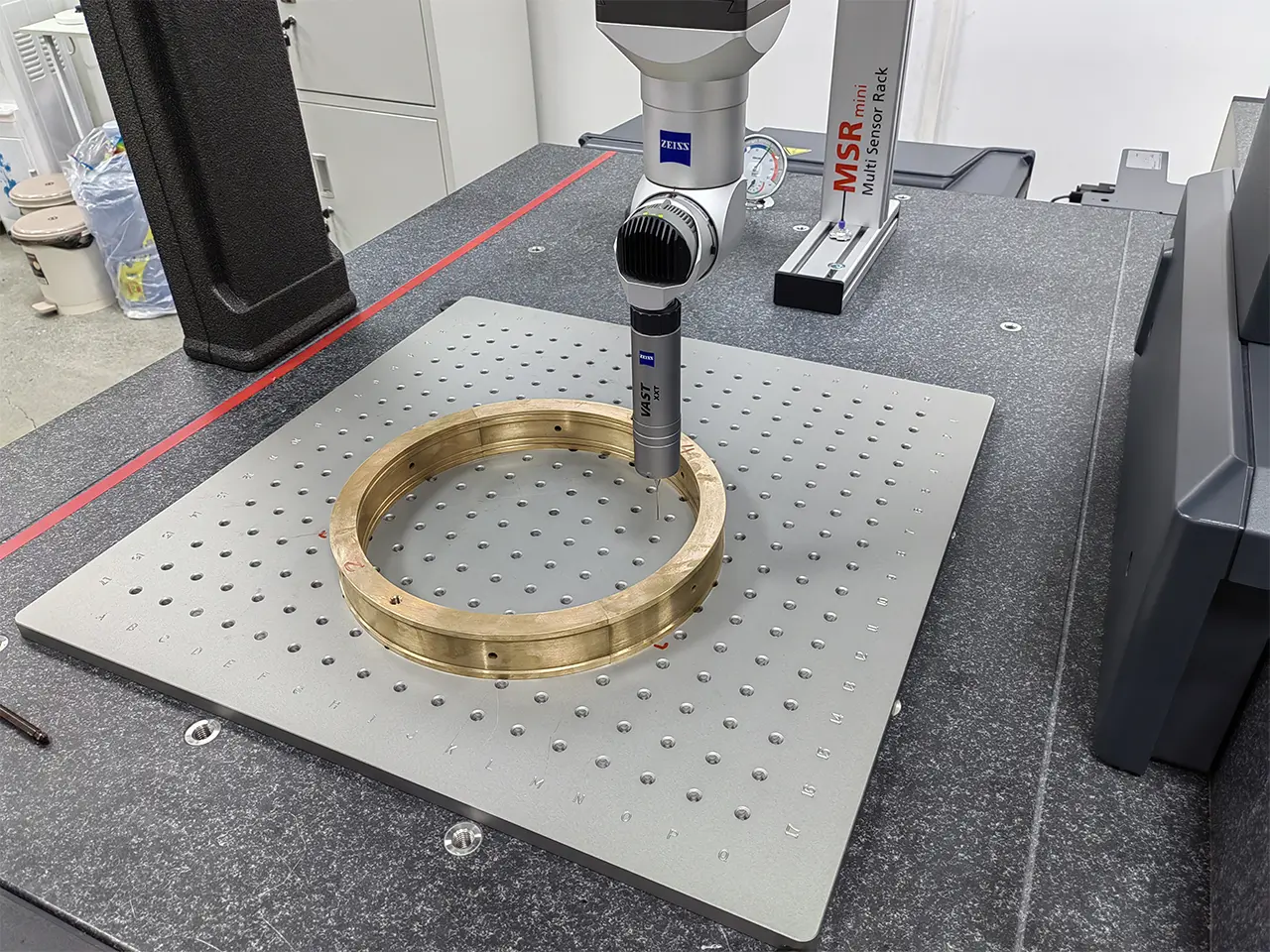
From raw conceptualization to surface finish, we provide complete, vertically integrated solutions for complex structural parts.
We utilize advanced simulation software to evaluate mold filing and solidification dynamics. This identifies potential hotspots, gas entrapment points, or shrinkage cavities before tools are manufactured, minimizing trial-and-error costs.
Our lost wax process generates near-net-shape configurations with exceptionally smooth surface finishes (typically Ra 3.2μm). This process reduces structural weight and minimizes downstream milling requirements.
For mating interfaces, threaded holes, and highly critical tolerances (up to ±0.005mm), our 3-axis, 4-axis, and 5-axis CNC machines provide precision post-cast finishing, delivering ready-to-assemble components.
Providing responsive services, regulatory compliance, and robust risk management for international procurement partners.
Our exports comply with all major industrial requirements, including REACH, RoHS, and local environmental standards. We supply full documentation to guarantee trouble-free customs clearance and supply-chain continuity.
Whether your operations require FOB, CIF, DDU, or DDP delivery, we coordinate with leading logistics partners to optimize routes, cut delivery times, and reduce shipping overheads across major ports.
Our customer service team bridges time zones, providing dedicated support from the quotation phase to post-delivery audits, ensuring your engineering updates are processed promptly.
Answers to common technical, commercial, and operational questions about OEM aluminum investment casting.
As-cast tolerances for aluminum investment casting typically follow the linear tolerances of ISO 8062-3 (generally CT5 to CT7 range). This yields tolerances of approximately ±0.15mm to ±0.3mm per 25mm of dimension. For mating surfaces, bearing bores, and threaded locations, we integrate precision CNC post-machining to achieve tight tolerances up to ±0.005mm.
Investment casting (lost wax) offers more design flexibility, including undercuts, complex hollow cavities, and internal passages that are difficult to produce via high-pressure die casting. Additionally, investment castings have less internal gas porosity, making them heat-treatable (e.g., T6 temper) for higher strength, whereas standard high-pressure die castings are often prone to internal porosity and cannot undergo T6 heat treatment without surface blistering.
Our primary cast aluminum alloys are A356 (popular for its high strength-to-weight ratio and excellent post-weld properties) and A380 (ideal for structural housings, electrical enclosures, and parts requiring fluid tightness). We also process customized zinc-aluminum and high-silicon casting alloys depending on specific project parameters.
For aluminum investment casting, the minimum wall thickness is typically around 1.5mm to 2.0mm over small areas. Extremely thin walls (down to 1.0mm) can sometimes be achieved by optimizing mold temperature and gating designs during simulation, though this depends heavily on the component geometry.
We perform chemical analysis of every melt batch using optical emission spectrometers before pouring. Additionally, we conduct tensile testing to verify mechanical properties and offer non-destructive testing (such as X-ray radiography and liquid penetrant inspection) to ensure our components meet critical structural standards.
Typically, tooling design and fabrication takes between 20 to 30 days depending on component complexity. Once tooling is approved, initial sample castings can be poured, heat-treated, machined, and shipped within 7 to 10 days for customer evaluation.
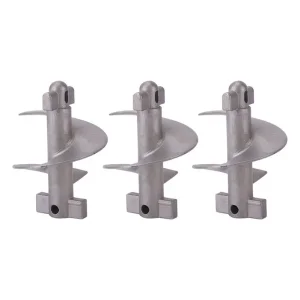
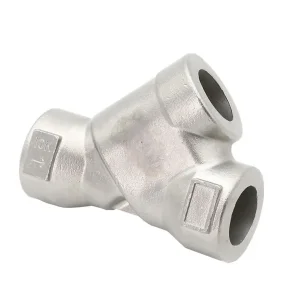
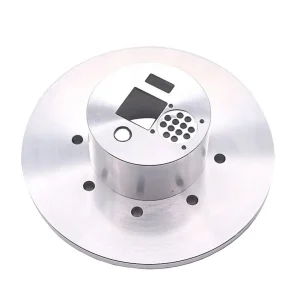
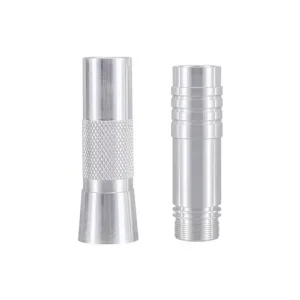
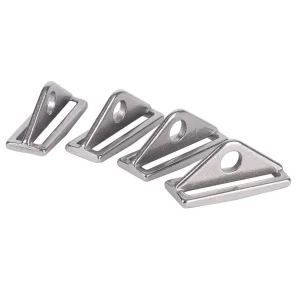
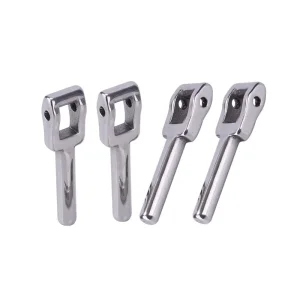
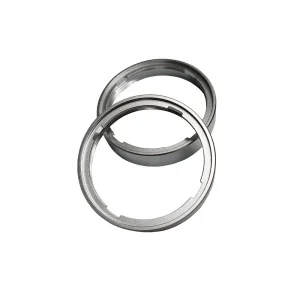
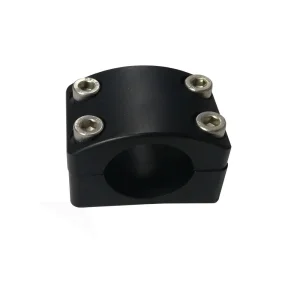
Browse our extended product portfolio including marine-grade fittings, high-precision valves, and custom CNC components.
 SX Machining