Explore our leading OEM components customized for marine, electronic, medical, and mechanical assemblies.
How Modern Supply Chains Leverage Lost Wax Castings & Custom Post-Machining for Performance, Scalability, and Value
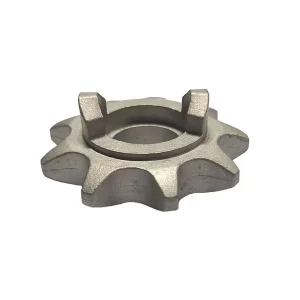
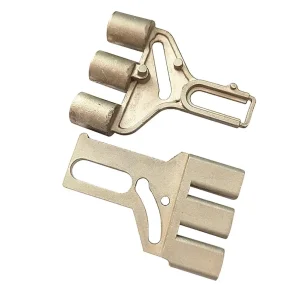
Investment casting, historically known as lost wax casting, remains one of the world's most versatile metal-forming methods. Today, industries worldwide—from defense, aerospace, and medical engineering to marine equipment and deep-sea exploration—require components that offer near-net-shape geometries, minimal scrap, and outstanding mechanical properties. Chinese manufacturers have modernized this sector by integrating computerized solidification simulation software, multi-axis CNC post-machining, and robotic dipping systems to yield ultra-reliable performance metrics.
The concentration of advanced manufacturing in industrial nodes like Dongguan, Guangdong provides a rapid-response manufacturing ecosystem. At Dongguan SX Technology Co.,Ltd, we merge high-volume automated tooling design, state-of-the-art silica sol processing, and direct raw material supply chains. By running high-efficiency production cells, we optimize material yields, slash prototyping cycles from months to days, and ensure that secondary machining tasks are carried out on high-precision CNC mills and lathes on the same site, minimizing freight latency and overhead costs.
Western procurement managers demand more than cheap unit prices—they seek metallurgical integrity, traceability, and dimensional compliance. Our integrated engineering approach targets tight linear tolerances (such as CT3 to CT5 ISO standard classes) and surface finish requirements down to Ra 1.6 microns or better. Through careful chemical spectrometry analysis and non-destructive testing, we provide reliable, heavy-duty parts that perform flawlessly in harsh application environments.
How investment casting stands against sand casting and direct CNC machining for complex OEM geometries.
| Parameters | Investment Casting (Silica Sol) | Traditional Sand Casting | Direct CNC Machining |
|---|---|---|---|
| Dimensional Tolerance | ISO 8062-3 CT4 - CT6 (Excellent) | ISO 8062-3 CT10 - CT12 (Poor) | ISO 2768-mH / Custom up to ±0.005mm |
| Surface Finish (Ra) | 1.6 μm - 3.2 μm (Very smooth) | 12.5 μm - 25 μm (Rough) | 0.4 μm - 1.6 μm (Finest) |
| Material Versatility | Stainless steel, Carbon Steel, Titanium, Superalloys | Cast iron, Bronzes, Aluminum alloys | All alloys, plastics, refractory metals |
| Geometric Complexity | Exceptional (Internal channels, thin walls) | Moderate (Larger, simpler structures) | Limited by tool access (requires setups) |
| Unit Cost (Medium-High Runs) | Low-to-medium due to net-shape efficiency | Low setup, high finishing costs | High (substantial waste and machining time) |
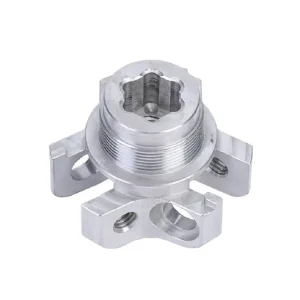
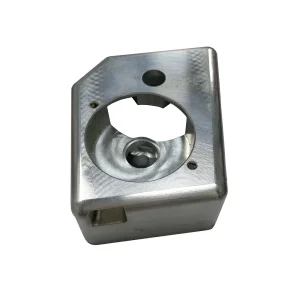
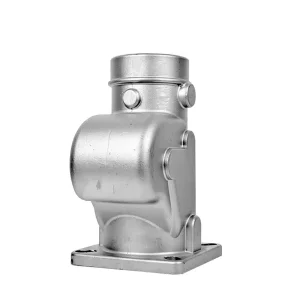
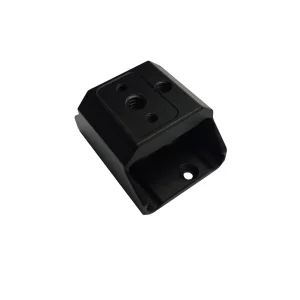
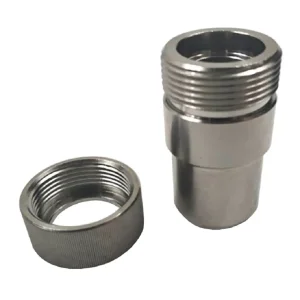
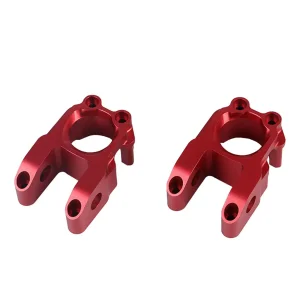
Dongguan SX Technology Co.,Ltd has very rich experience in precision casting, CNC machining and assembly. Our products are used in machinery, automobiles, marine, ships, equipment, valves and pumps, electronic appliances, packaging, watches, construction, chemical industry and other industries. The most commonly used materials for investment casting are stainless steel and carbon steel. And the most commonly used materials for CNC machining include titanium alloy, stainless steel, carbon steel, aluminum alloy, copper alloy, cemented carbide, etc.
We have advanced manufacturing equipment and technology and are able to respond quickly to your needs. By combining the precision of near-net-shape investment casting with high-precision post-processing, we allow OEMs to reduce material scrap by up to 40% and eliminate multiple machining operations, saving both cost and time.
Take a virtual look at our advanced manufacturing floor, machining infrastructure, and shell preparation facilities.
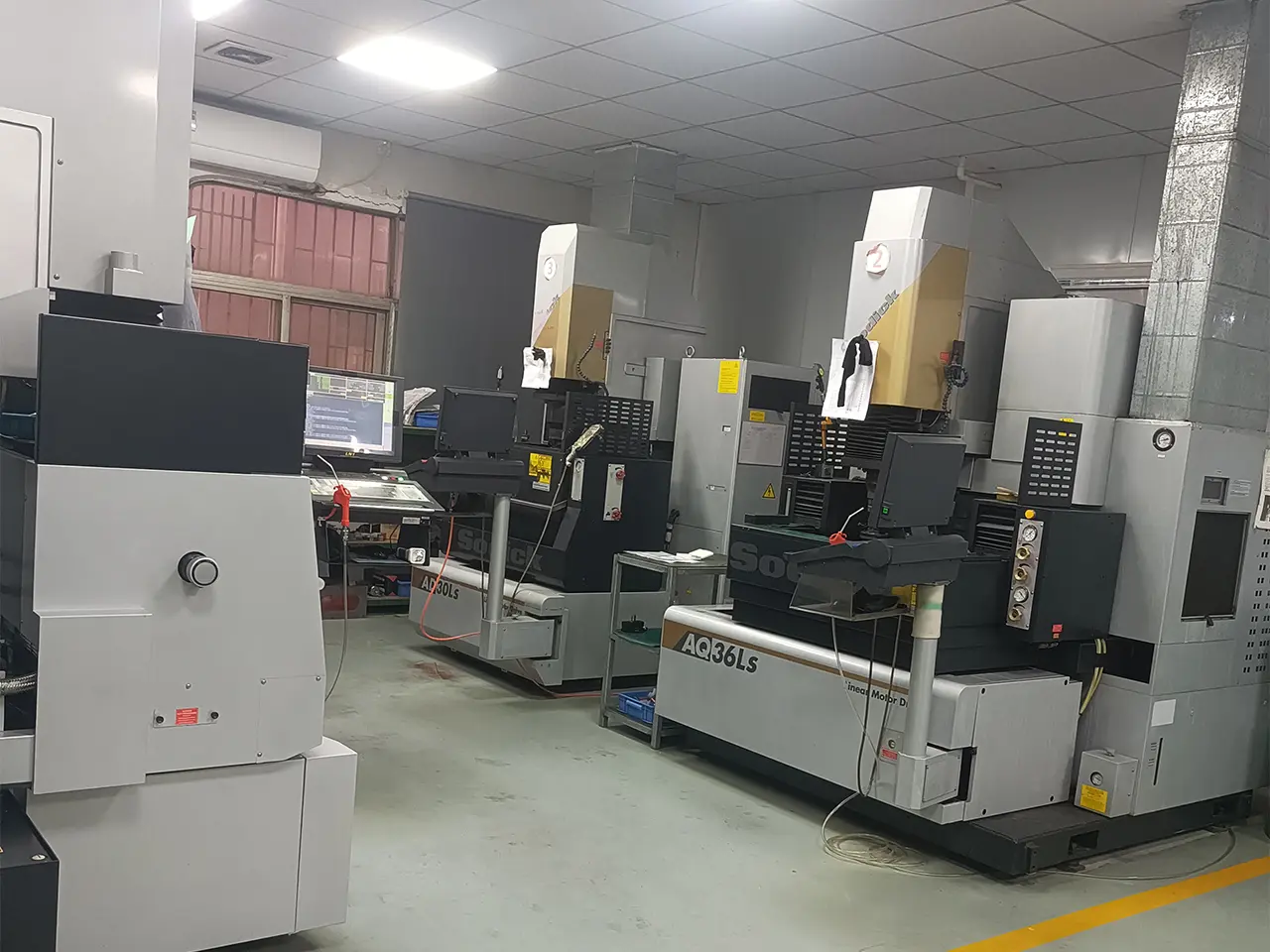
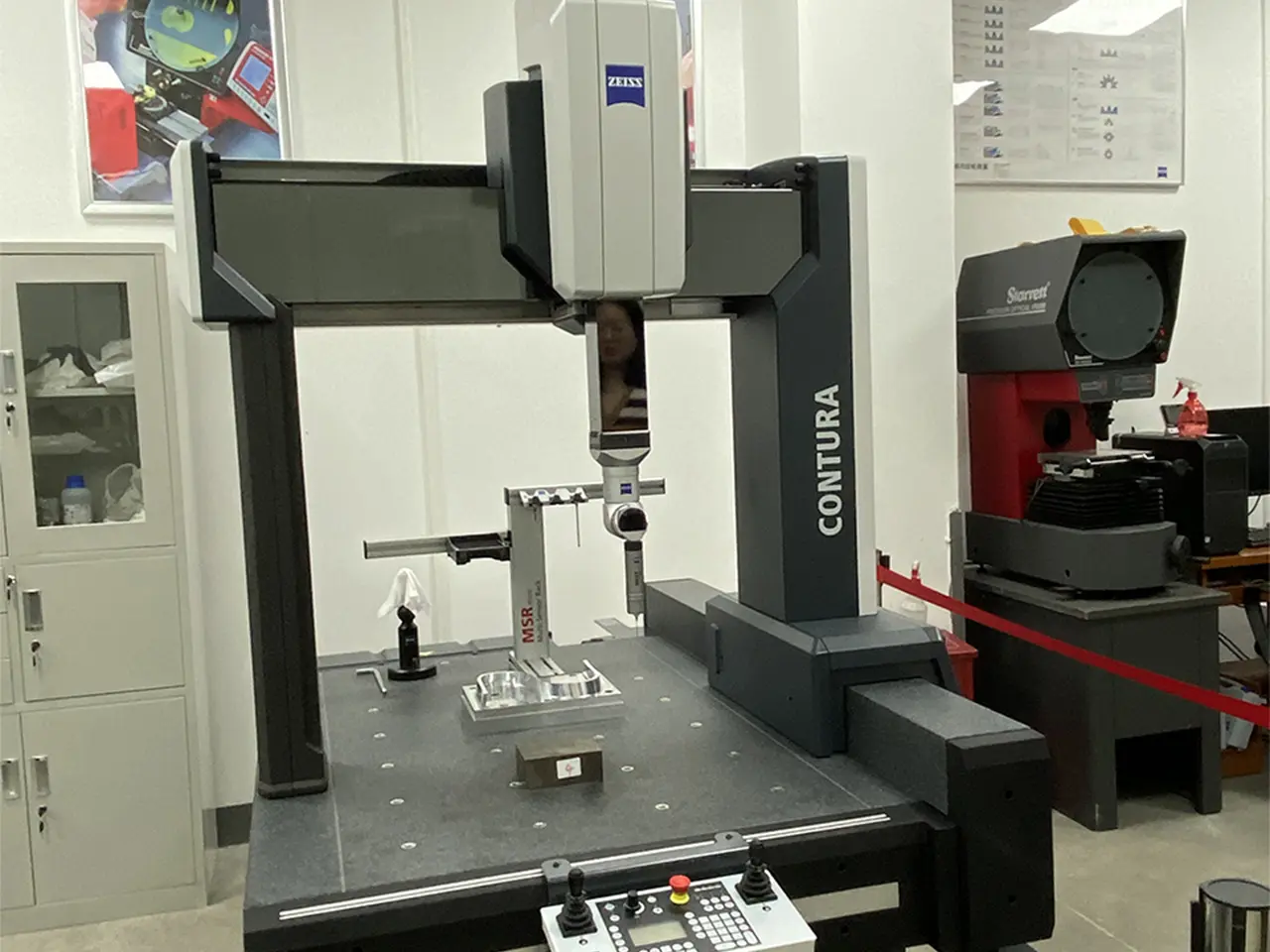
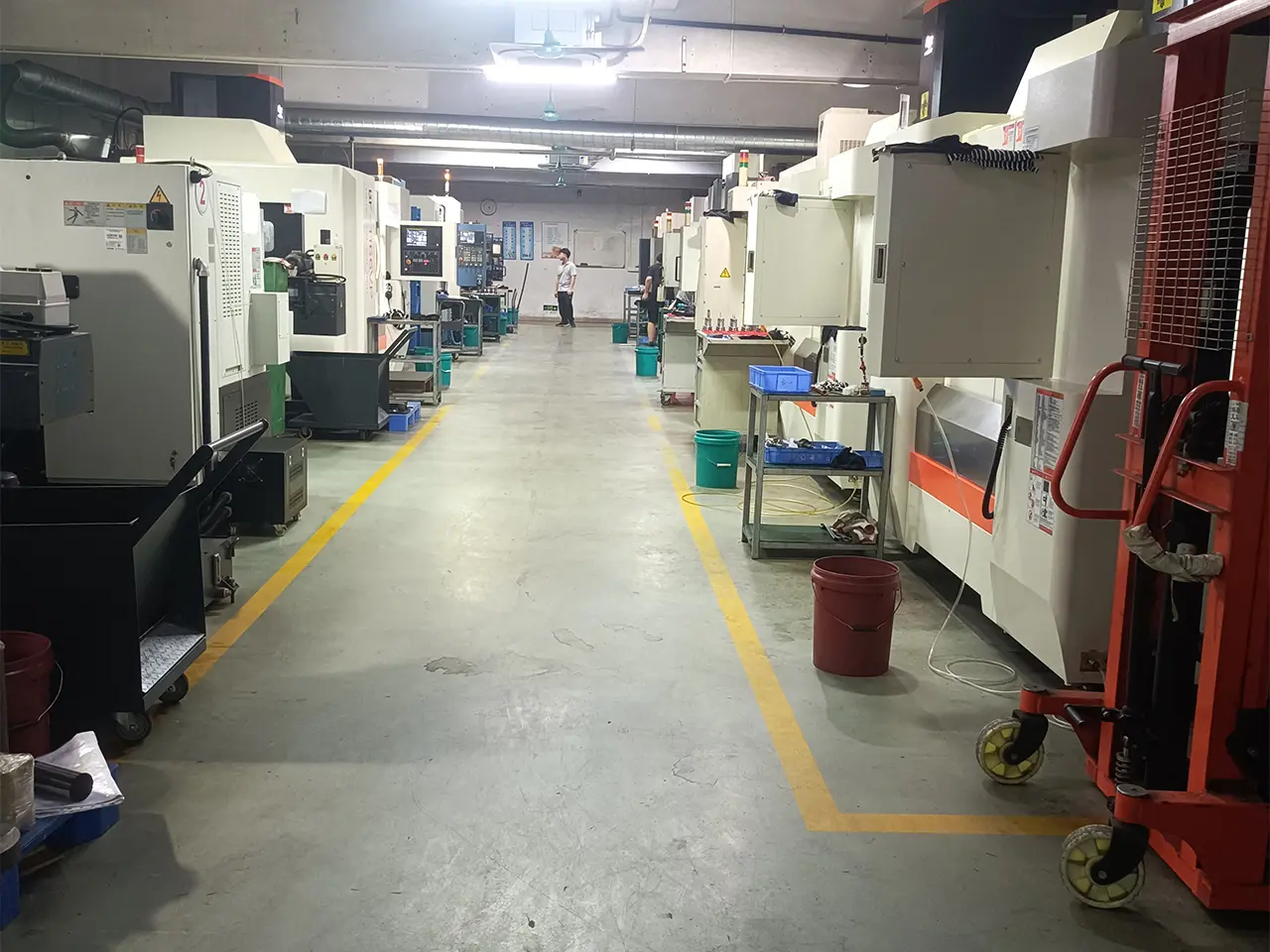
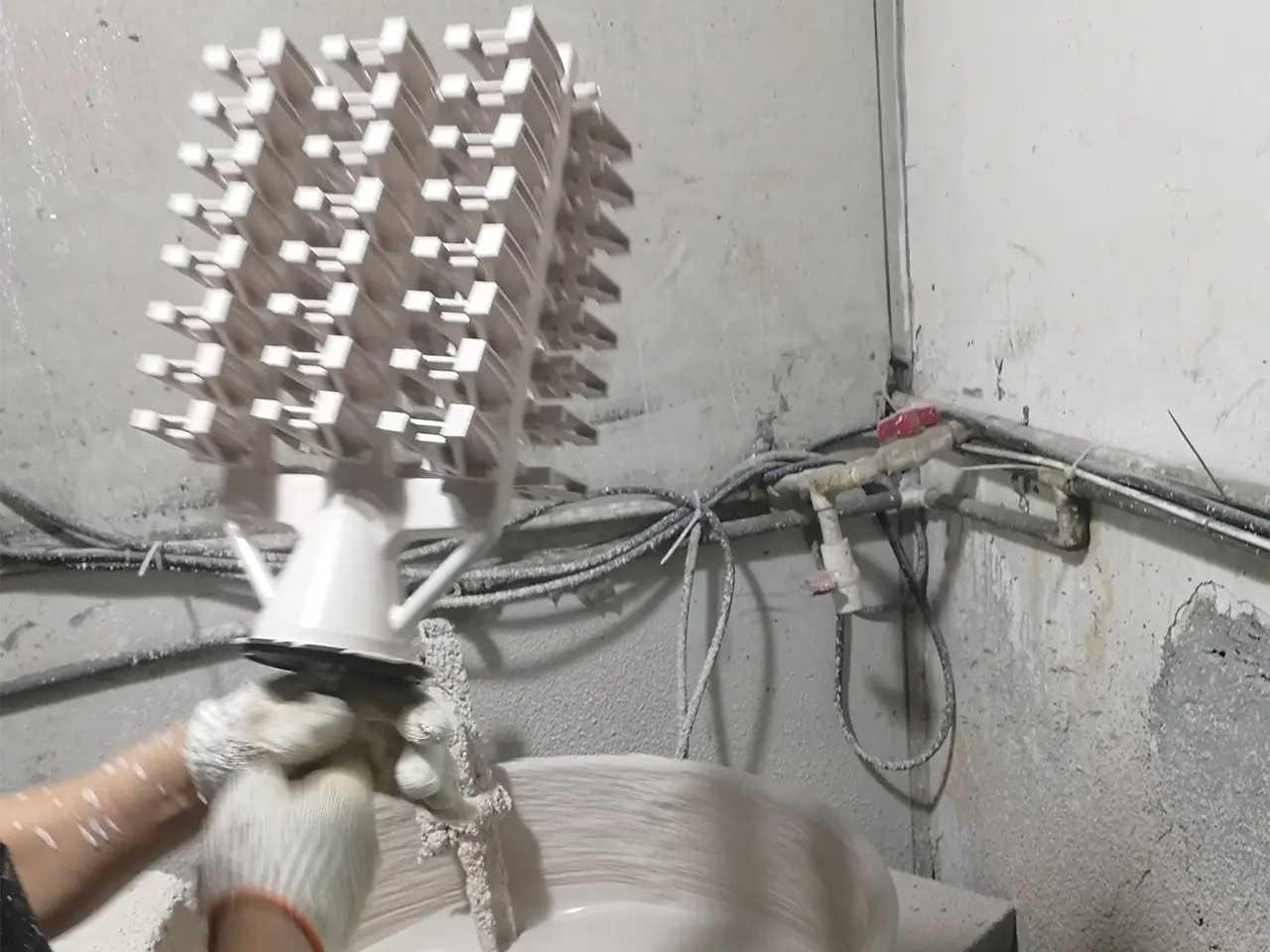
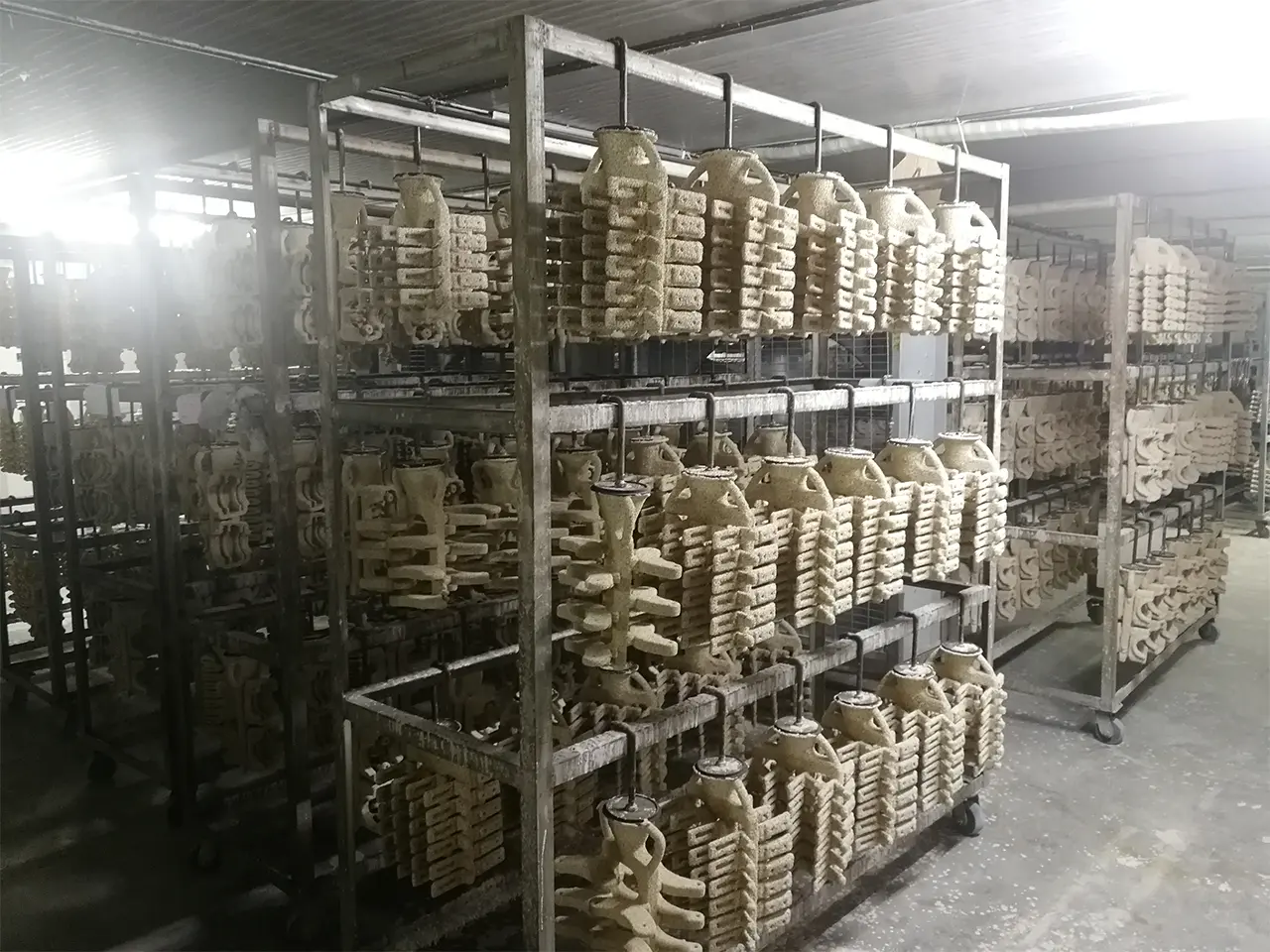
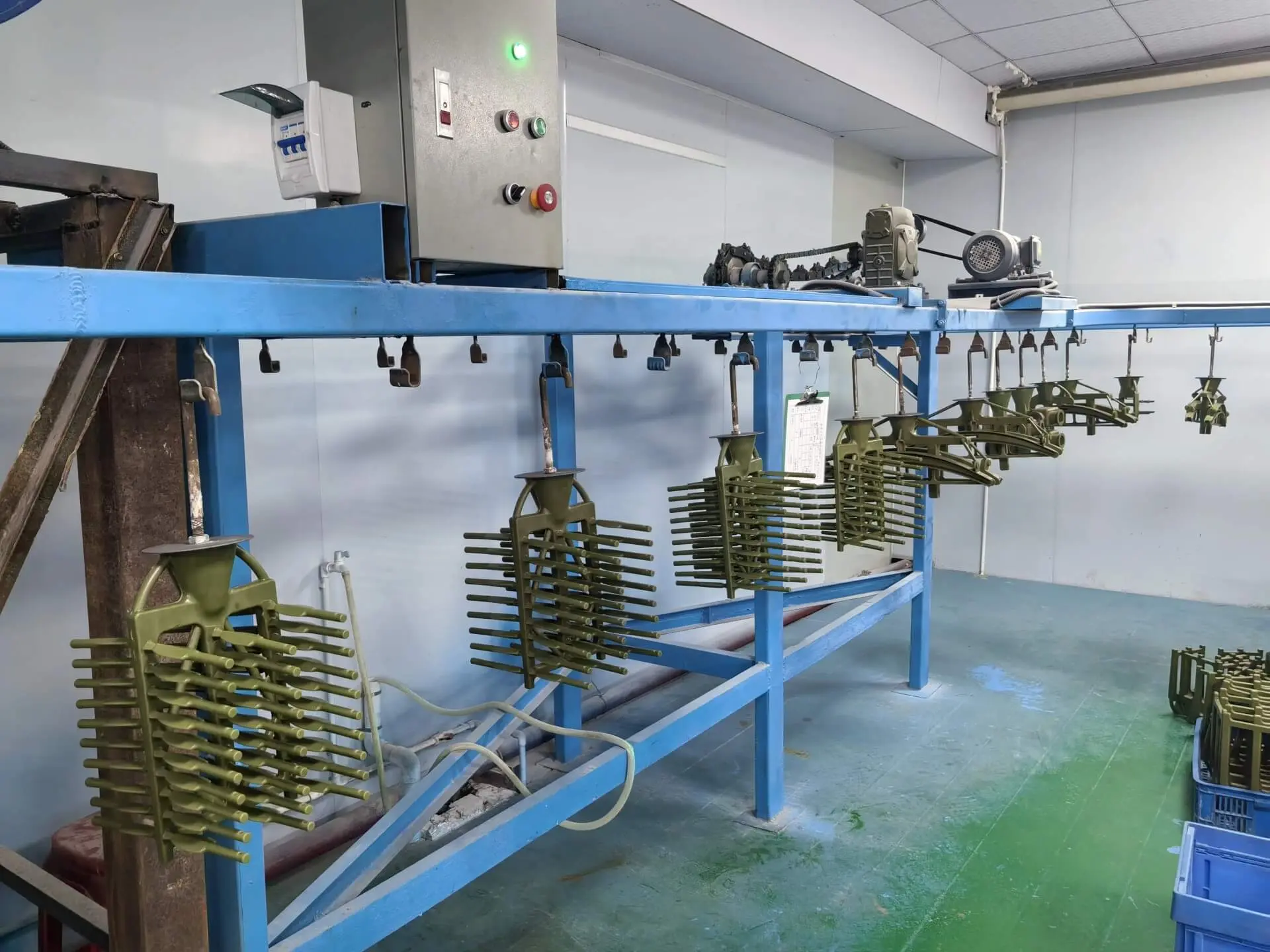
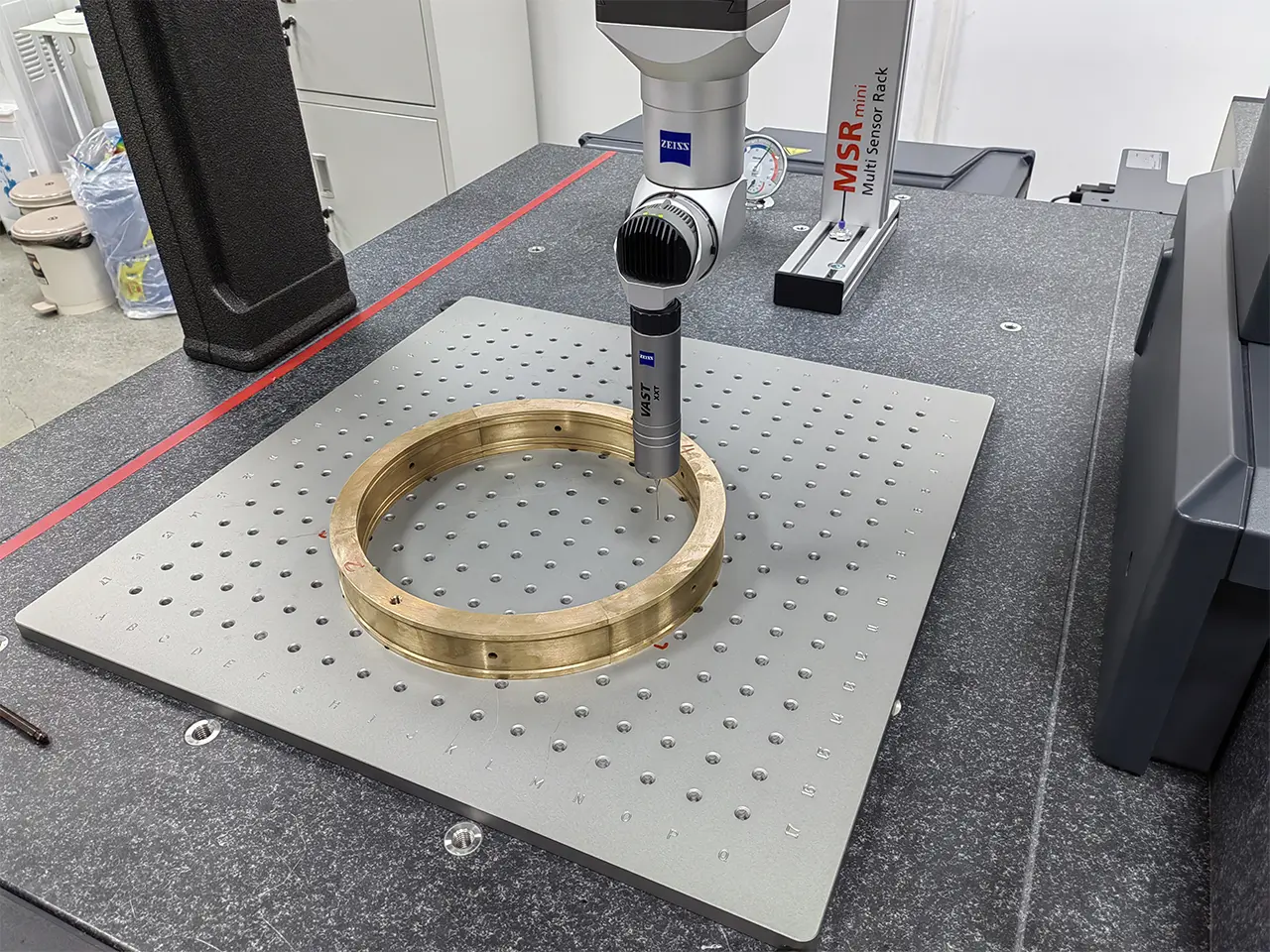
We have professional testing equipment and professional QC personnel, and we adhere to strict tolerances and quality standards for the products we produce. Due to our insistence on strict quality requirements, we have been praised by many customers.
Quality is the cornerstone of the manufacturing industry. We firmly believe that only by controlling quality well can we survive, develop, and get better and better. Therefore, we have been working in this industry unremittingly since 2014 and continue to improve the company's team and improve the company's production capacity.
Our quality management encompasses spectrometer analysis of liquid metals prior to pouring, coordinate measuring machine (CMM) dimensional checks, tensile strength testing, and non-destructive testing (including dye penetrant and ultrasonic testing) to secure void-free castings.
How our casting and custom machining expertise translates into specialized, high-performance parts across key markets.
Corrosive marine environments demand robust alloys like duplex stainless steels and titanium alloys. We manufacture components with high-purity castings that prevent pitting and crevice corrosion, vital for deep-sea submersibles, propeller brackets, and offshore valve components.
Modern automotive setups demand lightweight, robust, and fatigue-resistant parts. Our high-pressure fuel system components, turbocharger impellers, and suspension brackets are casting-optimized, reducing structural defects and guaranteeing safe vehicle operations.
Biocompatible metals like titanium alloys (Ti-6Al-4V) require extreme precision casting techniques. We deliver high-reliability components for medical instrumentation, orthodontic machines, and surgical housings, complying with tight surgical tolerances.
Addressing the shifting needs of international buyers through advanced metalworking technologies.
The industry is rapidly shifting from conventional manual tool making to digital workflow processes. For rapid prototyping and short-run production, we utilize 3D printed polymer and wax patterns. This eliminates the necessity for hard tooling in the initial phases, saving thousands of dollars and accelerating time-to-market.
Global procurers prefer single-source vendors to manage logistics and minimize quality-liability loops. By providing both precision casting and CNC machining services in-house, Dongguan SX Technology manages quality from molten alloy chemistry to final thread inspection, streamlining the supply chain.
Find authoritative answers regarding our production processes, material grades, and business options.
Silica Sol casting offers superior dimensional accuracy (typically CT4-CT6 vs CT7-CT9) and a smoother surface finish (Ra 1.6-3.2 μm). It prevents surface decarburization and is the preferred method for stainless steels, titanium alloys, and critical engineering assemblies. Water glass is cheaper but produces a rougher finish and less precise dimensions.
For investment casting, we specialize in stainless steels (e.g., 304, 316, 316L, 17-4 PH) and carbon steels. For CNC post-machining, we work with titanium alloys (Grade 5, Grade 2), stainless steel, carbon steel, aluminum alloys (6061-T6, 7075), copper alloys, brass, and cemented carbide.
We combine the net-shape capability of casting with secondary CNC milling, turning, and grinding. Every production step is monitored, and finished items are measured using high-precision digital calipers, micrometers, and Coordinate Measuring Machines (CMM) to meet the design blueprint exactly.
Upon request, we furnish material chemical analysis sheets (spectrometer reports), dimensional inspection reports, heat treatment logs, and non-destructive testing reports (NDT). We run all quality control steps under strict ISO 9001 guidelines.
Typically, casting tooling and first-article samples are completed within 15 to 25 days depending on part complexity. Once samples are approved, batch production runs take approximately 20 to 30 days. Express sampling using 3D-printed patterns is also available for rapid prototyping.
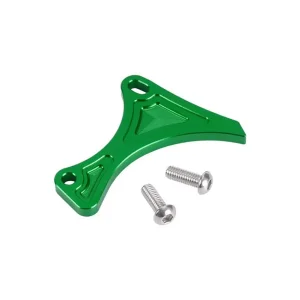
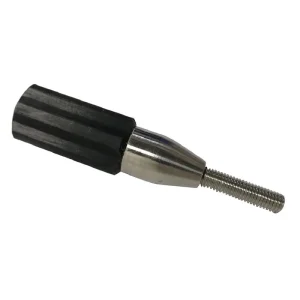
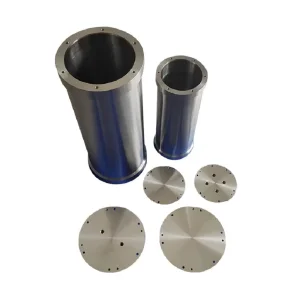
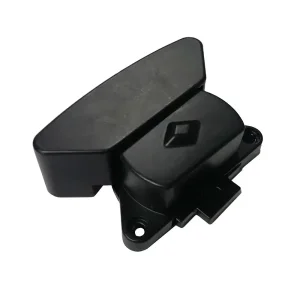
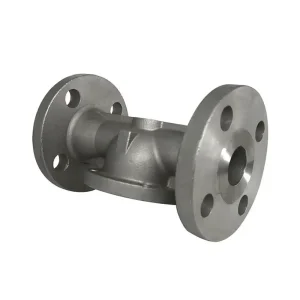
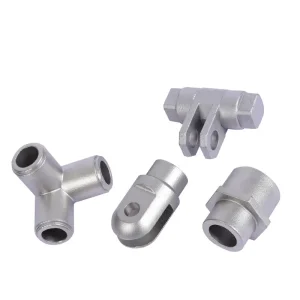
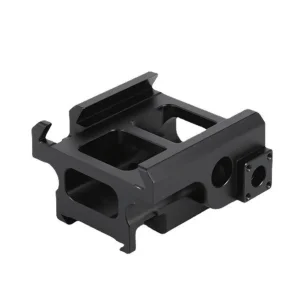
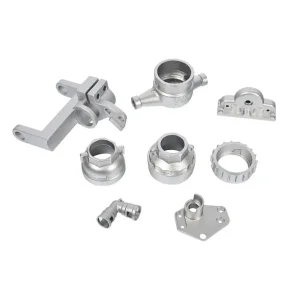
Explore our targeted product range optimized for high durability, wear resistance, and demanding specifications.
 SX Machining