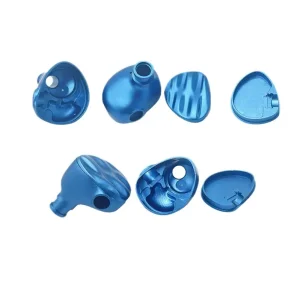
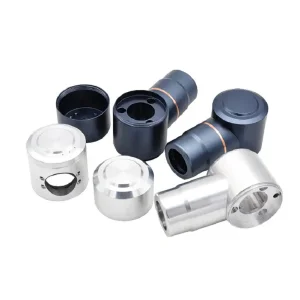
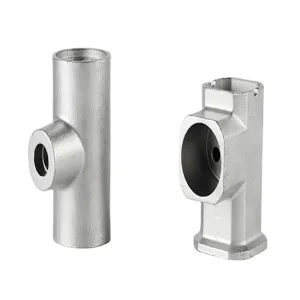
Custom non-standard precision parts manufactured with strict tolerance ranges under rigorous metallurgical standards.
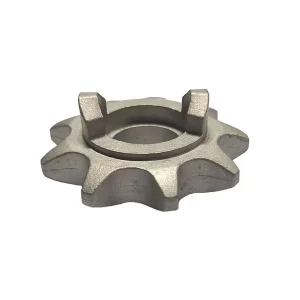
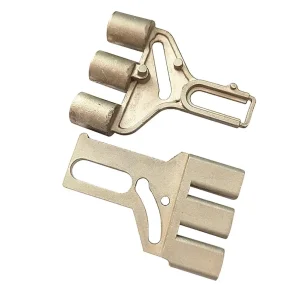
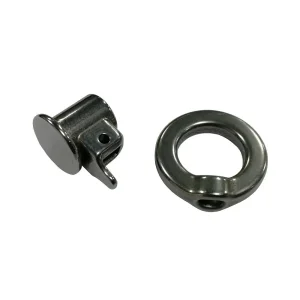
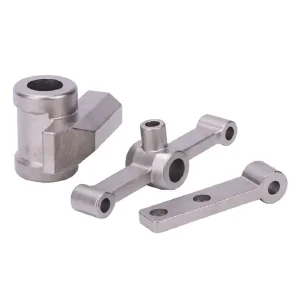
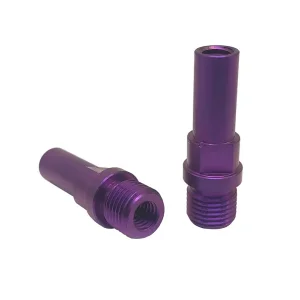
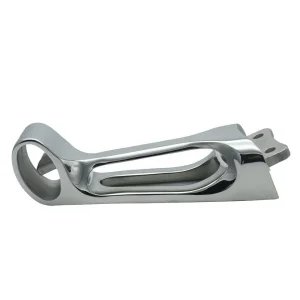
In modern precision engineering, OEM Machining Components represent the structural backbone of critical infrastructure, high-tech hardware, marine vessels, and industrial assembly lines. Global B2B procurement networks demand components that satisfy precise mechanical criteria under dynamic loads, severe corrosion environments, and extreme temperatures.
Currently, heavy industries like aerospace, automotive, energy generation, and chemical processing are undergoing a major shift. The focus is transitioning from standard parts to highly customized, non-standard components. This shift is driven by the need to optimize system performance, decrease material waste, and extend the operating lifecycles of mechanical setups.
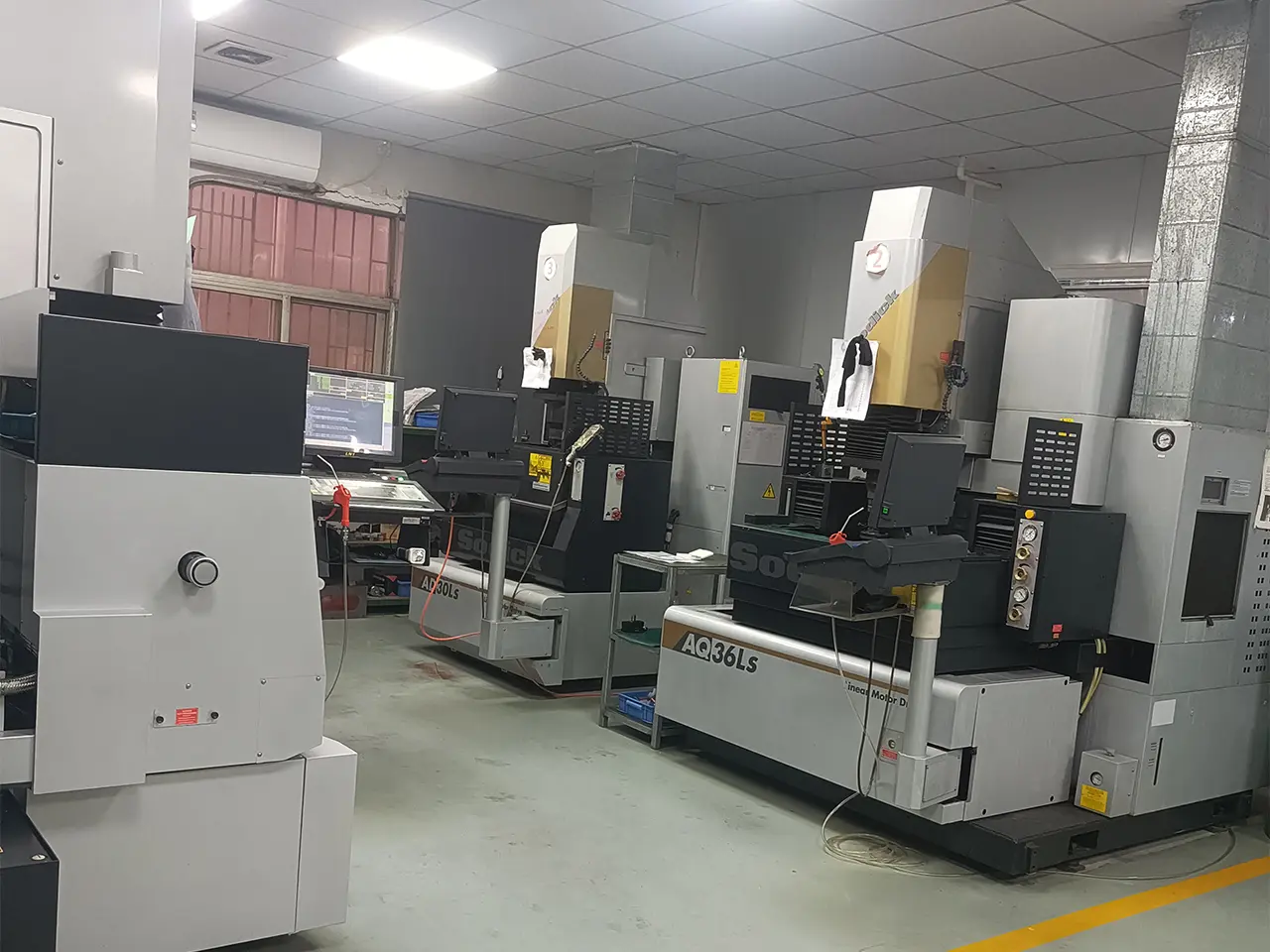
Multi-axis CNC centers guarantee structural tolerances down to ±0.005mm, satisfying strict industrial design metrics.
Processing capabilities ranging from aerospace-grade titanium and heat-resistant stainless steel to heavy carbon alloys.
Combining investment casting with secondary precision CNC machining creates durable structural elements.
Information Gain Dynamic: True quality assurance lies in manufacturing traceabilities. Real-time chemical analysis (via spectrometer verification) ensures alloy structures align with ASTM, EN, and JIS designations before mechanical machining begins.
Dongguan SX Technology Co., Ltd. has very rich experience in precision casting, CNC machining and assembly. Our products are used in machinery, automobiles, marine, ships, equipment, valves and pumps, electronic appliances, packaging, watches, construction, chemical industry and other industries.
The most commonly used materials for investment casting are stainless steel and carbon steel. And the most commonly used materials for CNC machining include titanium alloy, stainless steel, carbon steel, aluminum alloy, copper alloy, cemented carbide, etc. We have advanced manufacturing equipment and technology and are able to respond quickly to your engineering requirements.
Take a closer look at our high-precision CNC manufacturing cells, multi-axis machining facilities, and casting divisions.
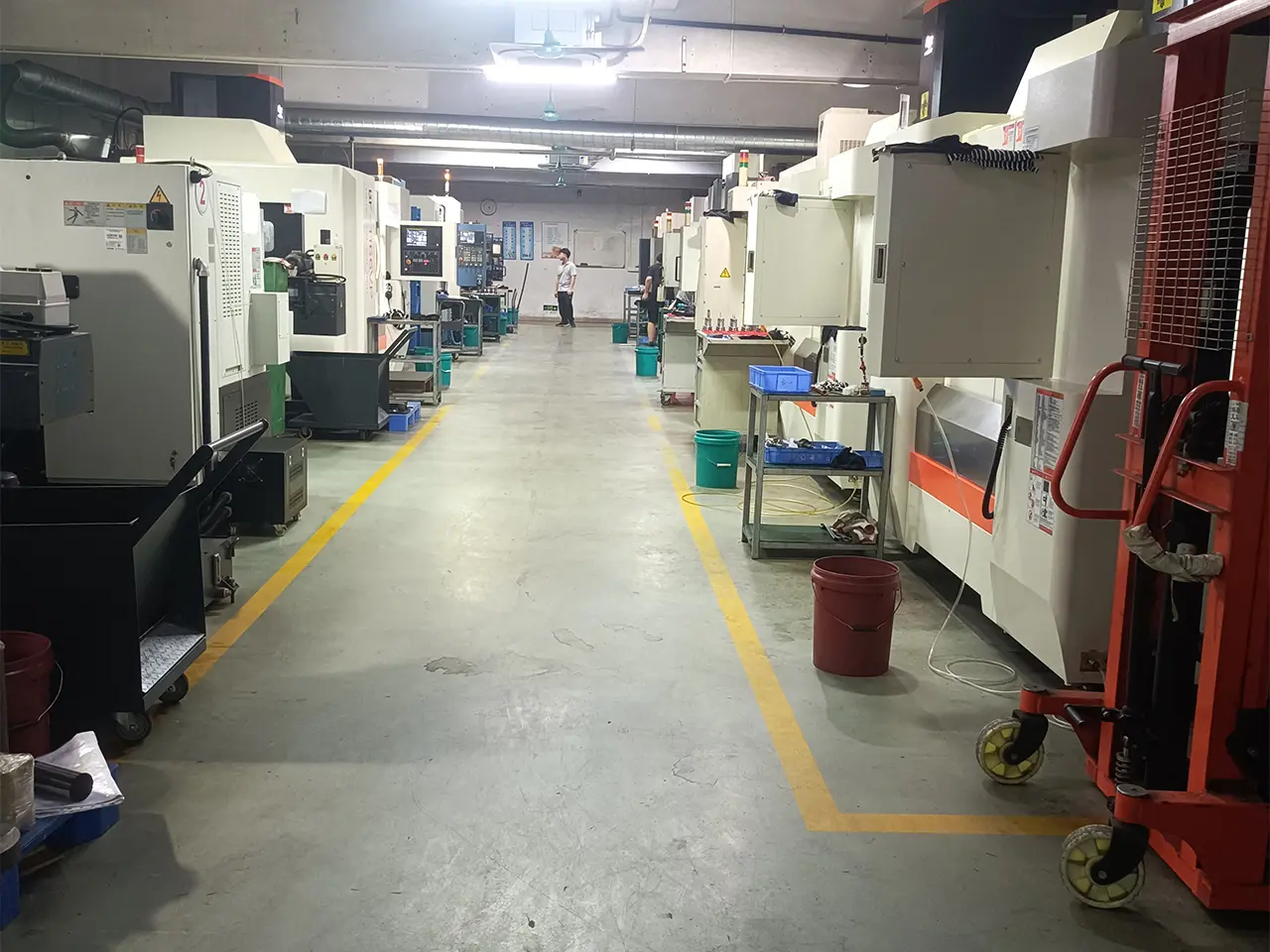
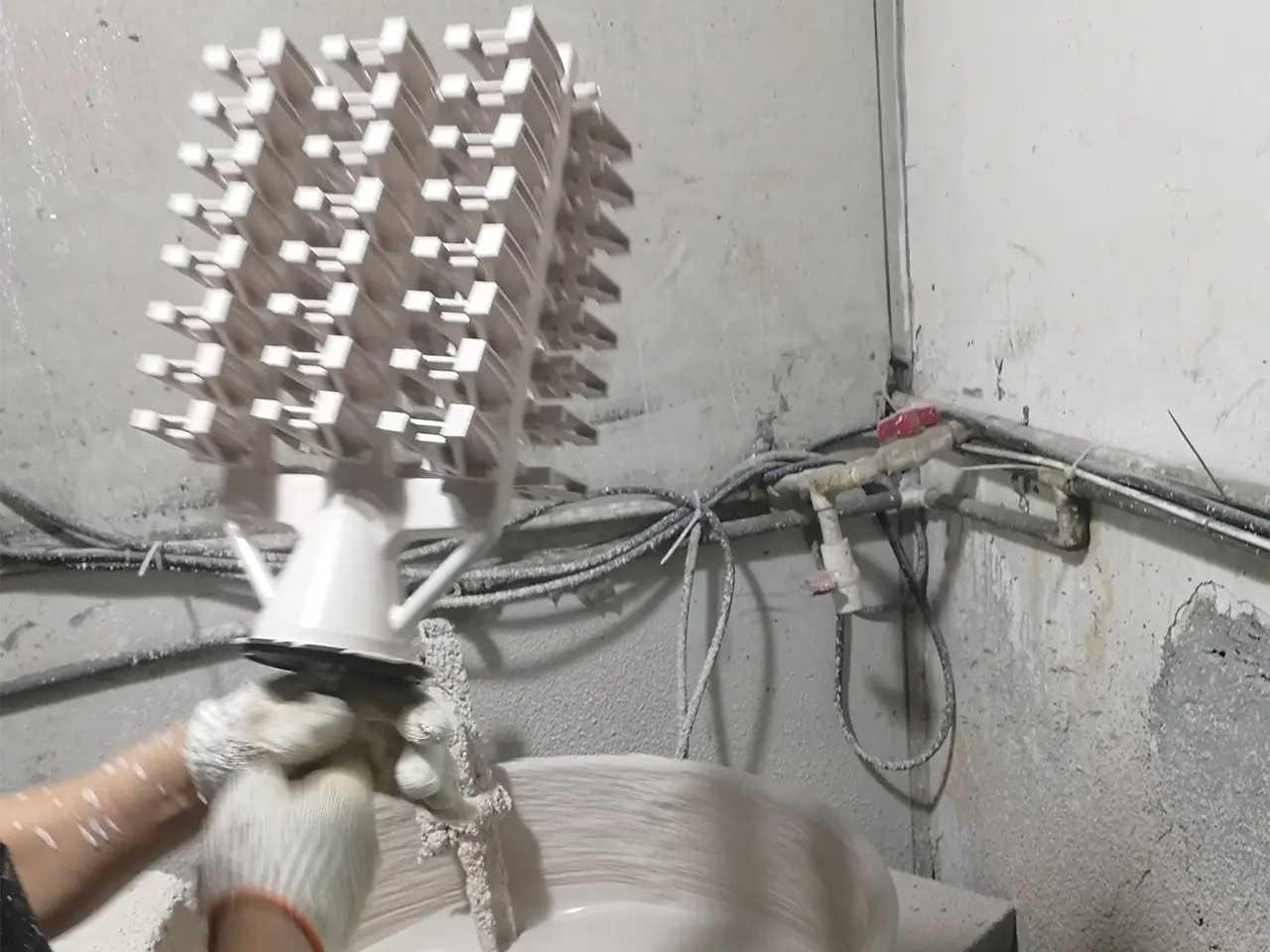
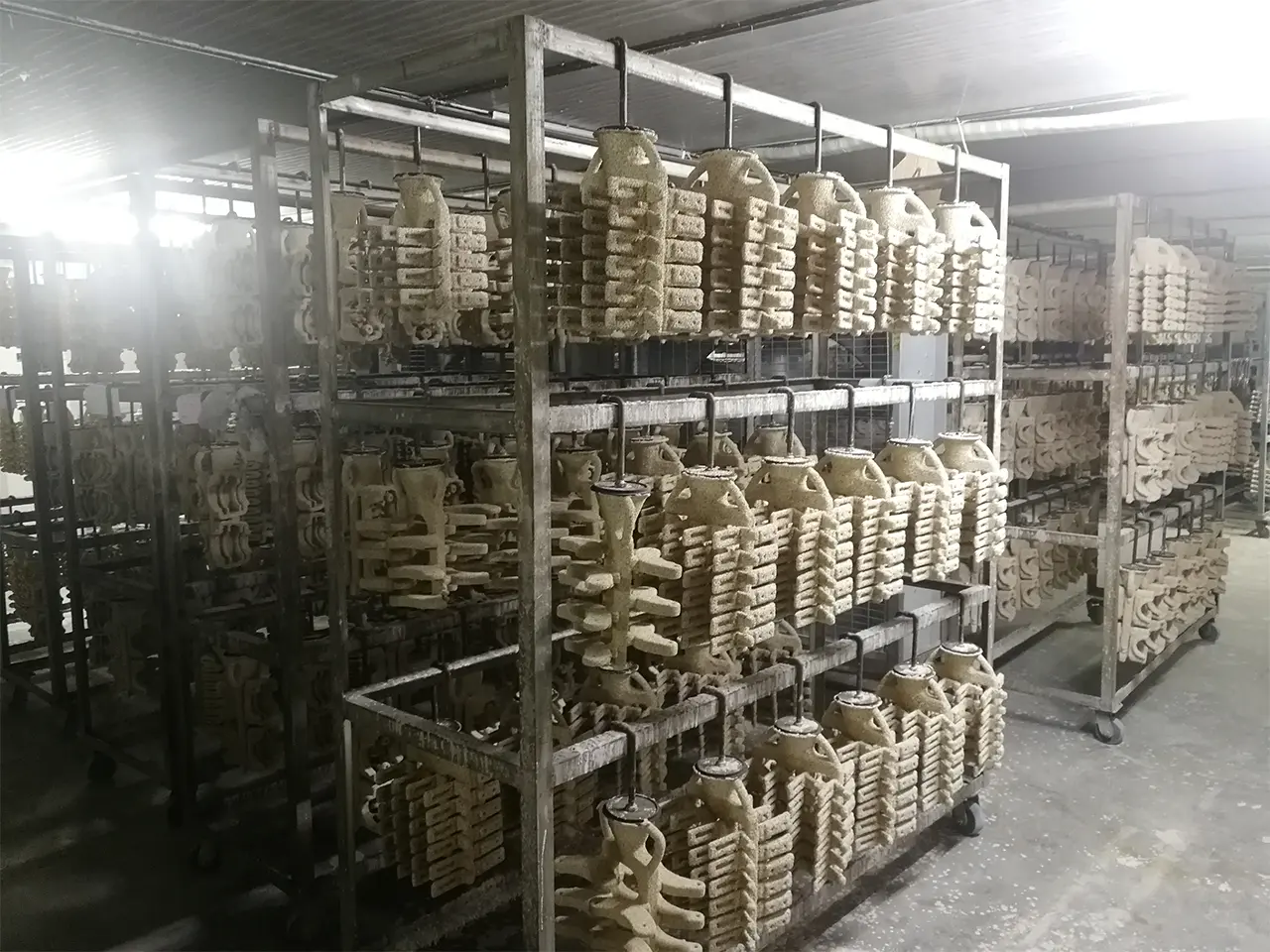
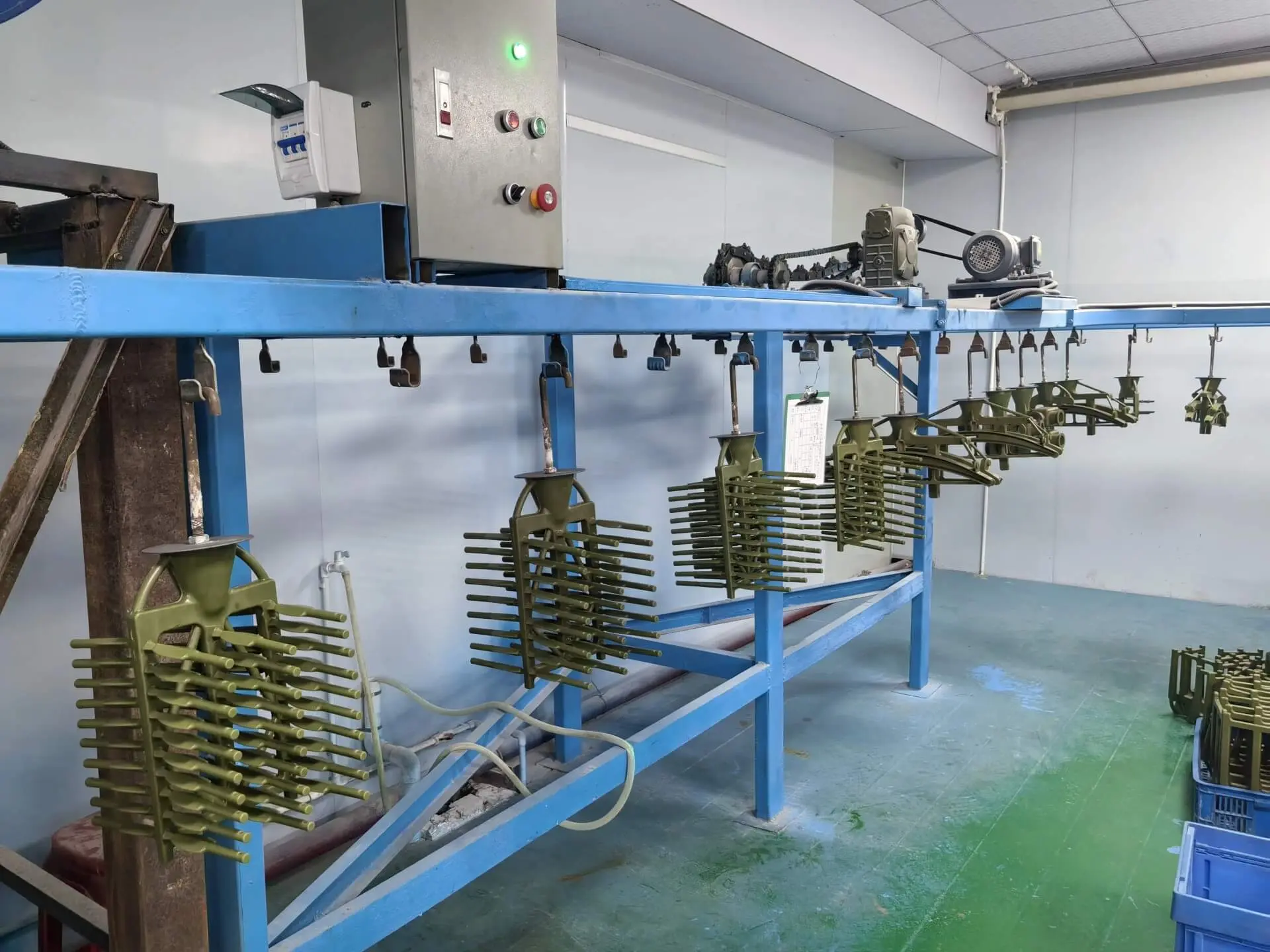
Manufacturing precision components in China, particularly in industrial clusters like Dongguan, offers key strategic advantages. These advantages extend beyond labor cost differentials to include advanced ecosystem integration, logistics, and supply chain speed.
Different global markets require specialized localized designs. For example, North American marine hardware developers demand high-durability C95800 aluminum bronze or SUS316 investment castings to resist harsh saltwater environments. In contrast, European automation design offices need lightweight CNC-milled 7075-T6 anodized aluminum housings to reduce system inertia in high-speed pick-and-place robotics.
By acting as an integrated manufacturing partner rather than an isolated subcontractor, we evaluate CAD designs for manufacturability (DFM). We adjust draft angles in castings and suggest thread profiles in tough-to-machine alloys like titanium to reduce tool wear while protecting structural performance.
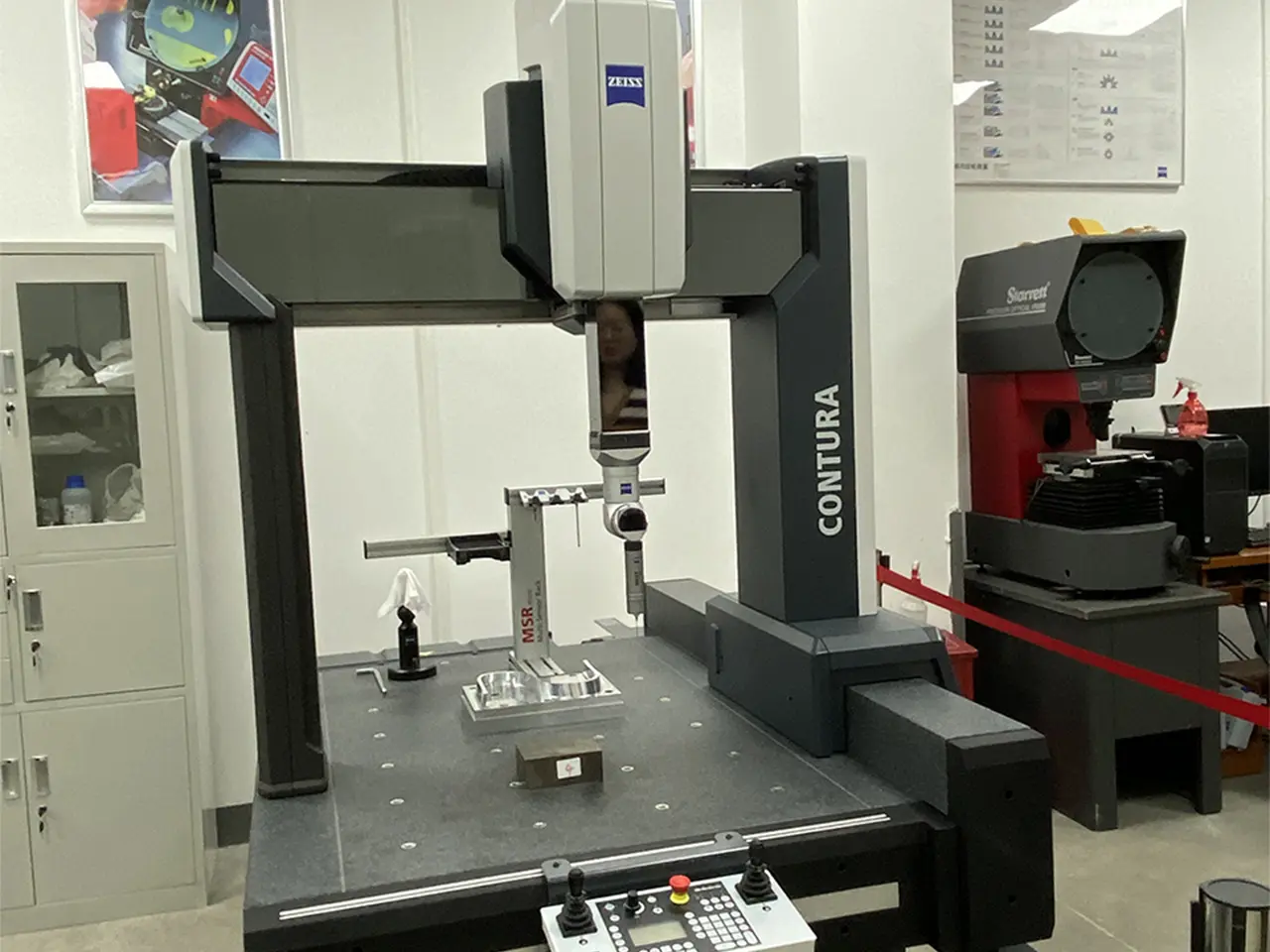
We have professional testing equipment and professional QC personnel, and we adhere to strict tolerances and quality standards for the products we produce. Due to our insistence on strict quality requirements, we have been praised by many customers.
Quality is the cornerstone of the manufacturing industry. We firmly believe that only by controlling quality well can we survive, develop, and get better and better. Therefore, we have been working in this industry unremittingly since 2014 and continue to Improve the company's team and improve the company's production capacity.
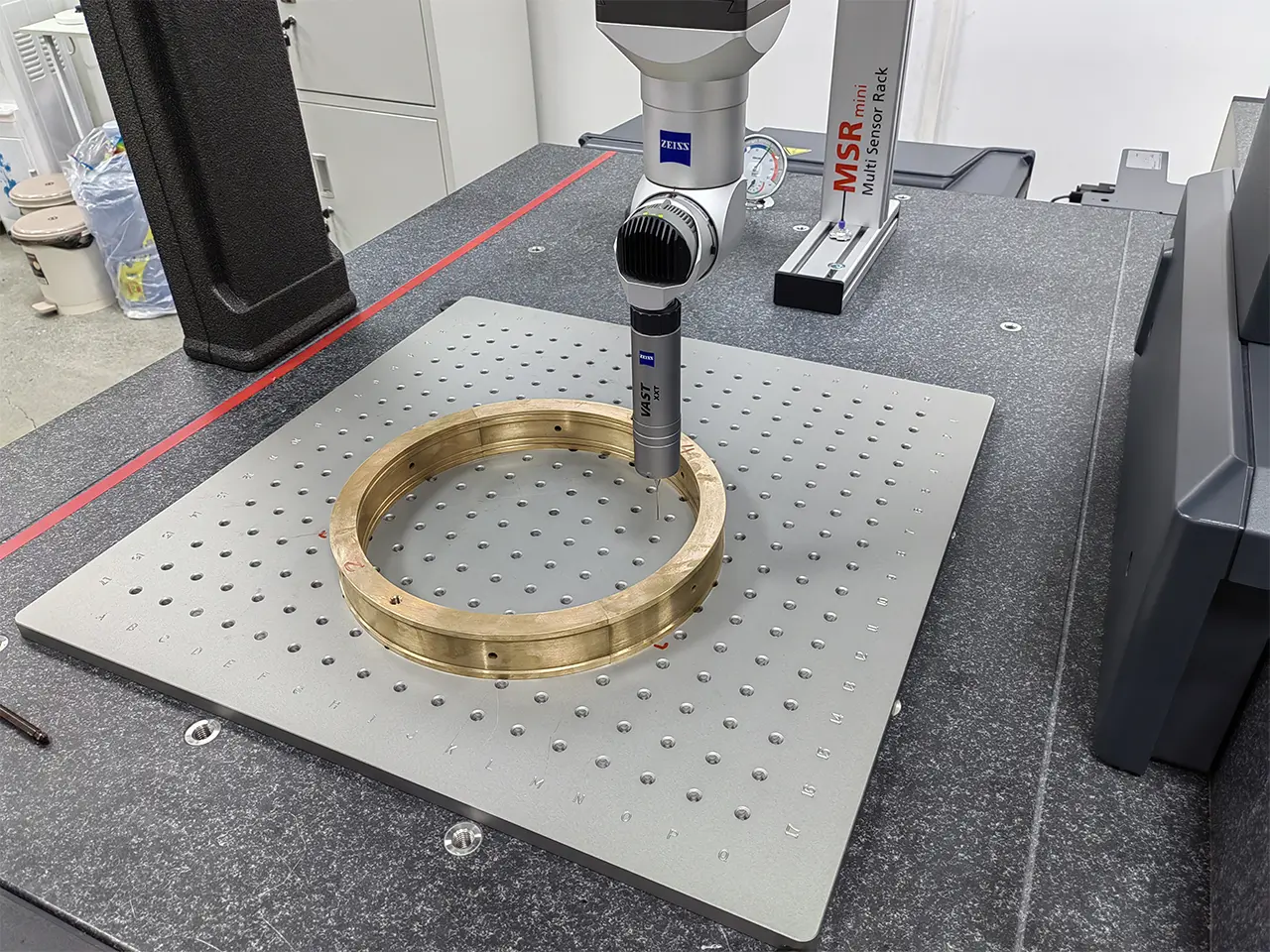
Our validation protocol includes Coordinate Measuring Machine (CMM) testing, optical profile projection, ultrasonic nondestructive testing (NDT), salt spray testing for marine components, and tensile strength assessments to ensure structural integrity.
The manufacturing sector is adopting new processes like hybrid CNC-additive manufacturing, automated toolpath generation, and green manufacturing. These advancements allow manufacturers to offer complex geometric profiles while reducing material waste.
For modern procurement managers, choosing a supplier involves evaluating more than just part-by-part costs. Key factors like environmental compliance, ISO certificates, supply chain transparency, and digital communication play a critical role.
As lead times shorten and custom parts become more complex, we address these challenges by providing comprehensive engineering reports and detailed DFM feedback. This collaborative approach minimizes design loops, speeds up production cycles, and ensures parts function correctly on the first run.
Common questions answered by our chief metallurgists and CNC engineering leads.
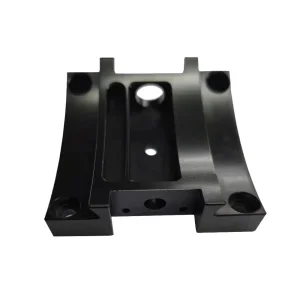
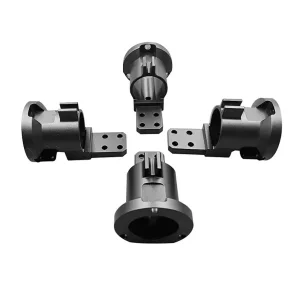
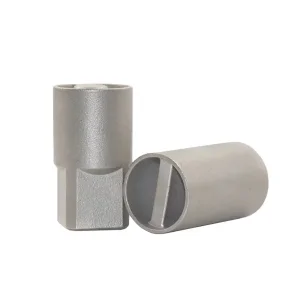
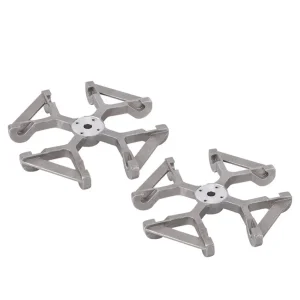
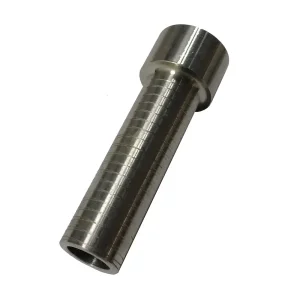
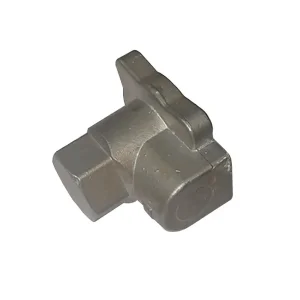
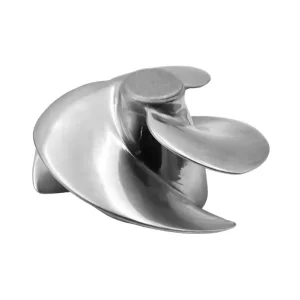
Explore our diverse range of custom OEM products designed for heavy industries, marine environments, and general engineering.
 SX Machining