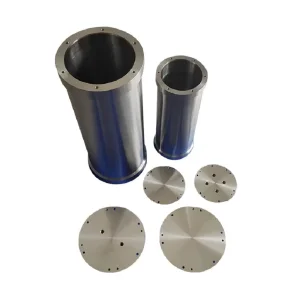
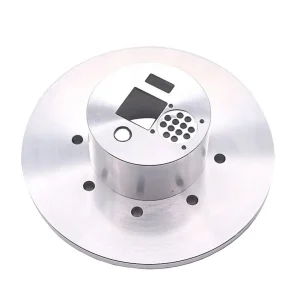
Discover our primary product capabilities, featuring strict material tracking, high-precision geometry, and optimized durability for hostile working environments.
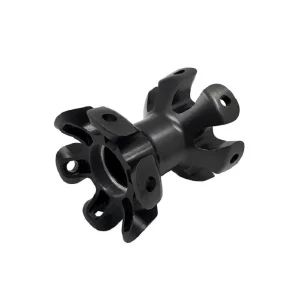
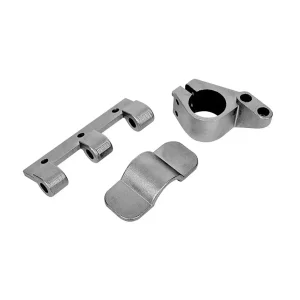
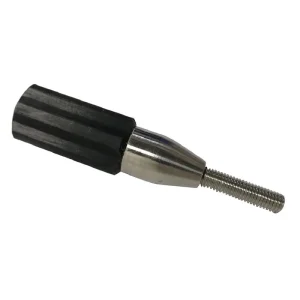
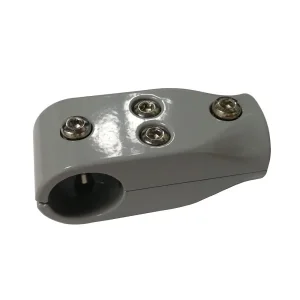
The industrial landscape for steel casting alloys is undergoing a massive transformation driven by requirements for extreme environmental resistance, weight reduction, and rapid prototyping. In high-stakes industries such as oil and gas, marine engineering, aerospace, and heavy chemical processing, components must survive unprecedented stresses. Designers are moving beyond traditional carbon steels to adopt complex formulations of stainless steel, duplex, super duplex, and nickel-cobalt superalloys.
Advancements in computer-aided metallurgical simulation (like sand mold solidification profiling and thermal field analysis) allow foundries to predict structural anomalies before metal is ever poured. By aligning the molten metal flow dynamics with precision cooling rates, manufacturers eliminate internal shrinkage porosity and microscopic gas pockets, ensuring cast components exhibit isotropic mechanical characteristics comparable or superior to forged parts.
Furthermore, sustainability dictates casting designs. Today's OEM casting operations utilize high ratios of clean, recycled metal charge material combined with induction furnace purification techniques. This minimizes the carbon footprint of production cycles while retaining rigorous trace-element chemistry control—which is essential for maintaining corrosion defiance in subsea offshore platforms and ultra-high temperature pressure vessels.
Utilization of solidification analysis software to trace thermal gradients and control dendritic structures, dramatically lowering structural failures.
Adopting dual-phase duplex structures and localized alloy enrichment processes to withstand extreme acidic, alkaline, and high-chloride solutions.
Integration of ultra-efficient clean electric induction melting furnaces and advanced particulate scrubbers to satisfy strict ESG targets.
Procuring custom-engineered casting products is dynamic. Industrial procurement managers consistently face bottlenecks related to dimensional accuracy deviations, metallurgical defects, long lead times, and poor sub-supplier communications. To establish a reliable supply loop, OEM buyers require partners who understand the entire engineering lifecycle—from initial 3D design analysis to raw ingot melting, machining, surface optimization, and custom logistics management.
Design for Manufacturability (DFM) Assessment: Translating CAD files into optimized castings requires meticulous engineering review. A casting designed without proper draft angles, wall thickness transitions, or localized hot spots will yield high scrap rates. Our collaborative engineering process begins with virtual stress modeling, solidification analysis, and mold-flow feedback, eliminating tooling redesign loops.
Supply Chain Security and Material Traceability: Modern compliance frameworks require verified heat codes and raw metal compositions. Dongguan SX Technology ensures full transparency: from raw metal spectrometer verifications to 3.1 chemical certificate generation, providing a digital path from melting pot to finished machined component.
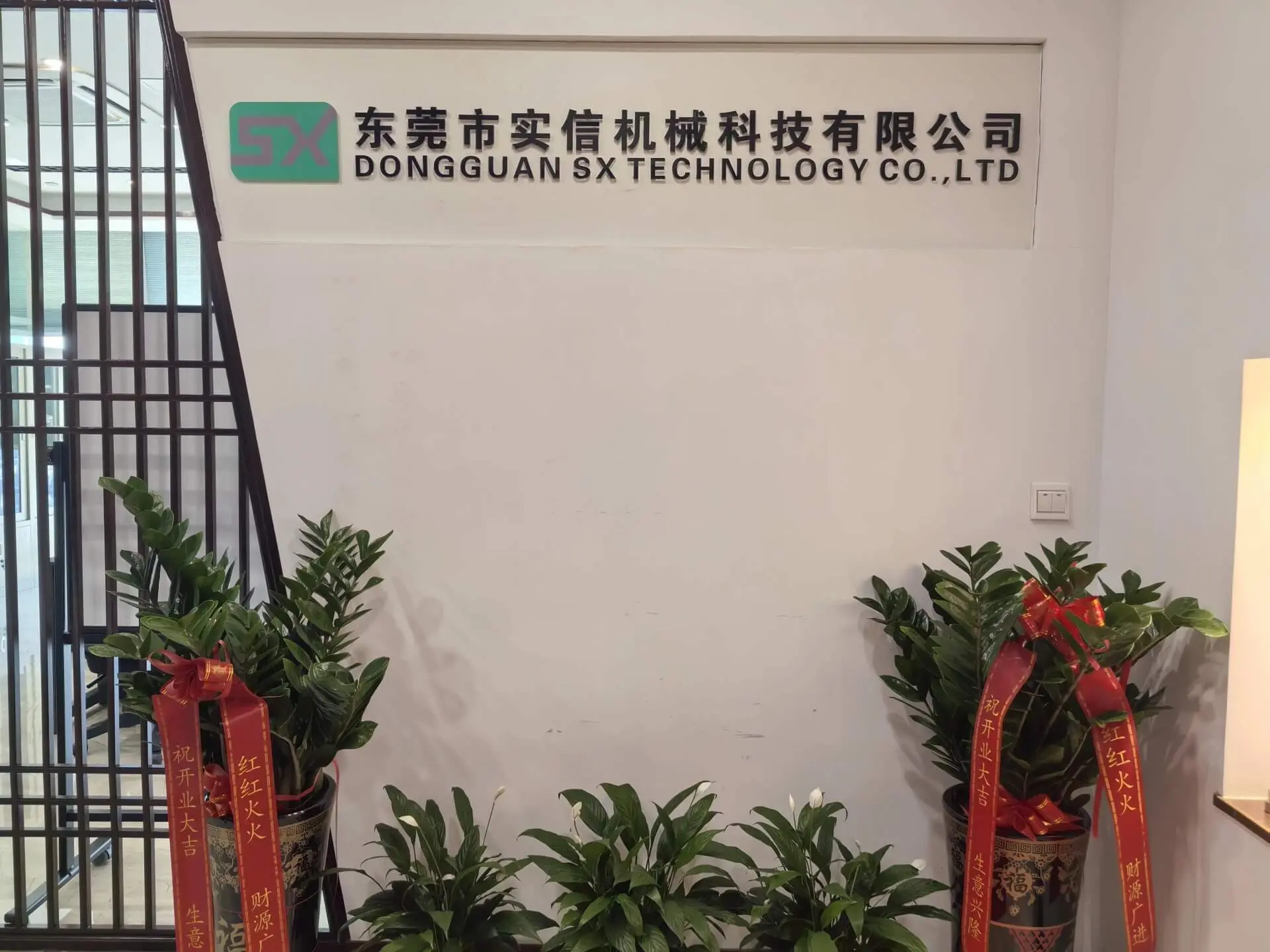
Founded in 2014, Dongguan SX Technology Co., Ltd has developed deep experience in precision investment casting (lost wax process), high-tolerance CNC machining, and complex mechanical assembly. We serve global clients operating in machinery, automotive, marine propulsion, shipbuilding, industrial fluid systems, process instrumentation, valves and pumps, electronic hardware, packaging equipment, horology, structural construction, and chemical infrastructure.
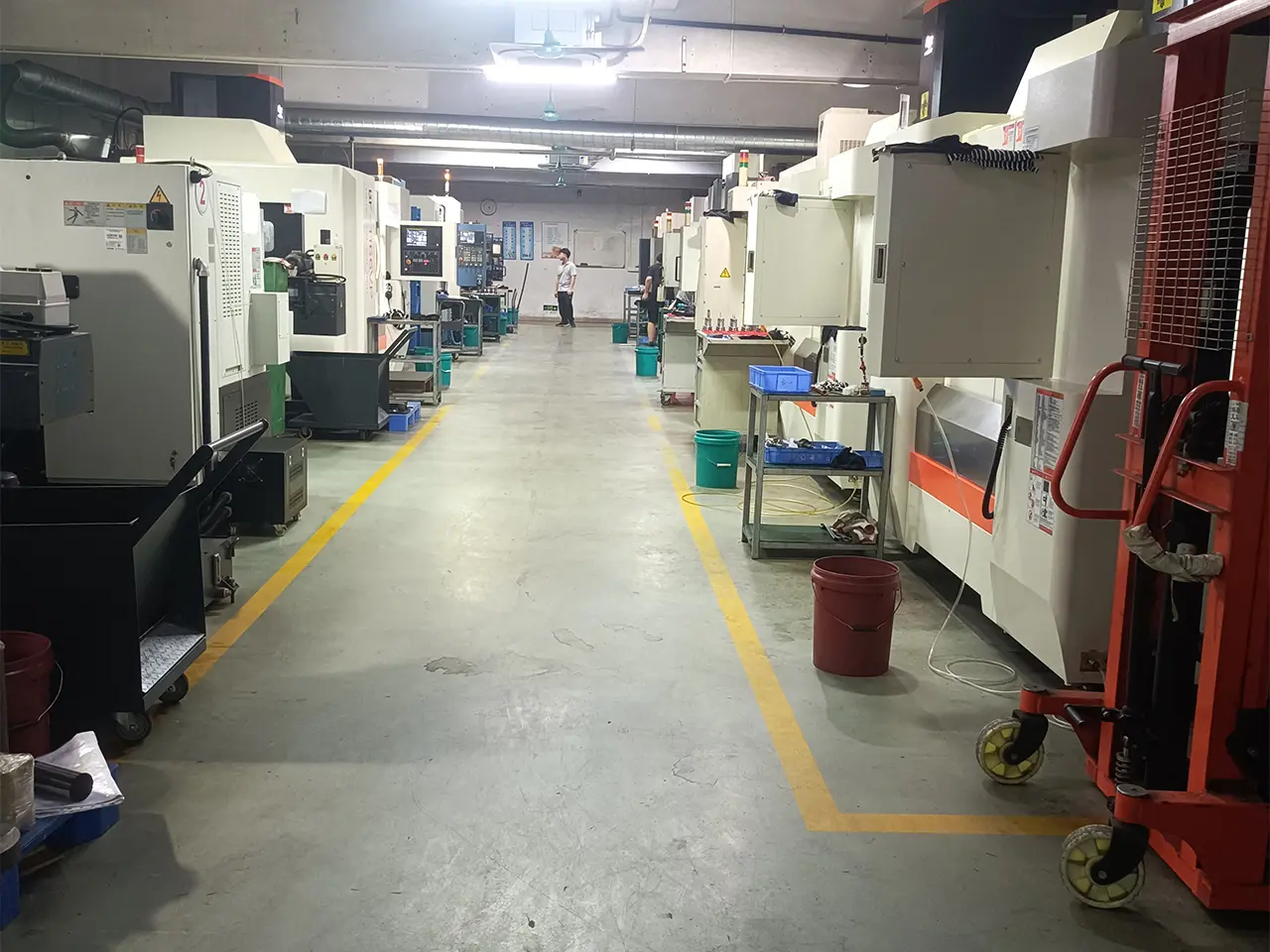
Our facility bridges the gap between raw foundry outputs and high-precision finished components. The most commonly used materials for our investment casting division include stainless steel (austenitic, martensitic, duplex) and structural carbon steels. For post-cast machining or standalone billet processing, our CNC capabilities work with premium materials such as titanium alloys, stainless steel grades, carbon steel, lightweight aluminum alloys, copper-based alloys, and cemented carbides. Armed with advanced machinery and testing setups, we respond quickly to specialized design specifications.
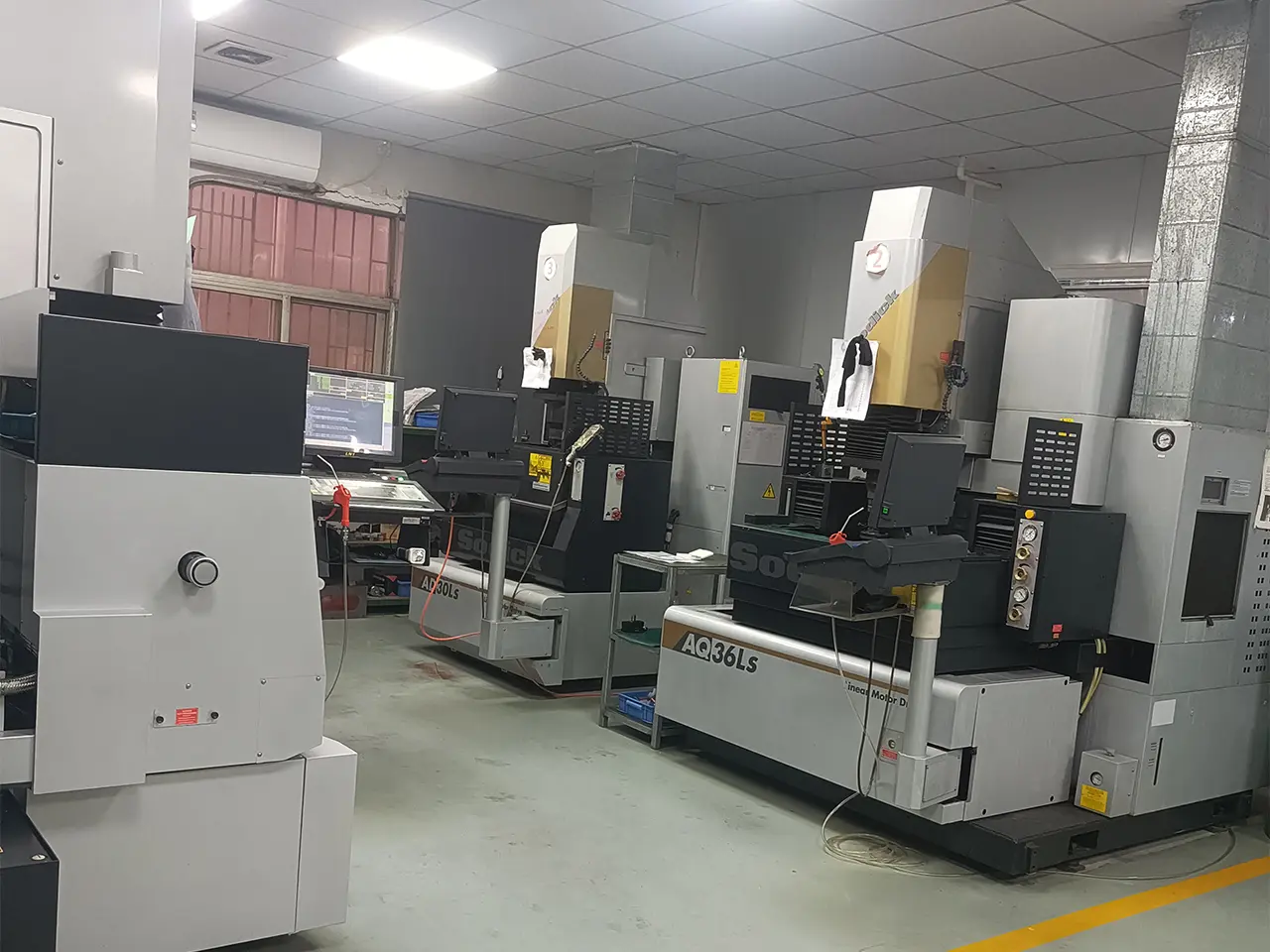
By keeping casting development, heat treatment, and CNC secondary finishing under one operational umbrella, we control quality throughout production. This integrated approach shortens setup times, controls dimensional tolerance build-up (tolerance stack-up), and reduces logistics costs.
Whether your project requires high-precision structural titanium parts for deep-sea instrumentation or corrosion-resistant marine stainless steel valve bodies, our technical specialists ensure every component matches your technical drawings.
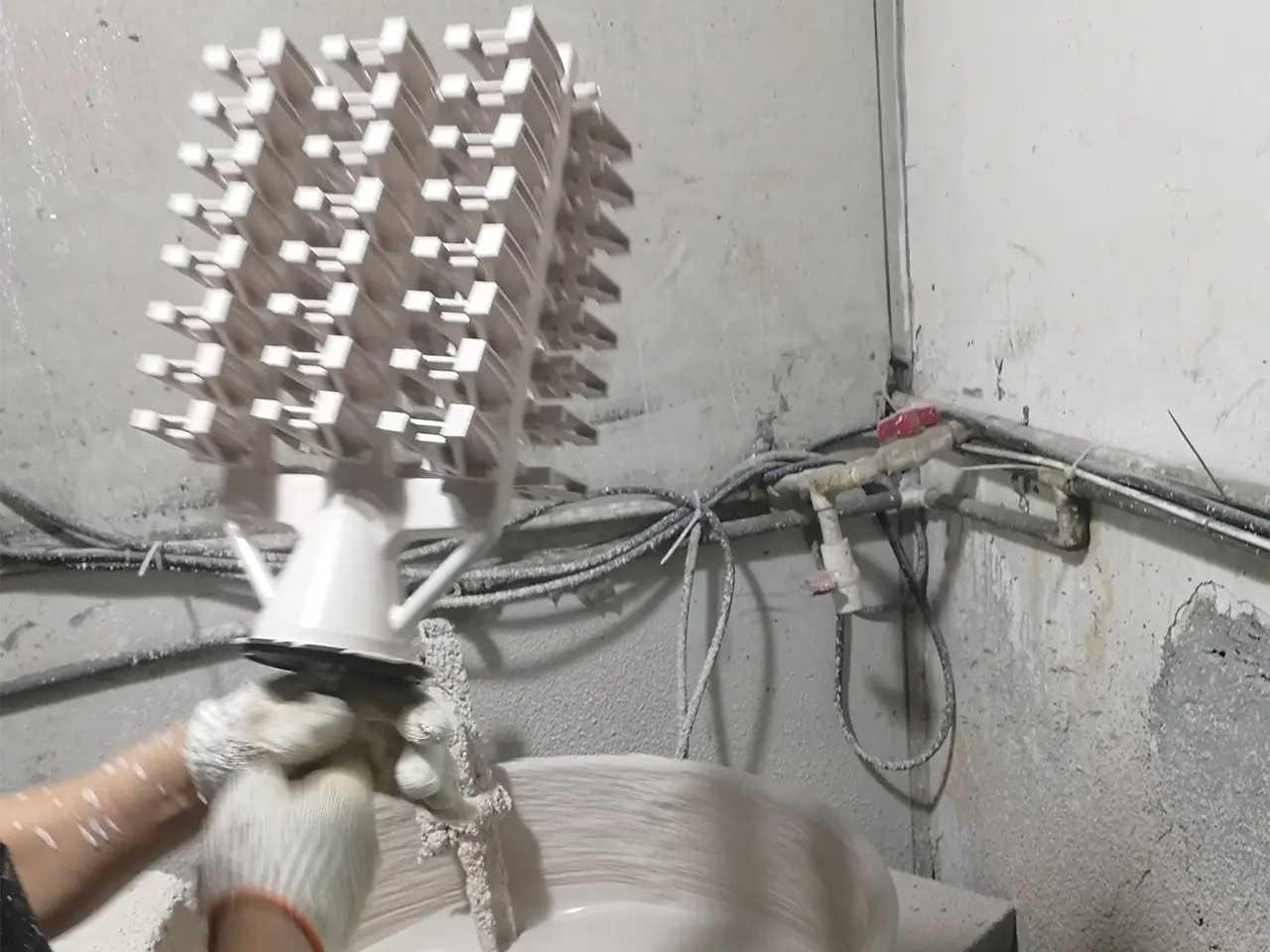
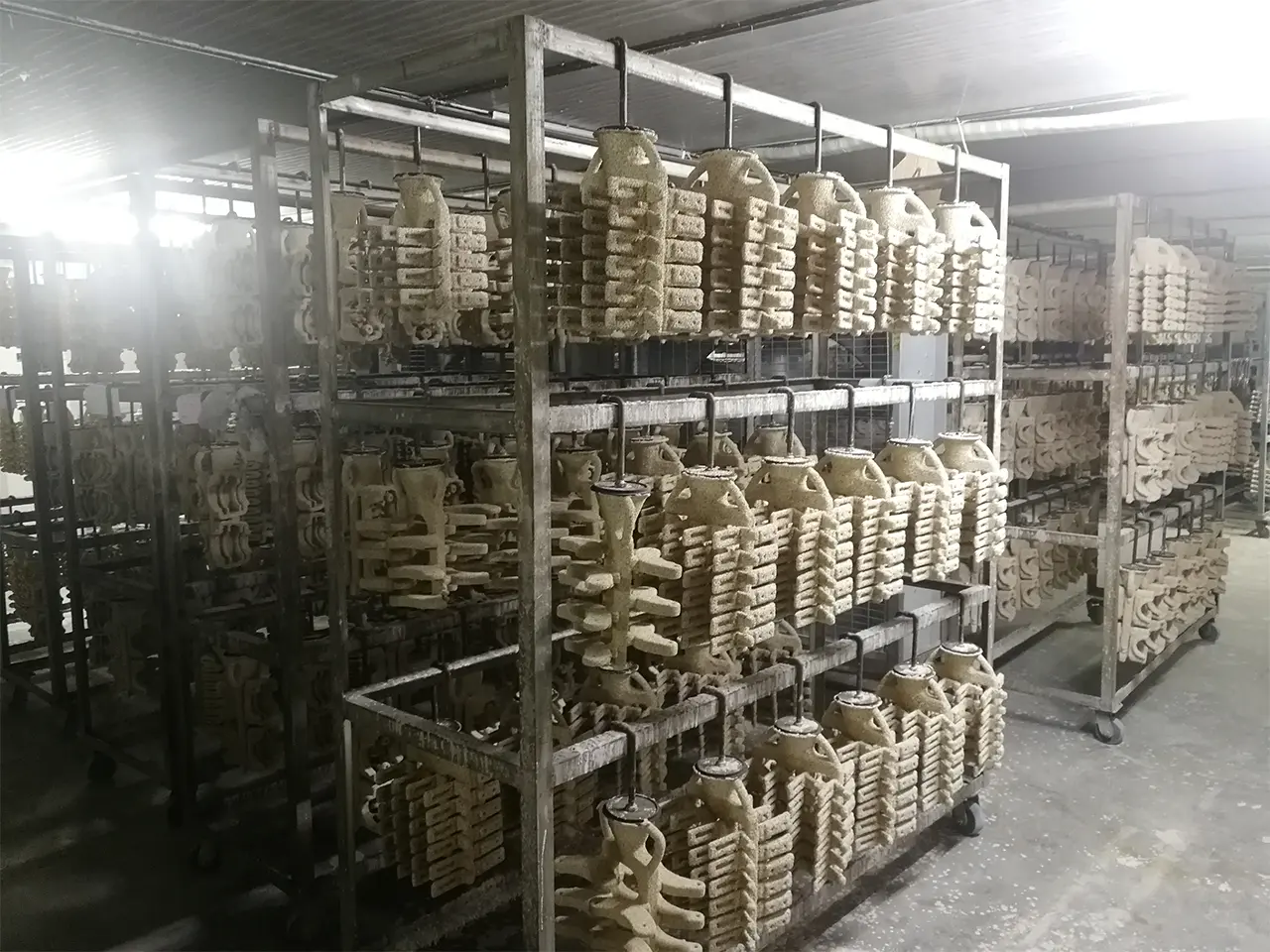
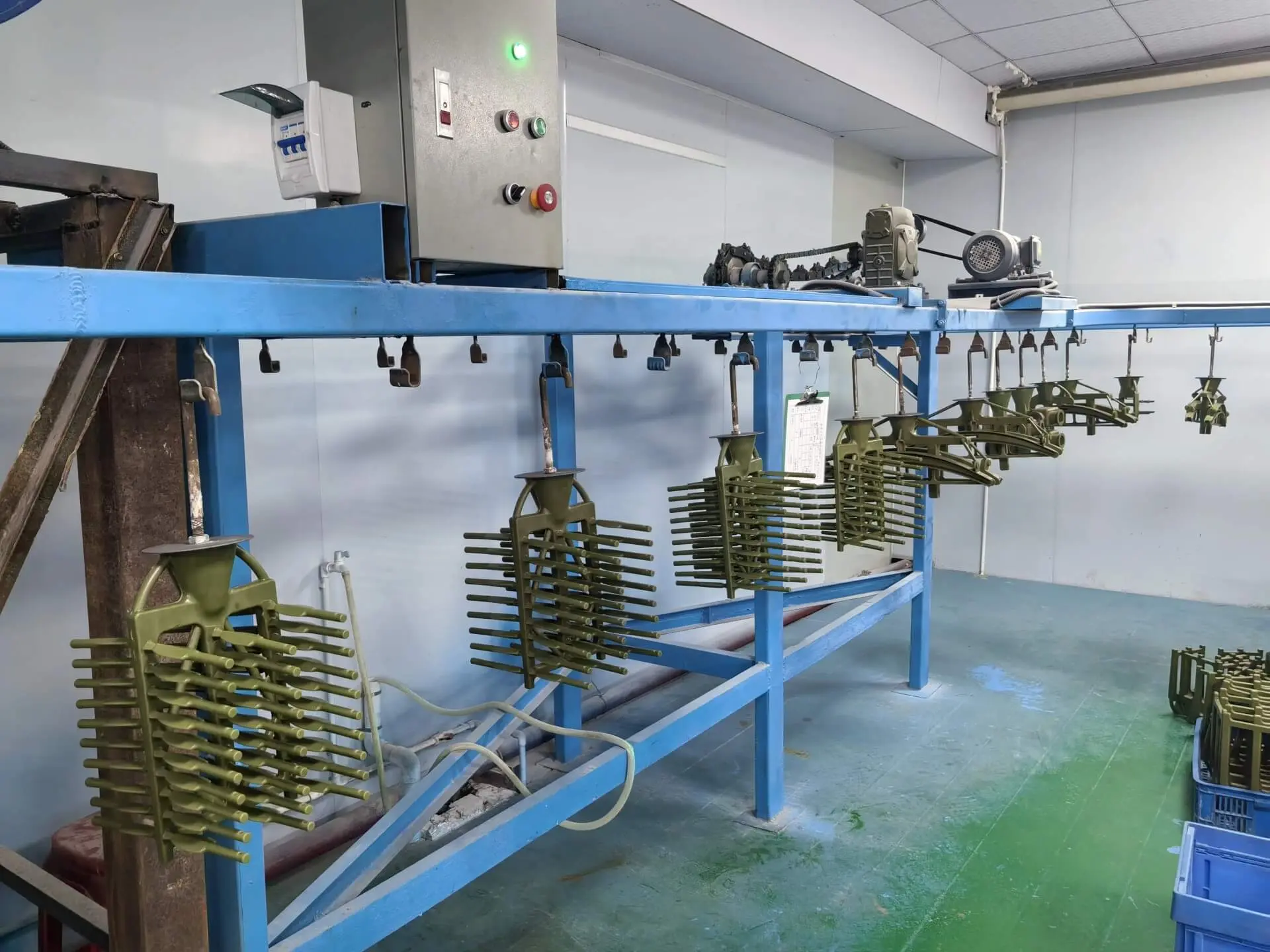
Step inside our Shixin manufacturing ecosystem, where metallurgical science meets high-speed machining technology.
Different working environments demand distinct alloy compositions. The table below lists common cast steels and alloys, detailing their mechanical profiles and typical application targets.
| Material Category | Common Standards | Key Properties | Typical Industrial Applications |
|---|---|---|---|
| Austenitic Stainless Steel | ASTM A351 CF8, CF8M, CF3M (316L) | Excellent corrosion resistance, high ductility, superb weldability. | Marine fittings, chemical valves, impeller housings, pharmaceutical pumps. |
| Duplex & Super Duplex | ASTM A890 4A (CD3MN), 5A, 6A | High yield strength, supreme pitting/crevice corrosion protection. | Desalination systems, deep sea offshore equipment, petrochemical scrubbers. |
| Carbon Steel | ASTM A216 WCB, WCC, LCB | Good machinability, impact toughness, cost-effective structural strength. | General industrial machinery, automotive sub-frames, construction links. |
| Low Alloy Steel | ASTM A217 WC6, WC9, C5 | Excellent creep resistance, structural stability under elevated temperatures. | Power plant turbines, steam piping valves, refinery boilers. |
| Titanium Alloy | Ti-6Al-4V (Grade 5), Grade 2 | Extremely high strength-to-weight ratio, bio-inert, non-magnetic. | Deep-sea submersibles, medical implants, aerospace structural elements. |
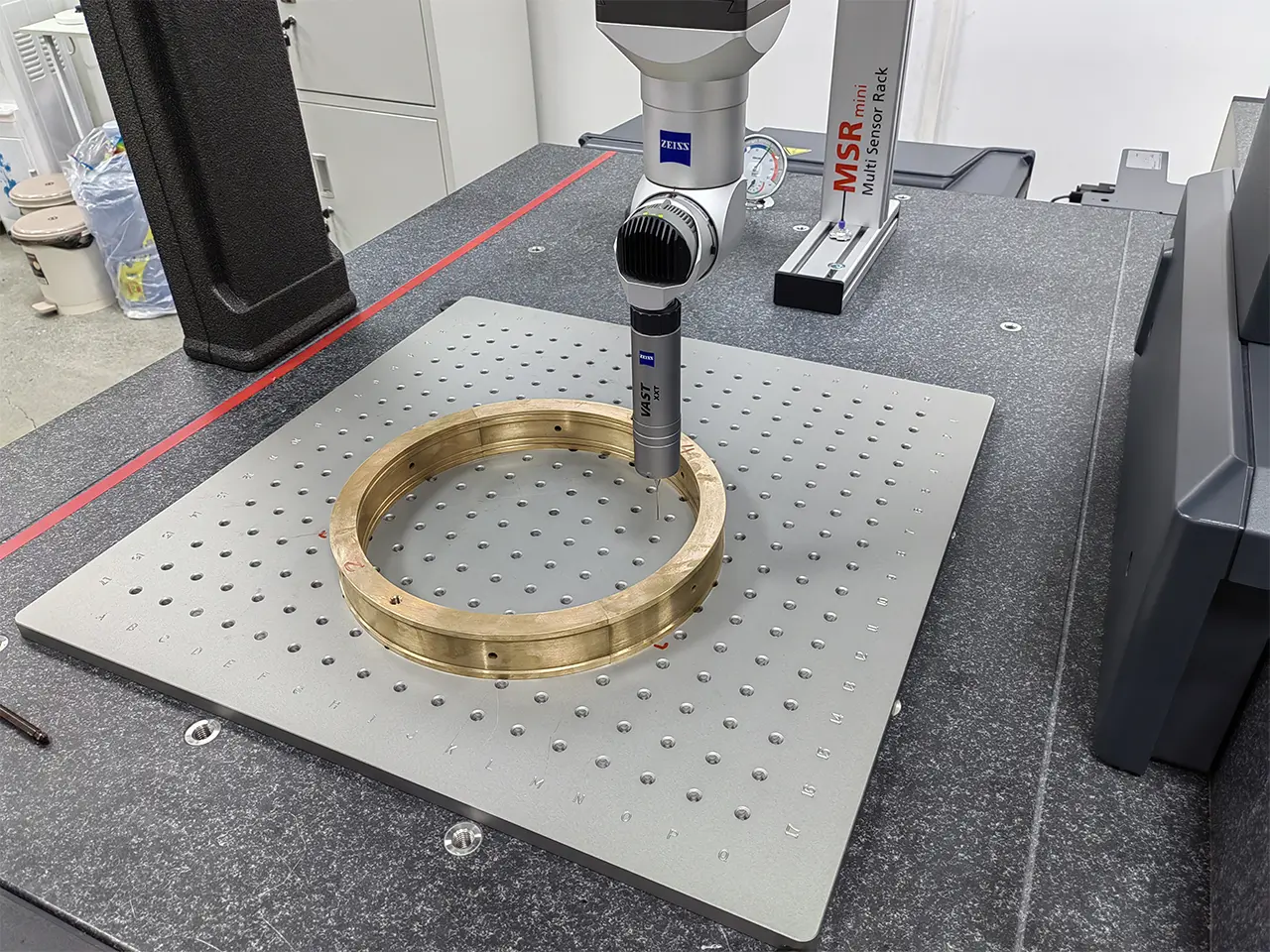
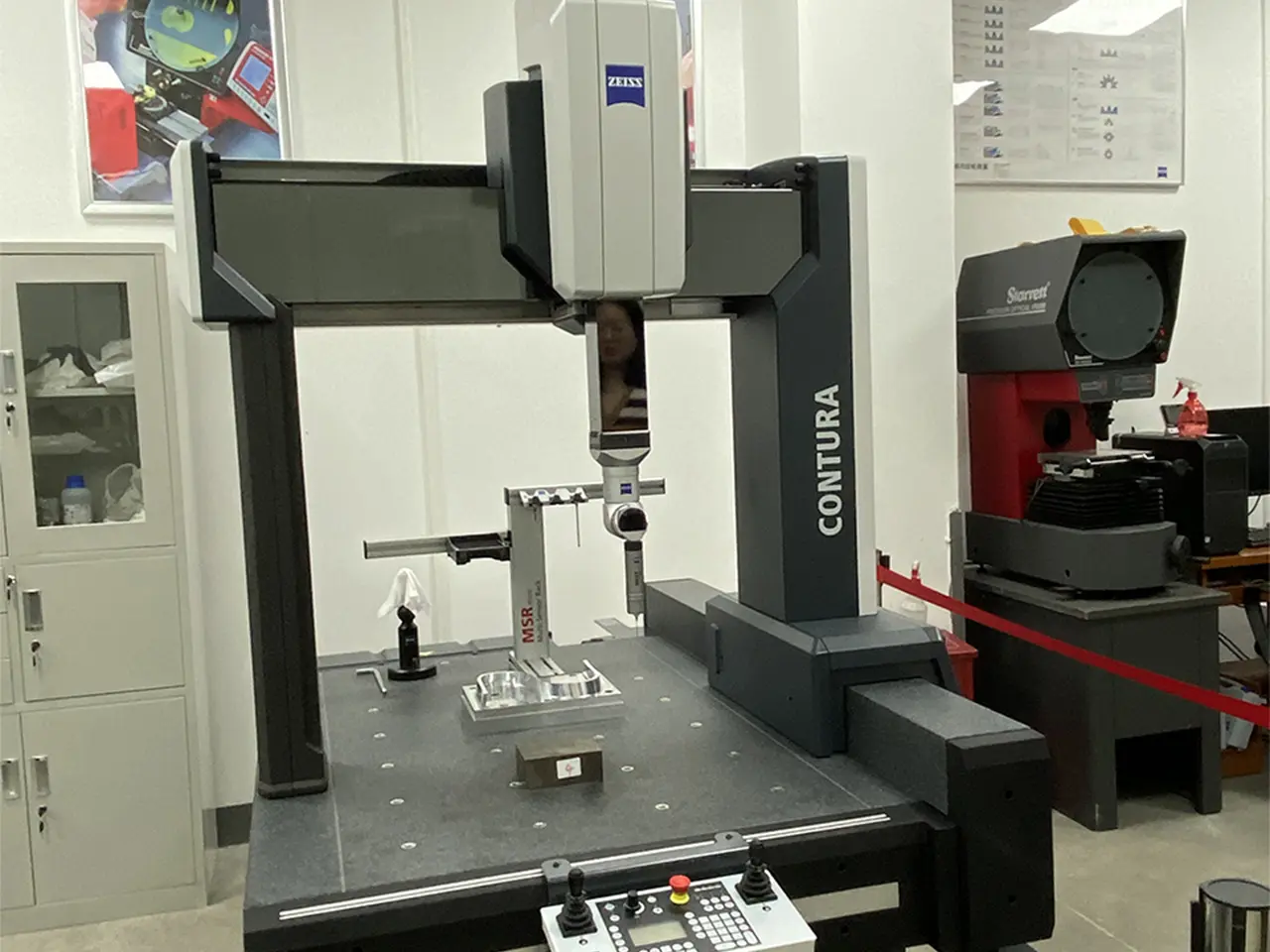
Quality is the cornerstone of our manufacturing processes. At Dongguan SX Technology, we employ dedicated QC staff and use modern verification machinery to check every critical tolerance and material specification. Our inspection protocols cover the entire production lifecycle, including:
By operating under strict quality management processes since 2014, we build reliable supply chains that meet international standards.
As manufacturing transitions toward Industry 4.0, Dongguan SX Technology is actively investing in new technical capabilities to support future engineering challenges:
Combining 3D sand/wax printing technology directly with investment casting patterns to cut sample lead times for low-volume complex parts.
Integrating inline optical spectrometers and wireless temperature monitoring systems to ensure consistency across casting batches.
Deploying robotic loading arms for CNC centers to increase productivity and control component tolerances in high-volume production.
Serving international markets requires adherence to global trade regulations, clean packaging protocols, and transport safety measures. Because our castings are utilized in pressurized pipeline systems, automotive systems, and marine structures, we package all shipments to prevent corrosion during transit.
Every export batch includes documentation such as EN 10204 3.1 Material Certificates, Dimensional Verification Sheets, Heat Treatment Graphs, Non-Destructive Testing summaries, and custom shipping documents. We offer flexible incoterms (FOB, CIF, DDP, DAP) and collaborate with international freight forwarders to manage overland, maritime, and air delivery routes.
Technical answers to key engineering and procurement questions.
Typically, investment casting (lost wax process) adheres to the VDG P690 or ISO 8062 Grade CT4 to CT6 standards. For carbon and stainless steel castings, this translates to linear tolerances of approximately ±0.15% to ±0.3% of the nominal dimension. For critical interfaces requiring tighter tolerances (e.g. ±0.01mm), we use post-cast CNC machining.
We use Non-Destructive Testing (NDT) to inspect the interior structure of our components. Depending on drawing specifications, we perform Radiographic Testing (RT/X-ray) or Ultrasonic Testing (UT) to check for internal shrinkage, gas pockets, and slag inclusions, ensuring structural integrity for high-pressure applications.
Duplex stainless steels must maintain a precise 50/50 ratio of austenite and ferrite phases to prevent pitting and stress corrosion cracking in high-chloride marine environments. Traceability ensures the chemical composition (specifically chromium, nickel, molybdenum, and nitrogen) matches exact material standards to prevent premature part failure.
Yes. While we prefer to manage the casting process in-house to control quality from start to finish, our CNC machining workshop can process customer-supplied raw castings, forgings, or billets made of titanium, stainless steel, and nickel-based superalloys.
We offer various post-casting surface treatments, including bead blasting, electropolishing, chemical passivation (to enhance oxide layers), acid pickling, mirror polishing, and protective coatings, meeting diverse cosmetic and functional specifications.
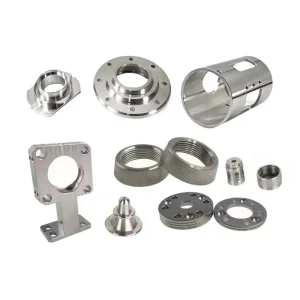
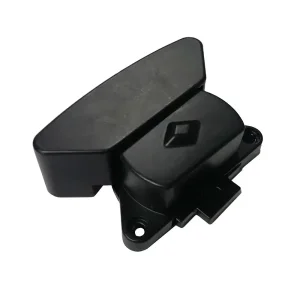
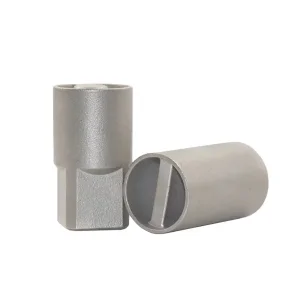
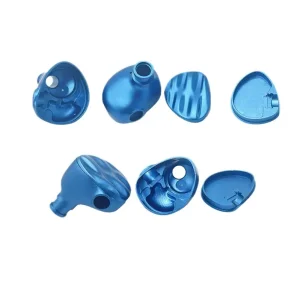
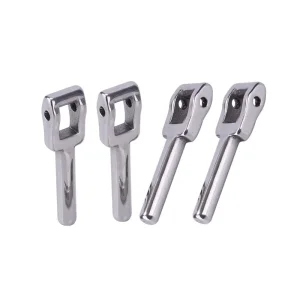
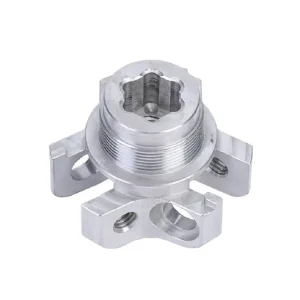
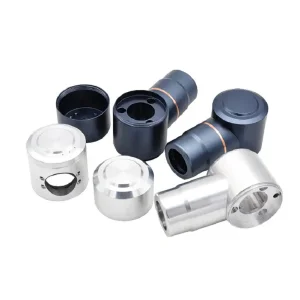
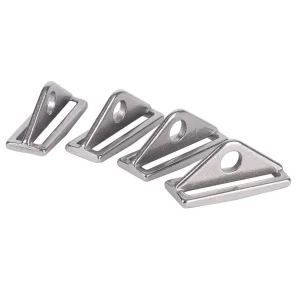
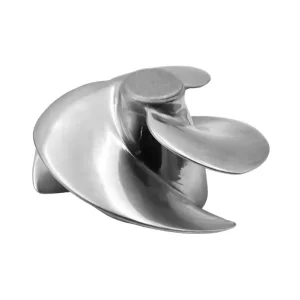
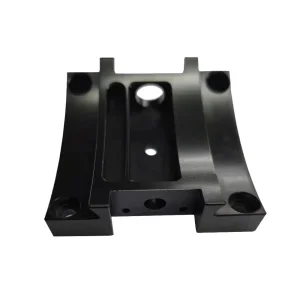
Below is our second category of precision-machined parts and custom casting solutions, engineered to meet demanding technical specifications.
 SX Machining